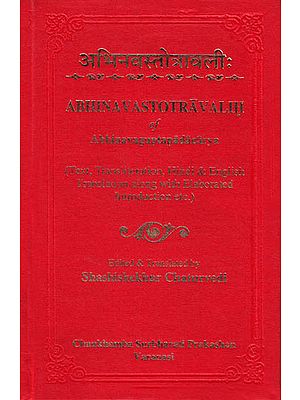
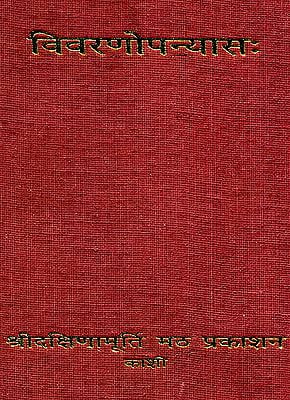
About the Book
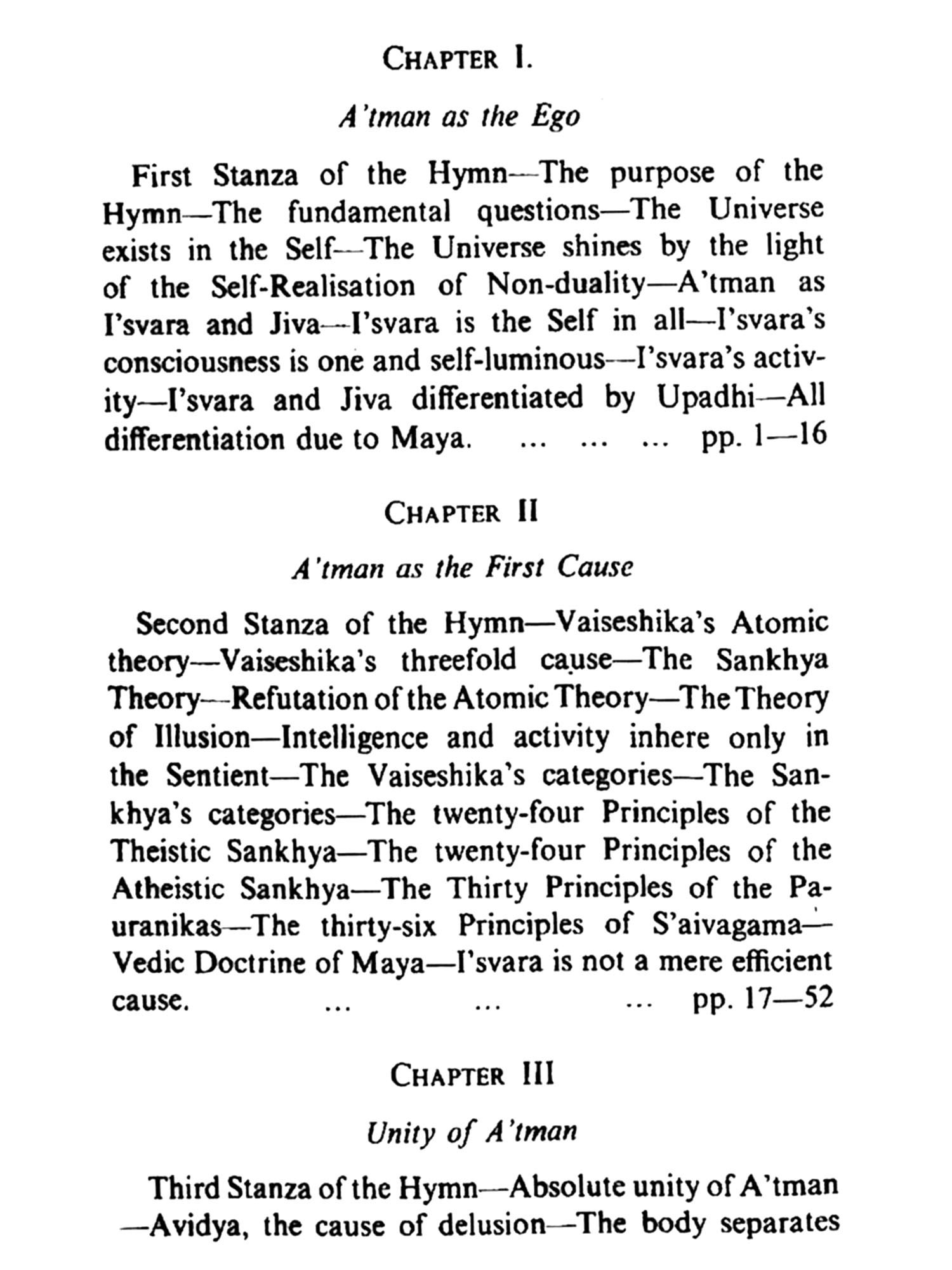
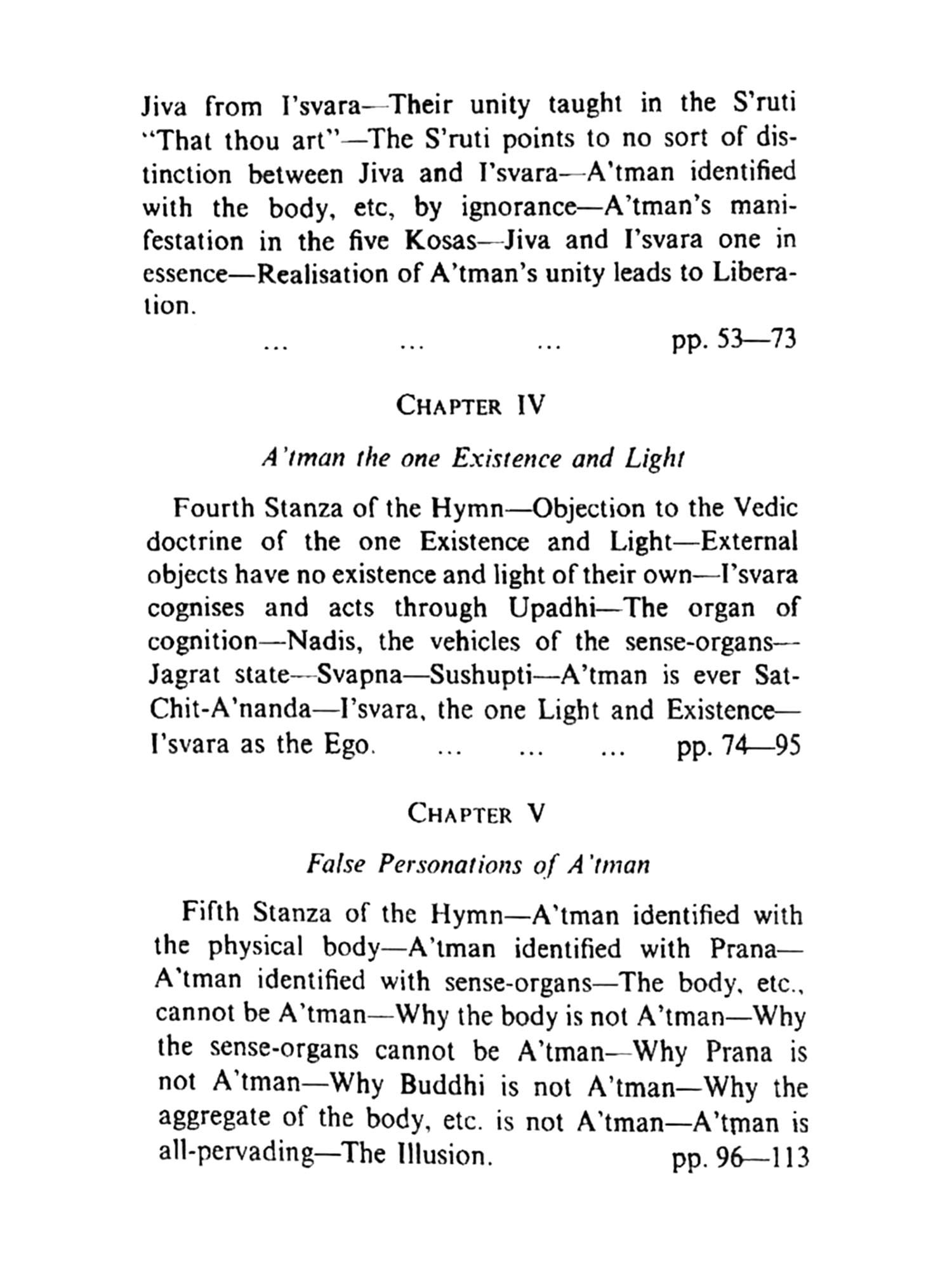
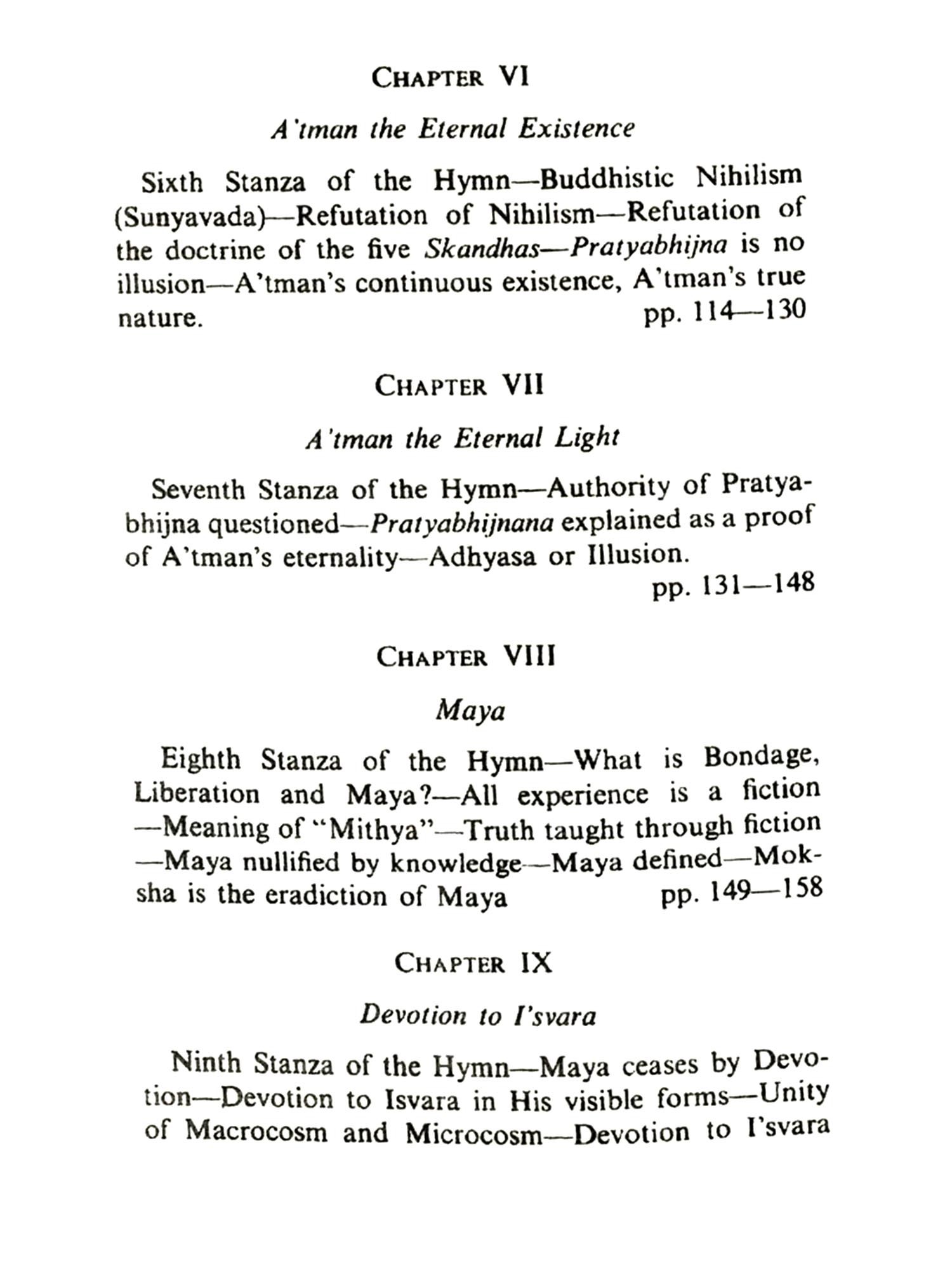
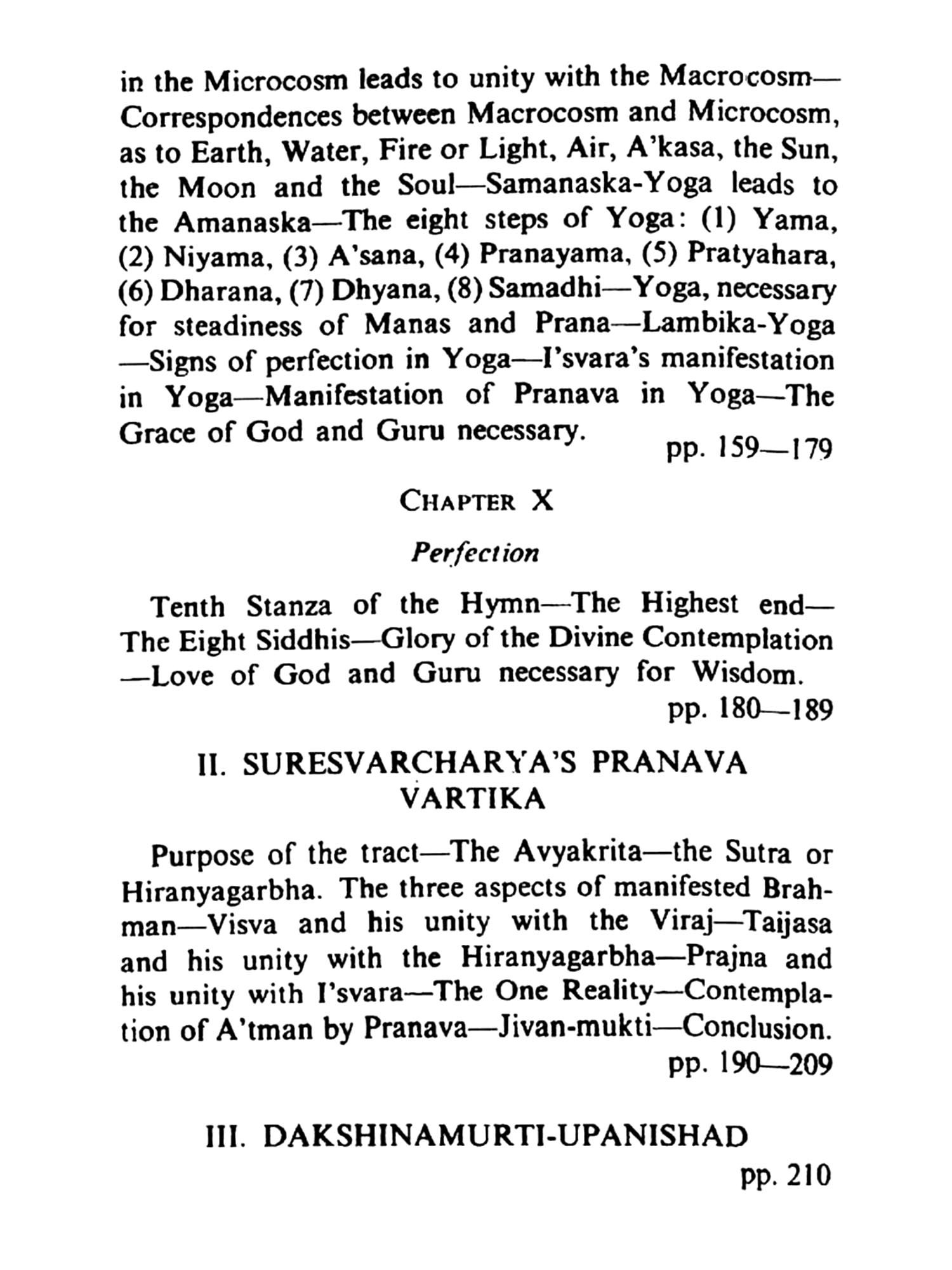
This book delves into the nature of the atman, exploring its identity as the ego and its role as the first cause. It examines the unity of A'tman, its essence as the one existence and light, and refutes false personations. The text also addresses A'tman's eternal existence and light, discusses Maya, and emphasizes devotion to Isvara for liberation. It concludes with insights on perfection and contemplation. Through philosophical discourse and scriptural references, it seeks to elucidate the essence and significance of the atman in spiritual liberation.
About the Author
Alladi Mahadeva Sastry (1861-1926), hailing from Nayudupeta, Andhra Pradesh, was a trailblazer in Indian scholarship. As the inaugural curator of the Oriental Library since its inception in 1891, he laid the foundation for scholarly endeavors. Proficient in Telugu, Sanskrit, and Vedic traditions, he earned acclaim for his academic prowess, graduating from Presidency College, Madras, in 1883. Noteworthy is Swami Vivekananda's endorsement of his insightful work on Sri Shankaracharya's teachings.
Preface
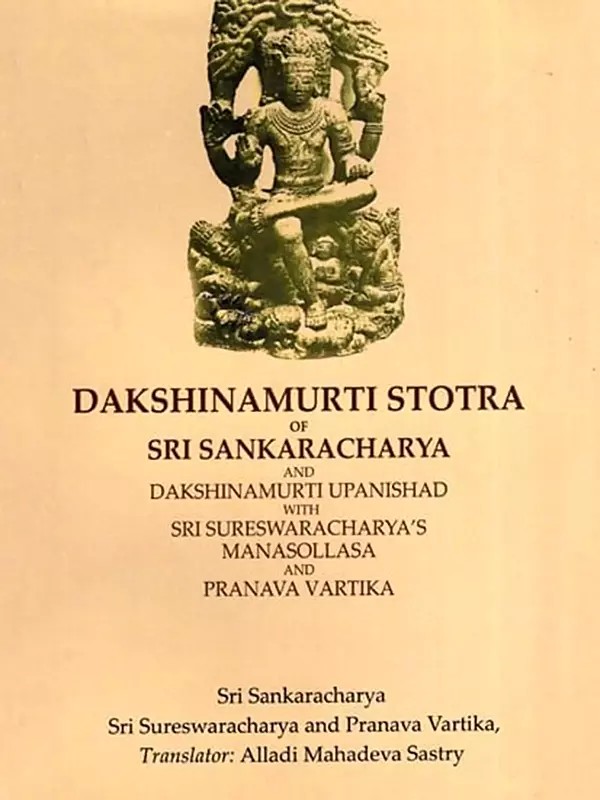
THIS volume comprises the following works literally translated into English with explanatory comments:
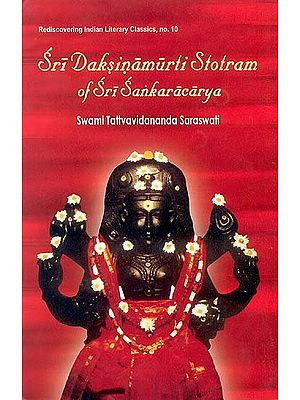
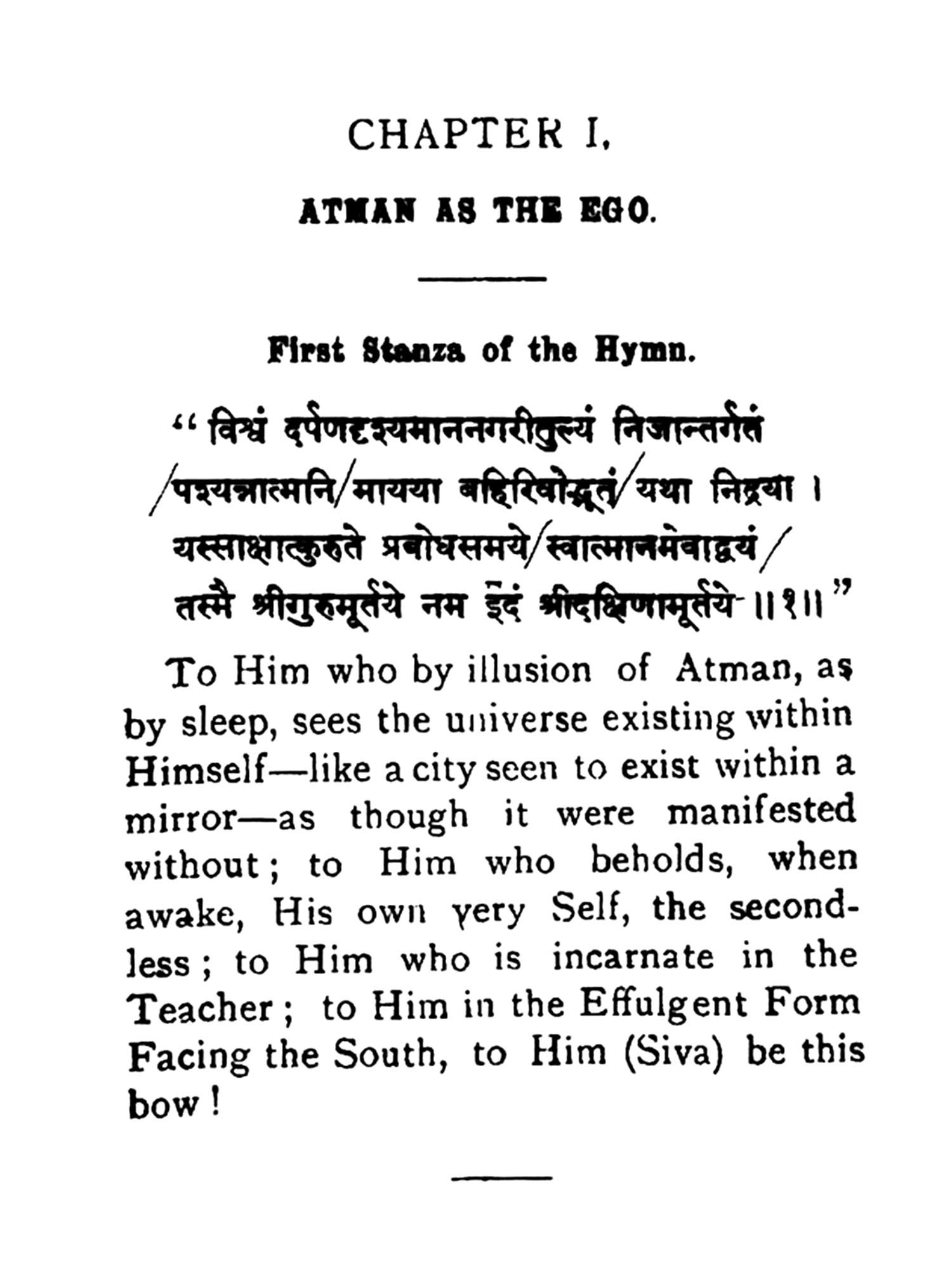
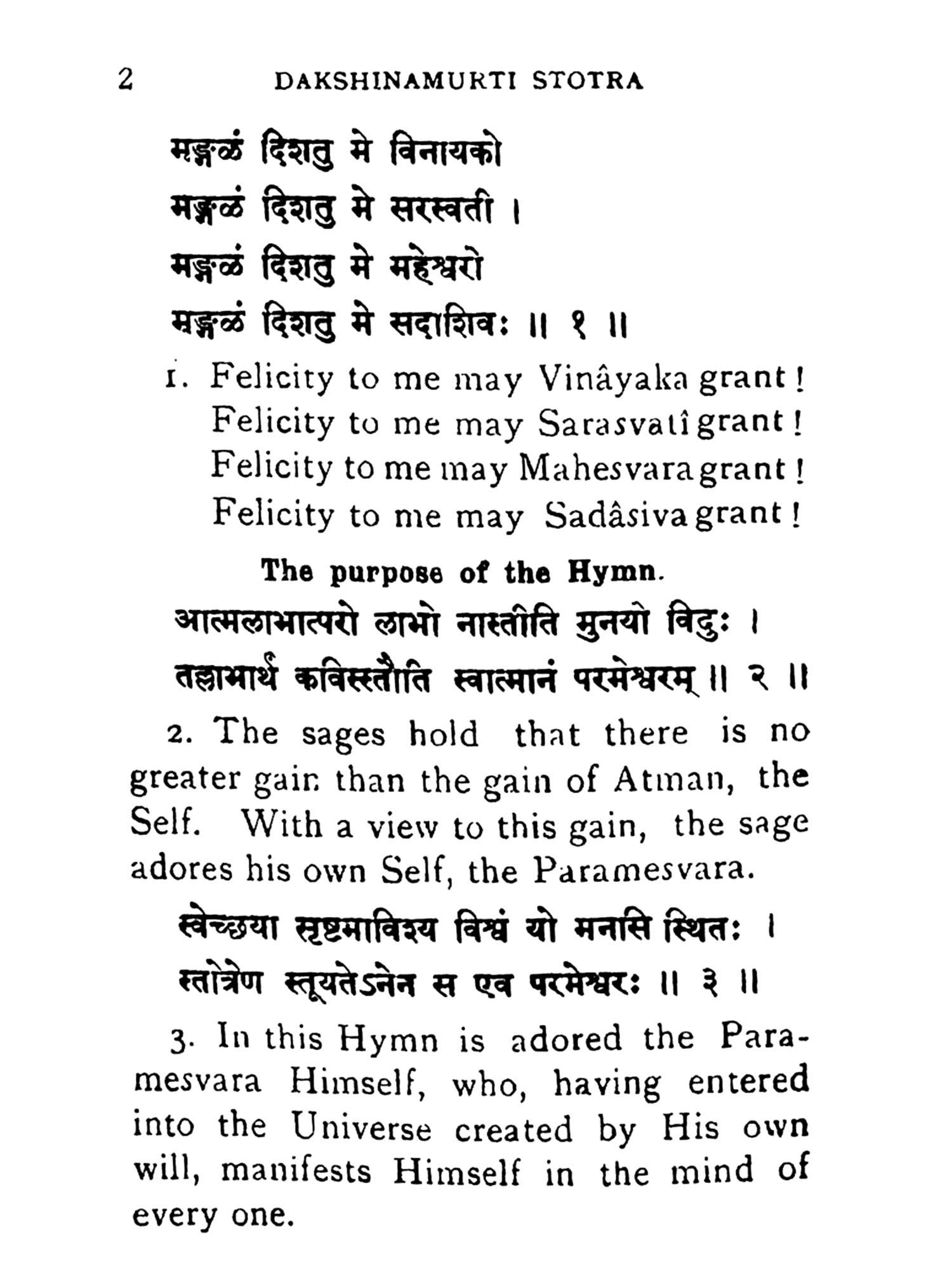
i. S'ri Sankaracharya's Dakshinamurti-Stotra, an ode to the Divine Self, with Sri Suresvaracharya's expo-sition named Mânasollåsa "Brilliant play of thought."
ii. S'ri Suresvaracharya's Pranava-Vartika treating of the contemplation of the Supreme Atman by means of the Pranava.
iii. Dakshinamurti-Upanishad.
S'ankaracharya's immortal Hymn and the two works of Suresvaracharya herein comprised epitomise the whole Vedanta Doctrine as expounded by the two authors in their commentaries on the Upanishads, and form a good introduction to a study of the subject. As a terse expression of the fundamental truths of the Vedanta, the well-known Hymn of S'ankaracharya forms a suitable text upon which the student may meditate and thereby construct the whole doctrine for himself. The reader will also be struck with the catholicity of the teaching, which is not addressed to any particular class of people nor contains any reference to distinctions of caste and religious order. While concisely stating the process by which the oneness of Self and the unreality of all else is established.
Introduction
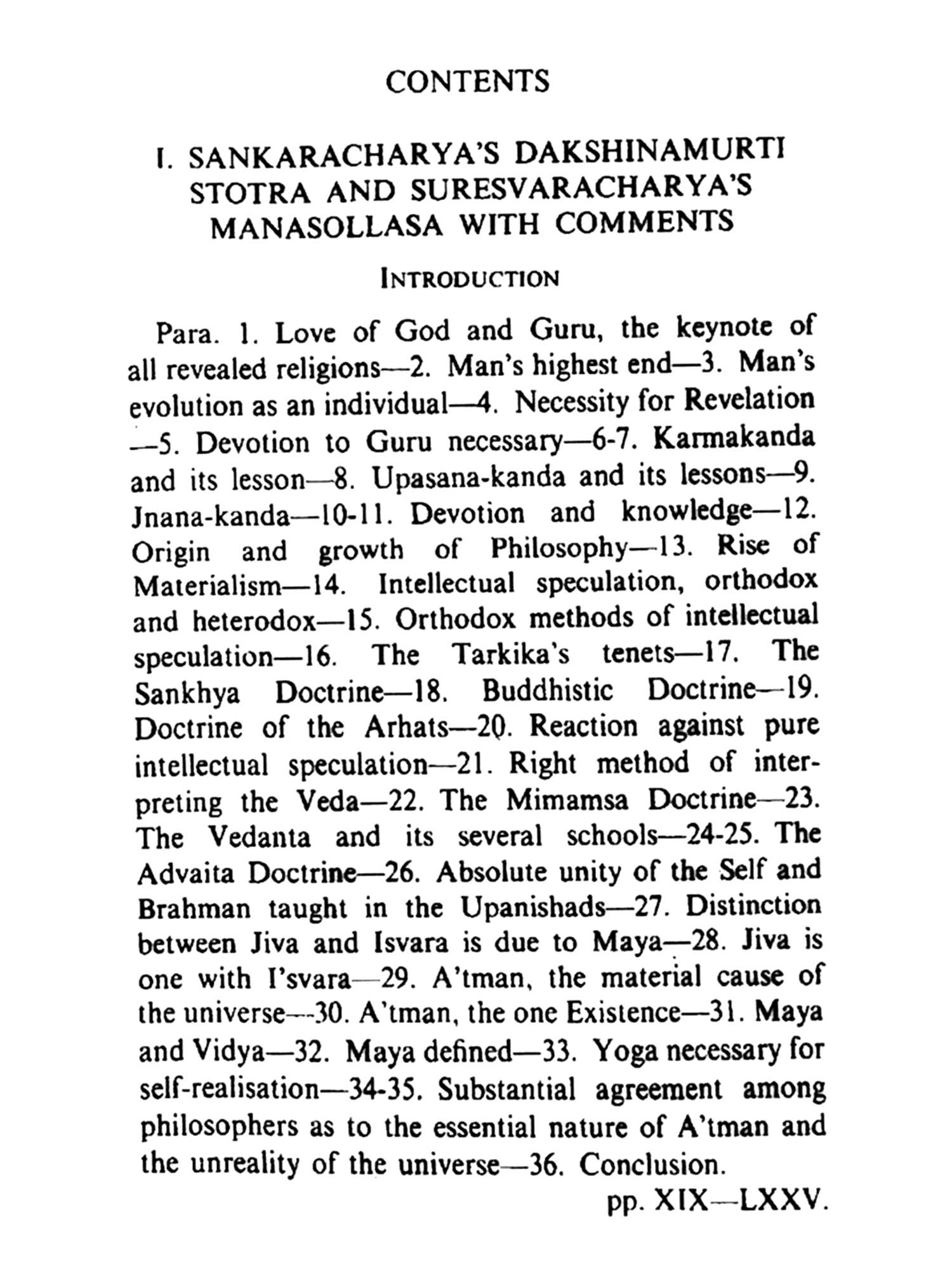
"Whoso hath highest love for God, and for the Guru as for God, to that Mahatman, the truths here taught shine in full." (Svetasvatara-Upani-shad, VI., 23). These are the words with which the Upanishad concludes its teaching and with which Suresvaracharya, like many other teachers, closes his exposition of the Vedanta Doctrine. They form the key-note of the whole Vedic Religion as of all other Religious systems based on Revelation. It behoves, therefore, the student of spiritual wisdom, nay, it behoves every seeker after Truth, to study and understand the principle enunciated in the passage quoted above. To this end we have first to determine what place Revelation occupies in a religious system and how it helps man to realise truth.