Introduction
What is Jain Religion The word "Jain" is made from
Sanskrit word "Jin" which means conqueror- that person who has
conquered his all sense organs. Such a person is given the name
"Jinendra." The followers of Jinendra are known as Jain. 卐
The doctrines given by Jinendradev is known as Jain Religion. It is very
difficult to control our five senses-touch, taste, vision, smell and hearing by
the five respective sense organs. The Jinendradev not only conquerors his all
sense organs but also quashes away the so called eight Karmas associated with
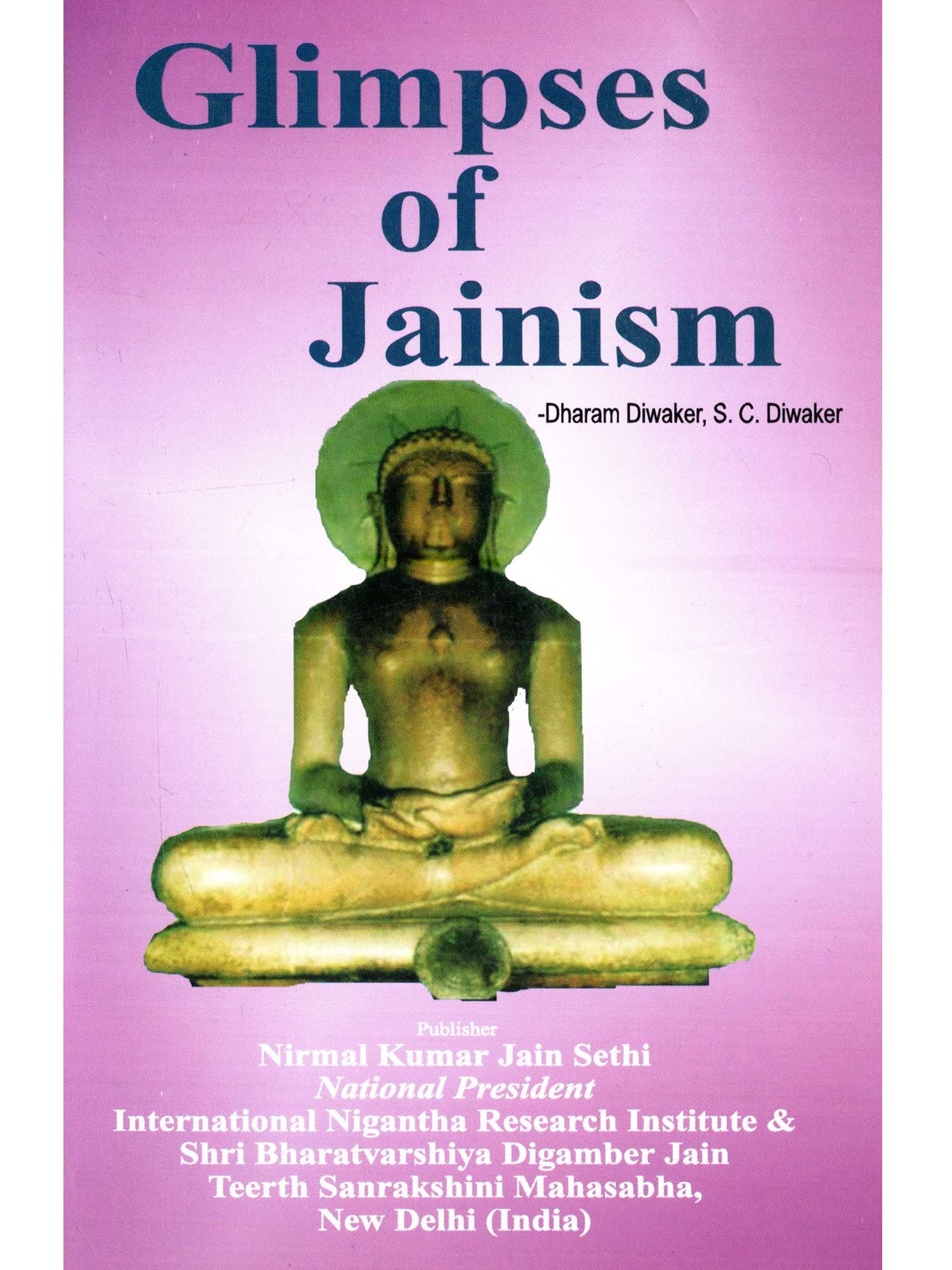
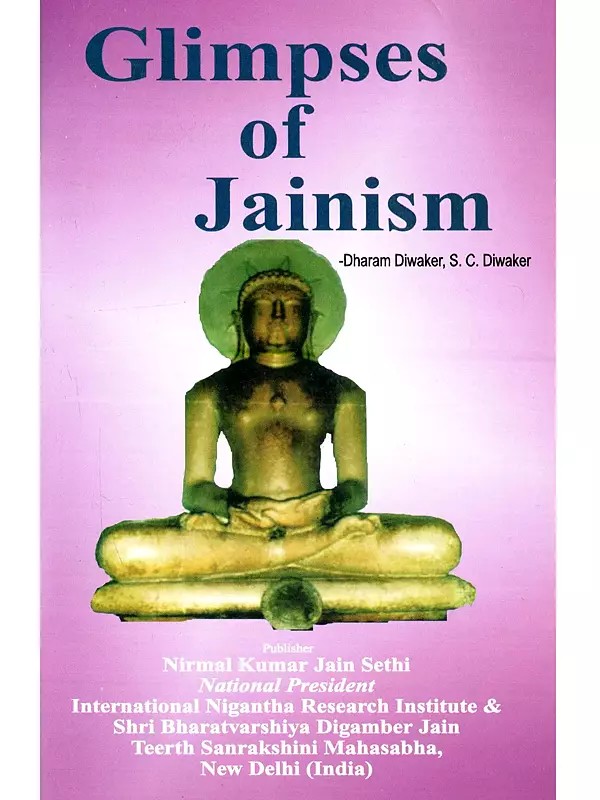
the soul. The first Jinendradev was Rishabha dev or Aadinatha. Later on twenty
three more Jinendradev were there. Thus all these twenty four Jinendradev are
being worshipped by Jains. All these Jinendra dev have some special
characteristics also due to which these are called "Tirthankara".
There had been infinite number of Jinendradev but all are not Tirthankaras. In
every era there are twenty four Tirthankaras only. Since the inception of the
universe, the most vital questions which puzzle every human being are to know
everything about the secrets of nature-how this universe is made, who has made
it, who has created all the creatures in this world, where from he has come and
where he will go after death, whether one's existence finishes with one's
death, what are the reasons of one's suffering, what are Karmas, how these are
bounded with the soul, how to get rid of these and how the cycle of life and
death be overcome. Jain Philosophy provides answer of all such questions. The
present monograph is written with the aim of satisfying all such queries. According
to Jainism worldly souls go through cycles of birth and death. As we know all
the worldly souls are associated with karmic matter. It is these Karmas which
decide our birth in one of the four states of existence namely Tiryancha state,
human state, celestial state of existence (deva Gati), and infernal state of
existence. Moreover the Karms are responsible for all the worldly pleasures or
sorrow and all other things. It is a well admitted fact that all the worldly
pleasures and bliss is most temporary. Someone is sad as he is poor, someone
due to his ill health and so on. Nobody is happy in this world. It is said that
a worldly soul has to take eighty four lac births. The binding of Karmas with
the soul is not permanent. Some of the Karmas after delivering its fruits
migrate to space as Karma vargana. On the other hand the Karma varganas are
attracted by the action of mind, speech and body. Hence the cycle of
"cause and effect" continues indefinitely. Thus the worldly soul has
been wandering since the infinity and may continue to wander till it attains
what is known as "Moksha. According to Digambar Jain tradition, there are
seven Tattwas whereas according to Shwetambera Jain tradition, there are nine
basic realities (tattwas). We will discuss nine realities here which are:-soul
or living inmates, non living or pudagala, influx of Karmas (ashrava), bonding
(bandha) of Karmas, stoppage of influx of Karmas (samvara), shedding of Karmas
(nirajara), merits and de merits in Jainism (punya and papa) and liberation of
Karmas or moksha. The combination of Jiva (Soul) and ajiva (pudagala) has
produced this world. Influx of Karmas (ashrava) and binding of Karma (bandha)
are the cause of world. Influx of Karmas is known as ashrava. Their binding
with soul is bandha. Stoppage of influx of Karmas is samavara. Shedding of
Karmas is known as nirajara and complete removal of Karmas is Moksha. In
Jainism very detailed description is given which may be known as the
Fundamental of Jainism. Such knowledge is very essential in order to know the
Philosophy of life-about our present and future life, about the Karmas which
are responsible for our pleasure and pain, life and death and ultimately may
give Moksha.