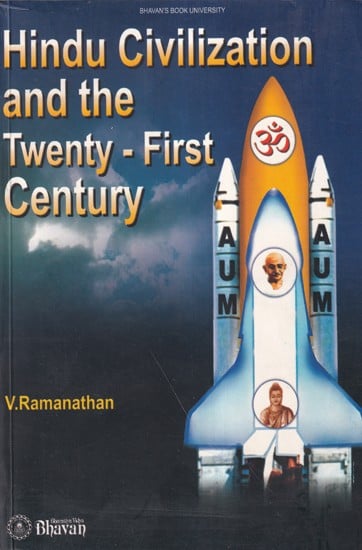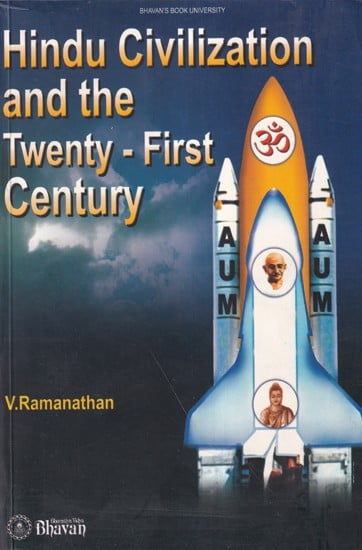
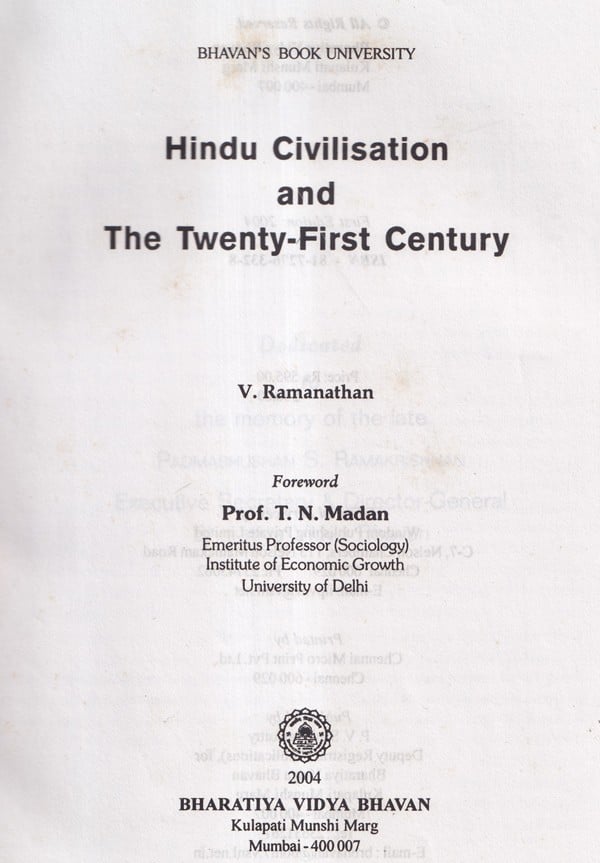
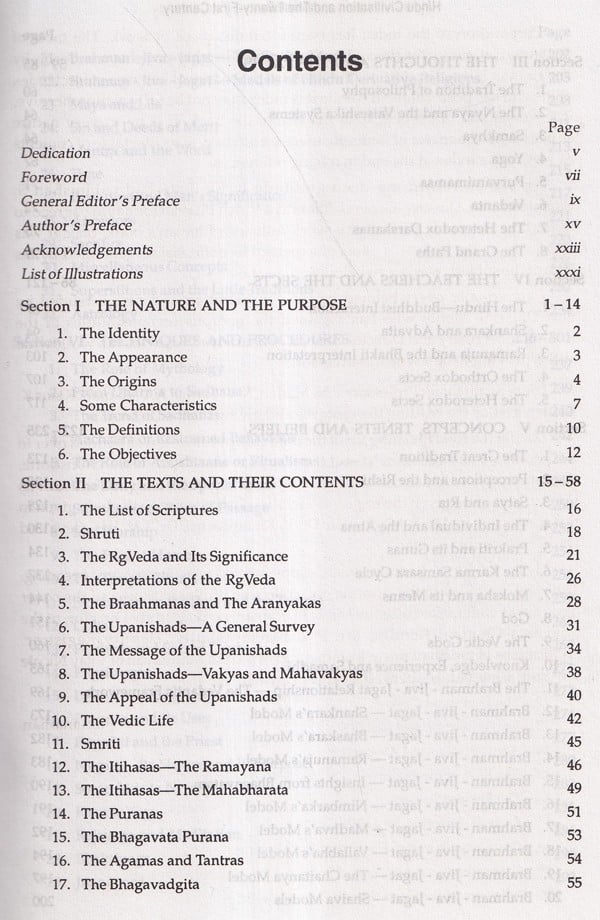
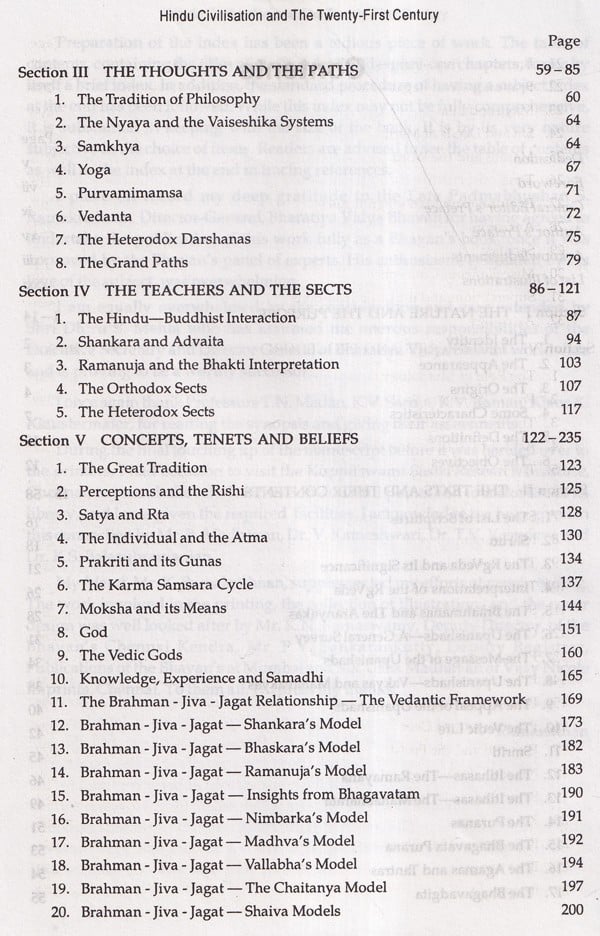
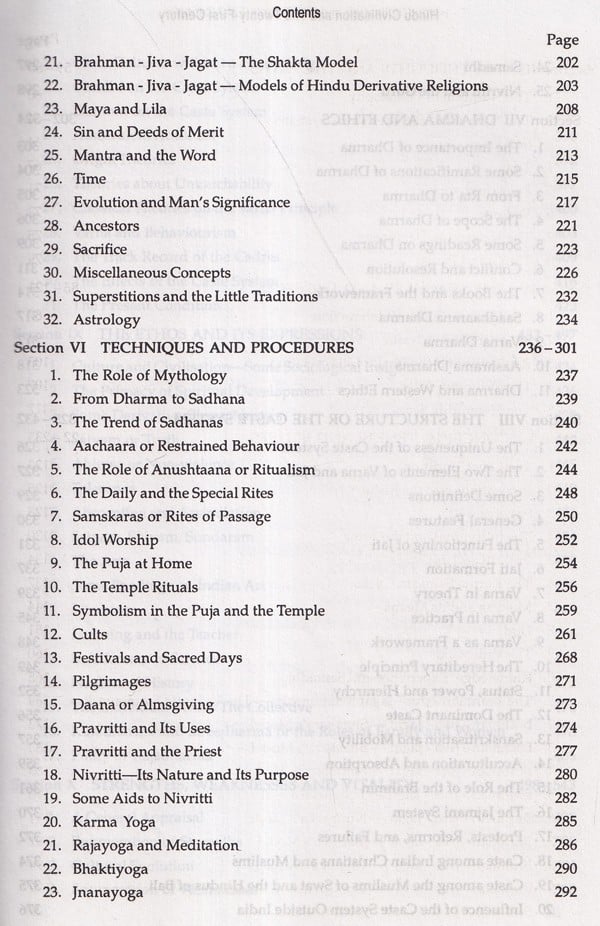
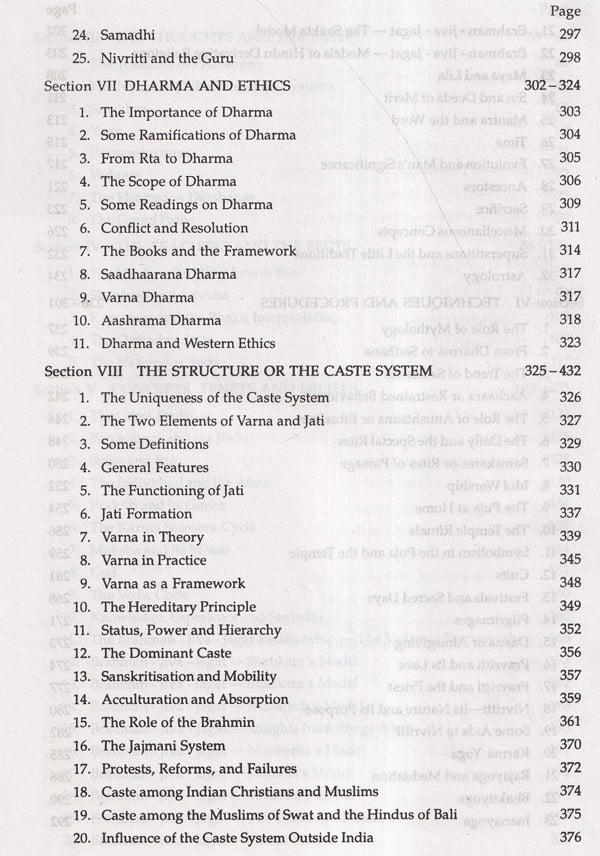
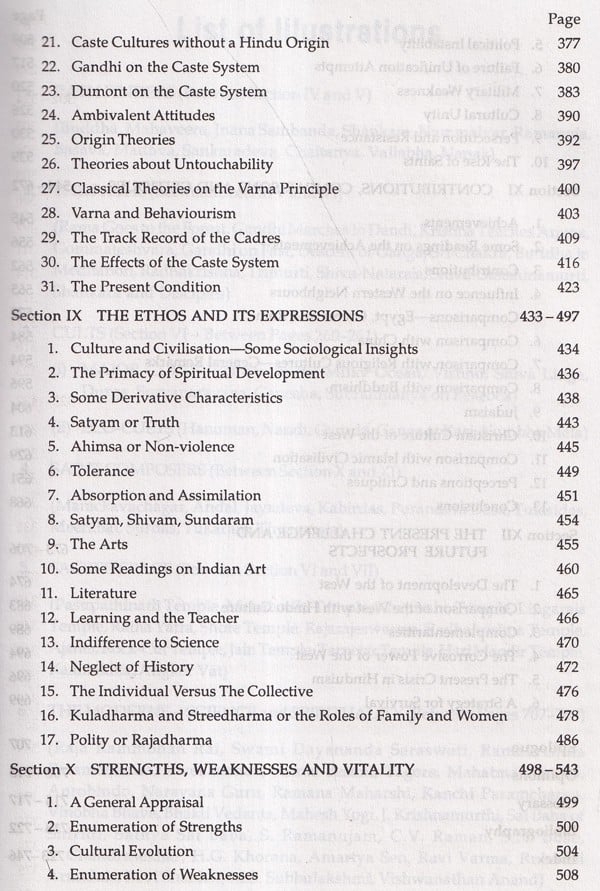
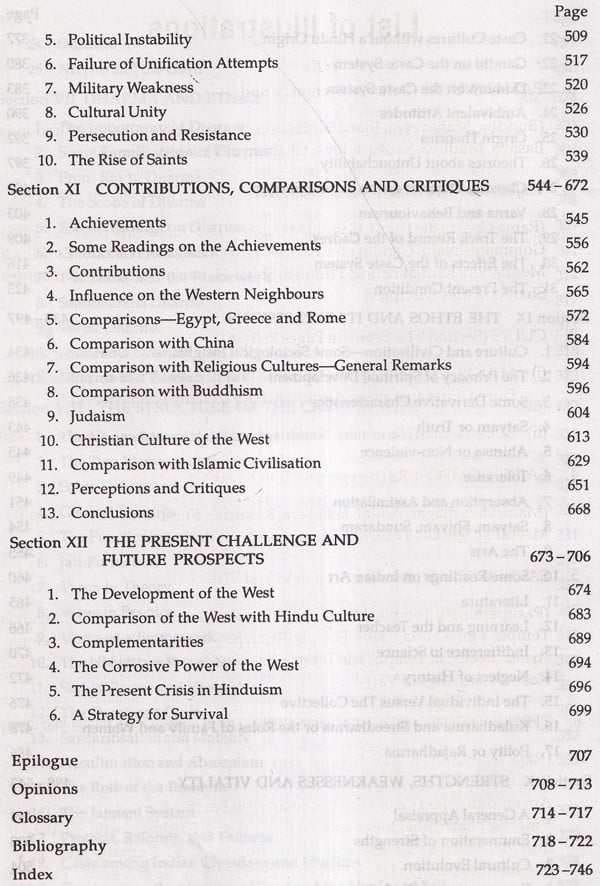

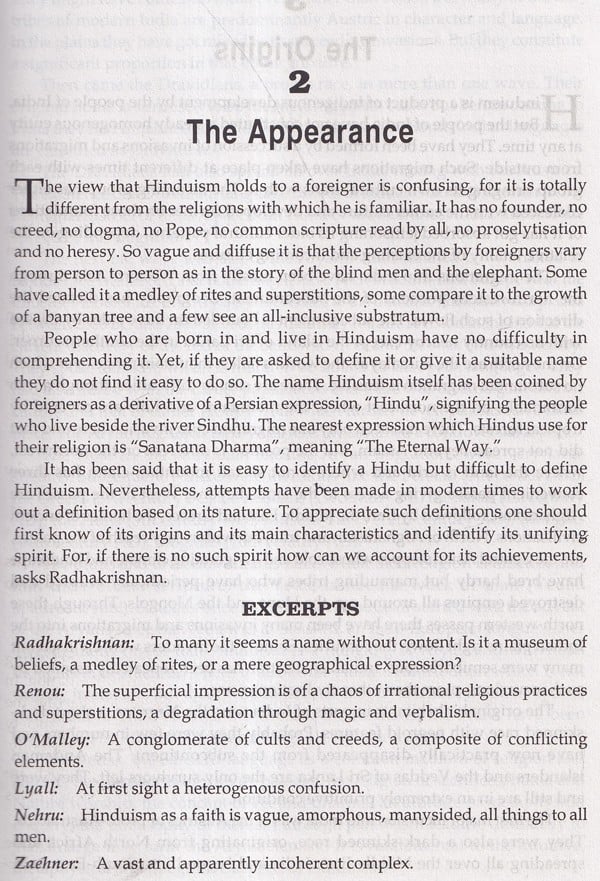
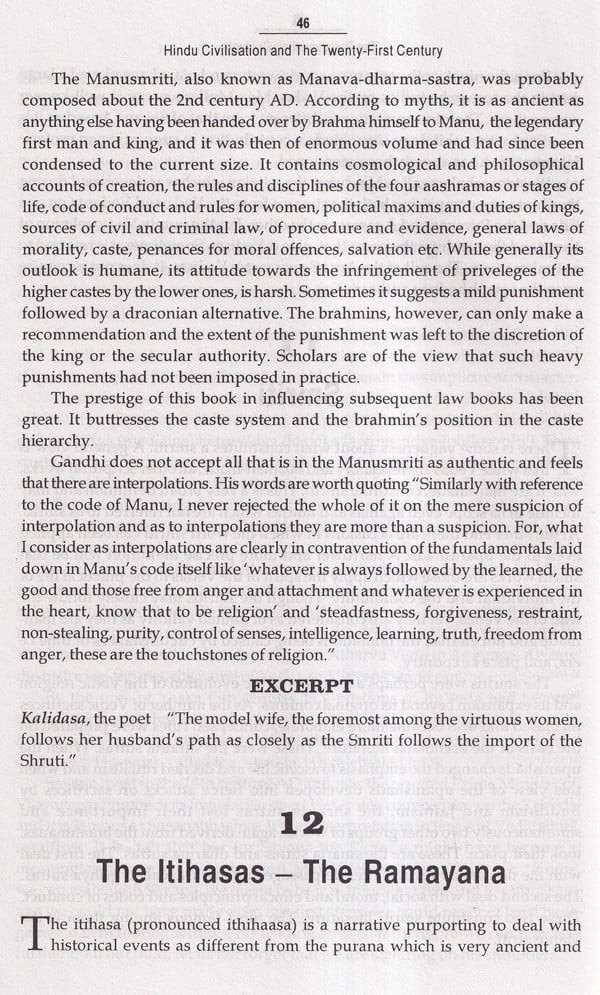

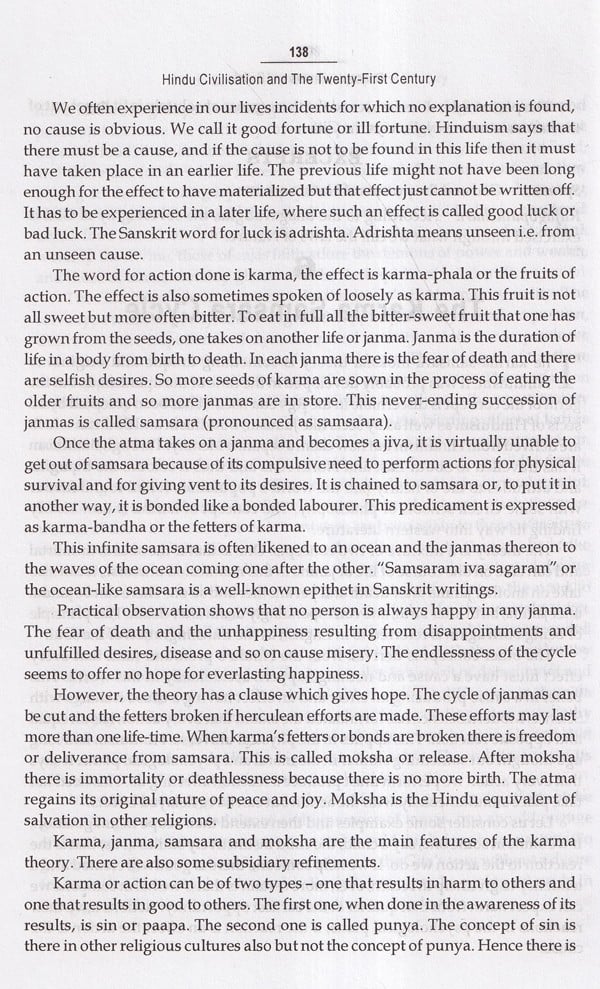



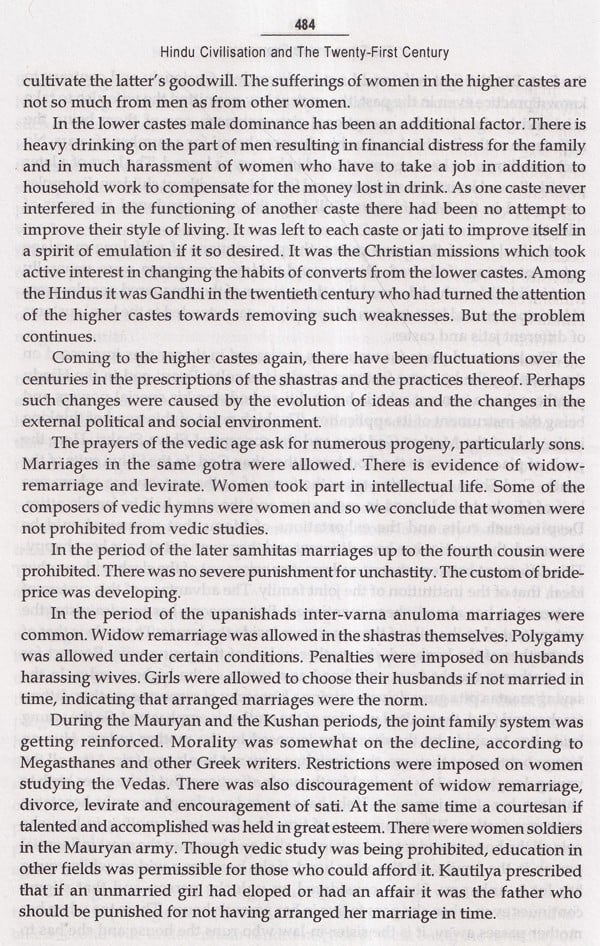
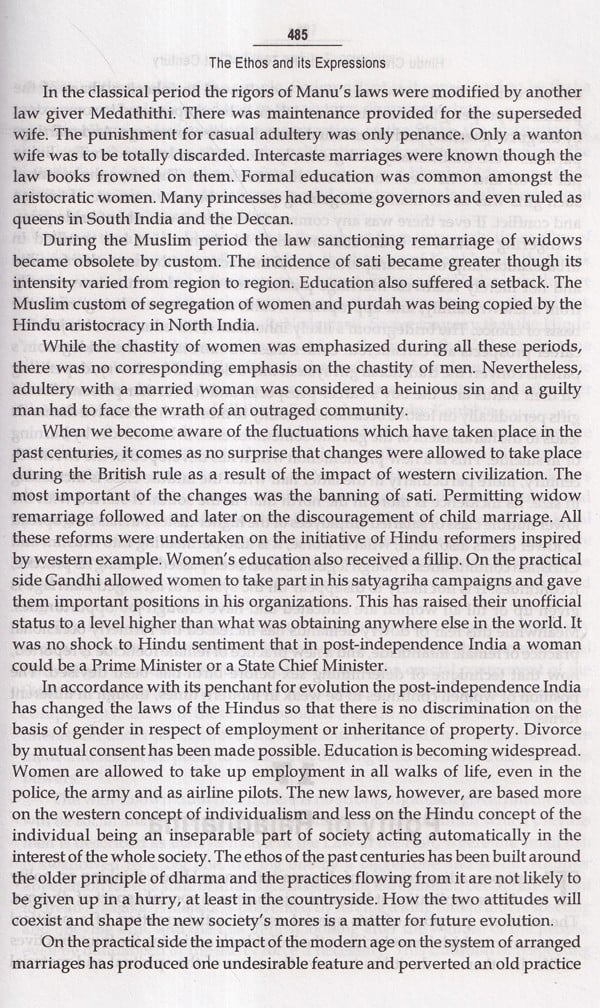
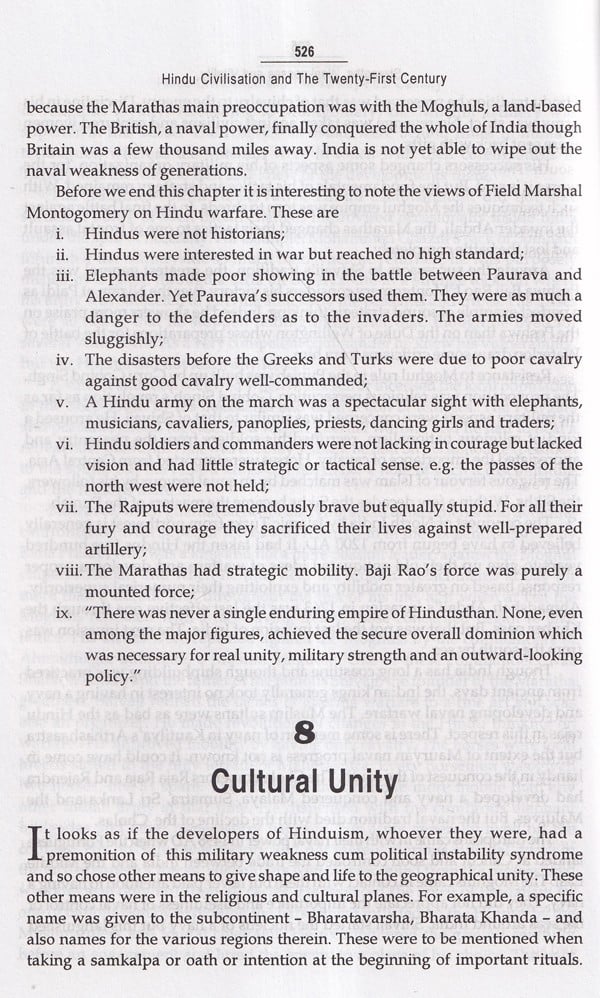
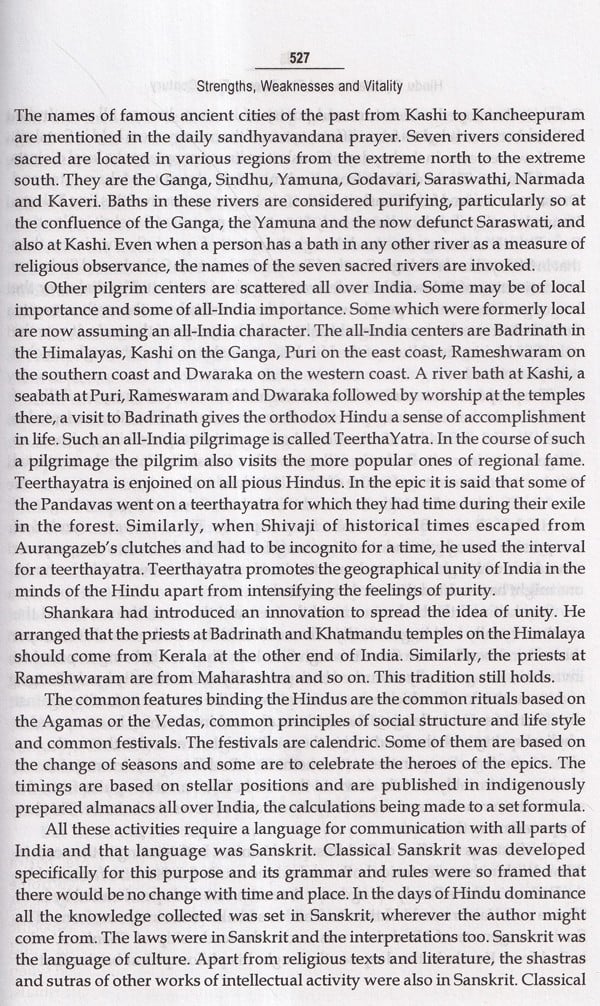
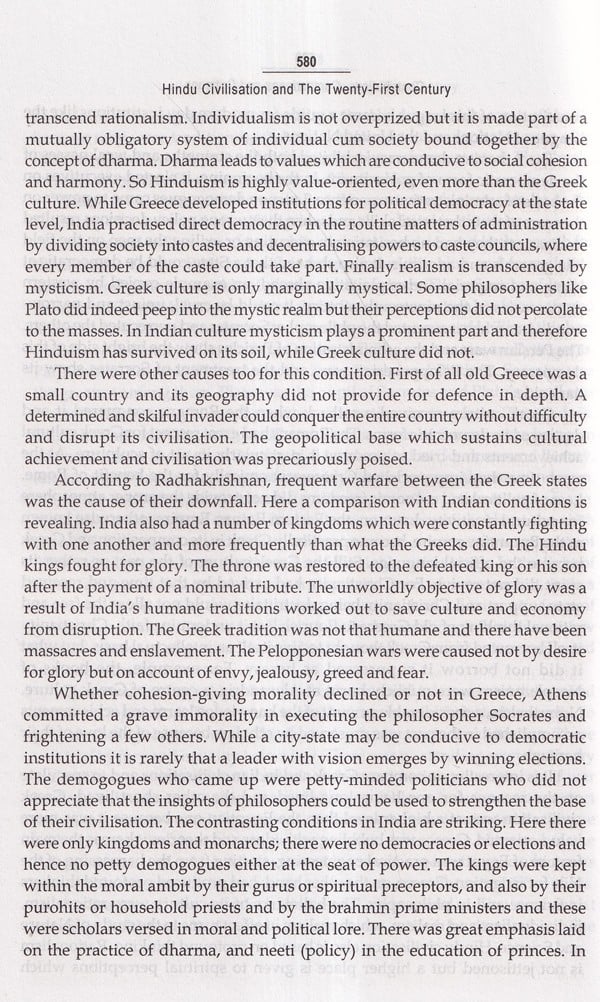
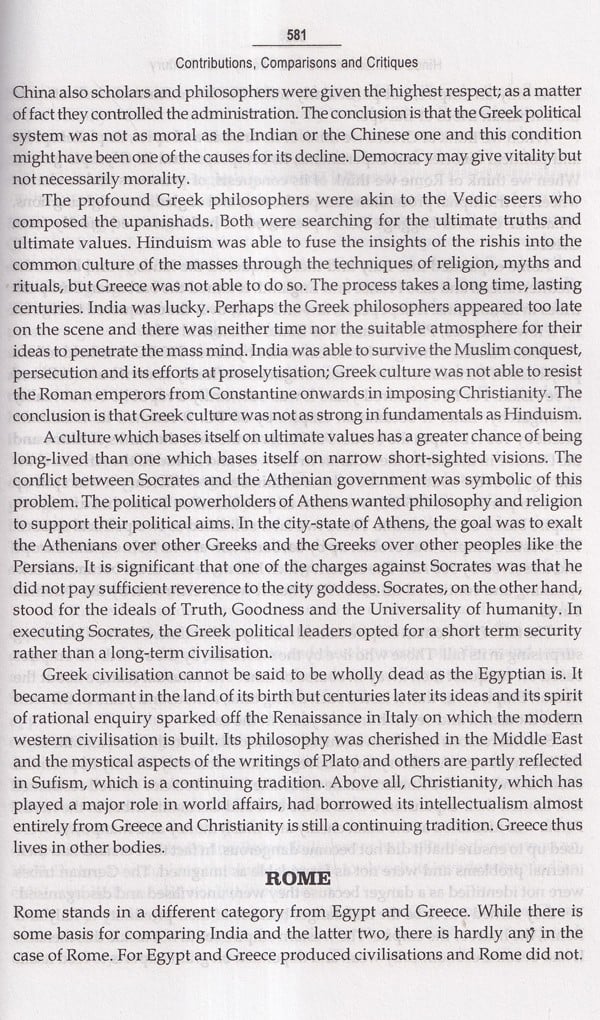
Hindu Civilization and the Twenty-First Century (An Old and Rare Book)
$47
Includes any tariffs and taxes

Only 1 available
Express Shipping
Express Shipping

Express Shipping: Guaranteed Dispatch in 24 hours
Notify me when this item is available
| Specifications |
 |
Publisher: Bharatiya Vidya Bhavan |
| Author V. Ramanathan | |
| Language: English | |
| Pages: 739 (B/W Illustrations) | |
| Cover: PAPERBACK | |
 |
9.5x6.5 inch |
 |
Weight 990 gm |
| Edition: 2004 | |
| ISBN: 8172763328 | |
 |
HBB663 |
| Delivery and Return Policies |
 |
Ships in 1-3 days |
 |
Returns and Exchanges accepted within 7 days |
 |
Free Delivery |

Easy Returns

1M+ Customers

25+ Years in Business
Book Description
Products related to this item

$33.60
Express Shipping
$48 30% off
Includes any tariffs and taxes

$35
Includes any tariffs and taxes

$45
Includes any tariffs and taxes


Publisher THE HINDU GROUP
$148
Includes any tariffs and taxes

$23
Express Shipping
Includes any tariffs and taxes

$25
Express Shipping
Includes any tariffs and taxes


$22.95
Express Shipping
$27 15% off
Includes any tariffs and taxes

$28.05
Express Shipping
$33 15% off
Includes any tariffs and taxes

$33
Express Shipping
Includes any tariffs and taxes
$32
Express Shipping
Includes any tariffs and taxes
Frequently Asked Questions
-
Q. What locations do you deliver to ?A. Exotic India delivers orders to all countries having diplomatic relations with India.
-
Q. Do you offer free shipping ?A. Exotic India offers free shipping on all orders of value of $30 USD or more.
-
Q. Can I return the book?A. All returns must be postmarked within seven (7) days of the delivery date. All returned items must be in new and unused condition, with all original tags and labels attached. To know more please view our return policy
-
Q. Do you offer express shipping ?A. Yes, we do have a chargeable express shipping facility available. You can select express shipping while checking out on the website.
-
Q. I accidentally entered wrong delivery address, can I change the address ?A. Delivery addresses can only be changed only incase the order has not been shipped yet. Incase of an address change, you can reach us at help@exoticindia.com
-
Q. How do I track my order ?A. You can track your orders simply entering your order number through here or through your past orders if you are signed in on the website.
-
Q. How can I cancel an order ?A. An order can only be cancelled if it has not been shipped. To cancel an order, kindly reach out to us through help@exoticindia.com.