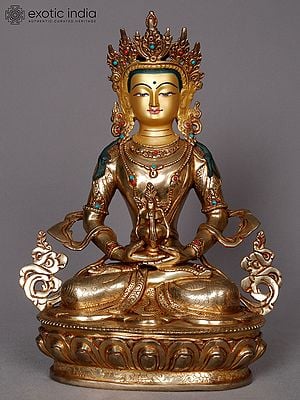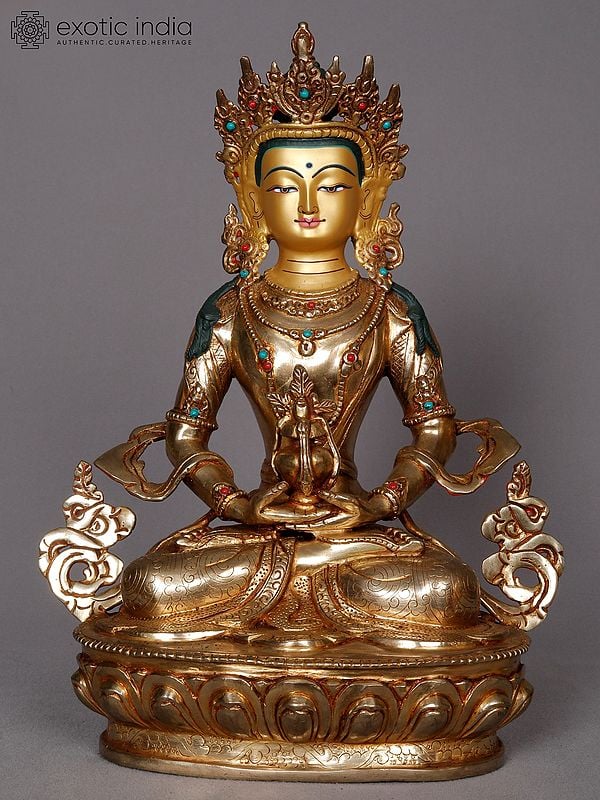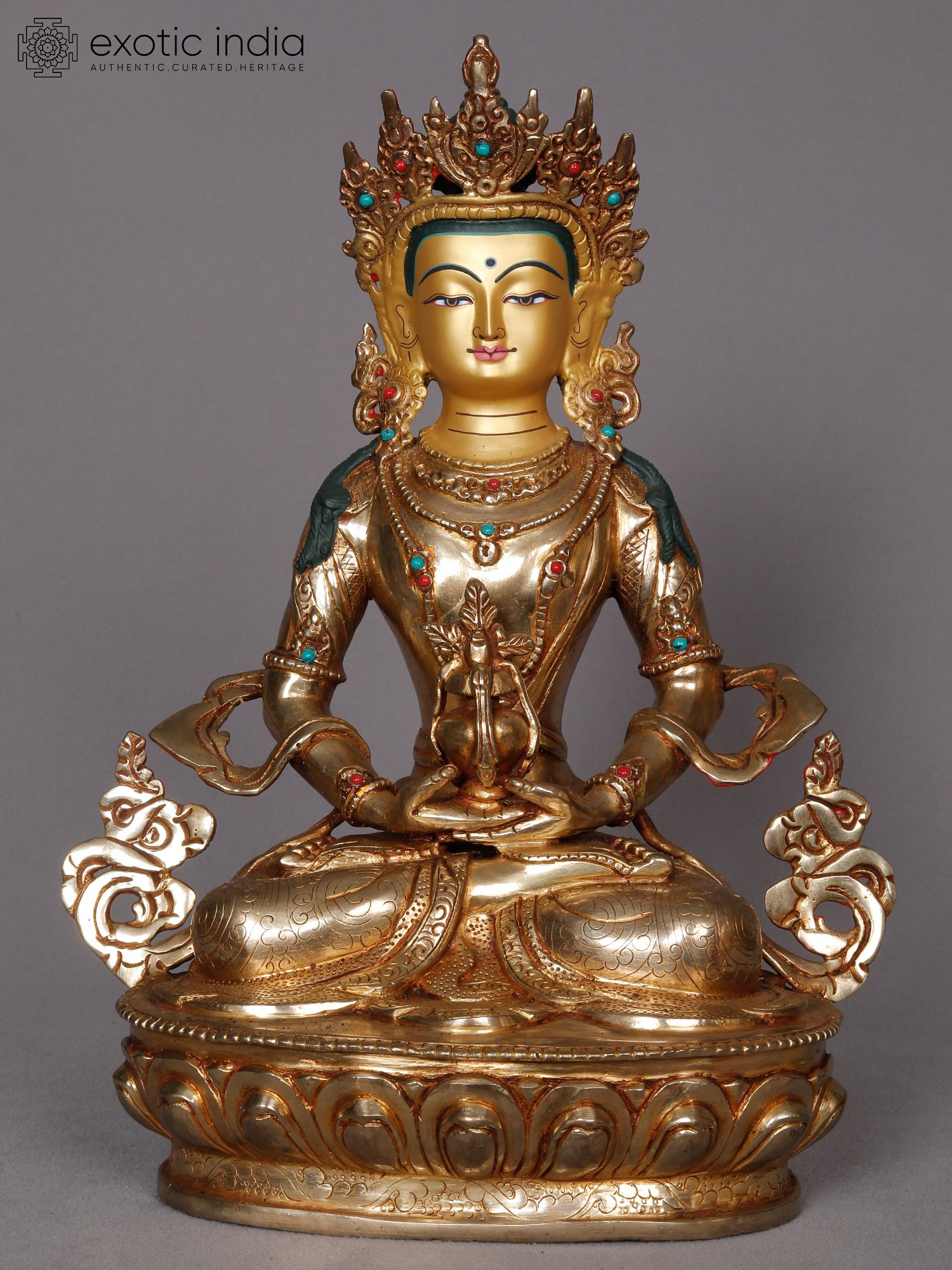
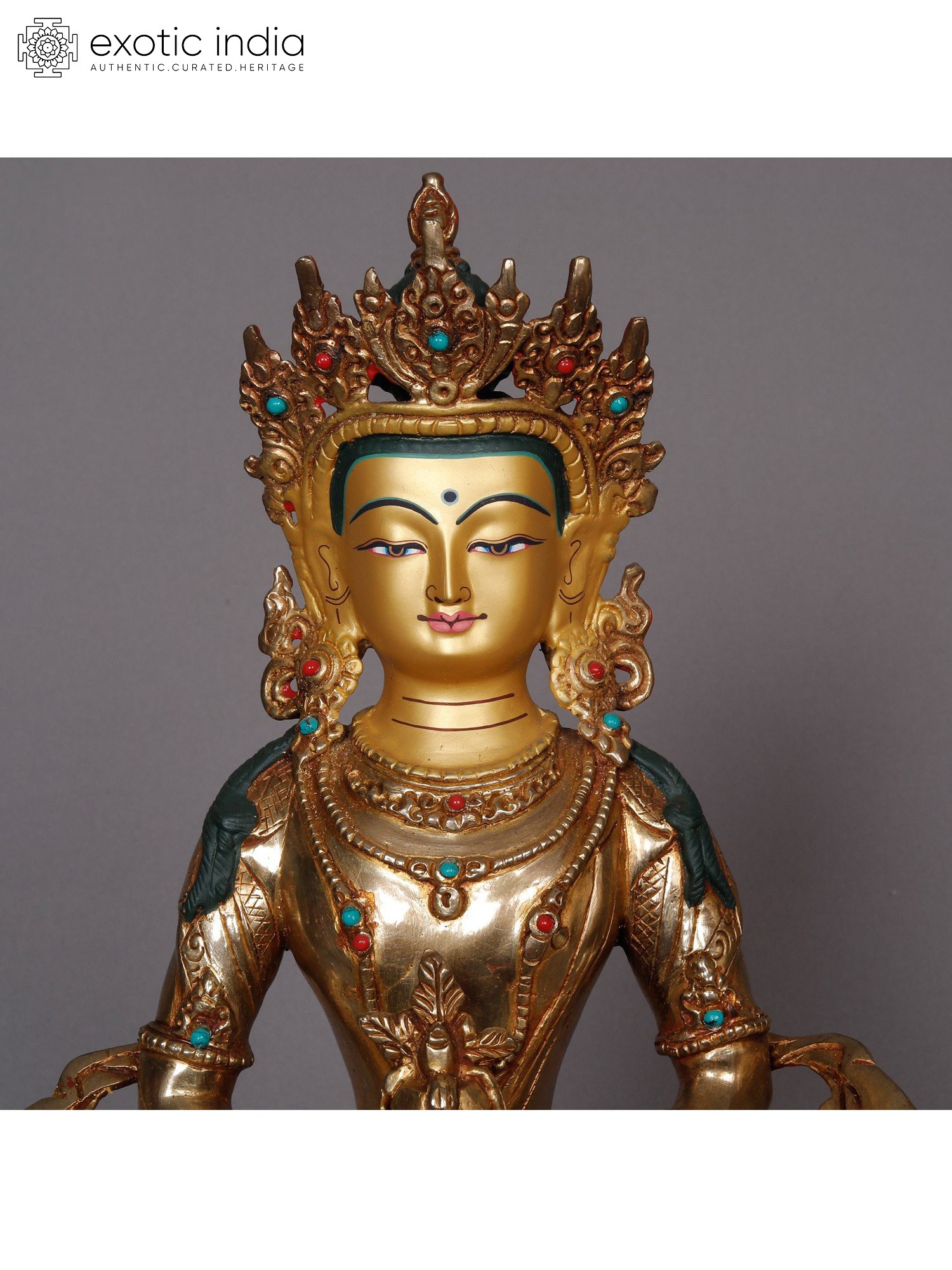
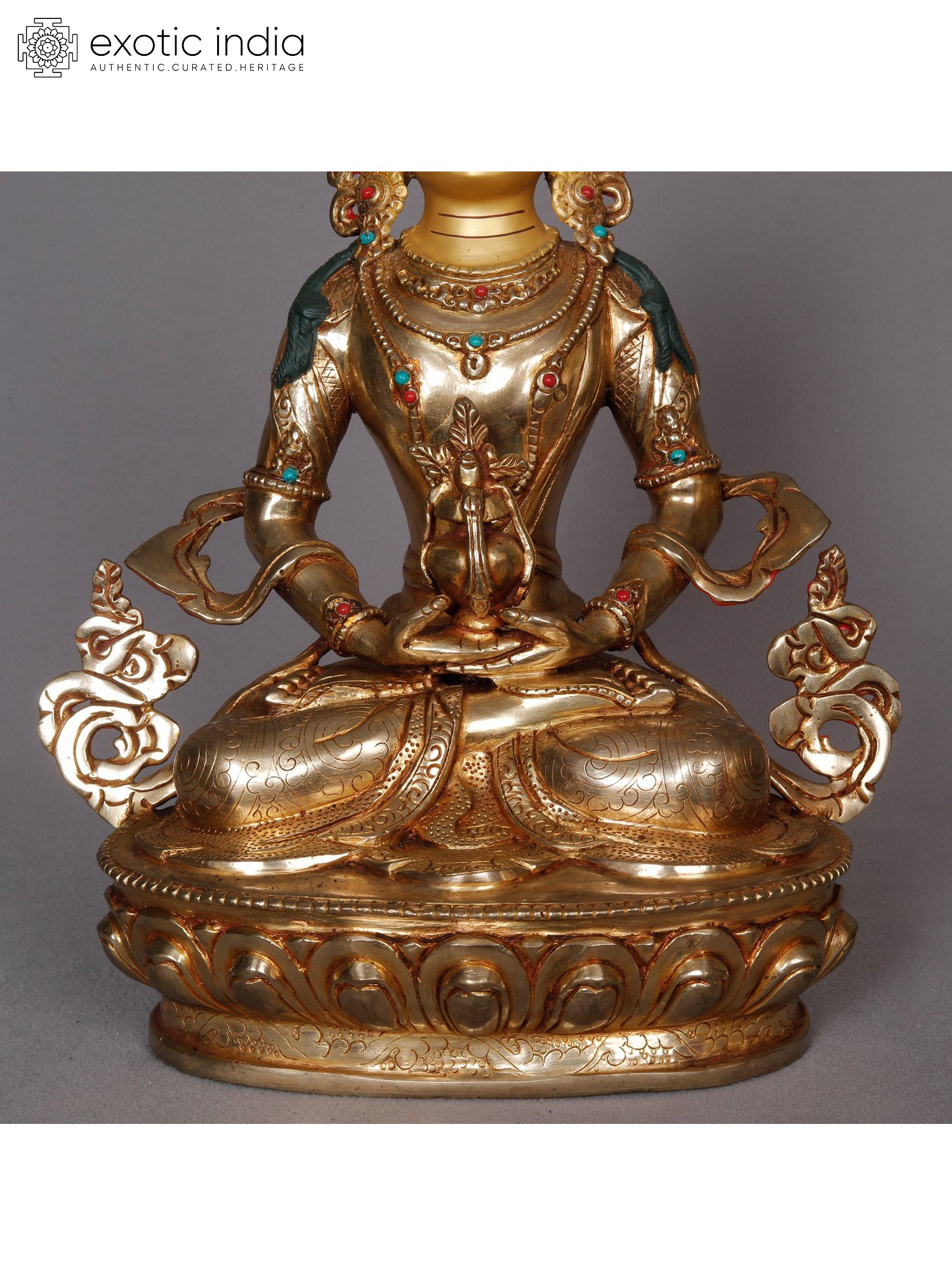
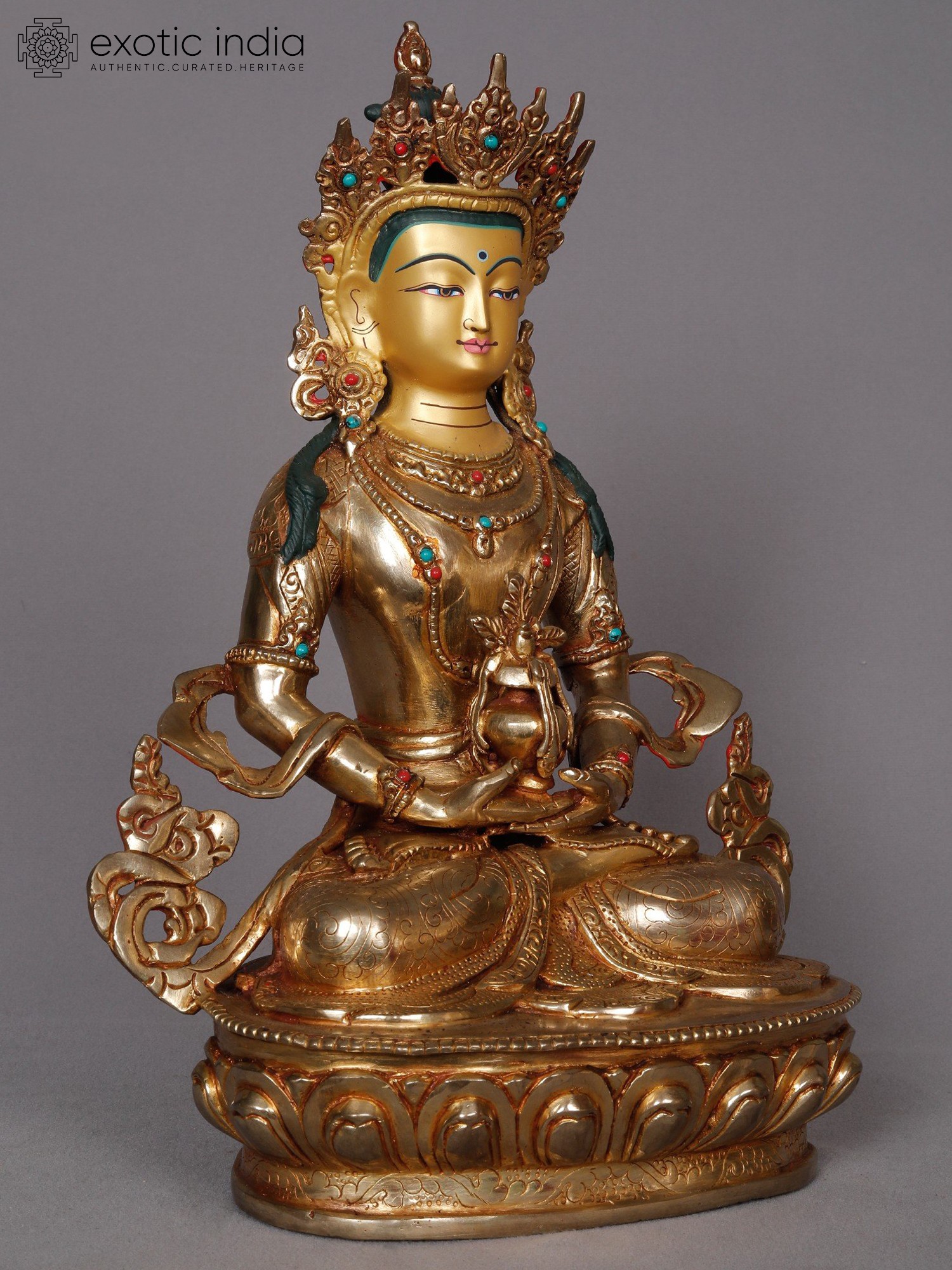
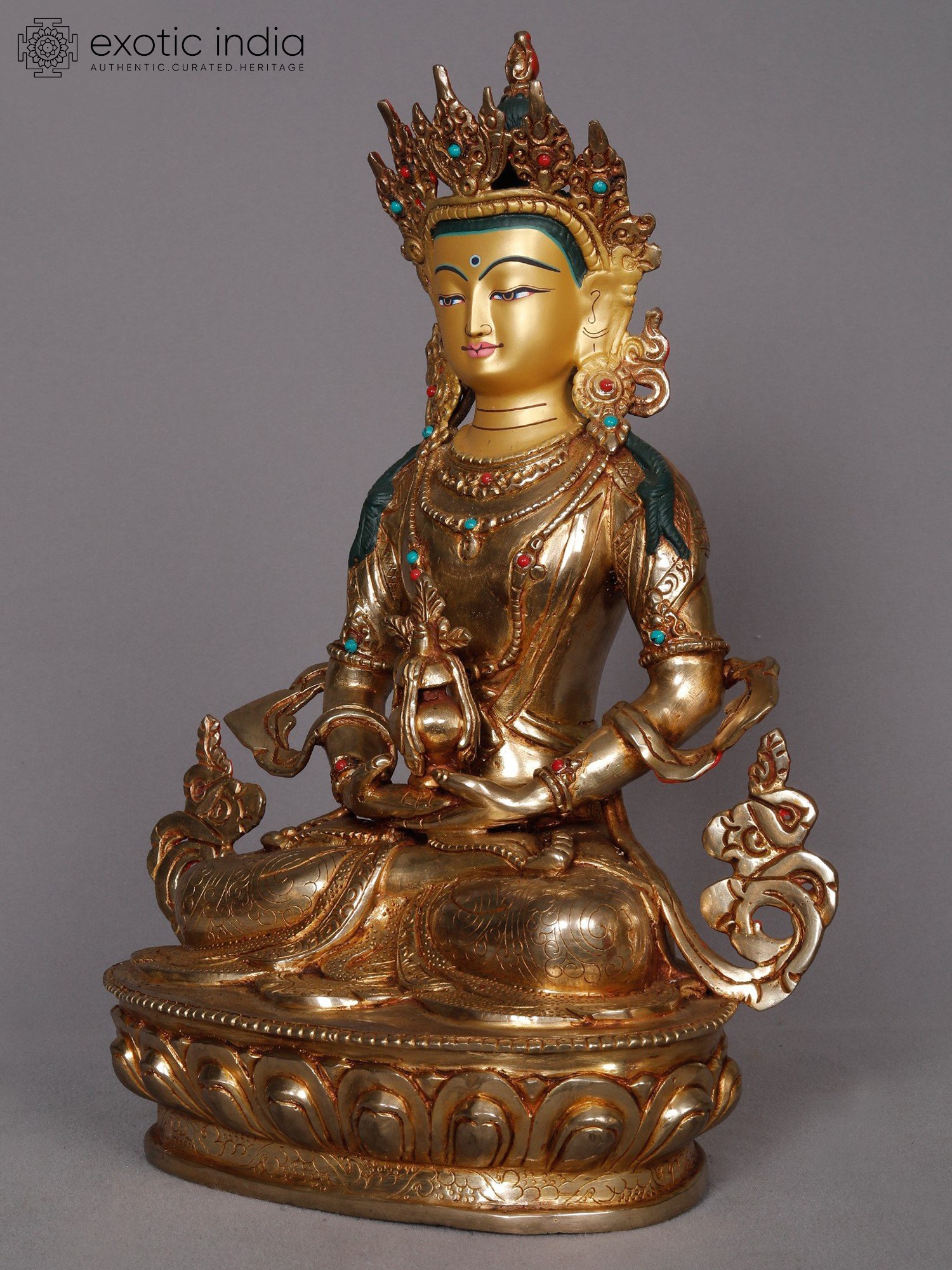
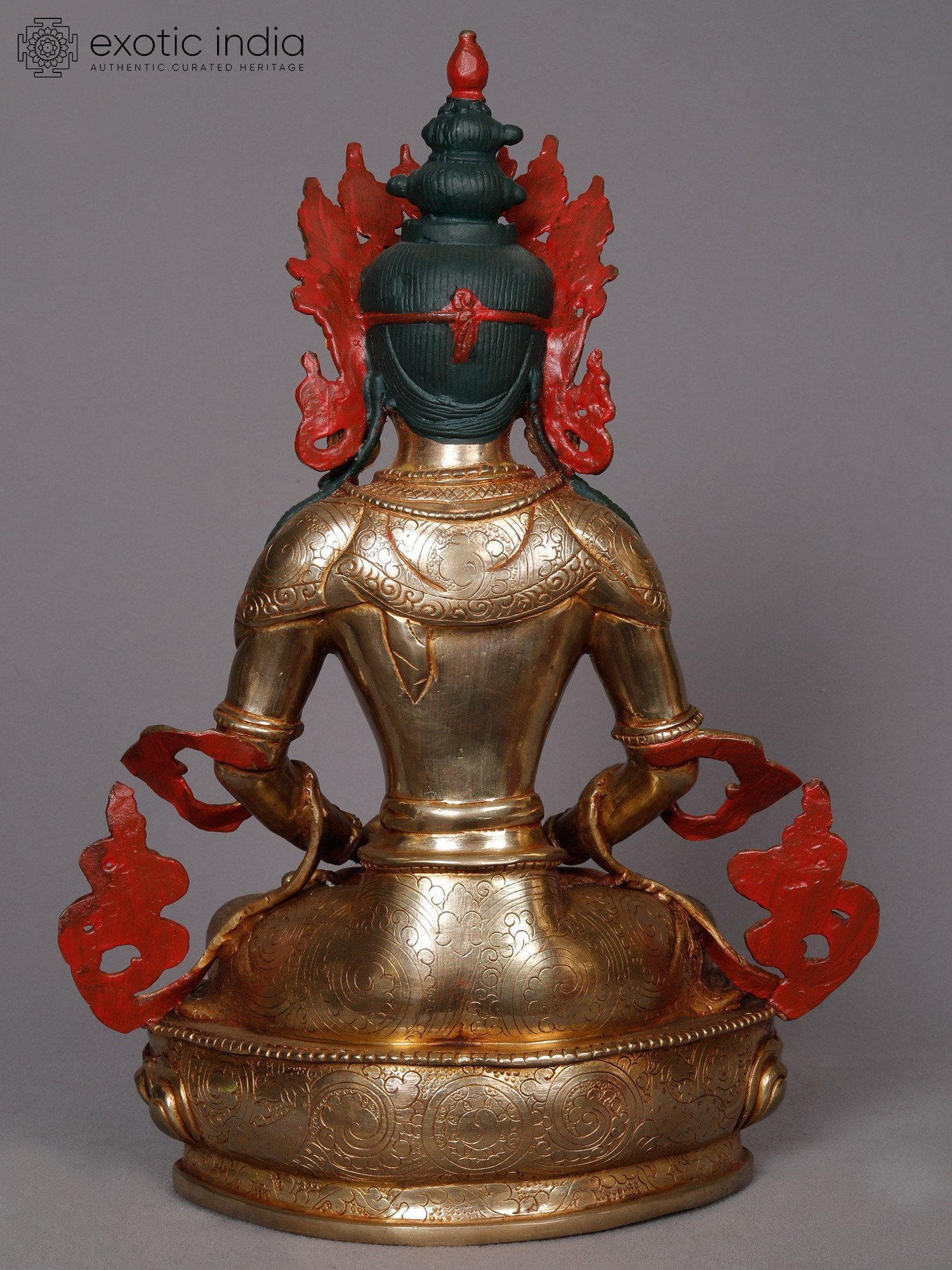
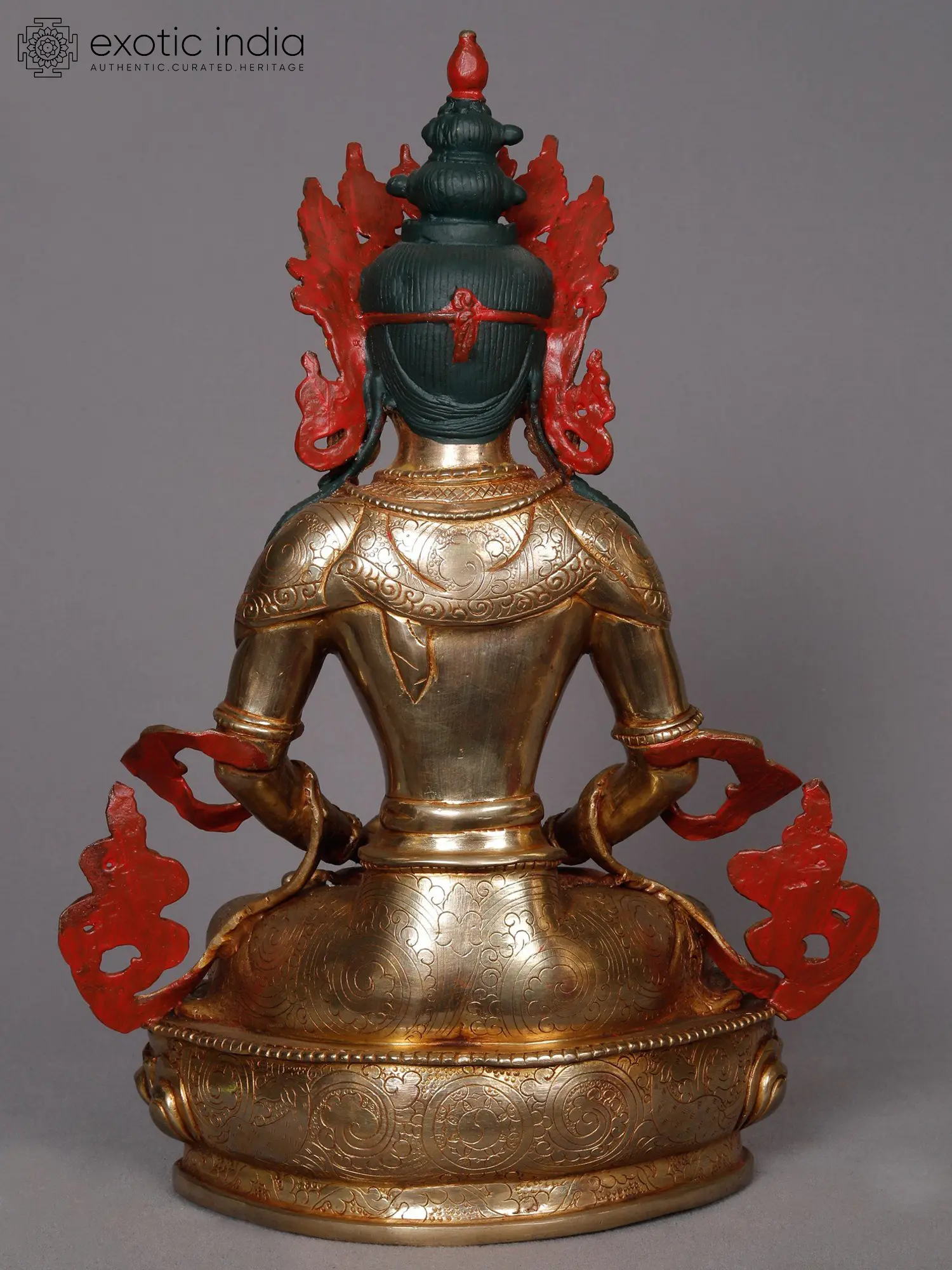
12" Aparmita Buddha Copper Statue | Amitayus Longevity Deity Sculpture
$765
Includes any tariffs and taxes

Only 1 available
Notify me when this item is available
| Specifications |
 |
CAA122 |
 |
Copper With Gold |
 |
Height: 12 inch |
| Width: 9 inch | |
| Depth: 4.5 inch | |
 |
Weight 2.50 kg |
| About the Item |
|
| Delivery and Return Policies |
 |
Usually ships in 6 days |
 |
Returns and Exchanges accepted within 7 days |
 |
Free Delivery |

Easy Returns

Fully Insured

100% Handmade
Aparmita, known
as Amitayus in Tibet, is linked to the longevity aspect of Amitabha Buddha. The
term "Amitayus" translates to "infinite life" in Sanskrit,
encapsulating his essence. An Aparmita statue embodies Amitabha's longevity
attribute, manifesting as the Sambhogakaya form.
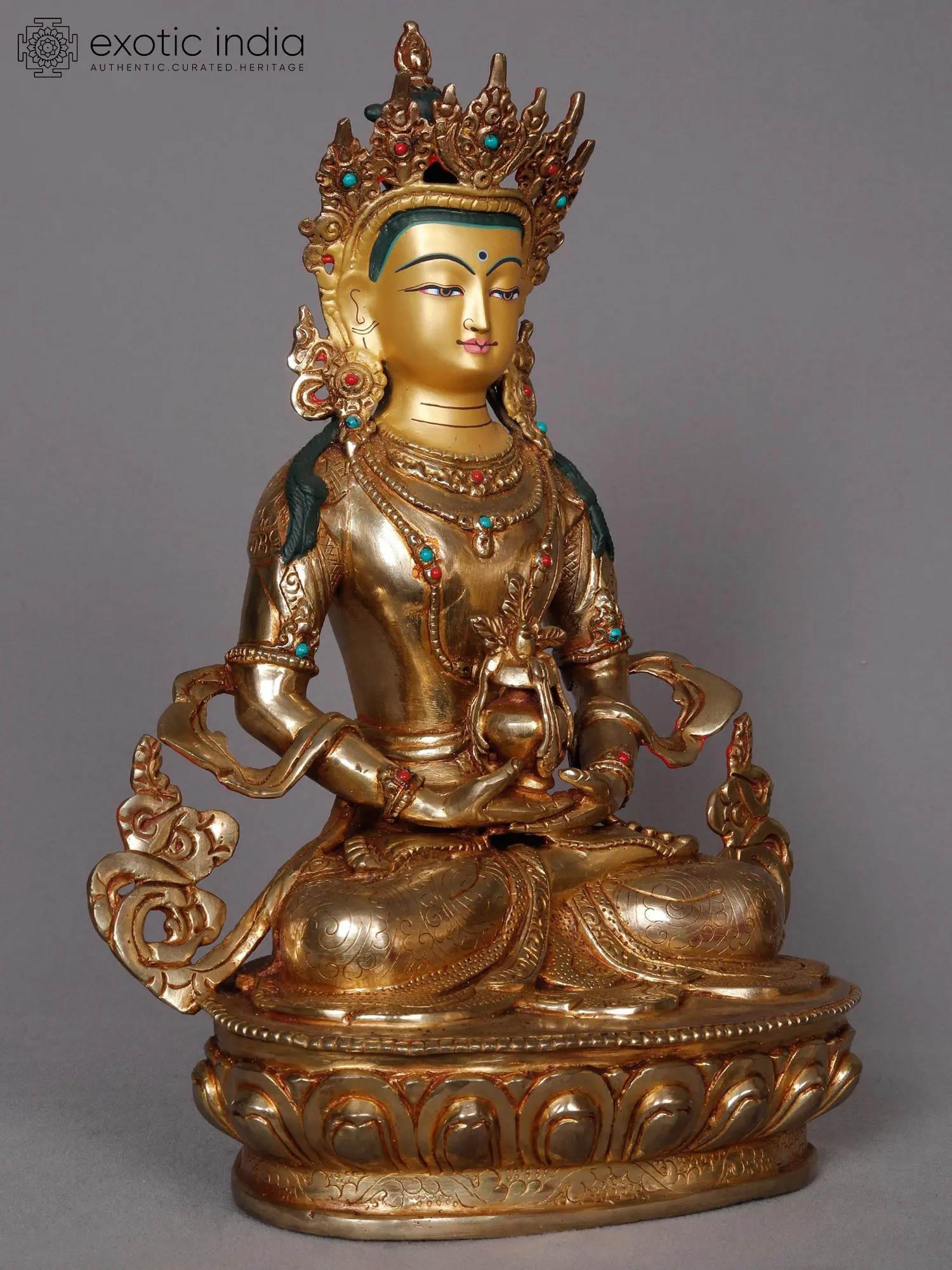
The Aparmita statue presents him in a padmasana (full lotus
pose). In his lap rests the vessel of "amrita," symbolizing
immortality. Within Tibetan Buddhism, longevity is profound, and Aparmita
holds a central role in long-life rituals. Gracing his hands is a vase, either
filled with a healing elixir or a kalasha. Aparmita is invoked during rituals
dedicated to extending one's lifespan.
The Embodiment of Infinite Life
This magnificent copper statue, brought to life through the artistry of Nepalese craftspeople, depicts Aparmita Buddha, also known as Amitayus, the Buddha of Infinite Life and Longevity. Exquisitely cast in copper and adorned with gilded gold, this eighteen-inch masterpiece is a testament to the enduring spiritual traditions of the Himalayas. The statue portrays Amitayus seated in a meditative posture, a symbol of profound peace and unwavering wisdom. His serene countenance radiates compassion, inviting contemplation and a sense of tranquil well-being to any space.Symbolism and Spiritual Significance
Amitayus is a celestial Buddha revered for his power to bestow longevity, merit, and wisdom, and to protect practitioners from untimely death and suffering. In Buddhist cosmology, he resides in the Western Pure Land of Sukhavati, a paradise of bliss. His iconography is rich with meaning. The single unbroken stream of light emanating from his heart symbolizes the unfathomable depth of his compassion and the boundless nature of enlightenment. The vase held within his clasped hands, often containing the nectar of immortality, represents the empowerment he offers to overcome the cycle of birth and death, and to cultivate spiritual longevity. The elaborate crown and jewelry signify his status as a fully enlightened being, adorned with the ten powers and the eighteen unique qualities of Buddhahood. The tranquil smile and half-closed eyes suggest a profound inward gaze, a deep understanding of the nature of reality.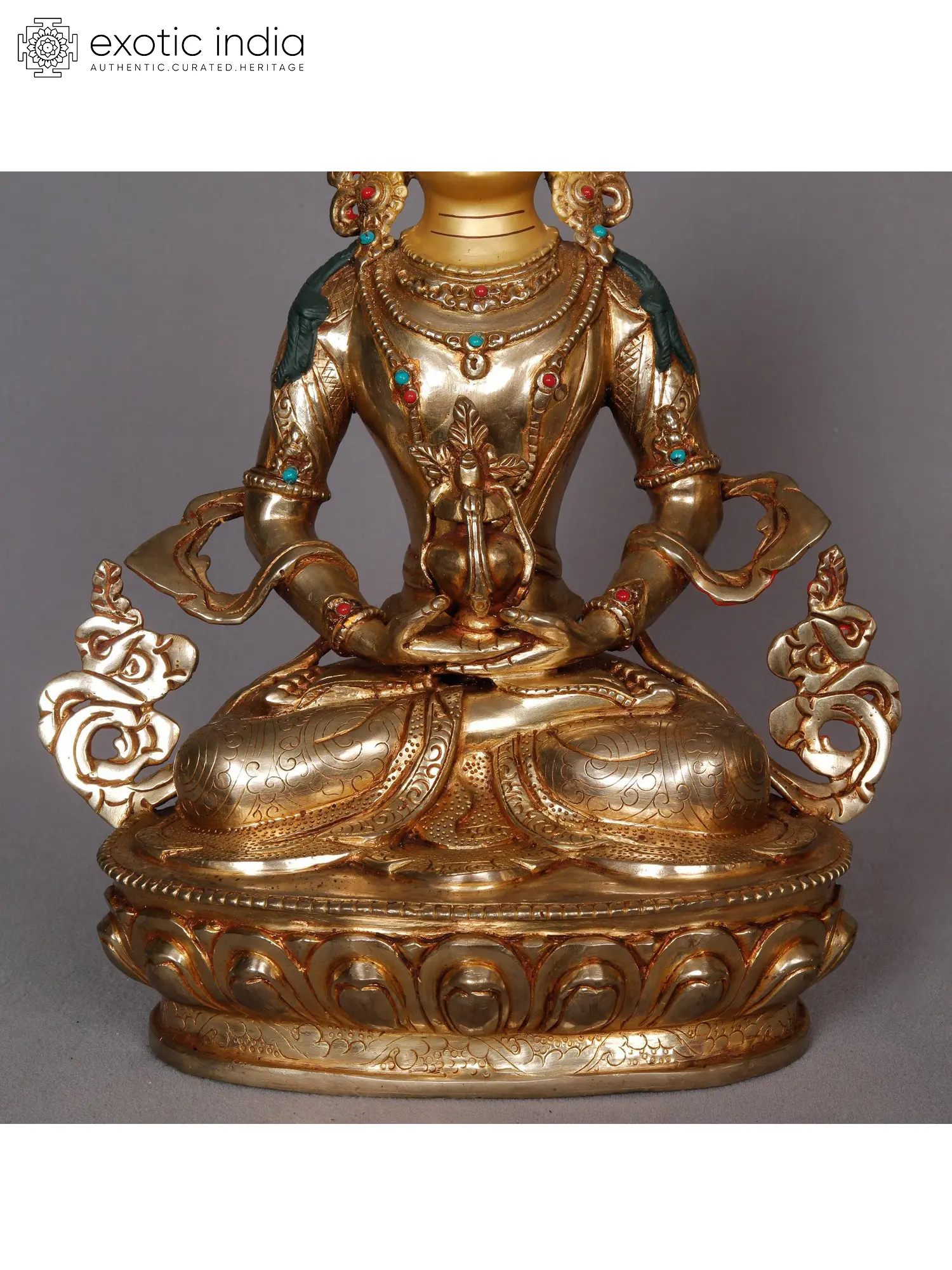
Artistry and Craftsmanship
Crafted with meticulous detail, this statue showcases the pinnacle of traditional Nepalese metalwork. The rich, lustrous gleam of the gilded copper evokes a sense of divine radiance, while the subtle color accents, perhaps hints of turquoise and ruby, add vibrancy and depth. The intricate patterns adorning his robes, the delicate rendering of his facial features, and the majestic headdress all speak to the skill and devotion of the artisans who brought this sacred form into existence. The statue rests upon a double-lotus pedestal, a classic symbol of purity and spiritual awakening, further enhancing its sacred aura. This piece is more than an object of art; it is a conduit for spiritual aspiration, a focal point for prayer and meditation, and a powerful reminder of the potential for eternal peace and wisdom. Its presence can transform an environment into a sanctuary of calm and spiritual reflection.How are Nepalese copper statues made?
Nepalese statues and sculptures are best known for their unique
small religious figures and ritual paraphernalia for over two
thousand years. These are mainly cast in copper alloy. Nepal draws
influences from the artistic styles of Buddhism and Hinduism, and
therefore the sculptors of the country specialize in making the
icons of both these religions. Over the years, Nepalese sculptures
evolved into their own distinctive iconography. Some
characteristic features of these sculptures that differ from other
pieces are exaggerated physical postures, youthful and sensual
features, languid eyes, wider faces having serene expressions, and
ornate flourishes. The Buddhist deity icons of Nepal have
tremendous demand in countries such as China and Tibet for ritual
purposes in their temples and monasteries.
Nepalese statues and sculptures have a high copper content and therefore develop a slightly reddish patina on the surface as they age. However, the most unique feature of Nepalese copper statues is their decorative detailing. The pieces are heavily gilded and sometimes inlaid with semi-precious stones. This embellishment protects them from getting tarnished. The traditional lost-wax method for casting Nepalese copper statues remains the most practiced technique in Nepal for many centuries. This process involves many steps and requires skilled artists.
The first step in lost-wax sculpting is to make a wax replica of the desired Buddhist deity to be cast in copper. This replica is created by hand and therefore needs excellent artistic skills otherwise fine features will be lacking.
Once the wax replica is made, it is then coated with a special mixture of clay with a brush. This layer of clay is hardened when left to dry. A small hole is made on the base of the wax mould so that the wax flows away when it is heated.
Nepalese statues and sculptures have a high copper content and therefore develop a slightly reddish patina on the surface as they age. However, the most unique feature of Nepalese copper statues is their decorative detailing. The pieces are heavily gilded and sometimes inlaid with semi-precious stones. This embellishment protects them from getting tarnished. The traditional lost-wax method for casting Nepalese copper statues remains the most practiced technique in Nepal for many centuries. This process involves many steps and requires skilled artists.
The first step in lost-wax sculpting is to make a wax replica of the desired Buddhist deity to be cast in copper. This replica is created by hand and therefore needs excellent artistic skills otherwise fine features will be lacking.
Once the wax replica is made, it is then coated with a special mixture of clay with a brush. This layer of clay is hardened when left to dry. A small hole is made on the base of the wax mould so that the wax flows away when it is heated.
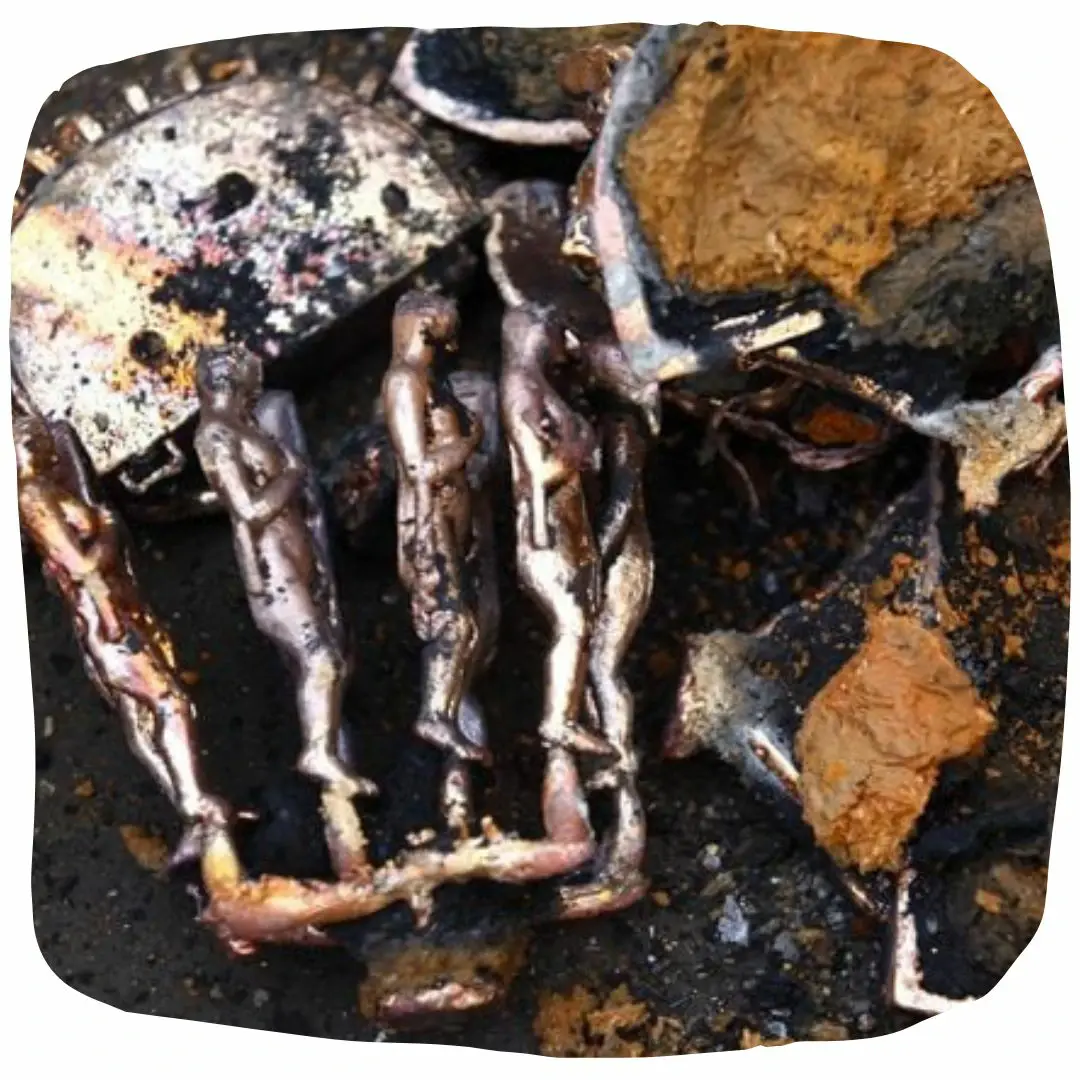
At this stage, a hollow mould in the shape of the deity is
obtained.
This is the time to pour liquid copper into the hollow mould which is then allowed to cool and harden inside a container of cold water. When the liquid metal has hardened, the mould is removed and the statue within is revealed.
This is the time to pour liquid copper into the hollow mould which is then allowed to cool and harden inside a container of cold water. When the liquid metal has hardened, the mould is removed and the statue within is revealed.
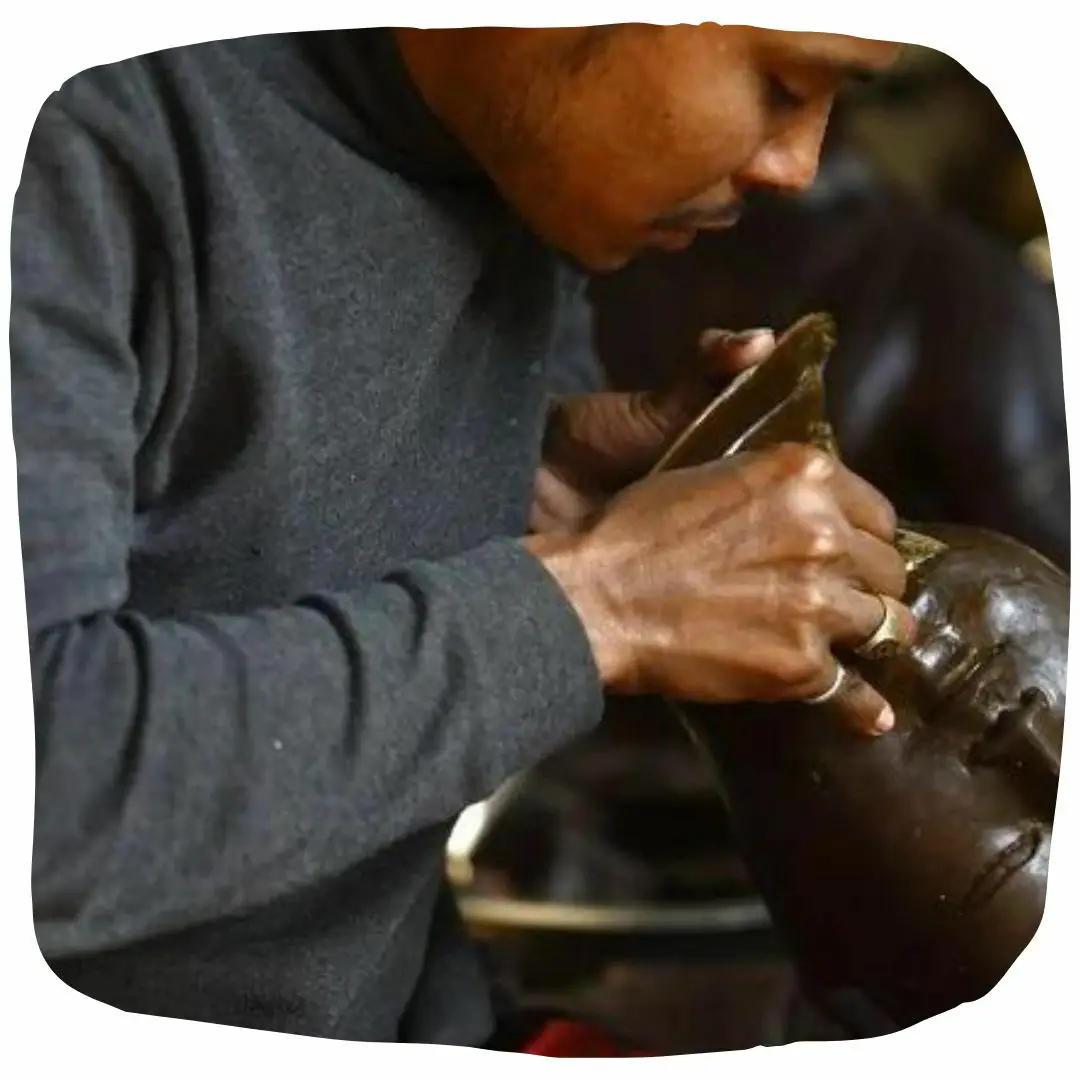
The artist works on the details of the statue using various tools.
It is then polished to get a shiny and lustrous surface.
Now comes the most important part of Nepalese art which is gold gilding. This is done by the traditional fire gilding method. A mixture of mercury and 18K gold is applied on the surface of the statue and heat is applied using a flame torch. The result is that mercury evaporates along with impurities, leaving a pure 24K gold finish.
Now comes the most important part of Nepalese art which is gold gilding. This is done by the traditional fire gilding method. A mixture of mercury and 18K gold is applied on the surface of the statue and heat is applied using a flame torch. The result is that mercury evaporates along with impurities, leaving a pure 24K gold finish.
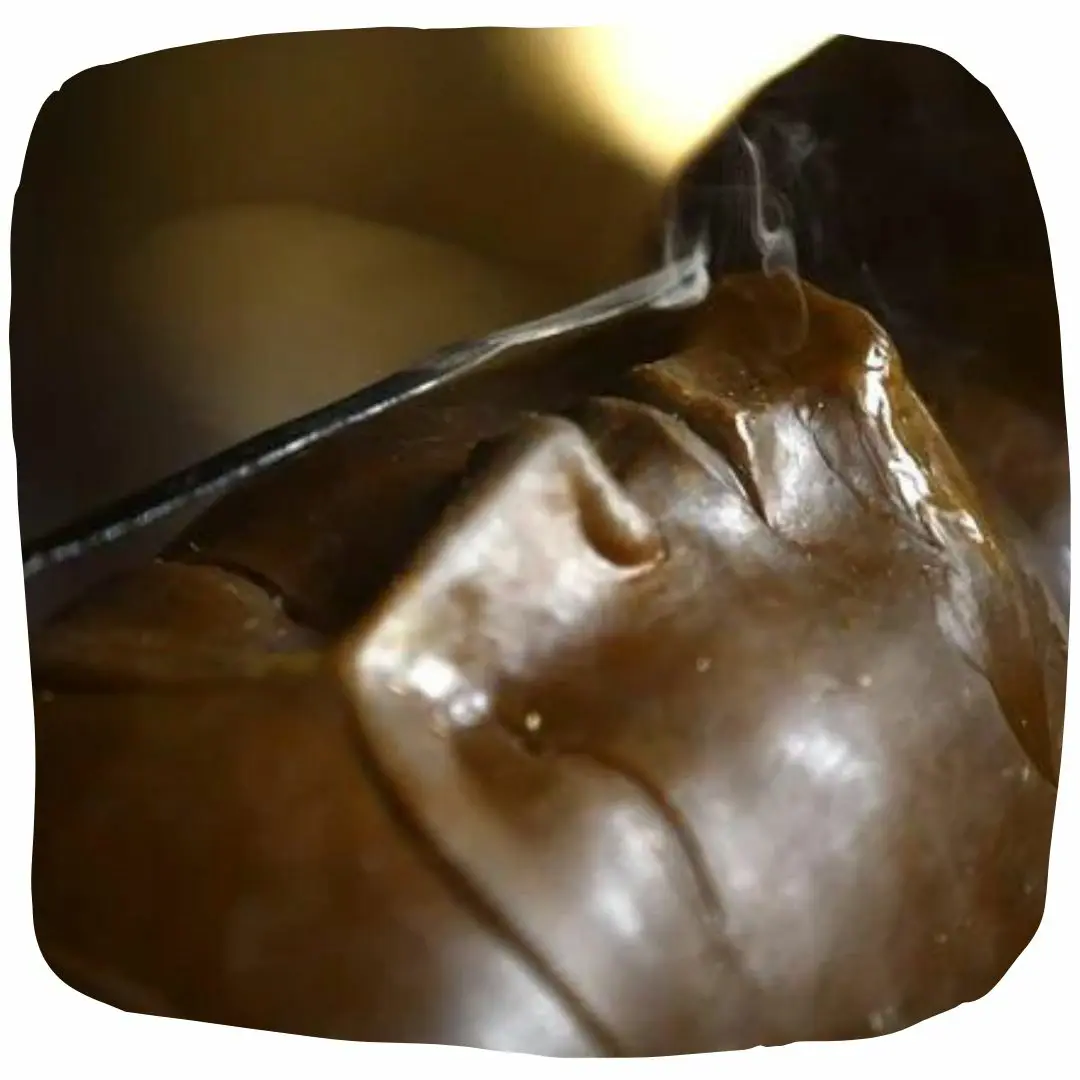
The lost-wax method of sculpting is the most preferred technique
for artists to cast a metallic statue having intricate details. Since Nepalese copper sculptures require extraneous effort for giving a majestic look by adding special embellishments, it takes several weeks to complete one masterpiece. A 24K gold gilded copper sculpture retains its brilliant luster for many years and appears as like before. Nepalese sculptures continue to remain one of the finest specimens of the art of the East that have a strong aesthetic appeal that other sculptures cannot match.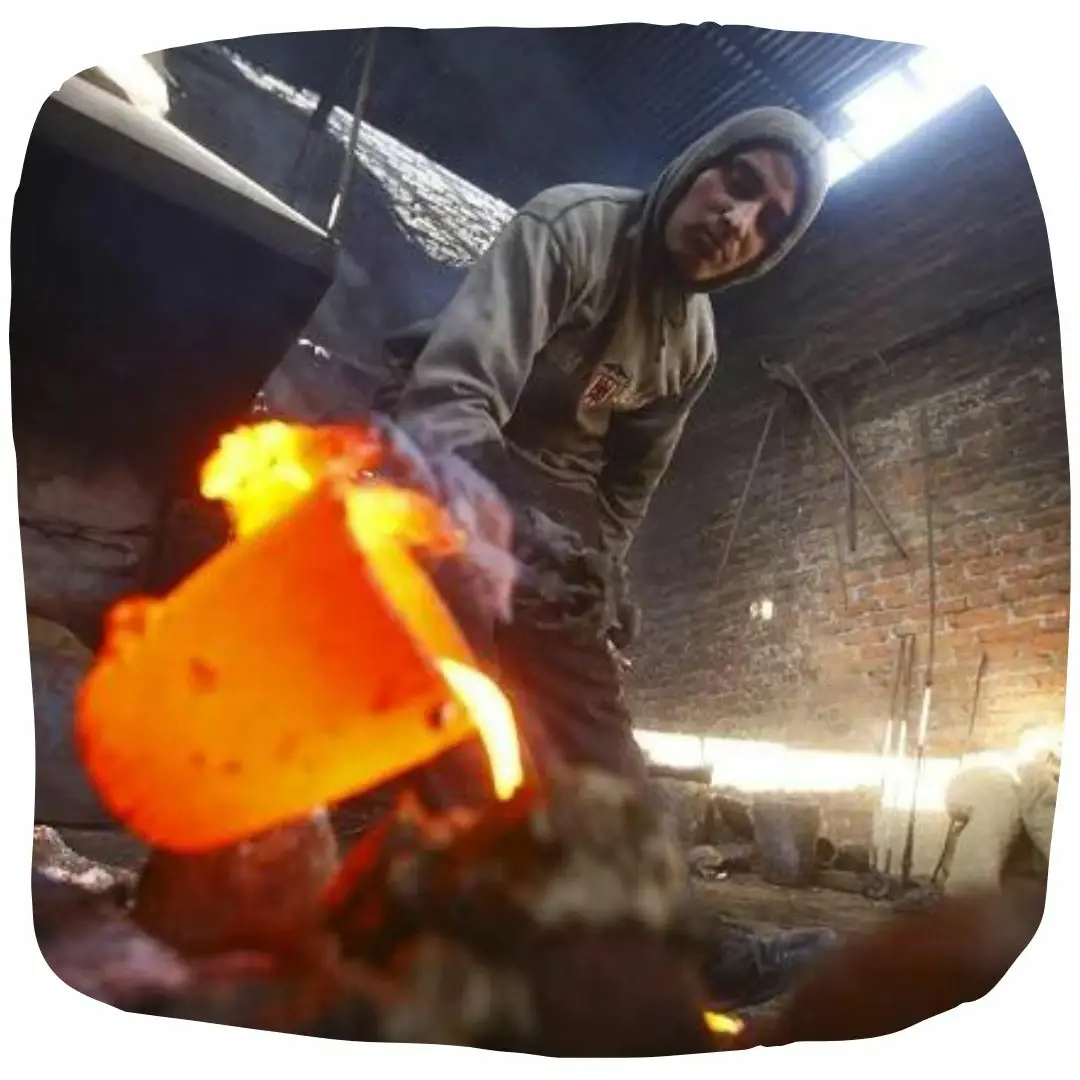
Products related to this item
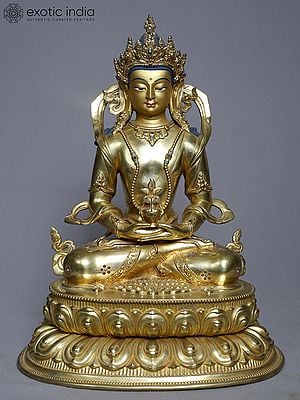
13.5 inch Height X 10 inch Width X 8 inch Length
$3249
Includes any tariffs and taxes
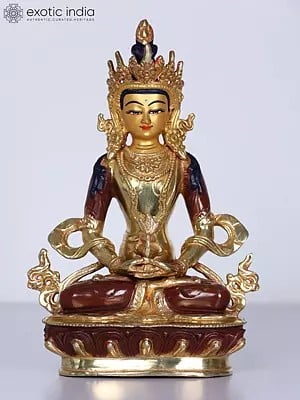
8.5 inch Height X 6 inch Width X 4 inch Depth
$449
Includes any tariffs and taxes
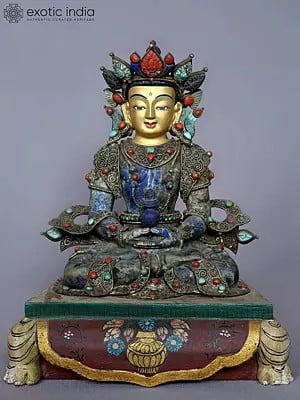
9.50 inch Height X 8.00 inch Width X 5.00 inch Depth
$4945
Includes any tariffs and taxes
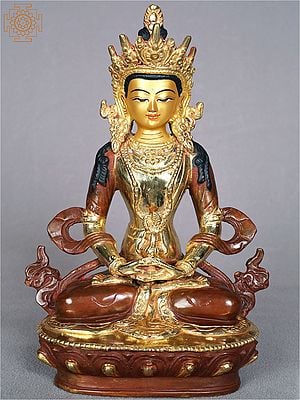
9.00 inch Height X 6.50 inch Width X 3.50 inch Depth
$339
Includes any tariffs and taxes
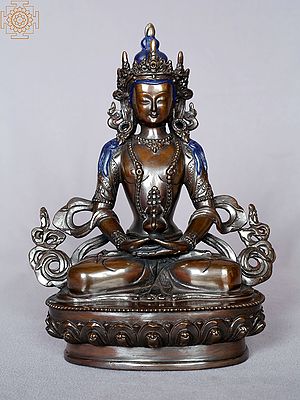
9.00 inch Height X 7.00 inch Width X 4.00 inch Depth
$926
Includes any tariffs and taxes
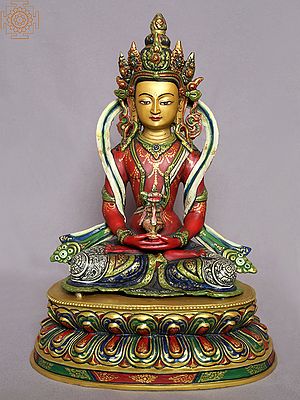
13.00 inch Height X 9.00 inch Width X 6.00 inch Depth
$1760
Includes any tariffs and taxes
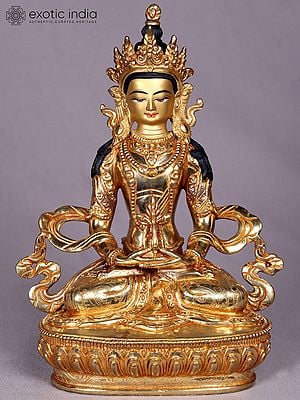
9.00 inch Height X 7.00 inch Width X 5.00 inch Depth
$684
Includes any tariffs and taxes
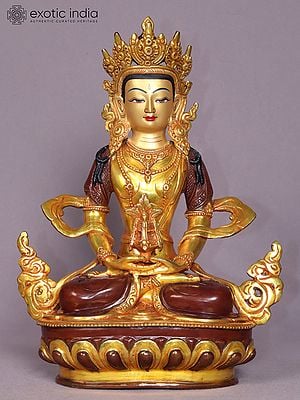
13.00 inch Height X 9.00 inch Width X 5.00 inch Depth
$581
Includes any tariffs and taxes
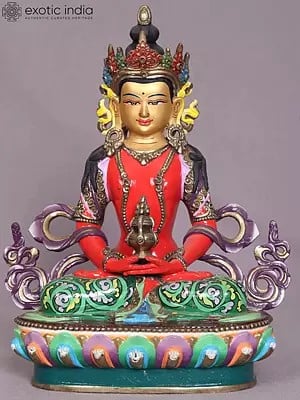
9.00 inch Height X 7.00 inch Width X 4.00 inch Depth
$656
Includes any tariffs and taxes
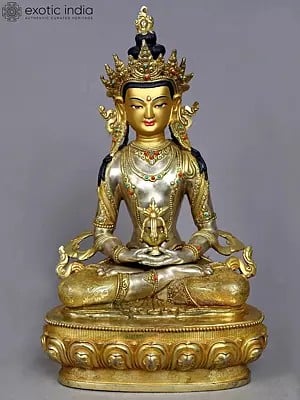
15.00 inch Height X 9.00 inch Width X 7.00 inch Depth
$1886
Includes any tariffs and taxes
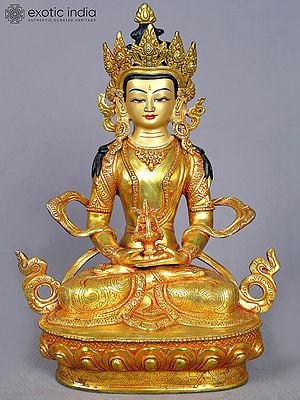
13.00 inch Height X 9.50 inch Width X 5.50 inch Depth
$661
Includes any tariffs and taxes
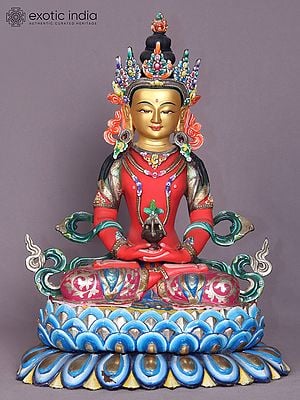
13.00 inch Height X 10.00 inch Width X 9.00 inch Depth
$1162
Includes any tariffs and taxes