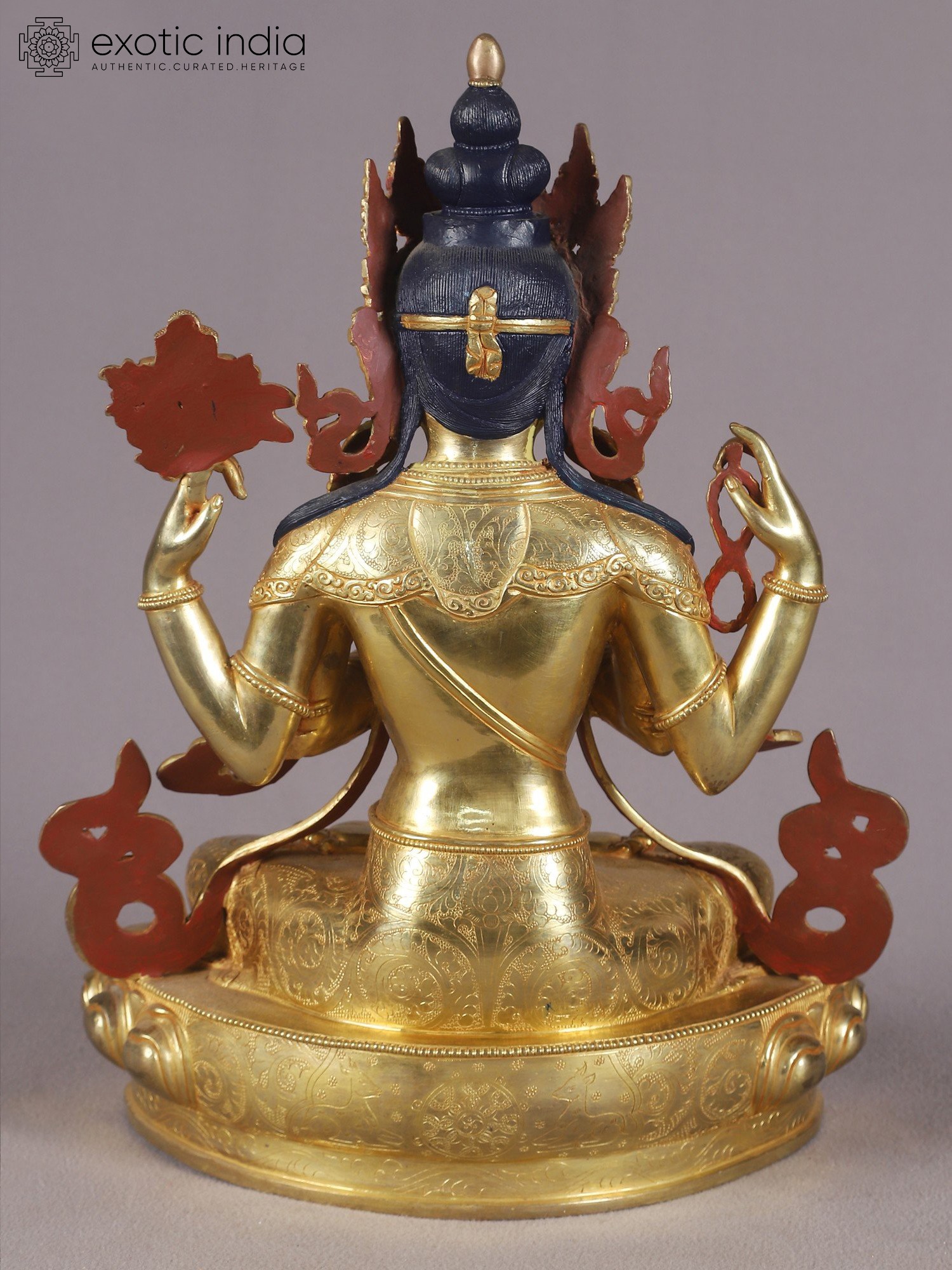
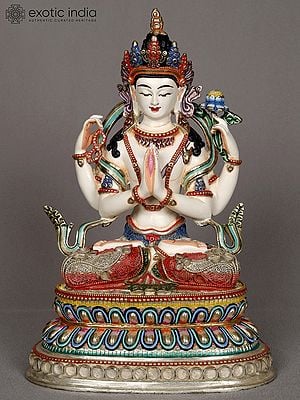
15" Kharchari Copper Sculpture | Nepalese Statue
$2777
Includes any tariffs and taxes

Only 1 available
Notify me when this item is available
| Specifications |
 |
CAA093 |
 |
Copper With Gold |
 |
Height: 15 inch |
| Width: 12 inch | |
| Depth: 7 inch | |
 |
Weight 6.60 kg |
| About the Item |
|
| Delivery and Return Policies |
 |
Usually ships in 6 days |
 |
Returns and Exchanges accepted within 7 days |
 |
Free Delivery |

Easy Returns

Fully Insured

100% Handmade
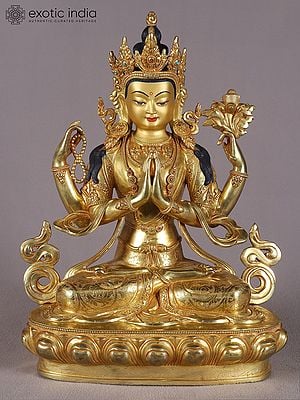
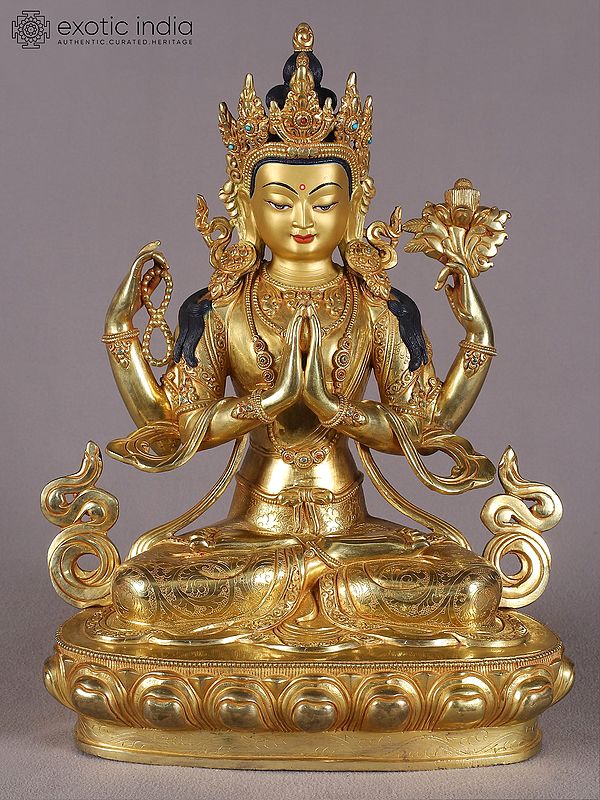
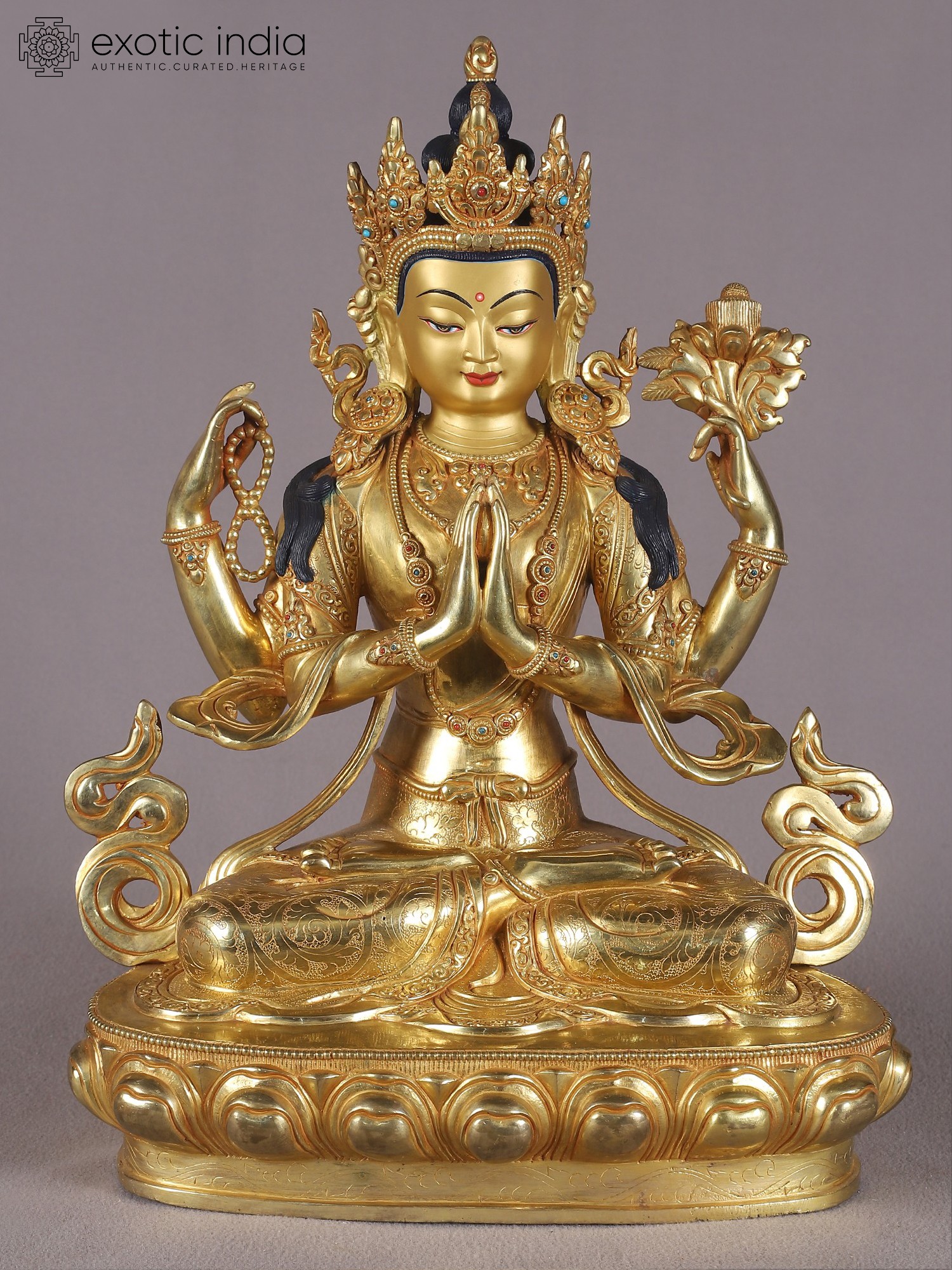
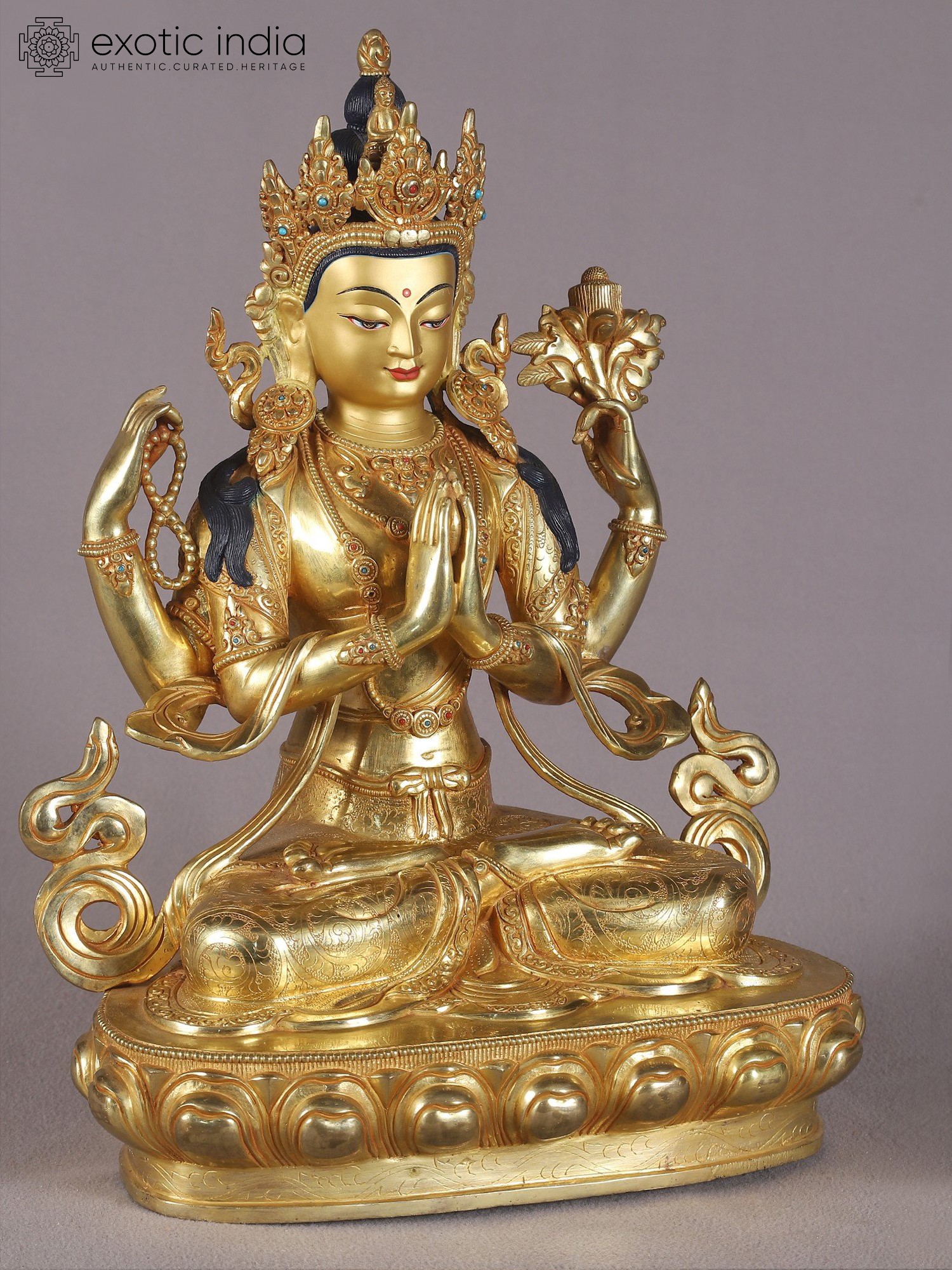
Kharchari is
another form of Bodhisattva Avalokiteshvara. Kharchari statue infused with copper
and gold, wearing the ornaments of a bodhisattva, has two hands close to his heart, he
holds the Chintamani, or the wish-fulfilling jewel, while in the other two
hands is the rosary making the symbol of infinity and a lotus. His gentle
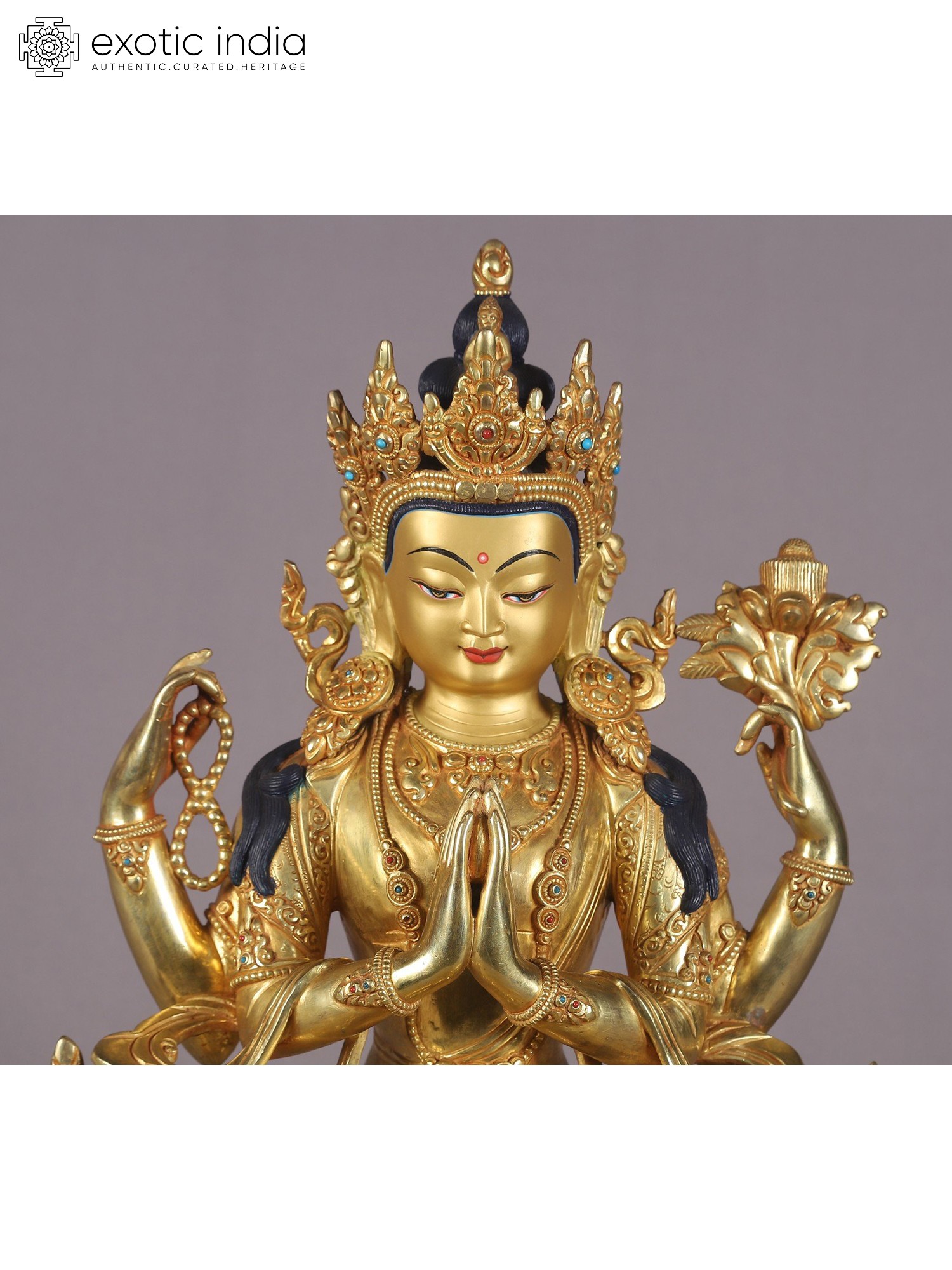
countenance radiates with an expression of deep wisdom and benevolence,
offering solace to those who seek his guidance. The artwork in this copper
statue with gold gilding is mesmerizing form and is adorned with minute details
and expertly made.

A Vision of Compassion and Enlightenment
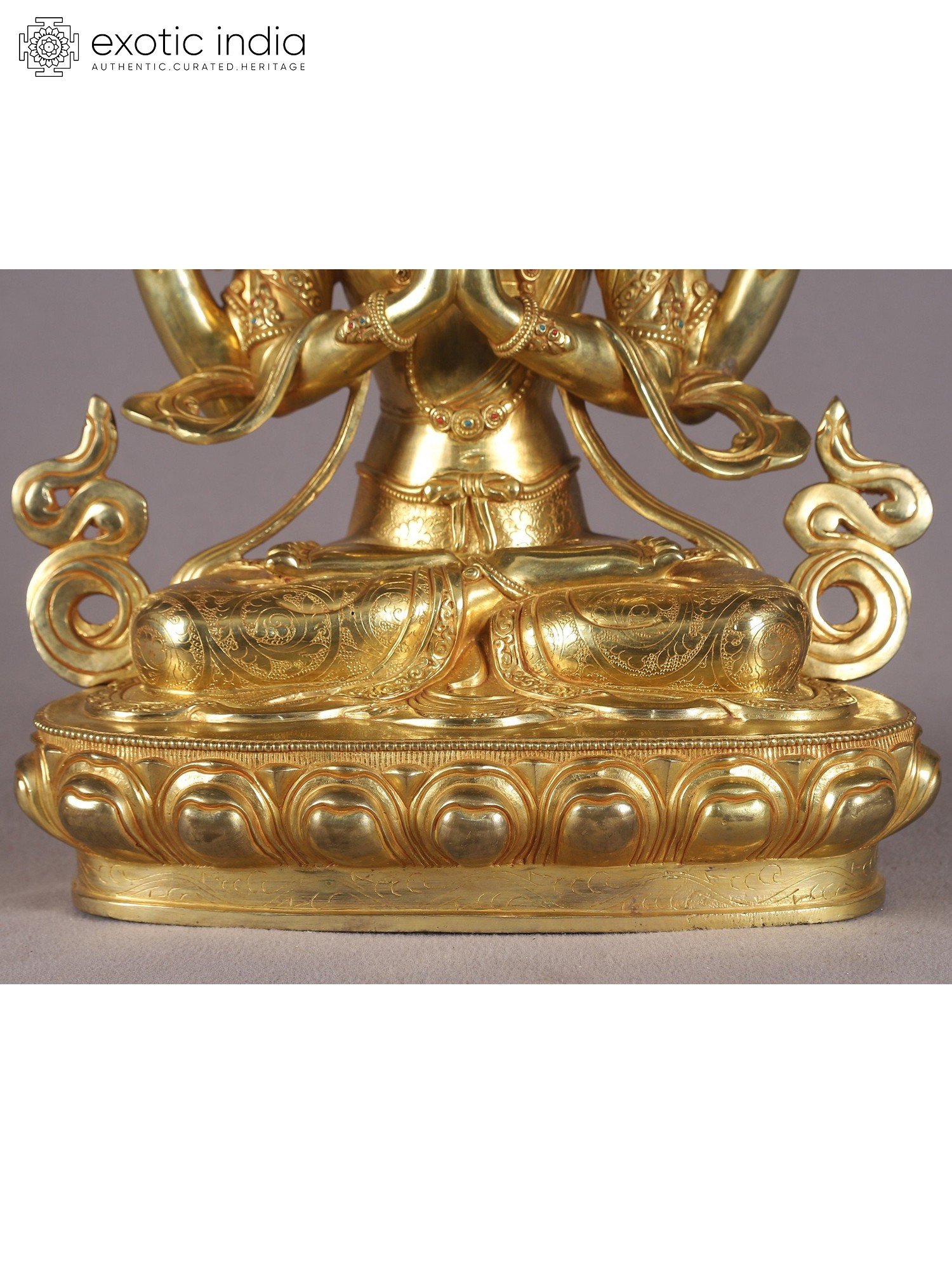
This exquisite copper sculpture, gilded with pure gold, embodies the serene grace and profound wisdom of the Bodhisattva. Standing at 15 inches tall, this Nepalese masterpiece is a testament to the rich artistic traditions and spiritual depth of the region. The figure is depicted in the classic posture of meditation, seated on a multi-tiered lotus base, a symbol of purity and spiritual ascent. The intricate detailing of the flowing robes, adorned with delicate patterns, speaks of the artisan's meticulous craftsmanship and devotion. The Bodhisattva's face is serene and benevolent, with downcast eyes conveying deep contemplation and boundless compassion. The crown adorning the head is a symbol of royalty and spiritual authority, further embellished with precious stones that catch the light, adding to the statue's divine aura. The presence of multiple arms is significant; in Buddhist iconography, additional arms often represent a Bodhisattva's multifaceted abilities to perceive, understand, and act to alleviate suffering in the world. One hand is held in the gesture of prayer, signifying devotion and union, while another gently cradles a lotus blossom, a potent symbol of enlightenment and spiritual awakening, blooming amidst the mud of ignorance.Mythological Resonance and Cultural Significance
The concept of the Bodhisattva is central to Mahayana Buddhism, representing beings who have achieved enlightenment but choose to forgo their own nirvana out of compassion for all sentient beings. They are the compassionate saviors, the guides on the path to liberation. This particular representation likely draws inspiration from deities like Avalokiteshvara, the Bodhisattva of Compassion, whose myriad forms and epithets reflect his ceaseless efforts to aid humanity. In tales, Avalokiteshvara is said to have manifested in various forms to teach the Dharma and to protect those in need, embodying a powerful force of universal love and mercy. The intricate iconography of this sculpture, from the posture to the symbolic objects held, is deeply rooted in centuries of Buddhist philosophy and artistic practice, designed to inspire awe and facilitate spiritual connection.

Artistic Mastery and Material Brilliance
Crafted from robust copper and then sumptuously gilded with gold, this sculpture possesses a radiant luminescence that signifies spiritual purity and auspiciousness. The lustrous gold finish not only enhances the visual appeal but also evokes the divine essence of the deity it represents. The sculpting itself is remarkable, with a dynamism in the posture and a delicate precision in the ornamentation that brings the figure to life. The lotus base, with its gracefully rendered petals, appears almost alive, a foundation of spiritual growth. The intricate patterns etched onto the garments add a tactile and visual richness, suggesting the divine clothing of a celestial being. This piece is more than just an object of art; it is a conduit for spiritual devotion, a tangible manifestation of the aspiration for compassion and enlightenment. Its presence can transform any space into a sanctuary of peace and contemplation.How are Nepalese copper statues made?
Nepalese statues and sculptures are best known for their unique
small religious figures and ritual paraphernalia for over two
thousand years. These are mainly cast in copper alloy. Nepal draws
influences from the artistic styles of Buddhism and Hinduism, and
therefore the sculptors of the country specialize in making the
icons of both these religions. Over the years, Nepalese sculptures
evolved into their own distinctive iconography. Some
characteristic features of these sculptures that differ from other
pieces are exaggerated physical postures, youthful and sensual
features, languid eyes, wider faces having serene expressions, and
ornate flourishes. The Buddhist deity icons of Nepal have
tremendous demand in countries such as China and Tibet for ritual
purposes in their temples and monasteries.
Nepalese statues and sculptures have a high copper content and therefore develop a slightly reddish patina on the surface as they age. However, the most unique feature of Nepalese copper statues is their decorative detailing. The pieces are heavily gilded and sometimes inlaid with semi-precious stones. This embellishment protects them from getting tarnished. The traditional lost-wax method for casting Nepalese copper statues remains the most practiced technique in Nepal for many centuries. This process involves many steps and requires skilled artists.
The first step in lost-wax sculpting is to make a wax replica of the desired Buddhist deity to be cast in copper. This replica is created by hand and therefore needs excellent artistic skills otherwise fine features will be lacking.
Once the wax replica is made, it is then coated with a special mixture of clay with a brush. This layer of clay is hardened when left to dry. A small hole is made on the base of the wax mould so that the wax flows away when it is heated.
Nepalese statues and sculptures have a high copper content and therefore develop a slightly reddish patina on the surface as they age. However, the most unique feature of Nepalese copper statues is their decorative detailing. The pieces are heavily gilded and sometimes inlaid with semi-precious stones. This embellishment protects them from getting tarnished. The traditional lost-wax method for casting Nepalese copper statues remains the most practiced technique in Nepal for many centuries. This process involves many steps and requires skilled artists.
The first step in lost-wax sculpting is to make a wax replica of the desired Buddhist deity to be cast in copper. This replica is created by hand and therefore needs excellent artistic skills otherwise fine features will be lacking.
Once the wax replica is made, it is then coated with a special mixture of clay with a brush. This layer of clay is hardened when left to dry. A small hole is made on the base of the wax mould so that the wax flows away when it is heated.
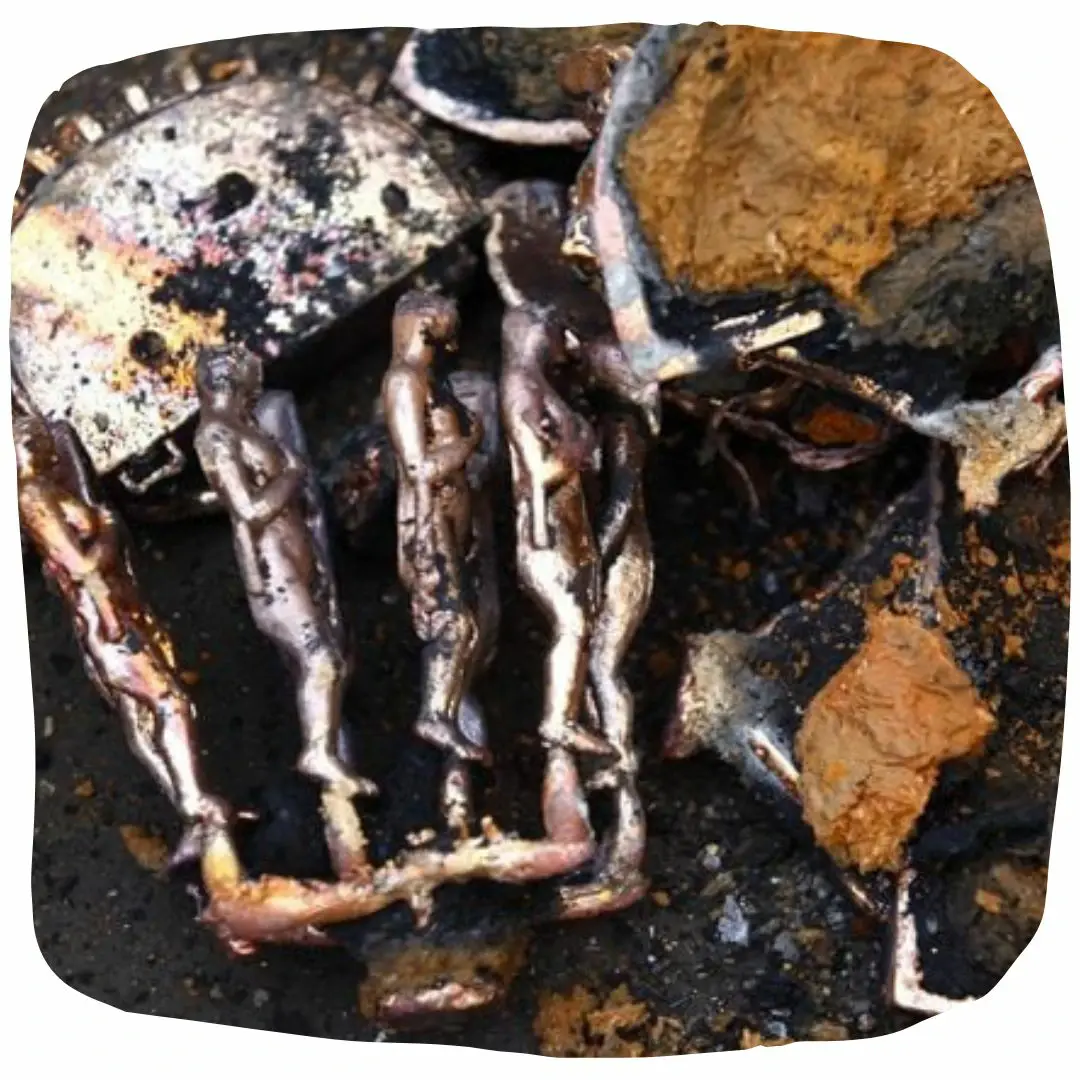
At this stage, a hollow mould in the shape of the deity is
obtained.
This is the time to pour liquid copper into the hollow mould which is then allowed to cool and harden inside a container of cold water. When the liquid metal has hardened, the mould is removed and the statue within is revealed.
This is the time to pour liquid copper into the hollow mould which is then allowed to cool and harden inside a container of cold water. When the liquid metal has hardened, the mould is removed and the statue within is revealed.
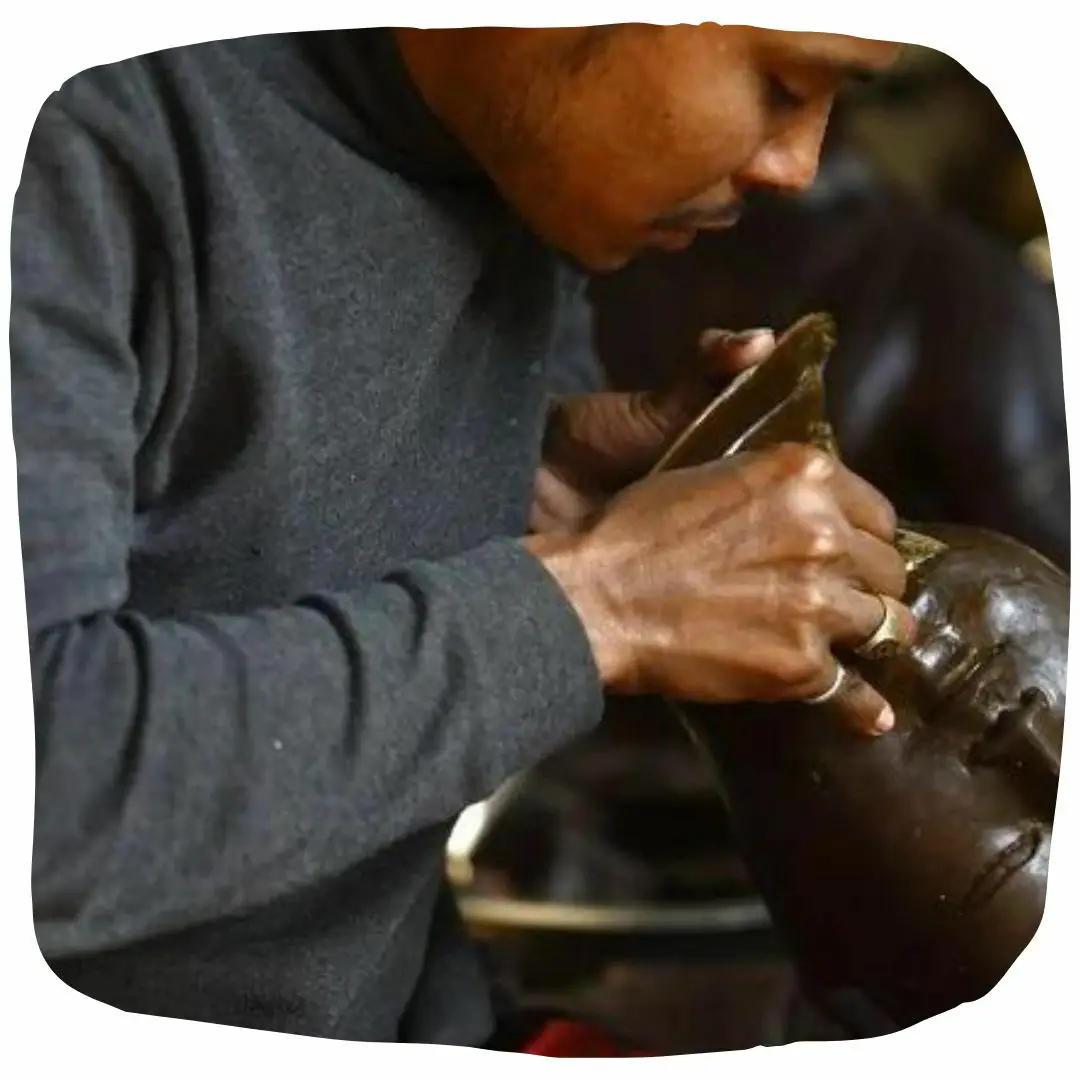
The artist works on the details of the statue using various tools.
It is then polished to get a shiny and lustrous surface.
Now comes the most important part of Nepalese art which is gold gilding. This is done by the traditional fire gilding method. A mixture of mercury and 18K gold is applied on the surface of the statue and heat is applied using a flame torch. The result is that mercury evaporates along with impurities, leaving a pure 24K gold finish.
Now comes the most important part of Nepalese art which is gold gilding. This is done by the traditional fire gilding method. A mixture of mercury and 18K gold is applied on the surface of the statue and heat is applied using a flame torch. The result is that mercury evaporates along with impurities, leaving a pure 24K gold finish.
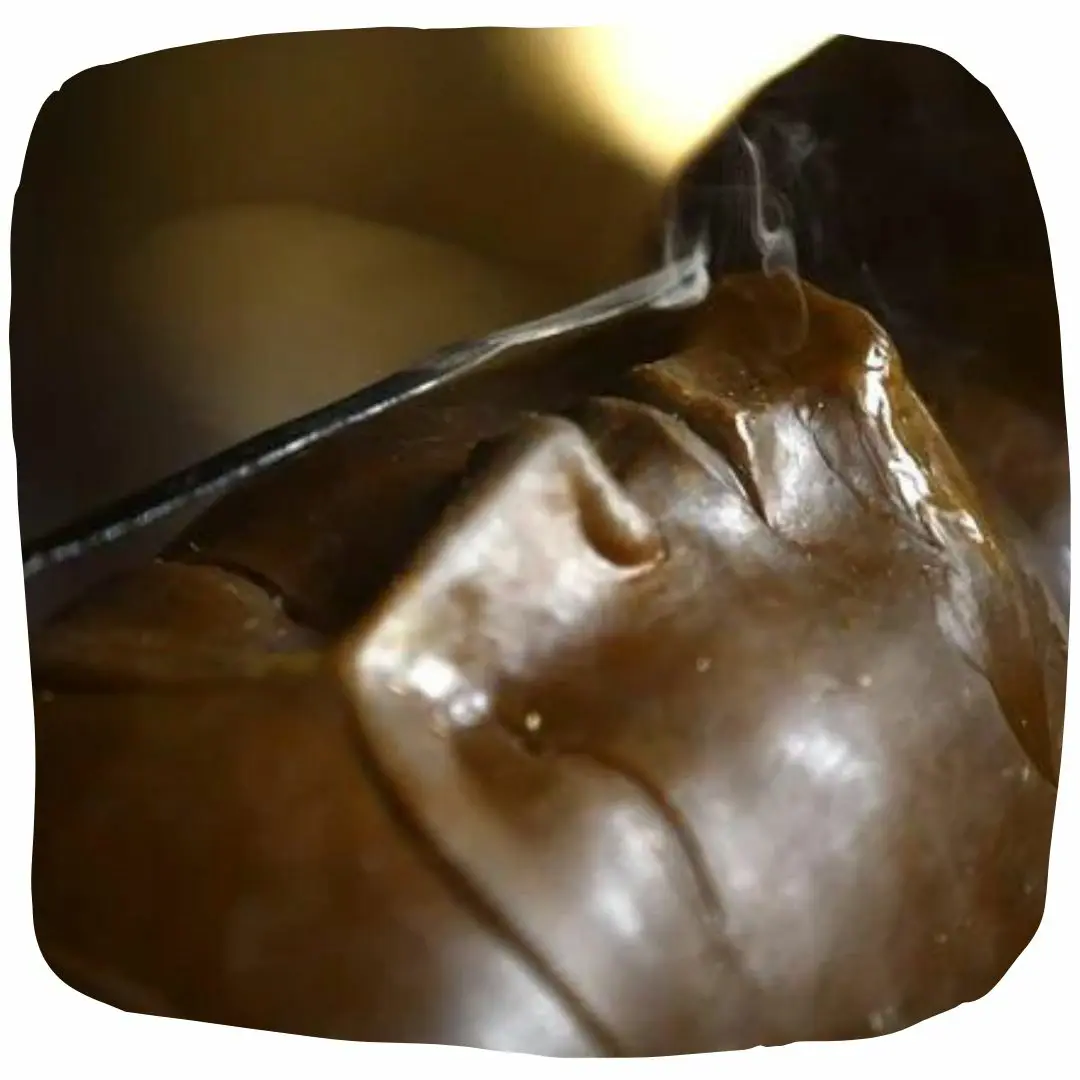
The lost-wax method of sculpting is the most preferred technique
for artists to cast a metallic statue having intricate details. Since Nepalese copper sculptures require extraneous effort for giving a majestic look by adding special embellishments, it takes several weeks to complete one masterpiece. A 24K gold gilded copper sculpture retains its brilliant luster for many years and appears as like before. Nepalese sculptures continue to remain one of the finest specimens of the art of the East that have a strong aesthetic appeal that other sculptures cannot match.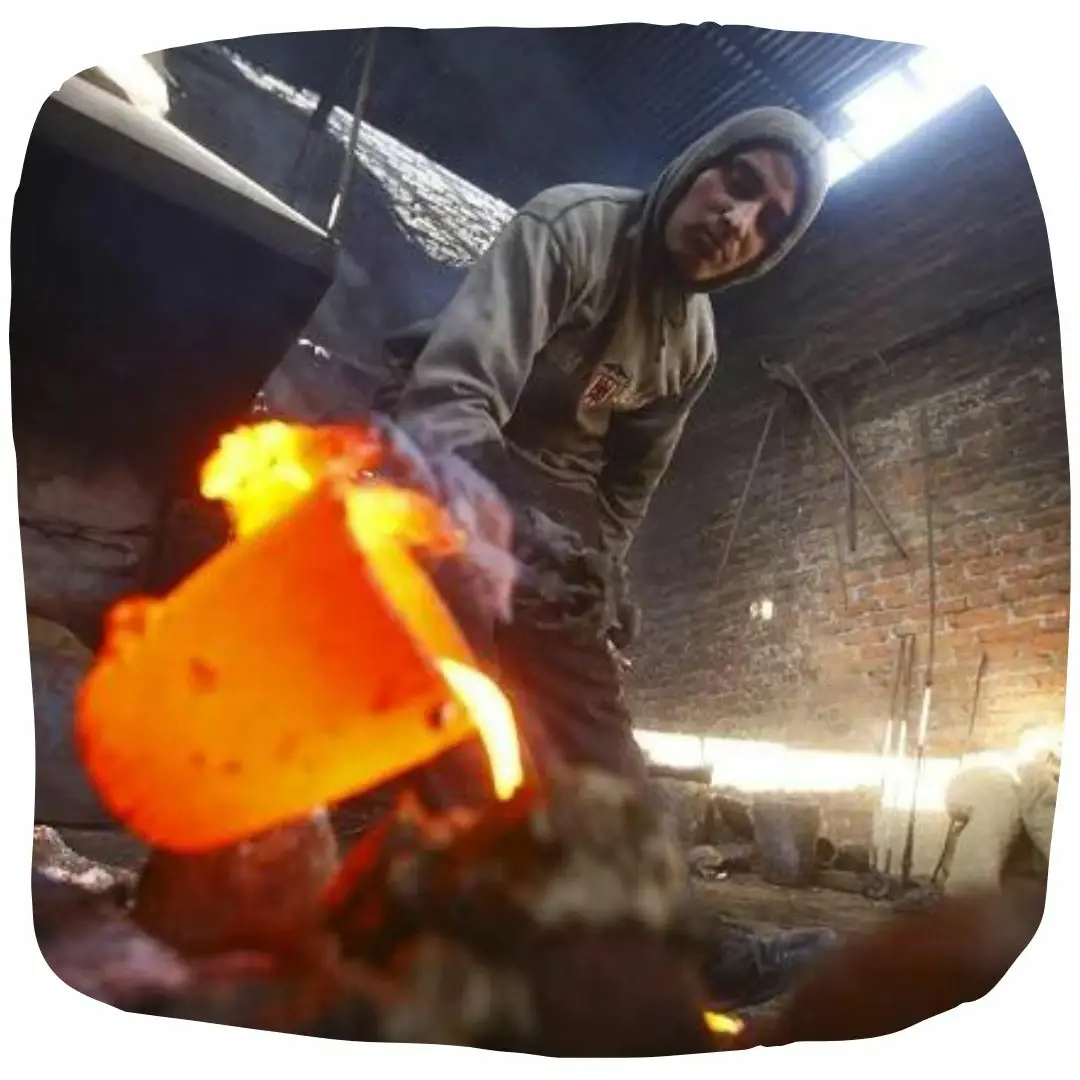
Products related to this item
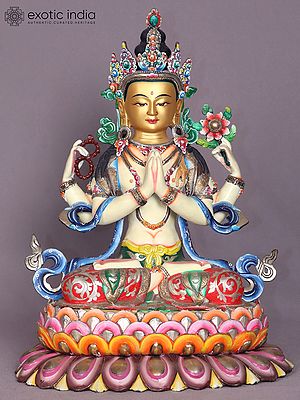
13.00 inch Height X 10.00 inch Width X 9.00 inch Depth
$1300
Includes any tariffs and taxes
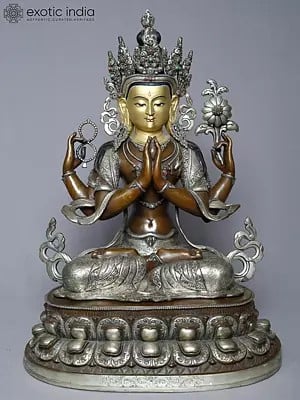
20 inch Height X 14 inch Width X 11 inch Length
$5946
Includes any tariffs and taxes
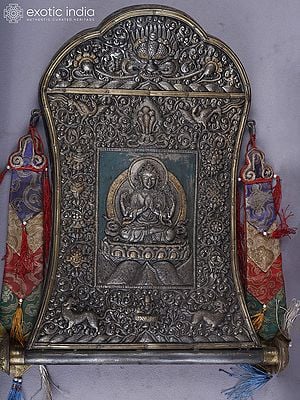
18 inch Height X 3 inch Width X 15 inch Length
$575
Includes any tariffs and taxes
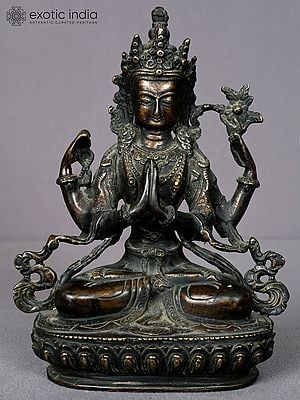
8.00 inch Height X 6.50 inch Width X 3.00 inch Depth
$495
Includes any tariffs and taxes
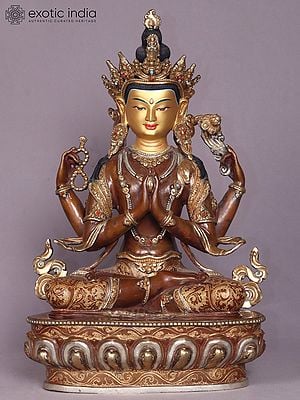
15.00 inch Height X 10.00 inch Width X 6.00 inch Depth
$1886
Includes any tariffs and taxes
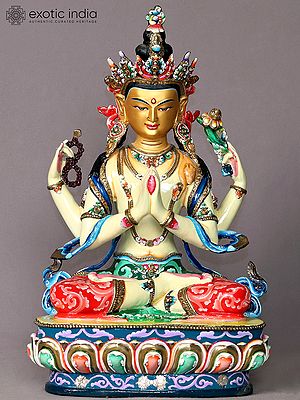
15.00 inch Height X 10.00 inch Width X 6.00 inch Depth
$1794
Includes any tariffs and taxes
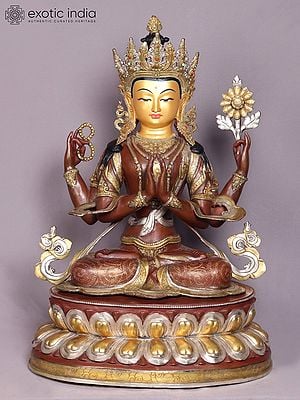
26.00 inch Height X 19.00 inch Width X 15.00 inch Depth
$1903
Includes any tariffs and taxes
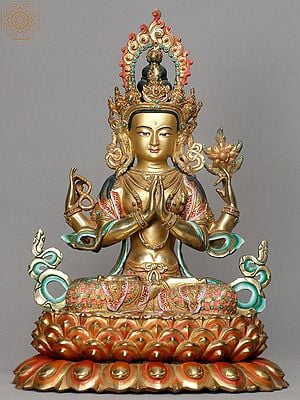
15 inch Height X 10 inch Width X 9 inch Depth
$1708
Includes any tariffs and taxes
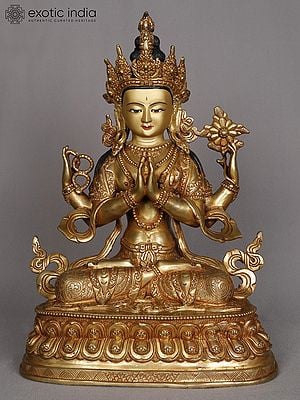
13 inch Height X 9 inch Width X 6.5 inch Depth
$1075
Includes any tariffs and taxes
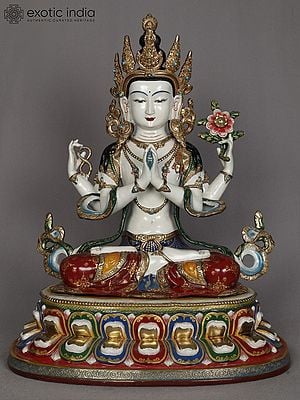
16 inch Height X 13 inch Width X 10 inch Depth
$1369
Includes any tariffs and taxes
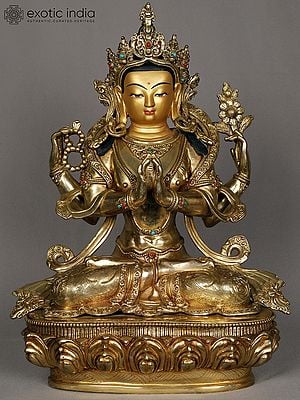
15.5 inch Height X 11.5 inch Width X 7 inch Depth
$2122
Includes any tariffs and taxes
9.5 inch Height X 6 inch Width X 4.5 inch Depth
$1012
Includes any tariffs and taxes