Unveil
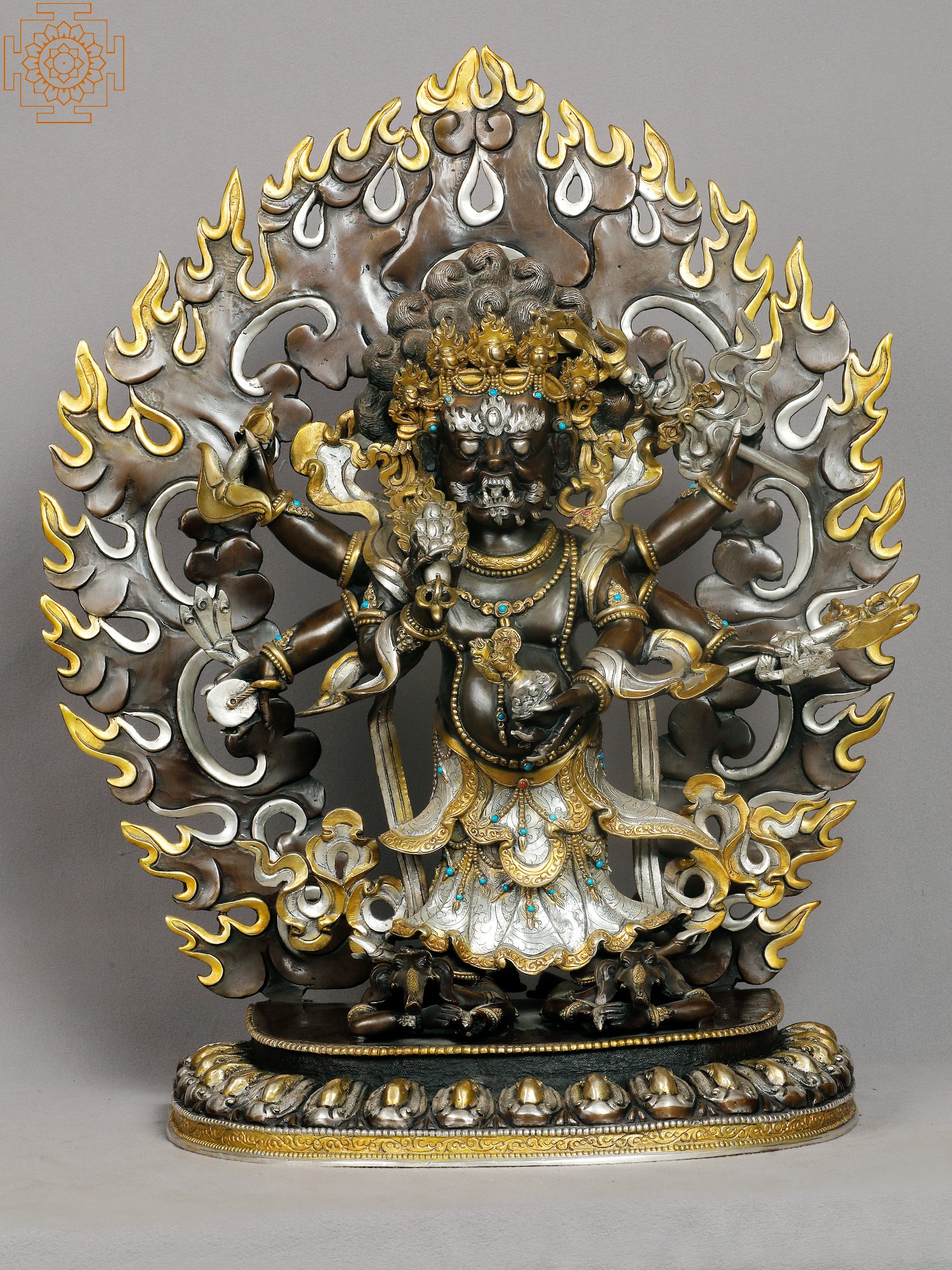
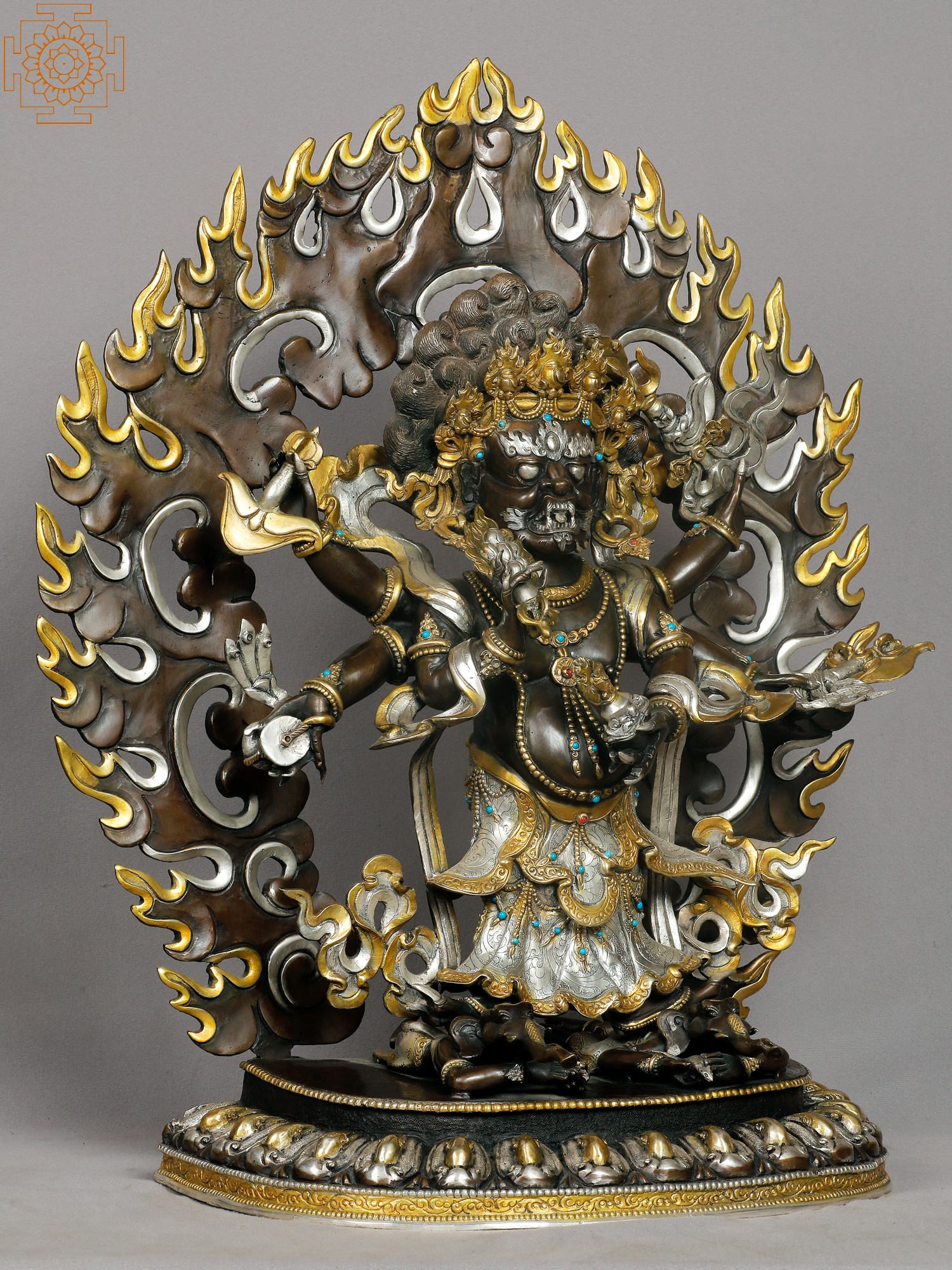
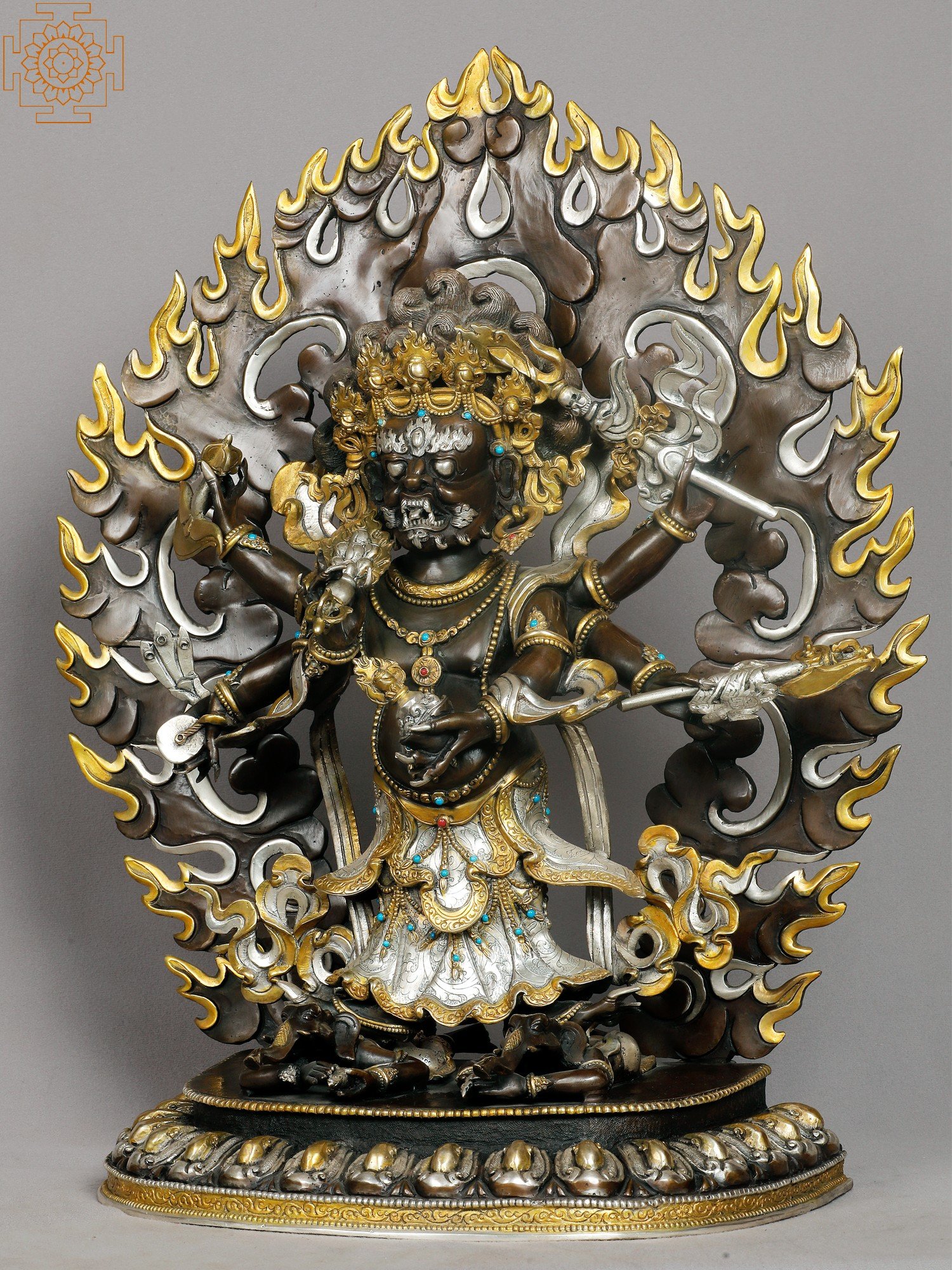
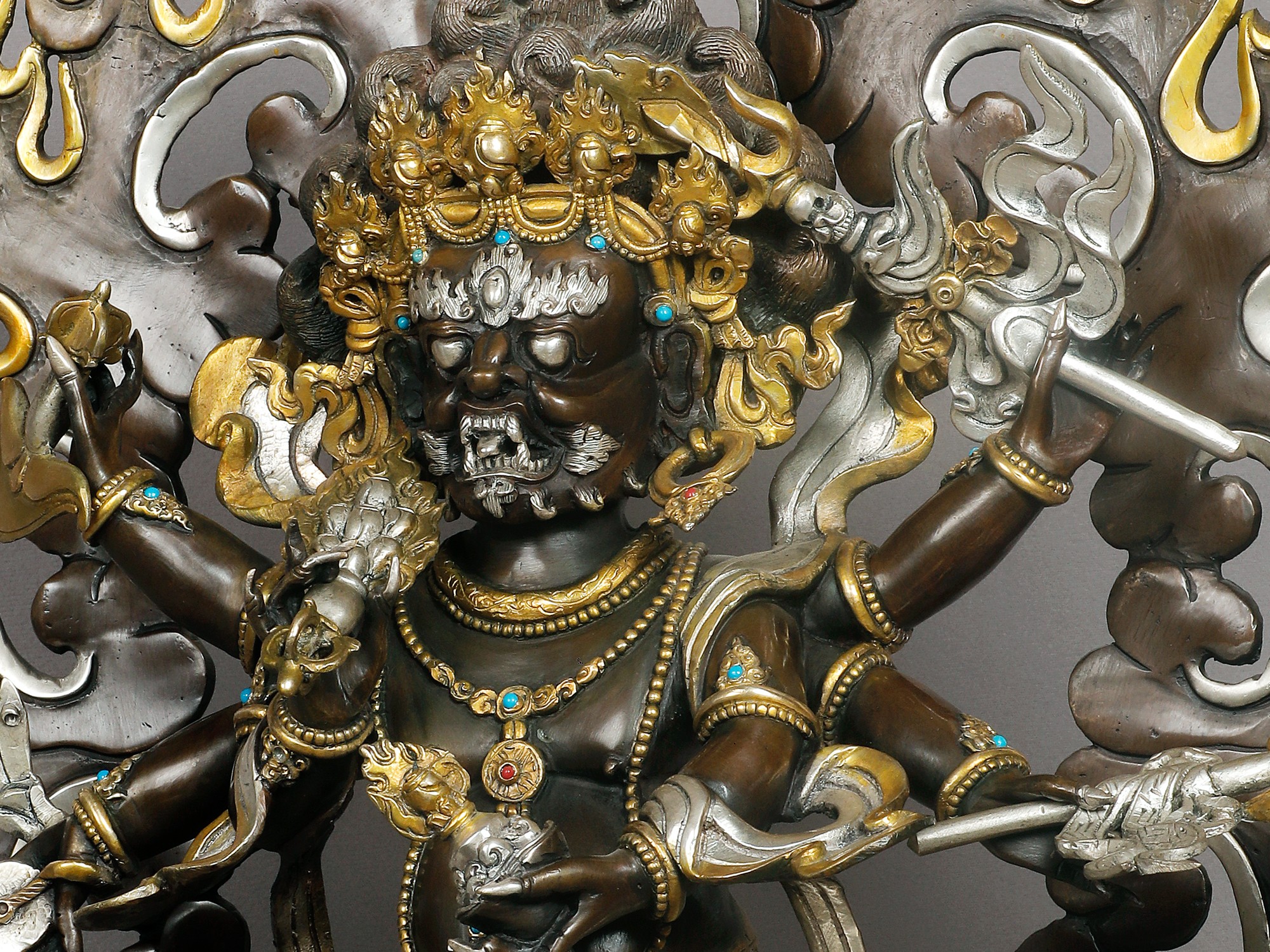
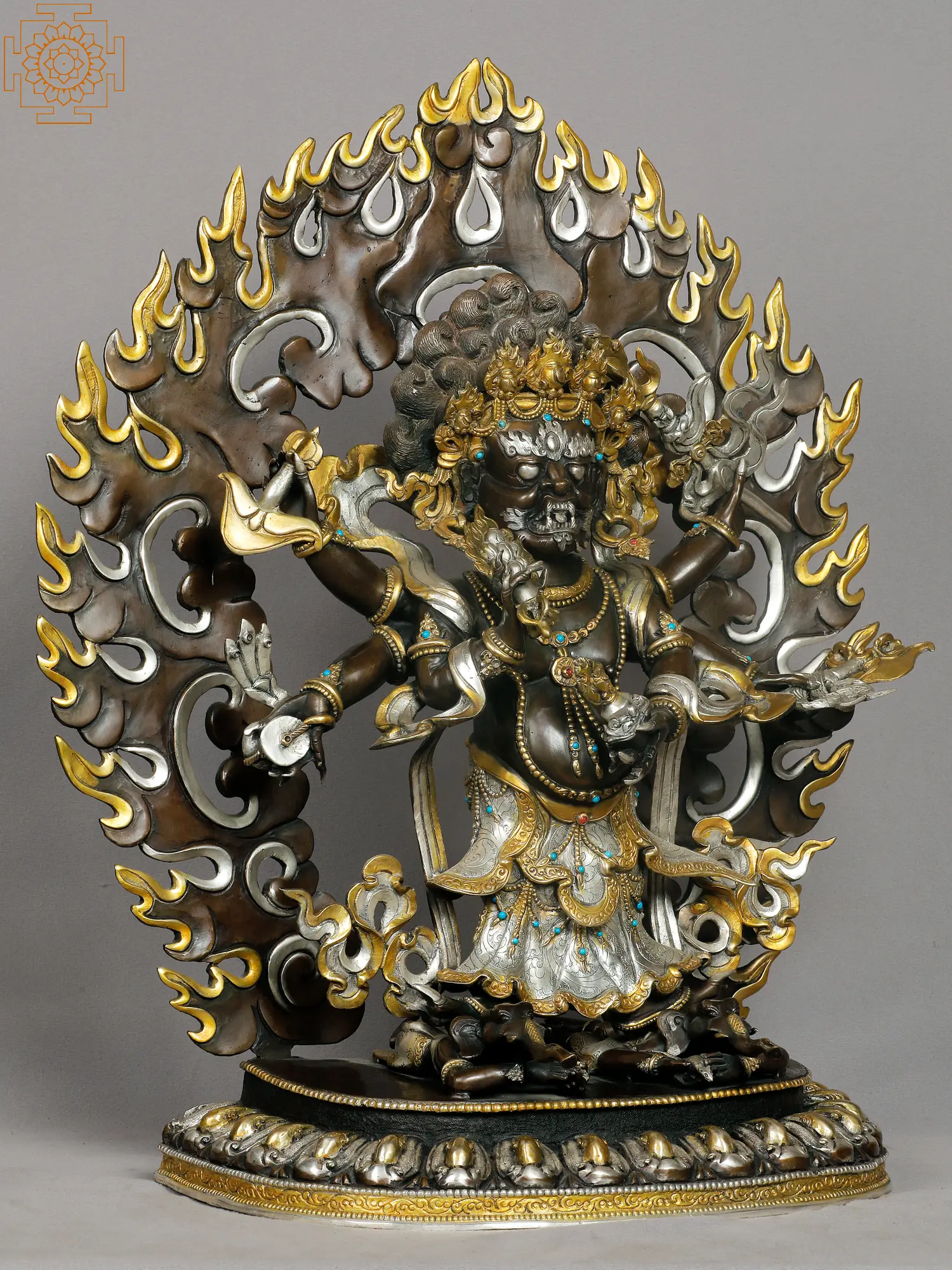
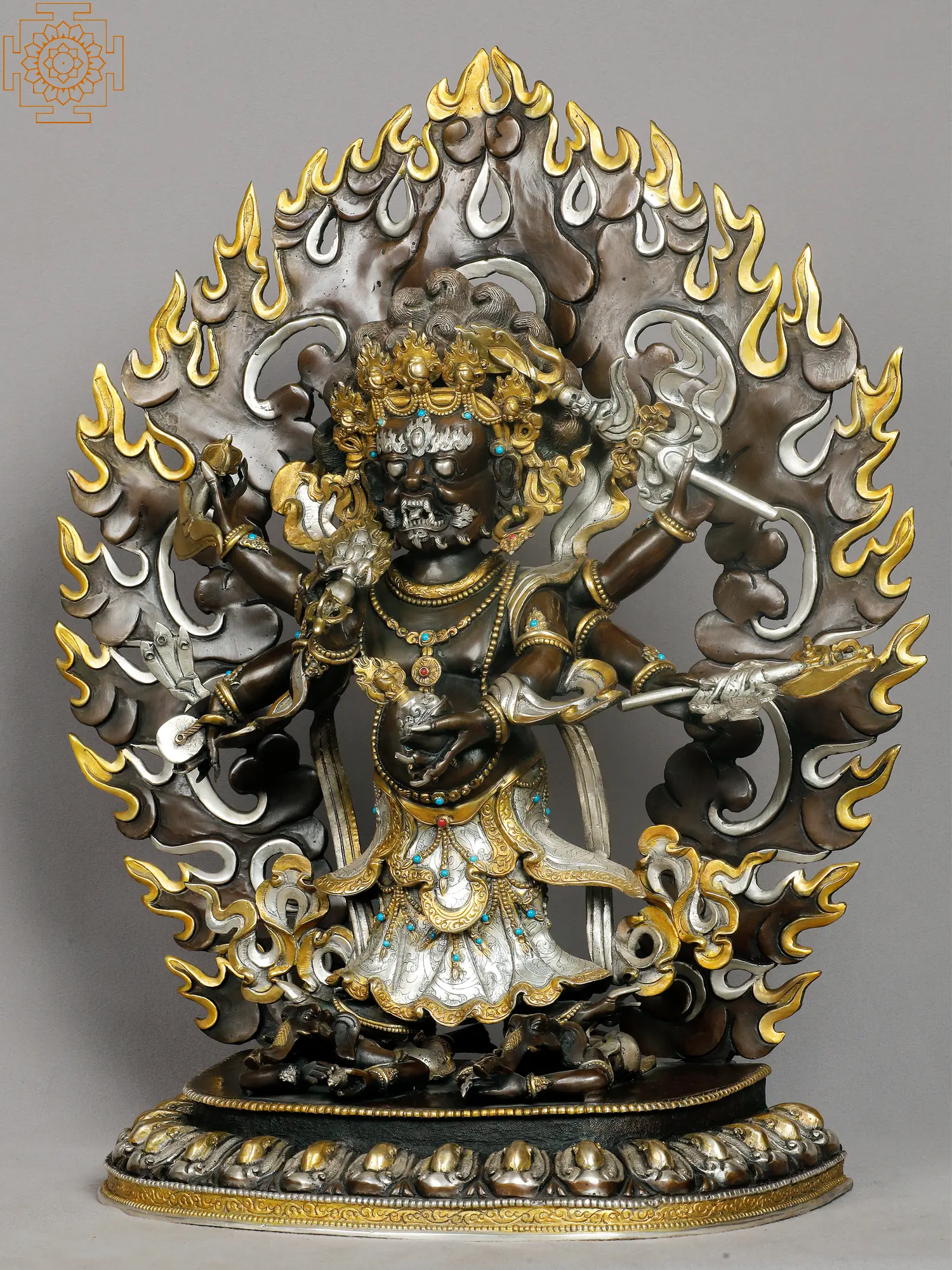
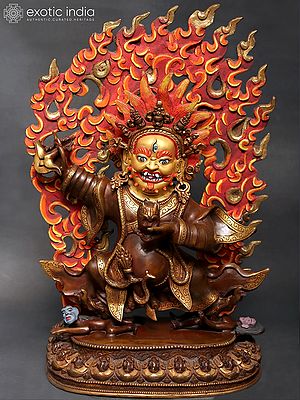
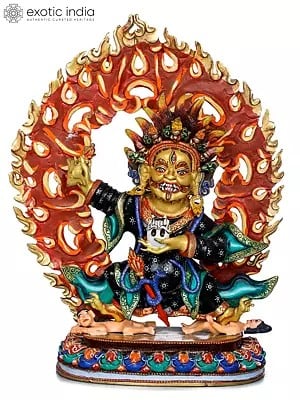
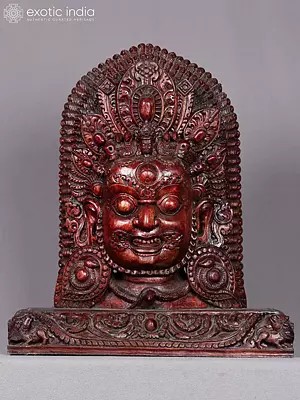
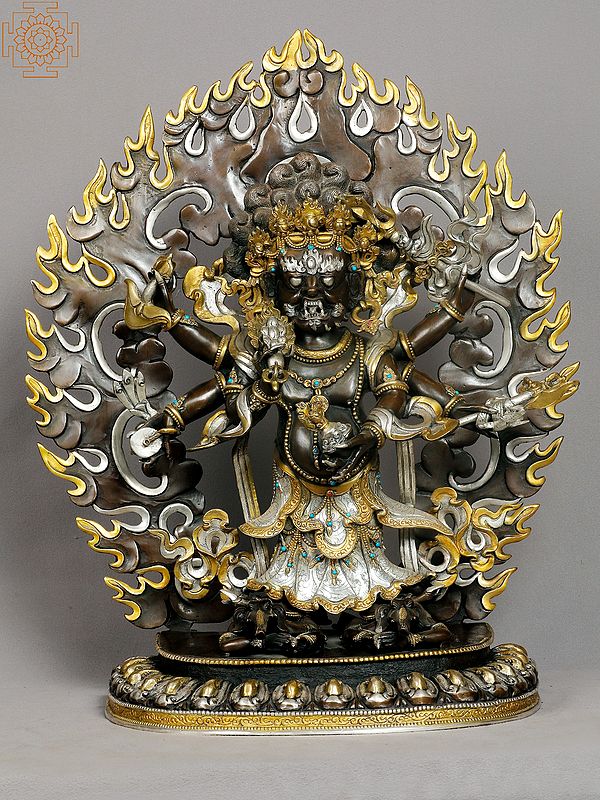
the mystique behind the 20" White Mahakala from Nepal. Mahakala, a
powerful deity in Tibetan Buddhism, embodies both wrathful and protective
qualities. He is the amalgamation of five distinctive elements Time, Maya,
Creation, Destruction, and power. He is Worshipped for his ability to eliminate
obstacles and protect his devotees from negative forces. This Luminating Statue
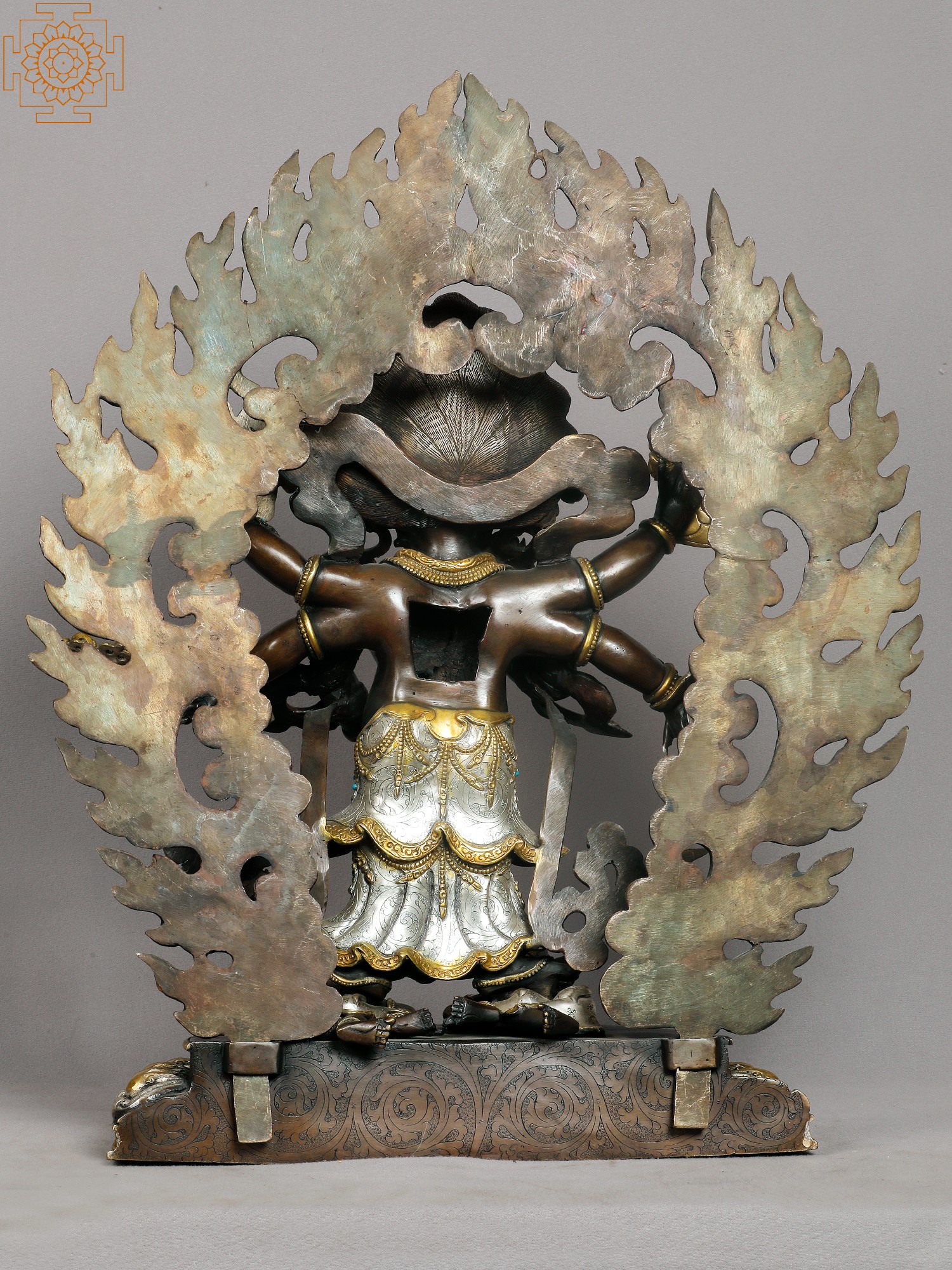
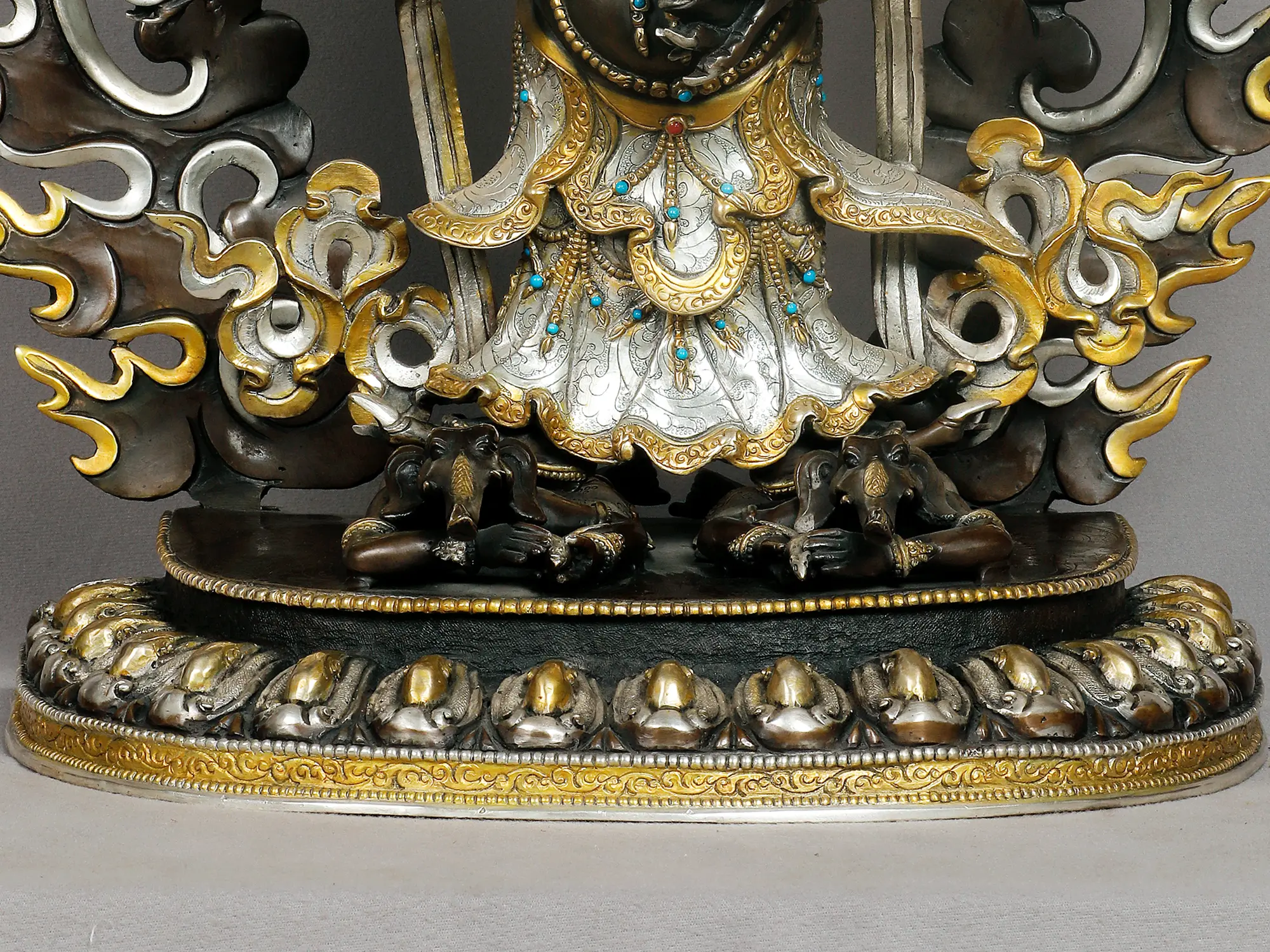
of Mahakala symbolizes the triumph of wisdom over ignorance. The Flames behind
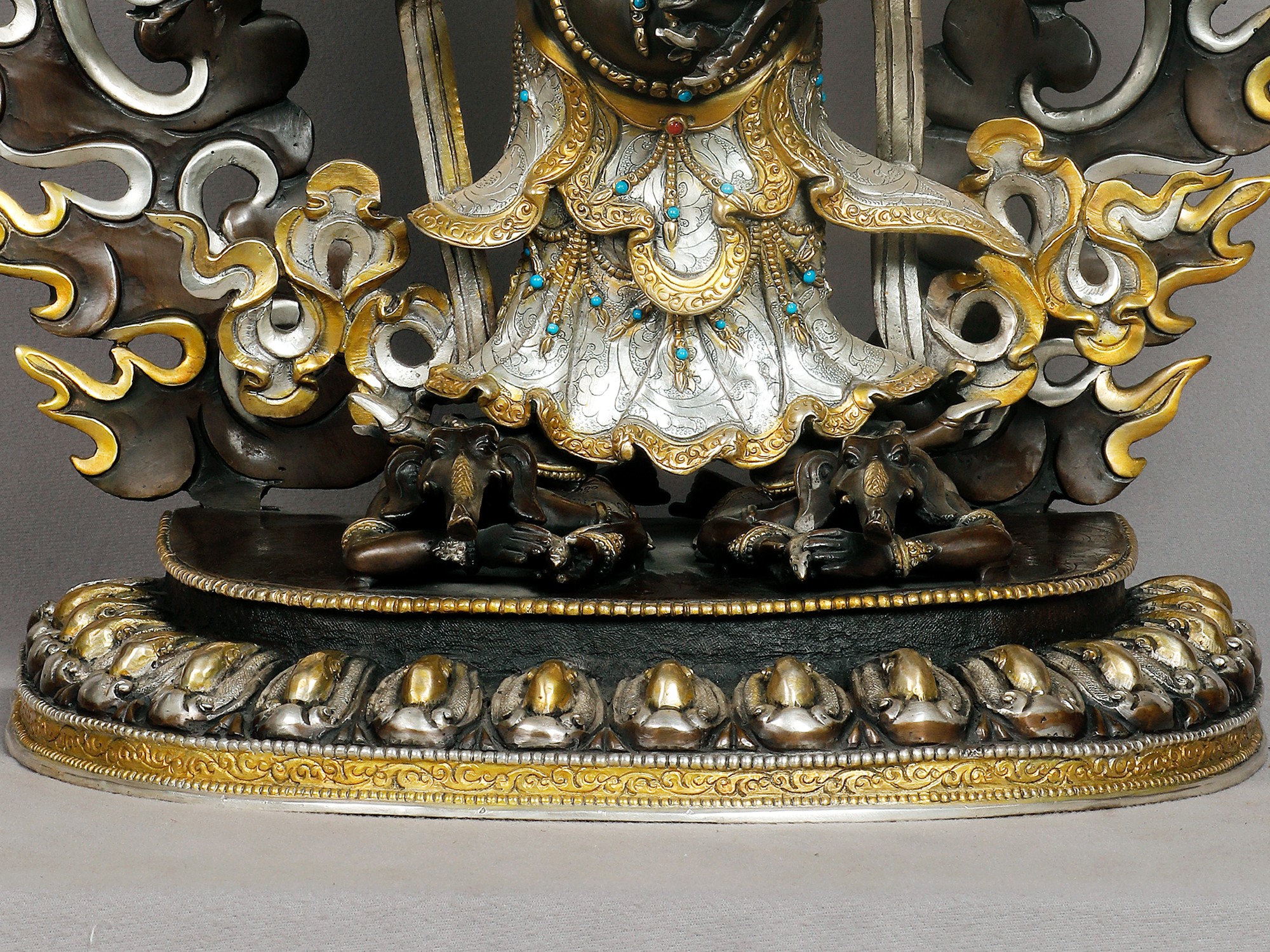
the Copper and gold statue symbolize the destructive and powerful nature of
Mahakala. This exquisitely crafted statue from Nepal invites a sacred
presence into your home, serving as a focal point for meditation and a source
of spiritual strength.
Embrace the Protective Power of Mahakala
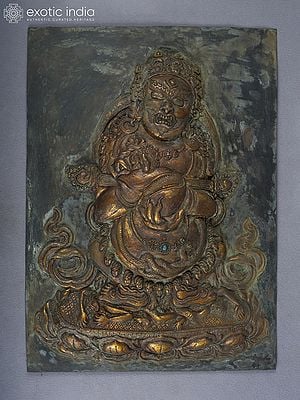
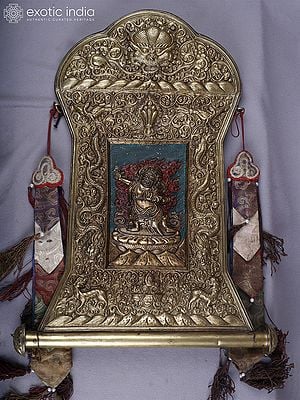
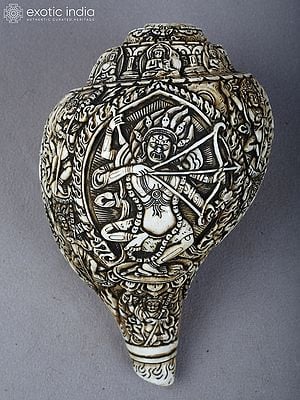
From the sacred land of Nepal, this commanding statue embodies the fierce protective deity Mahakala, a powerful guardian in Tibetan Buddhism. Crafted with exquisite detail from copper and adorned with gleaming gold, this imposing figure stands ready to ward off negativity and obstacles from your path. Mahakala, often depicted as a wrathful manifestation of Avalokiteshvara, is revered as a protector of teachings and practitioners, symbolizing the vanquishing of ignorance and delusion.
In Buddhist cosmology, Mahakala is an emanation of the enlightened mind, appearing in terrifying form to overcome spiritual adversaries. His wrathful aspect is not one of anger, but of intense compassion that forcefully liberates beings from suffering. Legends speak of Mahakala appearing in times of great spiritual crisis, manifesting with a multitude of arms and fierce expressions to crush demonic forces and negative energies that threaten the Dharma. This particular representation, with its white hue, hints at his association with the elemental aspects of protection and purity, a stark contrast to his often dark and fearsome imagery.An Icon of Spiritual Authority and Grandeur
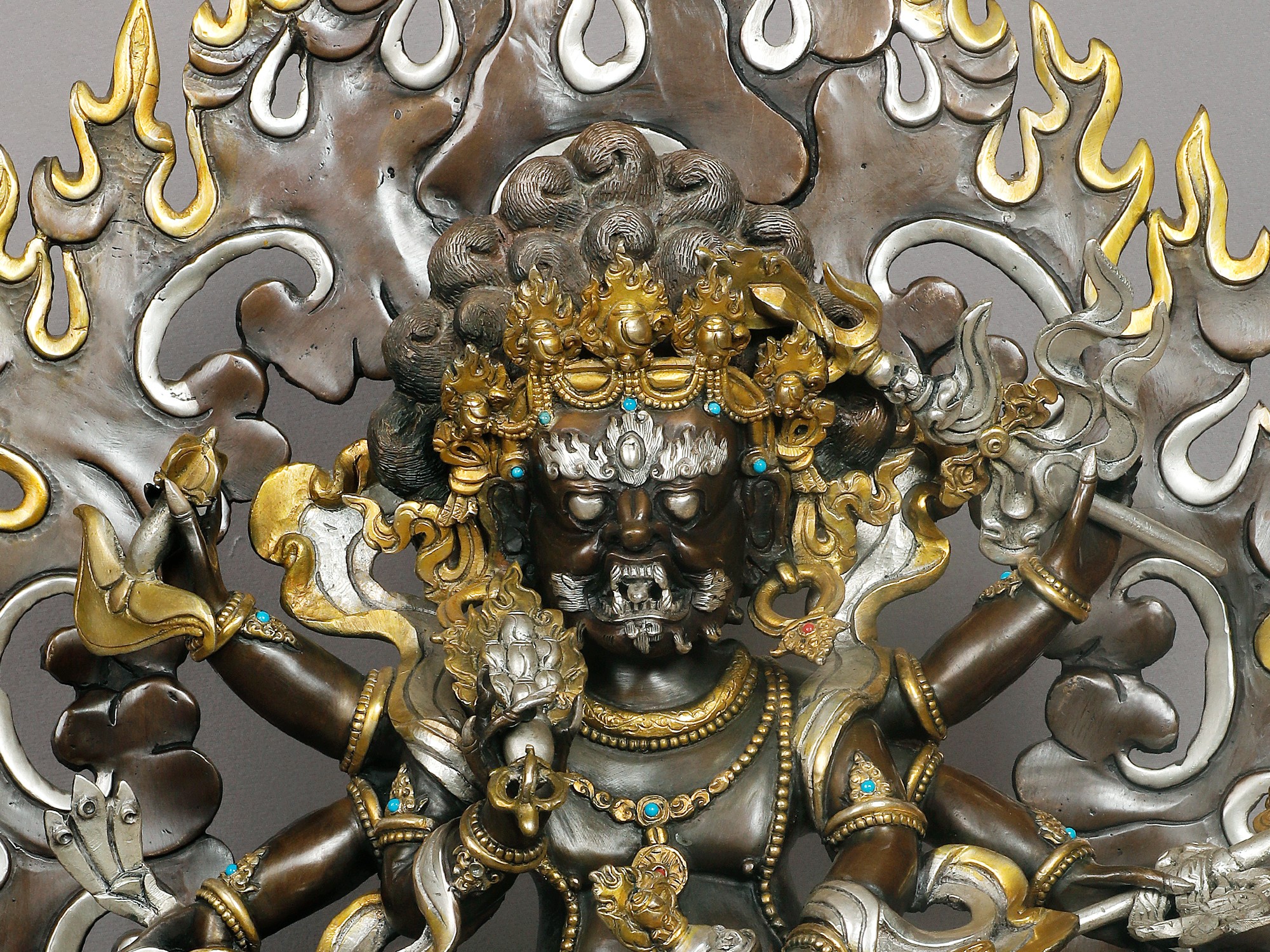
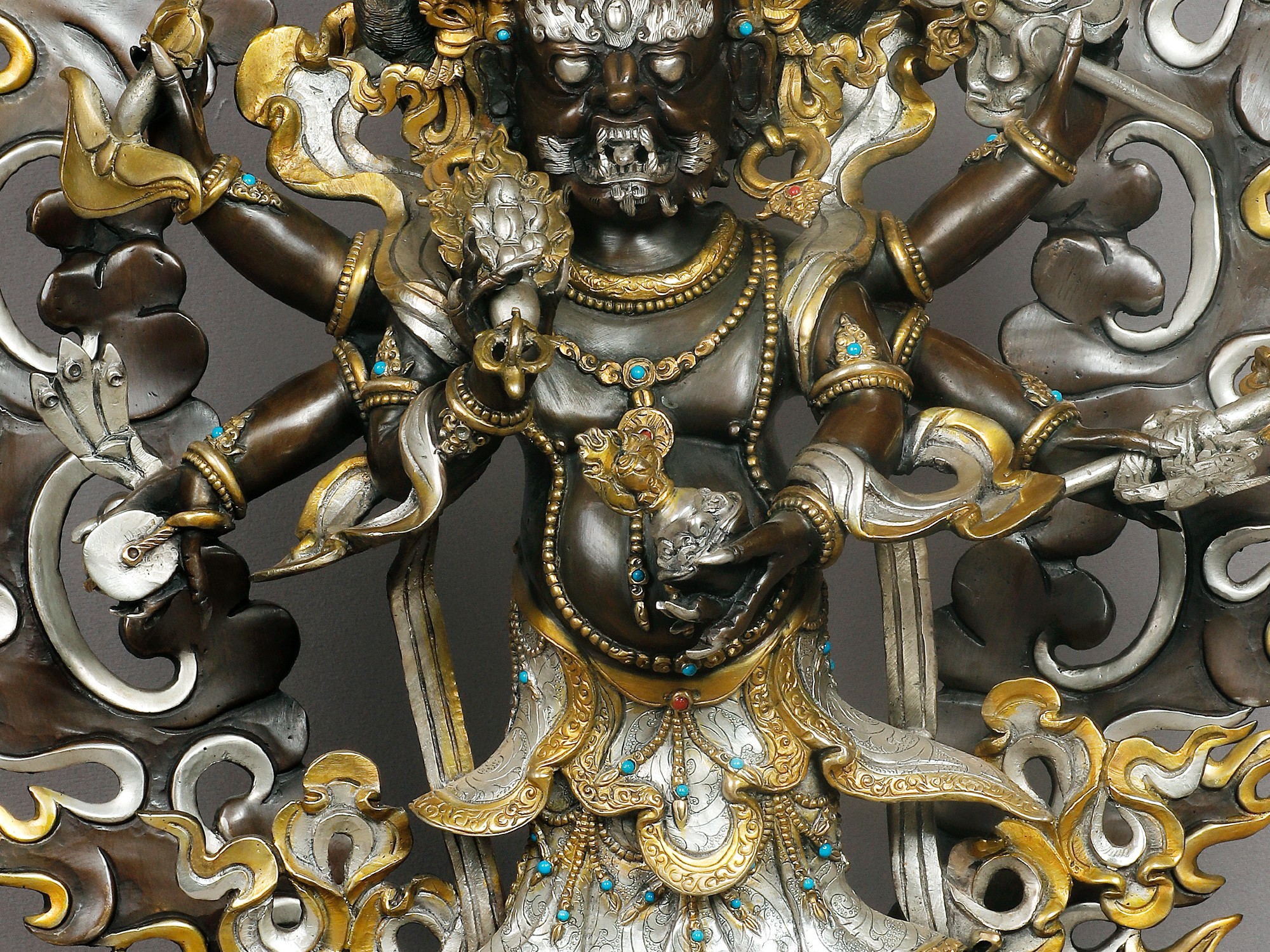
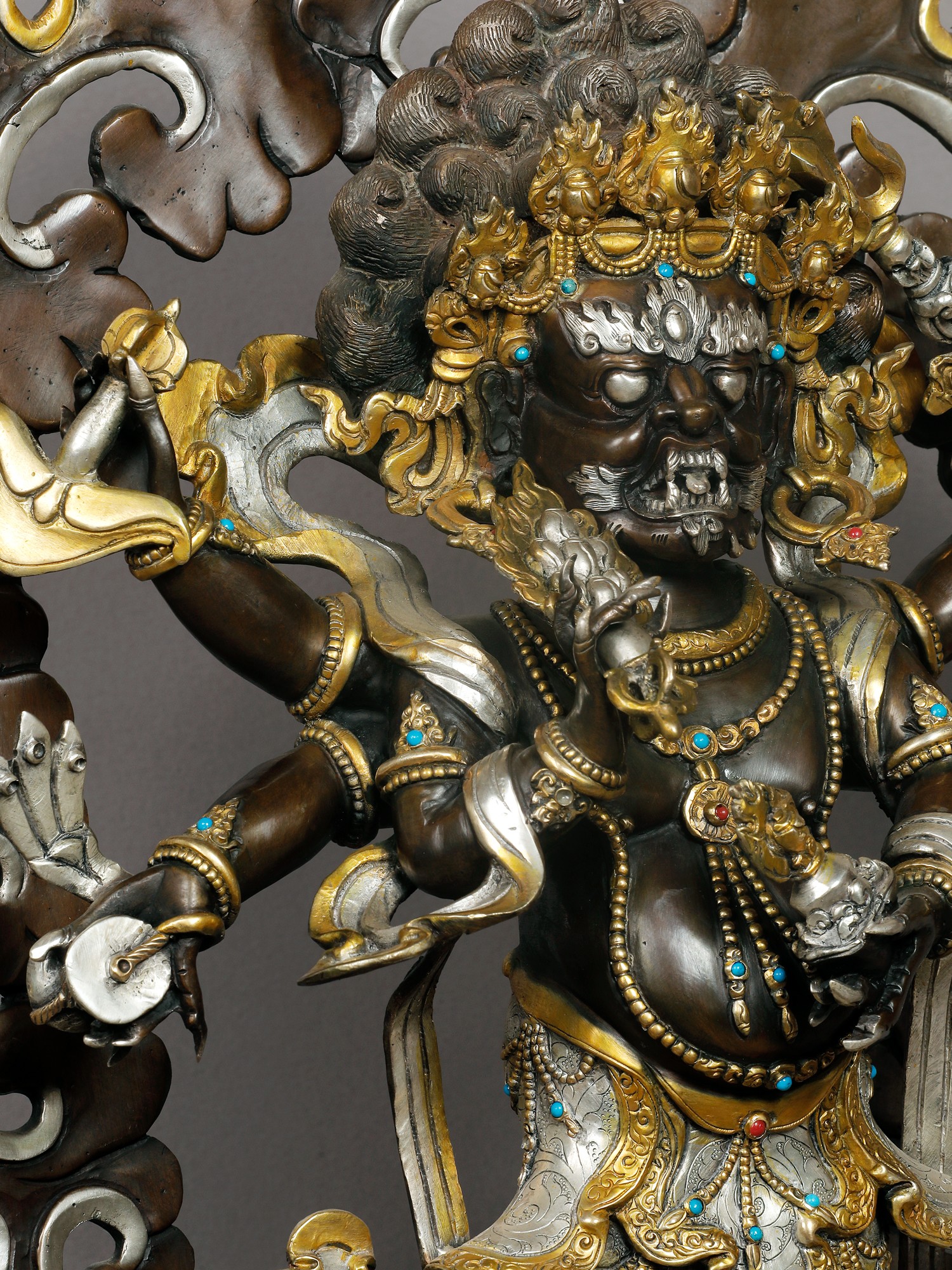
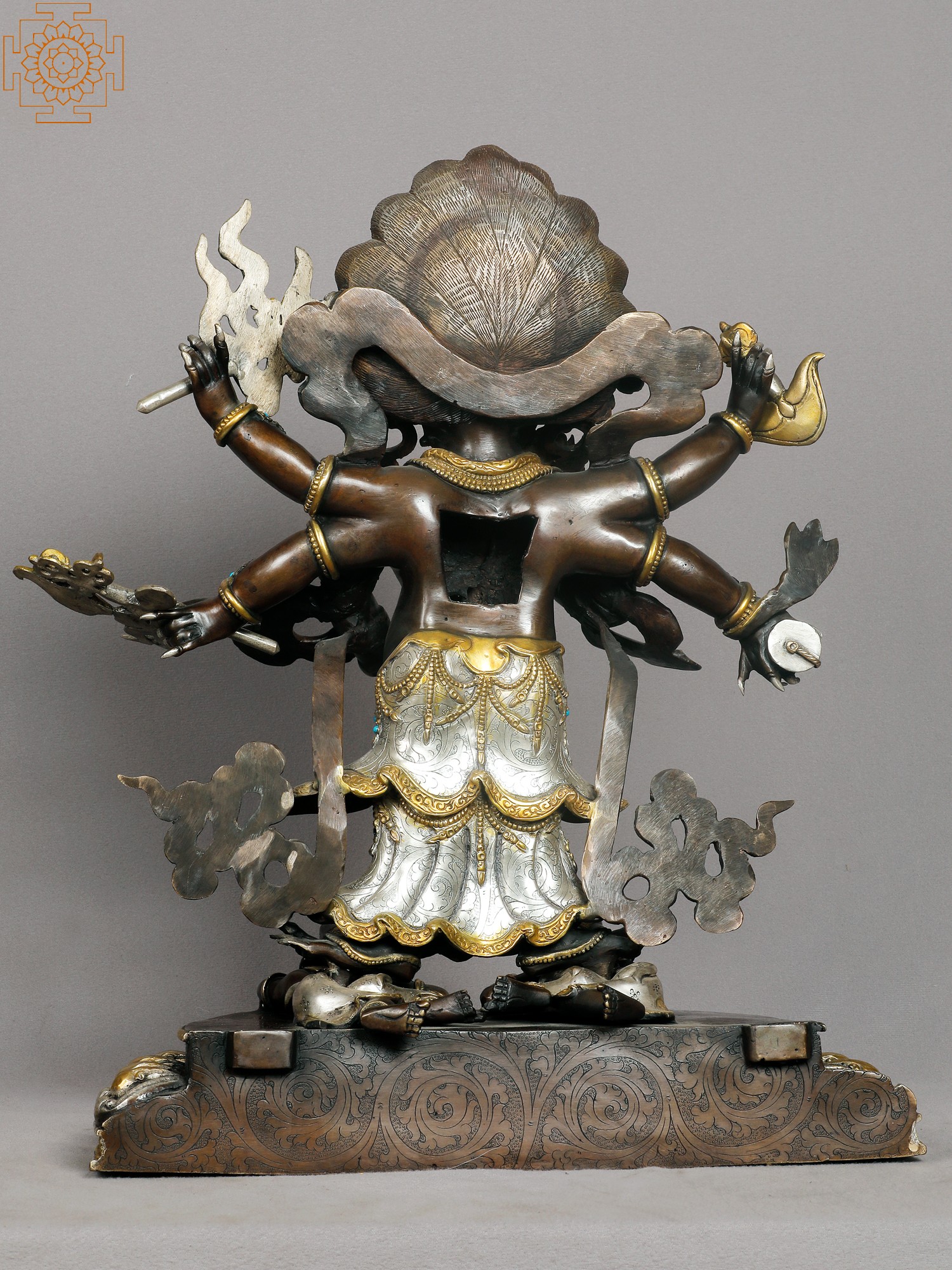
The visual narrative of this statue is rich with symbolism. Mahakala's multiple arms signify his omnipresence and his ability to act in countless ways to protect and guide. Each hand holds various implements, representing the diverse methods he employs to overcome obstacles and manifest blessings. The fiery halo that encircles him is the wisdom fire, symbolizing the burning away of ignorance and the illuminating power of enlightenment. His fearsome countenance, with bared fangs and piercing eyes, is not meant to instill fear, but to remind practitioners of the urgency in confronting and transforming their inner demons and external challenges.
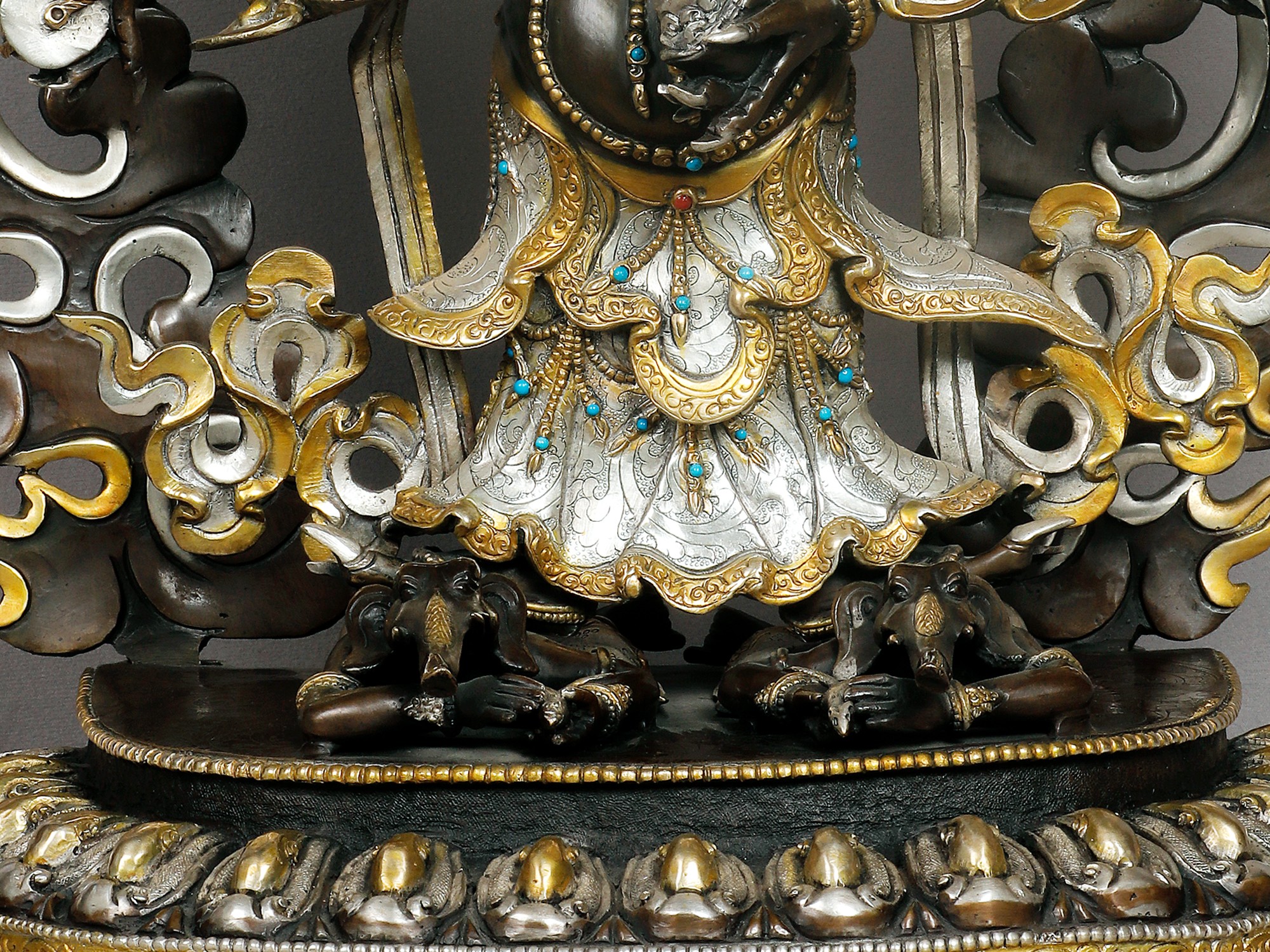
This statue is more than just a religious artifact; it is a testament to the profound artistic traditions of Nepal. The skilled artisans have meticulously rendered every detail, from the intricate headdress adorned with precious jewels and skulls, signifying dominion over ego and attachment, to the flowing garments that speak of his divine movement through existence. The use of copper, known for its conductivity and enduring quality, combined with the radiant touch of gold, elevates this piece to a level of sublime artistry, making it a truly breathtaking centerpiece for any sacred space or collection.A Symbol of Strength and Inner Peace
The presence of Mahakala is said to instill courage, dispelling fear and doubt. His watchful gaze and dynamic posture convey an unwavering vigilance against all forms of spiritual and material hindrances. Whether invoked for personal transformation, protection of the home, or as a focal point for meditation, this statue serves as a constant reminder of the immense power of compassion in its most active and protective form. It invites practitioners to confront their own limitations and to embrace the transformative energy that Mahakala embodies, ultimately leading to greater peace and spiritual liberation. This magnificent representation from Nepal is a powerful conduit for invoking these profound qualities.How are Nepalese copper statues made?
Nepalese statues and sculptures are best known for their unique
small religious figures and ritual paraphernalia for over two
thousand years. These are mainly cast in copper alloy. Nepal draws
influences from the artistic styles of Buddhism and Hinduism, and
therefore the sculptors of the country specialize in making the
icons of both these religions. Over the years, Nepalese sculptures
evolved into their own distinctive iconography. Some
characteristic features of these sculptures that differ from other
pieces are exaggerated physical postures, youthful and sensual
features, languid eyes, wider faces having serene expressions, and
ornate flourishes. The Buddhist deity icons of Nepal have
tremendous demand in countries such as China and Tibet for ritual
purposes in their temples and monasteries.
Nepalese statues and sculptures have a high copper content and
therefore develop a slightly reddish patina on the surface as they
age. However, the most unique feature of Nepalese copper statues
is their decorative detailing. The pieces are heavily gilded and
sometimes inlaid with semi-precious stones. This embellishment
protects them from getting tarnished. The traditional lost-wax
method for casting Nepalese copper statues remains the most
practiced technique in Nepal for many centuries. This process
involves many steps and requires skilled artists.
The first step in lost-wax sculpting is to make a wax replica of
the desired Buddhist deity to be cast in copper. This replica is
created by hand and therefore needs excellent artistic skills
otherwise fine features will be lacking.
Once the wax replica is made, it is then coated with a special
mixture of clay with a brush. This layer of clay is hardened when
left to dry. A small hole is made on the base of the wax mould so
that the wax flows away when it is heated.
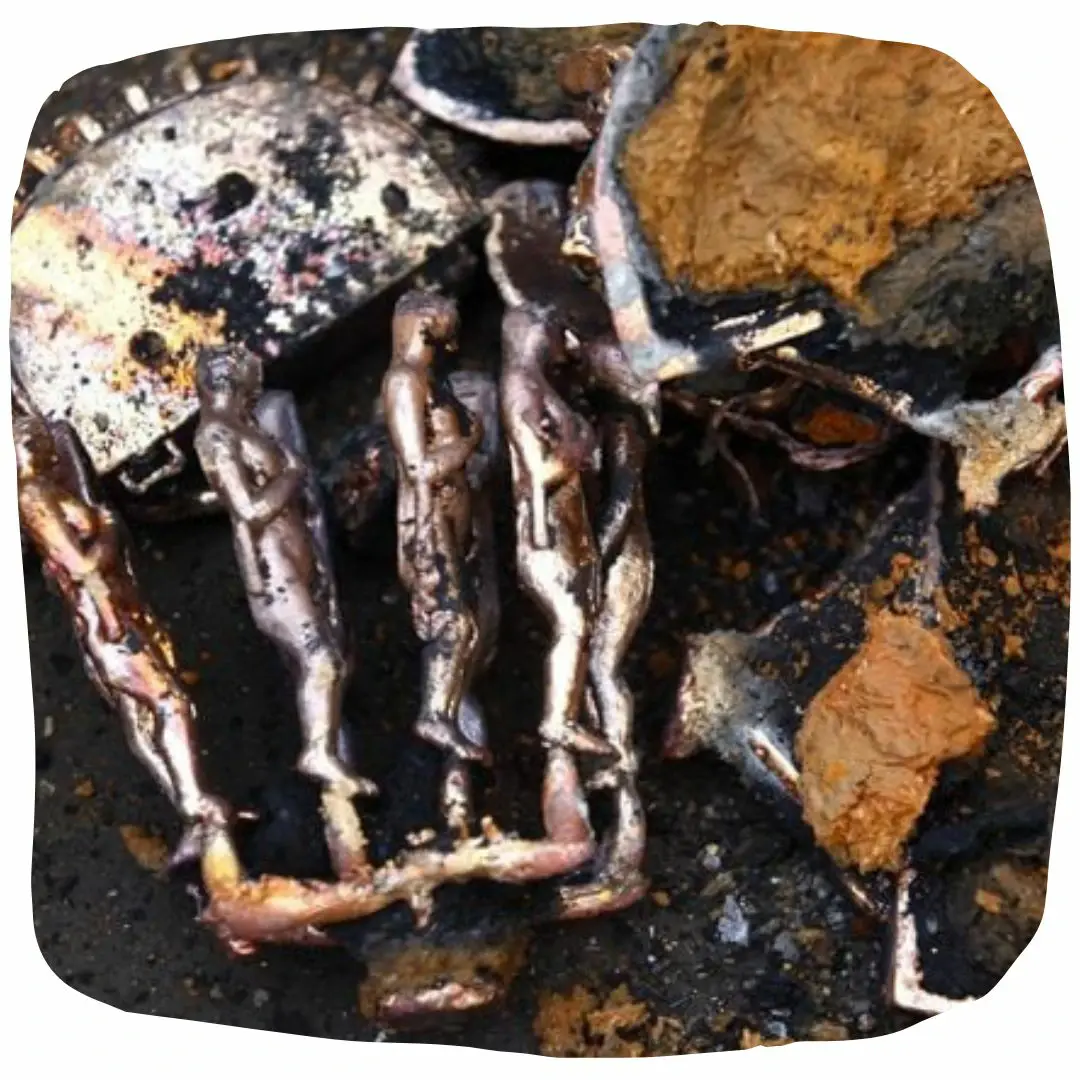
At this stage, a hollow mould in the shape of the deity is
obtained.
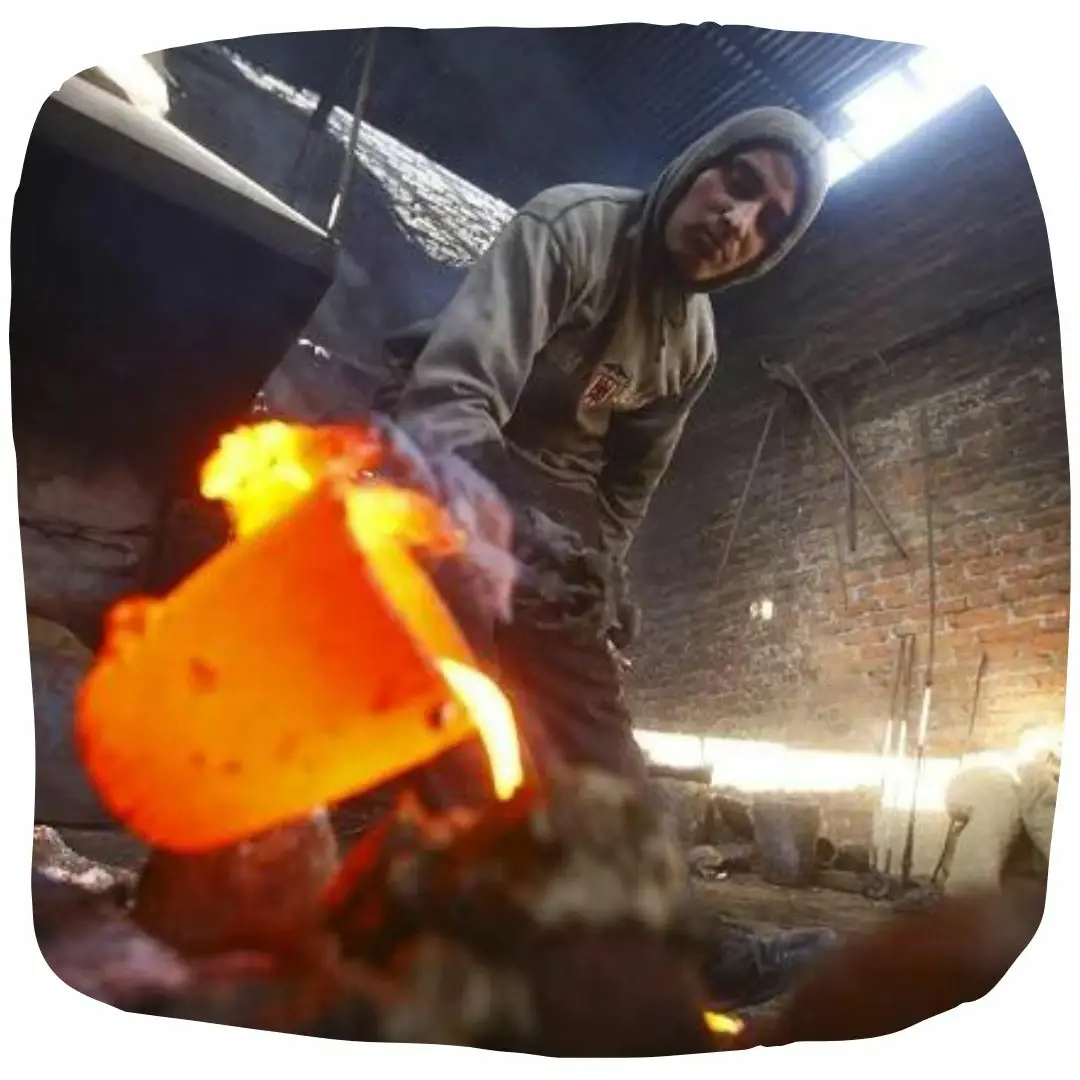
This is the time to pour liquid copper into the hollow mould which
is then allowed to cool and harden inside a container of cold
water. When the liquid metal has hardened, the mould is removed
and the statue within is revealed.
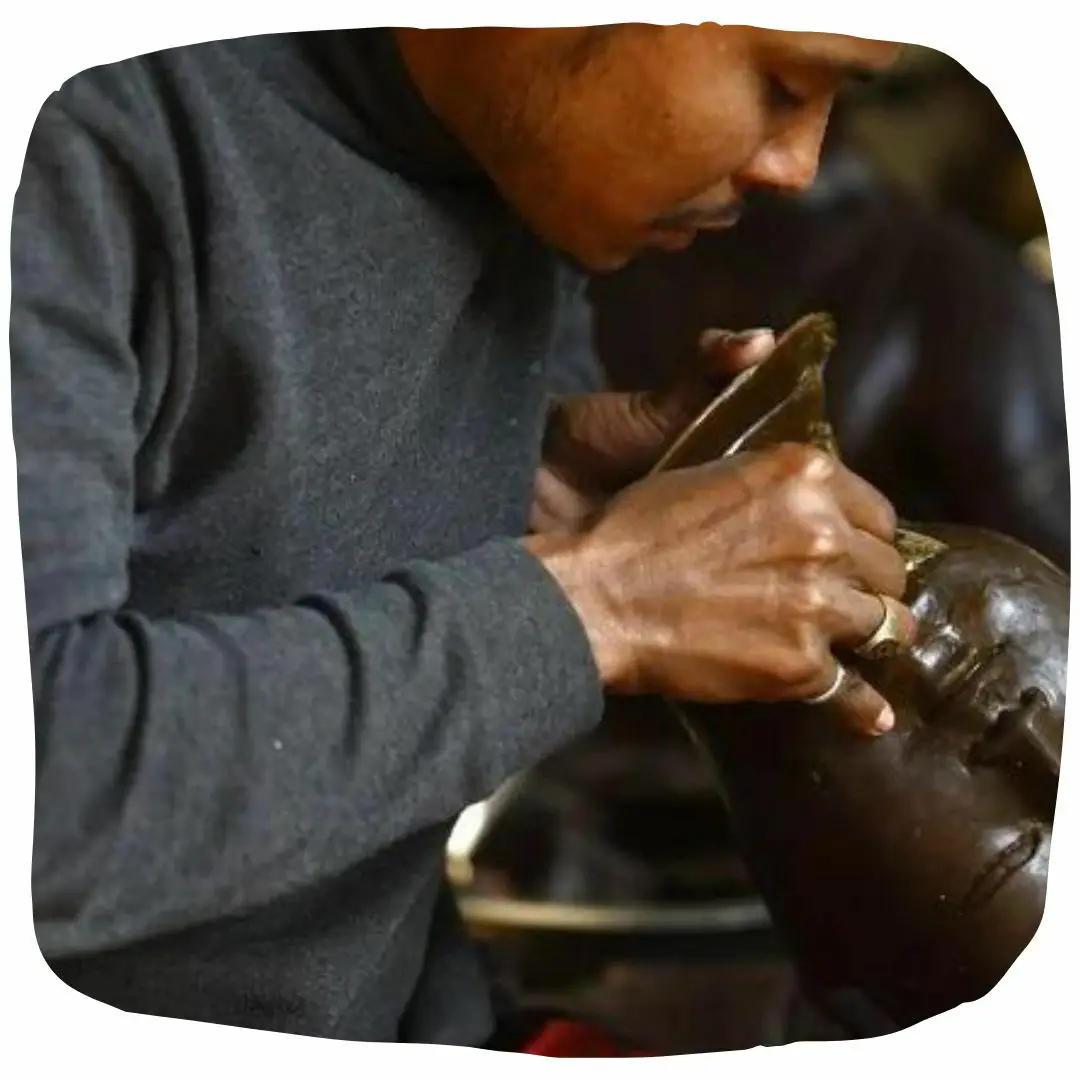
The artist works on the details of the statue using various tools.
It is then polished to get a shiny and lustrous surface.
Now comes the most important part of Nepalese art which is gold
gilding. This is done by the traditional fire gilding method. A
mixture of mercury and 18K gold is applied on the surface of the
statue and heat is applied using a flame torch. The result is that
mercury evaporates along with impurities, leaving a pure 24K gold
finish.
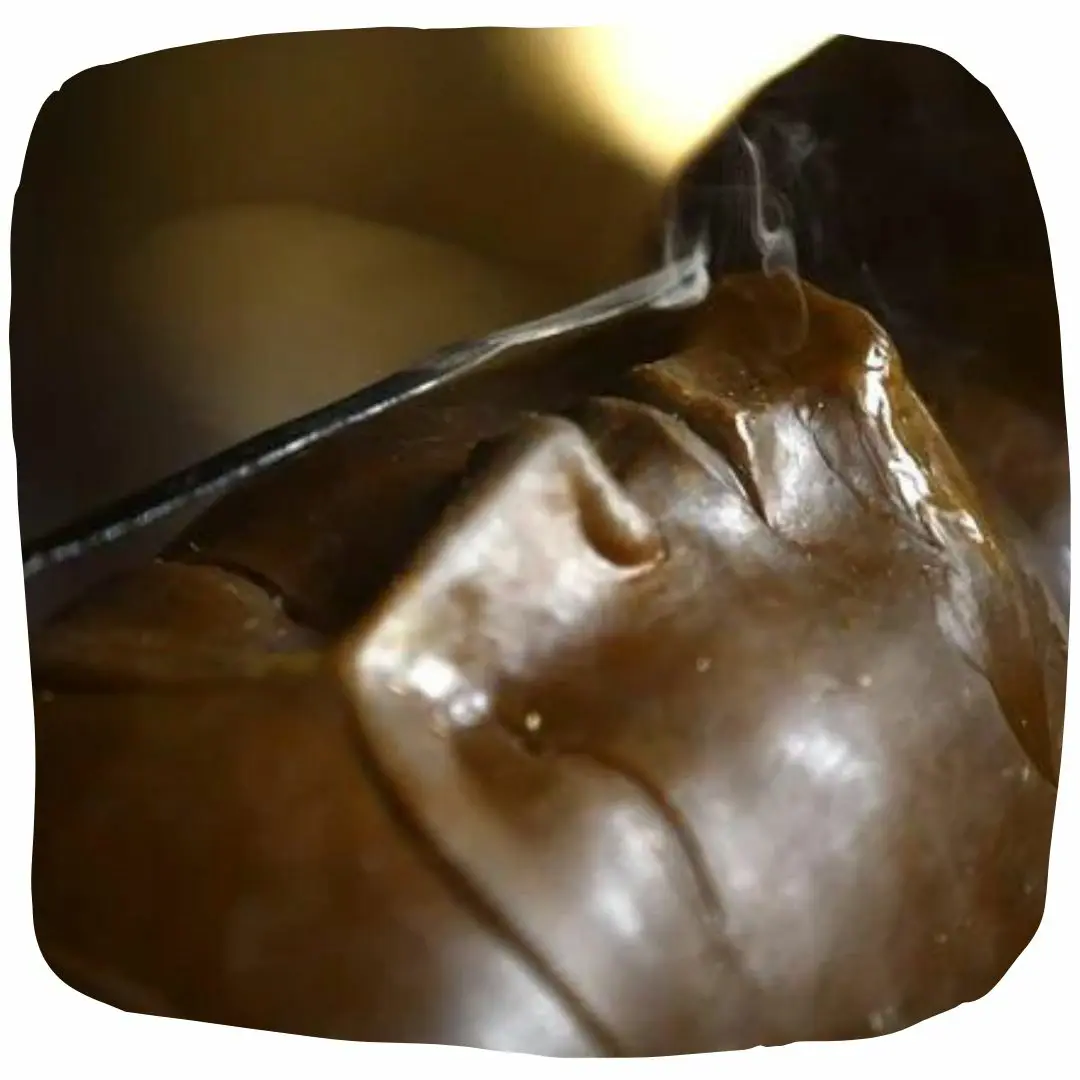
The lost-wax method of sculpting is the most preferred technique
for artists to cast a metallic statue having intricate details.
Since Nepalese copper sculptures require extraneous effort for
giving a majestic look by adding special embellishments, it takes
several weeks to complete one masterpiece. A 24K gold gilded
copper sculpture retains its brilliant luster for many years and
appears as like before. Nepalese sculptures continue to remain one of the finest specimens of the art of the East that have a strong
aesthetic appeal that other sculptures cannot match.
















 Upload an Image