



31" Lord Shiva - Nataraja | Odisha Stone Statue | Exquisite Handmade Indian Art
$5031
Includes any tariffs and taxes

Notify me when this item is available
| Specifications |
 |
DDS319 |
 |
Orissa Stone |
 |
Height: 31 inch |
| Width: 19.5 inch | |
| Depth: 9.5 inch | |
 |
Weight 80 kg |
| Delivery and Return Policies |
 |
Usually ships in 7 days |
 |
Returns and Exchanges accepted within 7 days |
 |
Free Delivery |

Easy Returns

Fully Insured

100% Handmade
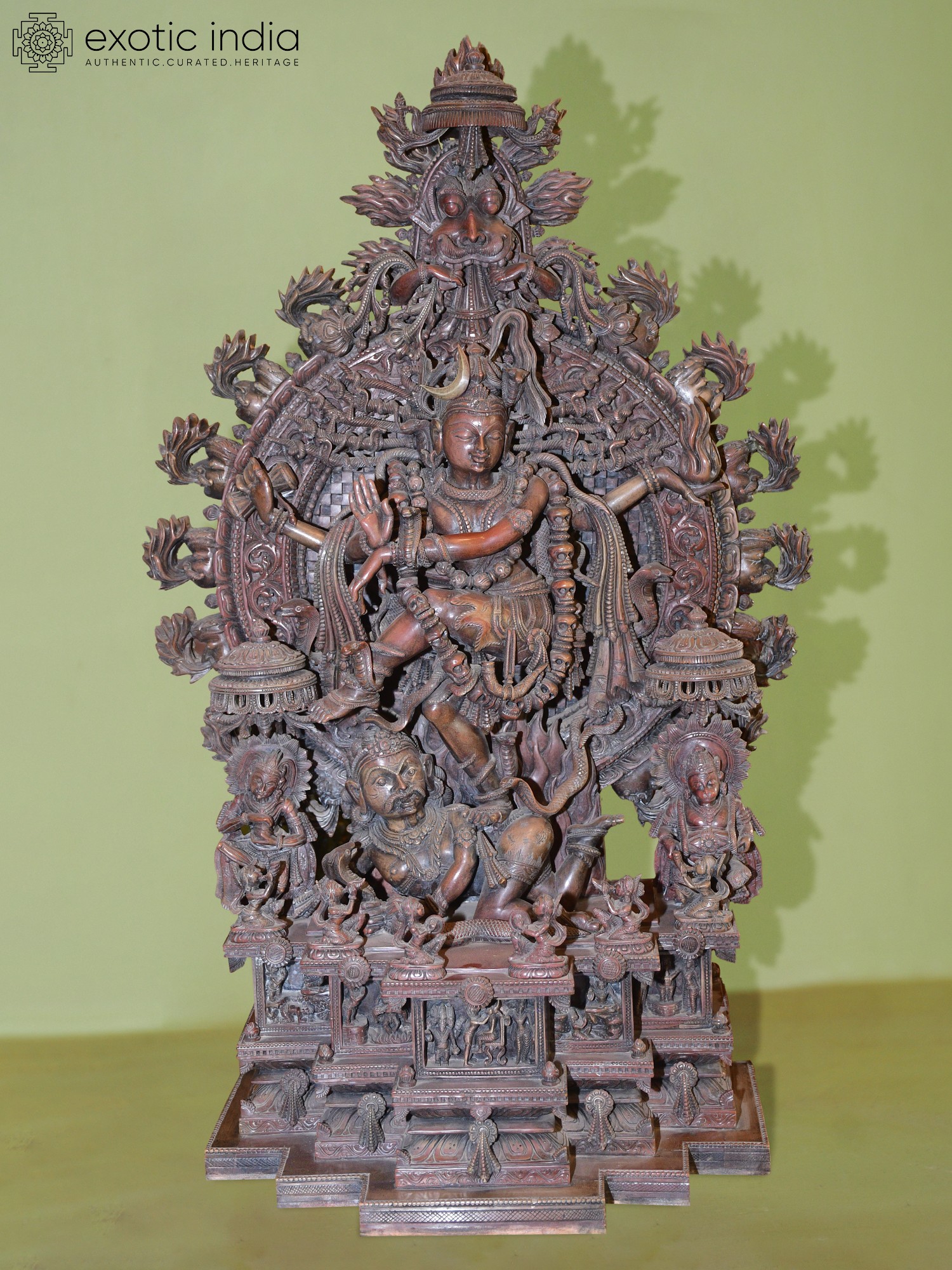
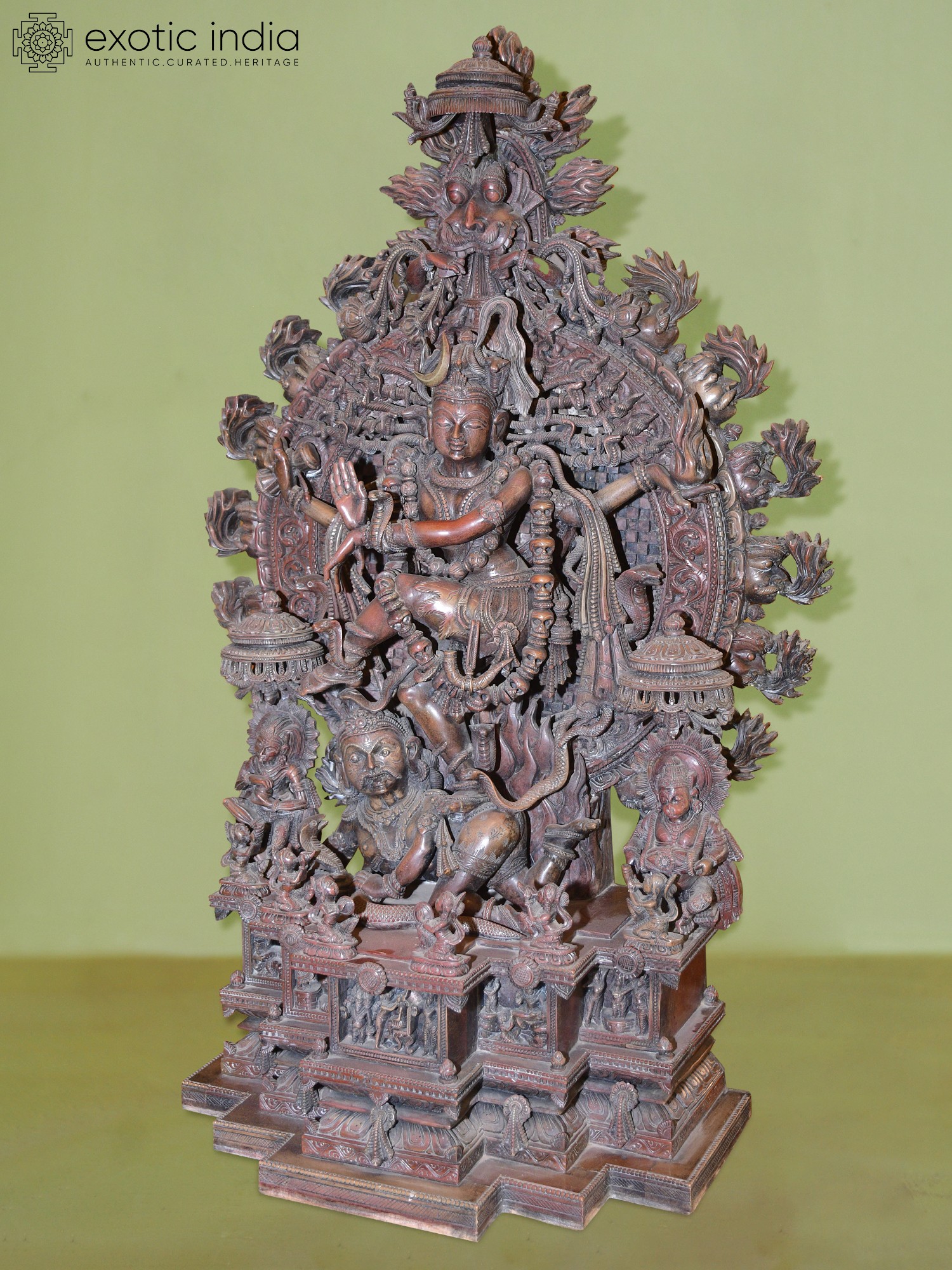
This Odisha stone Nataraja is a tour de force of sculptural density and narrative sophistication, where carving becomes sacred wisdom in stone.
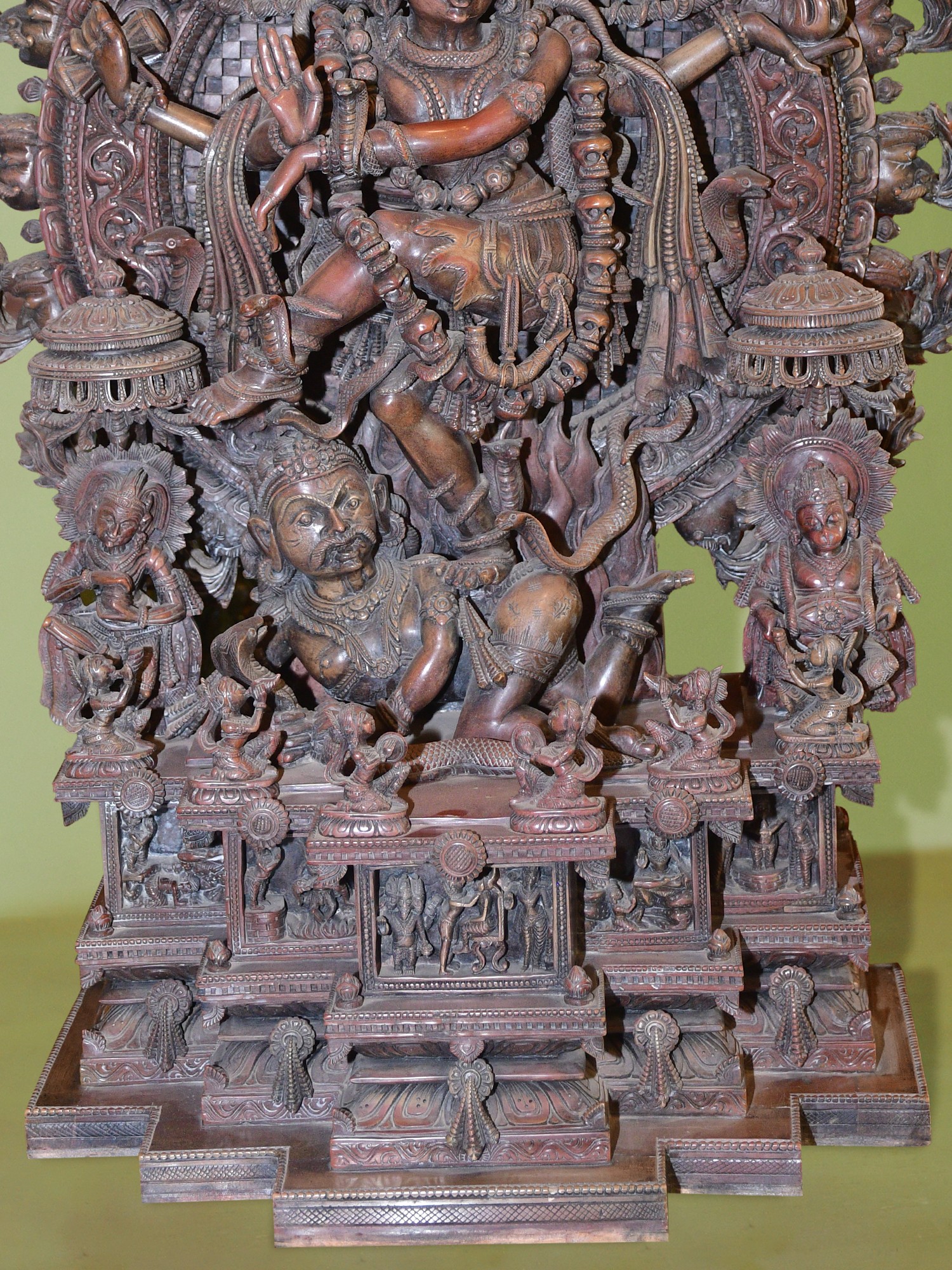
Shiva is presented in the ananda tandava, his body poised in dynamic equilibrium, one leg raised in rhythmic suspension while the other subdues Apasmara, the dwarf of ignorance.
The modeling of Shiva’s torso reveals remarkable anatomical sensitivity. The chest expands with authority, the waist narrows with sculptural refinement, and the limbs flow in measured arcs that articulate both movement and composure.
His face is serenely composed, eyelids lowered in inward awareness, lips gently curved, embodying the paradox of stillness within cosmic motion.
The ornamentation is richly layered. His knotted jatas flare outward in stylized vitality, suggesting the centrifugal force of creation. From these matted locks emerges Ganga, delicately rendered, affirming Shiva as Gangadhara. A garland of skulls drapes across his torso, signifying time and transcendence of mortality, while serpents coil as ornaments, embodying latent energy. The baaghcharma, the tiger skin garment, anchors him as ascetic conqueror of primal instincts.
Apasmara beneath his foot is sculpted with expressive realism. The twisted posture and alert, almost startled expression dramatize the suppression of ignorance rather than annihilation, reinforcing Shiva’s role as illuminator. The prabhavali is exceptionally elaborate, ringed with flame motifs and crowned by a rare kirtimukha depicted devouring itself with its own hands, a potent emblem of ego consuming itself.
To one side appears the Nayanara saint Karaikkal Ammaiyar in skeletal form, while the monkey-faced Nandi dances in accompaniment. The panchayatana style pedestal unfolds miniature narrative panels and seated devotees, integrating temple cosmology into the base itself. Together, these figures create a multi layered devotional universe where Shiva ganas, animals, guardians, and devotees converge in the rhythm of Shiva’s cosmic dance.
Products related to this item
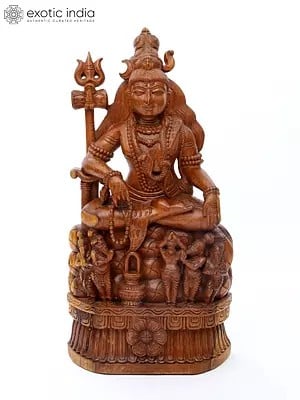
26 inch Height X 13 inch Width X 5 inch Length
$857
Express Shipping
Includes any tariffs and taxes
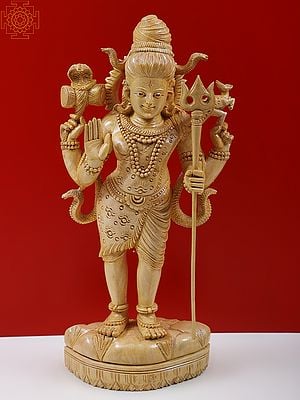
17.50 inch Height X 8.40 inch Width x 4.20 inch Depth
$217.20
Express Shipping
$362 40% off
Includes any tariffs and taxes
More Colors
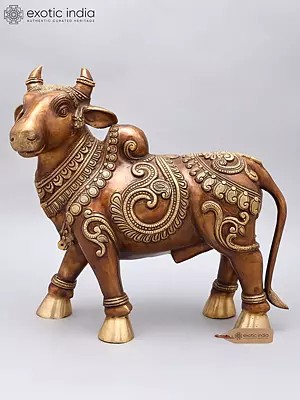
14 inch Height X 14 inch Width X 6 inch Length
$828
Express Shipping
Includes any tariffs and taxes
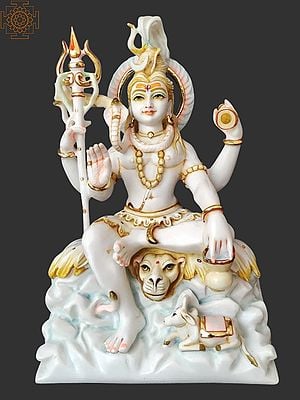
18.00 inch Height X 12.00 inch Width X 6.00 inch Depth
$2369
Includes any tariffs and taxes
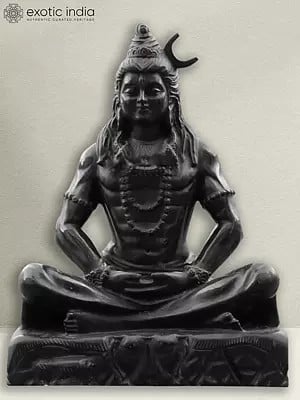
24 inch Height X 18 inch Width X 10 inch Length
$2588
Includes any tariffs and taxes
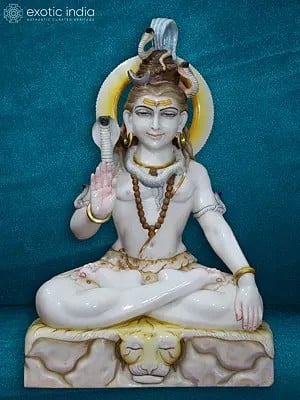
30 inch Height X 21 inch Width X 10 inch Length
$5520
Includes any tariffs and taxes
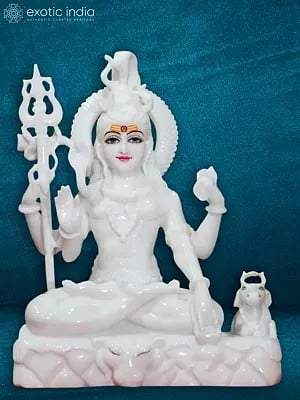
15 inch Height X 12 inch Width X 5 inch Length
$2427
Includes any tariffs and taxes
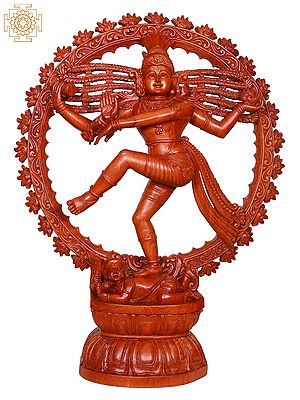
31.00 inch Height X 24.00 inch Width X 5.00 inch Depth
$3565
Includes any tariffs and taxes
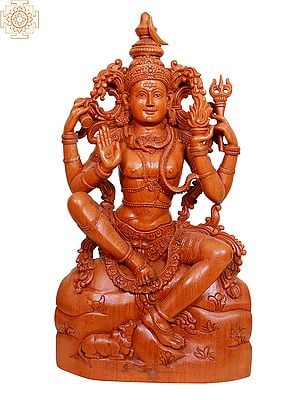
25.00 inch Height X 18.00 inch Width X 5.00 inch Depth
$3985
Includes any tariffs and taxes
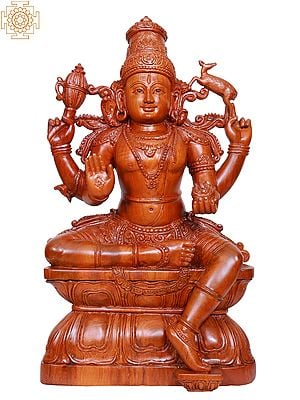
23.00 inch Height X 13.00 inch Width X 6.00 inch Depth
$2289
Includes any tariffs and taxes
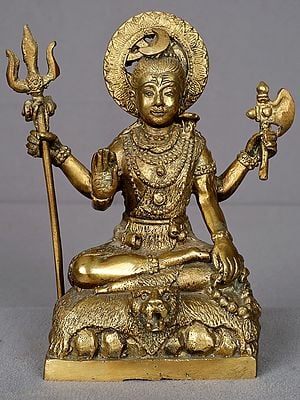
7.00 inch Height X 6.00 inch Width X 3.00 inch Depth
$495
Includes any tariffs and taxes

More Colors
4 inch Height X 5 inch Width X 3.3 inch Length
$144
Best Seller
Includes any tariffs and taxes