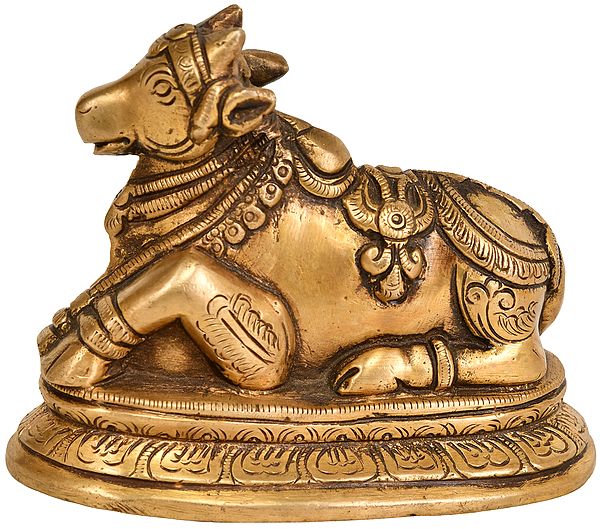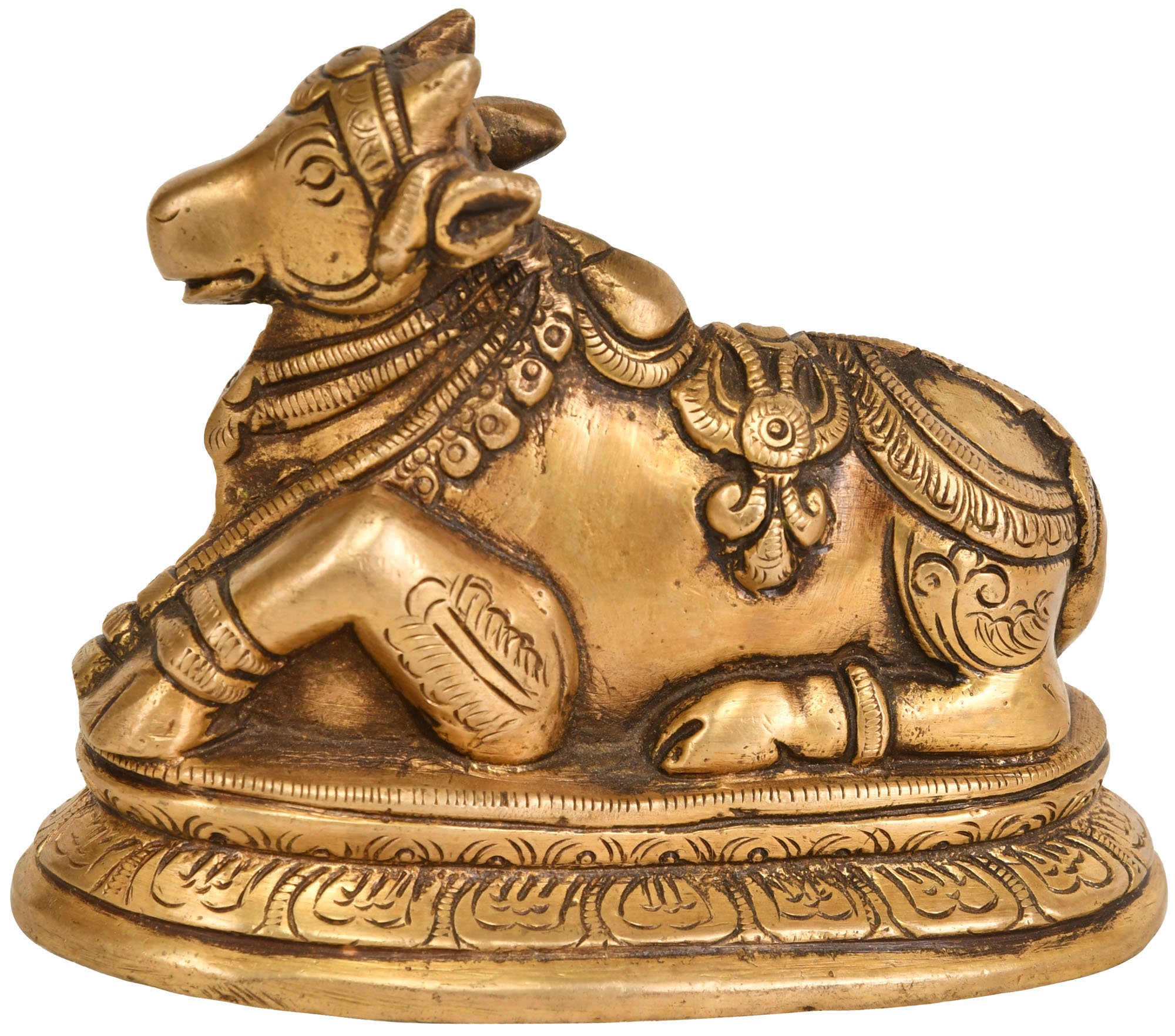
4" Nandi Brass Statue - The Vehicle of Shiva | Handmade | Made In India
$92
Includes any tariffs and taxes

Protective Lacquer Coating
Protective Lacquer Coating

Get your Statue - Lacquer Polish Protection
Lacquer Polish Protection is a protective coating of lacquer that is applied on the statue to protect it from tarnishing and dirt.
Notify me when this item is available
| Specifications |
 |
RK43 |
 |
Brass Statue |
 |
Height: 3.5 inch |
| Width: 4.6 inch | |
| Depth: 2.3 inch | |
 |
Weight 800 gm |
| Delivery and Return Policies |
 |
Usually ships in 10 days |
 |
Returns and Exchanges accepted within 7 days |
 |
Free Delivery |

Easy Returns

Fully Insured

100% Handmade
Embrace the
sacred
presence of Nandi, the divine bull and vahana (mount) of Lord Shiva, with
this beautifully cast brass figurine. Revered as a symbol of strength,
devotion, and fertility, Nandi holds a significant place in Hindu mythology and
temple architecture. This exquisite masterpiece captures the essence of Nandi's
loyalty and devotion to Lord Shiva, radiating an aura of divine grace and
tranquillity.
Embodying Devotion: The Sacred Nandi
This exquisite brass statue captures the serene and powerful form of Nandi, the bull vahana (vehicle) of Lord Shiva. Crafted with meticulous care by skilled artisans in India, this piece is more than just a decorative object; it's a symbol of devotion, loyalty, and unwavering faith. The Nandi is depicted in its characteristic posture of repose, seated with its forelegs tucked and hind legs extended, exuding a sense of calm watchfulness. The intricate detailing on its harness, the delicate ornamentation adorning its body, and the traditional patterns etched onto its base speak volumes about the craftsmanship and cultural heritage embedded in its creation.A Celestial Chariot: Mythological Significance
In Hindu mythology, Nandi holds a revered position as the chief of Shiva's celestial attendants, the Ganas. Legend has it that Nandi was born from the divine energy of Shiva himself. His unwavering devotion to Lord Shiva is celebrated throughout ancient scriptures, making him an embodiment of dharma, righteousness, and service. It is believed that Nandi grants passage and audience to Lord Shiva, and thus, devotees often worship Nandi before approaching the Lingam, the aniconic form of Shiva. His presence signifies a bridge between the mortal and the divine, a loyal guardian always at the ready. This statue serves as a constant reminder of these profound spiritual connections, bringing an aura of sanctity to any space it occupies.Artistry from India: A Testament to Tradition
Each statue is meticulously handmade, a testament to the enduring traditions of Indian artistry. The use of brass, a metal known for its durability and lustrous appeal, ensures that this piece will retain its beauty for generations. The warm, golden hue of the brass enhances the divine presence of Nandi, making it a captivating focal point. Whether placed on an altar, a bookshelf, or a desk, this statue offers a touch of spiritual grace and artistic sophistication. Its dimensions make it perfectly suited for smaller spaces, allowing you to invite the blessings of Nandi and the divine energy of Shiva into your home or workspace without overwhelming the area. This piece is not merely an acquisition; it is an heirloom, carrying with it the stories, devotion, and artistic soul of India.Nandi: The Symbolic Representation of Strength and Devotion in Hindu Mythology
Nandi is the guardian deity of Kailash, the abode of Lord Shiva.
The statue of Nandi, the Bull, is generally seen in a sitting
posture on a raised platform with discipline and calmness at the
entrance of the temple of Lord Shiva as the guard or doorman. He
patiently waits for the Lord while gazing at the sanctum,
demonstrating that individual souls should always be focused and
surrendered to the Supreme Lord in all circumstances, without
having any material desires. He symbolizes loyalty, truth, and
righteousness, thus, preserving Dharma. Watchfulness and
virility are the most important qualities of the Bull, that make
him the perfect vaahan for Lord Shiva, the destroyer of the
material world, to ride. The alertness of Nandi tells us the
importance of being in the present moment (mindfulness). He is
the head of all the attendants (Ganas) of Lord Shiva and is also
considered to be the guardian of four-legged animals.
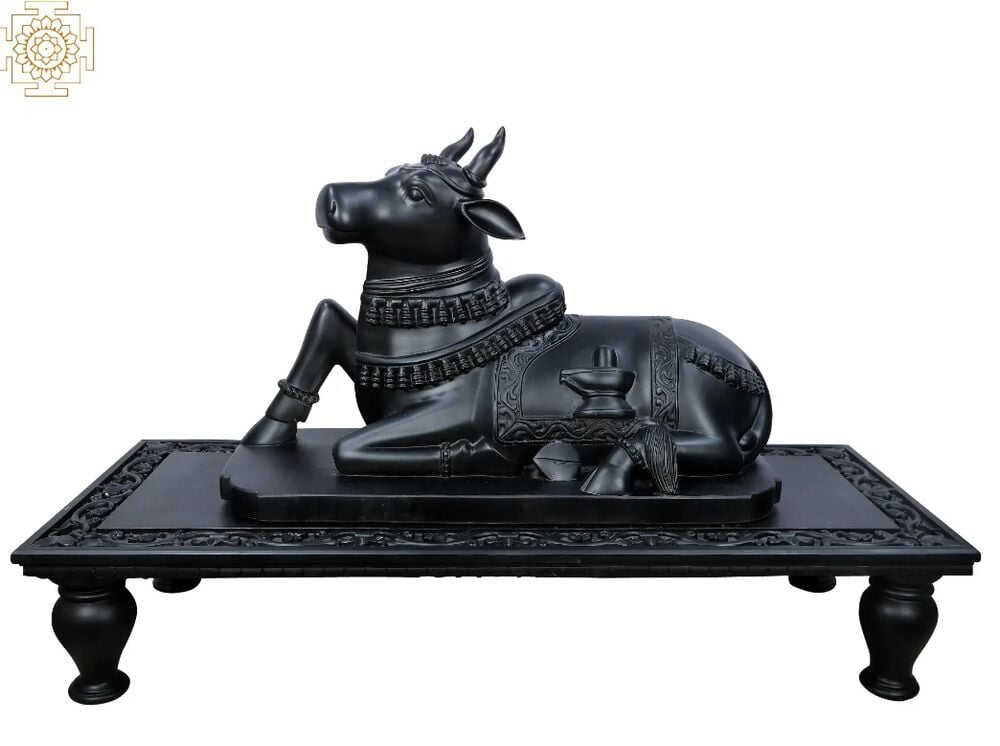
Having a round body, a hump appearing as a huge mountain, and heavy shoulders signify his strength and capacity to bear a heavy load. Being very dear to the Lord, the divine Bull is always decked with fascinating ornaments on his back, neck, and sharp horns.
Having a round body, a hump appearing as a huge mountain, and heavy shoulders signify his strength and capacity to bear a heavy load. Being very dear to the Lord, the divine Bull is always decked with fascinating ornaments on his back, neck, and sharp horns.
What is the significance of Nandi?
Nandi is the chief of 18 Siddhas and is considered the granter of boons to the devotees, and also symbolizes justice, faith, and purity. His mind completely absorbed in the service of Mahadeva depicts that he is the timeless wisdom and the path to the Absolute Truth, which means the Guru within. Without the mercy of the Guru, one cannot receive the grace of the Supreme Lord. Since Nandi is the eternal servant of Lord Shiva, one who tries to come closer to Lord Shiva and take his shelter, he should approach him by pleasing Nandi first.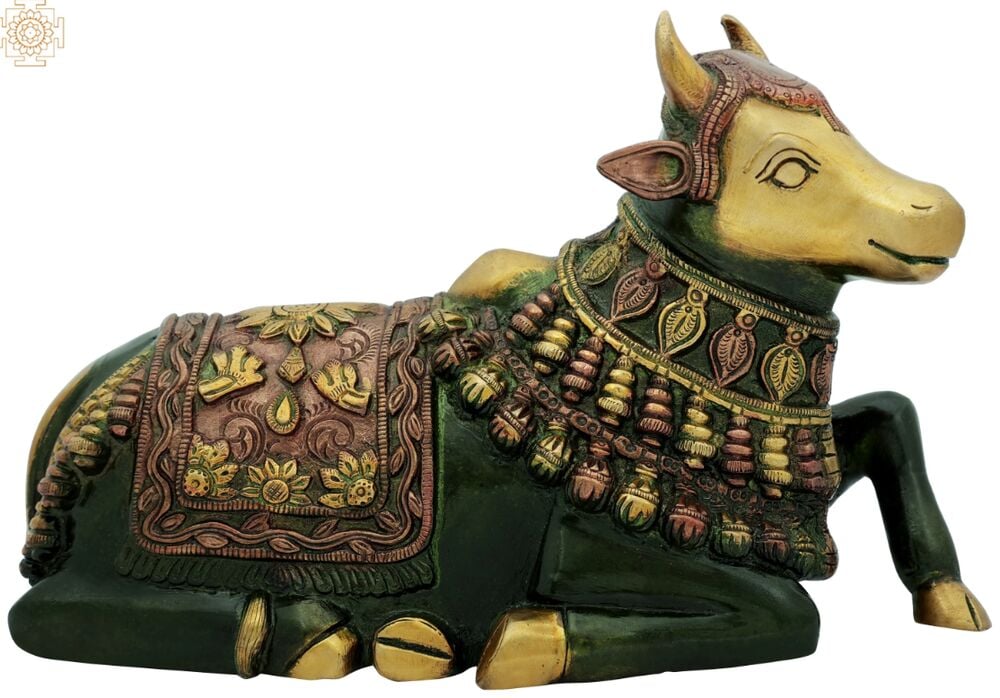
Why does Nandi sit in front of Shivling?
Nandi is always depicted sitting outside the sanctum of Lord Shiva, facing the Lord. He patiently waits for his master outside the temple as if ready to serve the Lord whenever he wants his service. This shows how Nandi always remains absorbed in the thoughts of Lord Shiva and is eager to please his master. A practicing devotee can learn from the attitude of Nandi that the only qualification needed to please the Supreme Lord is his sincerity and dedication to serve Him in all circumstances.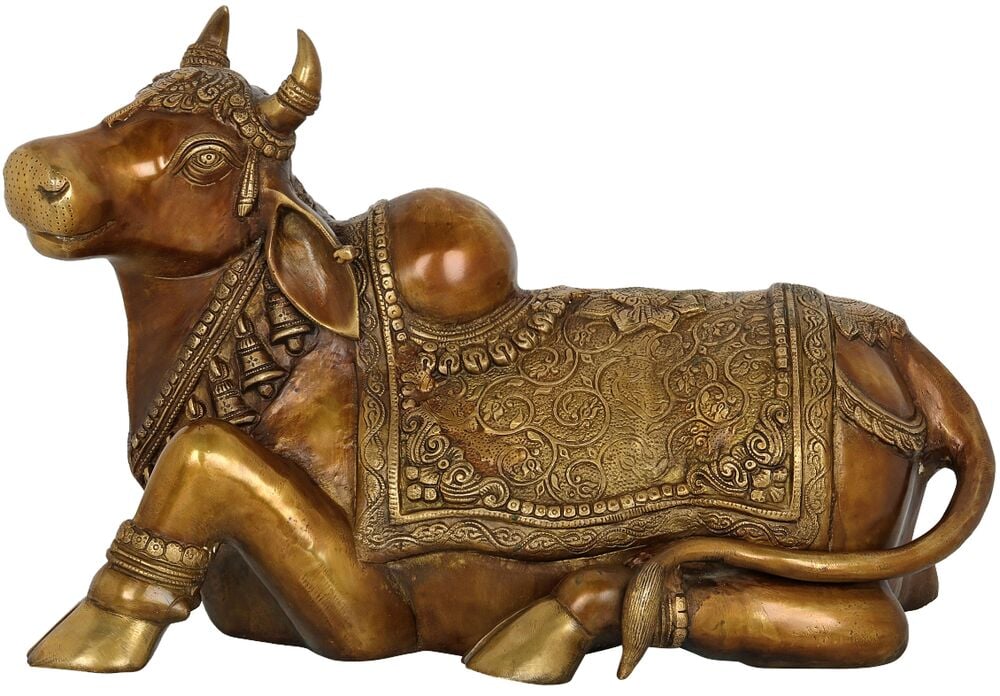
Is it good to keep Nandi statue at home?
Lord Shiva is very dear to Nandi and similarly, Nandi is very dear to Lord Shiva. Keeping the statue of Nandi at your home altar means attracting the mercy of Lord Shiva in your life. It will bring all fortune and auspiciousness. However, keeping the statue of Nandi alone may not fulfill the ultimate purpose. Nandi, being an ardent devotee of Lord Shiva, does not like to stay in a place where there is no worship of the lord. Thus, if you want to please Nandi, you should keep his statue along with the deity of Lord Shiva (Nandi gazing at the lord).Products related to this item
53.7 inch Height x 42 inch Width x 21 inch Depth
$9660
Includes any tariffs and taxes

More Colors
4 inch Height X 5 inch Width X 3.3 inch Length
$144
Best Seller
Includes any tariffs and taxes
More Colors
1.50 inch Height X 3.00 inch Width X 0.80 inch Length
$35
Best Seller
Includes any tariffs and taxes
10.25 inch Height x 2.3 inch Width X 2.8 inch Depth
$35
Best Seller
Express Shipping
Includes any tariffs and taxes
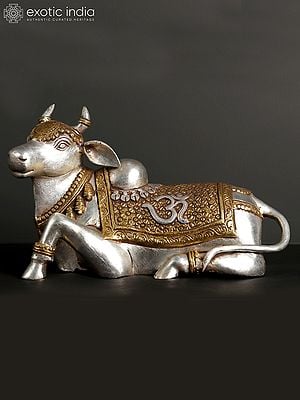
8.25 inch Height X 13.00 inch Width X 7.00 inch Depth
$443
Best Seller
Express Shipping
Includes any tariffs and taxes
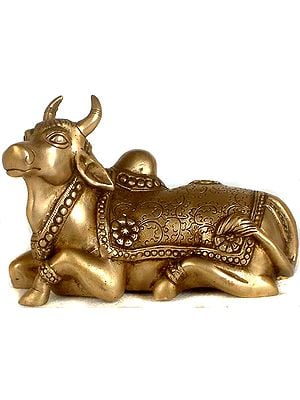
5.0" X 7.0" X 3.0"
$259
Best Seller
Express Shipping
Includes any tariffs and taxes
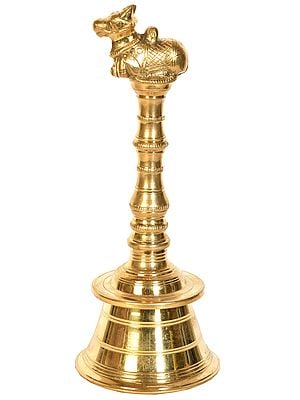
11.5 inch Height x 4.5 inch Width x 4.5 inch Depth
$236
Best Seller
Express Shipping
Includes any tariffs and taxes
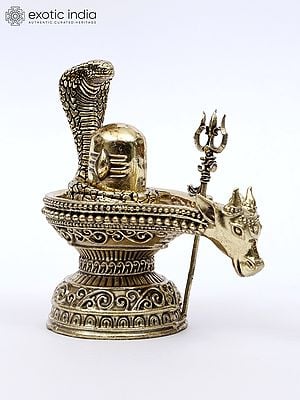
4 inch Height X 3.5 inch Width X 2.2 inch Length
$75
Best Seller
Includes any tariffs and taxes
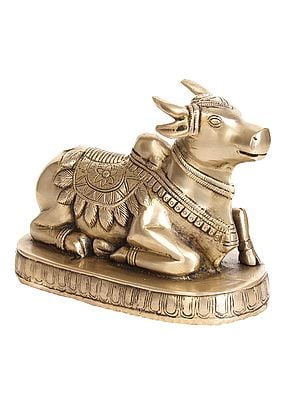
4.5" X 6.5" X 3.2"
$167
Best Seller
Includes any tariffs and taxes
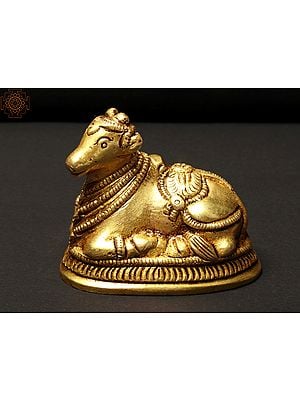
2.2 inch Height x 2.6 inch Width x 1.6 inch Depth
$40
Sold Out
Includes any tariffs and taxes
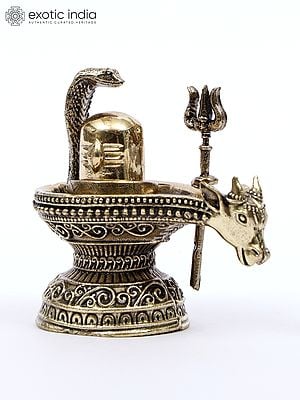
2.5 inch Height X 2.3 inch Width X 1.6 inch Length
$46
Best Seller
Express Shipping
Includes any tariffs and taxes
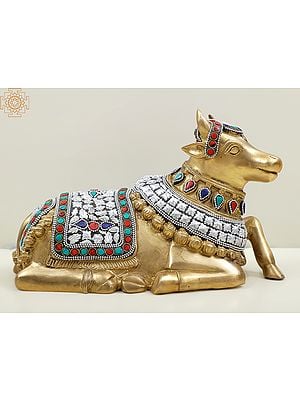
6.3 inch Height x 10 inch Width x 4.7 inch Depth
$242
Best Seller
Express Shipping
Includes any tariffs and taxes