In
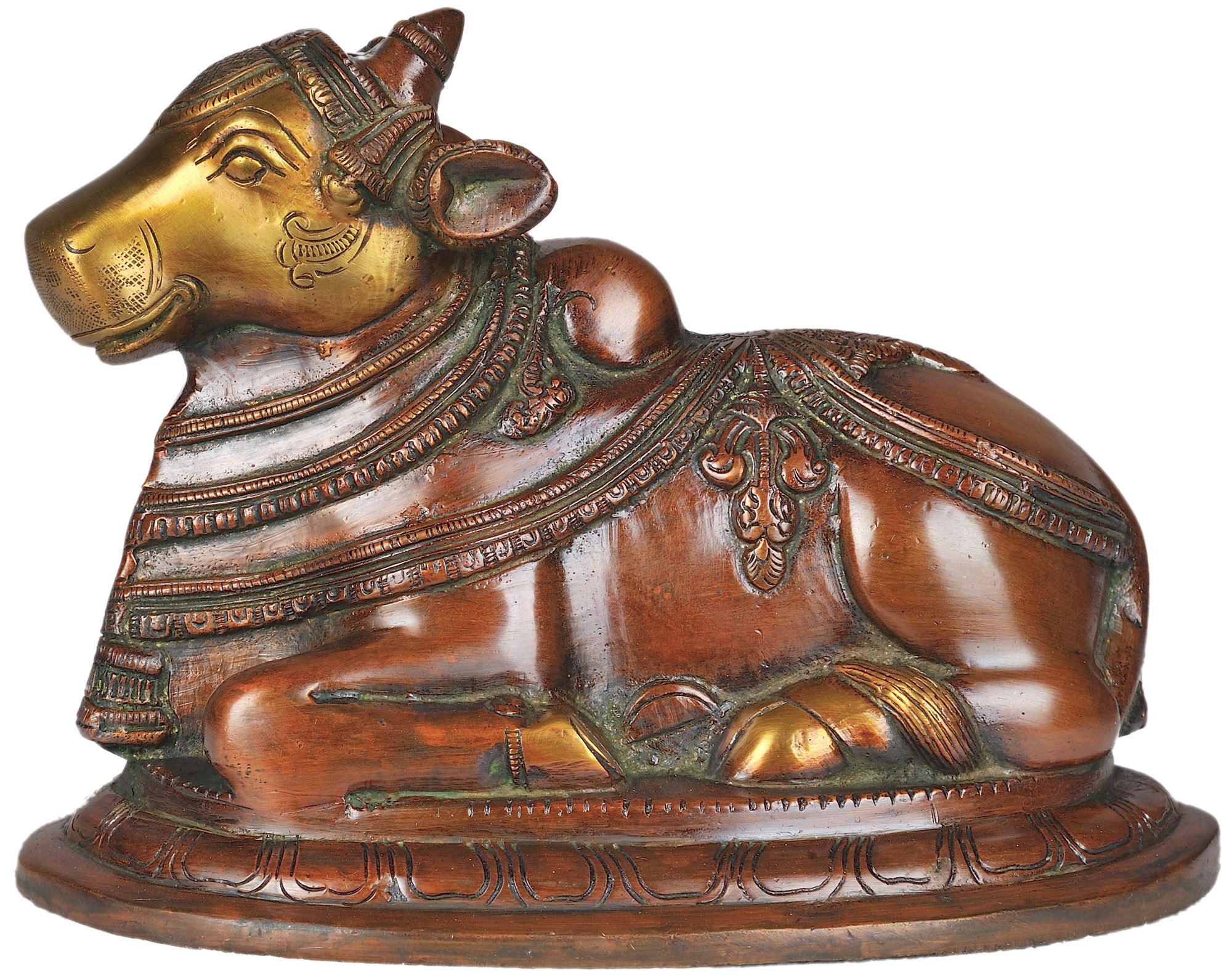
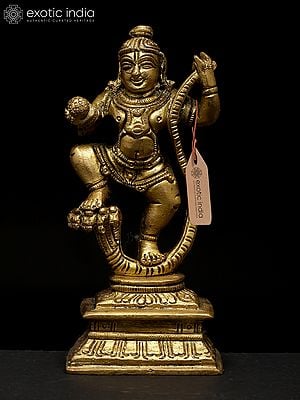
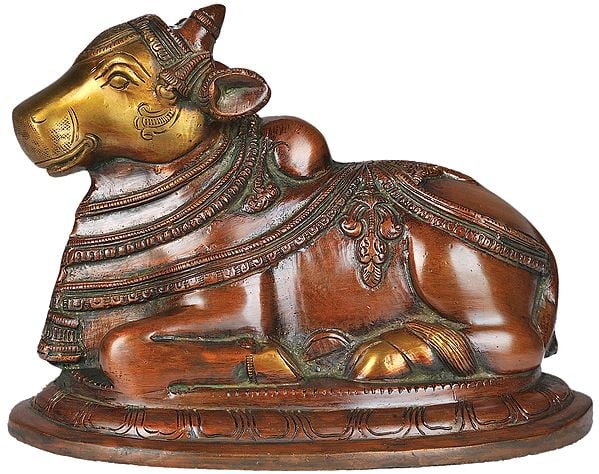
this brass rendition, Nandi, “the celestial vehicle of Lord
Shiva”, embodies
serenity and bliss. The very name, meaning “giving delight”, reflects his
essence. With four sturdy legs and a meditative posture, Nandi exudes stability,
mirroring the tranquil spirit of Shiva himself. His presence symbolises the
unwavering calm in the chaotic dance of existence, offering a haven of peace
amidst life’s tumultuous currents. Adorned in celestial robes, Nandi’s smile is
a reflection of inner peace and spiritual wisdom. His presence signifies the
harmonious balance of power and serenity, reminding us that joy lies in
embracing both aspects of life’s eternal dance.
Embodiment of Devotion and Divine Steadfastness
This exquisite brass idol captures the serene and powerful form of Nandi, the sacred bull, who serves as the devoted vahana (vehicle) of Lord Shiva. Handcrafted with meticulous attention to detail in India, this representation embodies centuries of artistic tradition and deep spiritual significance. Nandi is not merely a mount; he is the embodiment of unwavering loyalty, service, and dharma, representing the ideal devotee. His presence is said to bring peace, protection, and prosperity, making this idol a cherished addition to any sacred space or home.A Symbol of Ancient Lore
The mythology surrounding Nandi is rich and profound. In Hindu lore, Nandi is often depicted as the chief of Shiva's ganas (attendants) and the guardian of his abode, Mount Kailash. Tales recount how Nandi once granted a boon to a sage who performed intense penance, demonstrating his inherent righteousness and spiritual authority. He is also credited with bestowing the Vedas upon humanity. His prominent place in temples, always facing the sanctum sanctorum where Lord Shiva resides, signifies his eternal vigil and devotion. This idol reflects that same reverent posture, a testament to his role as the ultimate follower and protector.Artistry and Material Purity
The craftsmanship evident in this brass idol speaks volumes about the skill of Indian artisans. The warm, lustrous sheen of the brass is enhanced by patinated details, highlighting the intricate ornamentation adorning Nandi's form. From the ornate headdress and ear coverings to the decorative harness and patterned blanket draped over his back, every element is rendered with precision and artistic flair. The smooth, curved lines of his resting posture convey a sense of deep calm and readiness. This idol is more than just a decorative object; it is a piece of art imbued with spiritual energy, bringing an aura of divinity and tranquility to its surroundings. Placed on a mantle, altar, or desk, it serves as a constant reminder of devotion and the powerful presence of Lord Shiva.
Nandi: The Symbolic Representation of Strength and Devotion in
Hindu Mythology
Nandi is the guardian deity of Kailash, the abode of Lord Shiva.
The statue of Nandi, the Bull, is generally seen in a sitting
posture on a raised platform with discipline and calmness at the
entrance of the temple of Lord Shiva as the guard or doorman. He
patiently waits for the Lord while gazing at the sanctum,
demonstrating that individual souls should always be focused and
surrendered to the Supreme Lord in all circumstances, without
having any material desires. He symbolizes loyalty, truth, and
righteousness, thus, preserving Dharma. Watchfulness and
virility are the most important qualities of the Bull, that make
him the perfect vaahan for Lord Shiva, the destroyer of the
material world, to ride. The alertness of Nandi tells us the
importance of being in the present moment (mindfulness). He is
the head of all the attendants (Ganas) of Lord Shiva and is also
considered to be the guardian of four-legged animals.
Having a round body, a hump appearing as a huge mountain, and
heavy shoulders signify his strength and capacity to bear a
heavy load. Being very dear to the Lord, the divine Bull is
always decked with fascinating ornaments on his back, neck, and
sharp horns.
What is the significance of Nandi?
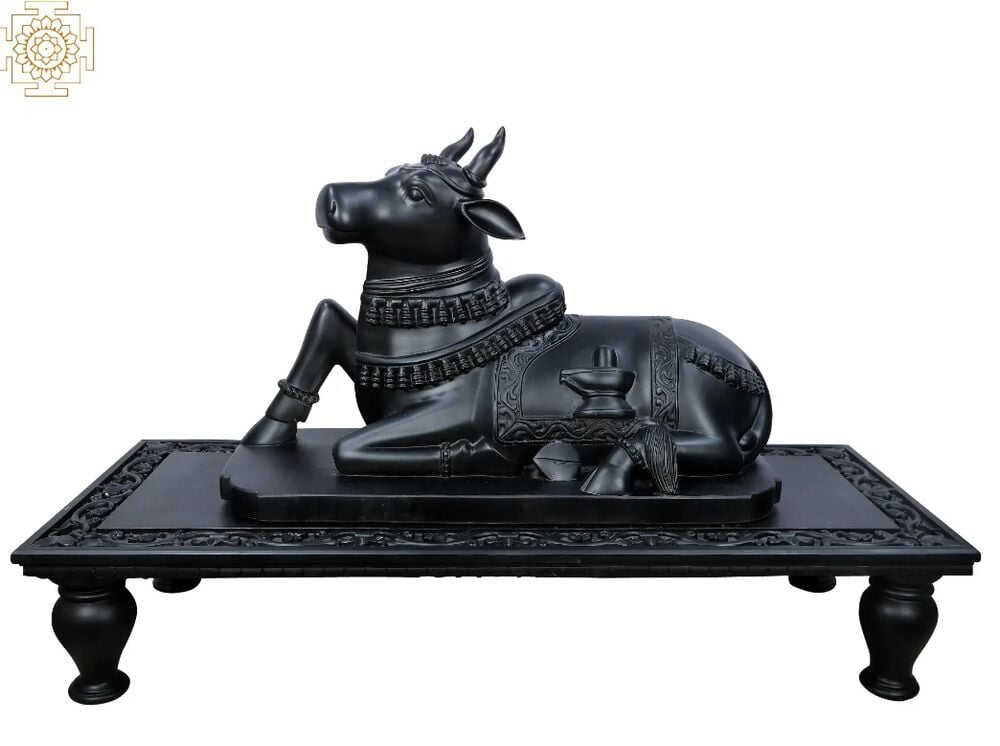
Nandi is the chief of 18 Siddhas and is considered the granter
of boons to the devotees, and also symbolizes justice, faith,
and purity. His mind completely absorbed in the service of
Mahadeva depicts that he is the timeless wisdom and the path to
the Absolute Truth, which means the Guru within. Without the
mercy of the Guru, one cannot receive the grace of the Supreme
Lord. Since Nandi is the eternal servant of Lord Shiva, one who
tries to come closer to Lord Shiva and take his shelter, he
should approach him by pleasing Nandi first.
Why does Nandi sit in front of Shivling?
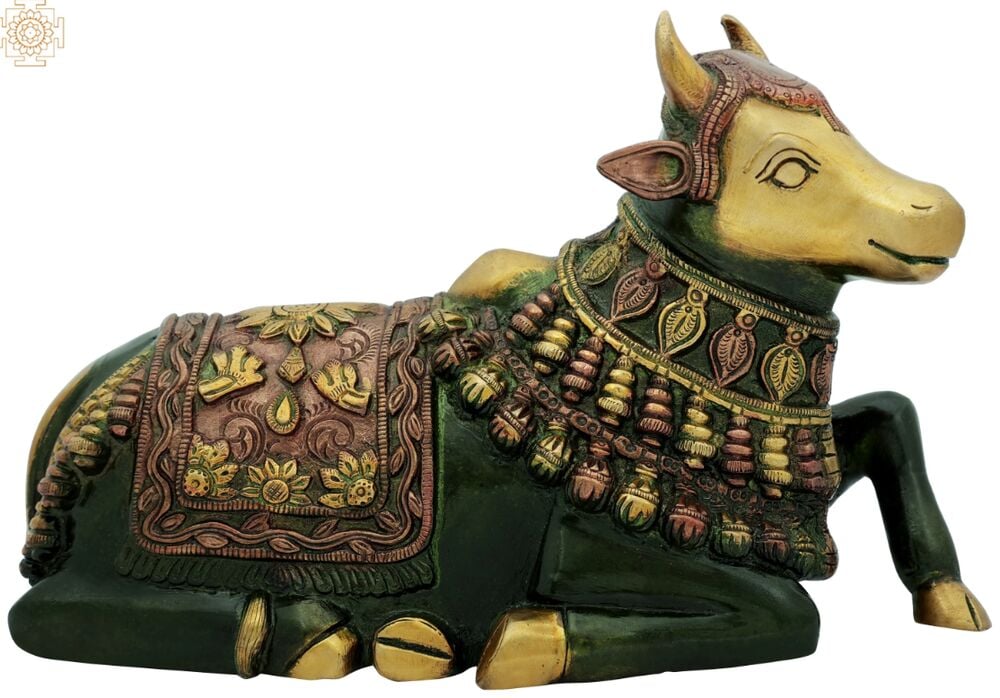
Nandi is always depicted sitting outside the sanctum of Lord
Shiva, facing the Lord. He patiently waits for his master
outside the temple as if ready to serve the Lord whenever he
wants his service. This shows how Nandi always remains absorbed
in the thoughts of Lord Shiva and is eager to please his master.
A practicing devotee can learn from the attitude of Nandi that
the only qualification needed to please the Supreme Lord is his
sincerity and dedication to serve Him in all circumstances.
Is it good to keep Nandi statue at home?
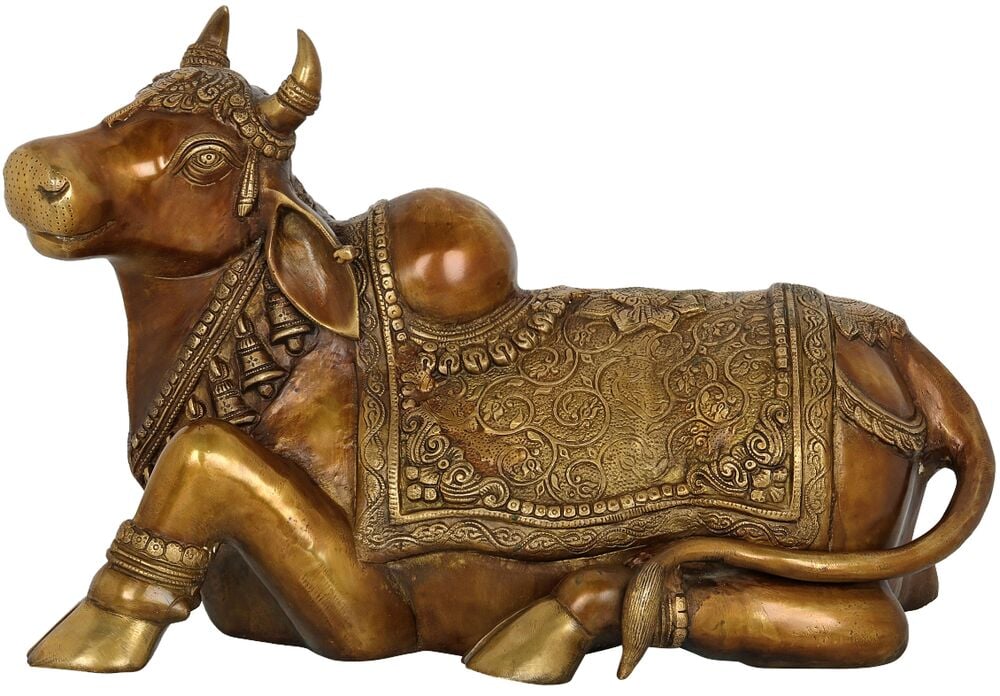
Lord Shiva is very dear to Nandi and similarly, Nandi is very
dear to Lord Shiva. Keeping the statue of Nandi at your home
altar means attracting the mercy of Lord Shiva in your life. It
will bring all fortune and auspiciousness. However, keeping the
statue of Nandi alone may not fulfill the ultimate purpose.
Nandi, being an ardent devotee of Lord Shiva, does not like to
stay in a place where there is no worship of the lord. Thus, if
you want to please Nandi, you should keep his statue along with
the deity of Lord Shiva (Nandi gazing at the lord).
















 Upload an Image