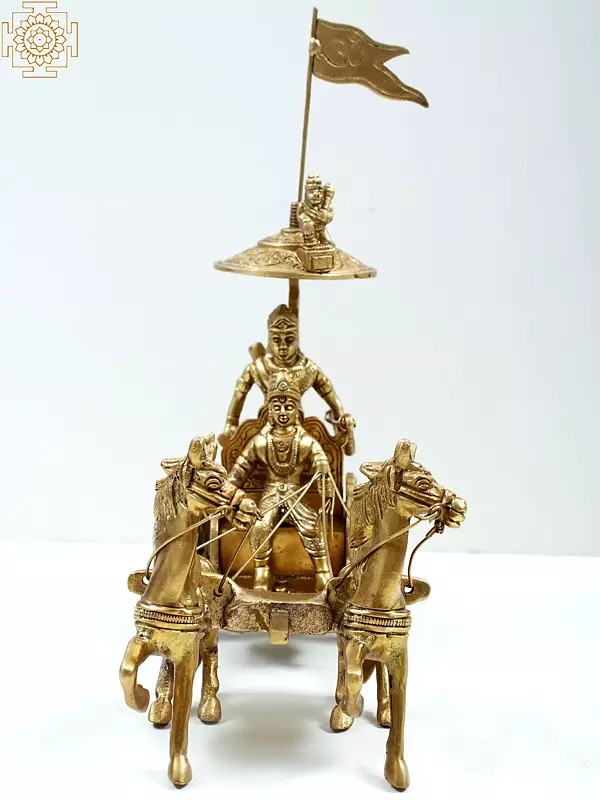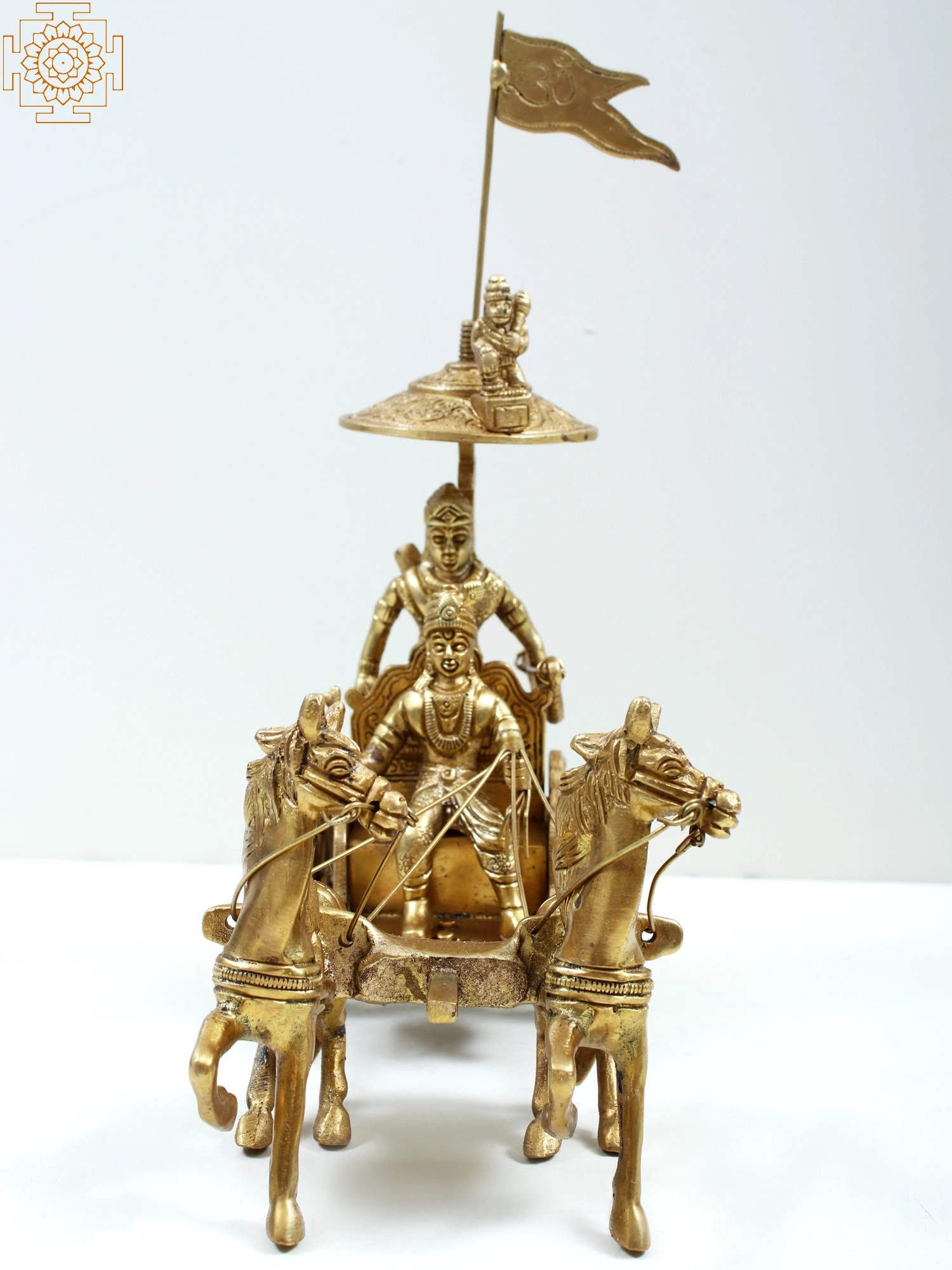
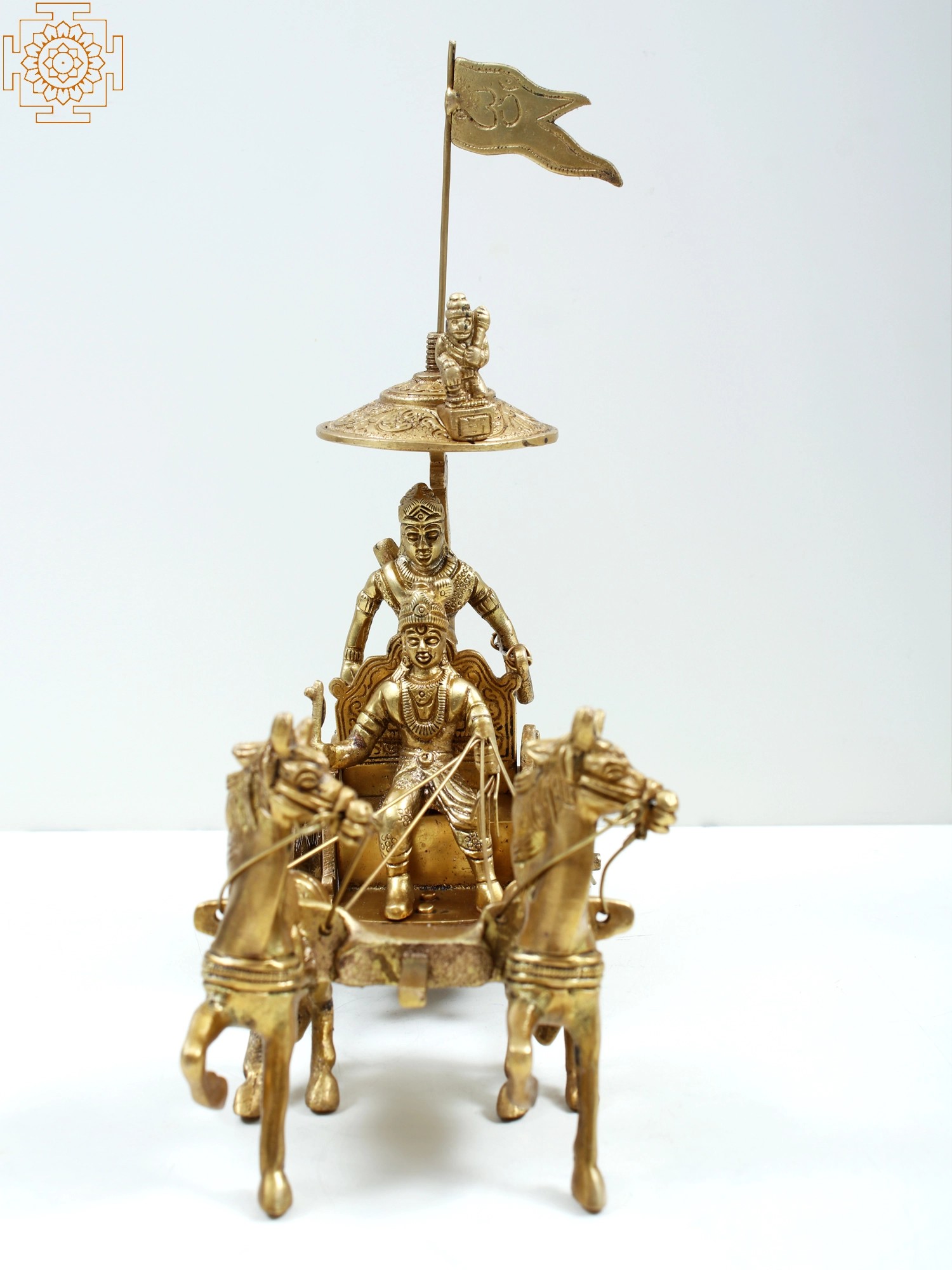
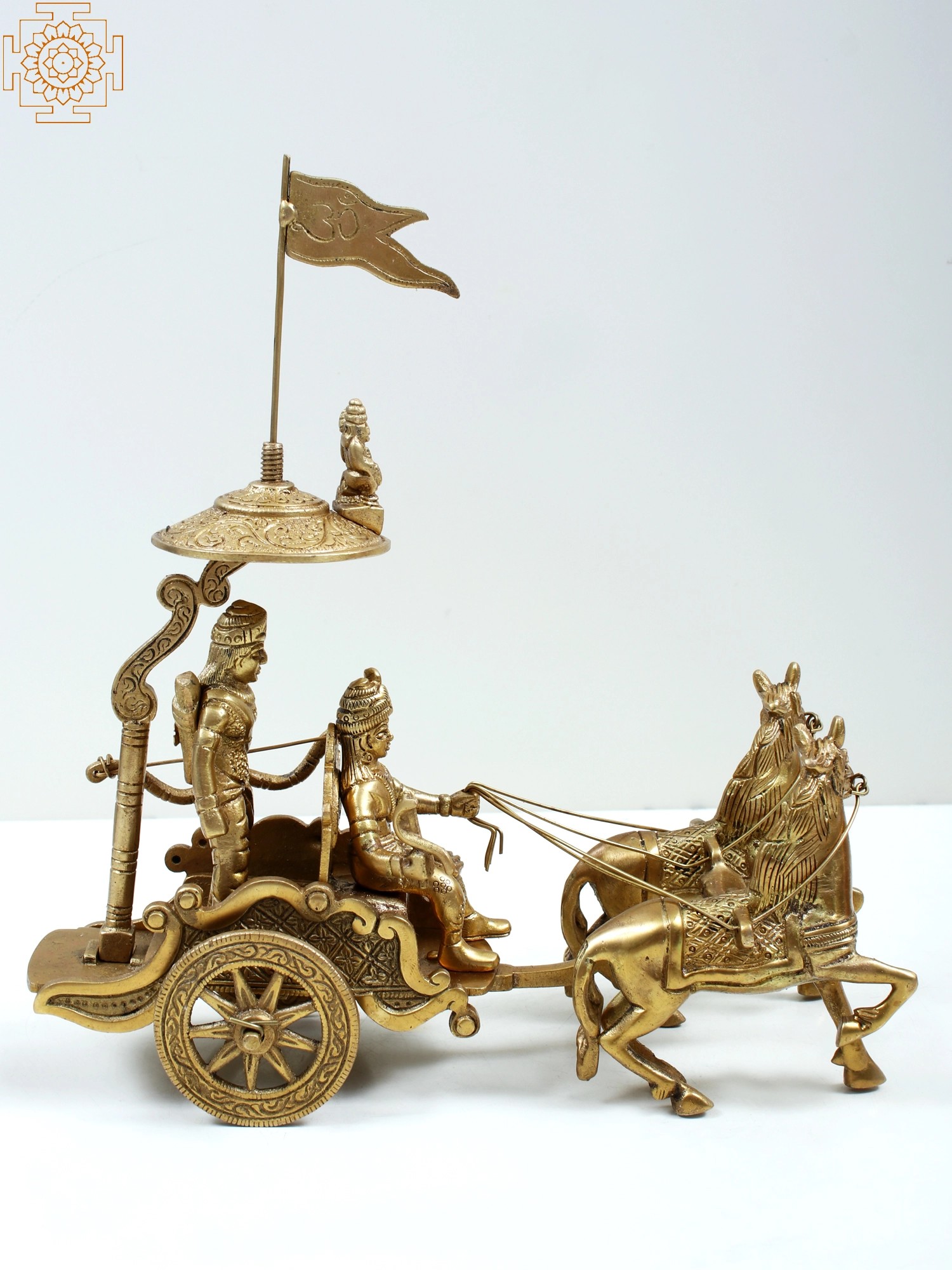
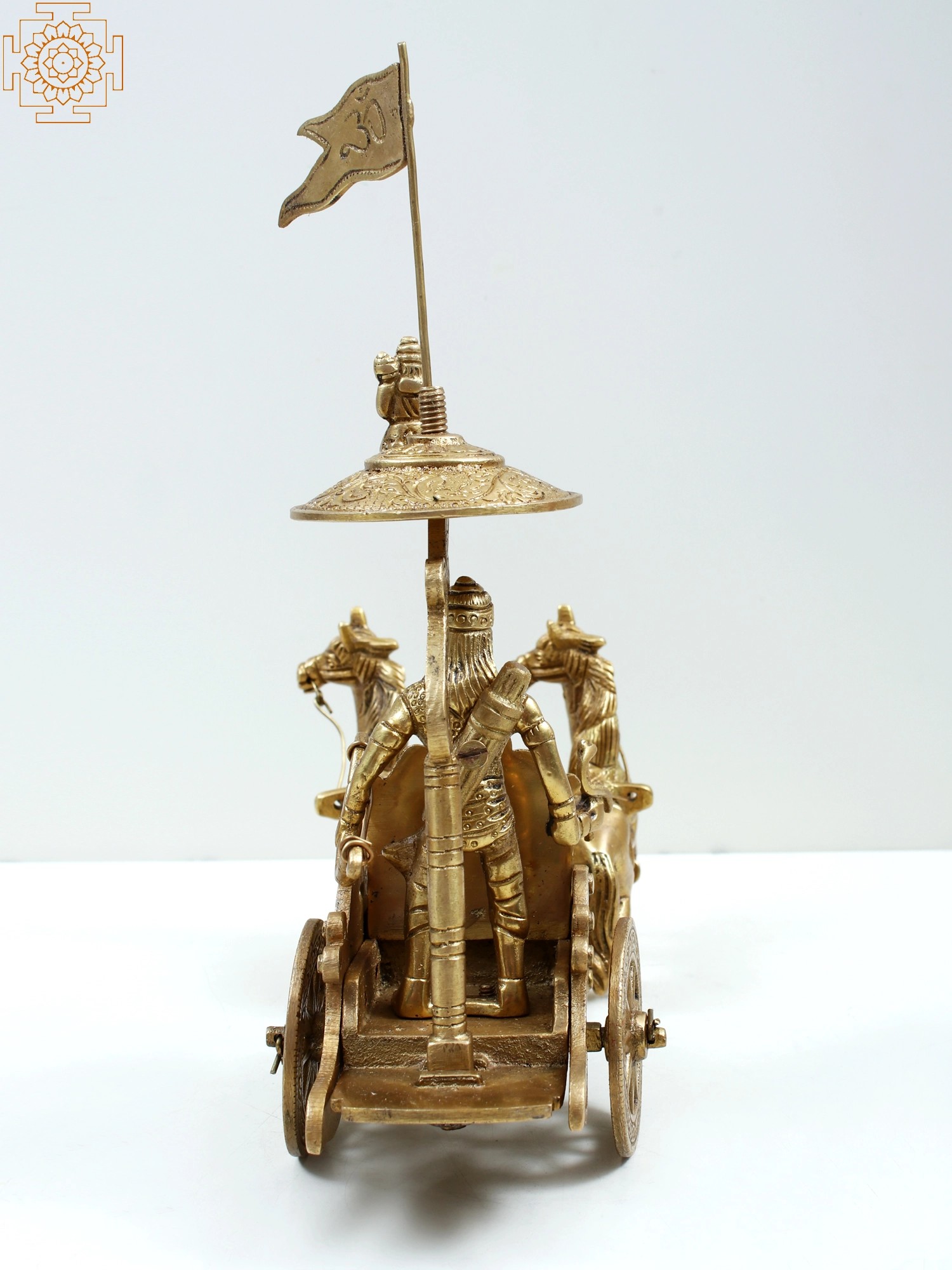
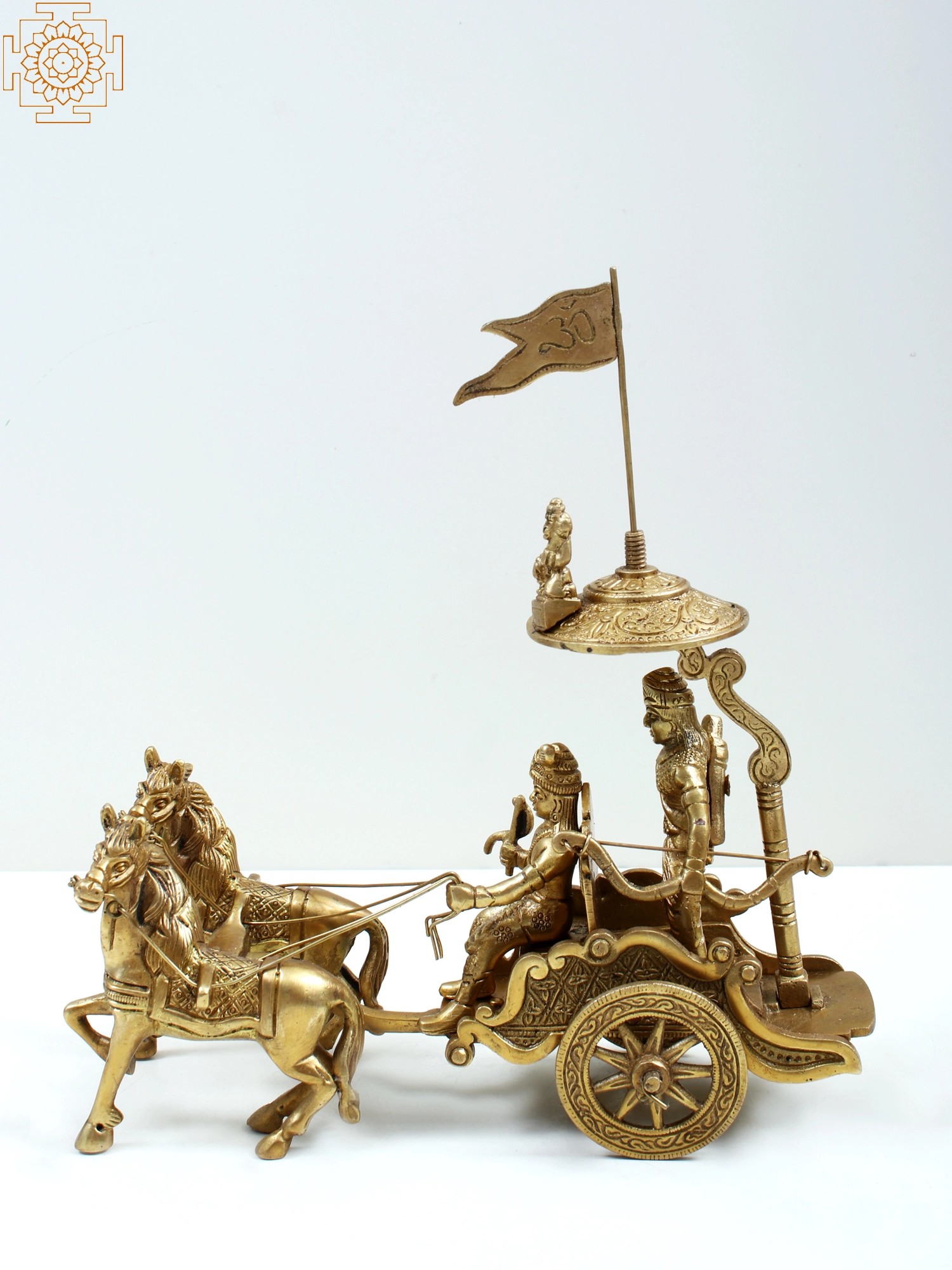
9" Gita Updesha Brass Sculpture | Handmade | Made in India
$293
Includes any tariffs and taxes

Protective Lacquer Coating
Protective Lacquer Coating

Get your Statue - Lacquer Polish Protection
Lacquer Polish Protection is a protective coating of lacquer that is applied on the statue to protect it from tarnishing and dirt.
Express Shipping
Express Shipping
Express Shipping: Guaranteed Dispatch in 24 hours
Notify me when this item is available
| Specifications |
 |
ZAI92 |
 |
Brass Statue |
 |
Height: 7 inch |
| Width: 9 inch | |
| Depth: 3.5 inch | |
 |
Weight 1.35 kg |
| Delivery and Return Policies |
 |
Ships in 1-3 days |
 |
Returns and Exchanges accepted within 7 days |
 |
Free Delivery |

Easy Returns

Fully Insured

100% Handmade
See It In Your Home
"Among the
virtues, non-injury is the highest."
This brass sculpture
portrays the pivotal moment of Lord Krishna's teachings to Arjuna in the Bhagavad Gita.
Krishna's divine wisdom flows through his words, and his finger points to the
heart, signifying inner realization. The book held in his other hand represents
the sacred scripture and the knowledge contained within. This sculpture
encapsulates the essence of the Gita, emphasizing the significance of duty,
righteousness, and spiritual guidance in the journey of life. It serves as a
timeless source of inspiration to seek inner clarity and fulfillment.
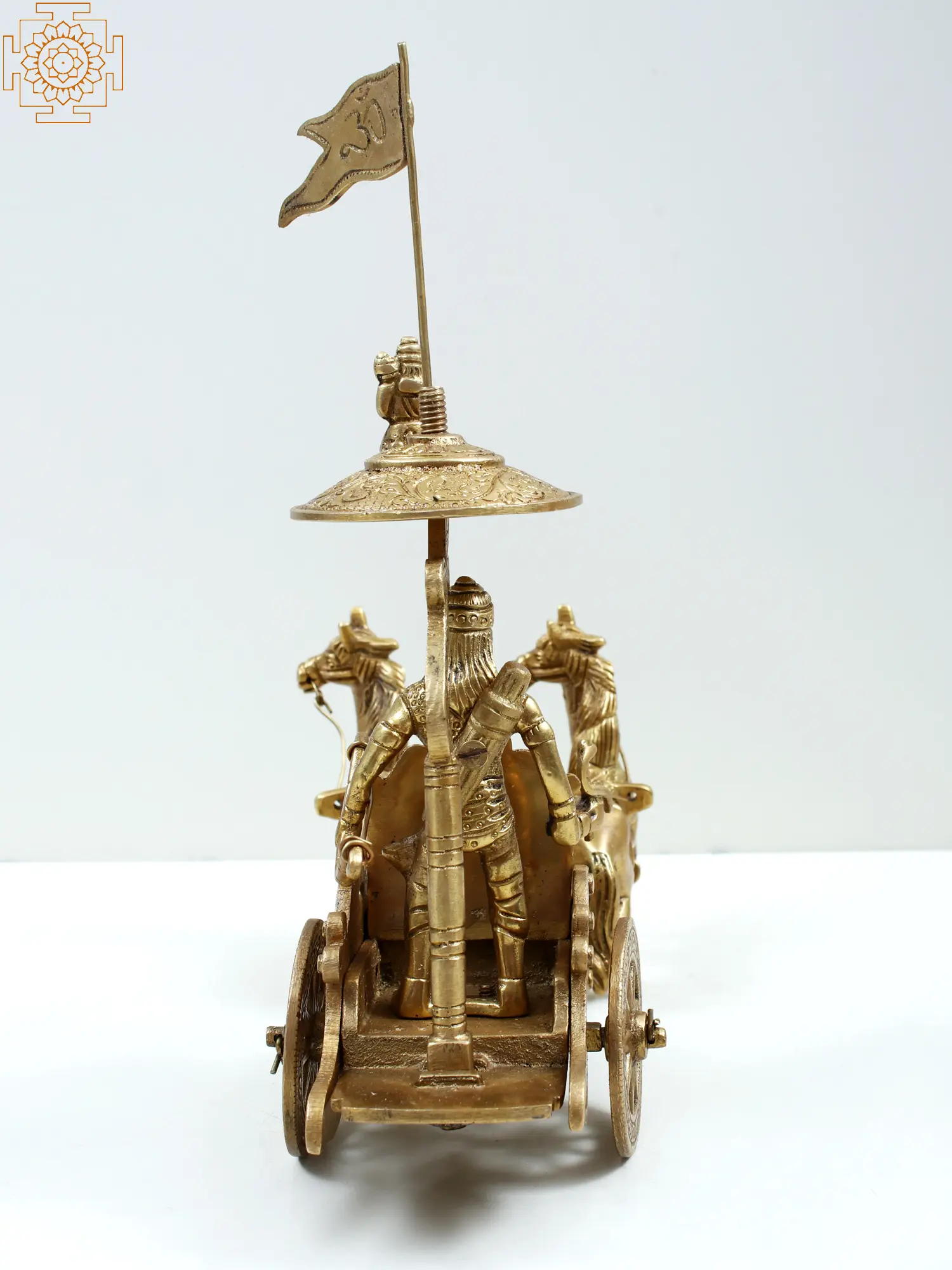
A Timeless Dialogue Cast in Brass
This exquisite brass sculpture captures a pivotal moment from the epic Mahabharata, the sacred discourse between Lord Krishna and Arjuna on the battlefield of Kurukshetra. It embodies the profound wisdom of the Bhagavad Gita, a timeless scripture that has guided countless souls through the complexities of life, duty, and spirituality. Each element of this meticulously crafted piece speaks of devotion and artistic heritage. The sculpture depicts Lord Krishna, the divine charioteer, seated calmly behind Arjuna, the valiant warrior. Krishna, with his serene expression, holds the reins, symbolizing his role as the supreme guide. Arjuna, poised with bow and arrow, represents the seeker of truth, grappling with moral dilemmas and the weighty responsibility of dharma. The chariot, drawn by two powerful horses, signifies the restless nature of the mind and the necessity of steady control, guided by divine wisdom. The small flag atop the chariot, often bearing the auspicious "Om" symbol or the Garuda emblem, further accentuates its divine purpose.The Artistry of Indian Craftsmanship
Handmade in India, this brass sculpture is a testament to the skill and dedication of generations of artisans. The choice of brass, a metal revered for its durability and lustrous appeal, lends a timeless quality to the piece. The intricate detailing on the figures, the chariot, and even the horses, showcases the mastery of traditional casting techniques. The warm, golden hue of the brass evokes a sense of sanctity and opulence, making it a captivating addition to any sacred space, study, or living area. This sculpture isn't just an object; it's a tangible representation of a philosophy that continues to resonate deeply across cultures and time. The Bhagavad Gita, meaning "Song of the Lord," is a central text in Hinduism, revered for its practical philosophy on how to live a meaningful and virtuous life. Lord Krishna's teachings to Arjuna, delivered just before the commencement of the epic war, encompass topics such as the nature of the soul, the path of devotion, action without attachment to results, and the realization of the divine. The scene immortalized in this sculpture is a powerful reminder of the importance of seeking guidance, acting with integrity, and understanding one's duty in the face of life's inevitable battles. This brass rendition serves as a constant visual inspiration to contemplate these profound teachings.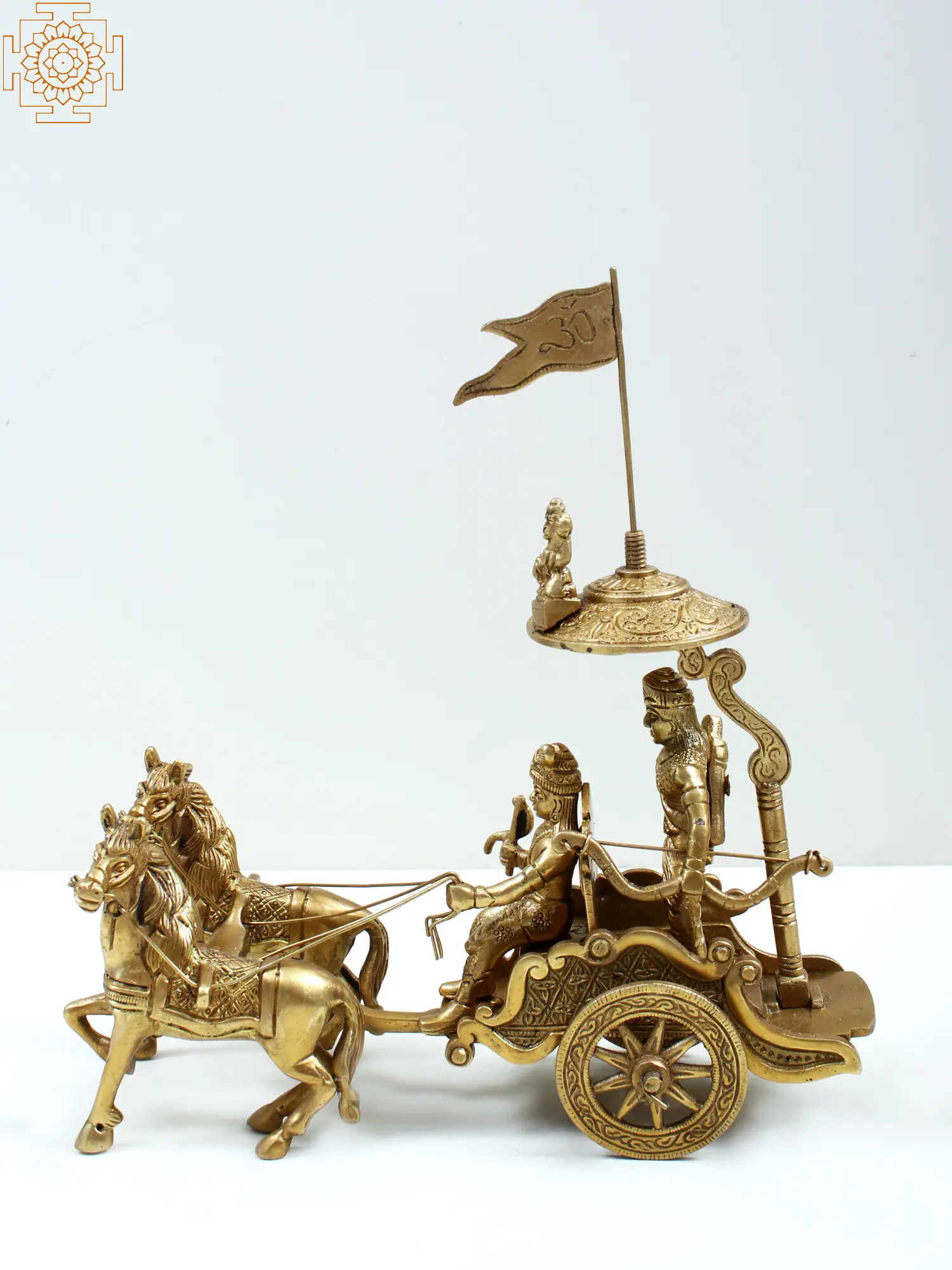
The Divine Beauty: Exploring the Meaning and Symbolism Behind Krishna Statues
Lord Krishna is known by various other names such as Govinda,
Gopala, Giridhari, Madanmohan, Radharaman, Maakhanchor, etc. The
Vedic scriptures mention Him as the Supreme Lord, the cause of
all causes, and the controller of living entities. In the
Bhagavad Gita, Krishna Himself says that there is no Truth
superior to Him and that in all the Vedas, He is to be known.
Different people see Him differently. Some people see Him as
their son, some as their friend, some as their master, and some
as their beloved. He is the source of all pleasure and bliss.
There are so many pastimes described in the Vedic literature
where it is seen that whoever approached and served Lord Krishna
with full faith and devotion, was never bewildered even in the
greatest calamities, and was always protected by Him. Lord
Krishna is therefore the ocean of mercy.
Lord Krishna expands Himself into different forms to fulfill a particular purpose in the material world. For example, to save His five-year-old devotee Prahlad from the ghastly attacks of his demoniac father Hiranyakashipu, the Lord assumed a special form of half-lion and half-man, Narasimha, and appeared from a stone pillar and killed the demon with His sharp nails. This shows an interesting quality of Lord Krishna. He is very possessive about His devotees. He never tolerates blasphemy against them. Those who try to harm them in any way, the Lord punishes them the hardest way.
Lord Krishna expands Himself into different forms to fulfill a particular purpose in the material world. For example, to save His five-year-old devotee Prahlad from the ghastly attacks of his demoniac father Hiranyakashipu, the Lord assumed a special form of half-lion and half-man, Narasimha, and appeared from a stone pillar and killed the demon with His sharp nails. This shows an interesting quality of Lord Krishna. He is very possessive about His devotees. He never tolerates blasphemy against them. Those who try to harm them in any way, the Lord punishes them the hardest way.
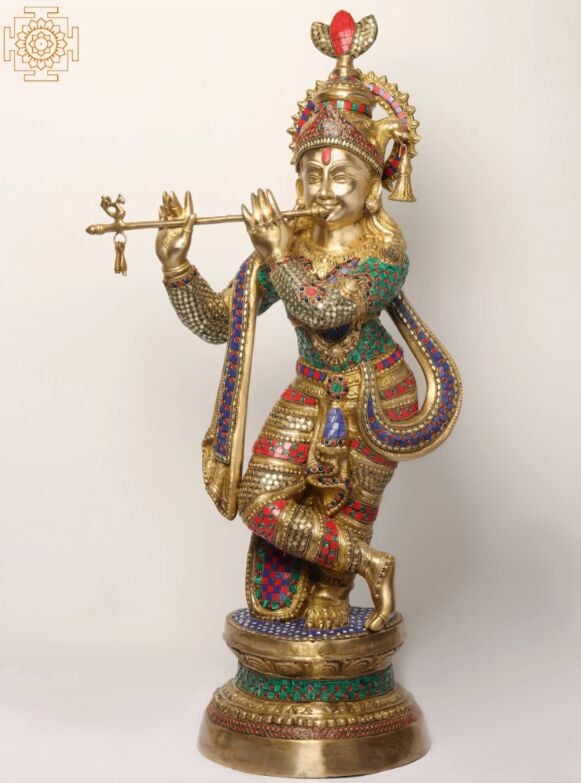
Is Krishna statue good at home?
If you want to please Lord Krishna with your service and devotion, keeping the deity of the Lord will be good for you. Wherever there is Krishna, there is opulence, victory, extraordinary power, and morality. Worshiping the deity is one of the easiest ways to build a strong relationship with the Lord. There is no difference between the deity of Krishna and Krishna Himself. The Lord said in the Bhagavad Gita that we can worship Him by offering Him a leaf, a flower, water, or a fruit. If the Lord is pleased, you will feel great satisfaction within your heart and you will experience transcendental bliss. Therefore, keeping the deity of Lord Krishna at home and following the necessary rules and regulations in the deity worship process is highly auspicious.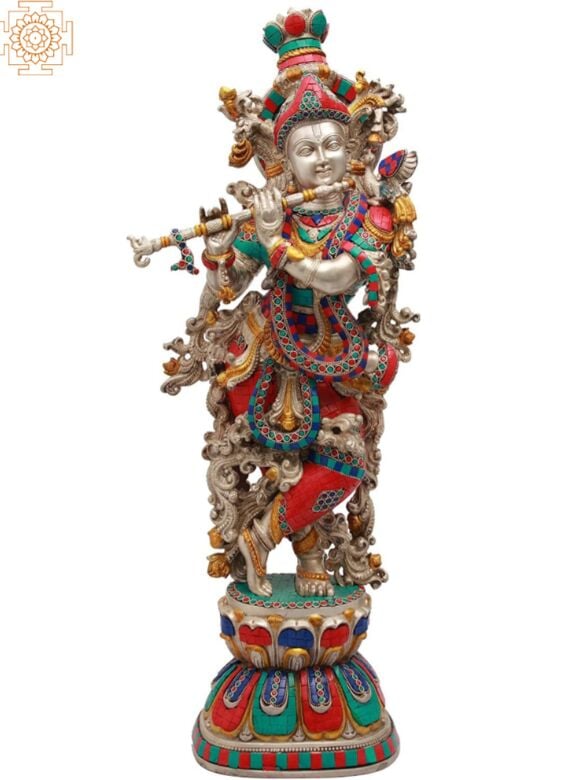
Which Krishna statue can be kept at home?
There is nothing more sublime than serving the lotus feet of Lord Krishna for it is the very aim of human life. Therefore, you can worship any form of Lord Krishna as your heart desires. You can either keep the deity of the original two-handed form of Krishna playing His flute or the childhood form of Krishna eating butter. You may also keep the deity of Krishna along with Srimati Radharani, His internal potency. If you want to attract the causeless mercy of the Lord and engage in His offenseless service, worshiping the deity of Lord Jagannath, the most merciful form of Lord Krishna would be the best for you. Lord Jagannath does not take offenses of the devotees and only looks at their good qualities and intentions.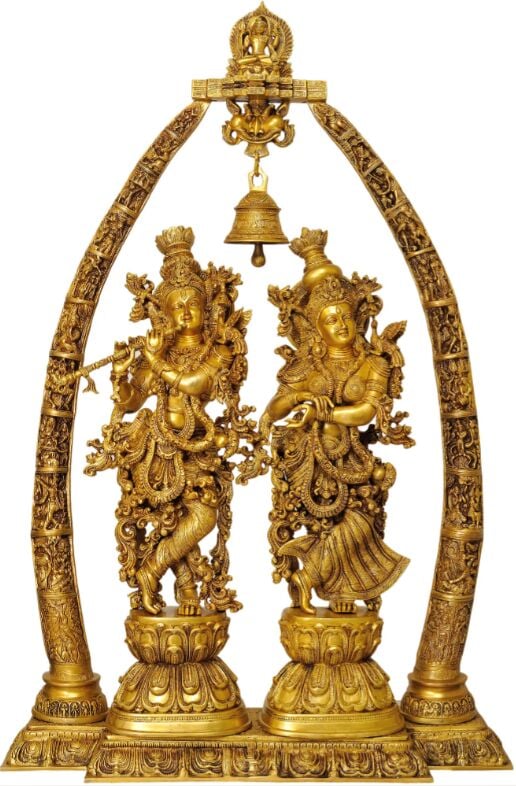
Products related to this item

13.20 inch Height x 16.00 inch Width x 8.70 inch Depth
$719
Best Seller
Express Shipping
Includes any tariffs and taxes
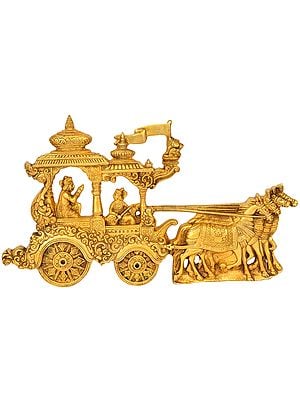
7.5 inch Height x 13 inch Width x 0.3 inch Depth
$167
Sold Out
Includes any tariffs and taxes
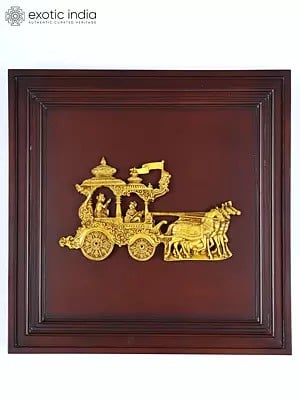
20 inch Height X 20 inch Width X 2.5 inch Length
$362
Includes any tariffs and taxes
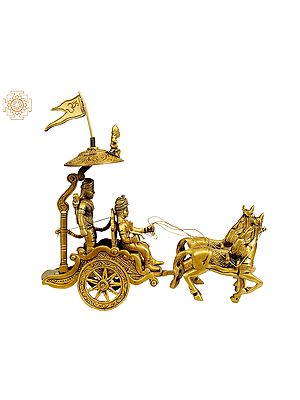
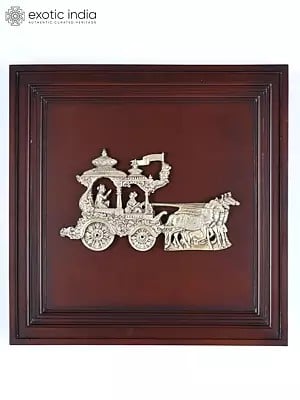
20 inch Height X 20 inch Width X 2.5 inch Length
$362
Includes any tariffs and taxes
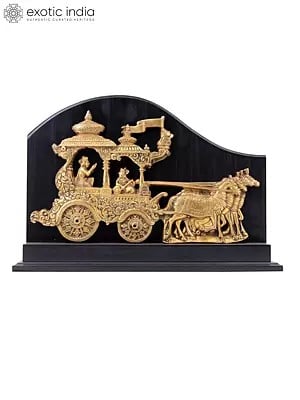
10.50 inch Height X 14.50 inch Width X 3.50 inch Length
$196
Best Seller
Express Shipping
Includes any tariffs and taxes
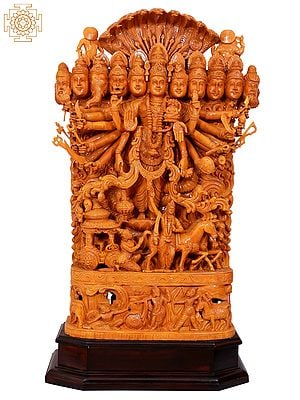
42.00 inch Height X 32.00 inch Width X 10.00 inch Depth
$9235
Includes any tariffs and taxes
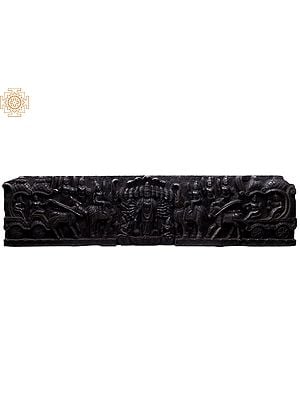
14 inch Height X 59 inch Width X 2 inch Depth
$1558
Includes any tariffs and taxes
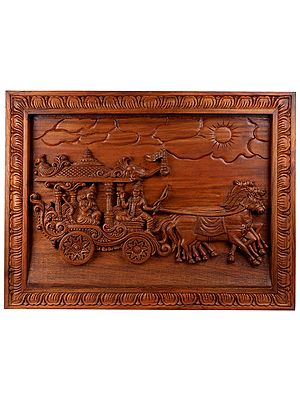
28.00 inch Height X 21.00 inch Width X 2.00 inch Depth
$1553
Sold Out
Includes any tariffs and taxes
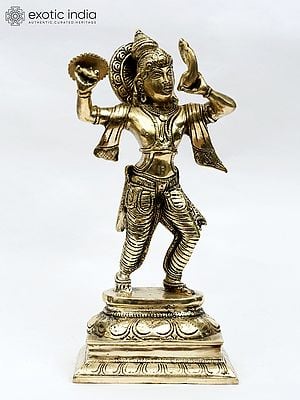
10.5 inch Height X 5 inch Width X 3.5 inch Length
$224
Express Shipping
Includes any tariffs and taxes
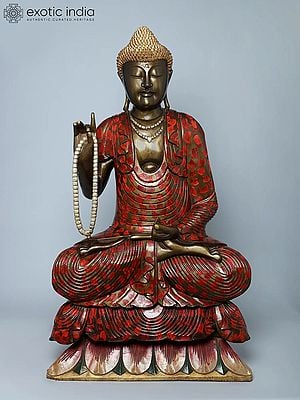
39.00 inch Height X 22.50 inch Width X 8.50 inch Depth
$1264.20
Express Shipping
$1806 30% off
Includes any tariffs and taxes