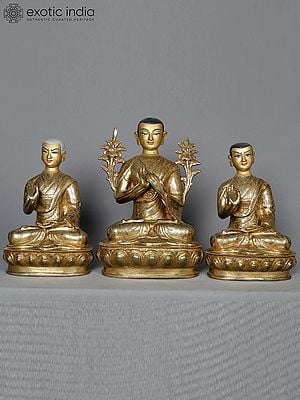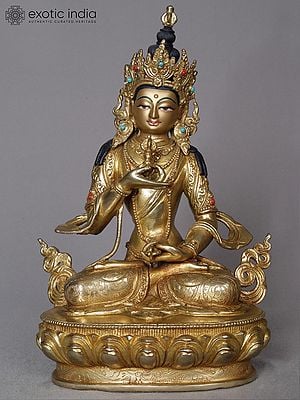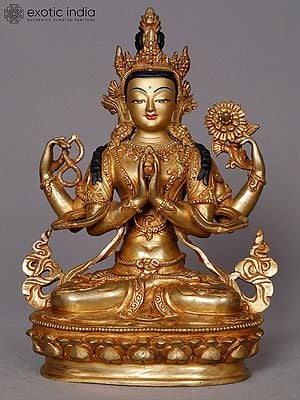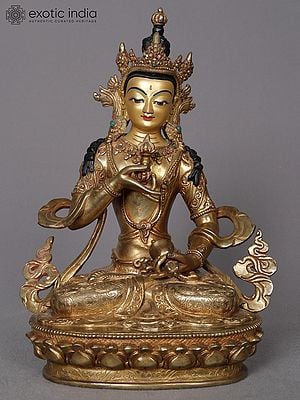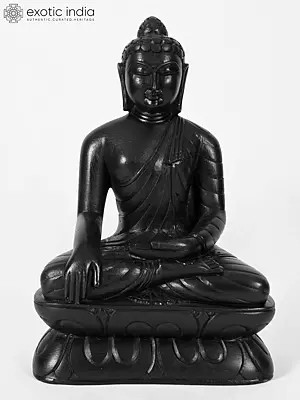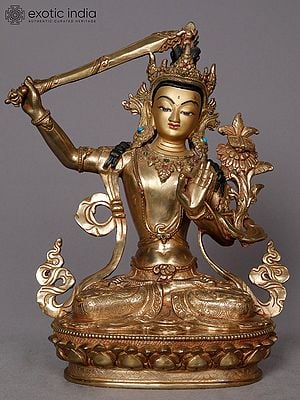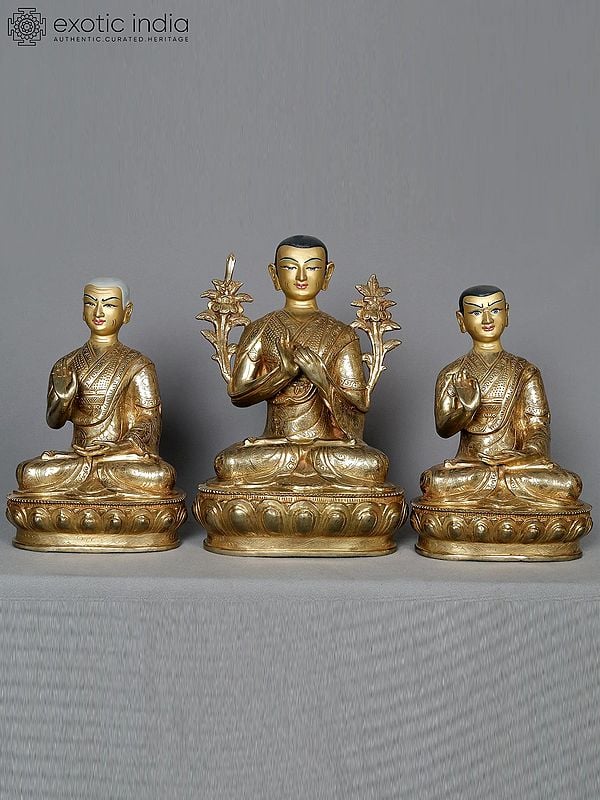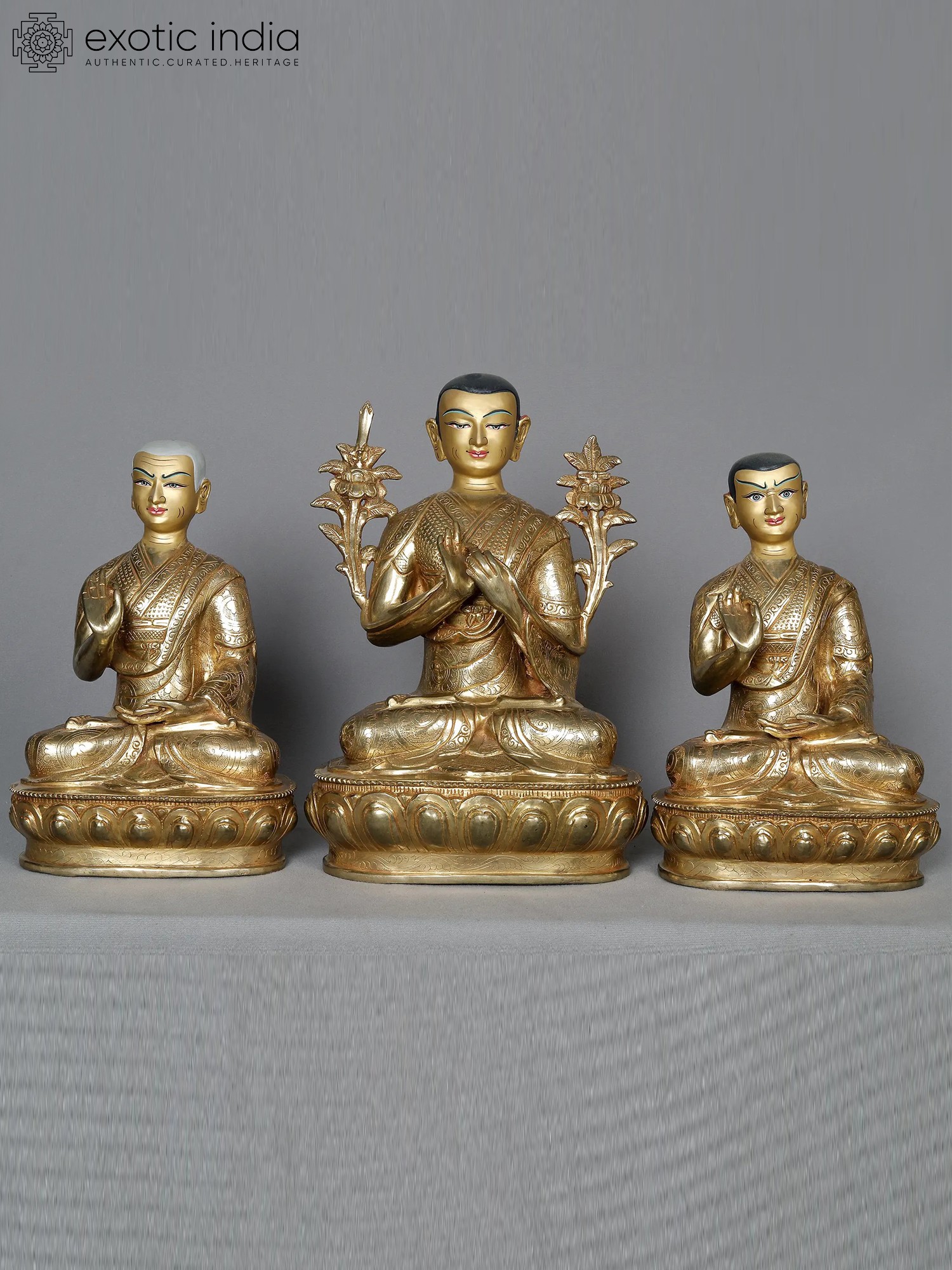
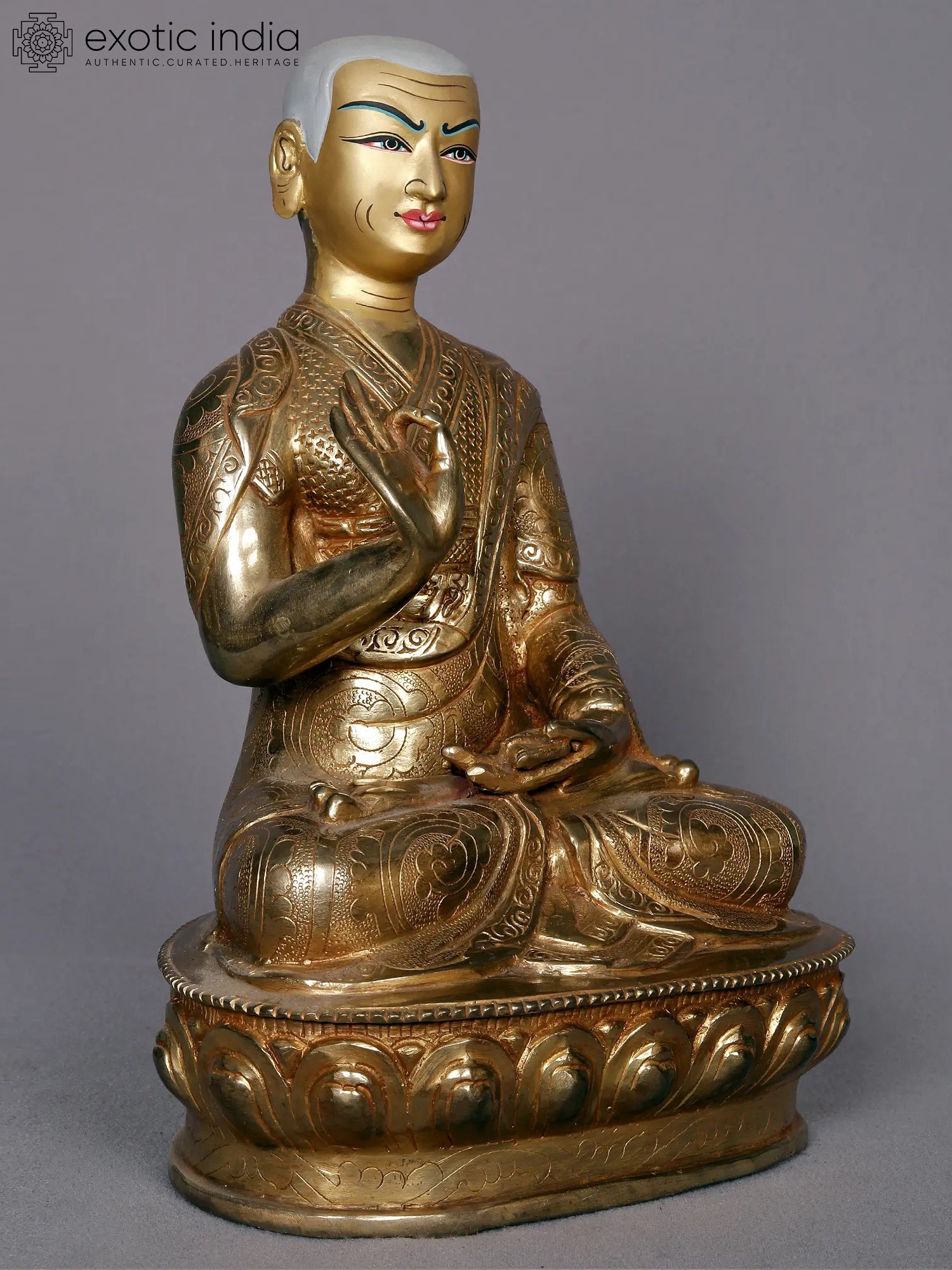
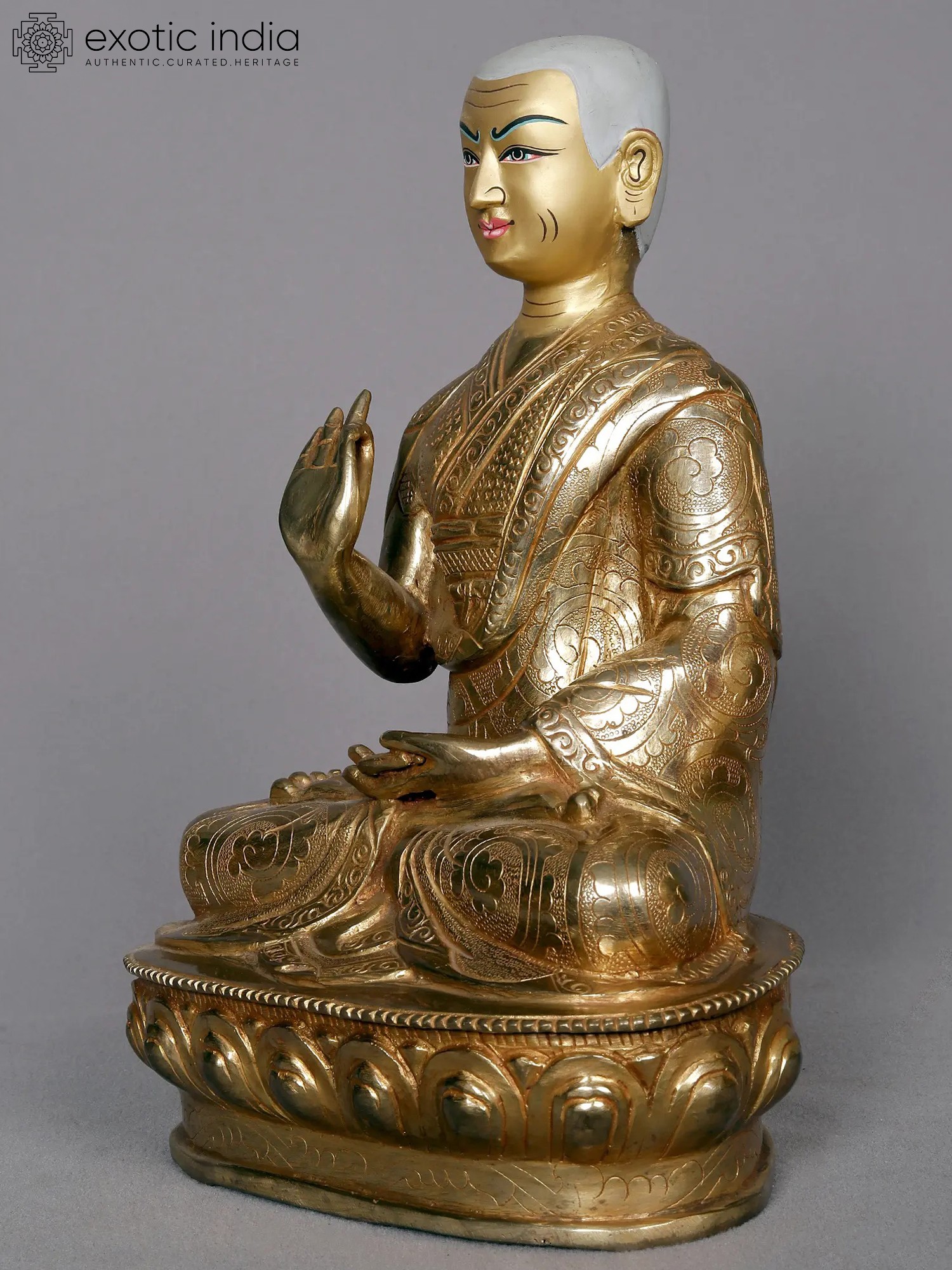
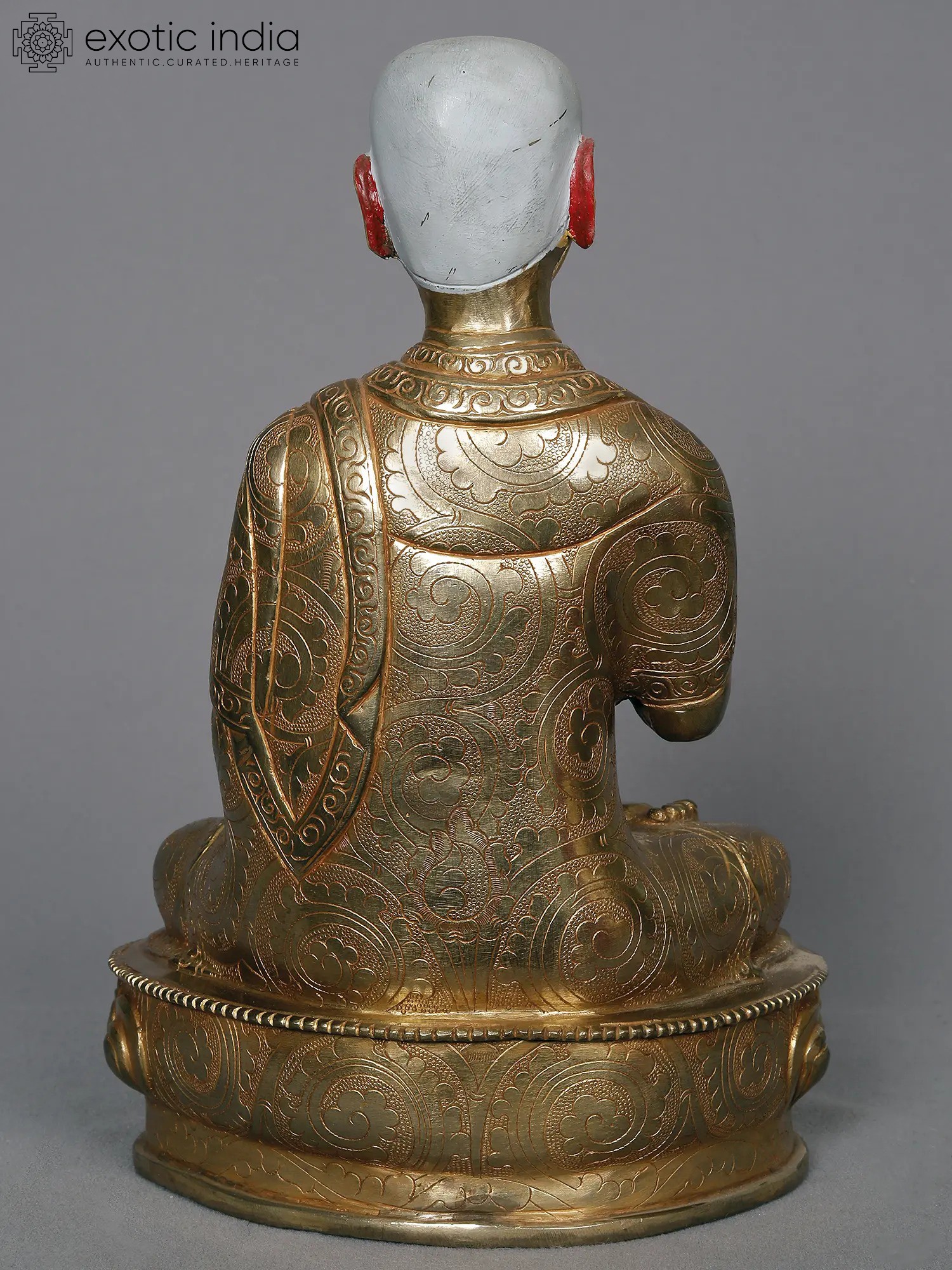
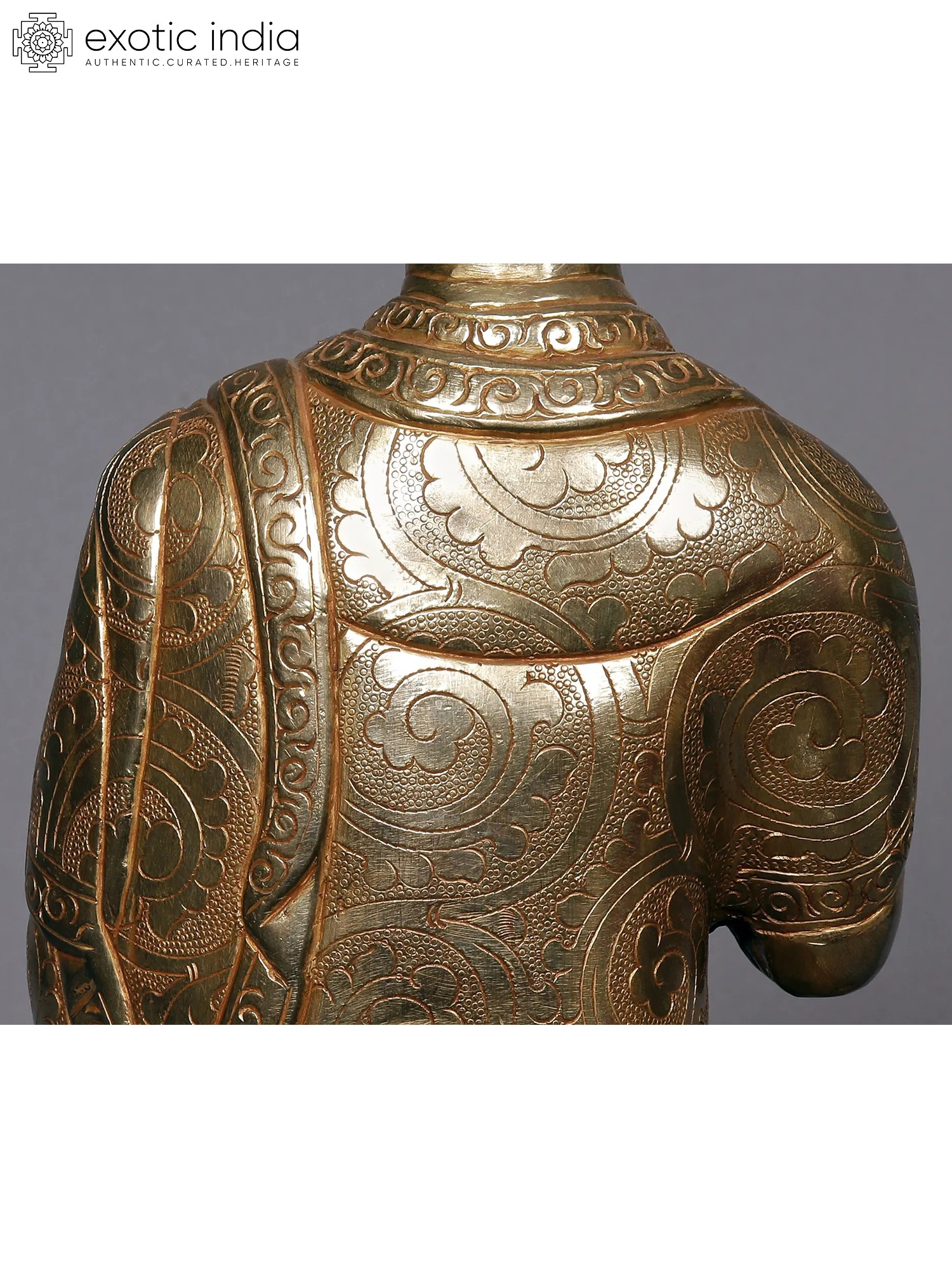
9-Inch Gilded Copper Tsongkhapa Triad
$5836
Includes any tariffs and taxes

Only 1 available
Notify me when this item is available
| Specifications |
 |
CAA119 |
 |
Copper With Gold |
 |
Height: 9.5 inch |
| Width: 7 inch | |
| Depth: 4 inch | |
 |
Weight 8 kg |
| About the Item |
|
| Delivery and Return Policies |
 |
Usually ships in 6 days |
 |
Returns and Exchanges accepted within 7 days |
 |
Free Delivery |

Easy Returns

Fully Insured

100% Handmade
Founder of
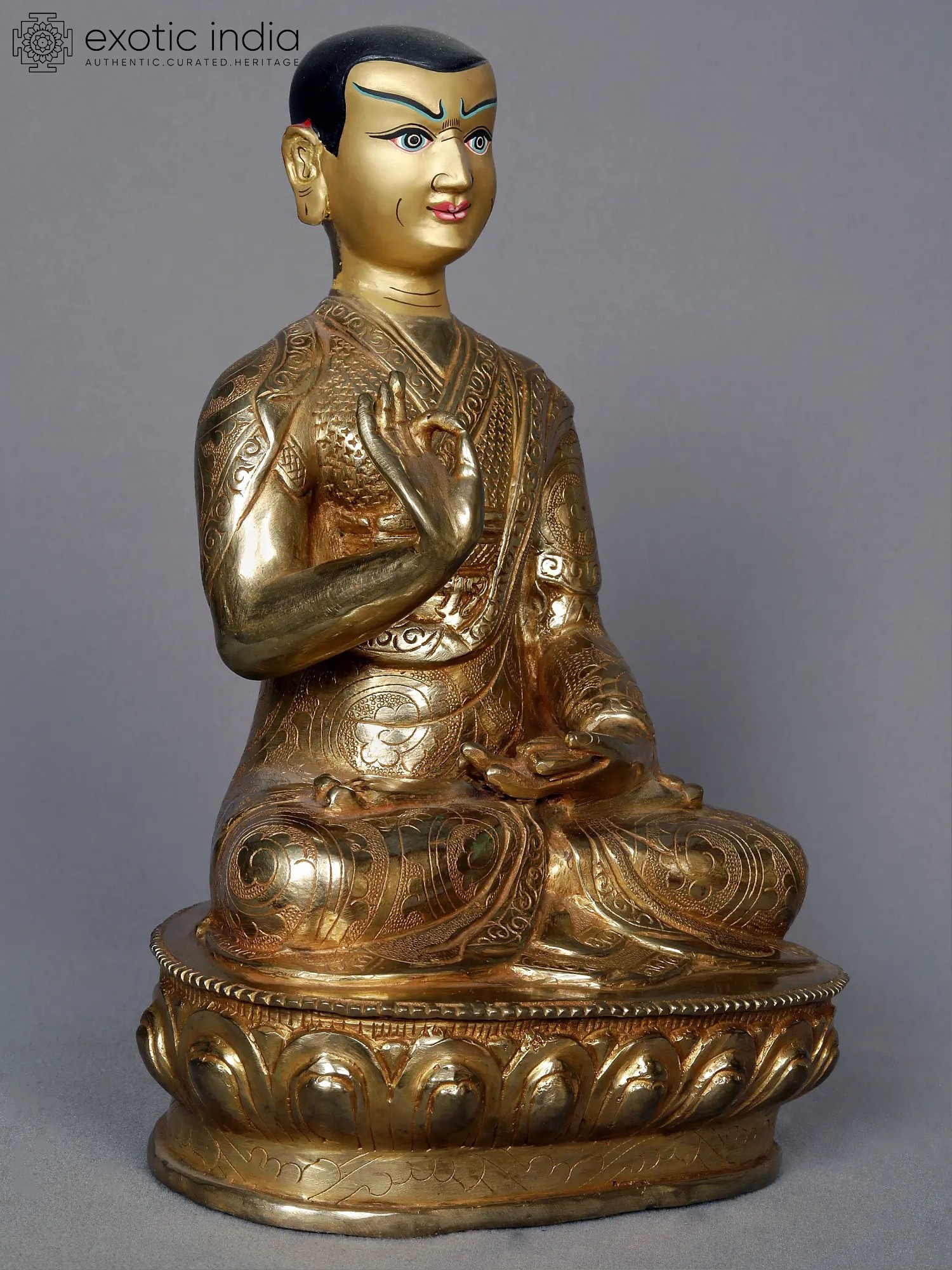
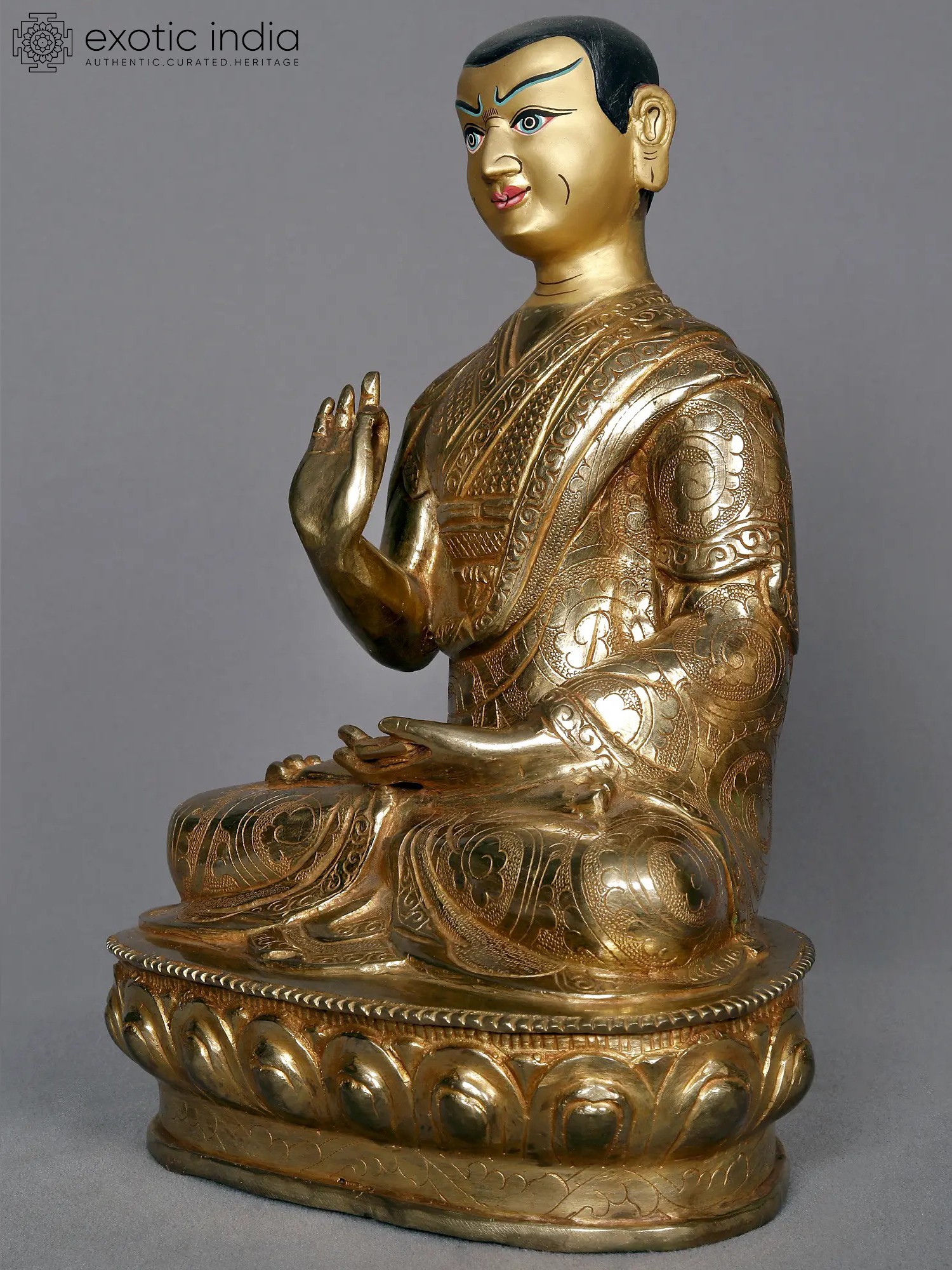
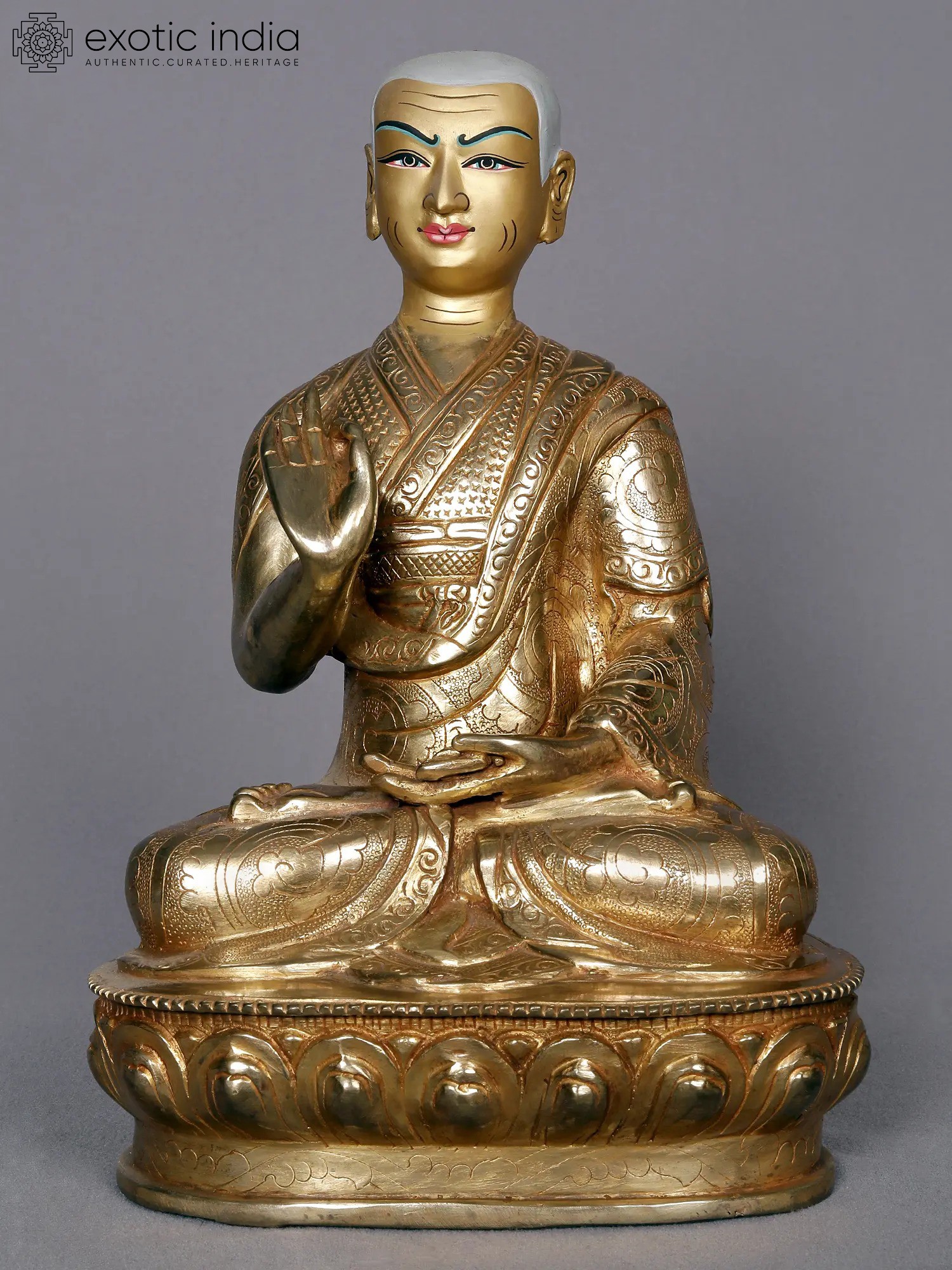
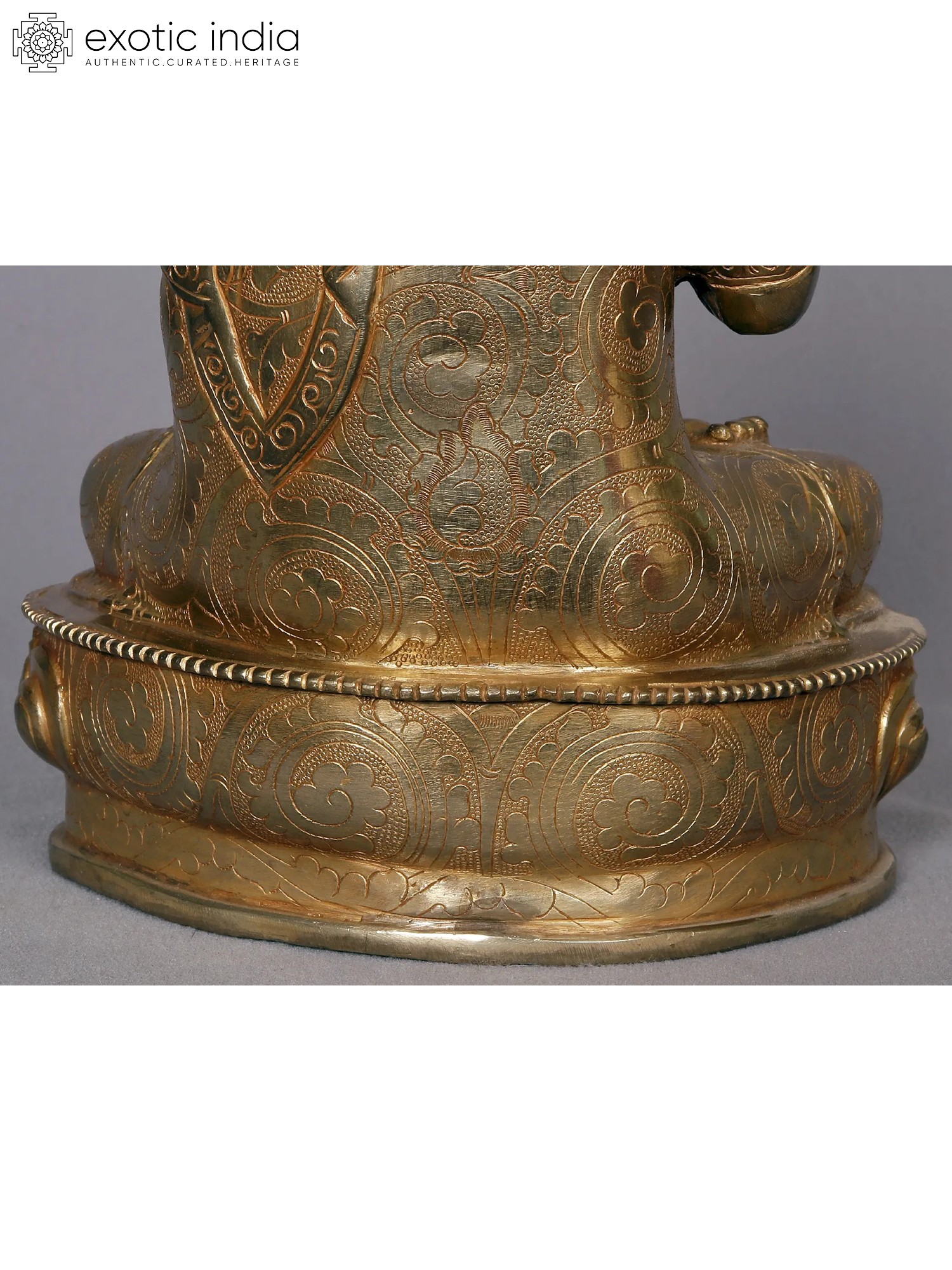
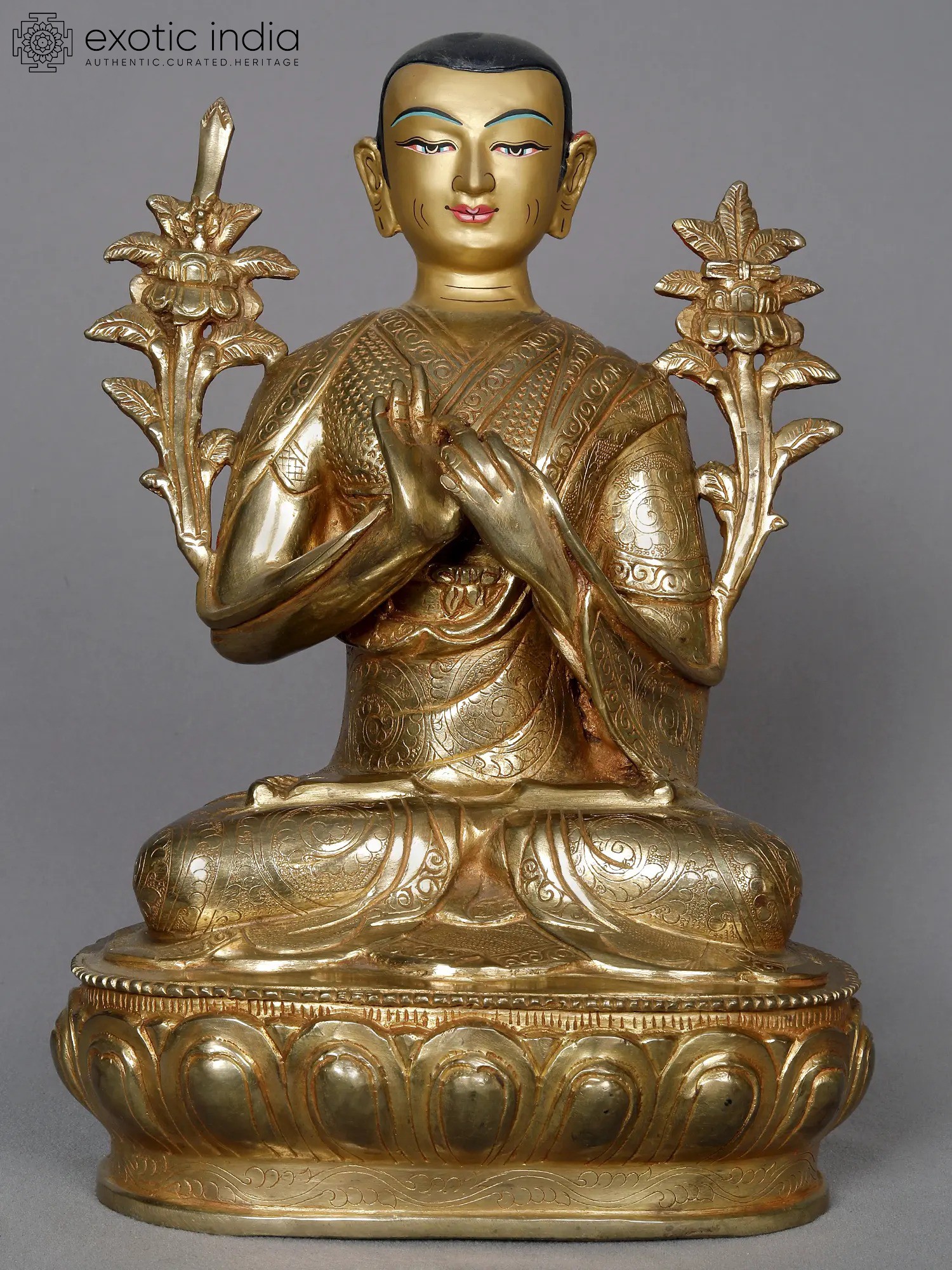
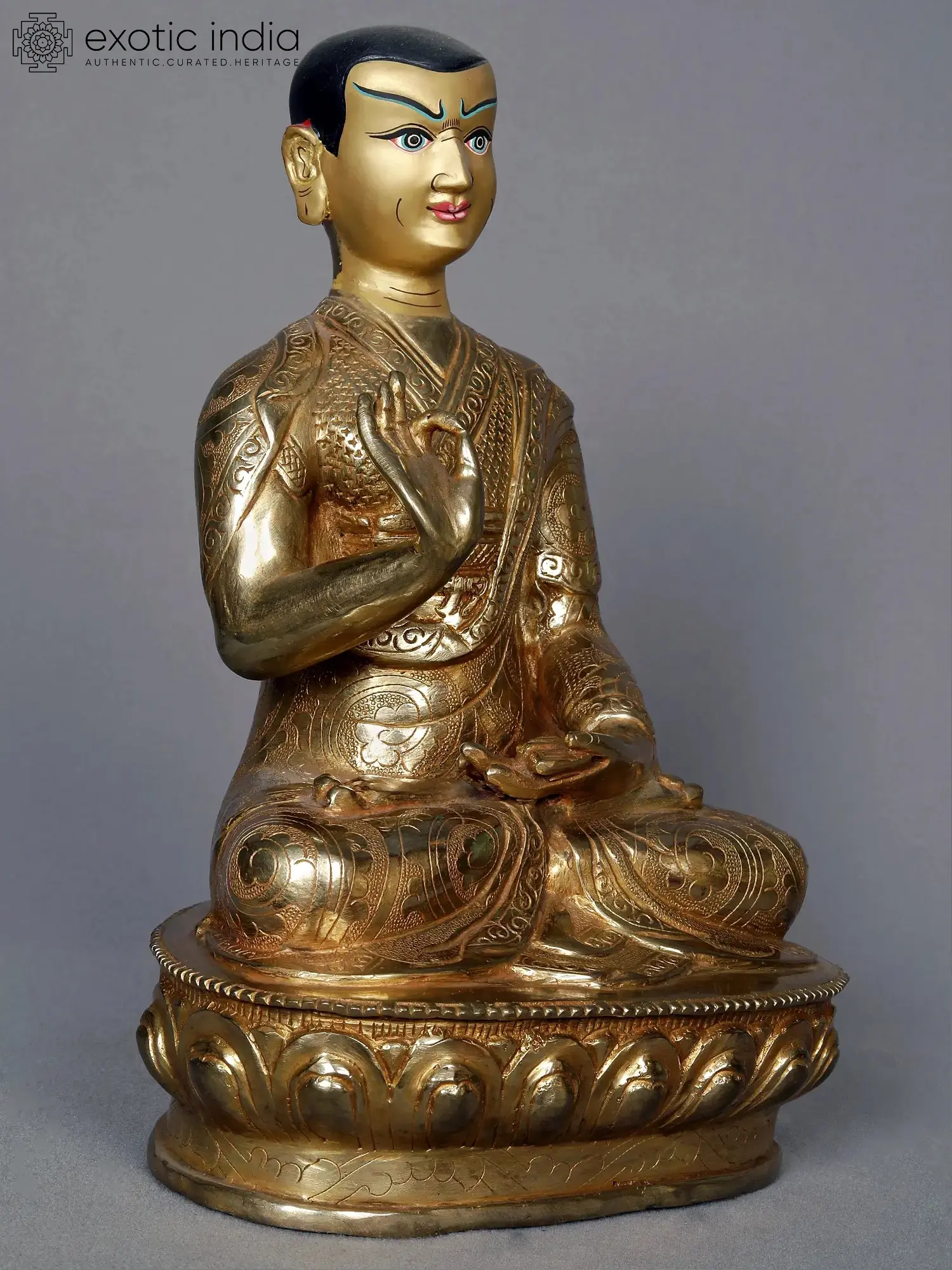
the Order of the Virtuous or the Gelugpa sect, Guru Tsongkhapa is an eminent
persona in the culture of Nepalese and Tibetan Buddhism. The three gilded
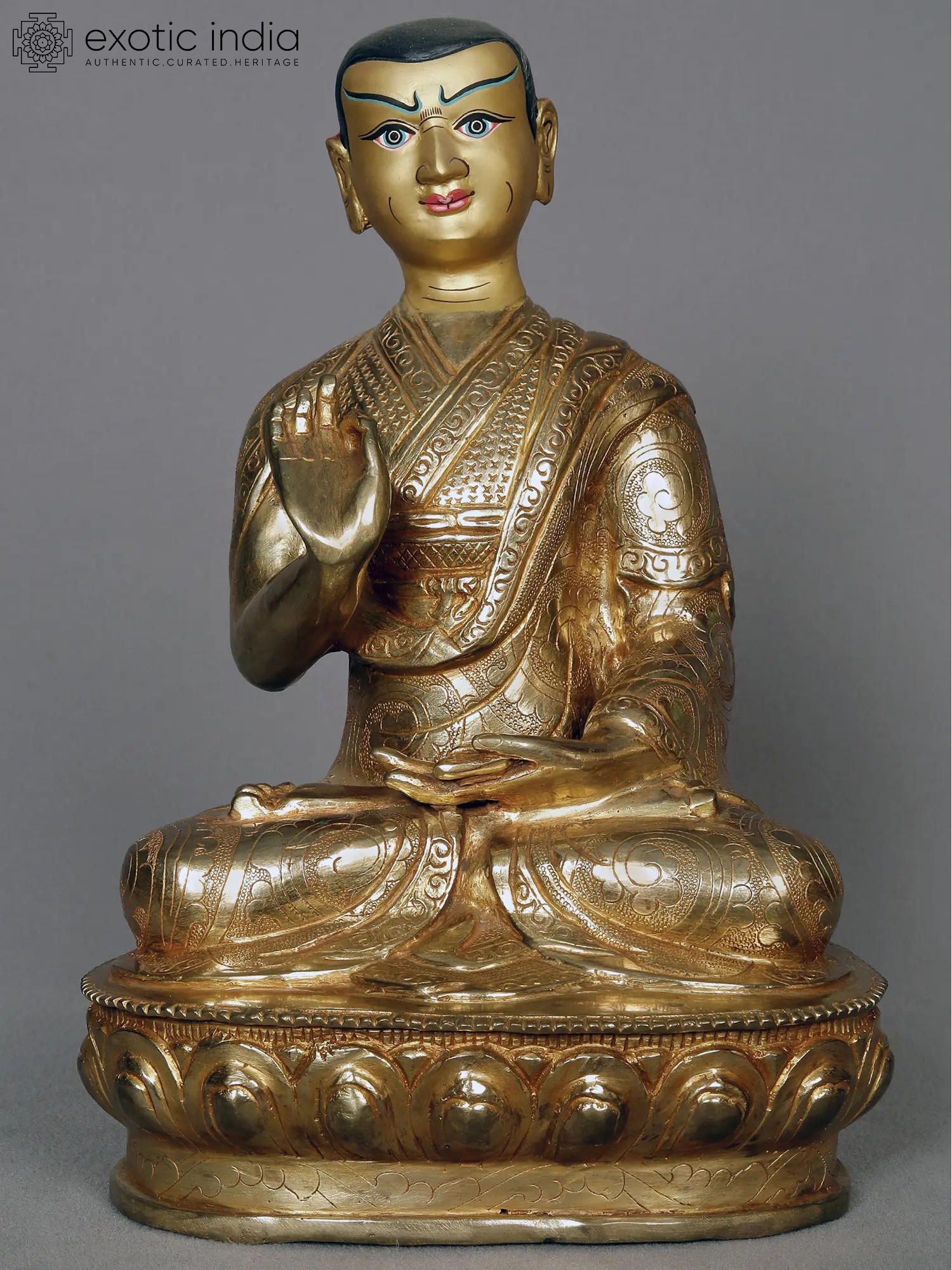
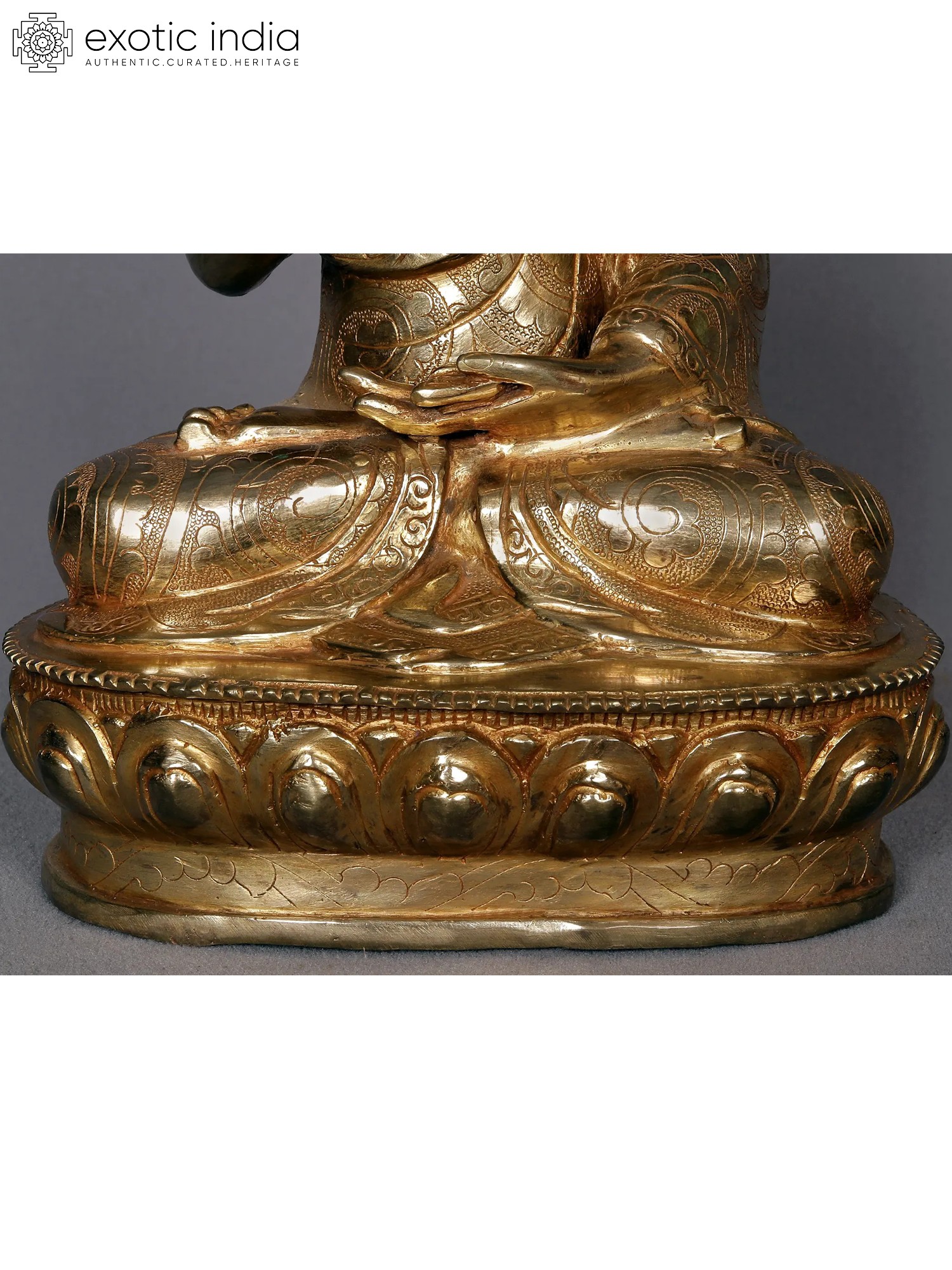
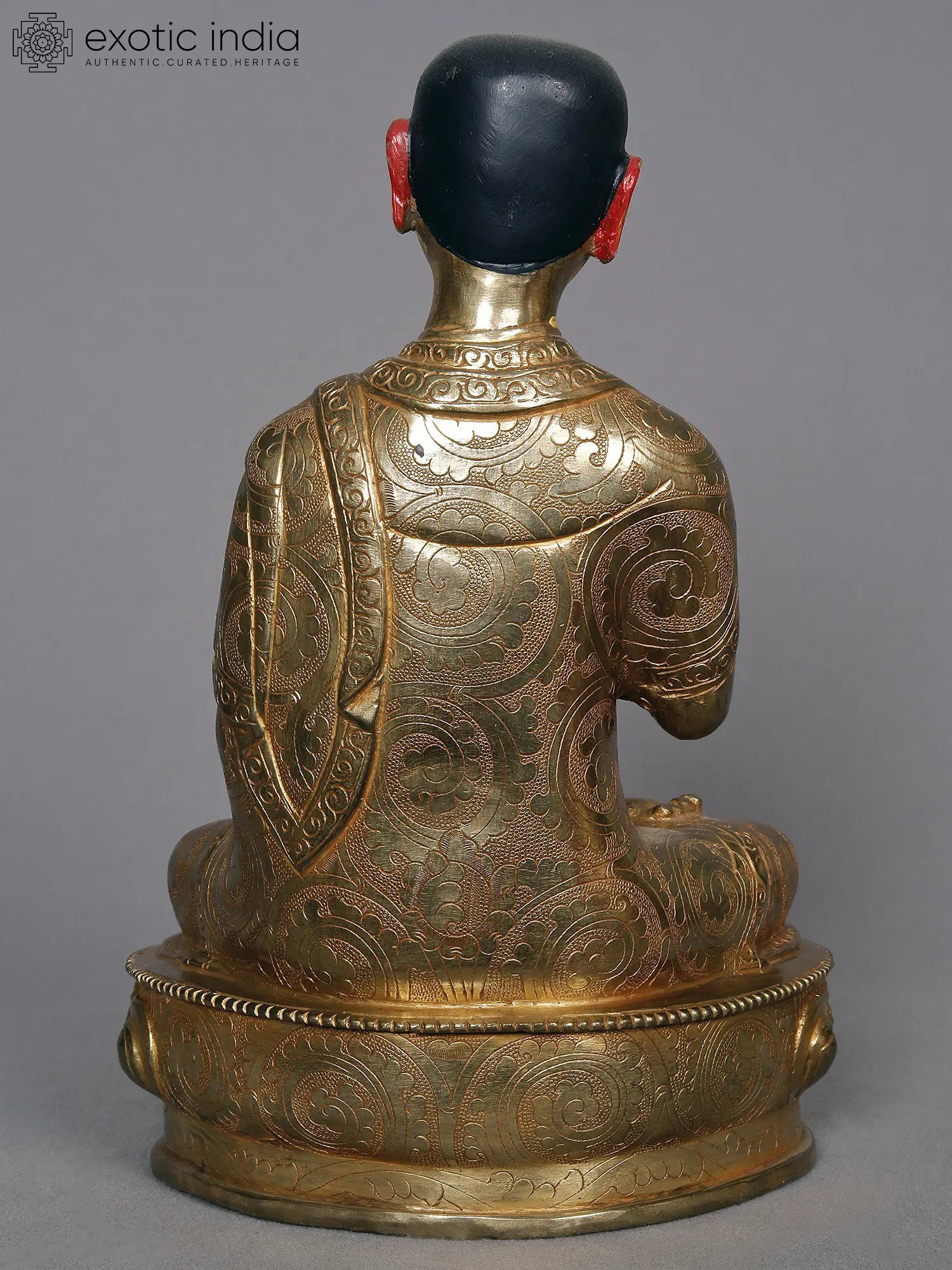
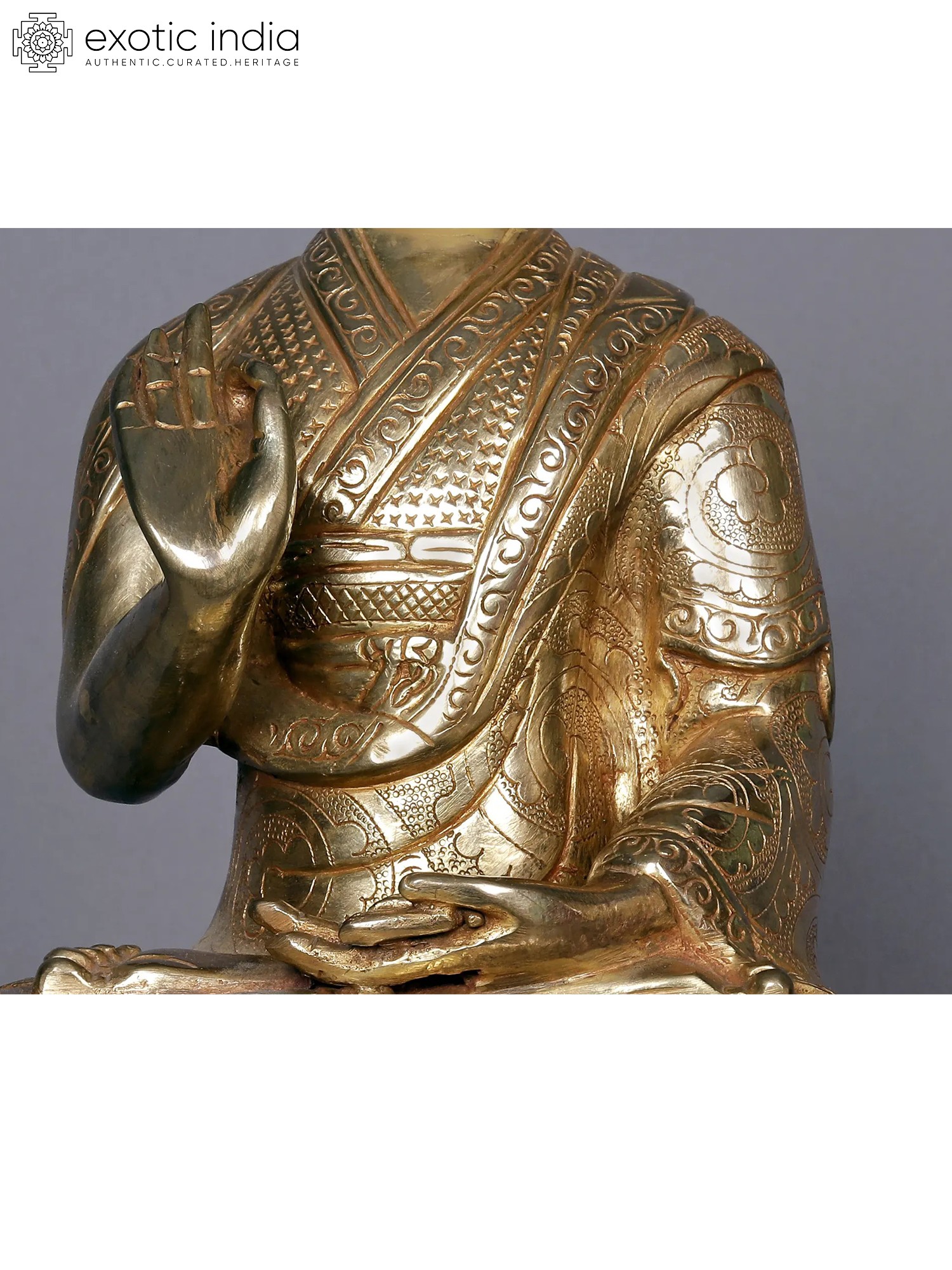
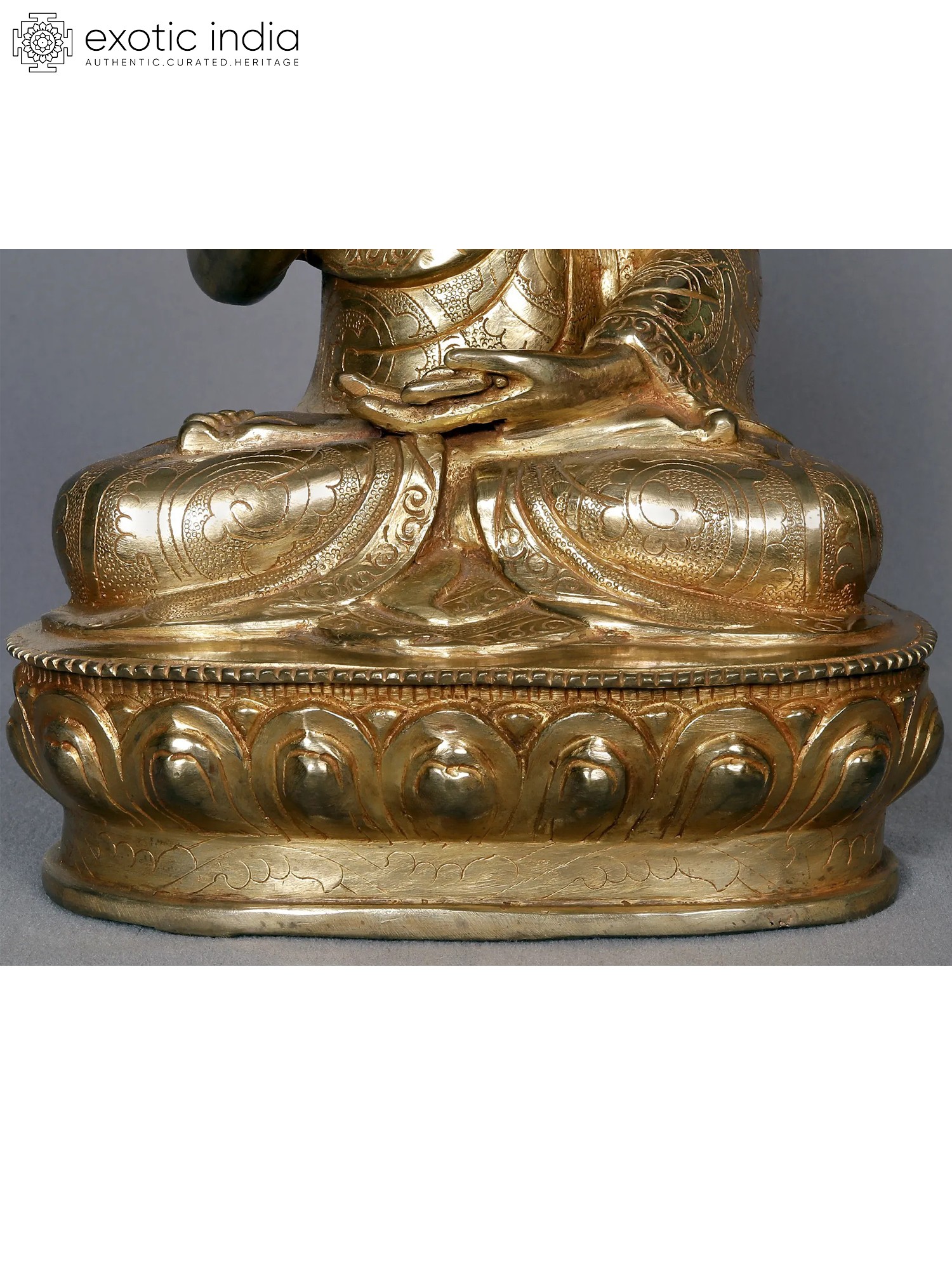
copper statues of Tsongkhapa from Nepal present the great Vajrayana master on
the blooming lotus of enlightened wisdom, in the act of imparting knowledge to
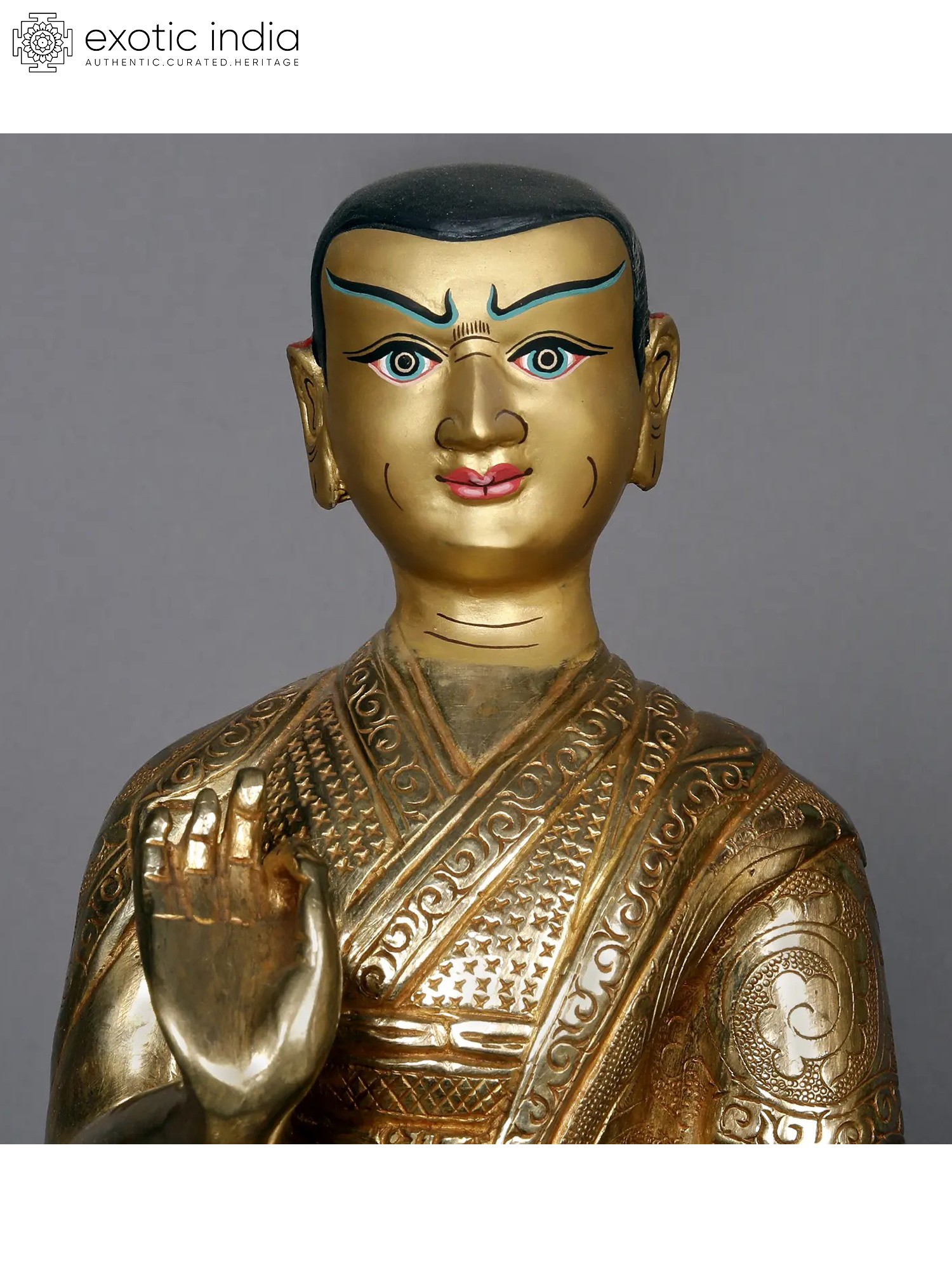
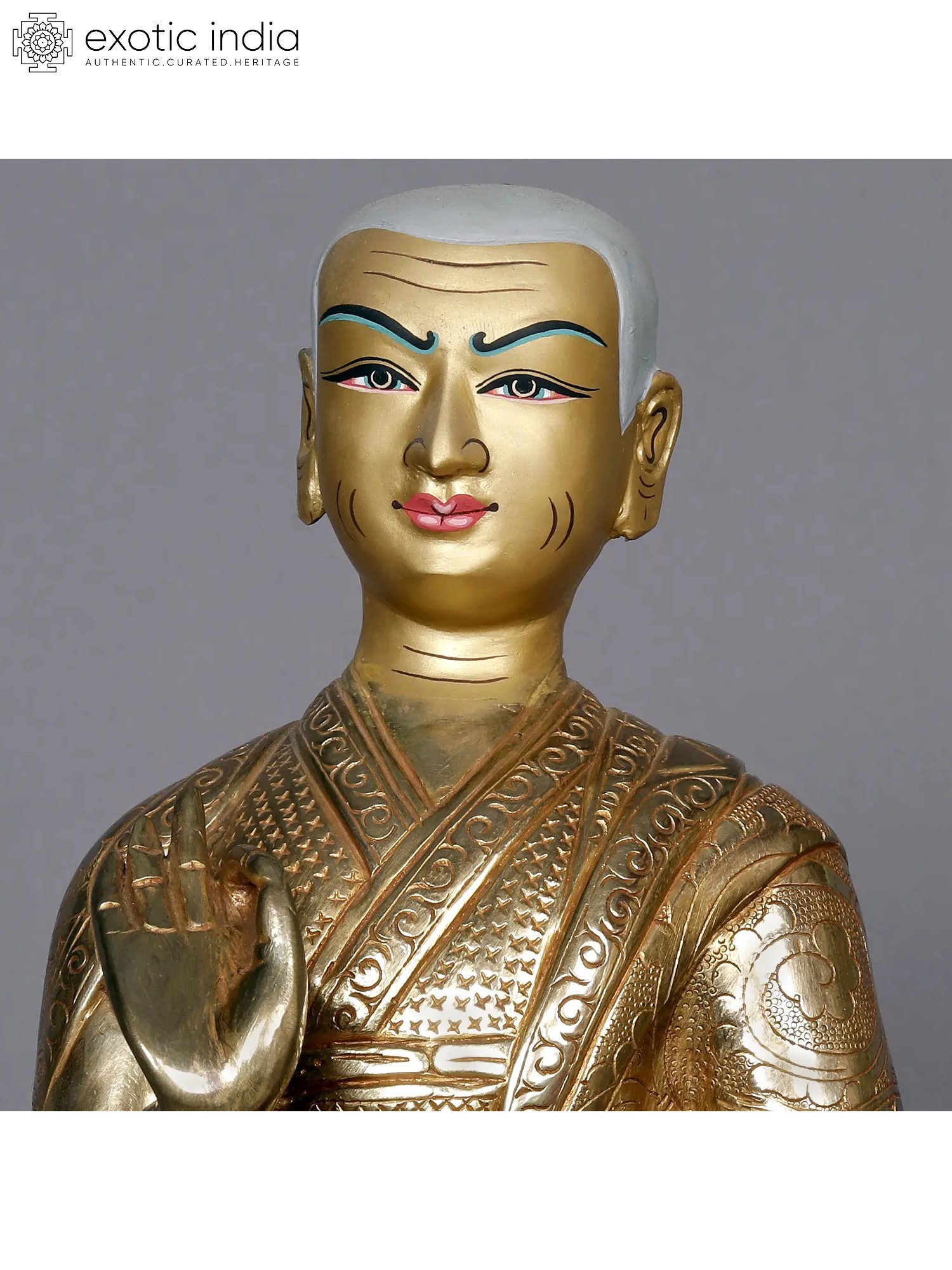
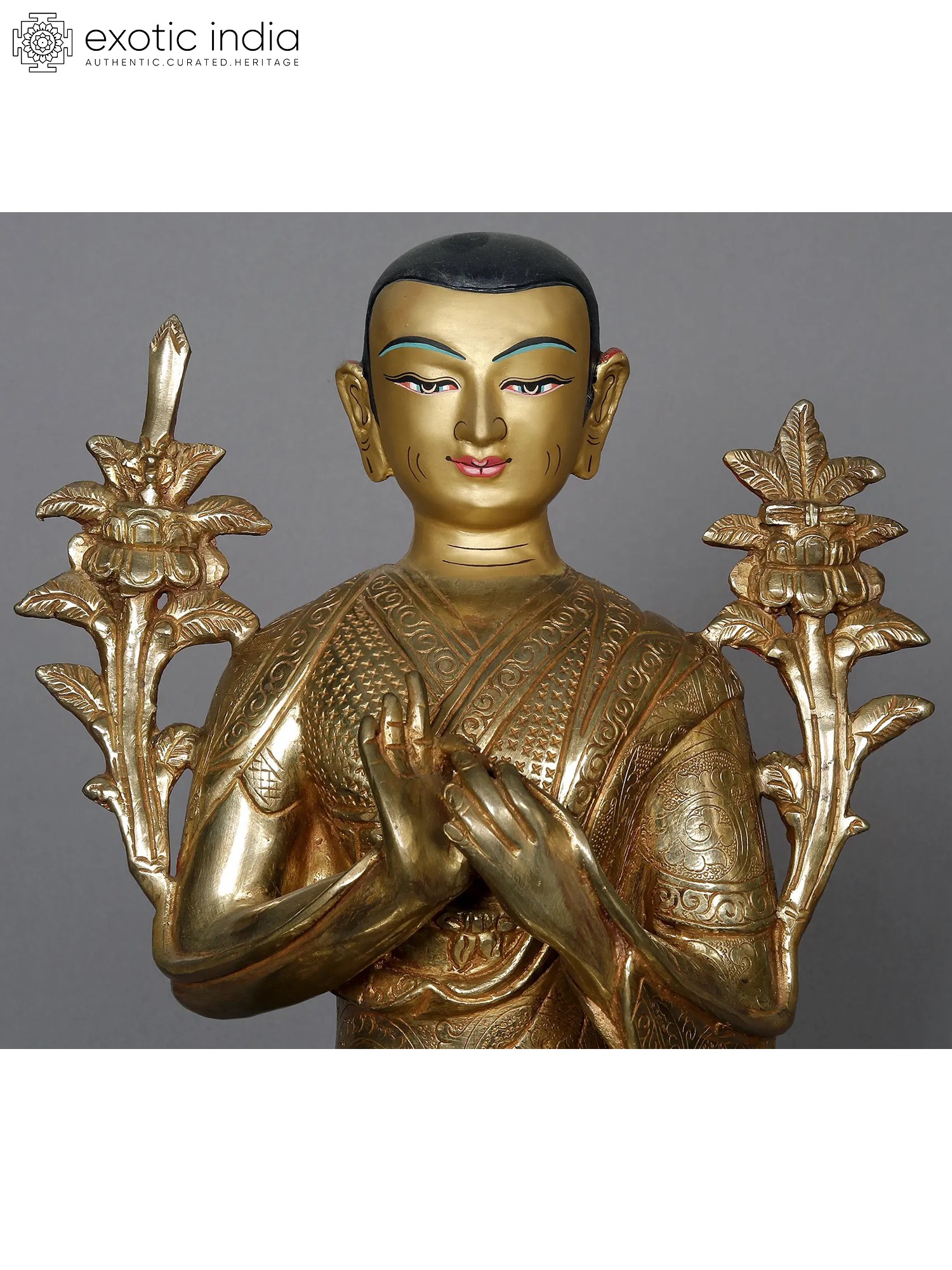
his followers. The facial expressions of Tsongkhapa in each statue are that of
an astute master, firm in his will to resolve the troubles of his followers.
Guardians of Wisdom: A Sacred Ensemble
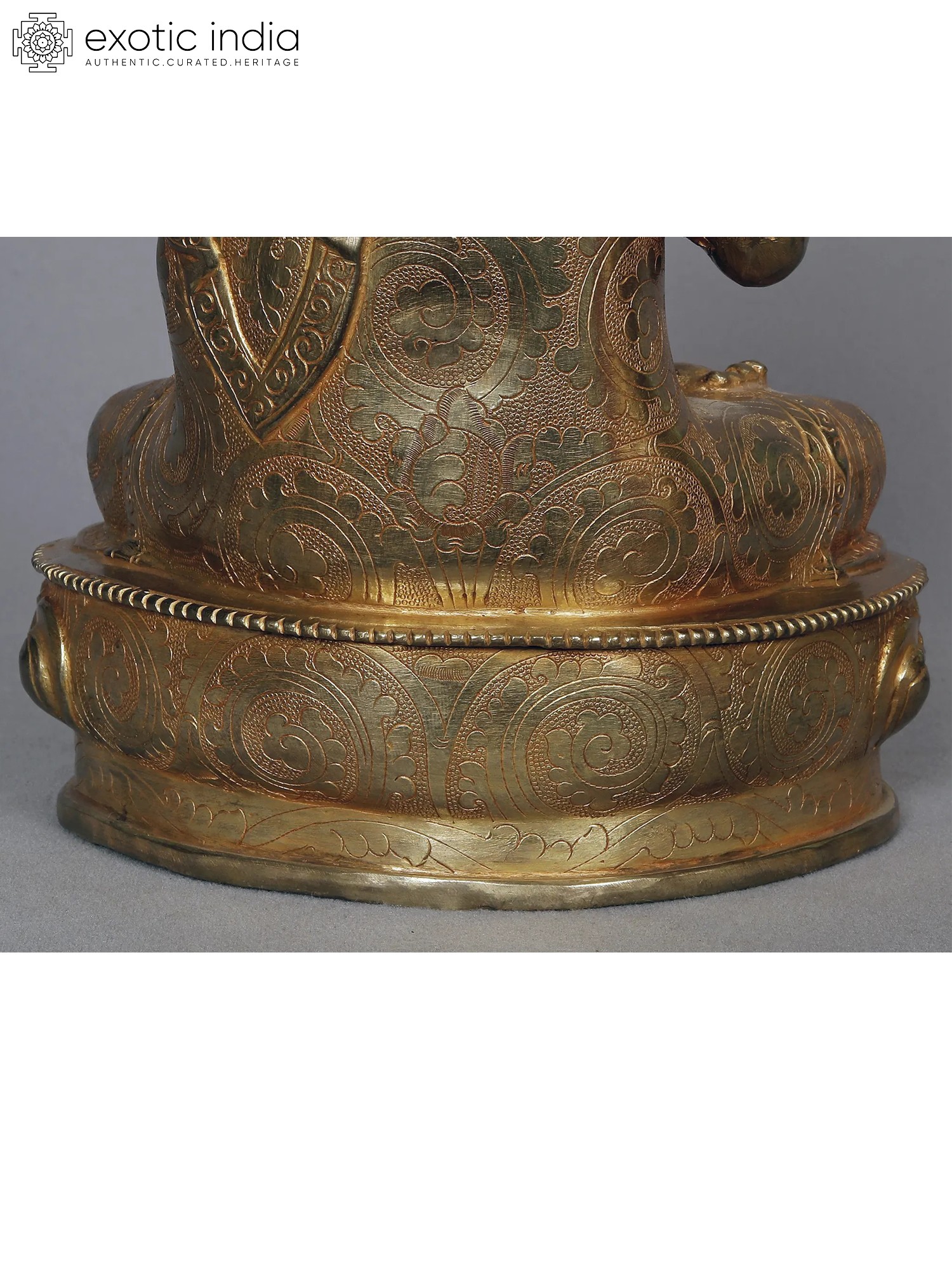
Behold this exquisite set of three Chokhapa statues, a testament to the rich artistic heritage and profound spiritual devotion of Nepal. Crafted from copper and meticulously adorned with gold, these figures radiate a serene and divine aura. Each Chokhapa embodies a significant lineage within Tibetan Buddhism, representing venerated spiritual masters and enlightened beings who have guided countless seekers on the path to liberation. The intricate detailing and lustrous finish speak volumes about the skill of the Nepalese artisans, who imbue each piece with a spiritual essence that transcends mere material form.Echoes of the Bodhi Tree: Symbolic Representations
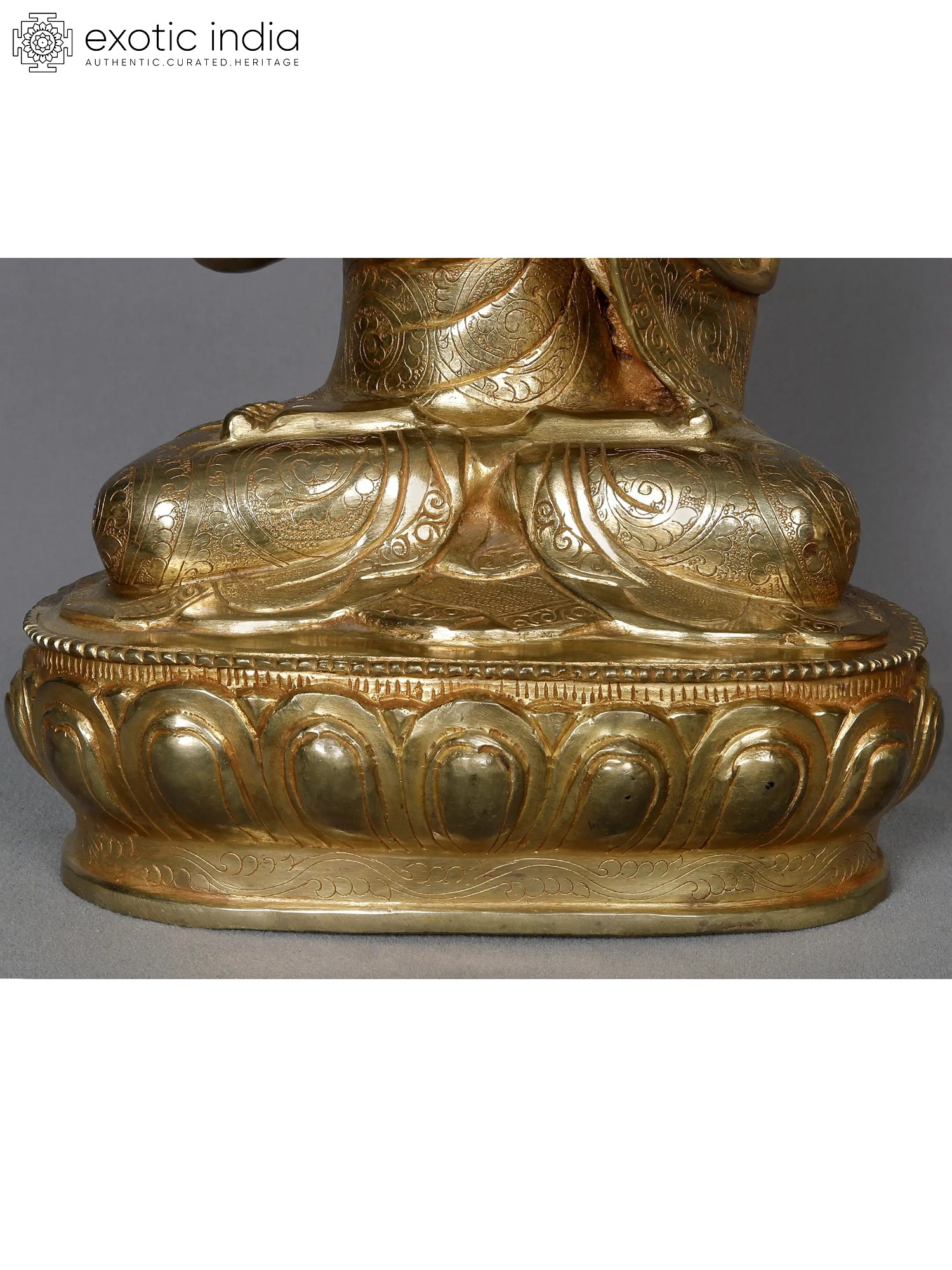
The central figure, the tallest of the trio, is adorned with a miniature lotus blooming from a stalk held between its hands. This lotus, a potent symbol in Buddhism, represents purity, enlightenment, and the unfolding of spiritual knowledge, mirroring the lotus that is said to have bloomed with the Buddha's birth. The posture of the figures, seated in a meditative pose upon lotus thrones, evokes the tranquility and profound stillness of deep contemplation. The lotus throne itself, a recurring motif, signifies rising above the mundane world, a testament to the spiritual ascendance of these revered masters. The subtle smiles and serene expressions on their faces invite a sense of peace and introspection, encouraging the viewer to embark on their own journey of inner discovery.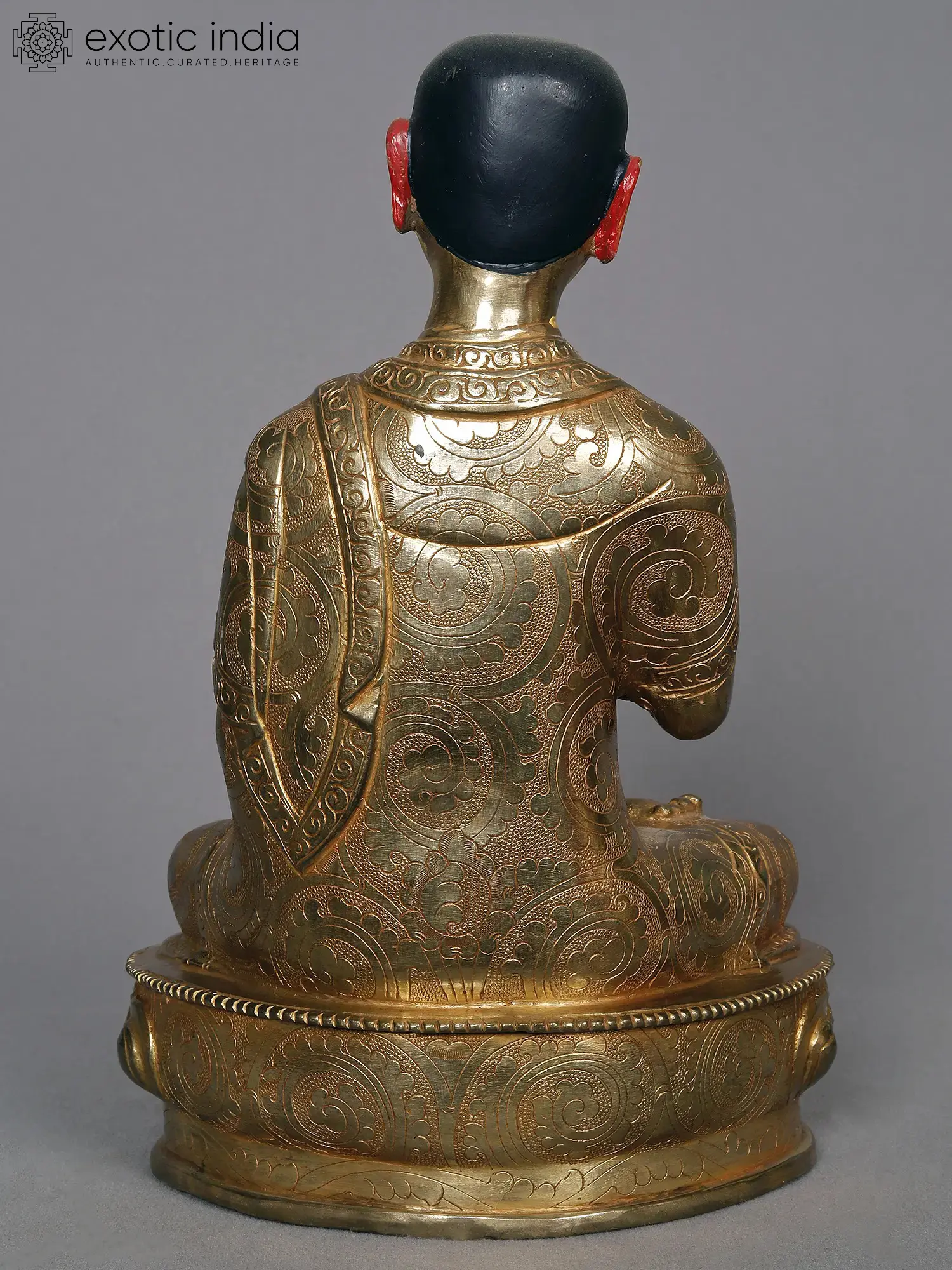
A Legacy of Enlightenment: Cultural Significance
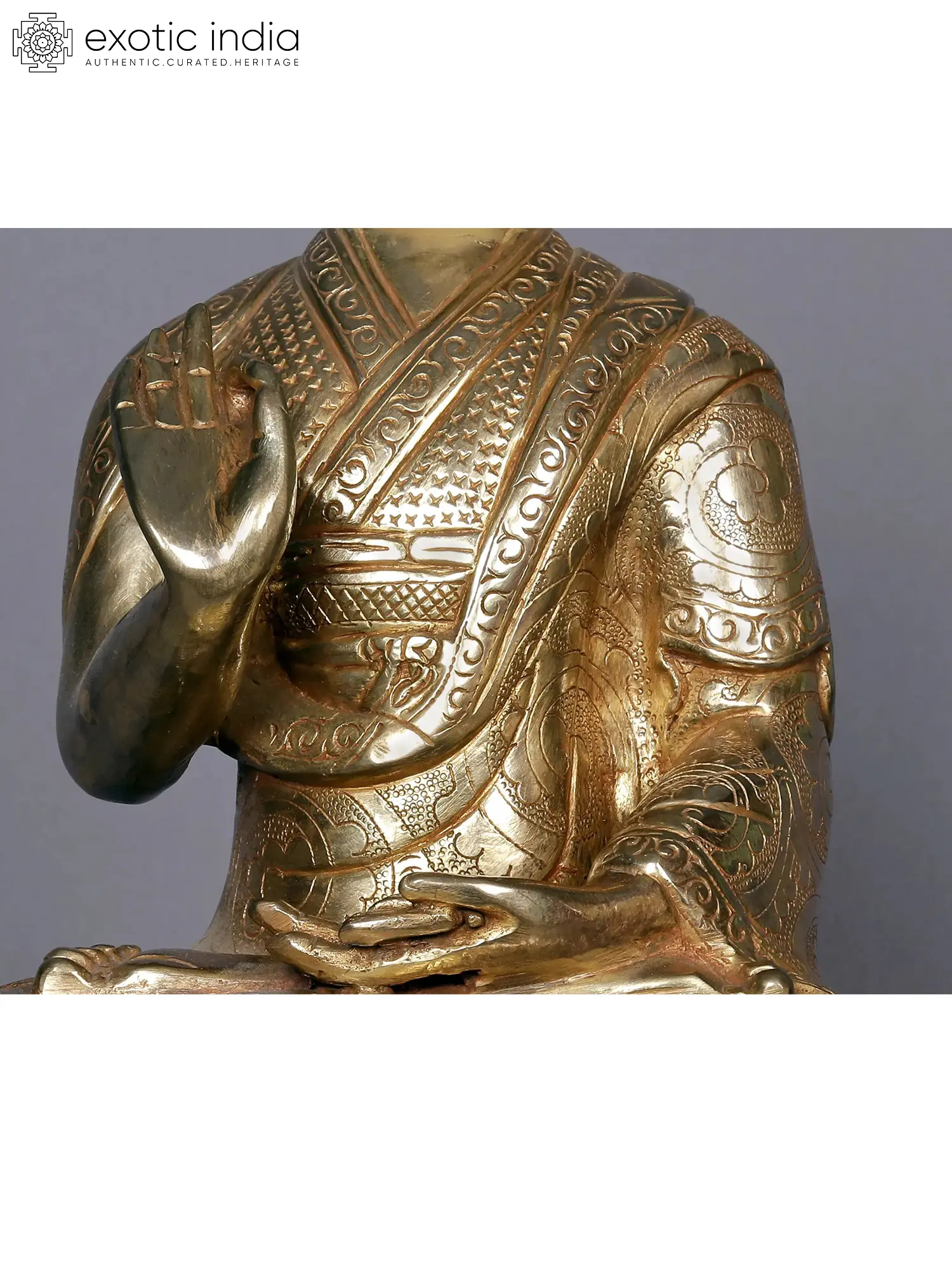
The tradition of creating such statues is deeply rooted in the spiritual practices of the Himalayan region. These Chokhapa figures are not merely decorative objects; they serve as focal points for meditation, prayer, and veneration. In Nepalese Buddhist culture, lineage masters are revered as living embodiments of wisdom and compassion, their teachings passed down through generations. The meticulous craftsmanship ensures that each statue is a unique work of art, imbued with the blessings and spiritual power of the figures they represent. The gold gilding, beyond its aesthetic appeal, is also symbolic of purity, illumination, and the ultimate nature of reality. To possess such a set is to welcome into one's home a tangible connection to a profound spiritual legacy, a constant reminder of the pursuit of wisdom and enlightenment.How are Nepalese copper statues made?
Nepalese statues and sculptures are best known for their unique
small religious figures and ritual paraphernalia for over two
thousand years. These are mainly cast in copper alloy. Nepal draws
influences from the artistic styles of Buddhism and Hinduism, and
therefore the sculptors of the country specialize in making the
icons of both these religions. Over the years, Nepalese sculptures
evolved into their own distinctive iconography. Some
characteristic features of these sculptures that differ from other
pieces are exaggerated physical postures, youthful and sensual
features, languid eyes, wider faces having serene expressions, and
ornate flourishes. The Buddhist deity icons of Nepal have
tremendous demand in countries such as China and Tibet for ritual
purposes in their temples and monasteries.
Nepalese statues and sculptures have a high copper content and therefore develop a slightly reddish patina on the surface as they age. However, the most unique feature of Nepalese copper statues is their decorative detailing. The pieces are heavily gilded and sometimes inlaid with semi-precious stones. This embellishment protects them from getting tarnished. The traditional lost-wax method for casting Nepalese copper statues remains the most practiced technique in Nepal for many centuries. This process involves many steps and requires skilled artists.
The first step in lost-wax sculpting is to make a wax replica of the desired Buddhist deity to be cast in copper. This replica is created by hand and therefore needs excellent artistic skills otherwise fine features will be lacking.
Once the wax replica is made, it is then coated with a special mixture of clay with a brush. This layer of clay is hardened when left to dry. A small hole is made on the base of the wax mould so that the wax flows away when it is heated.
Nepalese statues and sculptures have a high copper content and therefore develop a slightly reddish patina on the surface as they age. However, the most unique feature of Nepalese copper statues is their decorative detailing. The pieces are heavily gilded and sometimes inlaid with semi-precious stones. This embellishment protects them from getting tarnished. The traditional lost-wax method for casting Nepalese copper statues remains the most practiced technique in Nepal for many centuries. This process involves many steps and requires skilled artists.
The first step in lost-wax sculpting is to make a wax replica of the desired Buddhist deity to be cast in copper. This replica is created by hand and therefore needs excellent artistic skills otherwise fine features will be lacking.
Once the wax replica is made, it is then coated with a special mixture of clay with a brush. This layer of clay is hardened when left to dry. A small hole is made on the base of the wax mould so that the wax flows away when it is heated.
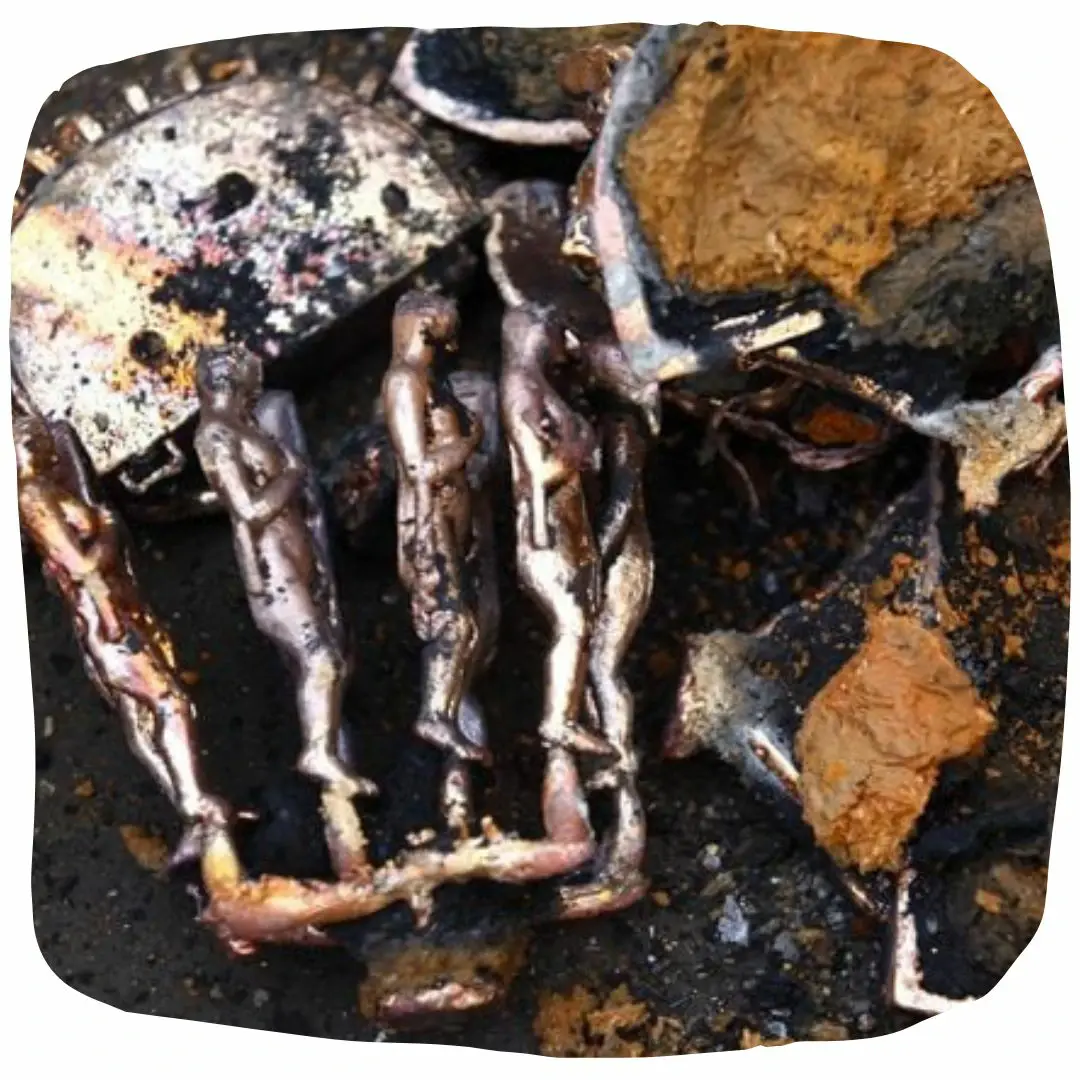
At this stage, a hollow mould in the shape of the deity is
obtained.
This is the time to pour liquid copper into the hollow mould which is then allowed to cool and harden inside a container of cold water. When the liquid metal has hardened, the mould is removed and the statue within is revealed.
This is the time to pour liquid copper into the hollow mould which is then allowed to cool and harden inside a container of cold water. When the liquid metal has hardened, the mould is removed and the statue within is revealed.
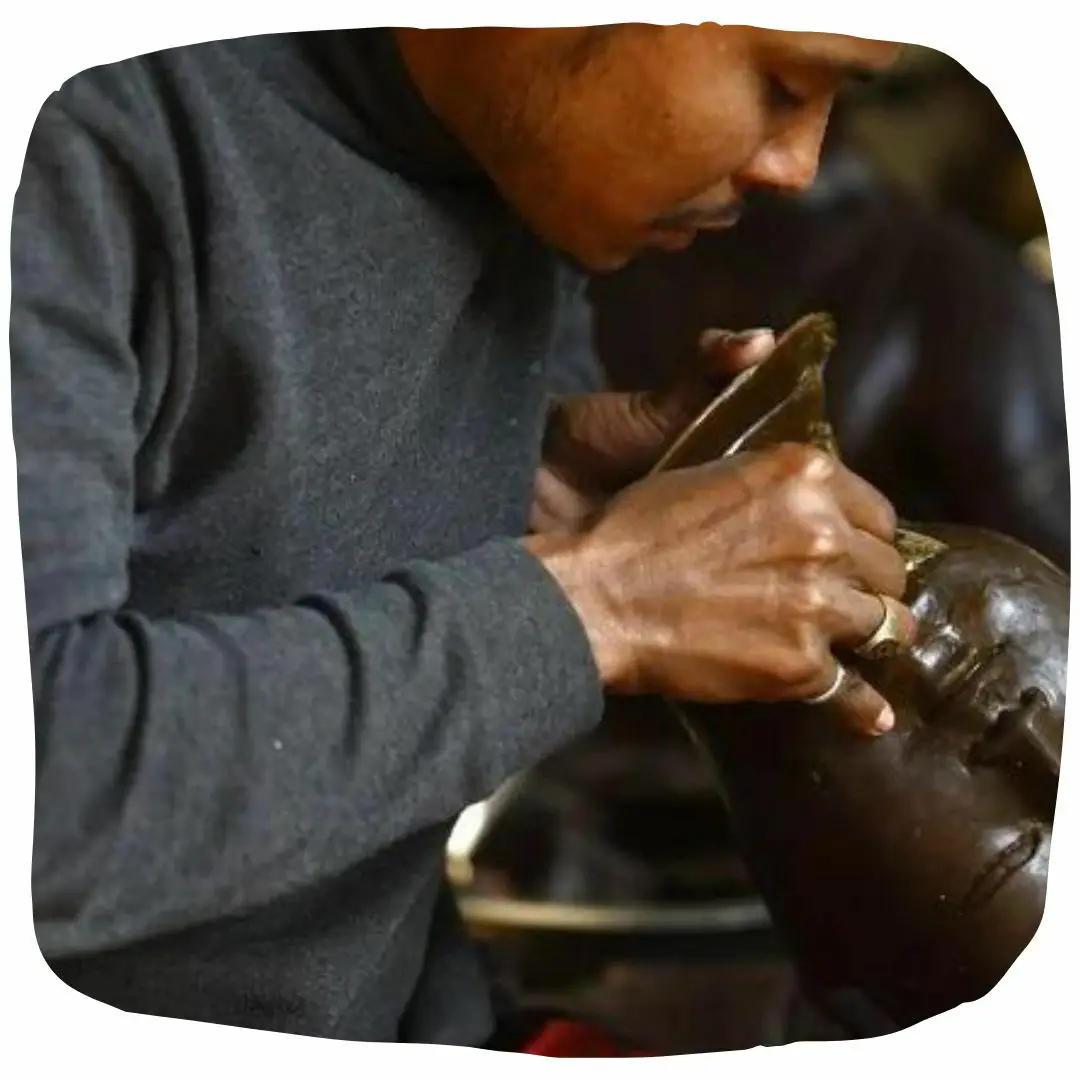
The artist works on the details of the statue using various tools.
It is then polished to get a shiny and lustrous surface.
Now comes the most important part of Nepalese art which is gold gilding. This is done by the traditional fire gilding method. A mixture of mercury and 18K gold is applied on the surface of the statue and heat is applied using a flame torch. The result is that mercury evaporates along with impurities, leaving a pure 24K gold finish.
Now comes the most important part of Nepalese art which is gold gilding. This is done by the traditional fire gilding method. A mixture of mercury and 18K gold is applied on the surface of the statue and heat is applied using a flame torch. The result is that mercury evaporates along with impurities, leaving a pure 24K gold finish.
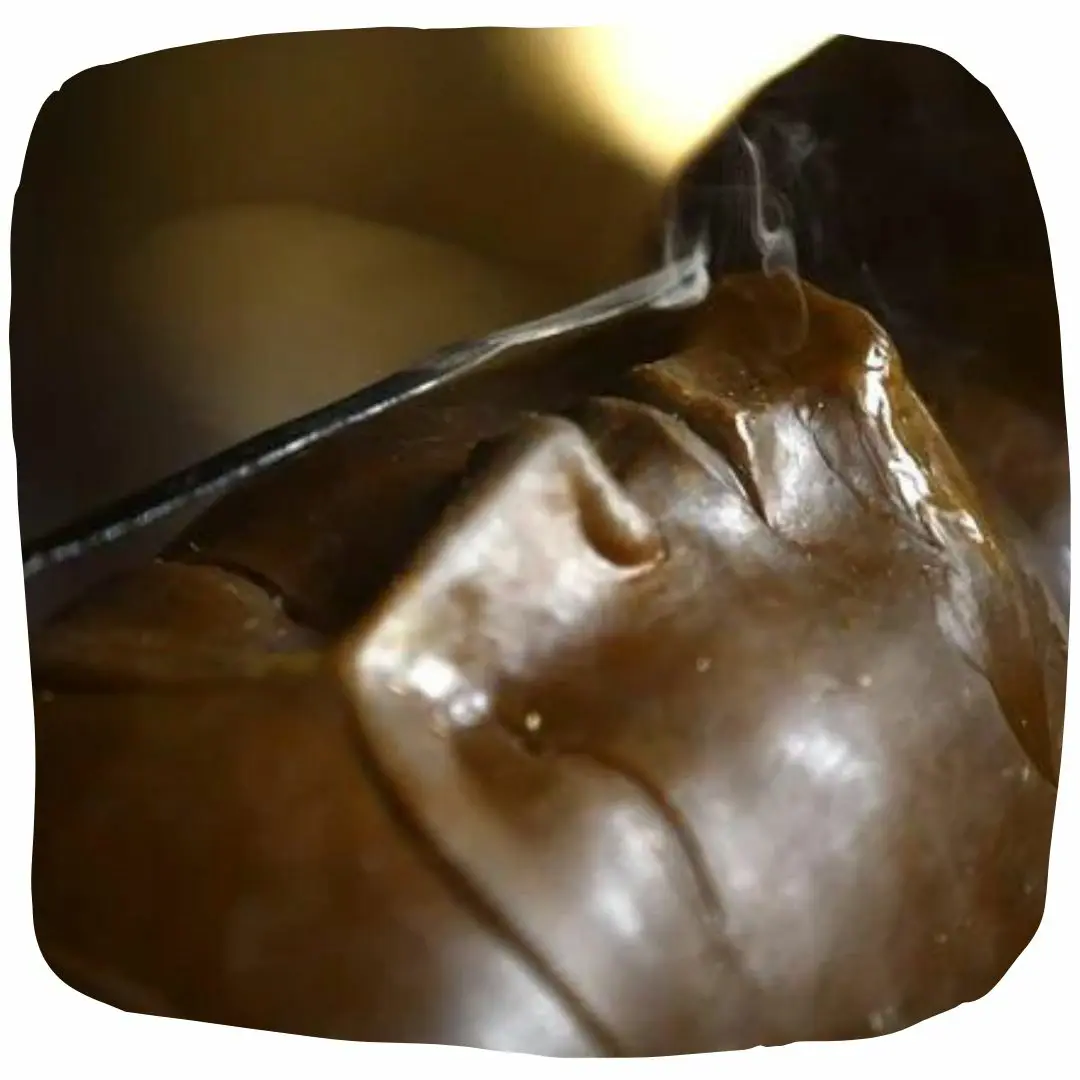
The lost-wax method of sculpting is the most preferred technique
for artists to cast a metallic statue having intricate details. Since Nepalese copper sculptures require extraneous effort for giving a majestic look by adding special embellishments, it takes several weeks to complete one masterpiece. A 24K gold gilded copper sculpture retains its brilliant luster for many years and appears as like before. Nepalese sculptures continue to remain one of the finest specimens of the art of the East that have a strong aesthetic appeal that other sculptures cannot match.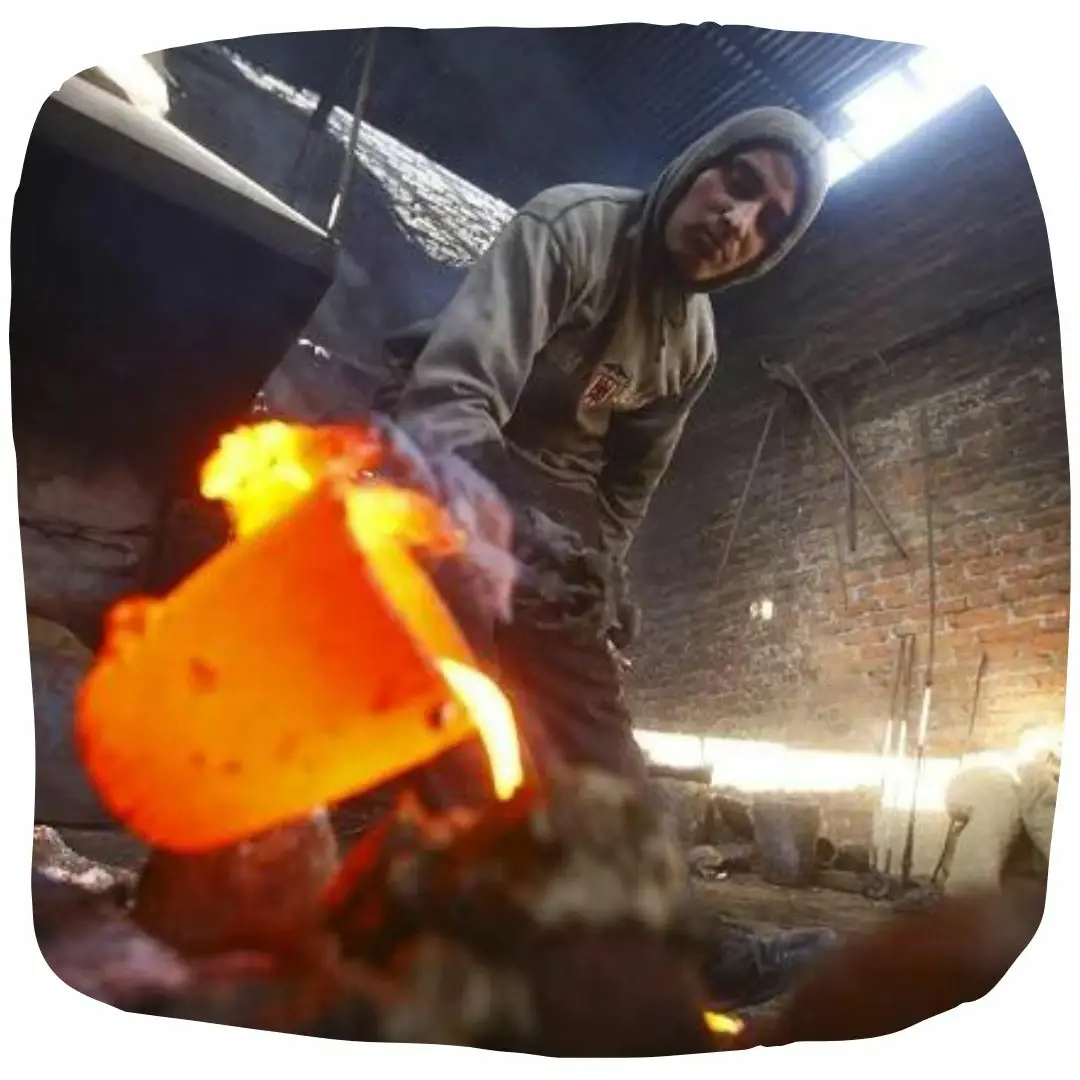
Products related to this item
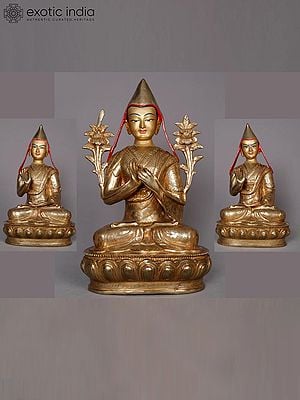
14 inch Height X 8 inch Width X 5 inch Depth
$5836
Includes any tariffs and taxes