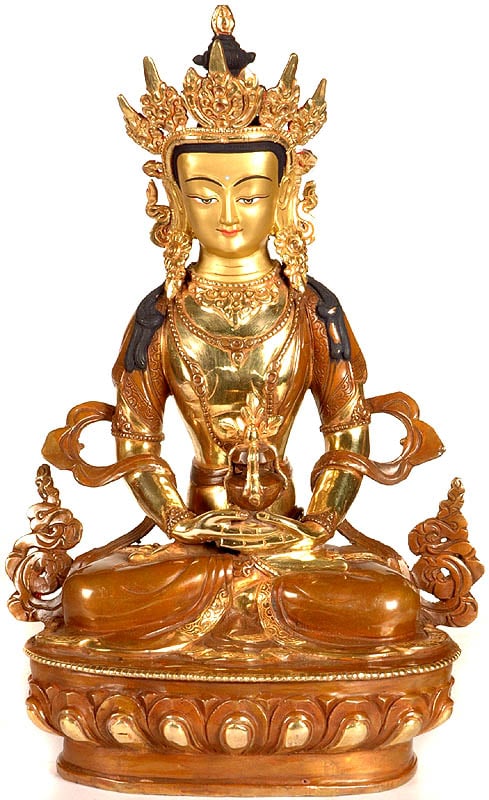
Amitayus The Buddha of Endless Life with the Vase of Long Life
$581
Includes any tariffs and taxes
Notify me when this item is available
| Specifications |
 |
RI05 |
 |
Copper Sculpture Gilded with 24 Karat Gold |
 |
Height: 13.5 inch |
| Width: 8 inch | |
| Depth: 6 inch | |
 |
Weight 3.43 kg |
| Delivery and Return Policies |
 |
Returns and Exchanges accepted within 7 days |
 |
Free Delivery |

Easy Returns

Fully Insured

100% Handmade
The Embodiment of Limitless Life
Behold a radiant depiction of a revered figure in Buddhist tradition. More than just a beautiful object, this piece represents a profound aspiration: the attainment of boundless life, inner peace, and ultimate enlightenment. This magnificent sculpture is an invitation to contemplate the nature of existence and cultivate the virtues of compassion and wisdom. Seated in a posture of serene meditation, this divine figure embodies the Buddhist concept of extending one’s life, both physically and spiritually, to benefit all beings.Craftsmanship and Materials
This sculpture is meticulously crafted from copper, a material chosen for its durability and symbolic associations with strength and purification. Further enhancing its visual appeal and spiritual significance, the statue is gilded with 24-karat gold. This precious metal reflects light beautifully, radiating warmth and creating a sense of sacredness. The intricate details, from the ornate crown to the flowing garments, showcase the skill of the artisan. Measuring 13.5 inches in height, 8 inches in width, and 6 inches in depth, this striking statue can be a powerful focal point in any room or sacred space.The Celestial Buddha and His Significance
Within the vast pantheon of Buddhist deities, this deity is especially beloved. Known for his compassionate vow to postpone his own enlightenment until all beings are freed from suffering, this Buddha represents the embodiment of longevity, wisdom, and merit. His practice is associated with purification, healing, and the extension of life, and thus plays a central role in traditions. Those who practice this Buddha's path seek not merely to live longer, but to fill their lives with purpose, wisdom, and acts of kindness. The figure is often depicted holding a vase filled with the nectar of immortality. This vase symbolizes the elixir of life, representing not only physical longevity but also the unending flow of wisdom and compassion. It's a reminder that true immortality lies in the virtuous deeds we perform and the positive impact we have on the world around us. The gesture of holding the vase also signifies generosity, as this Buddha freely shares the nectar of enlightenment with all who seek it. The elegant lotus base upon which the Buddha sits adds to the overall symbolism. The lotus, which emerges from muddy waters to bloom in pristine beauty, represents the potential for enlightenment inherent in all beings, regardless of their past. It is a powerful reminder that even amidst suffering and adversity, we can cultivate inner peace and wisdom.How are Nepalese copper statues made?
Nepalese statues and sculptures are best known for their unique
small religious figures and ritual paraphernalia for over two
thousand years. These are mainly cast in copper alloy. Nepal draws
influences from the artistic styles of Buddhism and Hinduism, and
therefore the sculptors of the country specialize in making the
icons of both these religions. Over the years, Nepalese sculptures
evolved into their own distinctive iconography. Some
characteristic features of these sculptures that differ from other
pieces are exaggerated physical postures, youthful and sensual
features, languid eyes, wider faces having serene expressions, and
ornate flourishes. The Buddhist deity icons of Nepal have
tremendous demand in countries such as China and Tibet for ritual
purposes in their temples and monasteries.
Nepalese statues and sculptures have a high copper content and therefore develop a slightly reddish patina on the surface as they age. However, the most unique feature of Nepalese copper statues is their decorative detailing. The pieces are heavily gilded and sometimes inlaid with semi-precious stones. This embellishment protects them from getting tarnished. The traditional lost-wax method for casting Nepalese copper statues remains the most practiced technique in Nepal for many centuries. This process involves many steps and requires skilled artists.
The first step in lost-wax sculpting is to make a wax replica of the desired Buddhist deity to be cast in copper. This replica is created by hand and therefore needs excellent artistic skills otherwise fine features will be lacking.
Once the wax replica is made, it is then coated with a special mixture of clay with a brush. This layer of clay is hardened when left to dry. A small hole is made on the base of the wax mould so that the wax flows away when it is heated.
Nepalese statues and sculptures have a high copper content and therefore develop a slightly reddish patina on the surface as they age. However, the most unique feature of Nepalese copper statues is their decorative detailing. The pieces are heavily gilded and sometimes inlaid with semi-precious stones. This embellishment protects them from getting tarnished. The traditional lost-wax method for casting Nepalese copper statues remains the most practiced technique in Nepal for many centuries. This process involves many steps and requires skilled artists.
The first step in lost-wax sculpting is to make a wax replica of the desired Buddhist deity to be cast in copper. This replica is created by hand and therefore needs excellent artistic skills otherwise fine features will be lacking.
Once the wax replica is made, it is then coated with a special mixture of clay with a brush. This layer of clay is hardened when left to dry. A small hole is made on the base of the wax mould so that the wax flows away when it is heated.
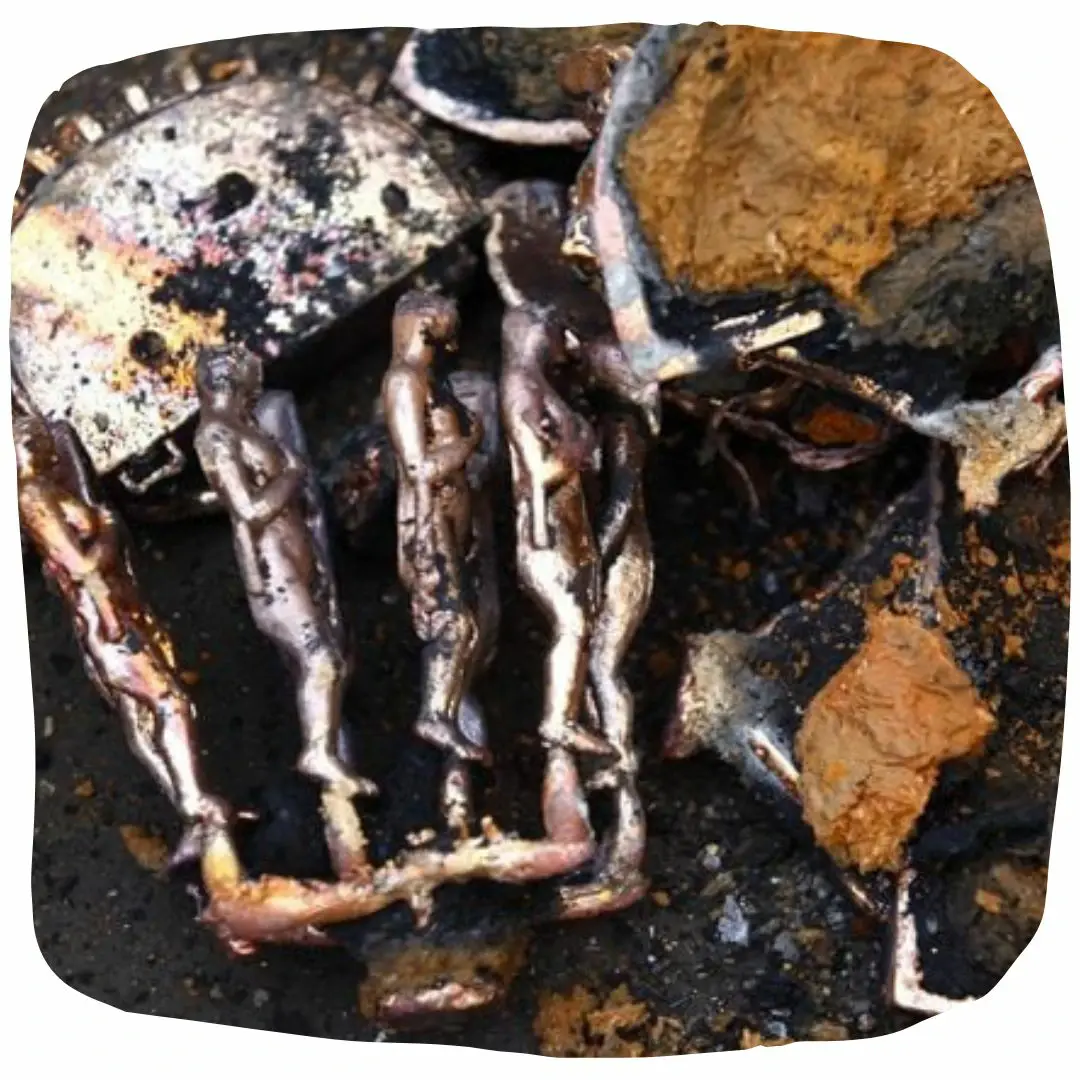
At this stage, a hollow mould in the shape of the deity is
obtained.
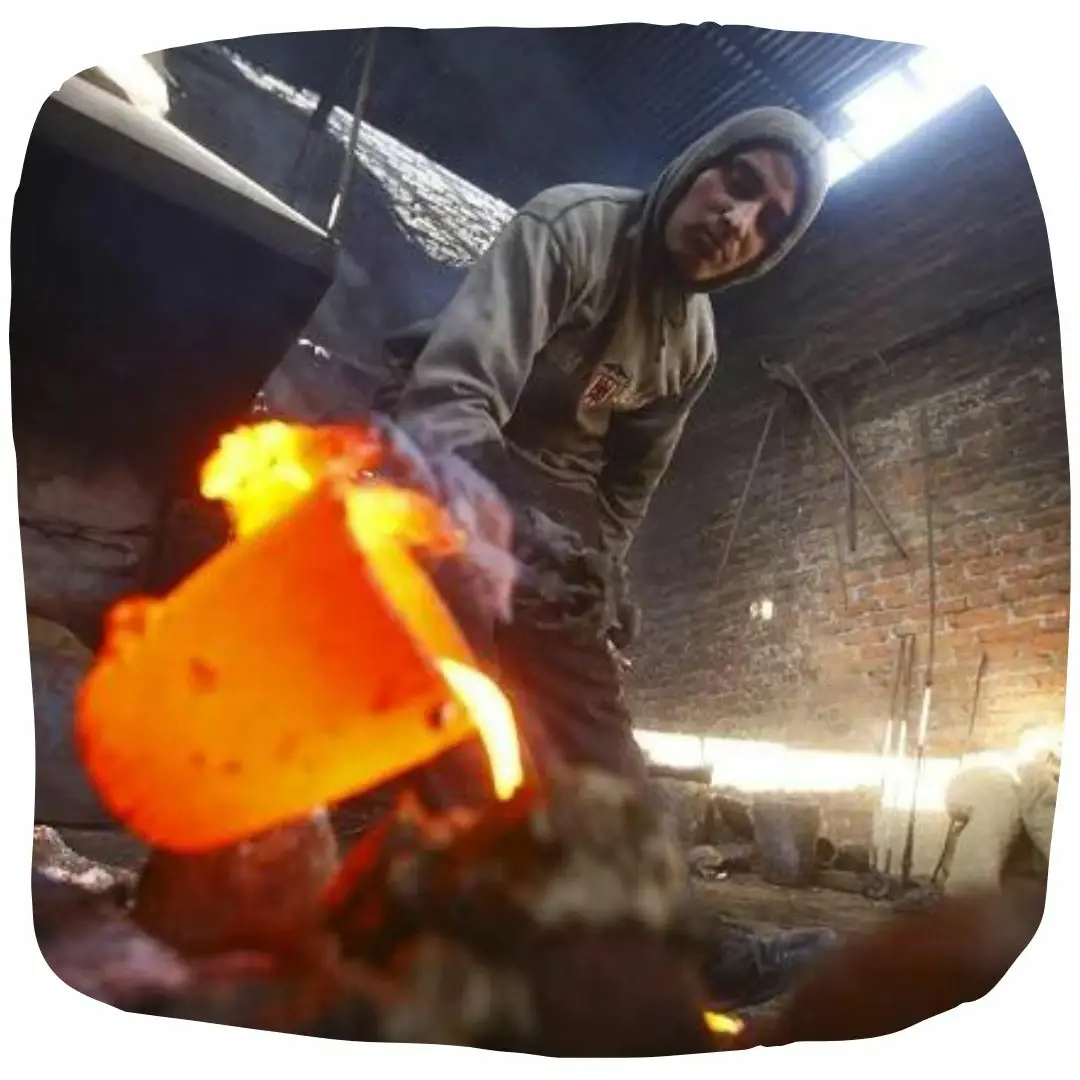
This is the time to pour liquid copper into the hollow mould which is then allowed to cool and harden inside a container of cold water. When the liquid metal has hardened, the mould is removed and the statue within is revealed.
This is the time to pour liquid copper into the hollow mould which is then allowed to cool and harden inside a container of cold water. When the liquid metal has hardened, the mould is removed and the statue within is revealed.
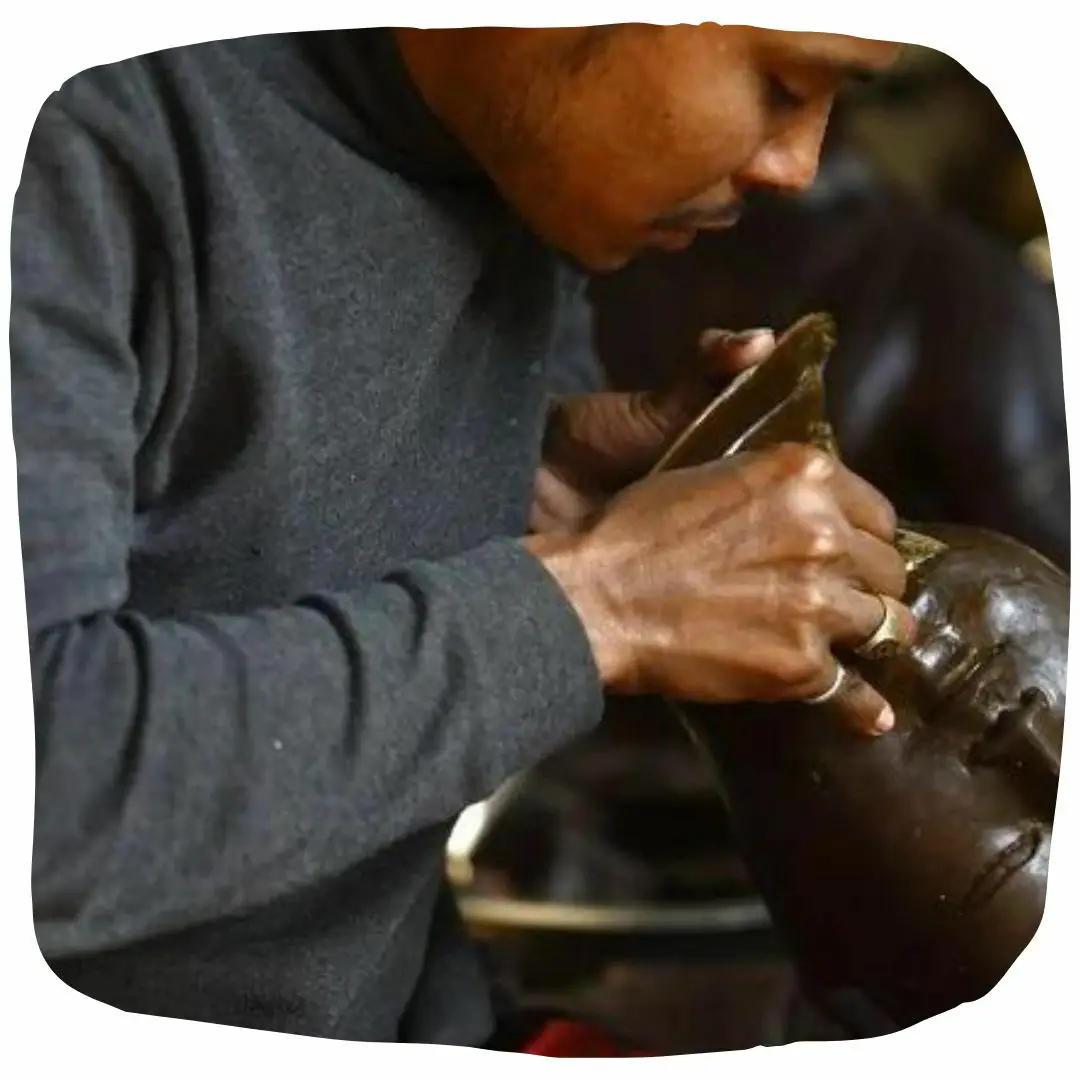
The artist works on the details of the statue using various tools.
It is then polished to get a shiny and lustrous surface.
Now comes the most important part of Nepalese art which is gold gilding. This is done by the traditional fire gilding method. A mixture of mercury and 18K gold is applied on the surface of the statue and heat is applied using a flame torch. The result is that mercury evaporates along with impurities, leaving a pure 24K gold finish.
Now comes the most important part of Nepalese art which is gold gilding. This is done by the traditional fire gilding method. A mixture of mercury and 18K gold is applied on the surface of the statue and heat is applied using a flame torch. The result is that mercury evaporates along with impurities, leaving a pure 24K gold finish.
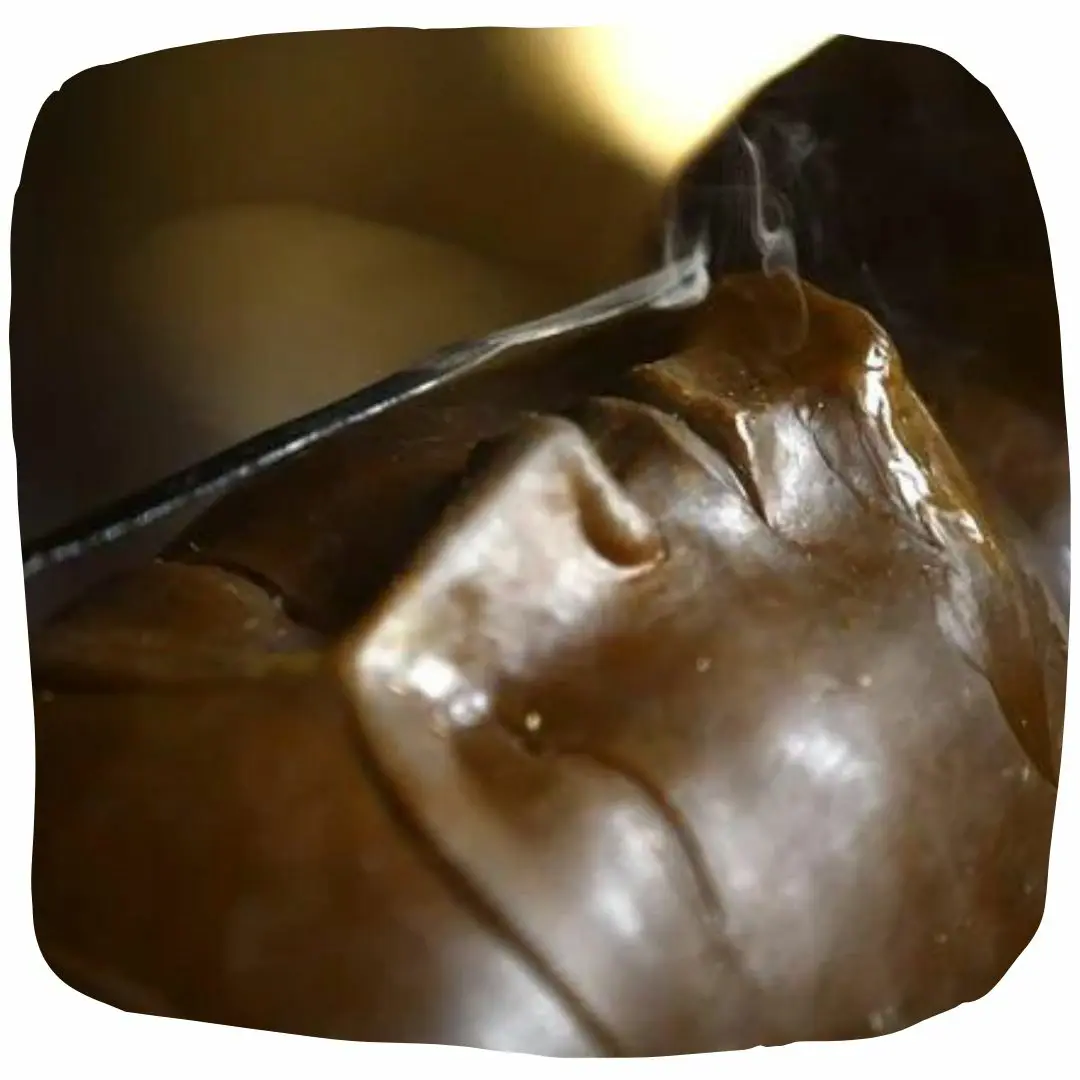
The lost-wax method of sculpting is the most preferred technique
for artists to cast a metallic statue having intricate details. Since Nepalese copper sculptures require extraneous effort for giving a majestic look by adding special embellishments, it takes several weeks to complete one masterpiece. A 24K gold gilded copper sculpture retains its brilliant luster for many years and appears as like before. Nepalese sculptures continue to remain one of the finest specimens of the art of the East that have a strong aesthetic appeal that other sculptures cannot match.