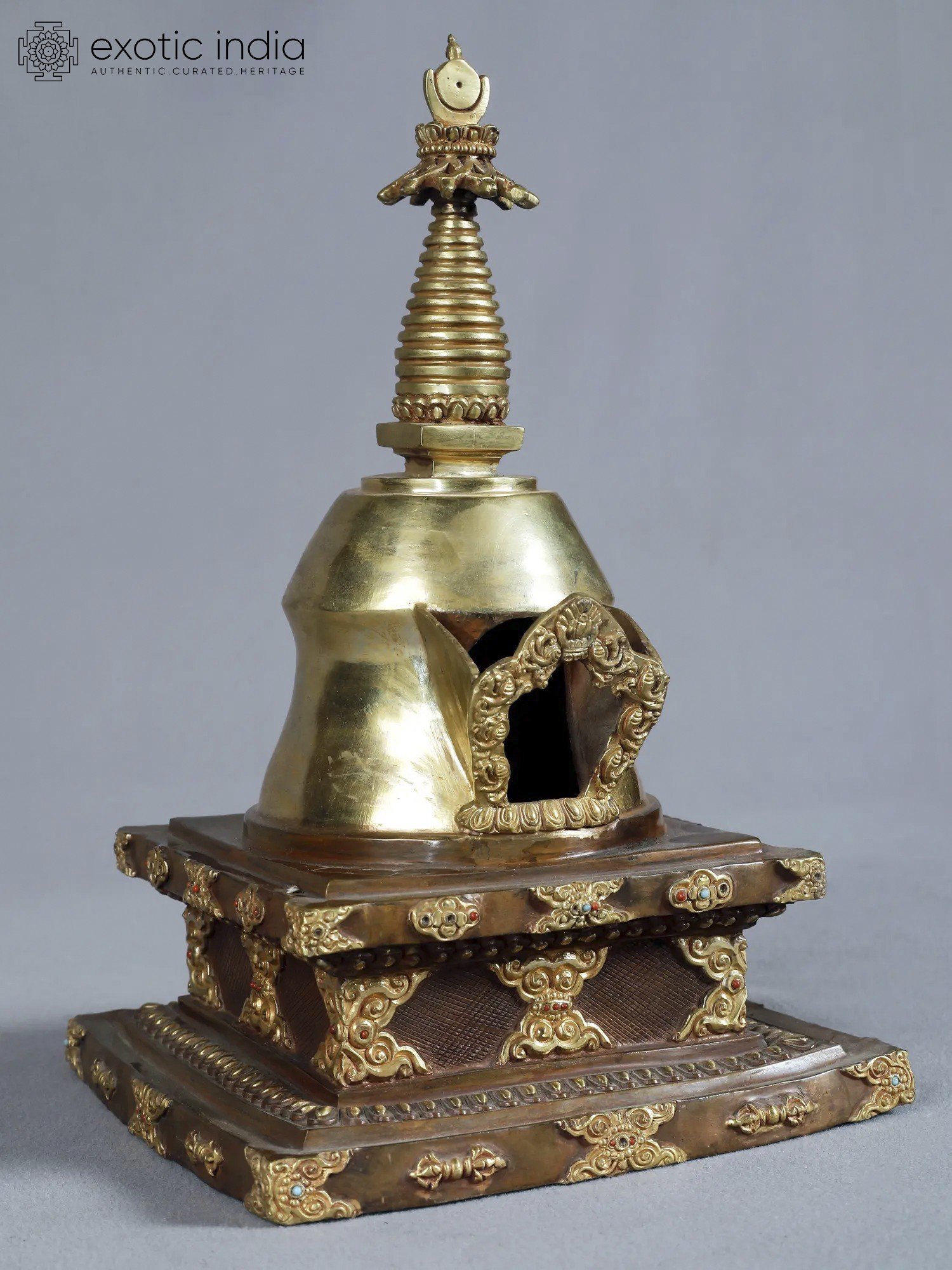
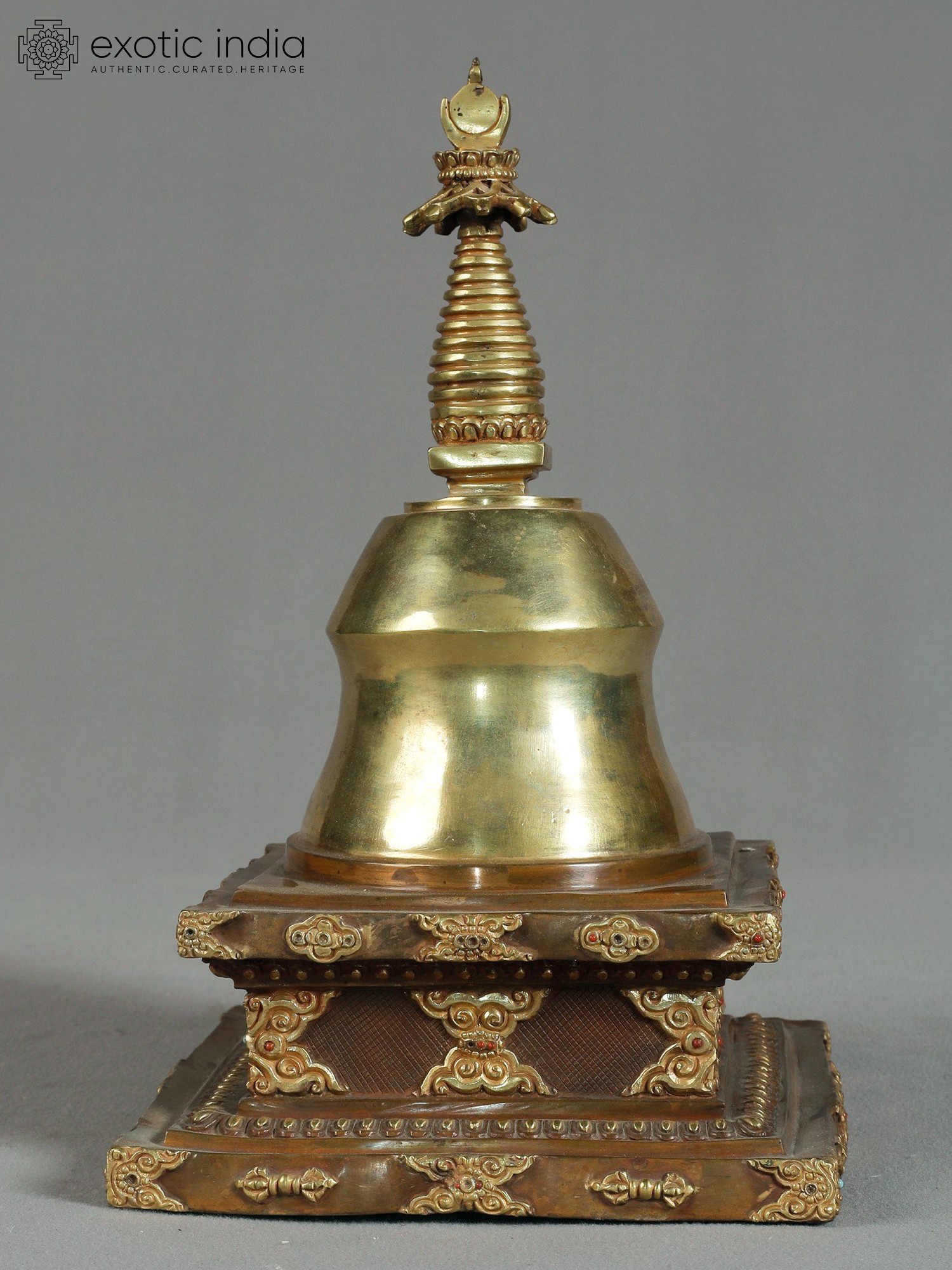
Brass Namgyalma Stupa for Longevity and Spiritual Practice
$719
Includes any tariffs and taxes

Only 1 available
Notify me when this item is available
| Specifications |
 |
CAA074 |
 |
Copper With Gold |
 |
Height: 12 inch |
| Width: 8 inch | |
| Depth: 8 inch | |
 |
Weight 5 kg |
| About the Item |
|
| Delivery and Return Policies |
 |
Usually ships in 6 days |
 |
Returns and Exchanges accepted within 7 days |
 |
Free Delivery |

Easy Returns

Fully Insured

100% Handmade
Stupas are
mound-like structures that contain Buddhist relics, usually the remains of the
Buddha. They are used as places of worship by Buddhists and are the oldest
religious monuments in the world. Namgyalma stupa is a dome-shaped structure
that houses the remains of Buddha. Namgyalma is considered by the Tibetans as a
holy site. It houses a large shrine dedicated to the Buddha Sakyamuni. It was built in memory of the Tibetan
soldiers who sacrificed their lives for the liberation of Tibet.
A Beacon of Auspiciousness and Longevity
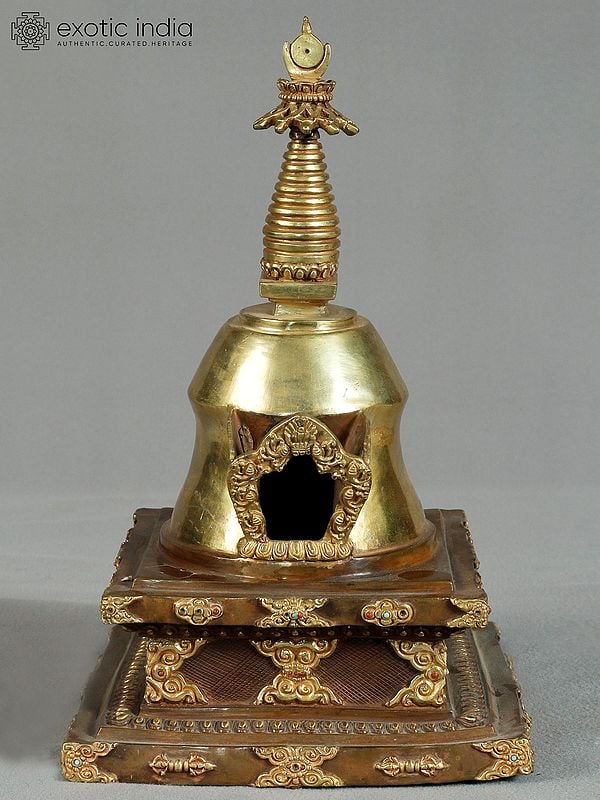
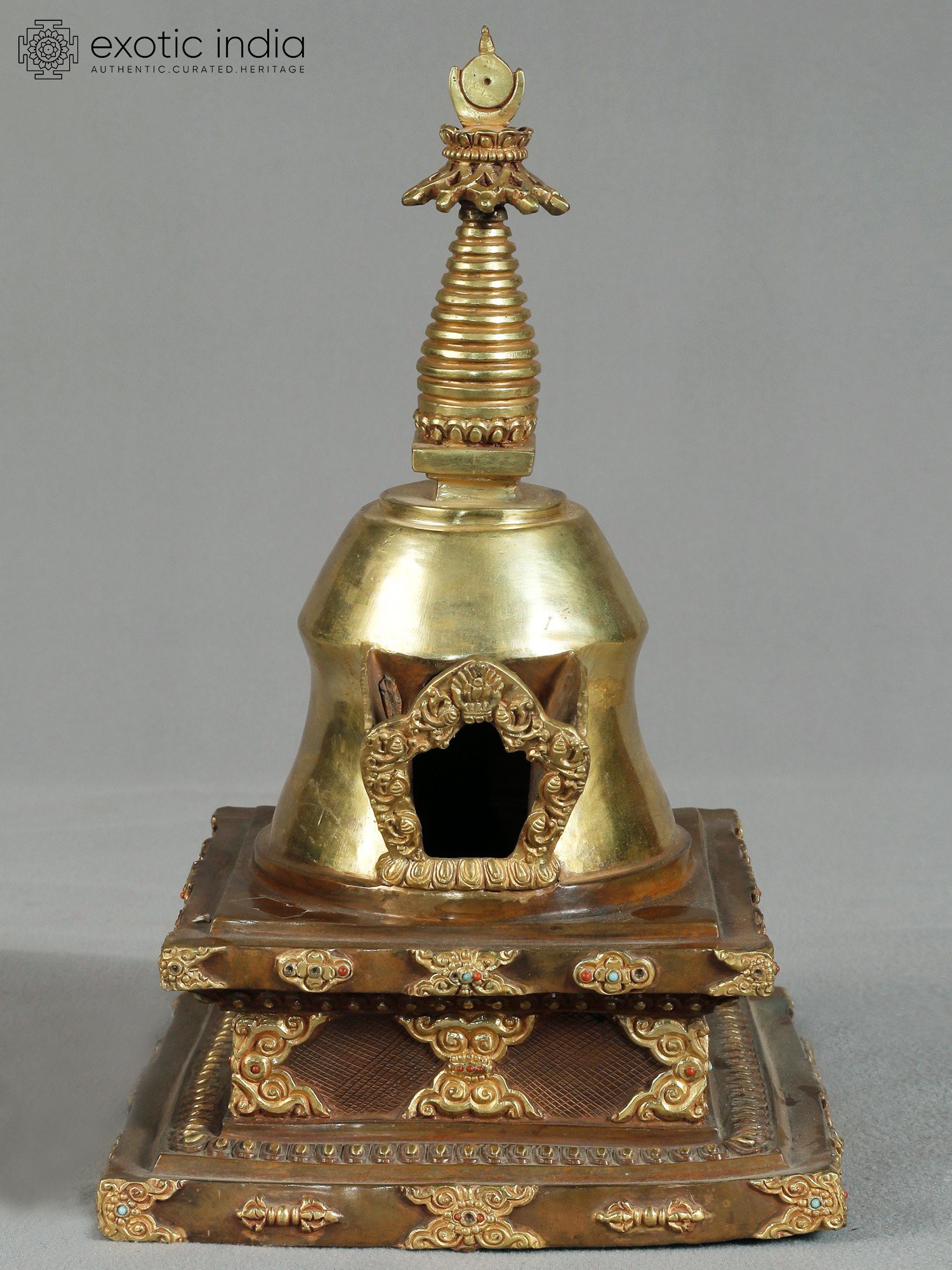
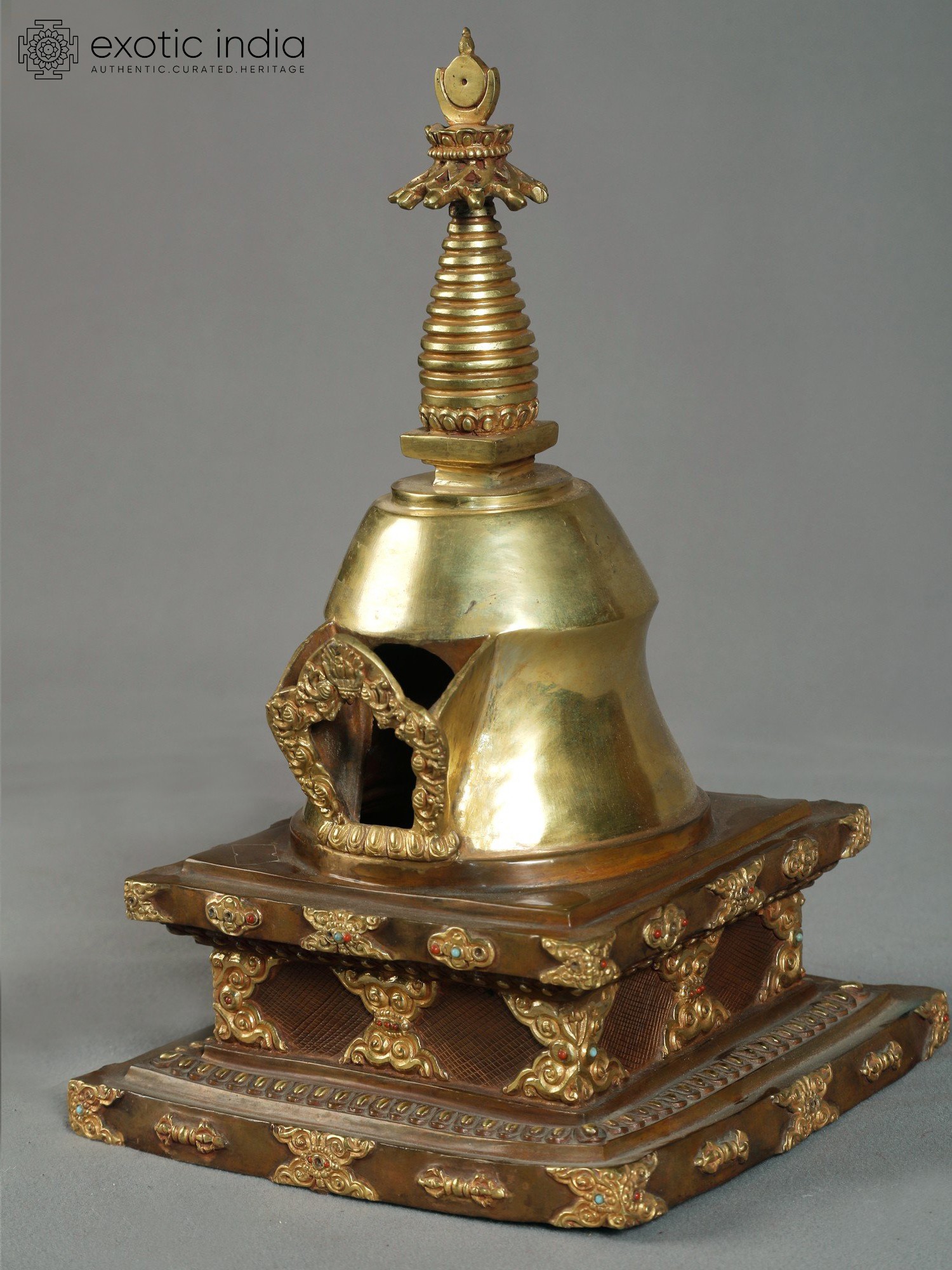
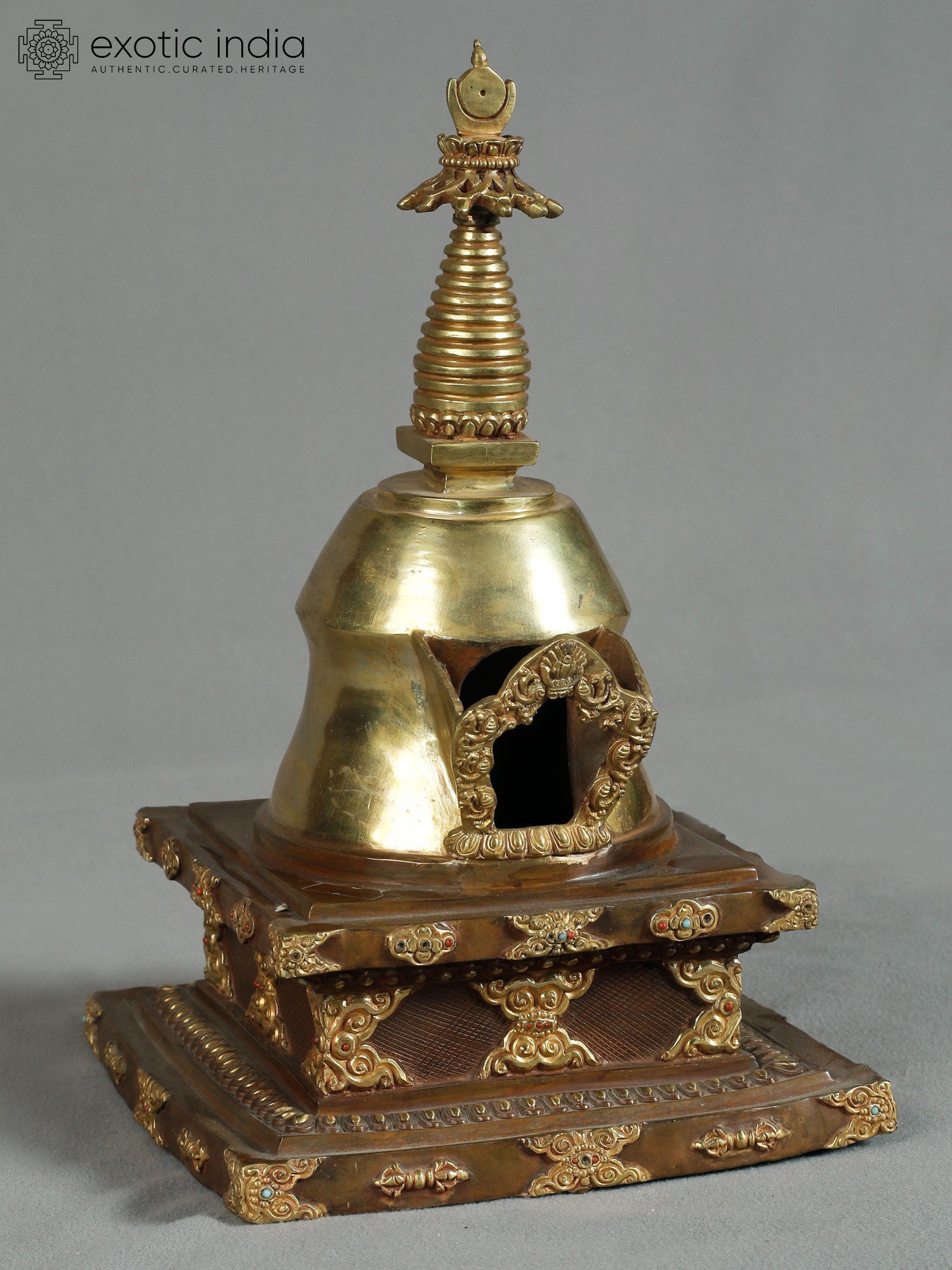
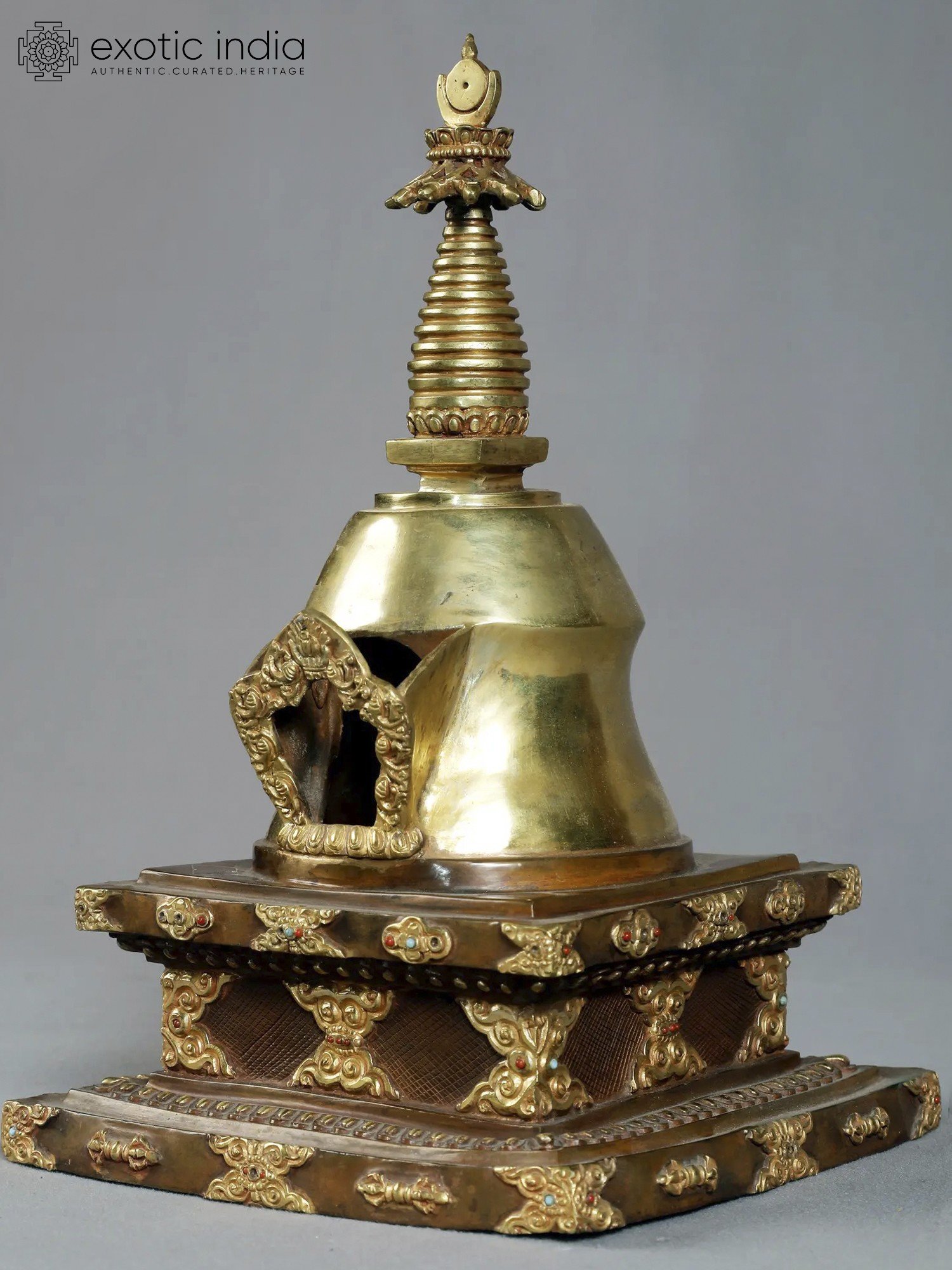
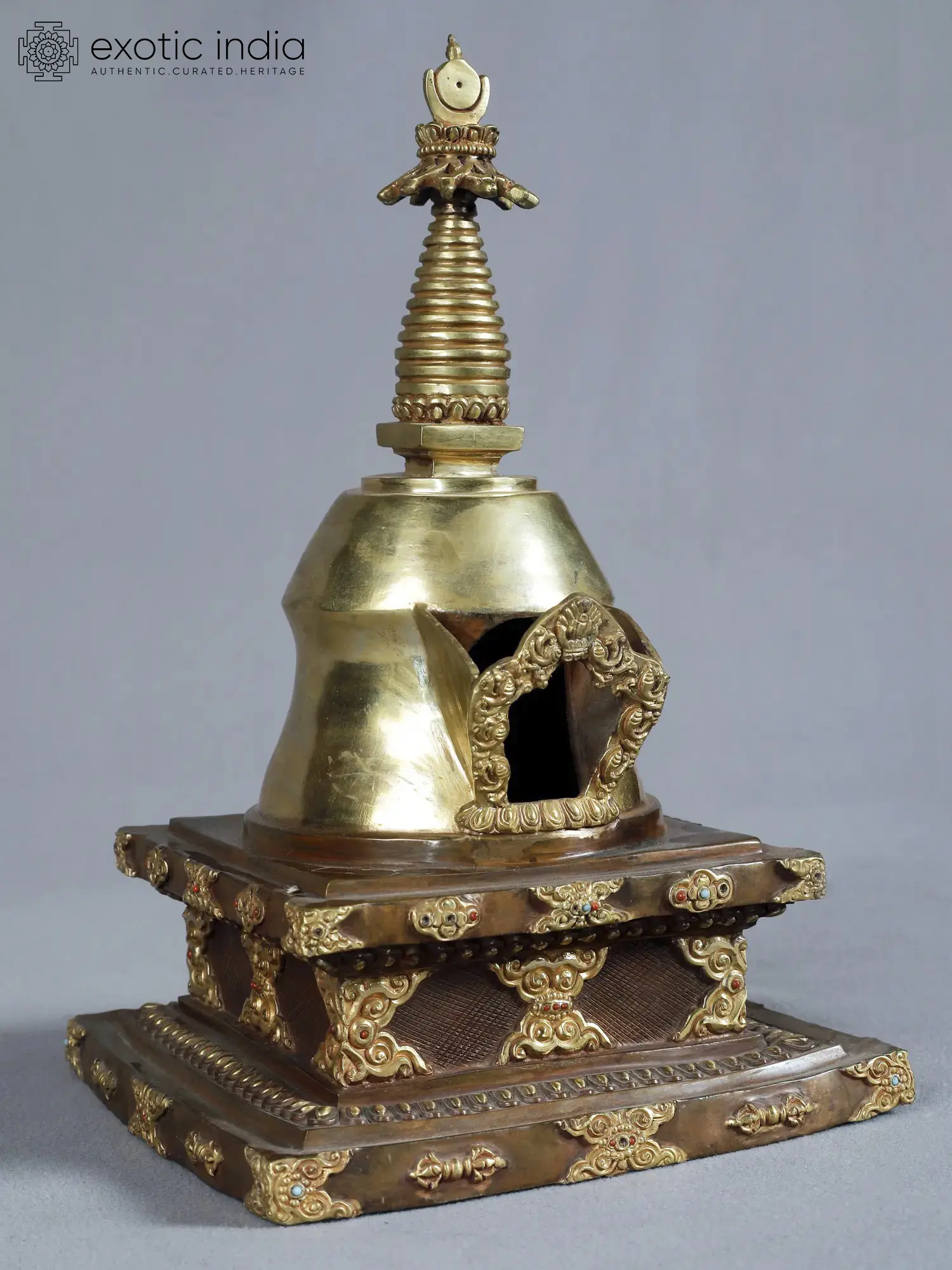
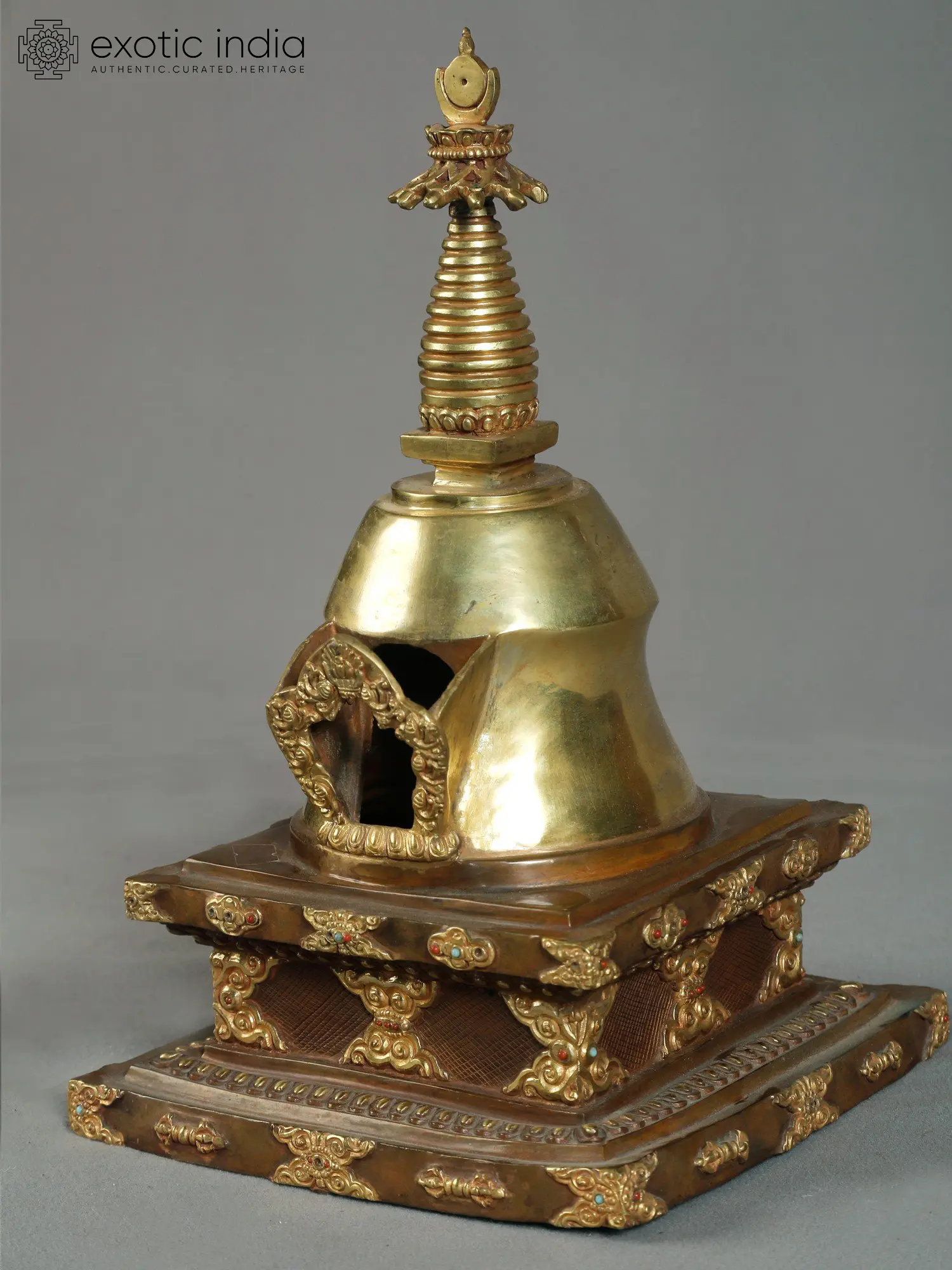
This exquisite stupa, crafted from radiant copper and embellished with a luminous gold finish, stands as a profound symbol of Buddhist philosophy and artistry. Its form, reminiscent of ancient sacred mounds, evokes a sense of tranquility and spiritual aspiration. More than just an artifact, it is a tangible representation of enlightenment, a testament to the pursuit of spiritual awakening, and a powerful emblem for prayer and meditation.The Divine Presence of Namgyalma
At the heart of this stupa lies the venerated deity Namgyalma, also known as Ushnishavijaya. She is one of the three long-life deities in Tibetan Buddhism, revered for her ability to grant longevity, purify negative karma, and overcome obstacles to spiritual progress. Her image is often depicted with three faces and eight arms, symbolizing her multifaceted compassion and wisdom. The stupa itself serves as a physical representation of her enlightened mind and her boundless blessings, bringing peace and prosperity to all who behold it. In ancient tales, it is said that those who consecrate stupas dedicated to Namgyalma are blessed with a long and healthy life, free from suffering and misfortune.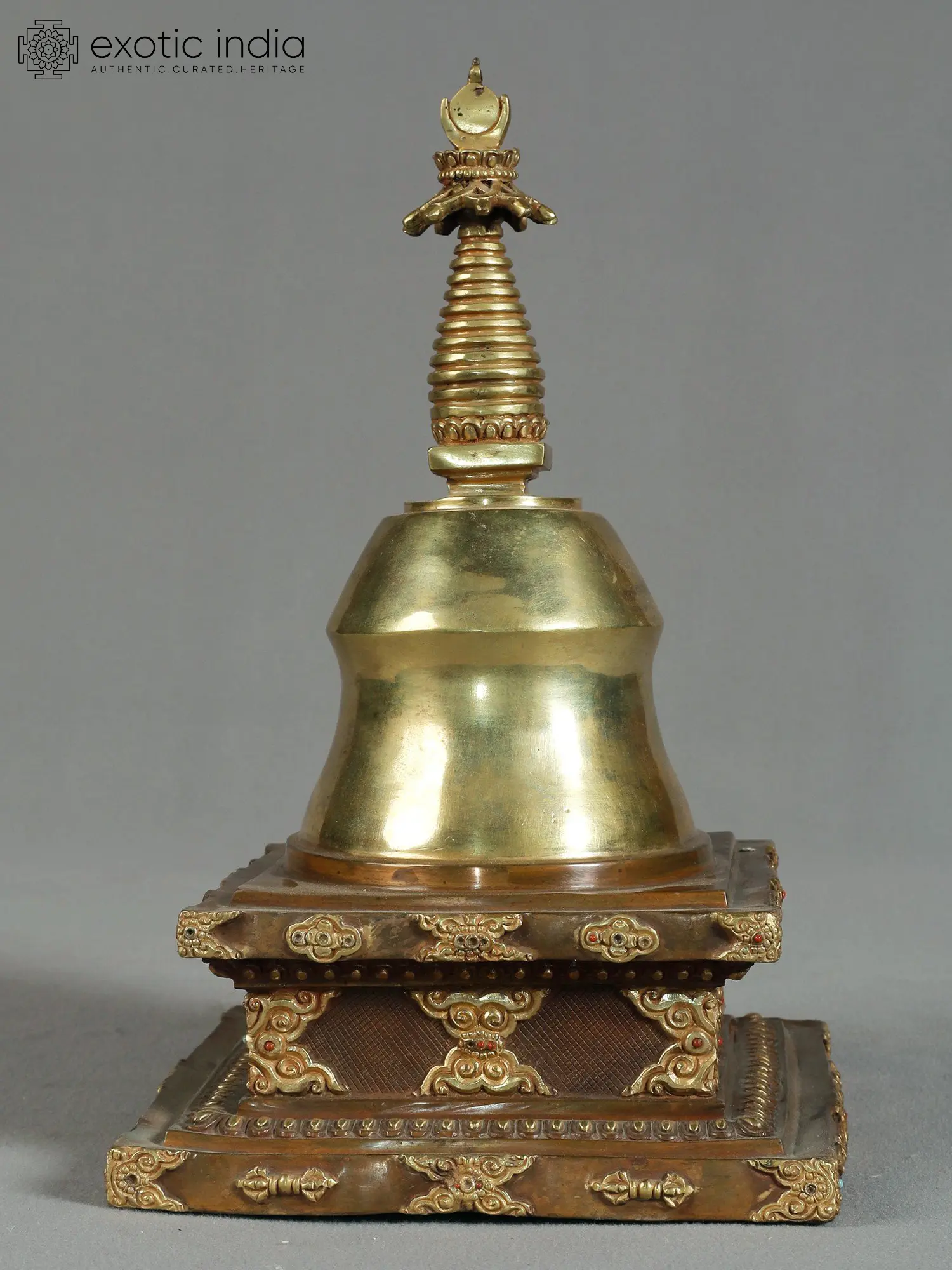
Artistry and Sacred Geometry
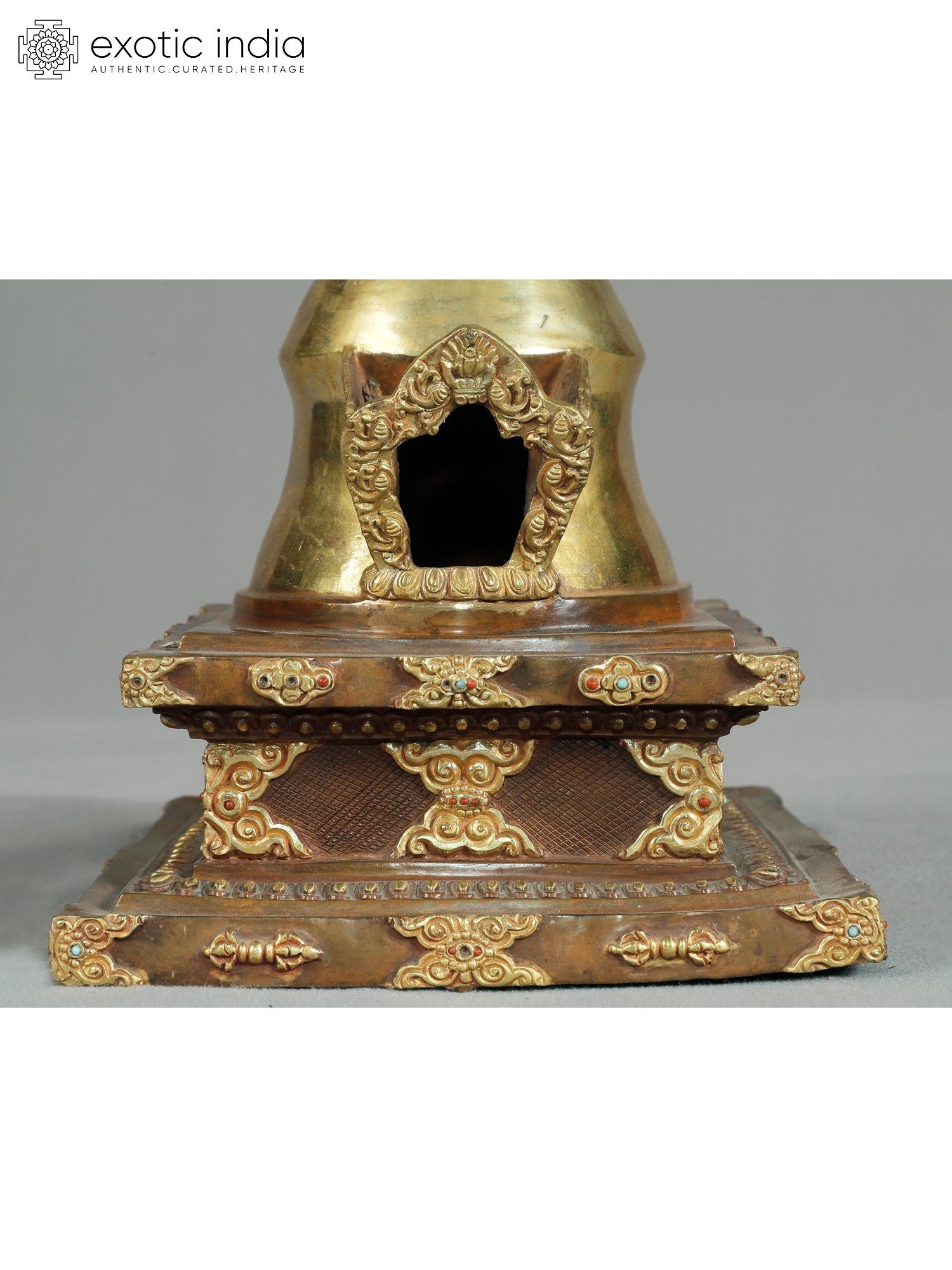
The intricate detailing of this stupa showcases the masterful craftsmanship of Nepalese artisans. The tiered base, adorned with ornate scrollwork and semi-precious stones, provides a stable foundation for the dome-shaped body. The dome, a classic architectural element of stupas, represents the dome of the heavens, encompassing the universe. Rising from the dome is a spire, culminating in a finial that symbolizes the highest state of consciousness. The presence of a small, recessed archway on the body of the stupa is a common feature, often representing the entrance to the sacred space within, where relics or mantras are traditionally kept. The entire structure is designed with a harmonious balance, reflecting the sacred geometry that underpins Buddhist cosmology. The gleam of the gold finish accentuates the divine aura of the deity and the sacred nature of the object, inviting contemplation and devotion.A Vessel of Blessings and Protection
Possessing and honoring this Namgyalma stupa is believed to invoke powerful blessings. It is a potent tool for purifying negative energies, both within oneself and in one's surroundings. The act of circumambulating the stupa, a common practice in Tibetan Buddhism, is considered an act of merit, accumulating positive karma and strengthening one's connection to the divine. It is a potent reminder of the impermanence of life and the importance of cultivating wisdom and compassion. Whether placed in a home shrine, a meditation space, or a place of worship, this stupa serves as a constant source of inspiration, a beacon of hope, and a powerful protector against the adversities of life. Its presence invites serenity, fosters spiritual growth, and bestows the auspicious blessings of Namgyalma.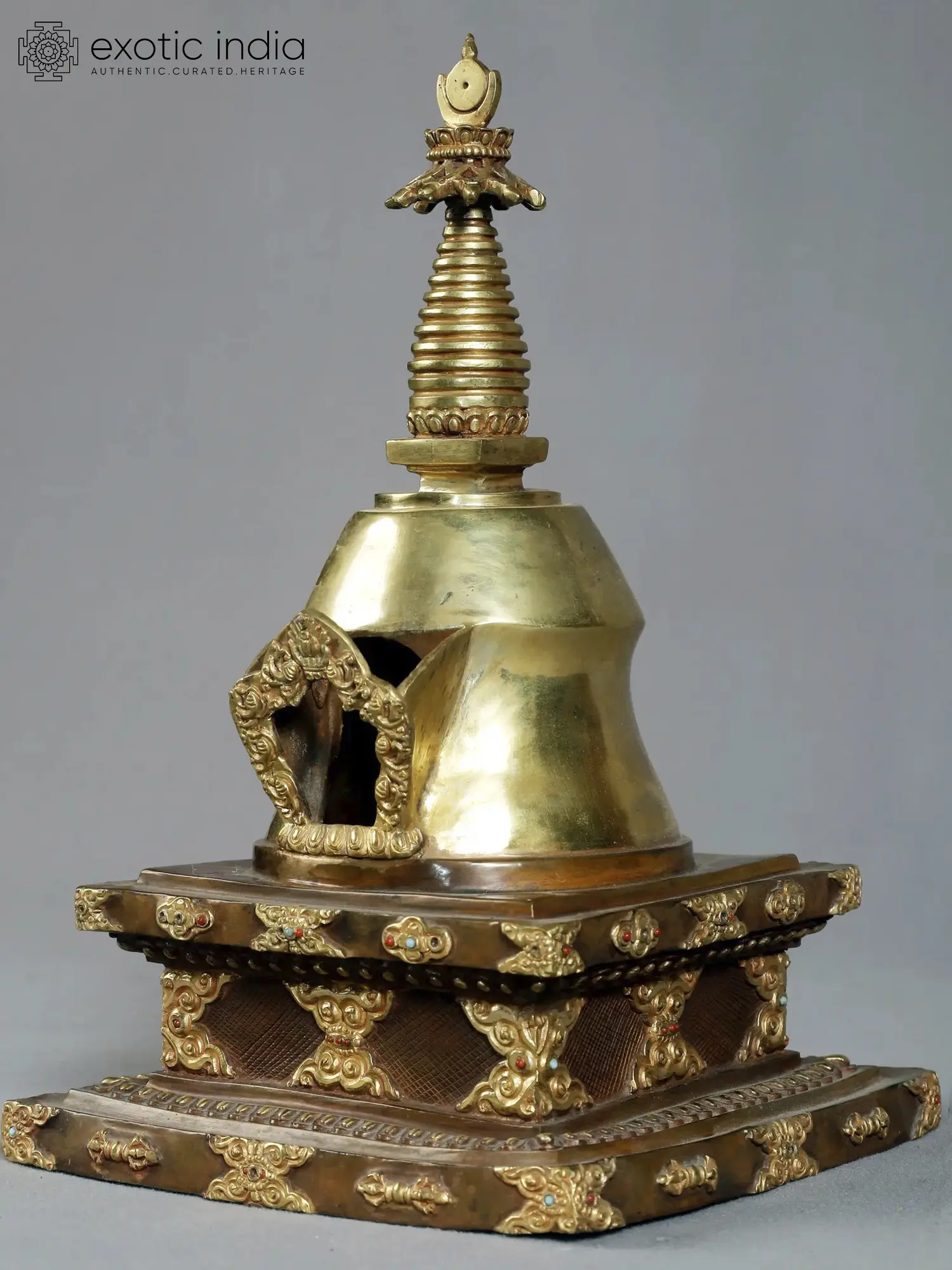
How are Nepalese copper statues made?
Nepalese statues and sculptures are best known for their unique
small religious figures and ritual paraphernalia for over two
thousand years. These are mainly cast in copper alloy. Nepal draws
influences from the artistic styles of Buddhism and Hinduism, and
therefore the sculptors of the country specialize in making the
icons of both these religions. Over the years, Nepalese sculptures
evolved into their own distinctive iconography. Some
characteristic features of these sculptures that differ from other
pieces are exaggerated physical postures, youthful and sensual
features, languid eyes, wider faces having serene expressions, and
ornate flourishes. The Buddhist deity icons of Nepal have
tremendous demand in countries such as China and Tibet for ritual
purposes in their temples and monasteries.
Nepalese statues and sculptures have a high copper content and therefore develop a slightly reddish patina on the surface as they age. However, the most unique feature of Nepalese copper statues is their decorative detailing. The pieces are heavily gilded and sometimes inlaid with semi-precious stones. This embellishment protects them from getting tarnished. The traditional lost-wax method for casting Nepalese copper statues remains the most practiced technique in Nepal for many centuries. This process involves many steps and requires skilled artists.
The first step in lost-wax sculpting is to make a wax replica of the desired Buddhist deity to be cast in copper. This replica is created by hand and therefore needs excellent artistic skills otherwise fine features will be lacking.
Once the wax replica is made, it is then coated with a special mixture of clay with a brush. This layer of clay is hardened when left to dry. A small hole is made on the base of the wax mould so that the wax flows away when it is heated.
Nepalese statues and sculptures have a high copper content and therefore develop a slightly reddish patina on the surface as they age. However, the most unique feature of Nepalese copper statues is their decorative detailing. The pieces are heavily gilded and sometimes inlaid with semi-precious stones. This embellishment protects them from getting tarnished. The traditional lost-wax method for casting Nepalese copper statues remains the most practiced technique in Nepal for many centuries. This process involves many steps and requires skilled artists.
The first step in lost-wax sculpting is to make a wax replica of the desired Buddhist deity to be cast in copper. This replica is created by hand and therefore needs excellent artistic skills otherwise fine features will be lacking.
Once the wax replica is made, it is then coated with a special mixture of clay with a brush. This layer of clay is hardened when left to dry. A small hole is made on the base of the wax mould so that the wax flows away when it is heated.
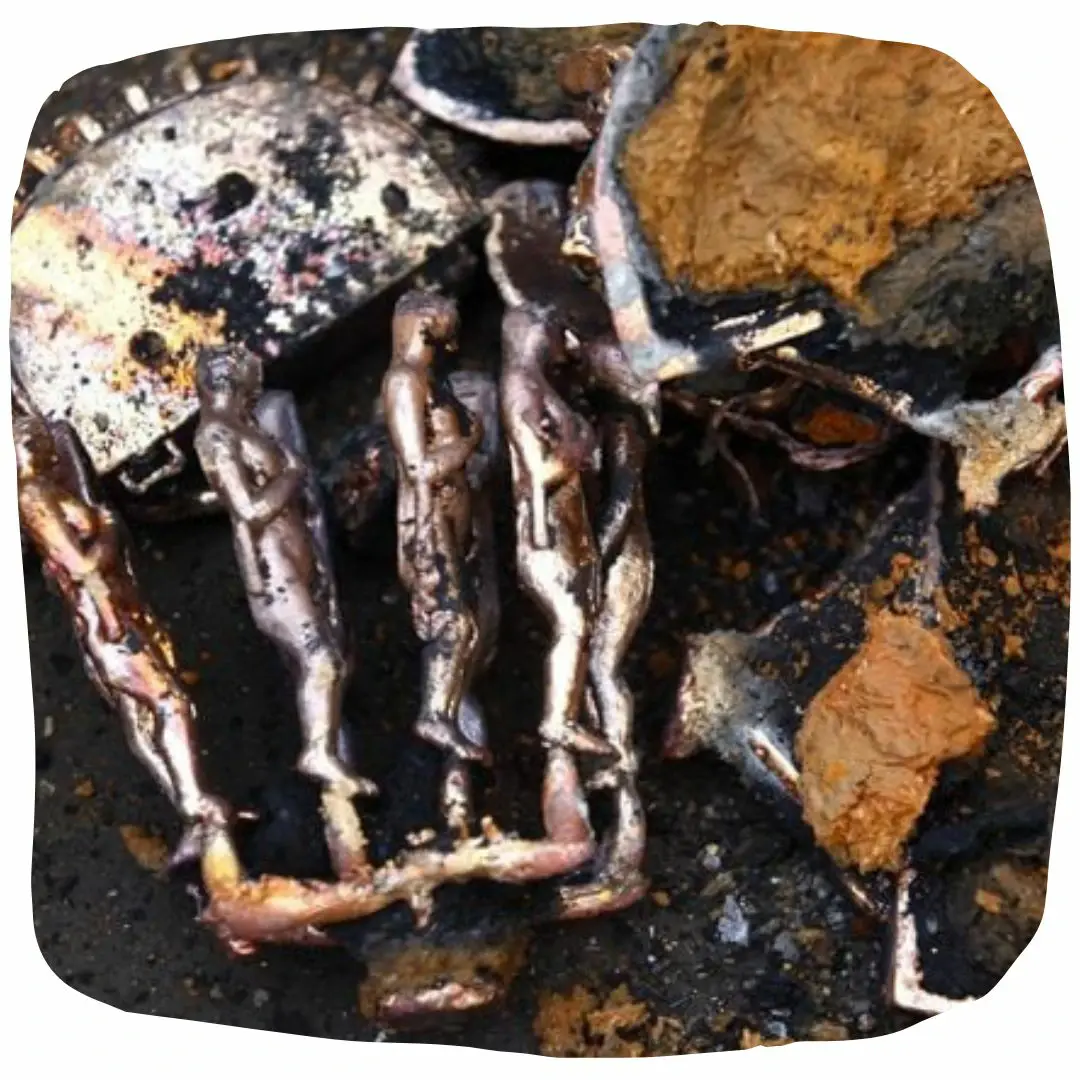
At this stage, a hollow mould in the shape of the deity is
obtained.
This is the time to pour liquid copper into the hollow mould which is then allowed to cool and harden inside a container of cold water. When the liquid metal has hardened, the mould is removed and the statue within is revealed.
This is the time to pour liquid copper into the hollow mould which is then allowed to cool and harden inside a container of cold water. When the liquid metal has hardened, the mould is removed and the statue within is revealed.
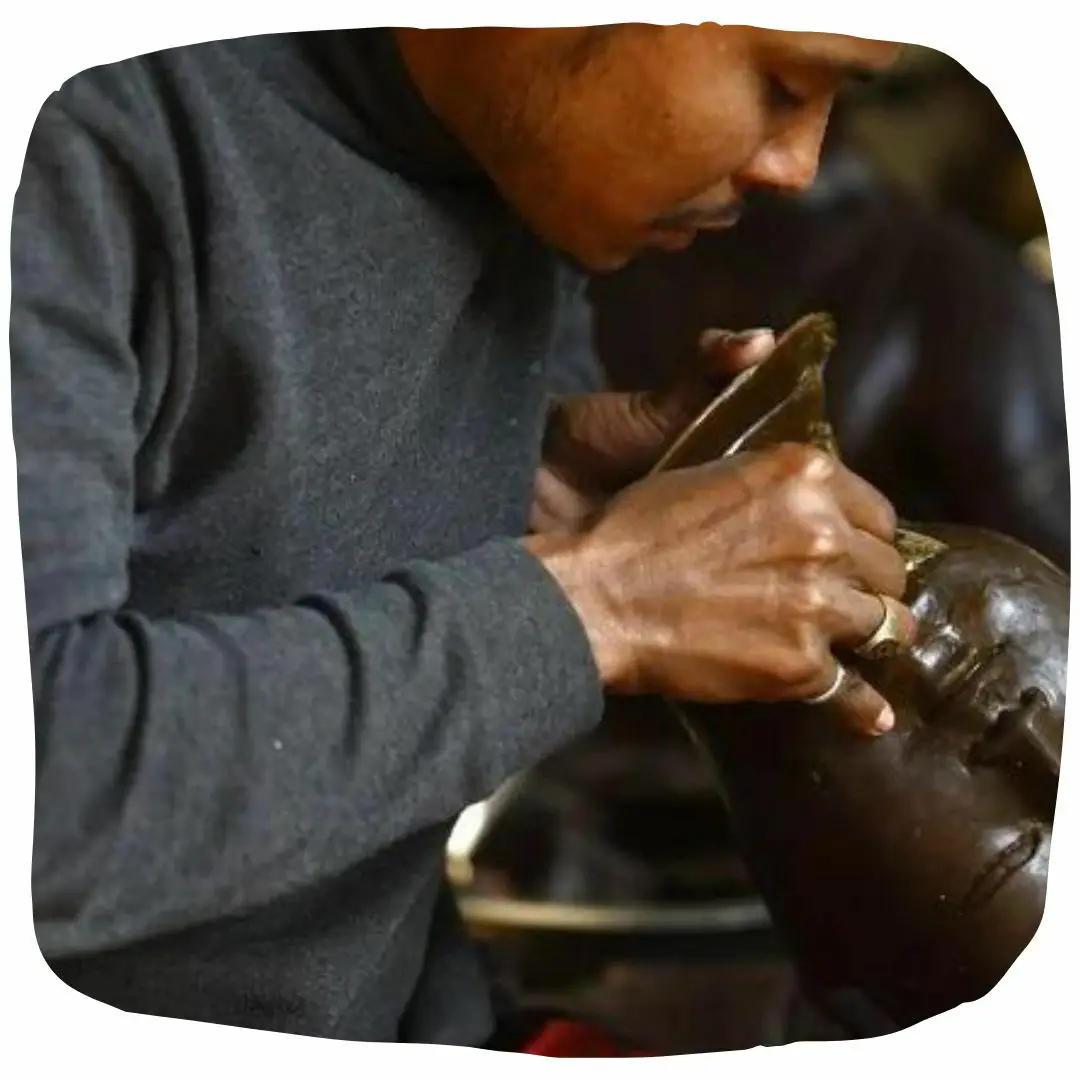
The artist works on the details of the statue using various tools.
It is then polished to get a shiny and lustrous surface.
Now comes the most important part of Nepalese art which is gold gilding. This is done by the traditional fire gilding method. A mixture of mercury and 18K gold is applied on the surface of the statue and heat is applied using a flame torch. The result is that mercury evaporates along with impurities, leaving a pure 24K gold finish.
Now comes the most important part of Nepalese art which is gold gilding. This is done by the traditional fire gilding method. A mixture of mercury and 18K gold is applied on the surface of the statue and heat is applied using a flame torch. The result is that mercury evaporates along with impurities, leaving a pure 24K gold finish.
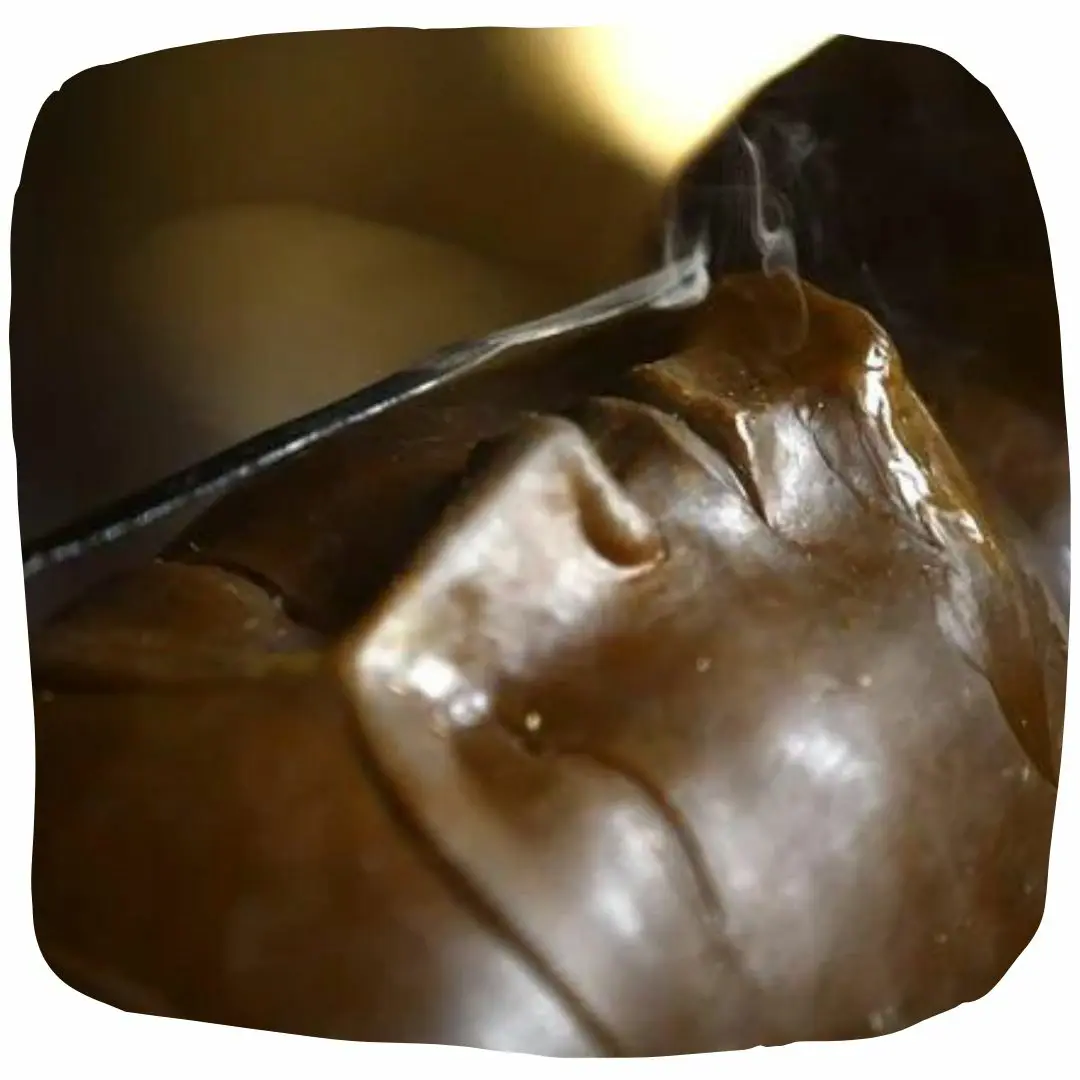
The lost-wax method of sculpting is the most preferred technique
for artists to cast a metallic statue having intricate details. Since Nepalese copper sculptures require extraneous effort for giving a majestic look by adding special embellishments, it takes several weeks to complete one masterpiece. A 24K gold gilded copper sculpture retains its brilliant luster for many years and appears as like before. Nepalese sculptures continue to remain one of the finest specimens of the art of the East that have a strong aesthetic appeal that other sculptures cannot match.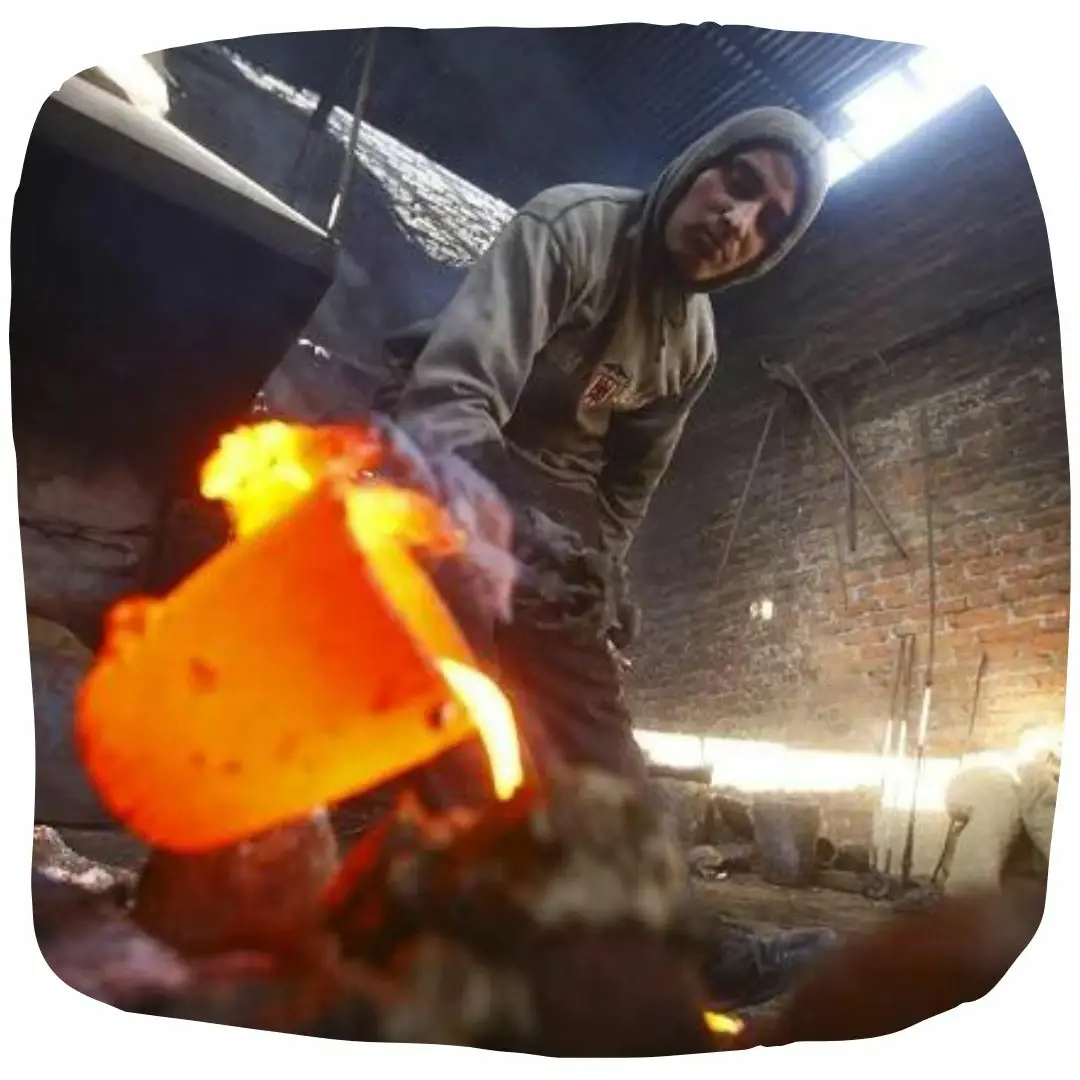
Products related to this item
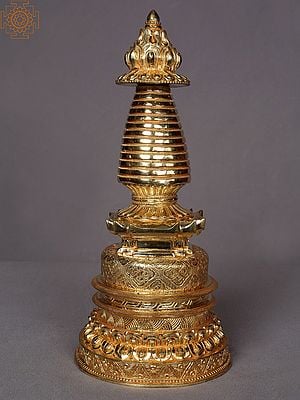
12.00 inch Height X 5.00 inch Width X 5.00 inch Depth
$1432
Includes any tariffs and taxes
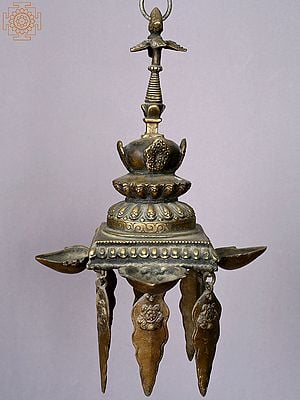
12.00 inch Height X 8.00 inch Width X 8.00 inch Depth
$552
Includes any tariffs and taxes
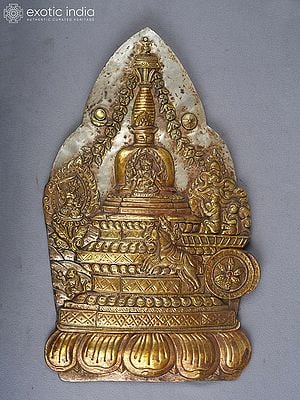
13.5 inch Height X 9.5 inch Width X 1 inch Length
$132
Includes any tariffs and taxes
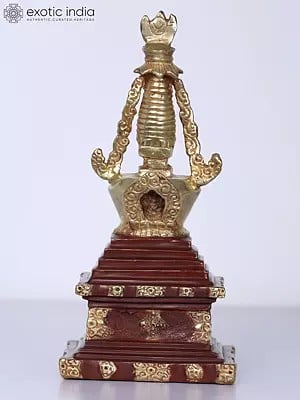
9 inch Height X 4 inch Width X 4 inch Depth
$449
Includes any tariffs and taxes
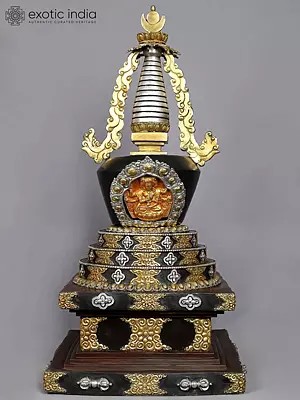
25.00 inch Height X 12.00 inch Width X 12.00 inch Depth
$2777
Includes any tariffs and taxes
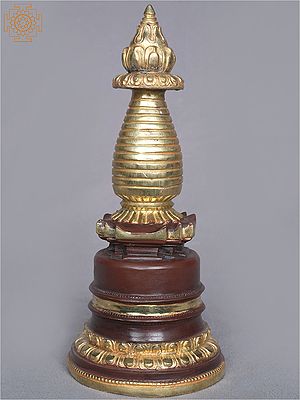
9.00 inch Height X 4.00 inch Width X 4.00 inch Depth
$483
Includes any tariffs and taxes
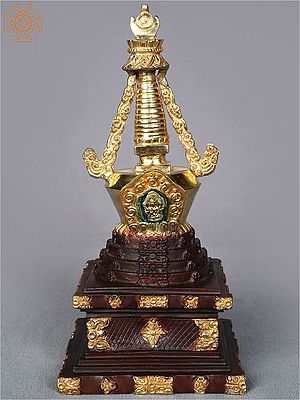
9.00 inch Height X 4.50 inch Width X 4.50 inch Depth
$483
Includes any tariffs and taxes
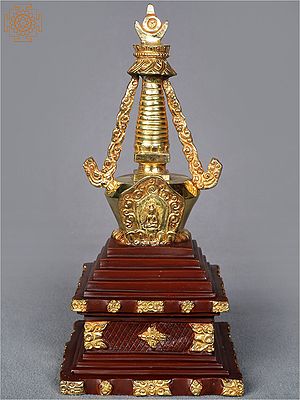
9.00 inch Height X 4.50 inch Width X 4.50 inch Depth
$483
Includes any tariffs and taxes
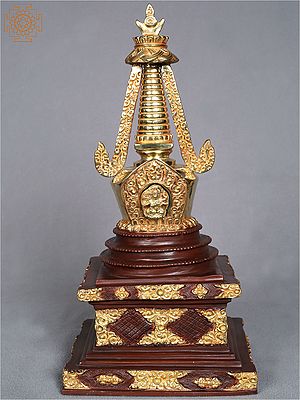
12.00 inch Height X 6.00 inch Width X 6.00 inch Depth
$690
Includes any tariffs and taxes
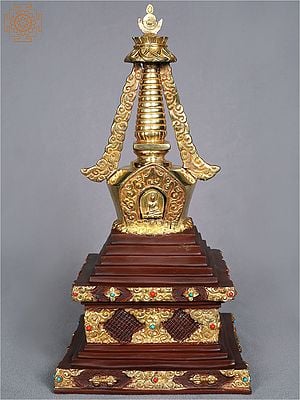
12.00 inch Height X 6.00 inch Width X 6.00 inch Depth
$690
Includes any tariffs and taxes
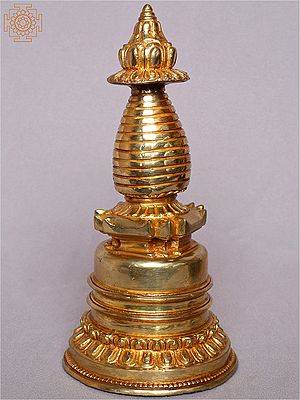
8.00 inch Height X 4.00 inch Width X 4.00 inch Depth
$604
Includes any tariffs and taxes
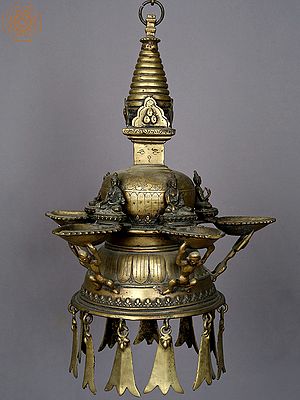
16.00 inch Height X 12.00 inch Width X 12.00 inch Depth
$1254
Includes any tariffs and taxes