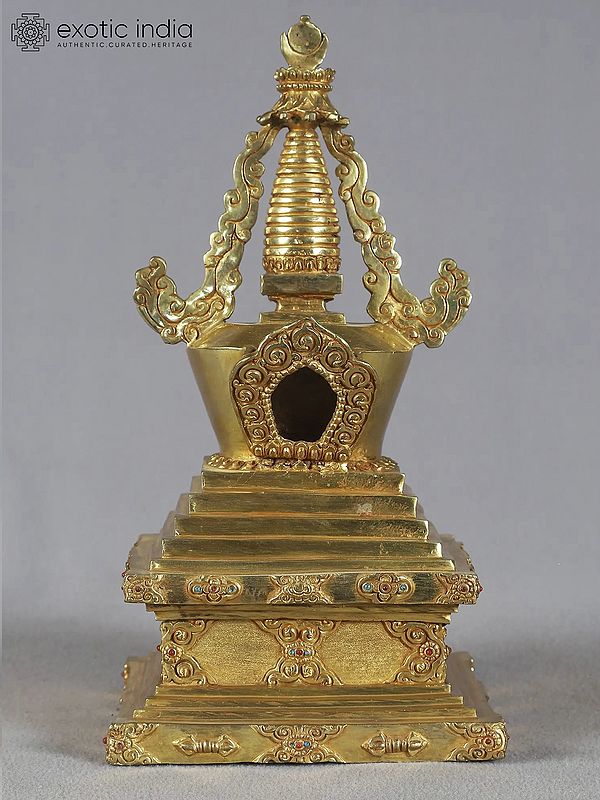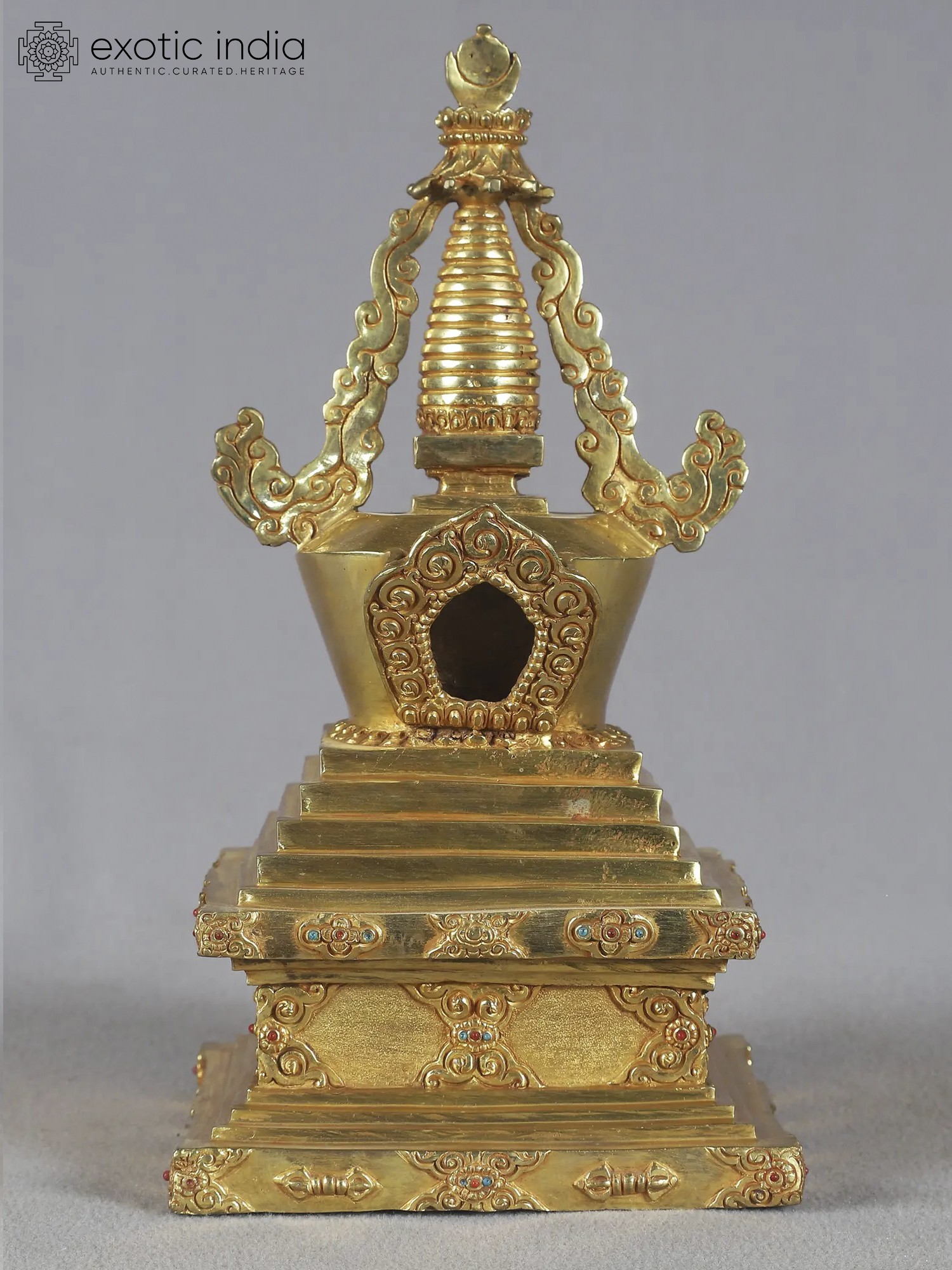
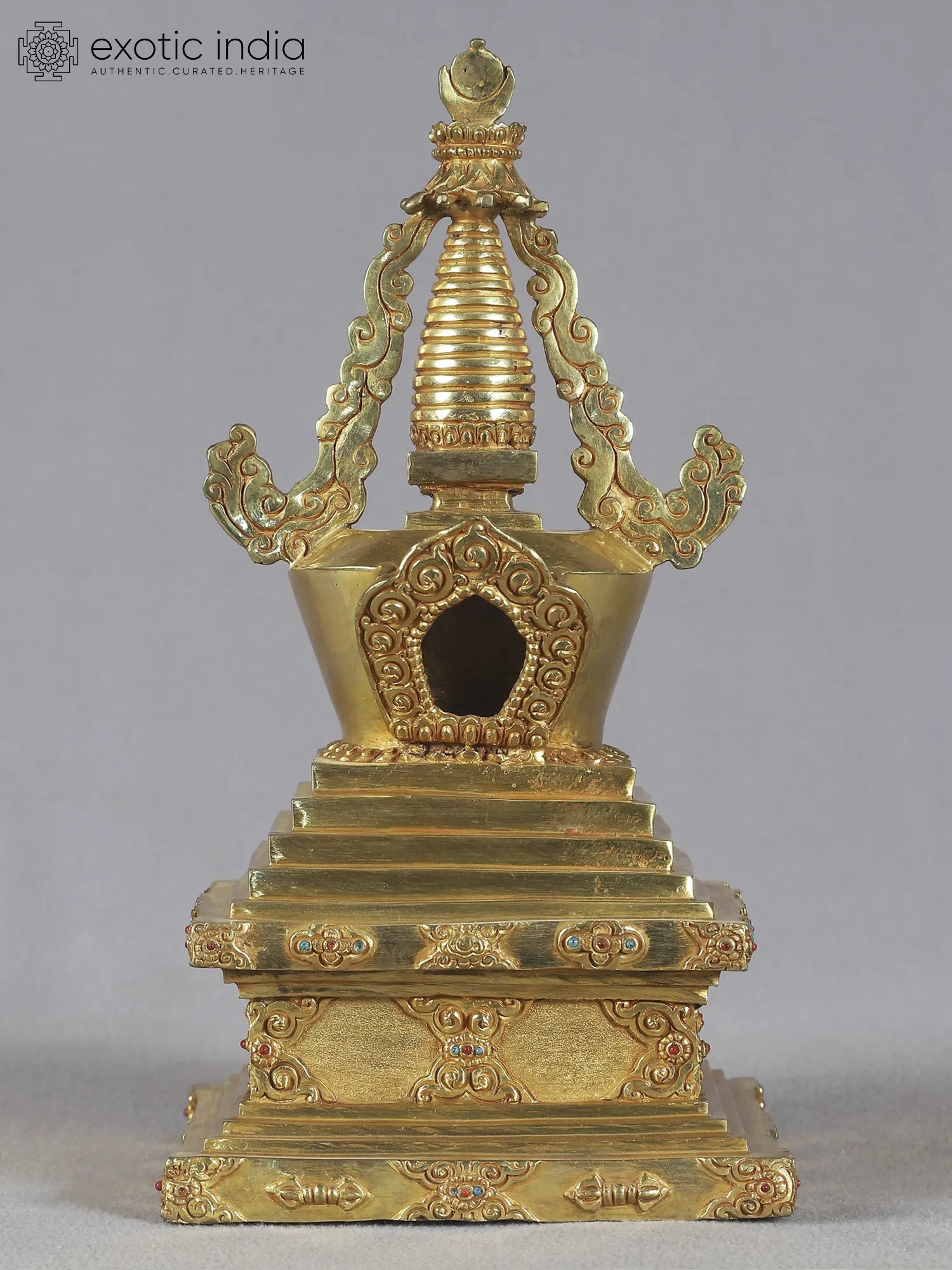
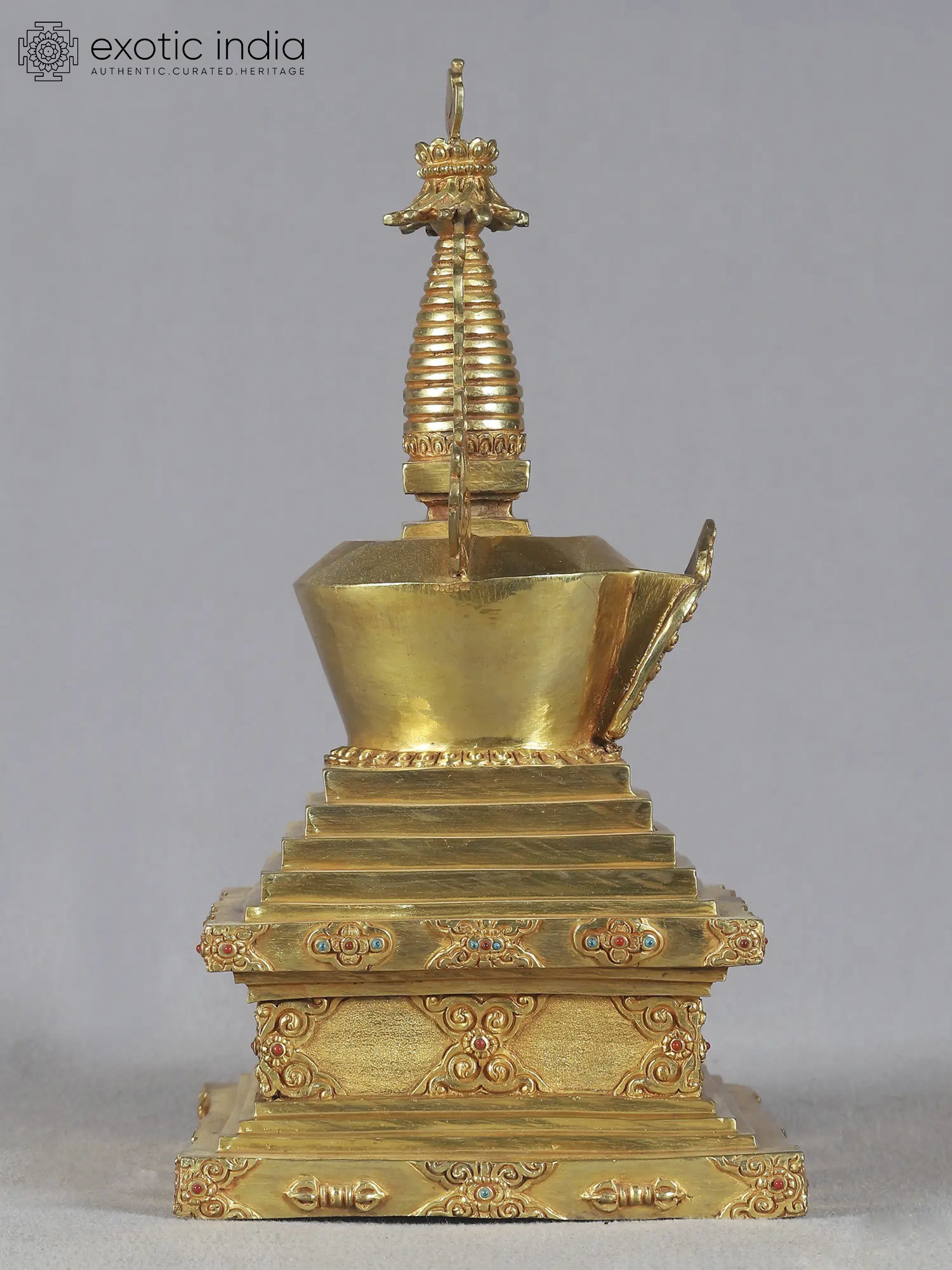
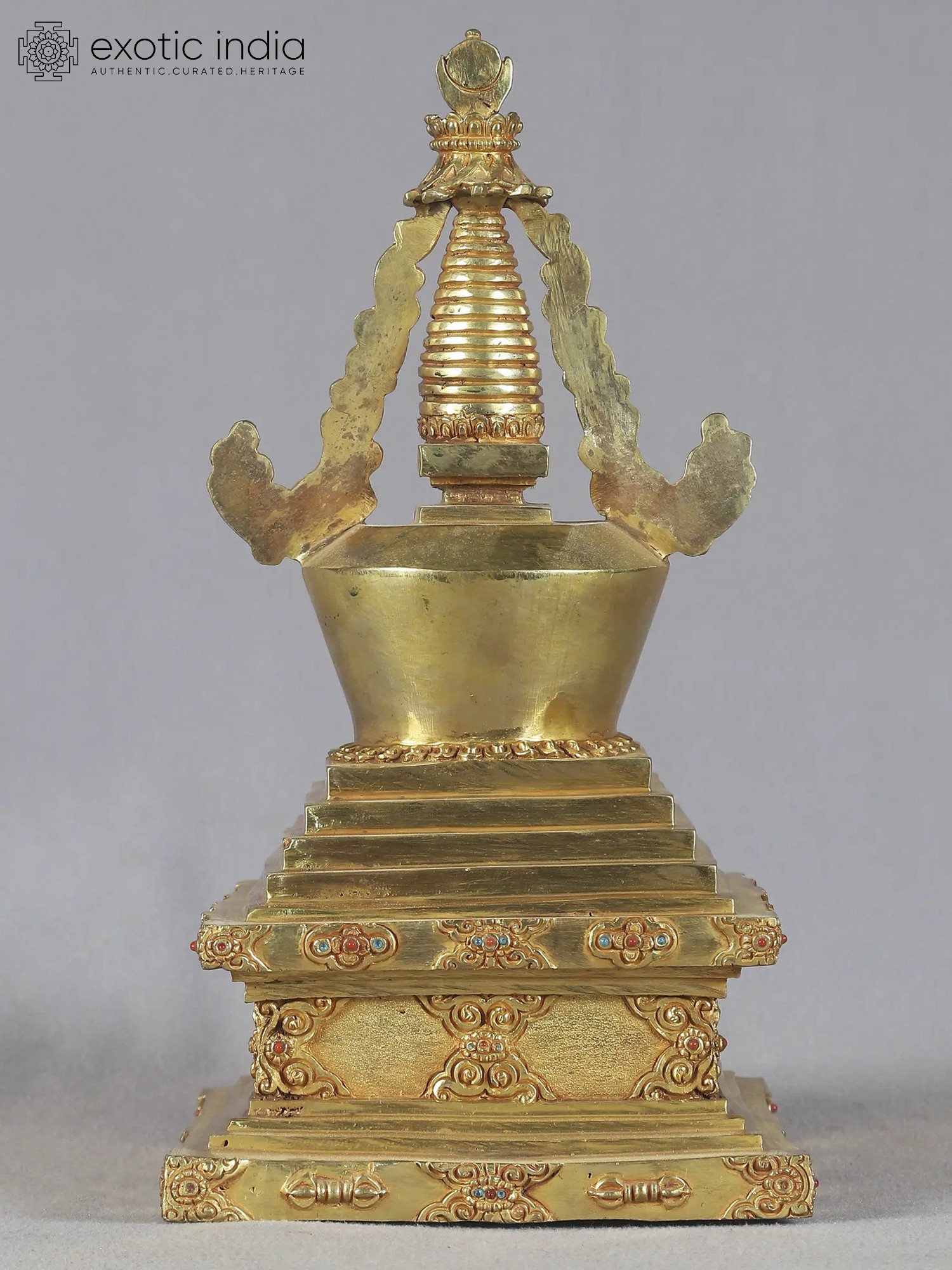
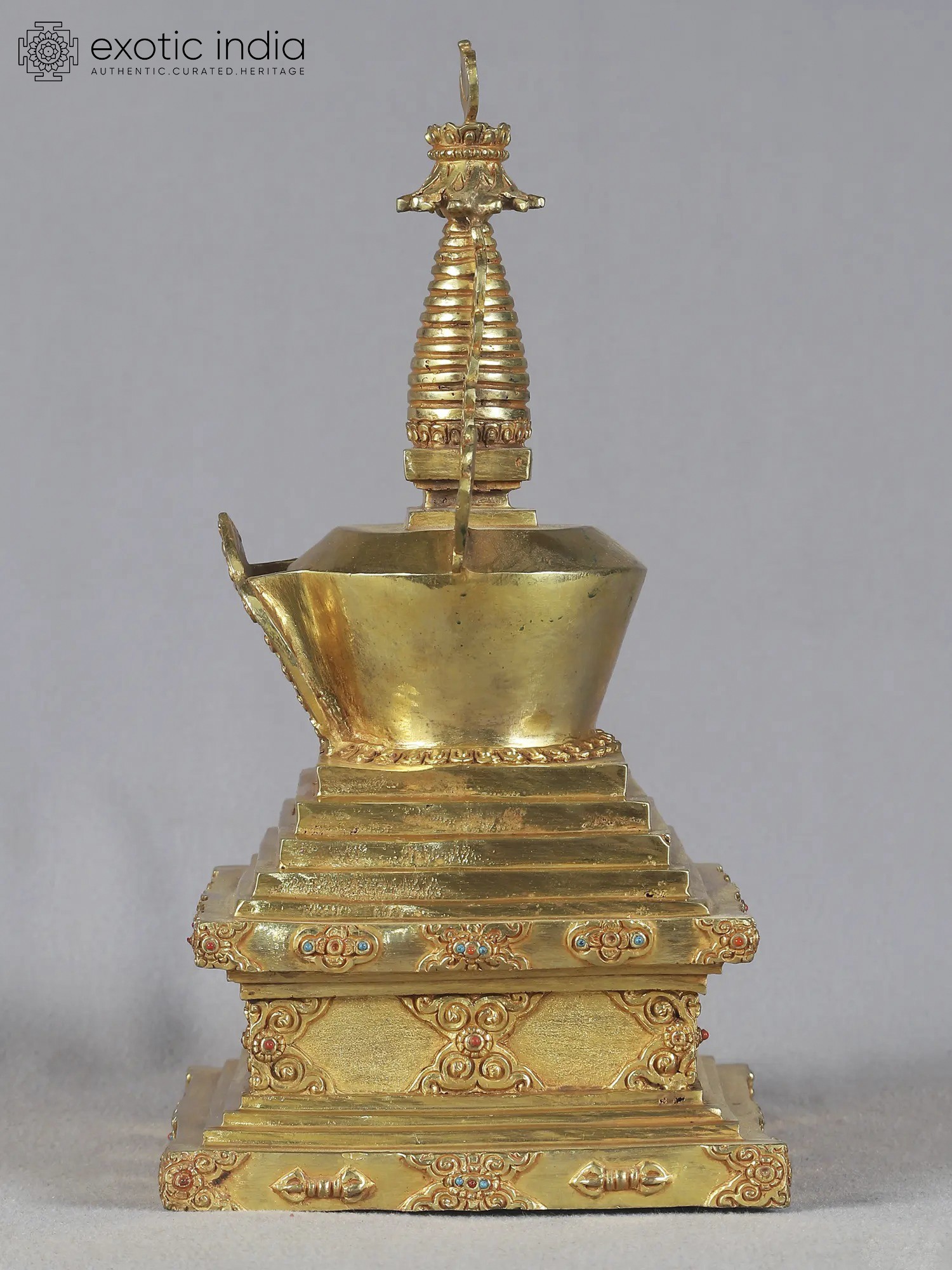
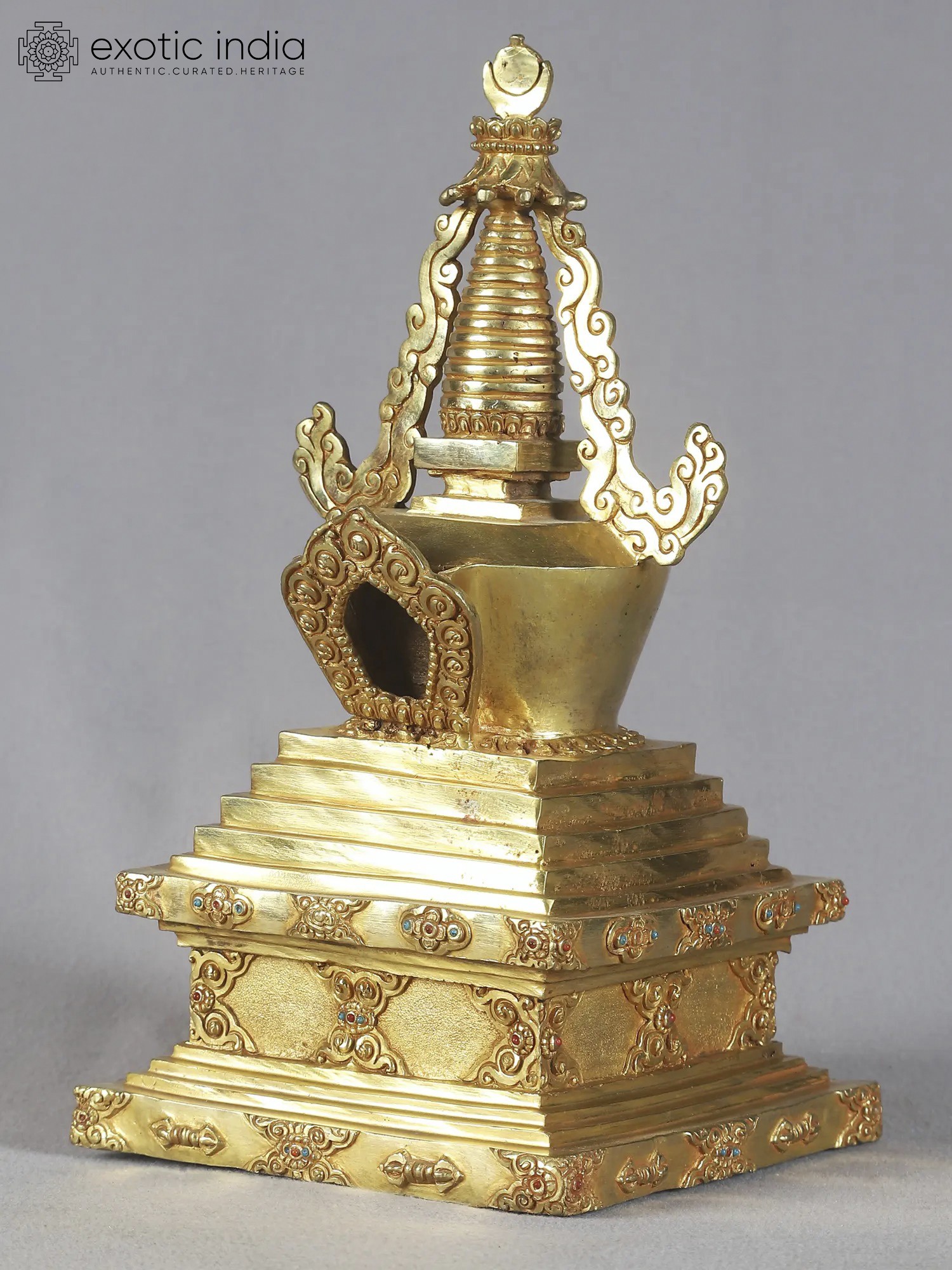
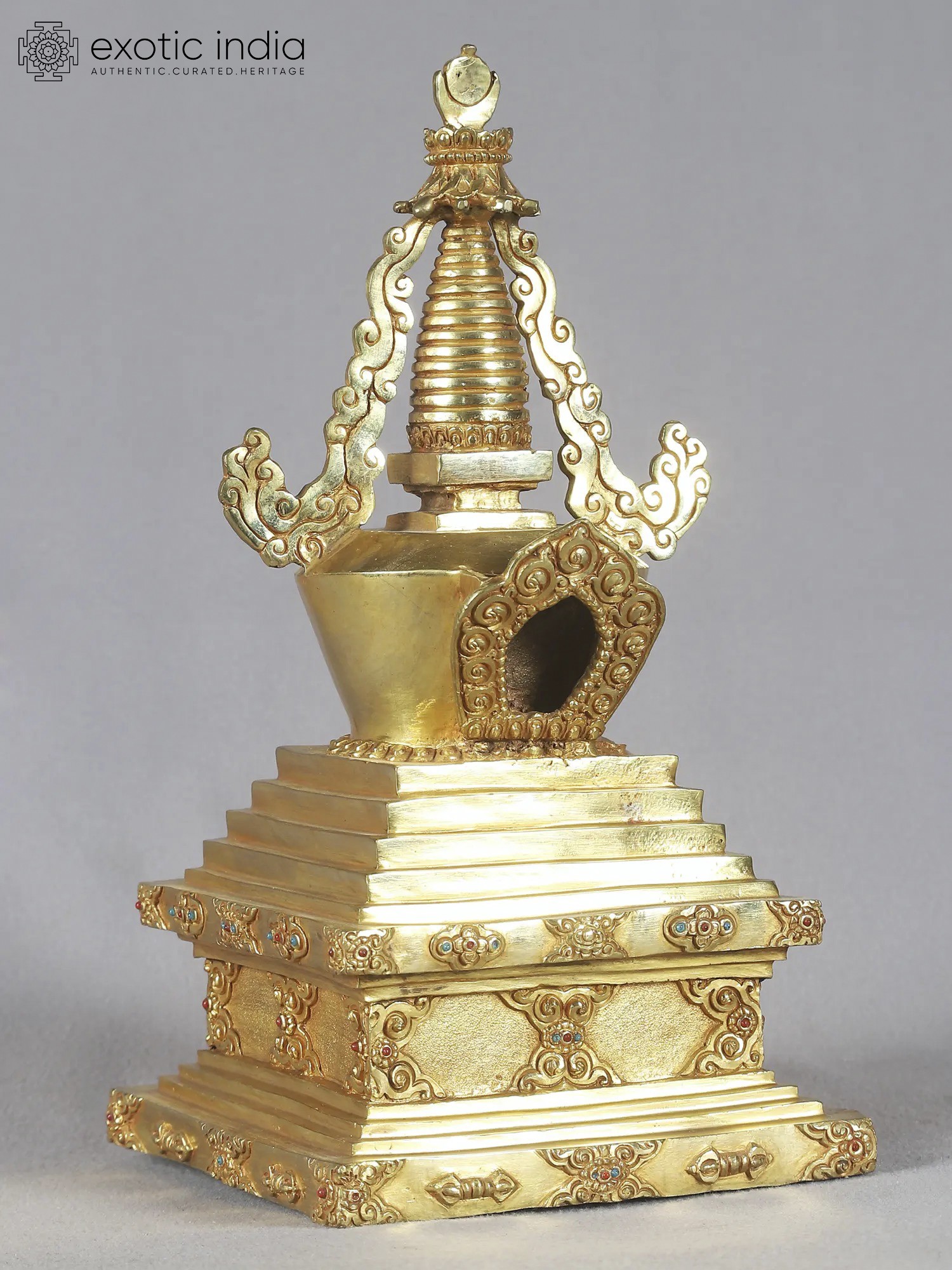
Golden Namgyalma Stupa: Symbol of Longevity
$822
Includes any tariffs and taxes

Only 1 available
Notify me when this item is available
| Specifications |
 |
CAA107 |
 |
Copper With Gold |
 |
Height: 11 inch |
| Width: 6 inch | |
| Depth: 6 inch | |
 |
Weight 2.50 kg |
| About the Item |
|
| Delivery and Return Policies |
 |
Usually ships in 6 days |
 |
Returns and Exchanges accepted within 7 days |
 |
Free Delivery |

Easy Returns

Fully Insured

100% Handmade
The Namgyalma
Stupa, a Buddhist monument, stands in honor of Tibet's freedom fighters.
Tibetan belief holds that anything touching the stupa becomes purified.
Rainwater on it is seen as a blessing. Visiting the stupa is thought to cleanse
the soul of bad karma. Encircled by prayer wheels, worshippers walk and pray. The stupa
bears immense spiritual importance, purifying karma, removing obstacles, and
fostering peace and prosperity in the area.
A Stupa, often
hemispherical, serves as a meditation site and holds relics, usually of
Buddhist monks or nuns. The architectural design traces its origins to the 3rd
century, reminiscent of styles from the era of King Ashoka's reign.
A Beacon of Auspiciousness and Longevity
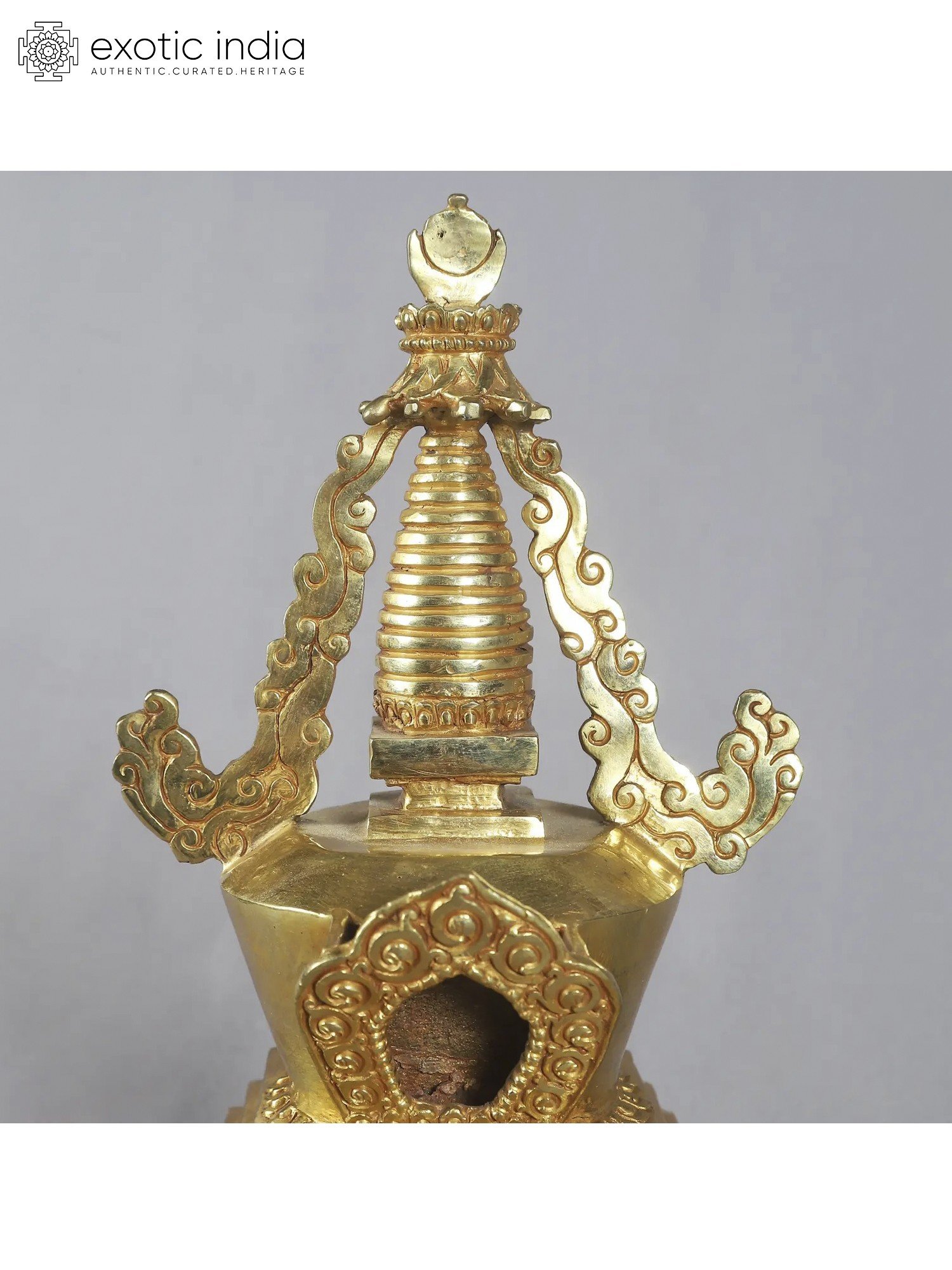
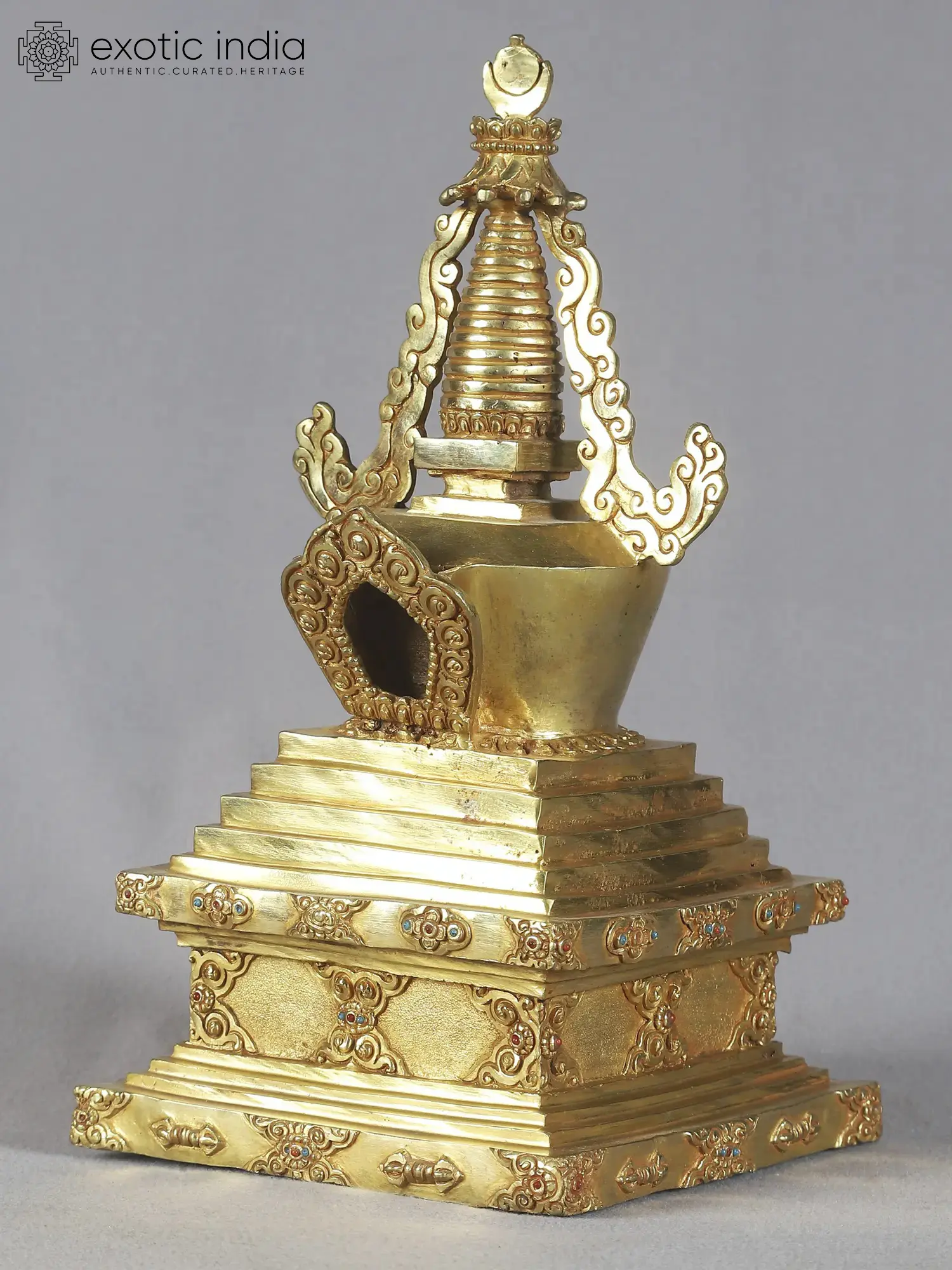
This exquisite stupa, crafted from resplendent copper and finished with a lustrous gold plating, stands as a powerful symbol of Buddhist blessings and a testament to masterful artistry. Standing at 11 inches tall, it embodies the spiritual essence of Nepalese craftsmanship, bringing a tangible piece of sacred heritage into your space. The intricate details and radiant sheen evoke a sense of profound peace and spiritual aspiration, making it a captivating focal point for meditation, devotion, or as a significant decorative artifact.The Symbolism of Namgyalma
The Namgyalma stupa, also known as the Ushnishavijaya stupa, is particularly revered for its association with longevity and the overcoming of obstacles. Namgyalma, the goddess of longevity, is a powerful female Buddha whose iconography is often incorporated into this type of stupa. Legends tell of her ability to grant long life, purify negative karma, and bestow freedom from the cycle of rebirth. Its presence is believed to ward off illness, prolong life, and bring about auspicious circumstances for all sentient beings. In Tibetan Buddhism, stupas are not merely decorative objects but are consecrated structures that house relics and sacred texts, serving as powerful reminders of the Buddha's enlightenment and the path to liberation. This particular stupa, with its finely detailed base and ascending tiers, replicates the architectural form of a stupa, often representing the five wisdoms and the path to enlightenment.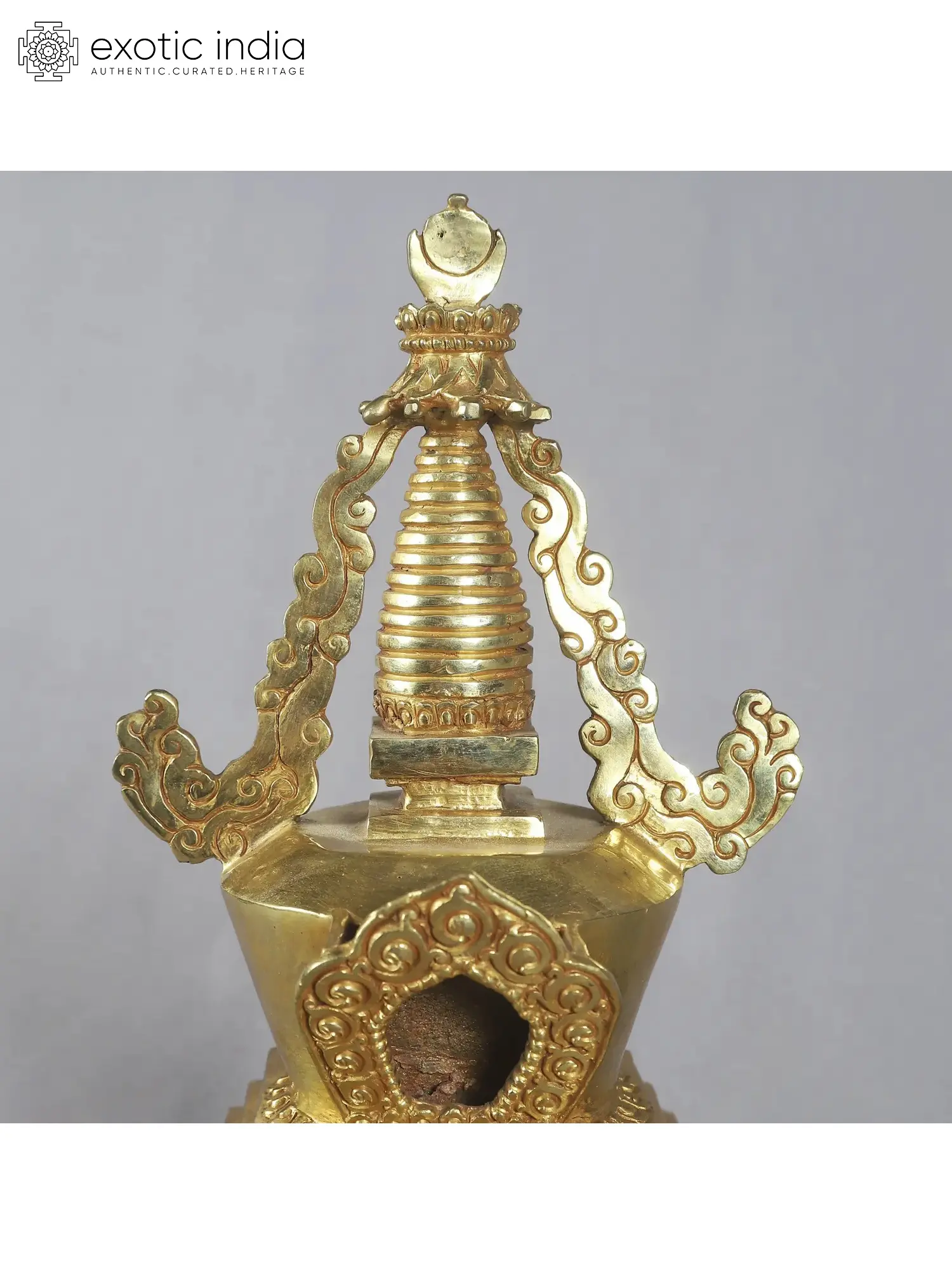
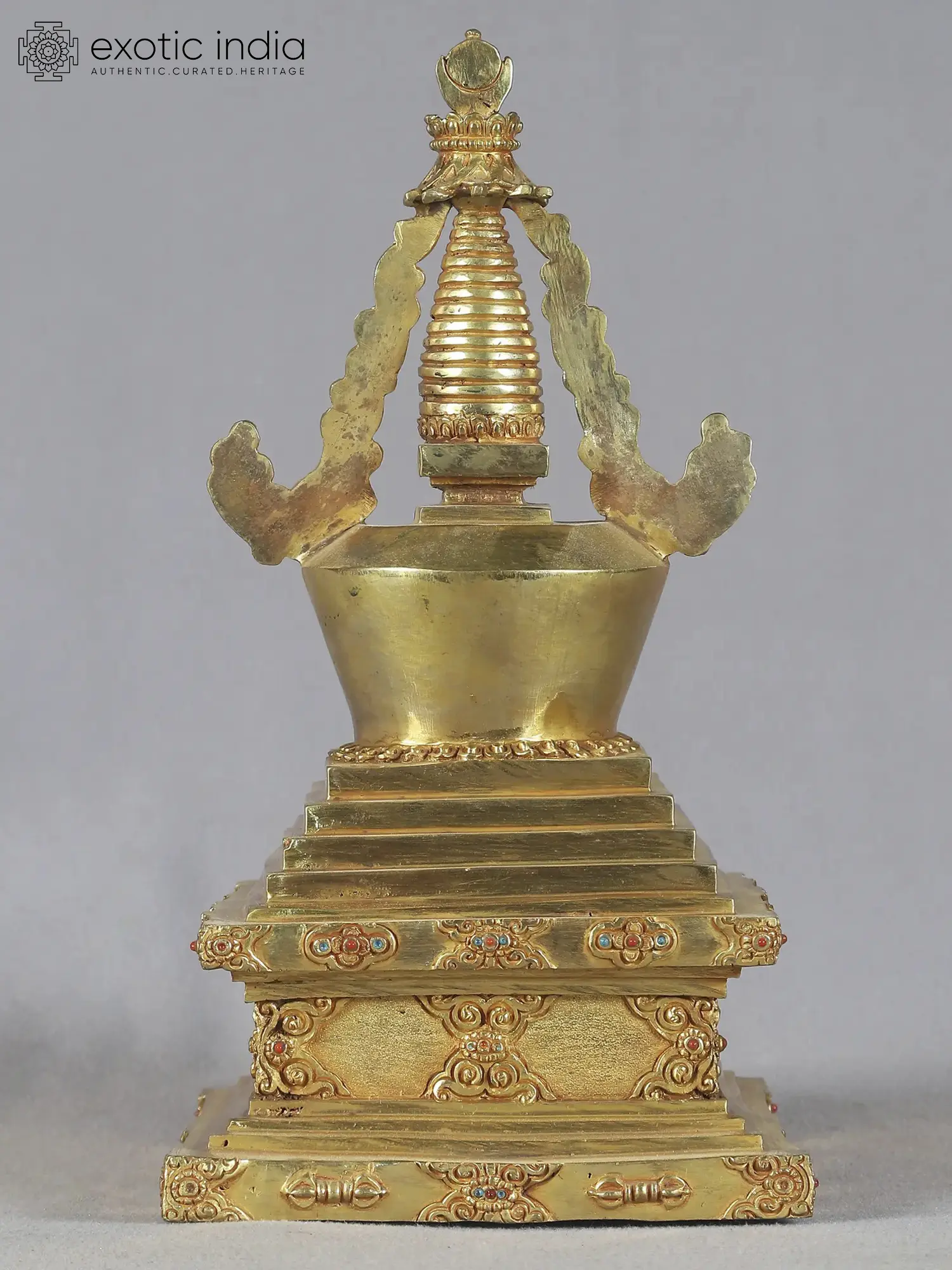
Artistry and Devotion
The meticulous craftsmanship evident in this piece speaks volumes of the artisan's dedication and skill. The use of copper as a base material provides a strong and durable foundation, while the rich gold plating imbues the stupa with a divine aura, reflecting light and enhancing its spiritual presence. The detailed carvings on the base, possibly depicting auspicious symbols or floral motifs, are executed with precision. The central chamber, a characteristic feature, is often intended to house sacred mantras or relics, further amplifying its spiritual potency. The overall design, with its elegant spire and decorative elements, reflects a deep understanding of Buddhist iconography and architectural traditions. Owning such a piece is not just acquiring an object of art, but welcoming a vessel of spiritual significance and enduring beauty into your life. It serves as a constant reminder of the pursuit of wisdom, compassion, and the aspiration for spiritual awakening.How are Nepalese copper statues made?
Nepalese statues and sculptures are best known for their unique
small religious figures and ritual paraphernalia for over two
thousand years. These are mainly cast in copper alloy. Nepal draws
influences from the artistic styles of Buddhism and Hinduism, and
therefore the sculptors of the country specialize in making the
icons of both these religions. Over the years, Nepalese sculptures
evolved into their own distinctive iconography. Some
characteristic features of these sculptures that differ from other
pieces are exaggerated physical postures, youthful and sensual
features, languid eyes, wider faces having serene expressions, and
ornate flourishes. The Buddhist deity icons of Nepal have
tremendous demand in countries such as China and Tibet for ritual
purposes in their temples and monasteries.
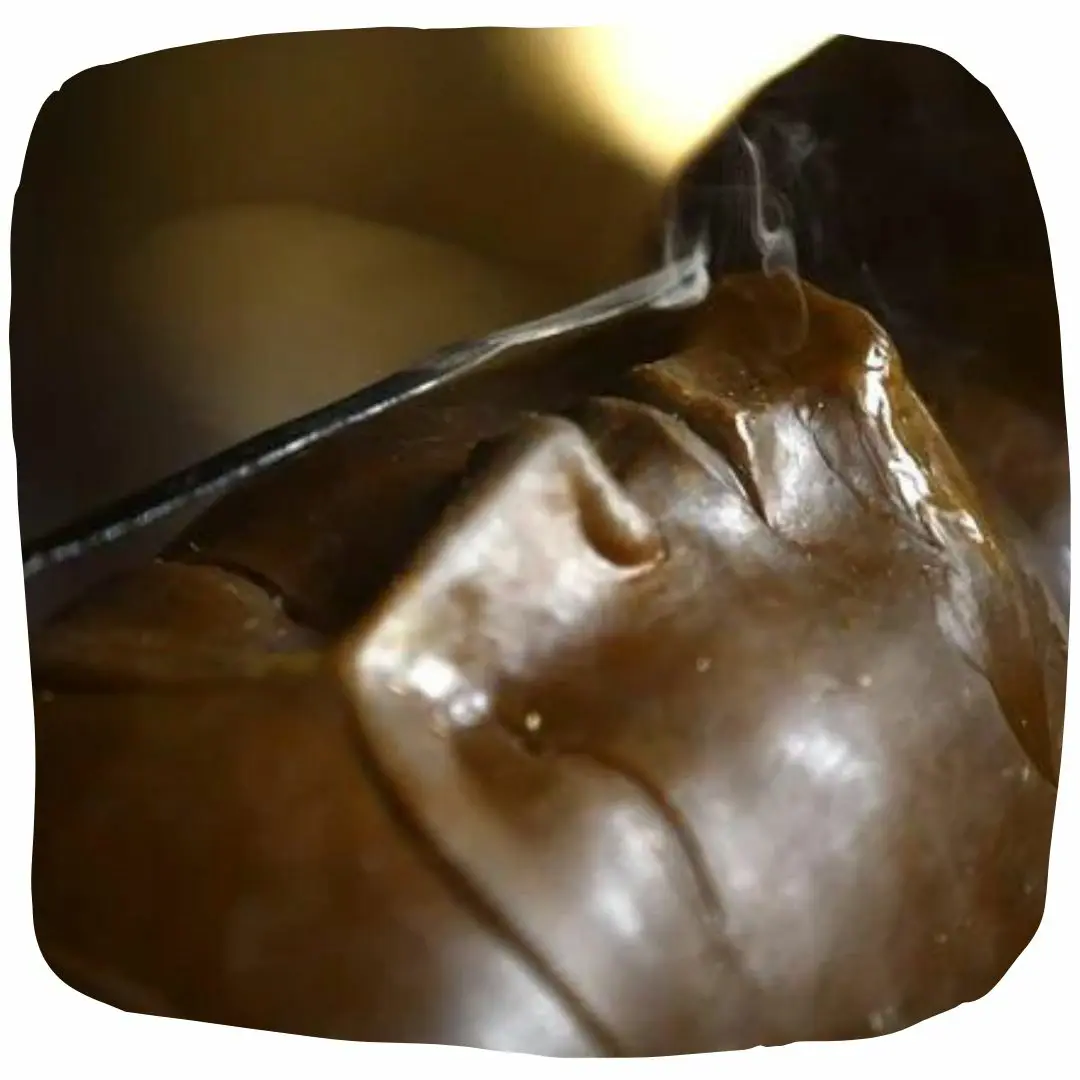
Nepalese statues and sculptures have a high copper content and therefore develop a slightly reddish patina on the surface as they age. However, the most unique feature of Nepalese copper statues is their decorative detailing. The pieces are heavily gilded and sometimes inlaid with semi-precious stones. This embellishment protects them from getting tarnished. The traditional lost-wax method for casting Nepalese copper statues remains the most practiced technique in Nepal for many centuries. This process involves many steps and requires skilled artists.
The first step in lost-wax sculpting is to make a wax replica of the desired Buddhist deity to be cast in copper. This replica is created by hand and therefore needs excellent artistic skills otherwise fine features will be lacking.
Once the wax replica is made, it is then coated with a special mixture of clay with a brush. This layer of clay is hardened when left to dry. A small hole is made on the base of the wax mould so that the wax flows away when it is heated.
Nepalese statues and sculptures have a high copper content and therefore develop a slightly reddish patina on the surface as they age. However, the most unique feature of Nepalese copper statues is their decorative detailing. The pieces are heavily gilded and sometimes inlaid with semi-precious stones. This embellishment protects them from getting tarnished. The traditional lost-wax method for casting Nepalese copper statues remains the most practiced technique in Nepal for many centuries. This process involves many steps and requires skilled artists.
The first step in lost-wax sculpting is to make a wax replica of the desired Buddhist deity to be cast in copper. This replica is created by hand and therefore needs excellent artistic skills otherwise fine features will be lacking.
Once the wax replica is made, it is then coated with a special mixture of clay with a brush. This layer of clay is hardened when left to dry. A small hole is made on the base of the wax mould so that the wax flows away when it is heated.
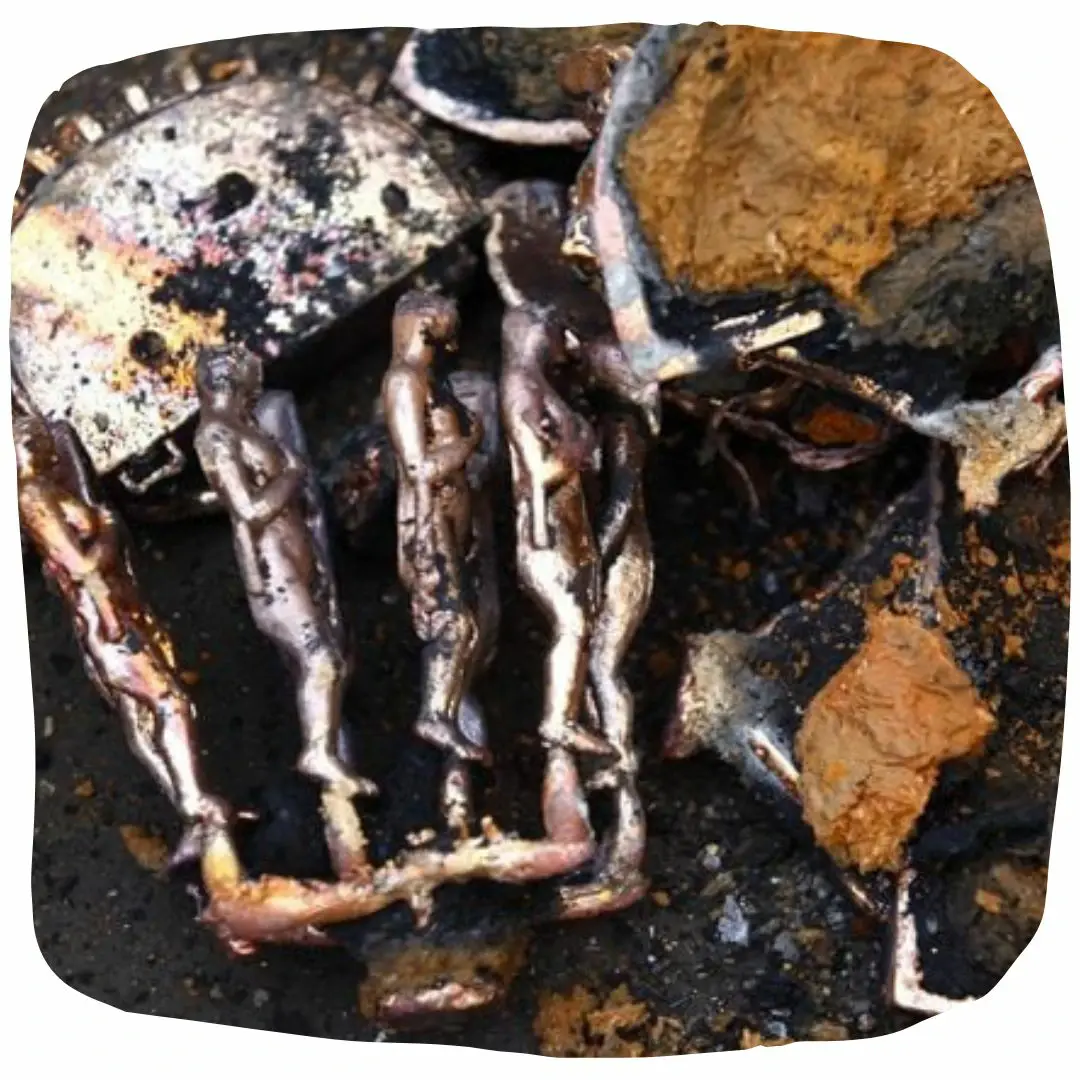
At this stage, a hollow mould in the shape of the deity is
obtained.
This is the time to pour liquid copper into the hollow mould which is then allowed to cool and harden inside a container of cold water. When the liquid metal has hardened, the mould is removed and the statue within is revealed.
This is the time to pour liquid copper into the hollow mould which is then allowed to cool and harden inside a container of cold water. When the liquid metal has hardened, the mould is removed and the statue within is revealed.
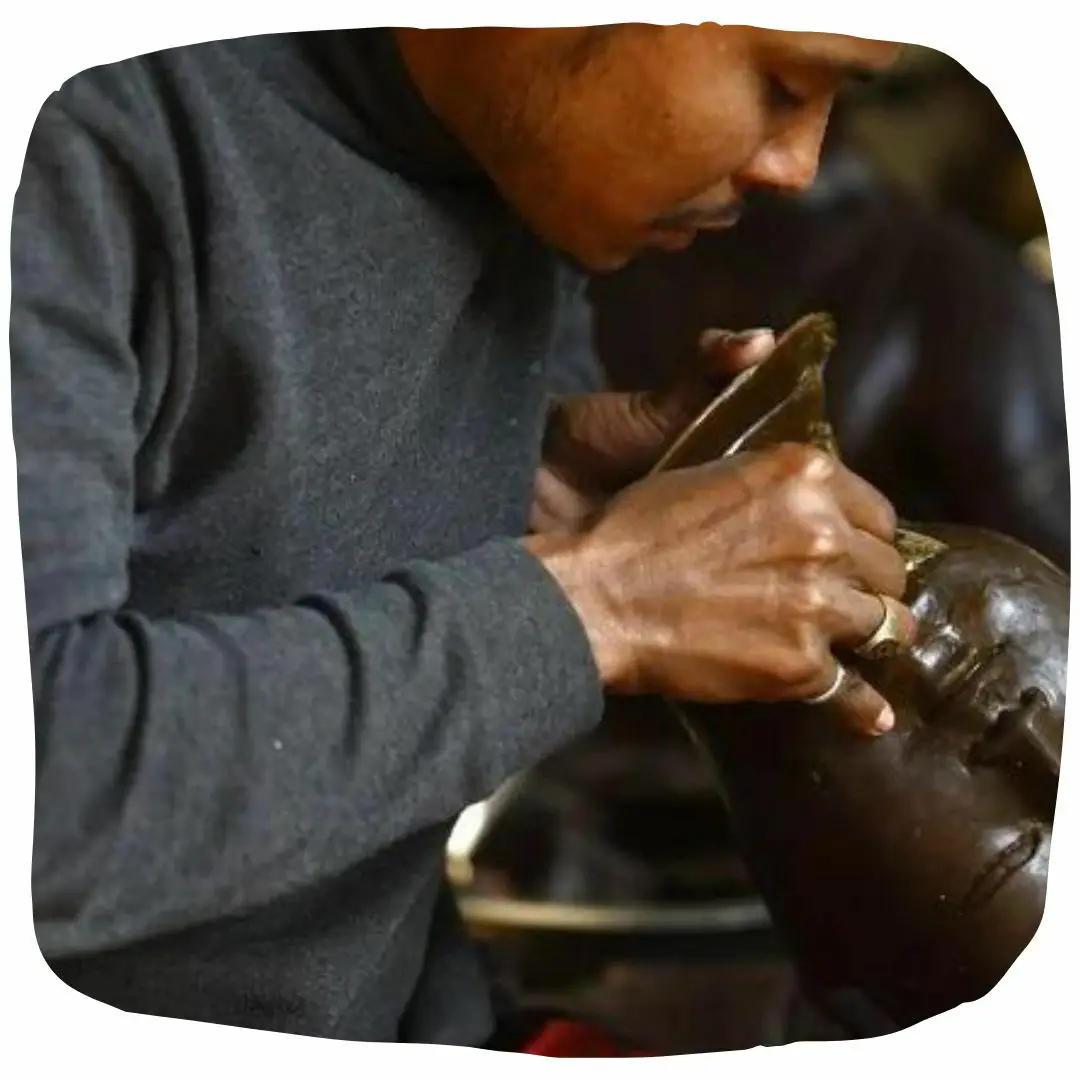
The artist works on the details of the statue using various tools.
It is then polished to get a shiny and lustrous surface.
Now comes the most important part of Nepalese art which is gold gilding. This is done by the traditional fire gilding method. A mixture of mercury and 18K gold is applied on the surface of the statue and heat is applied using a flame torch. The result is that mercury evaporates along with impurities, leaving a pure 24K gold finish.
Now comes the most important part of Nepalese art which is gold gilding. This is done by the traditional fire gilding method. A mixture of mercury and 18K gold is applied on the surface of the statue and heat is applied using a flame torch. The result is that mercury evaporates along with impurities, leaving a pure 24K gold finish.
The lost-wax method of sculpting is the most preferred technique
for artists to cast a metallic statue having intricate details. Since Nepalese copper sculptures require extraneous effort for giving a majestic look by adding special embellishments, it takes several weeks to complete one masterpiece. A 24K gold gilded copper sculpture retains its brilliant luster for many years and appears as like before. Nepalese sculptures continue to remain one of the finest specimens of the art of the East that have a strong aesthetic appeal that other sculptures cannot match.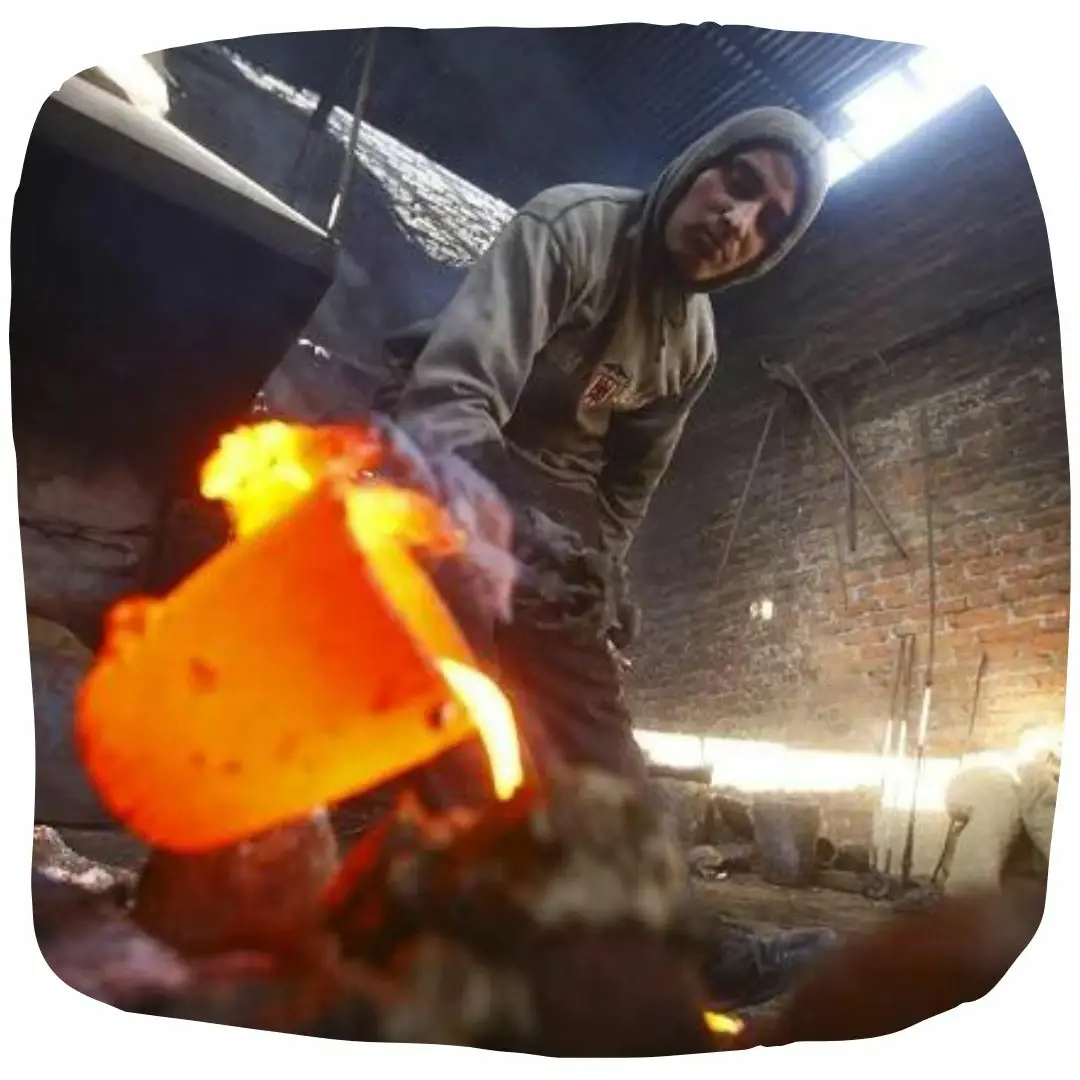
Products related to this item
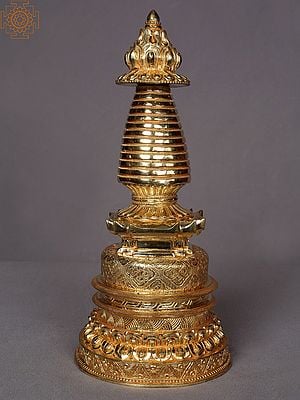
12.00 inch Height X 5.00 inch Width X 5.00 inch Depth
$1432
Includes any tariffs and taxes
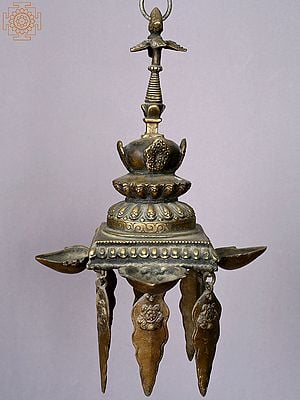
12.00 inch Height X 8.00 inch Width X 8.00 inch Depth
$552
Includes any tariffs and taxes
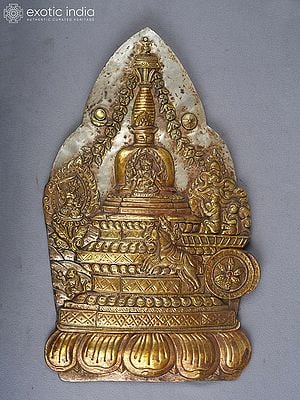
13.5 inch Height X 9.5 inch Width X 1 inch Length
$132
Includes any tariffs and taxes
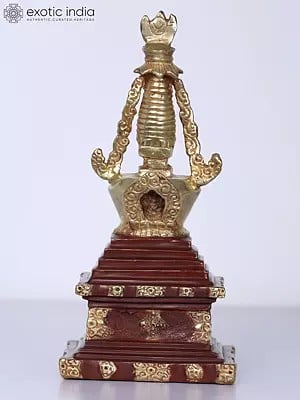
9 inch Height X 4 inch Width X 4 inch Depth
$449
Includes any tariffs and taxes
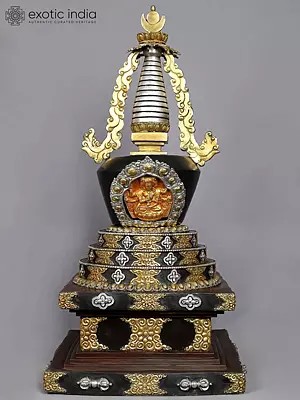
25.00 inch Height X 12.00 inch Width X 12.00 inch Depth
$2777
Includes any tariffs and taxes
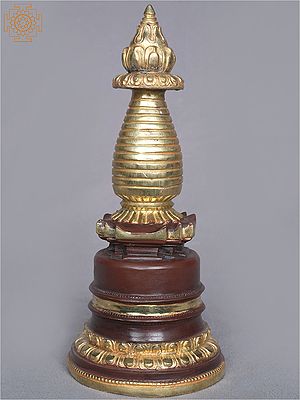
9.00 inch Height X 4.00 inch Width X 4.00 inch Depth
$483
Includes any tariffs and taxes
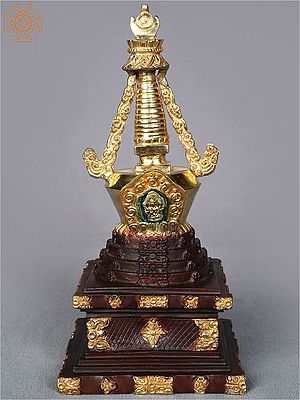
9.00 inch Height X 4.50 inch Width X 4.50 inch Depth
$483
Includes any tariffs and taxes
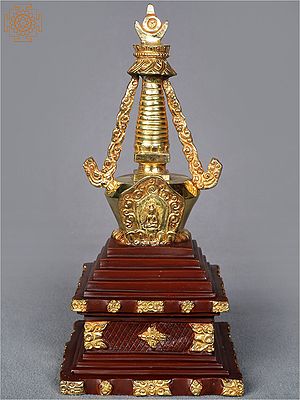
9.00 inch Height X 4.50 inch Width X 4.50 inch Depth
$483
Includes any tariffs and taxes
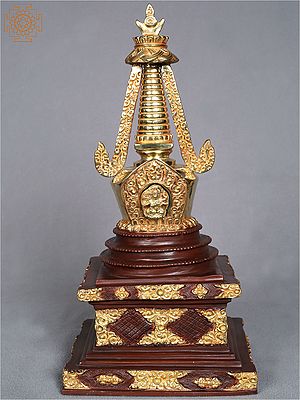
12.00 inch Height X 6.00 inch Width X 6.00 inch Depth
$690
Includes any tariffs and taxes
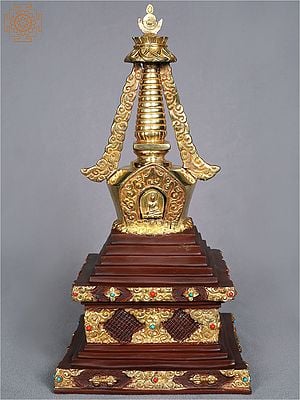
12.00 inch Height X 6.00 inch Width X 6.00 inch Depth
$690
Includes any tariffs and taxes
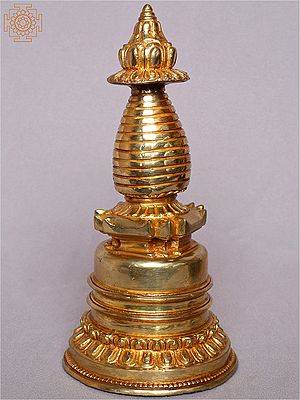
8.00 inch Height X 4.00 inch Width X 4.00 inch Depth
$604
Includes any tariffs and taxes
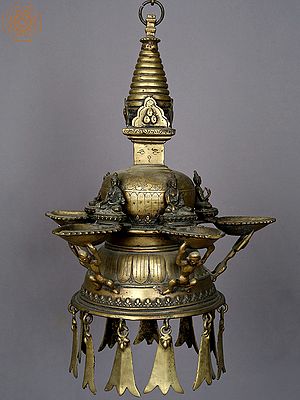
16.00 inch Height X 12.00 inch Width X 12.00 inch Depth
$1254
Includes any tariffs and taxes