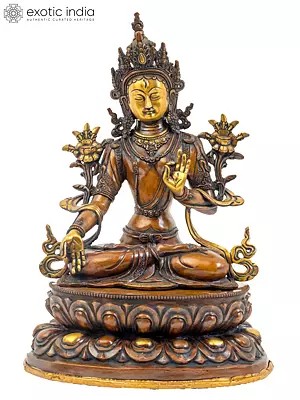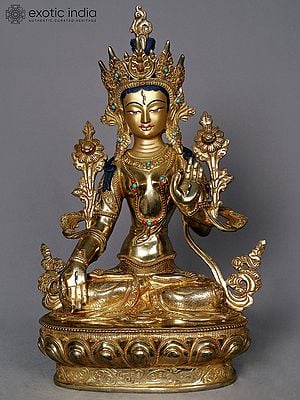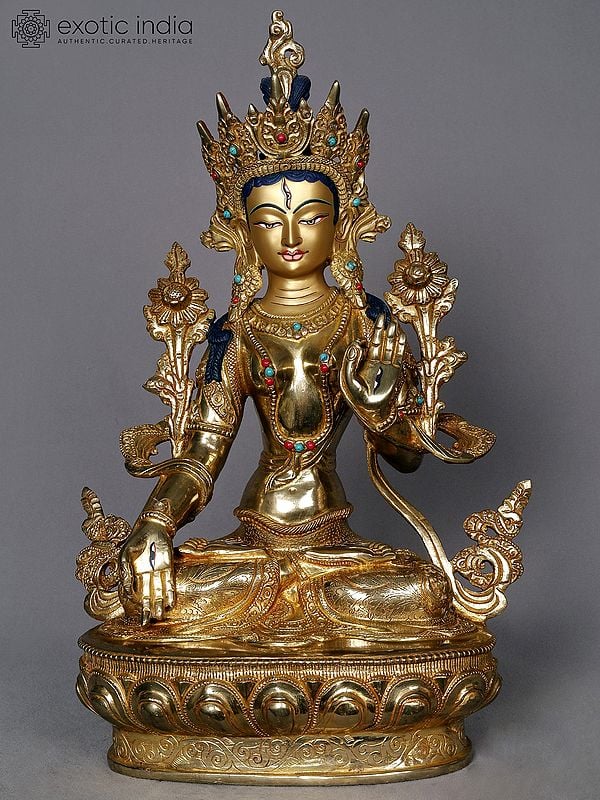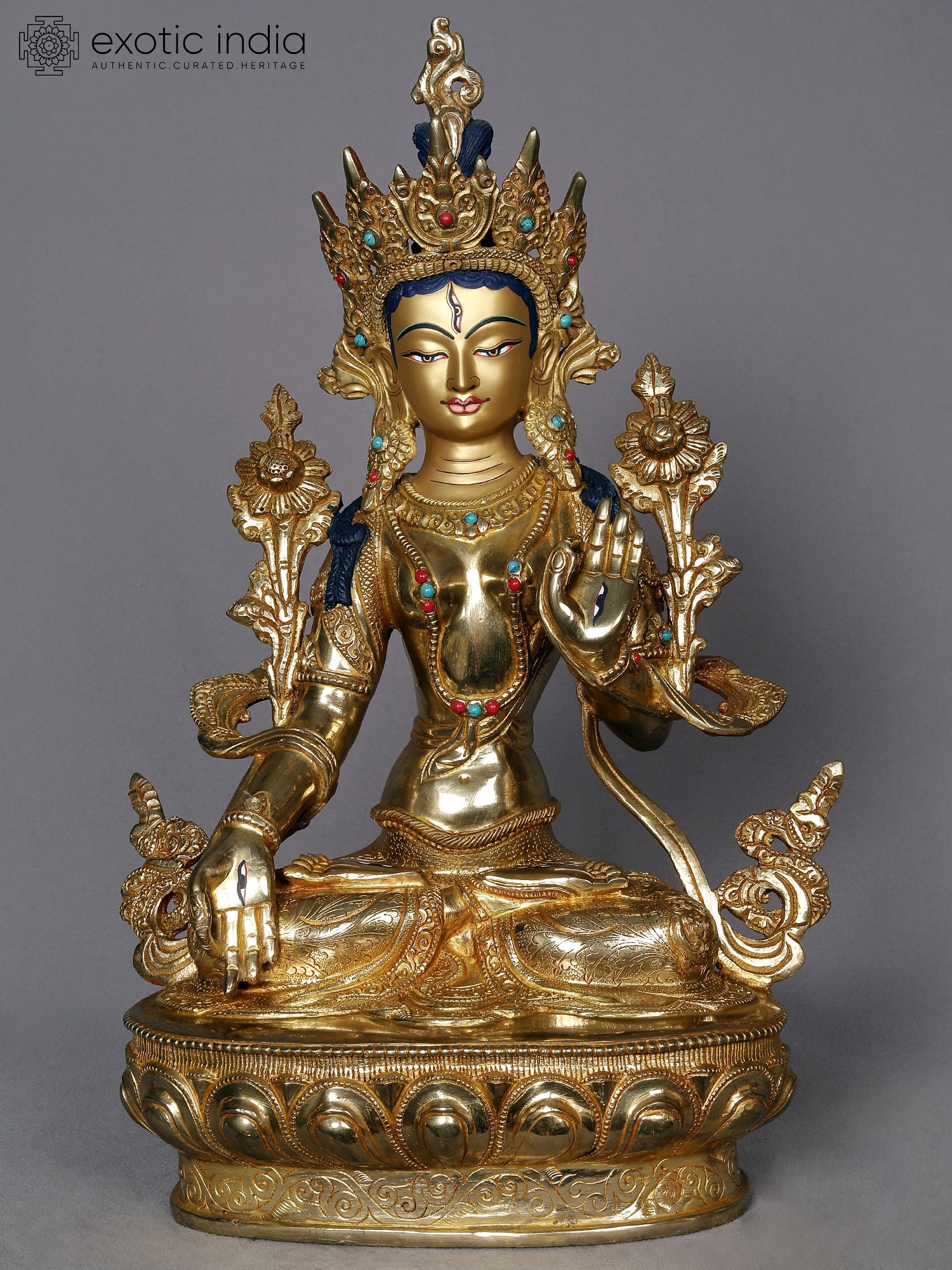
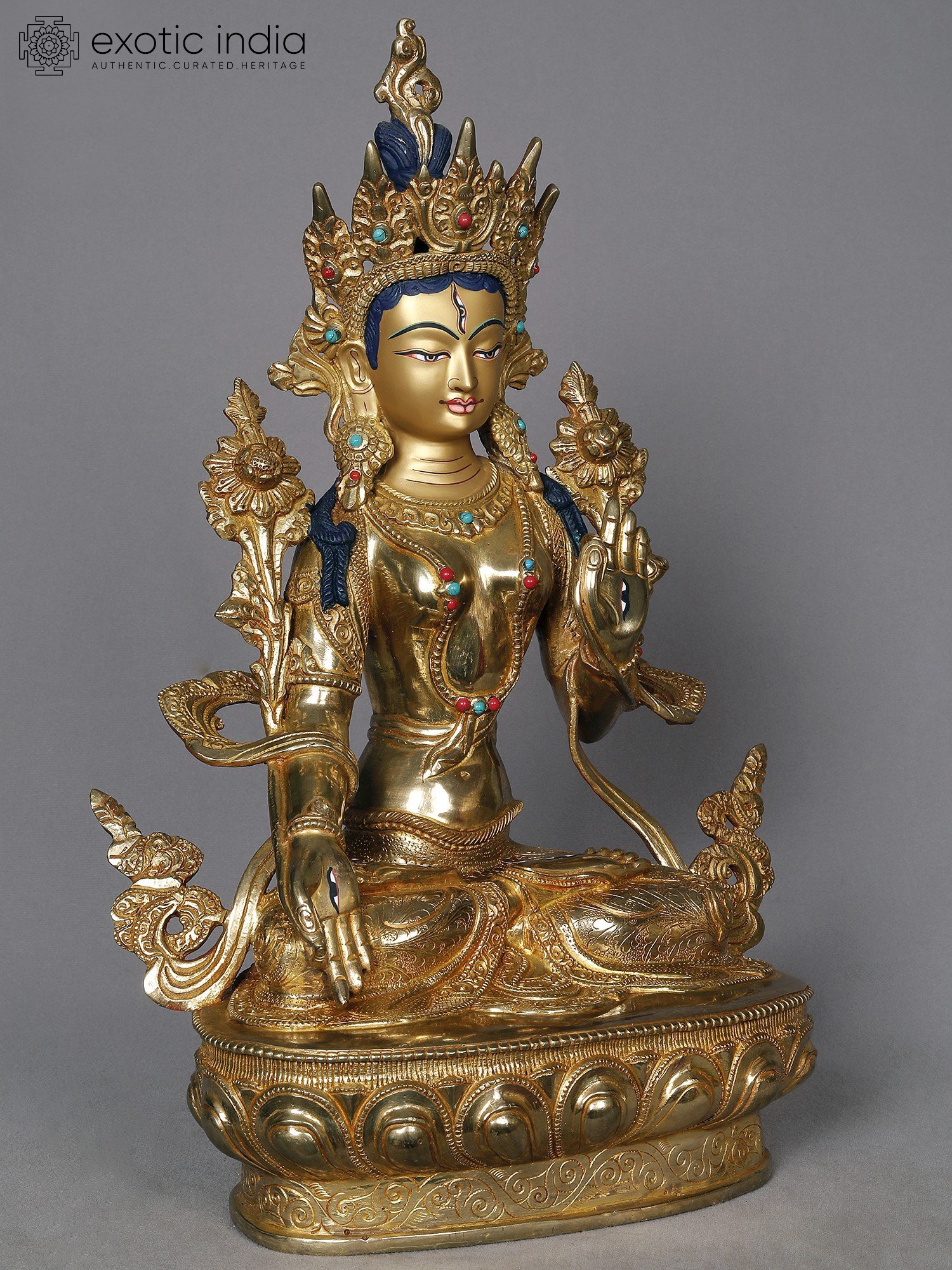
Golden White Tara Sculpture: Tibetan Buddhist Goddess for Health and Enlightenment

| Specifications |
 |
CAA158 |
 |
Copper With Gold |
 |
Height: 15 inch |
| Width: 9 inch | |
| Depth: 5 inch | |
 |
Weight 3.70 kg |
| About the Item |
|
| Delivery and Return Policies |
 |
Usually ships in 6 days |
 |
Returns and Exchanges accepted within 7 days |
 |
Free Delivery |


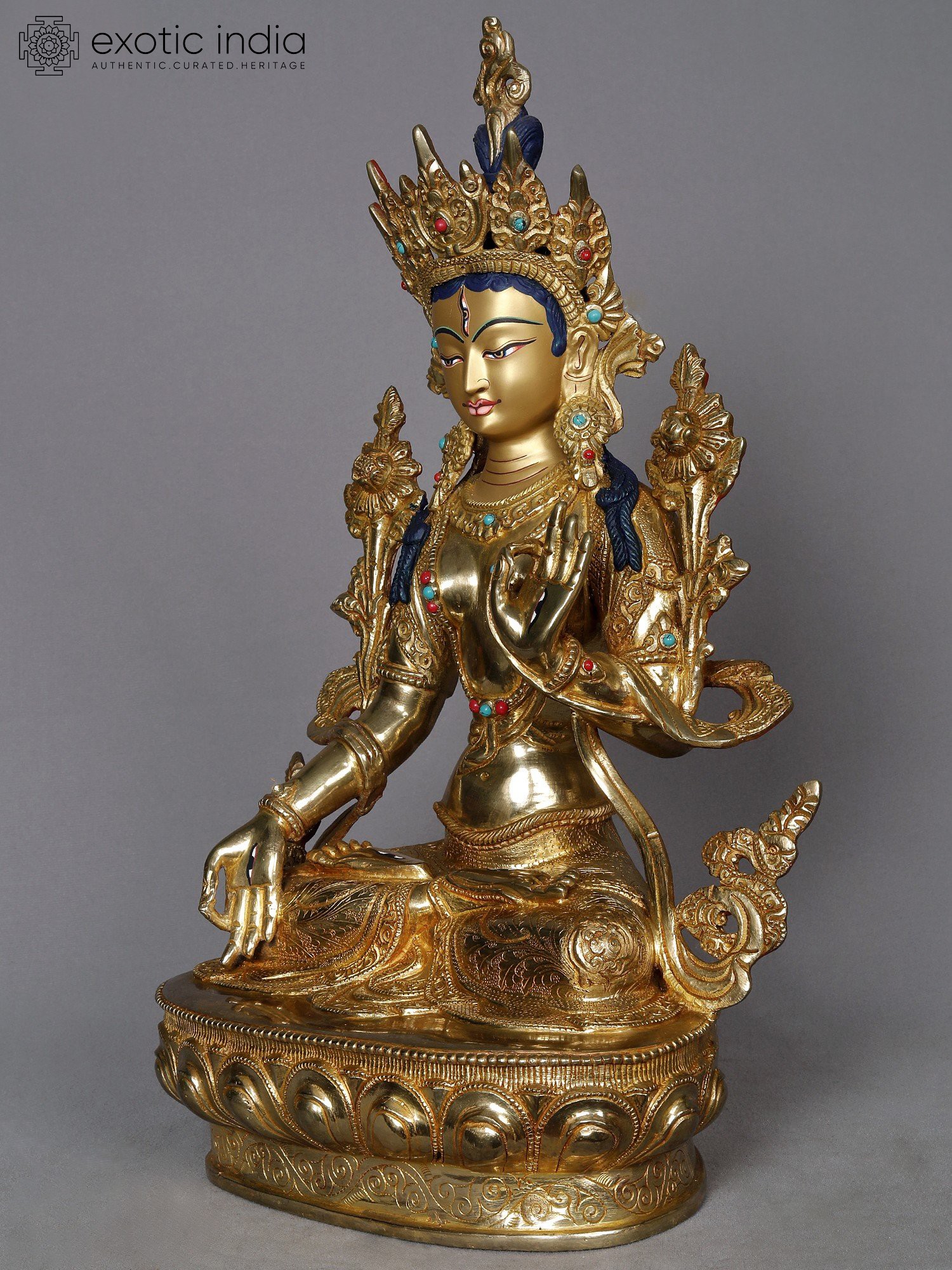
Tibetan devotees
turn to White Tara in earnest prayers, particularly seeking solace in health,
rejuvenation, and enduring life. With her benevolent presence, she tends to the
wounds that afflict our bodies and minds, offering a profound healing touch.
Among the Tibetan
populace, the White Tara Long Life Initiation (Dolkar Tsewang) holds
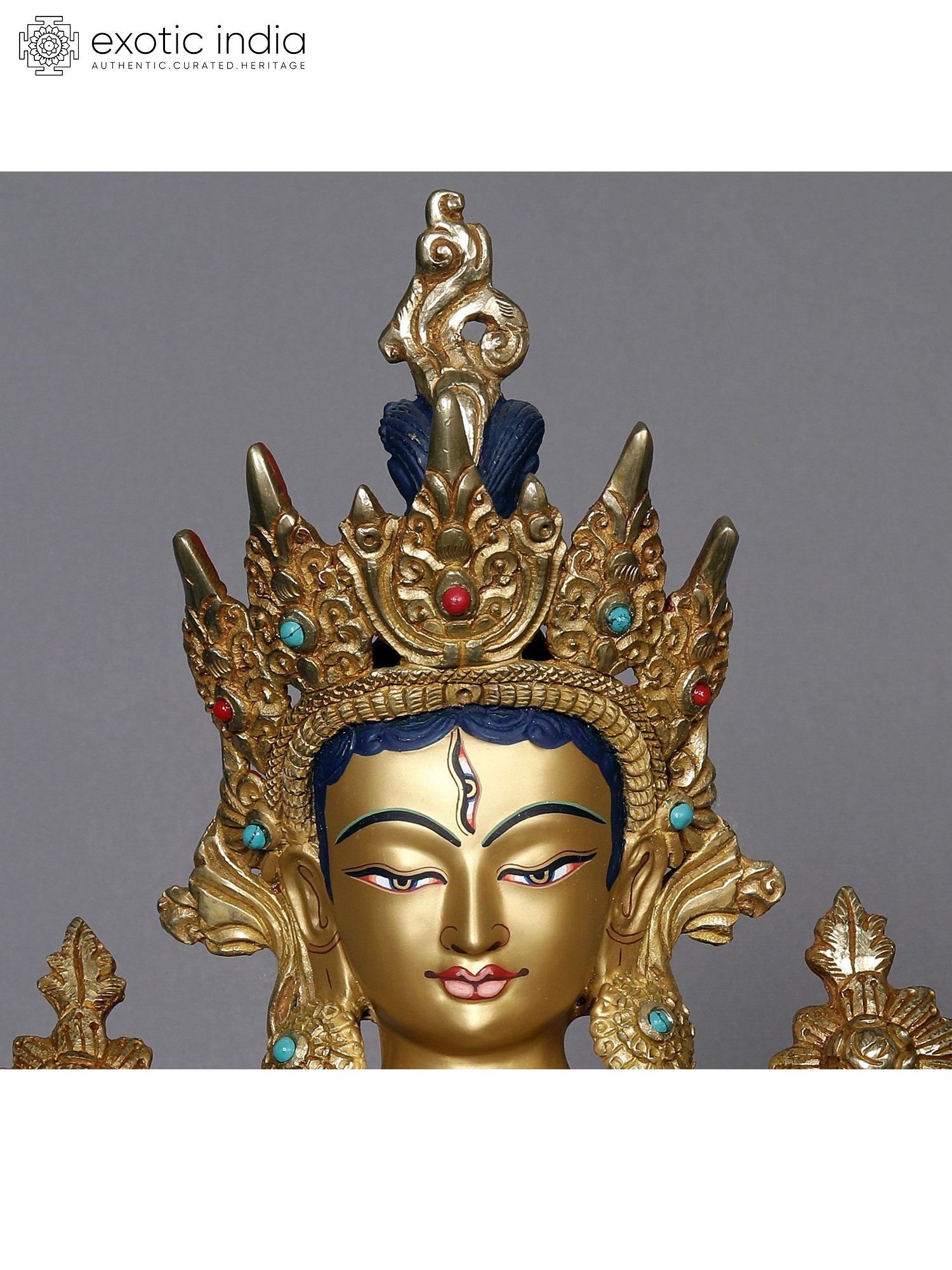
significant popularity. White Tara's unique attribute lies in her seven eyes,
including one on her forehead and an eye on each hand and foot. These symbolic
eyes reflect her unwavering compassion, diligently witnessing the world's
suffering. Her left-hand takes the form of a protective mudra, while her right
hand adopts the wish-granting mudra. She cradles a stem of the Utpala lotus
flower in her left hand, adorned with three blossoms. These blossoms embody the
past, present, and future Buddhas, encapsulating a timeless continuum.
An Embodiment of Compassion and Enlightenment
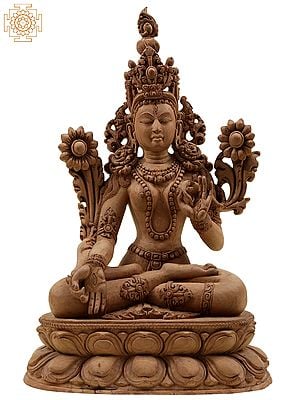
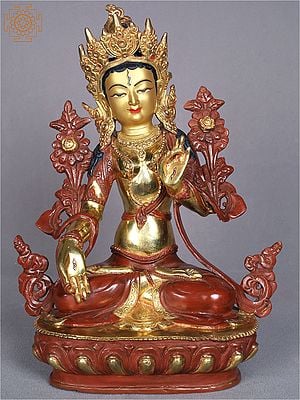
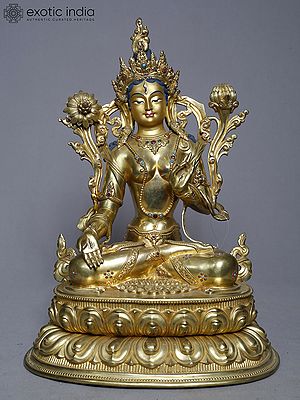
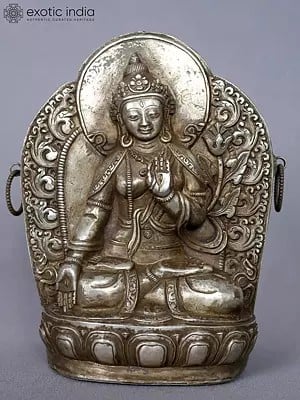
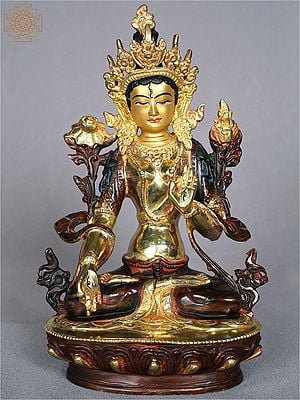
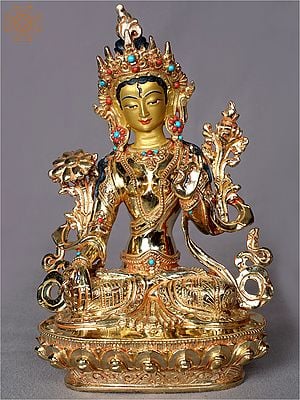
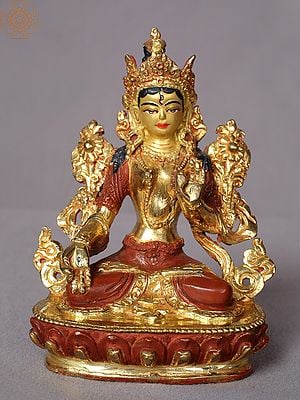
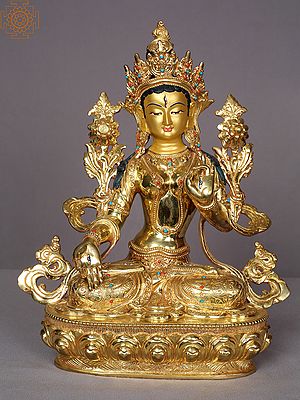
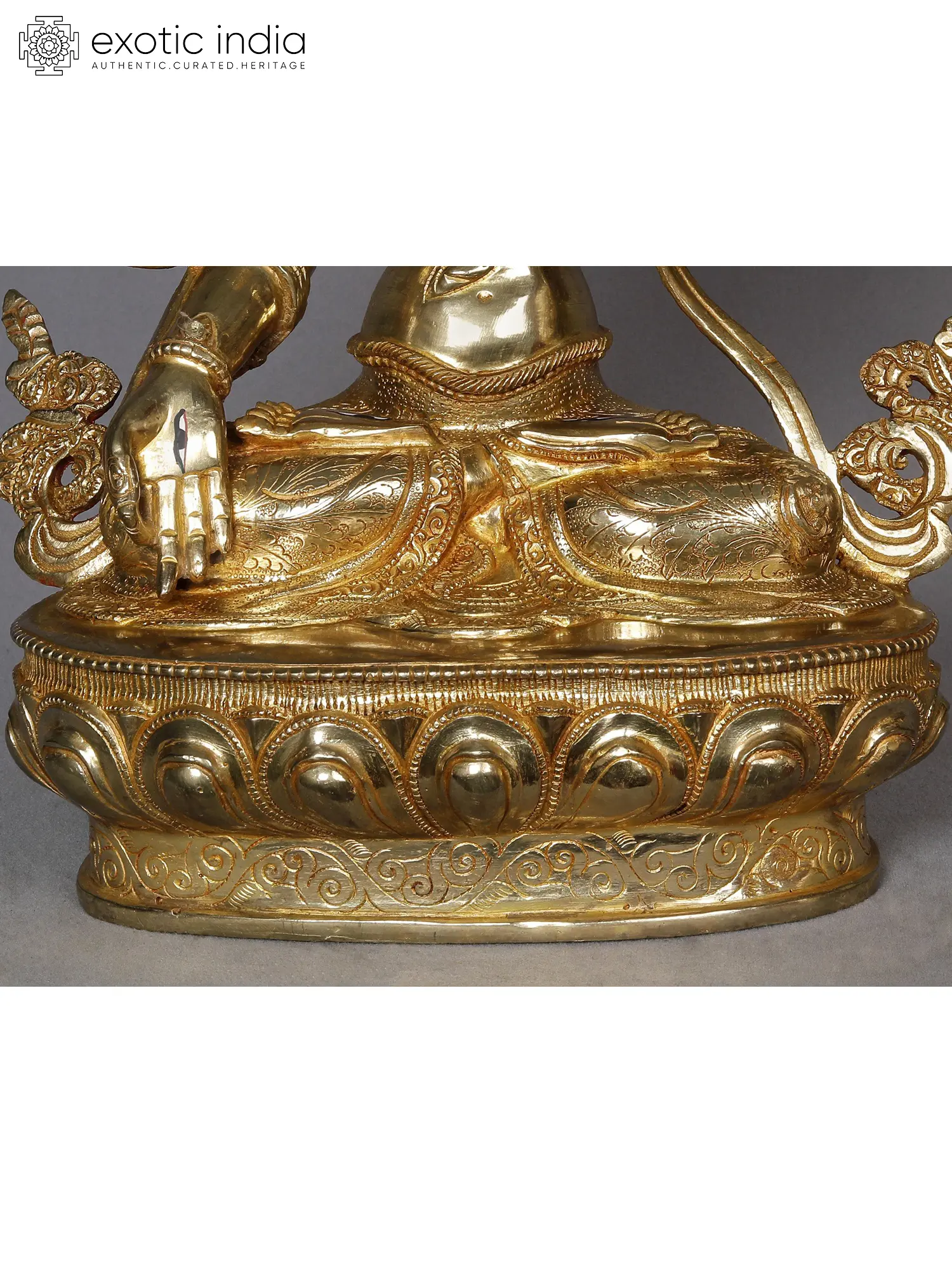
This exquisite statue captures the serene and benevolent presence of White Tara, a revered goddess in Tibetan Buddhism. Crafted from high-quality copper and adorned with a shimmering gold finish, this piece is a testament to the skill and artistry of Nepalese artisans. White Tara is recognized as the feminine manifestation of Avalokiteshvara, the Bodhisattva of Compassion, and is often depicted as a youthful, radiant goddess symbolizing purity, longevity, and the attainment of enlightenment. Her gentle countenance and graceful posture invite contemplation and inspire a sense of peace and well-being. ––––––––––Symbolism and Divine Attributes
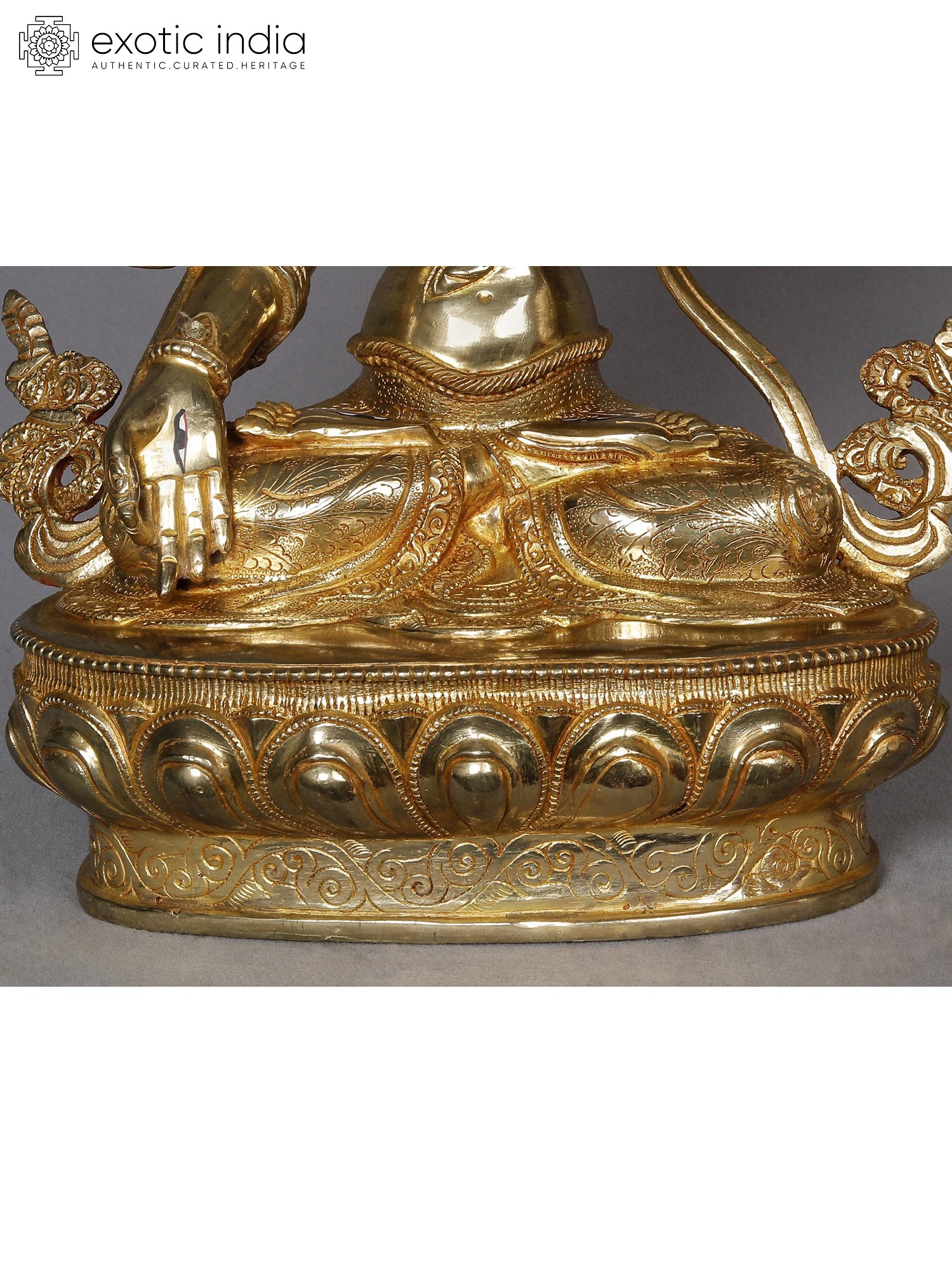
In Buddhist iconography, White Tara is typically shown seated in the lotus posture, with her right hand extended in the gesture of *varada mudra* (bestowing boons or blessings) and her left hand in *vitarka mudra* (gesture of teaching or argument). Her eyes are often depicted half-closed, signifying her deep meditation and awareness, while her open left eye represents her vigilant watch over all sentient beings. She is often adorned with jewels and wears a crown, signifying her divine status. In some traditions, she is depicted with seven eyes, three on her forehead and one each on her palms and soles, symbolizing her ability to perceive all suffering in the universe. This particular statue embodies these sacred attributes, with meticulous attention paid to every detail, from the delicate carving of her ornaments to the serene expression on her face. The presence of turquoise and red accents adds to the vibrancy and sacredness of the iconography. ––––––––––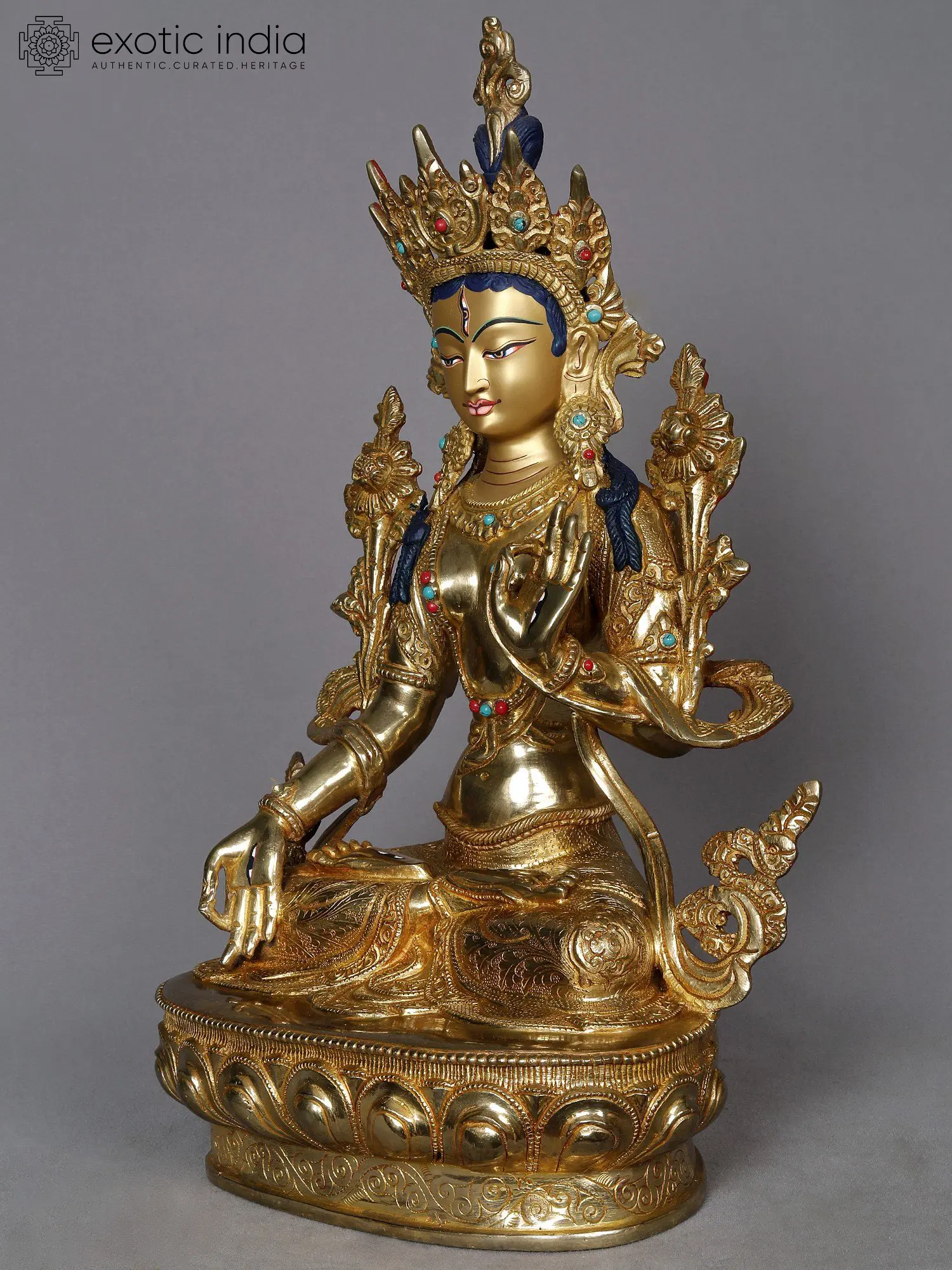
A Legacy of Craftsmanship
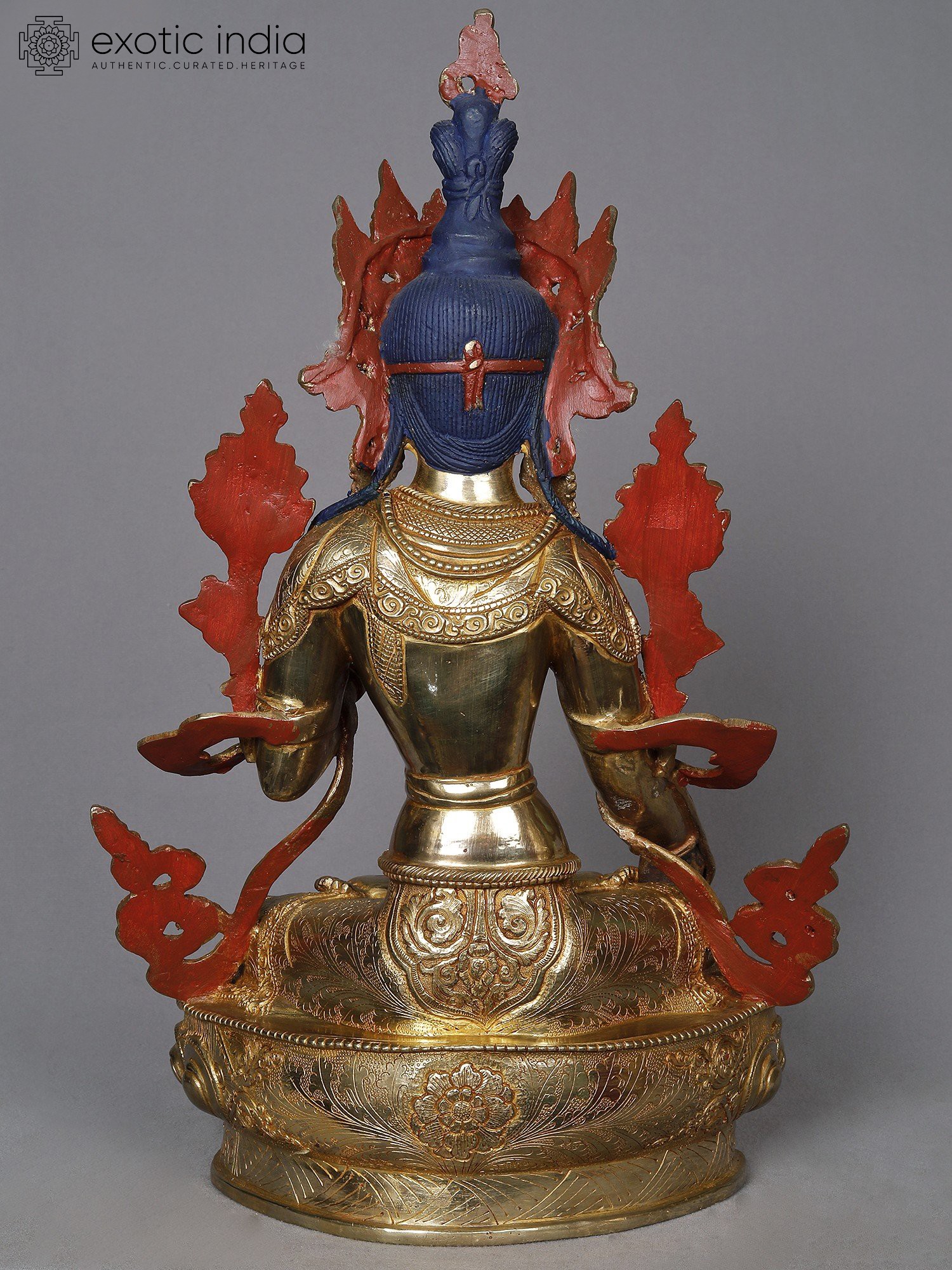
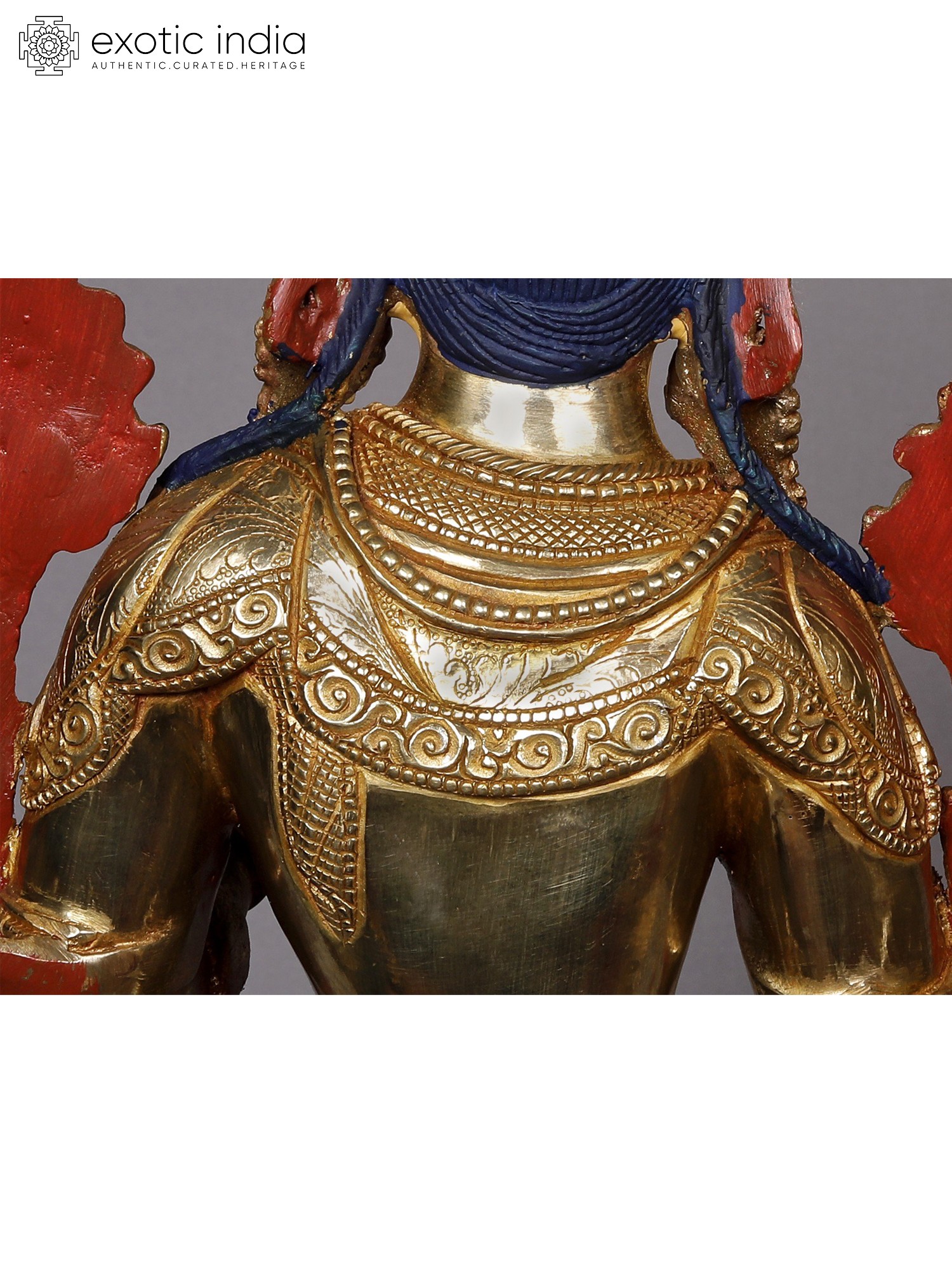
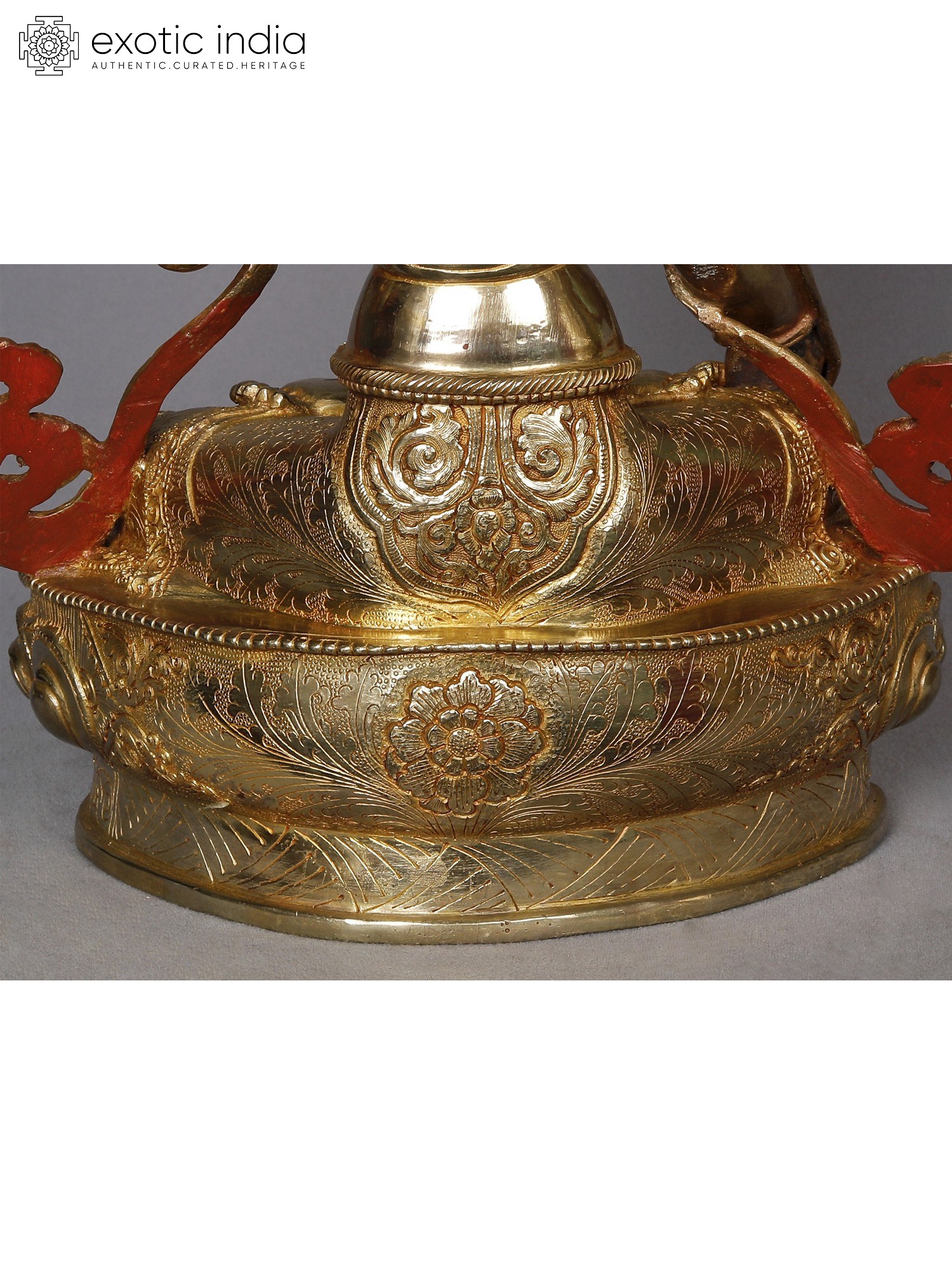
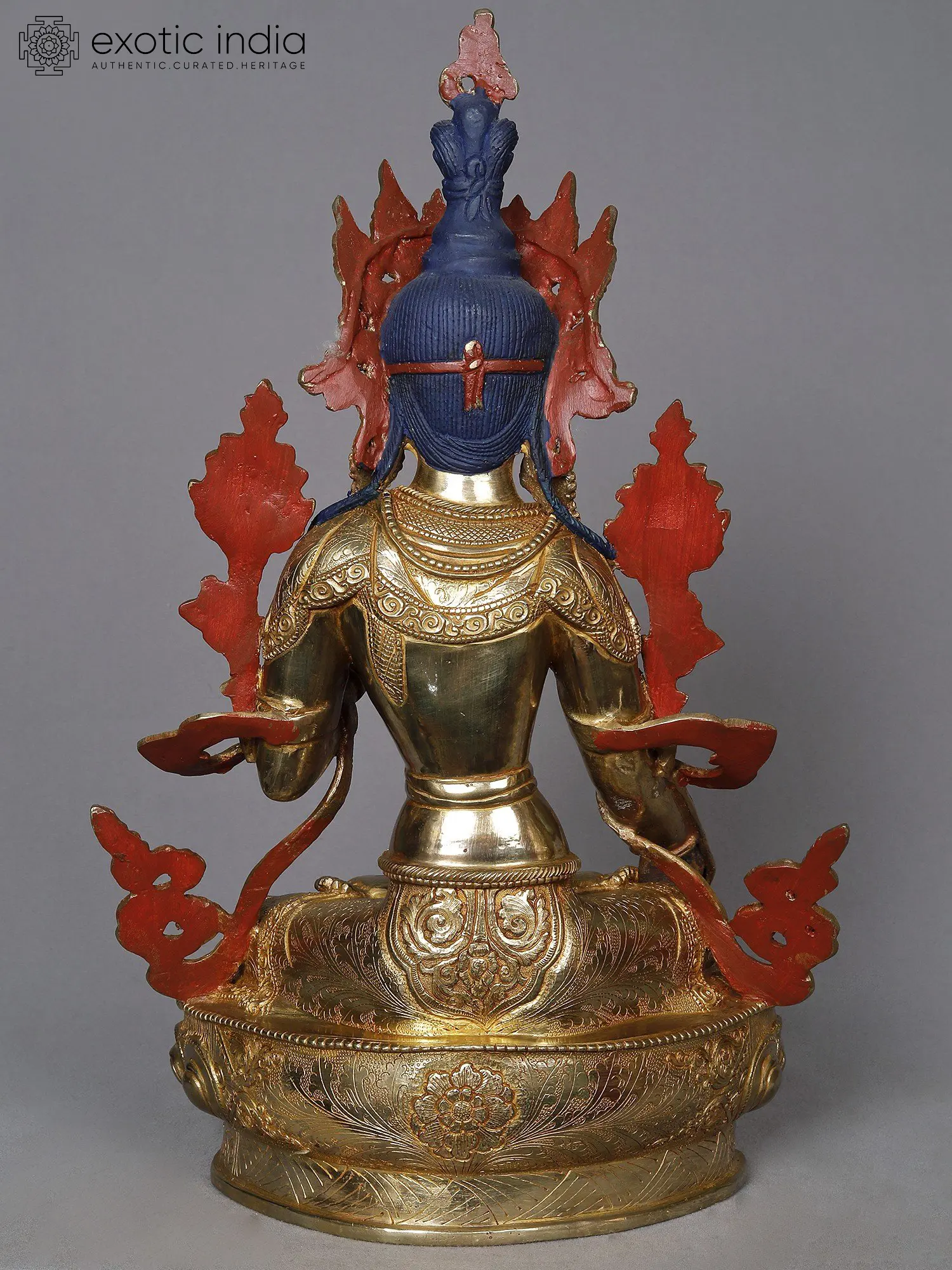
Originating from Nepal, a land steeped in spiritual traditions and renowned for its master craftspeople, this statue carries the weight of centuries of artistic heritage. The techniques used in its creation have been passed down through generations, ensuring that each piece is not merely an object but a sacred artifact imbued with devotional intent. The use of copper provides a durable and resonant base, while the application of gold lends it a divine aura and a timeless beauty. The intricate detailing, visible in the delicate floral motifs on her garments and the finely sculpted crown, showcases the artisan's deep understanding of Buddhist symbolism and their dedication to their craft. This statue is more than just a decorative item; it is an invitation to connect with the spiritual essence of White Tara and to cultivate qualities of compassion, wisdom, and inner peace in your own life. It serves as a powerful focal point for meditation and a beautiful reminder of the divine feminine energy that nurtures and protects.How are Nepalese copper statues made?
Nepalese statues and sculptures have a high copper content and therefore develop a slightly reddish patina on the surface as they age. However, the most unique feature of Nepalese copper statues is their decorative detailing. The pieces are heavily gilded and sometimes inlaid with semi-precious stones. This embellishment protects them from getting tarnished. The traditional lost-wax method for casting Nepalese copper statues remains the most practiced technique in Nepal for many centuries. This process involves many steps and requires skilled artists.
The first step in lost-wax sculpting is to make a wax replica of the desired Buddhist deity to be cast in copper. This replica is created by hand and therefore needs excellent artistic skills otherwise fine features will be lacking.
Once the wax replica is made, it is then coated with a special mixture of clay with a brush. This layer of clay is hardened when left to dry. A small hole is made on the base of the wax mould so that the wax flows away when it is heated.
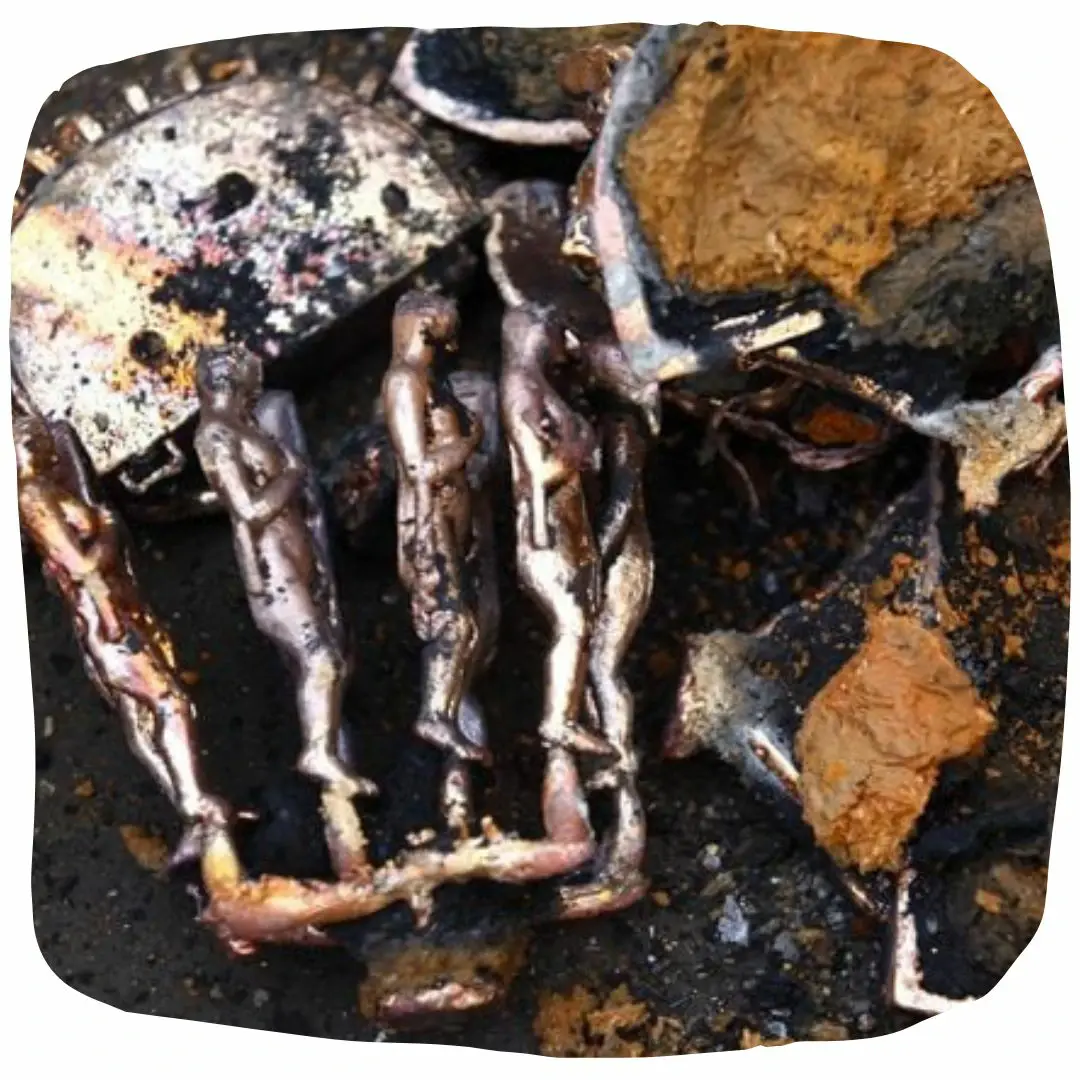
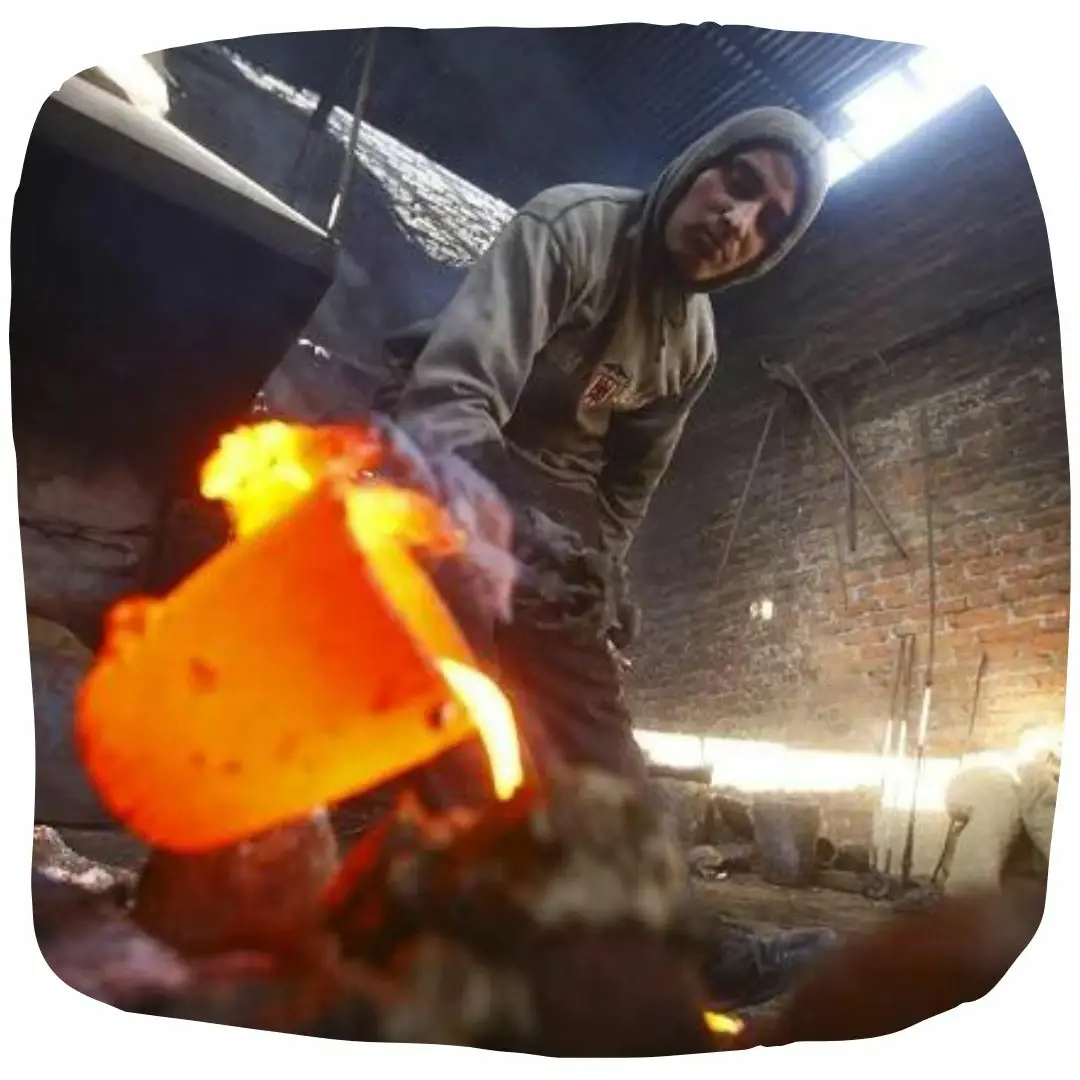
This is the time to pour liquid copper into the hollow mould which is then allowed to cool and harden inside a container of cold water. When the liquid metal has hardened, the mould is removed and the statue within is revealed.
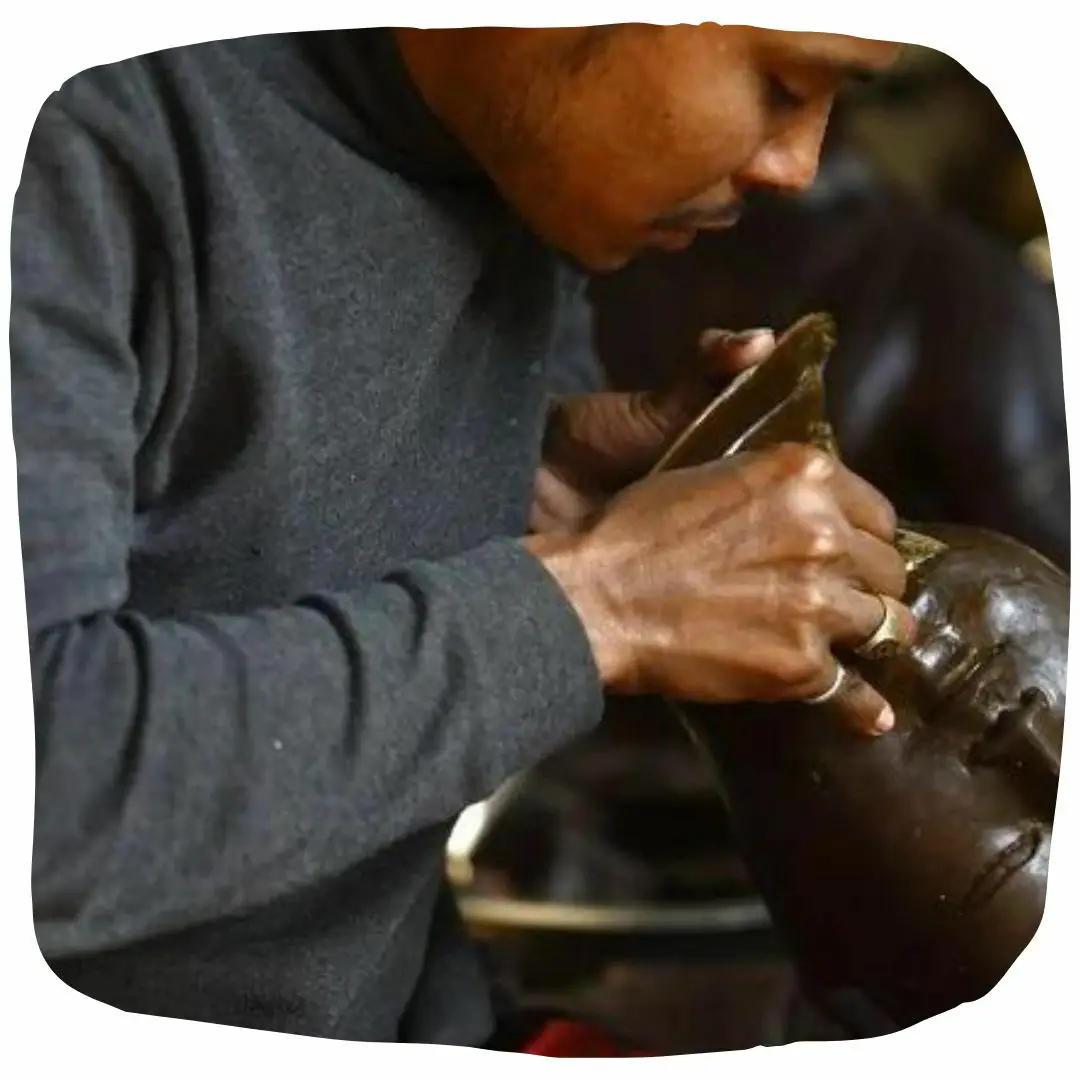
Now comes the most important part of Nepalese art which is gold gilding. This is done by the traditional fire gilding method. A mixture of mercury and 18K gold is applied on the surface of the statue and heat is applied using a flame torch. The result is that mercury evaporates along with impurities, leaving a pure 24K gold finish.
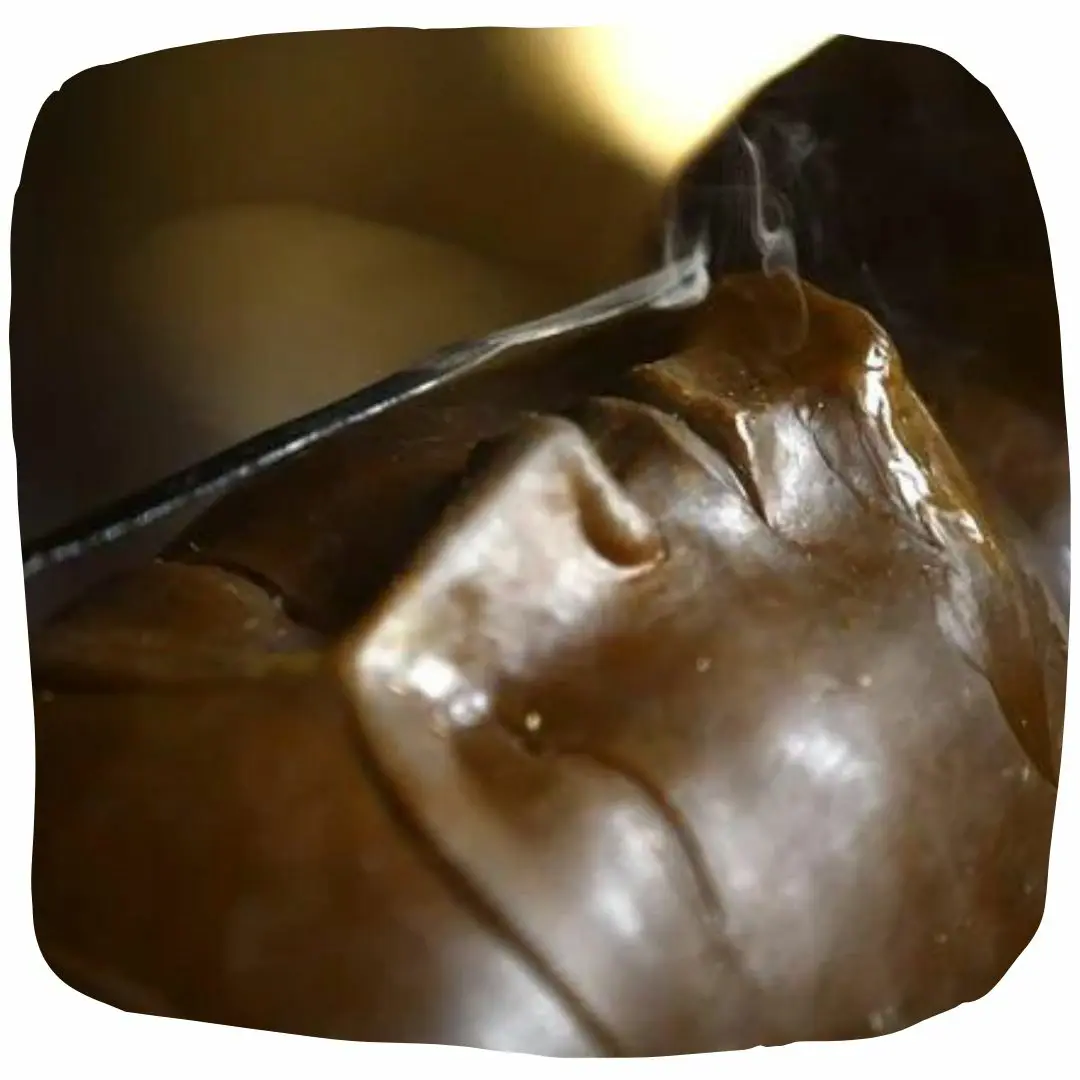
The lost-wax method of sculpting is the most preferred technique
for artists to cast a metallic statue having intricate details. Since Nepalese copper sculptures require extraneous effort for giving a majestic look by adding special embellishments, it takes several weeks to complete one masterpiece. A 24K gold gilded copper sculpture retains its brilliant luster for many years and appears as like before. Nepalese sculptures continue to remain one of the finest specimens of the art of the East that have a strong aesthetic appeal that other sculptures cannot match.