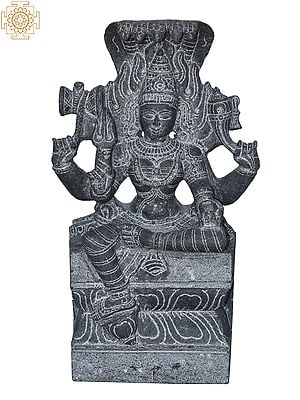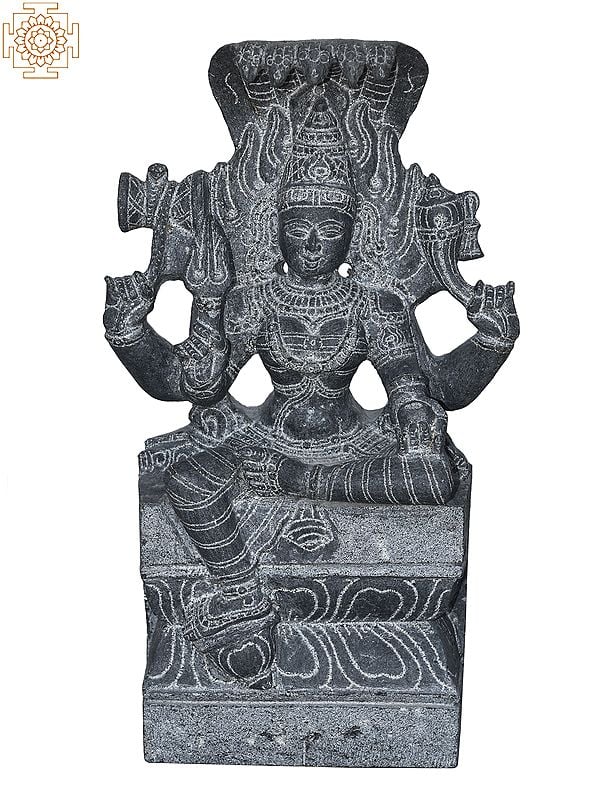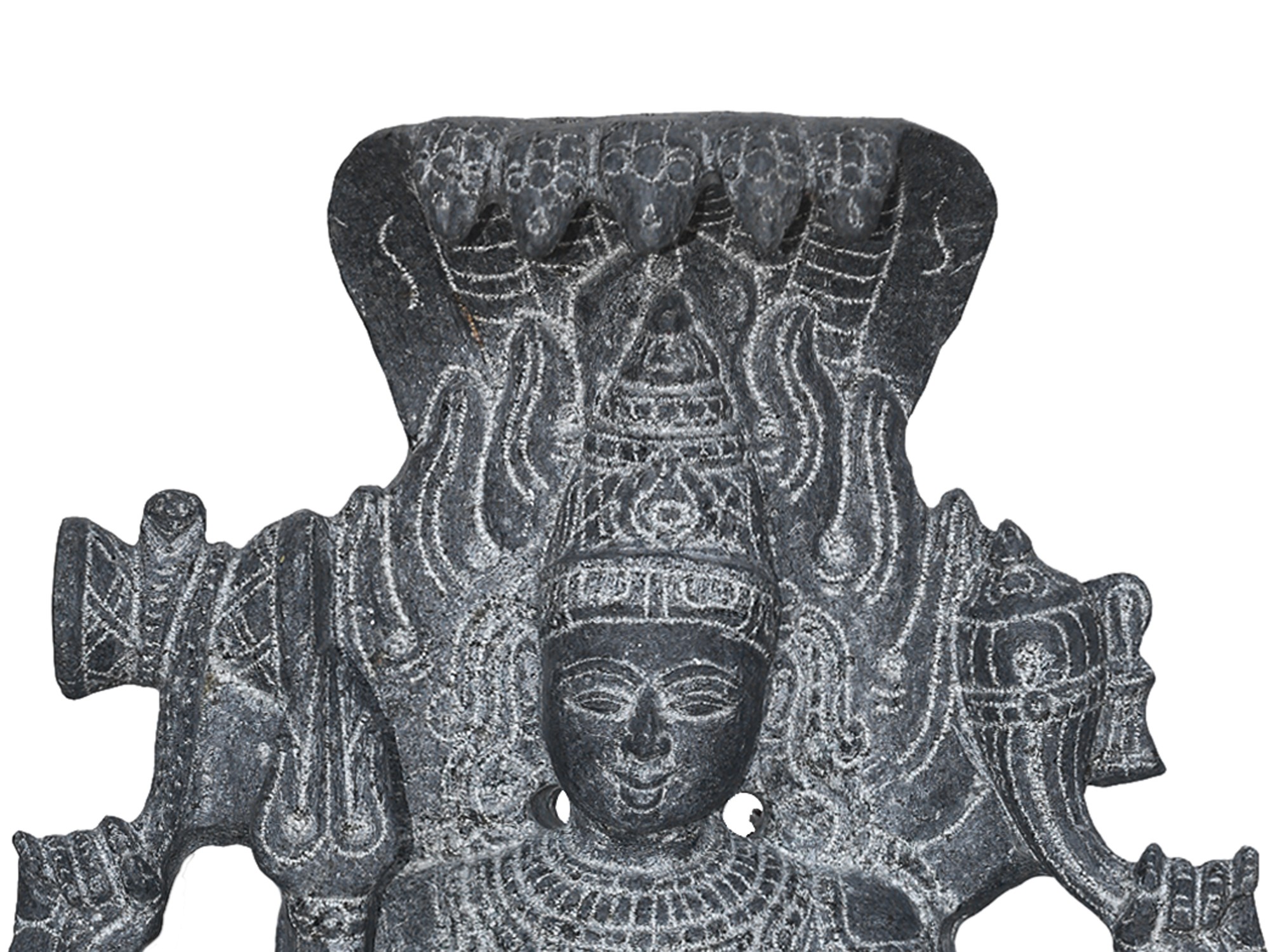

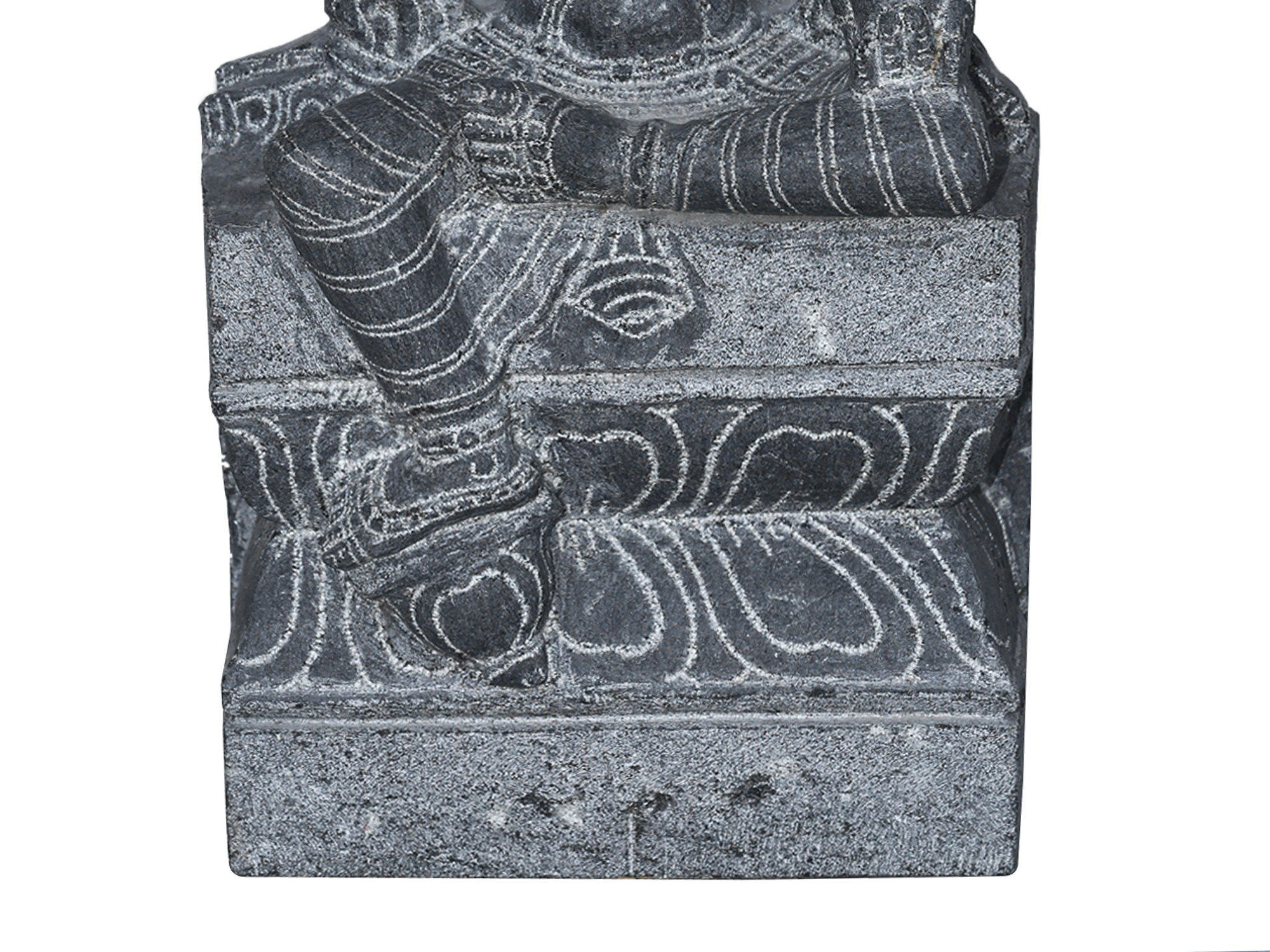
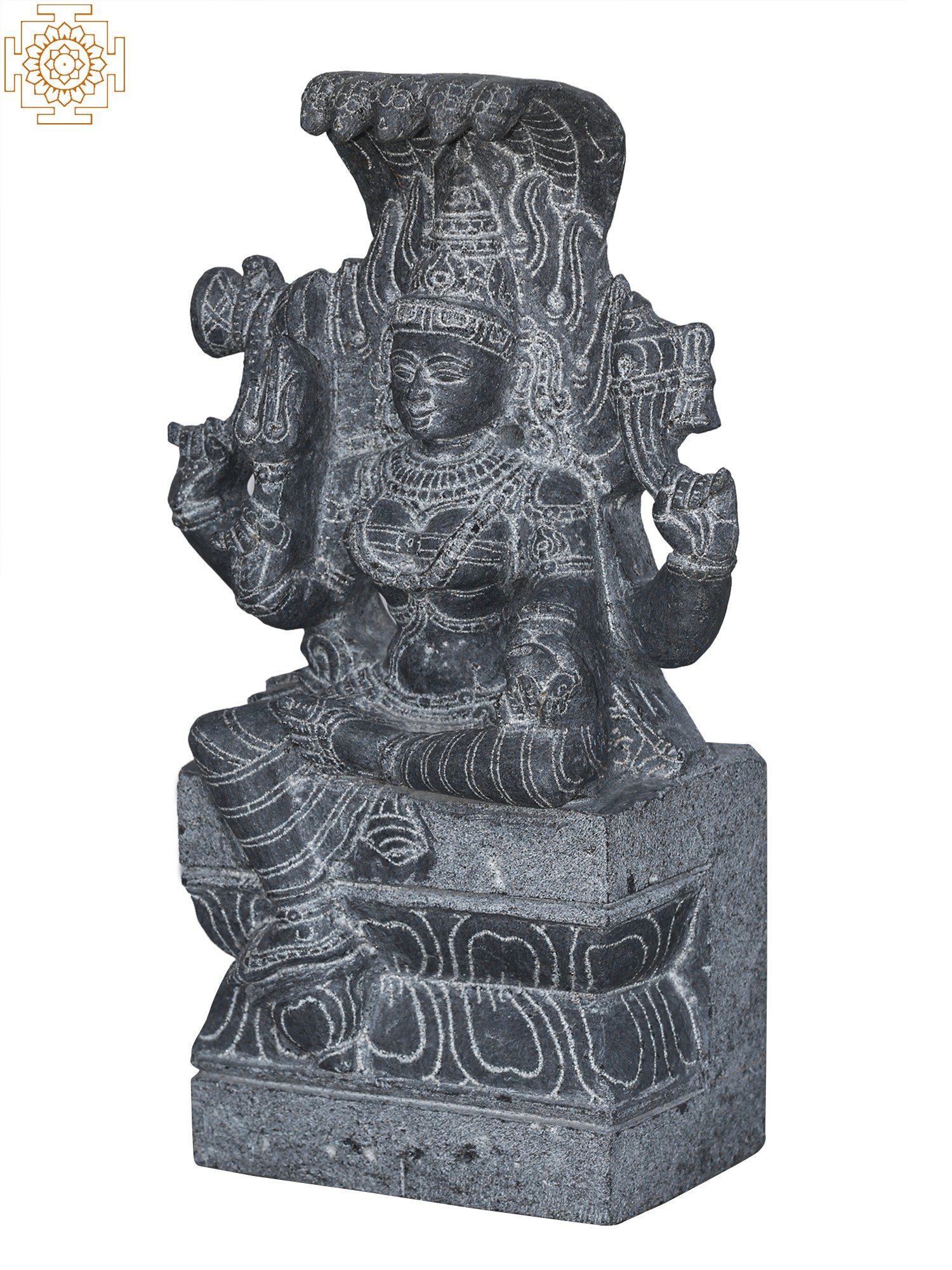
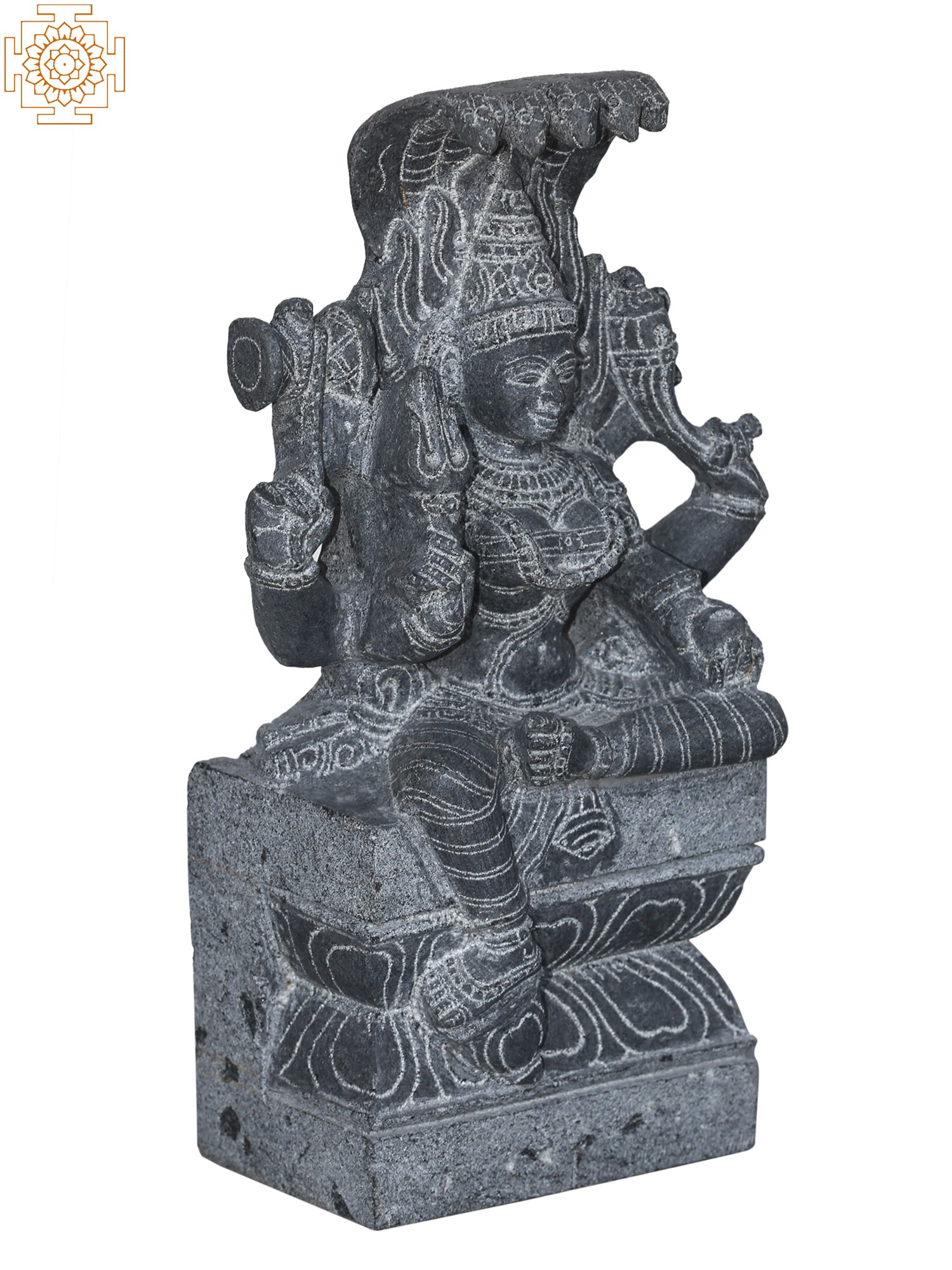
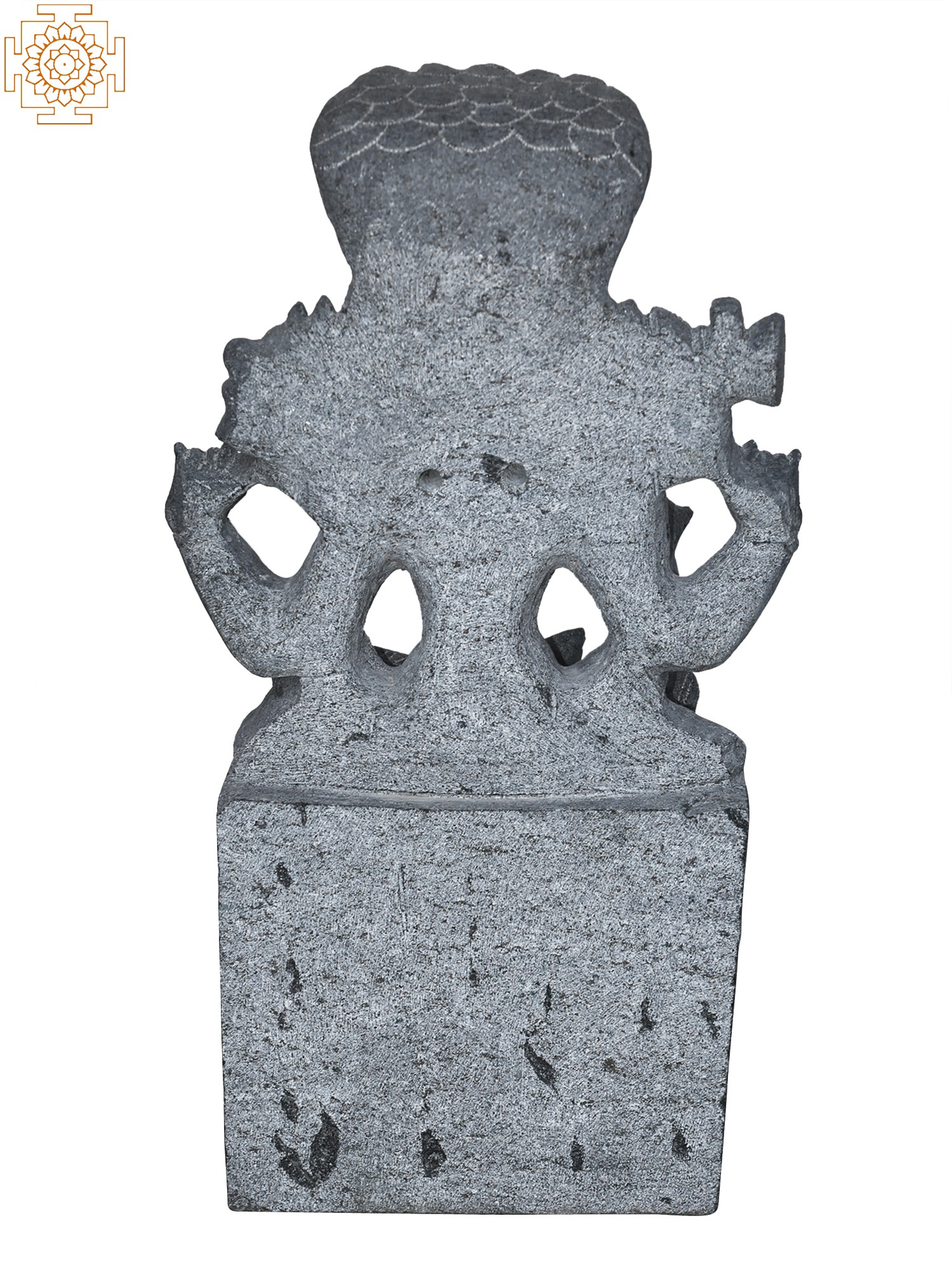
Granite Sculpture of Devi Karumariamman - 21 Inch Deity Statue
$2208
Includes any tariffs and taxes

Notify me when this item is available
| Specifications |
 |
SVSA01 |
 |
Hard Granite Stone |
 |
Height: 21 inch |
| Width: 12 inch | |
| Depth: 7 inch | |
 |
Weight 25.60 kg |
| About the Item |
|
| Delivery and Return Policies |
 |
Ships in 1-3 days |
 |
Returns and Exchanges accepted within 7 days |
 |
Free Delivery |

Easy Returns

Fully Insured

100% Handmade
Goddess Karumari Amman, is a revered deity in the South Indian deity worshiped as the goddess of rain, fertility, protection, and healing.
Her name combines “Karu” (womb/seed) and “Mari” (rain/change), symbolizing life and transformation.
Adorned with traditional jewelry and garments, she reflects both compassion and power. Karumariamma is especially venerated during Aadi Perukku for agricultural prosperity.
Found in temples near fields, she is believed to bring rain, protect crops, and ward off diseases. A Karumariamma statue, placed in homes or temples, serves as a symbol of nurturing energy, renewal, and divine protection.
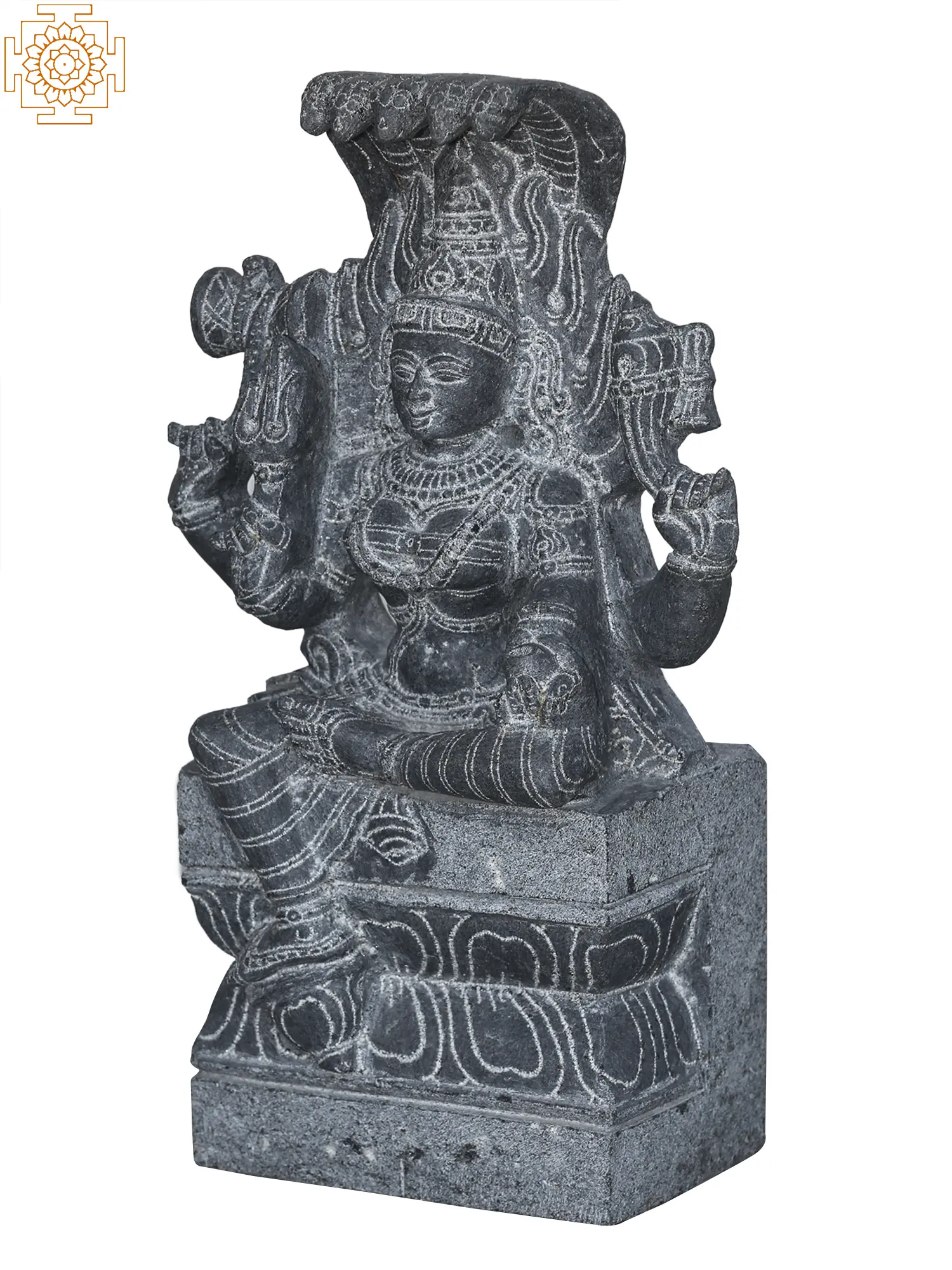
A Vision of Divine Motherhood and Cosmic Protection
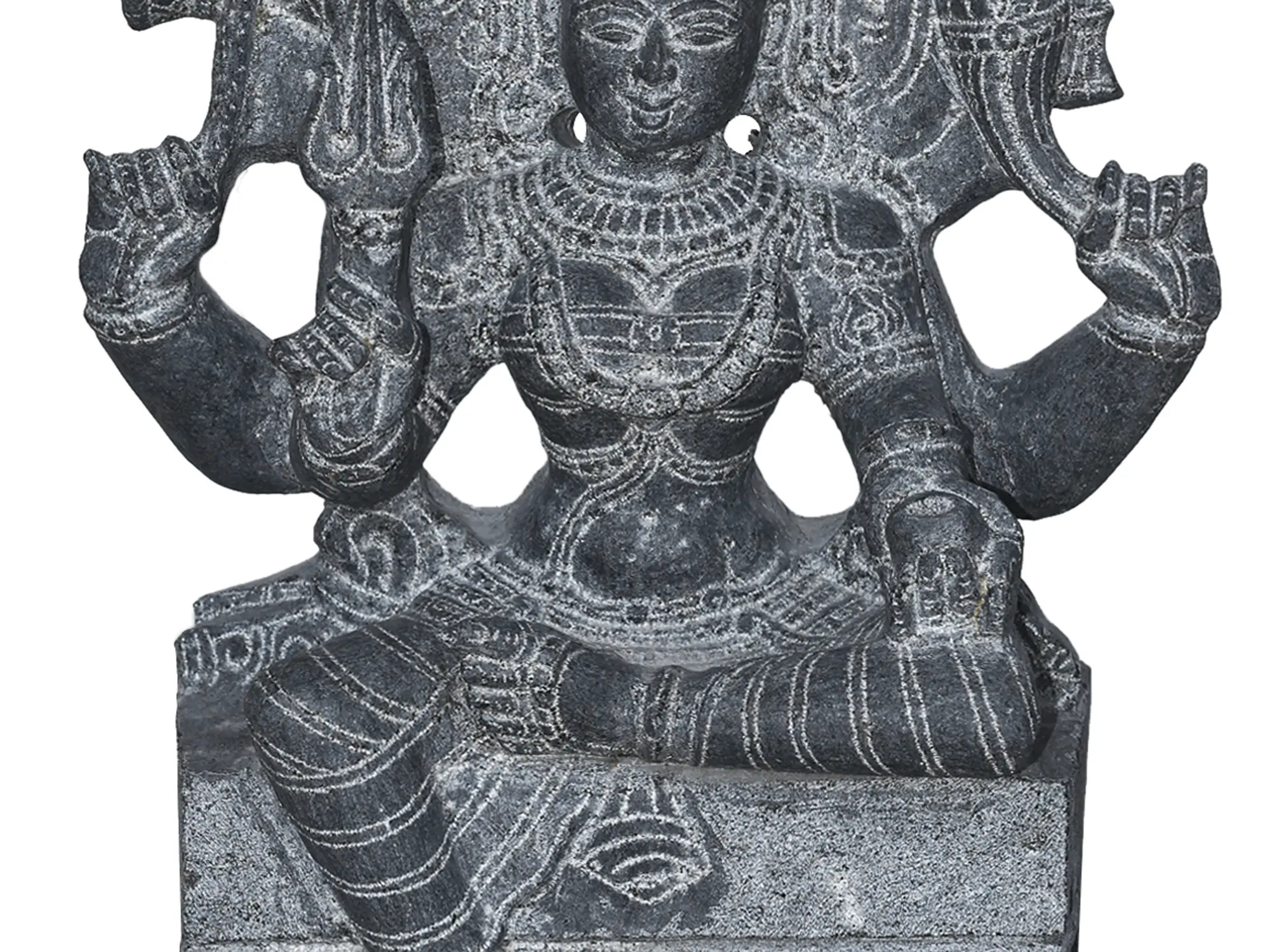
This exquisite granite sculpture captures the powerful essence of Devi Karumariamman, a revered Hindu goddess known for her fierce protection and compassionate maternal embrace. Carved from robust, hard granite, this piece embodies permanence and strength, mirroring the divine attributes of the goddess herself. The deep, grey tones of the stone, highlighted by the artist's fine chisel work, create a striking visual, bringing forth an aura of ancient wisdom and divine grace.Symbolism and Mythology
Devi Karumariamman is a prominent village goddess, particularly venerated in South India. Her name itself, "Karumari," is often interpreted as "Mother of the Crow" or "Black Mother," hinting at her connection to both the earth and the primal forces of the universe. She is seen as a manifestation of the divine feminine energy (Shakti), capable of bestowing immense blessings, healing the sick, and safeguarding her devotees from malevolent forces. Legends tell of her emerging from a pot of boiling rice to combat a demon, showcasing her ferocity in defense of righteousness. In this sculpture, her formidable presence is amplified by the naga (serpent) hood forming an elaborate aureole behind her head. The serpents are symbolic of eternity, cosmic energy, and protection, with their multiple heads representing the omnipresence and all-encompassing nature of the divine. ––––––––––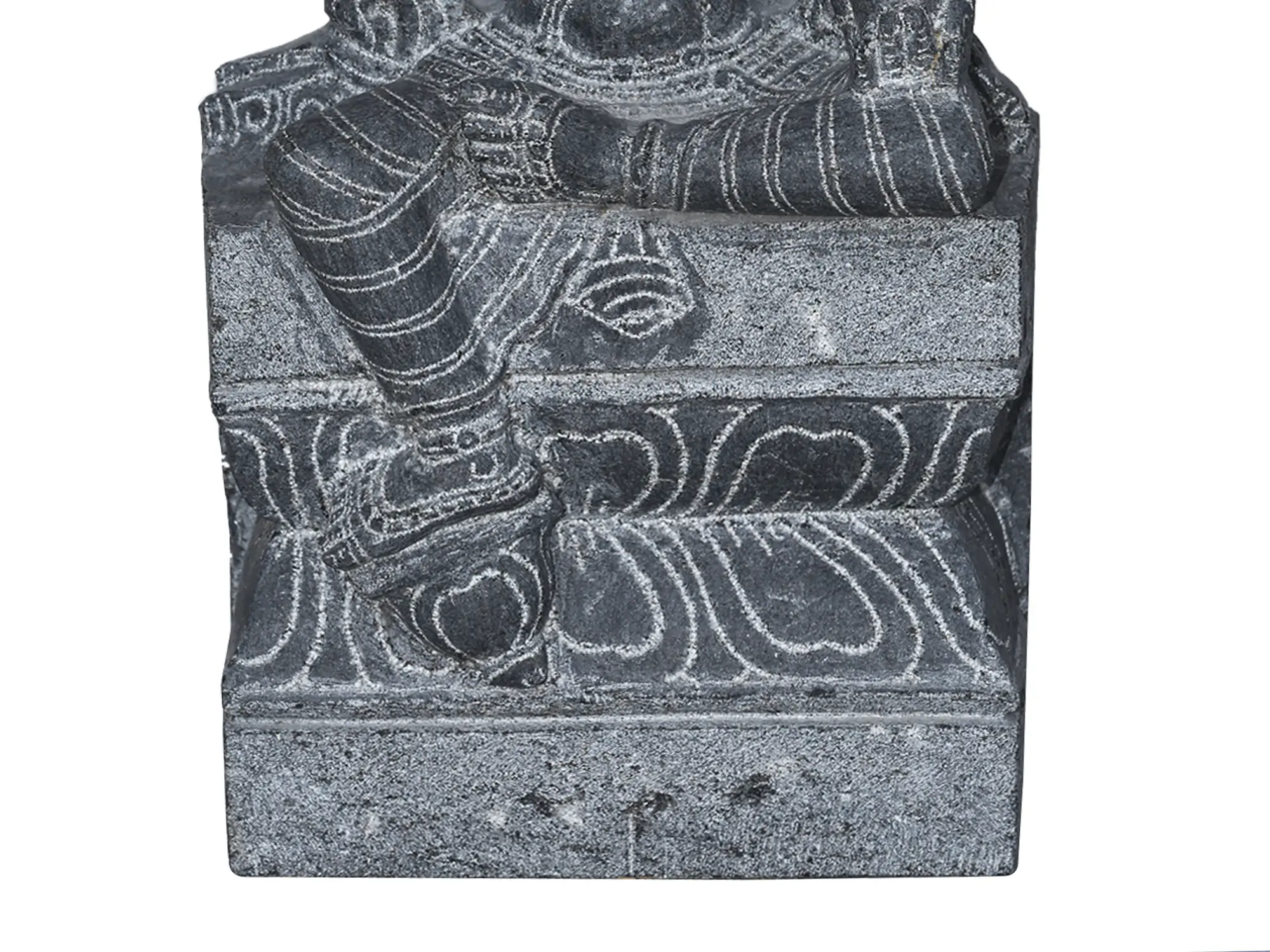
Artistic Craftsmanship and Iconography
The sculptor has meticulously rendered the details of Karumariamman's form, imbuing the stone with life and spirit. Her seated posture, with one leg gracefully bent and the other resting, suggests a state of serene power and accessibility. The intricate patterns adorning her headdress, jewelry, and garments speak to the richness of South Indian artistic traditions. In her multiple hands, she often holds symbolic implements that represent her various powers and roles. This particular rendition likely portrays her in a posture of granting boons, protection, or dispelling fear, inviting devotion and reverence. The rough texture of the granite itself lends a raw, untamed beauty to the piece, suggesting the primal and elemental nature of the goddess. ––––––––––A Sacred Centerpiece for Devotion
This 21-inch granite sculpture is more than just a work of art; it is a conduit for spiritual connection. Its substantial size and the enduring nature of granite make it an ideal centerpiece for home altars, meditation spaces, or sacred gardens. The presence of Devi Karumariamman is believed to ward off negative energies, promote well-being, and foster a sense of inner peace and strength. Each curve, line, and detail has been thoughtfully carved, offering a tangible representation of faith and a constant reminder of the goddess's benevolent watchfulness. Owning this sculpture is an invitation to invite divine maternal energy into your life, connecting you to ancient traditions and the timeless power of the divine feminine.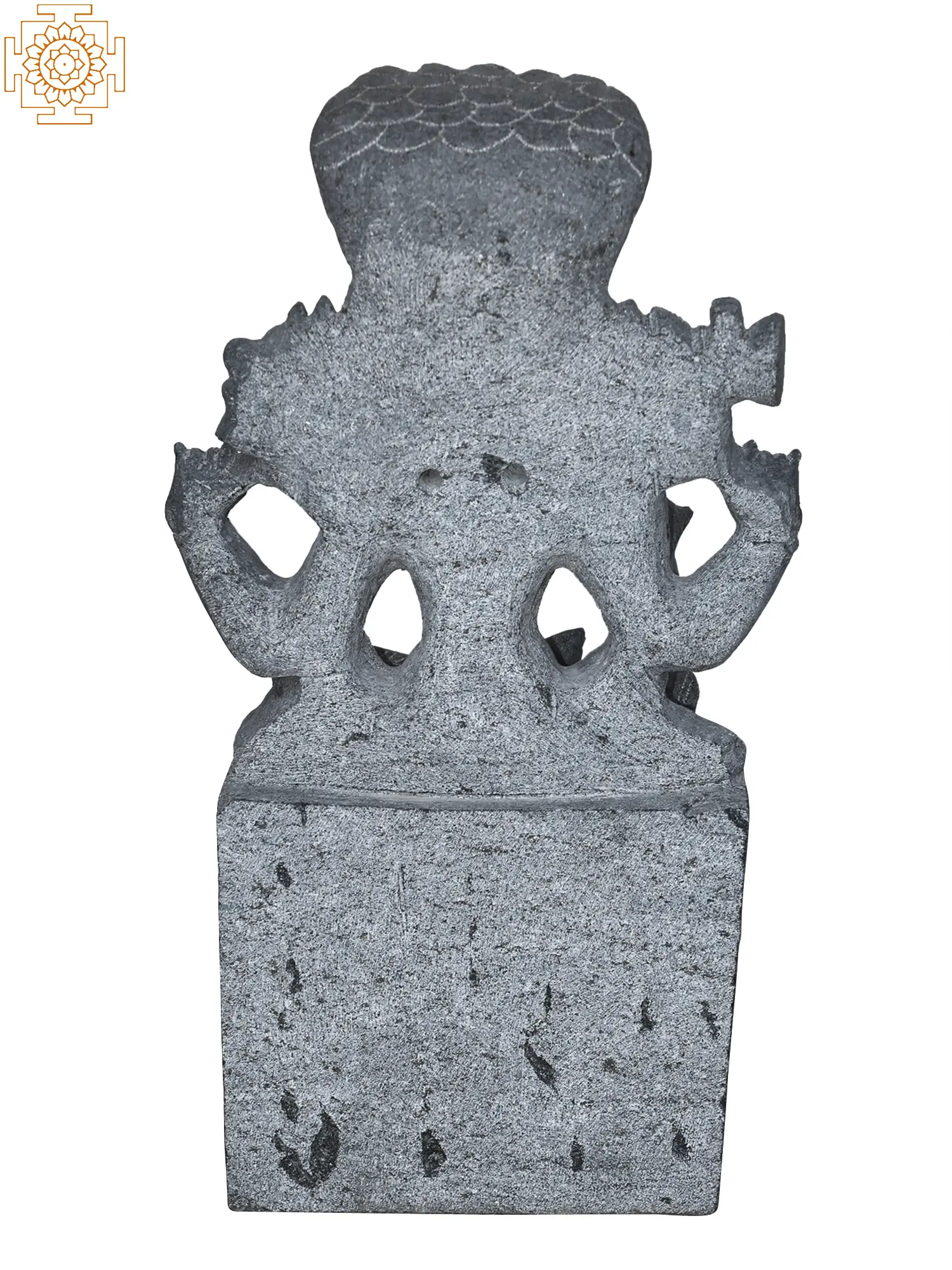
Products related to this item
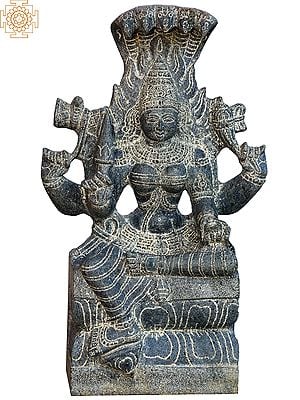
19 inch Height X 12 inch Width X 6 inch Depth
$1760
Includes any tariffs and taxes
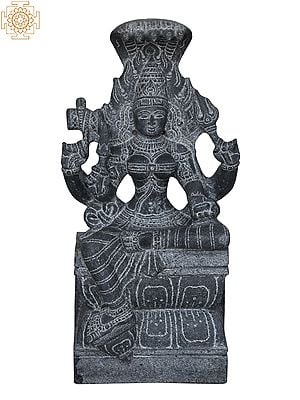
21 inch Height X 11 inch Width X 7 inch Depth
$2208
Includes any tariffs and taxes
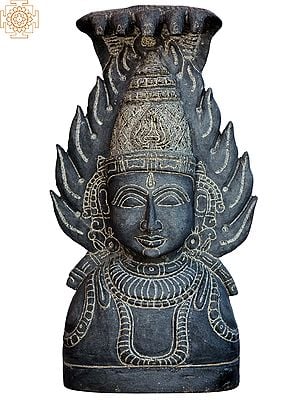
21 inch Height X 12 inch Width X 5 inch Depth
$2249
Includes any tariffs and taxes
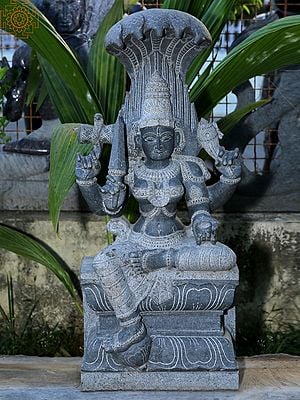
42 inch Height X 19 inch Width X 13 inch Depth
$4961
Includes any tariffs and taxes
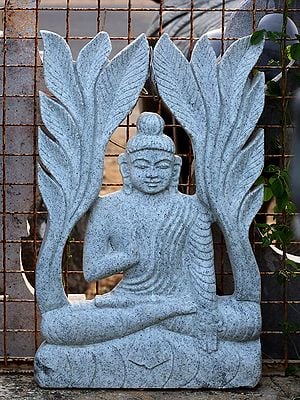
27 inch Height X 16 inch Width X 2 inch Depth
$2670
Includes any tariffs and taxes
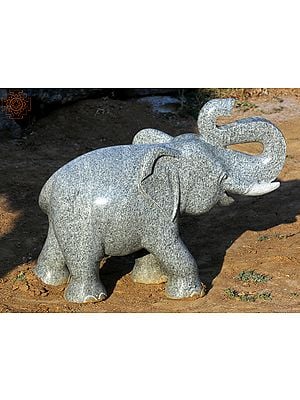
18 inch Height X 23 inch Width X 12 inch Depth
$3719
Includes any tariffs and taxes
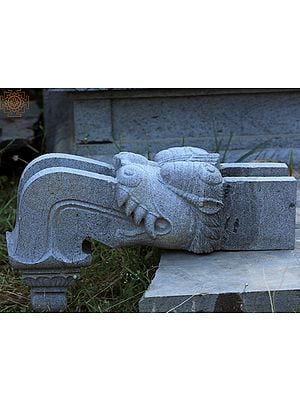
14 inch Height X 24 inch Width X 9 inch Depth
$1532
Includes any tariffs and taxes
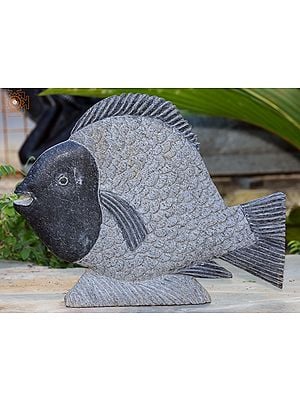
16 inch Height X 21.5 inch Width X 1.5 inch Depth
$1194
Includes any tariffs and taxes
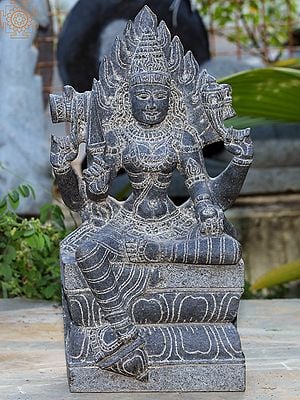
21 inch Height X 12 inch Width X 6.5 inch Depth
$2553
Includes any tariffs and taxes
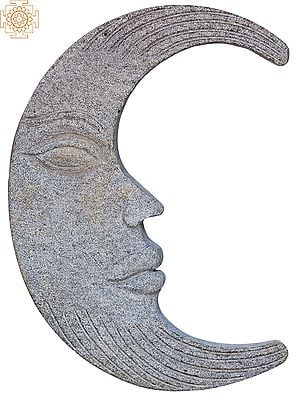
16 inch Height X 12 inch Width X 2 inch Depth
$531
Includes any tariffs and taxes
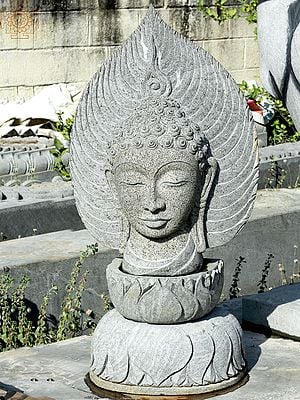
39 inch Height X 20 inch Width X 10 inch Depth
$4340
Includes any tariffs and taxes