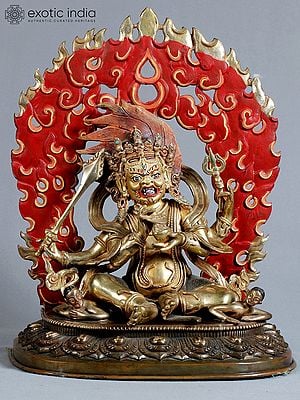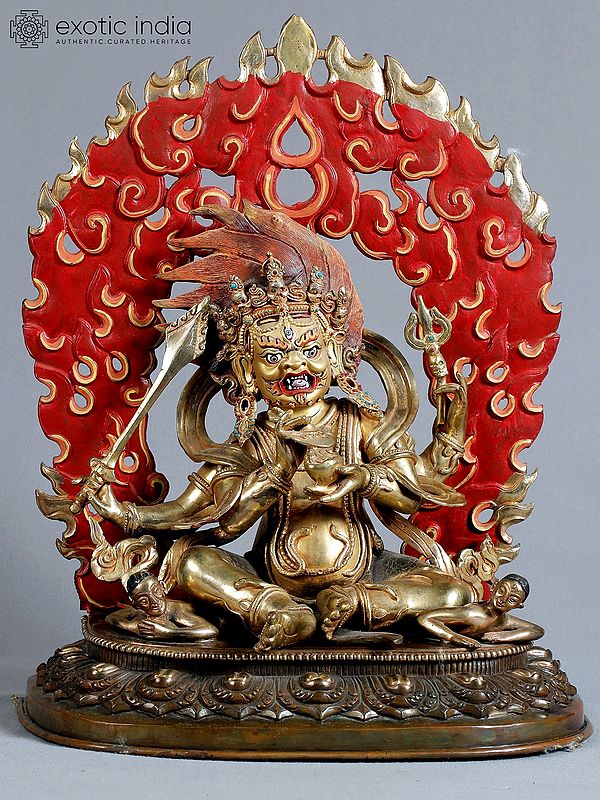
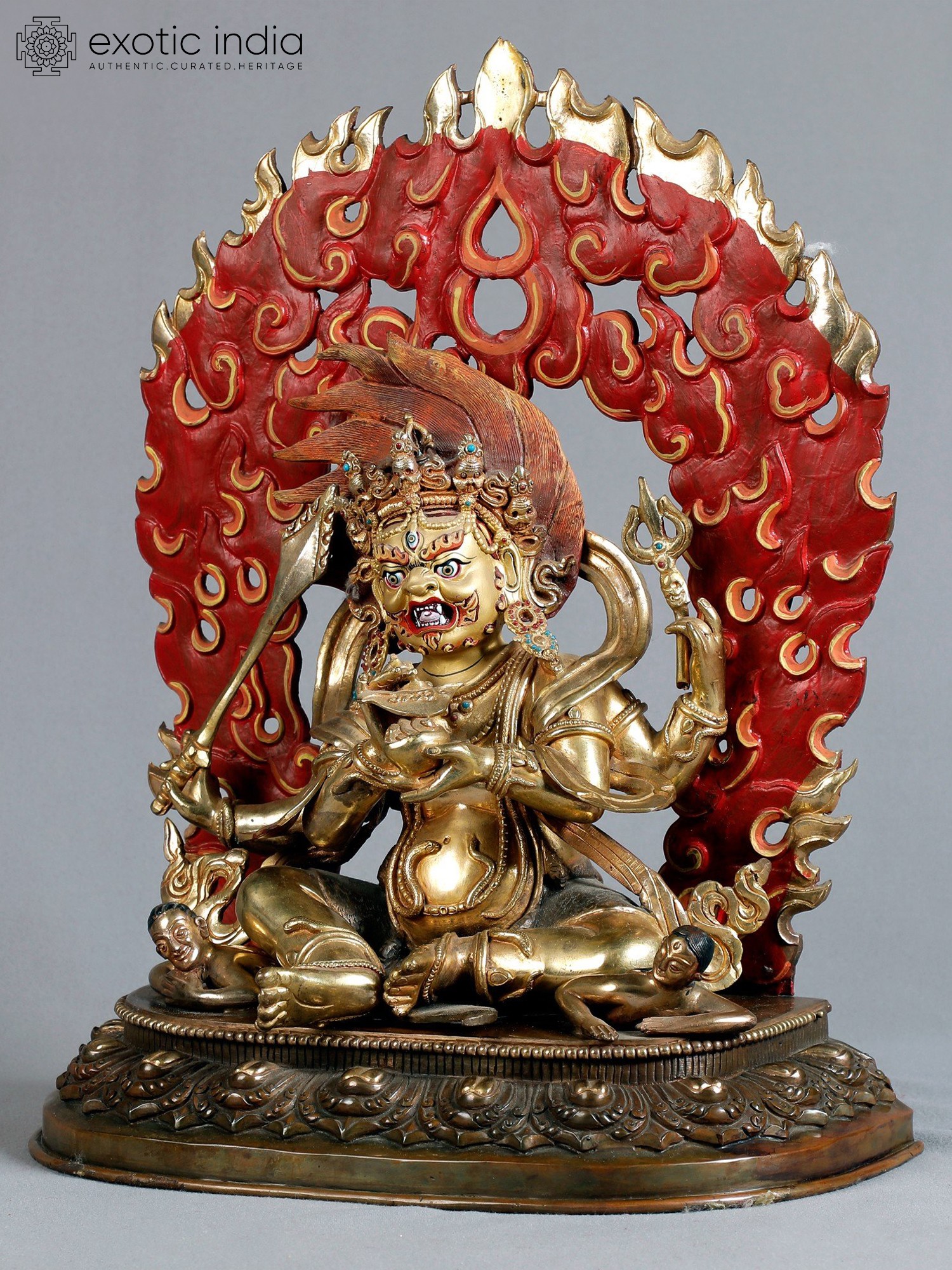
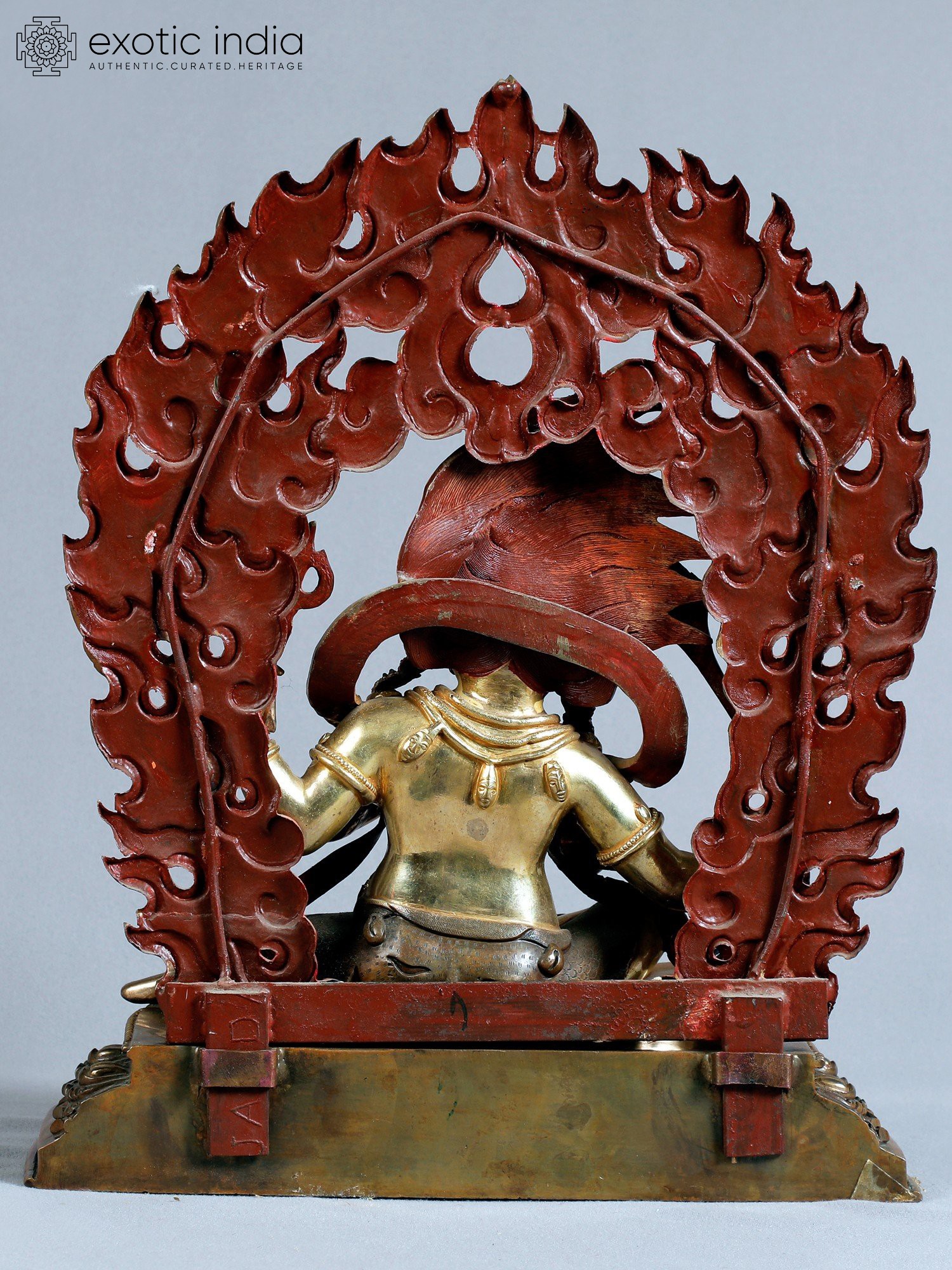
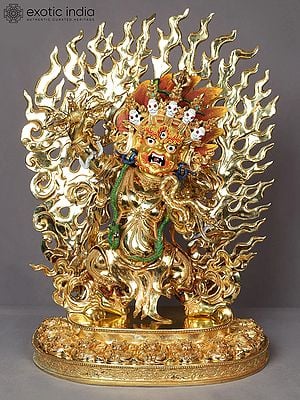
Mahakala Dharma Protector Statue (15") - Gilded Copper Sculpture
$1702
Includes any tariffs and taxes

Only 1 available
Notify me when this item is available
| Specifications |
 |
CAA069 |
 |
Copper With Gold |
 |
Height: 15 inch |
| Width: 12 inch | |
| Depth: 6 inch | |
 |
Weight 4.50 kg |
| About the Item |
|
| Delivery and Return Policies |
 |
Usually ships in 6 days |
 |
Returns and Exchanges accepted within 7 days |
 |
Free Delivery |

Easy Returns

Fully Insured

100% Handmade
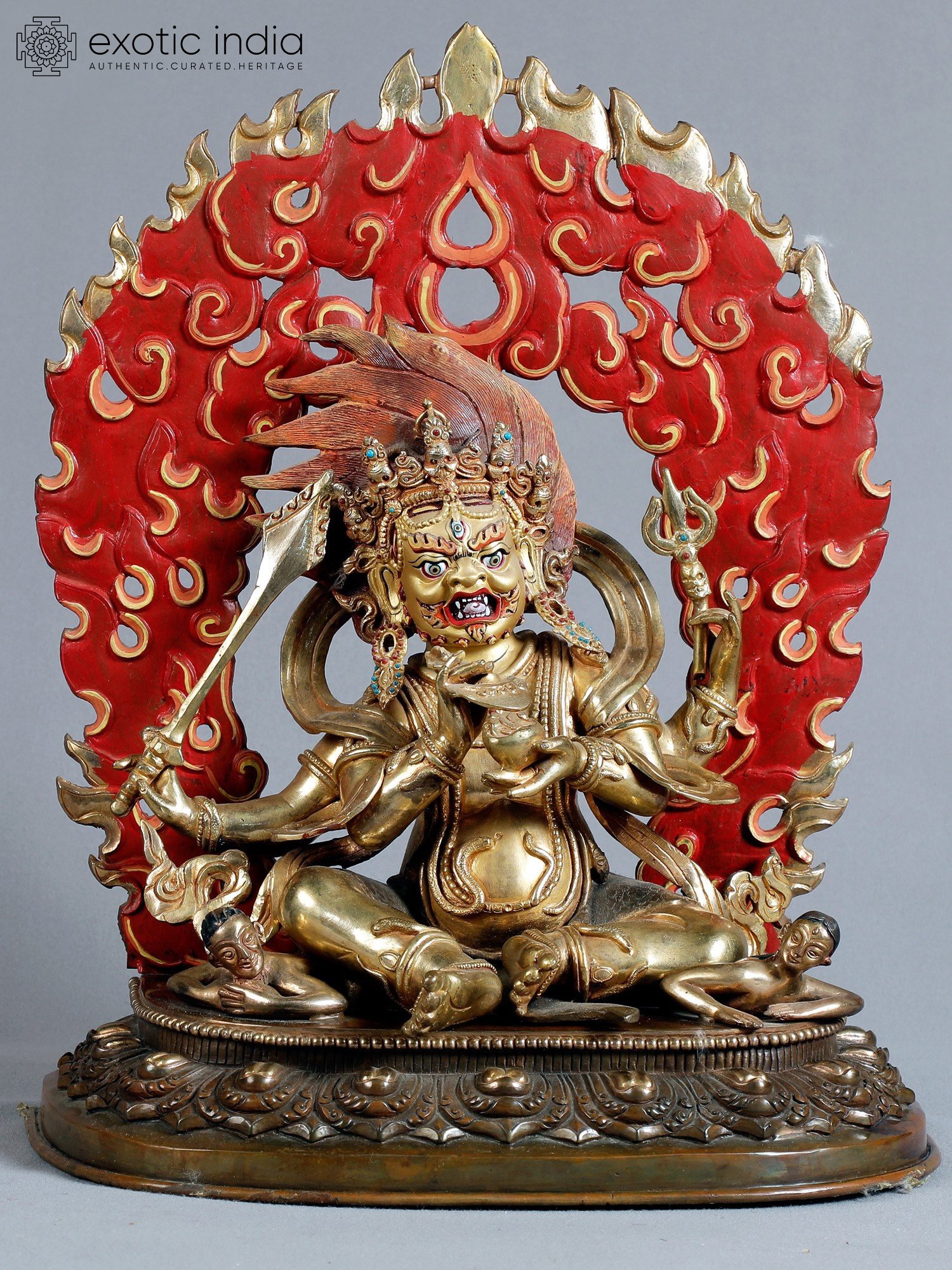
Mahakala is also
known as Dharmapala in Buddhism. Dharmapala is a protector deity whose
job is to protect or uphold the law. Mahakala's angriness symbolizes their
ability to protect Buddhist followers from harm and enemies. The four-armed Mahakala symbolizes his control over the four Maras, which
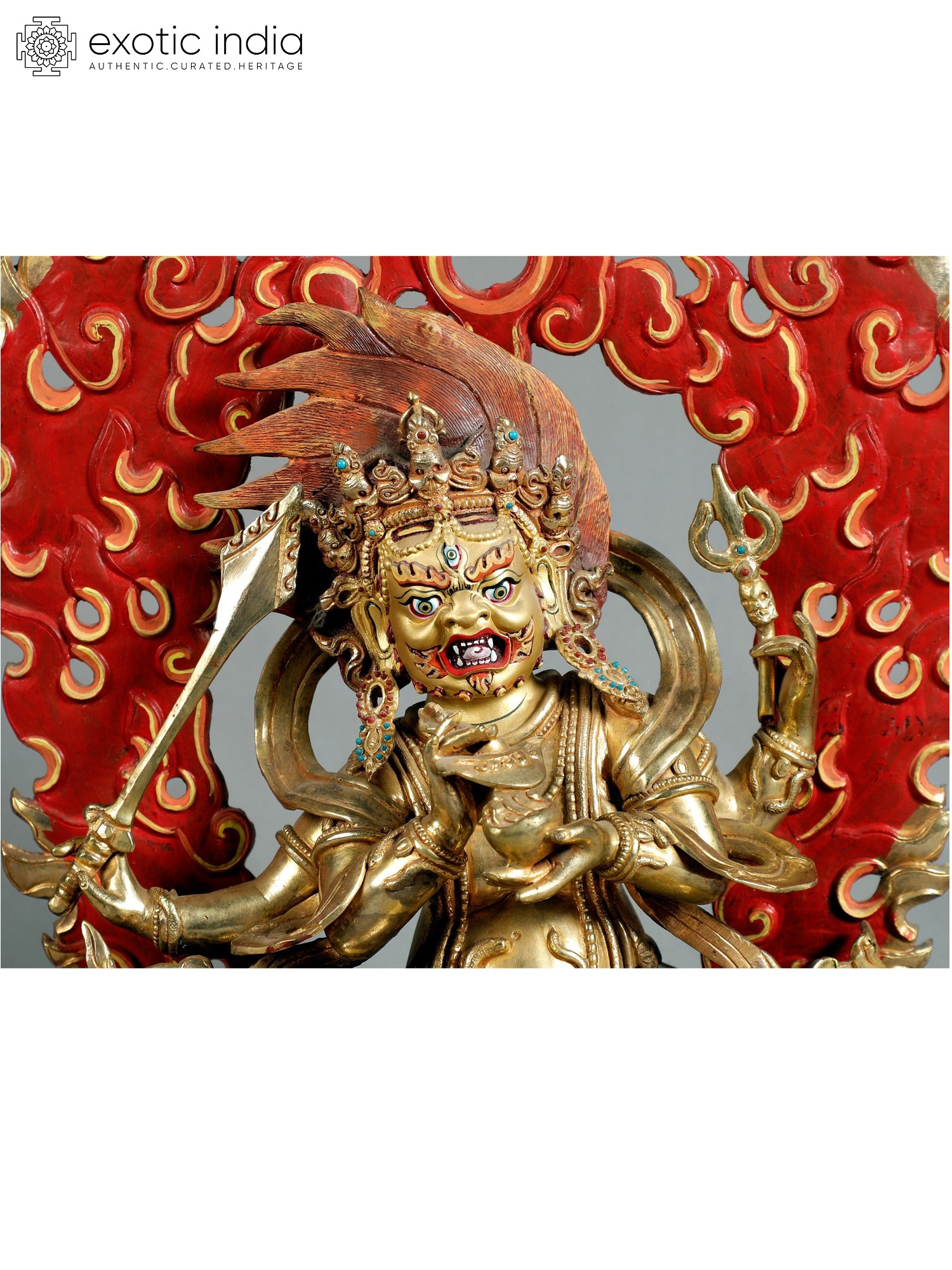
are the four obstacles on the path of enlightenment. Mahakala looks angry,
bedecked in ornaments of snakes. He has three eyes, which symbolize his clear
understanding of the three times. Mahakala appears fierce against the fire, and
his mouth is stained with blood, indicating he is actively involved in
elimination.
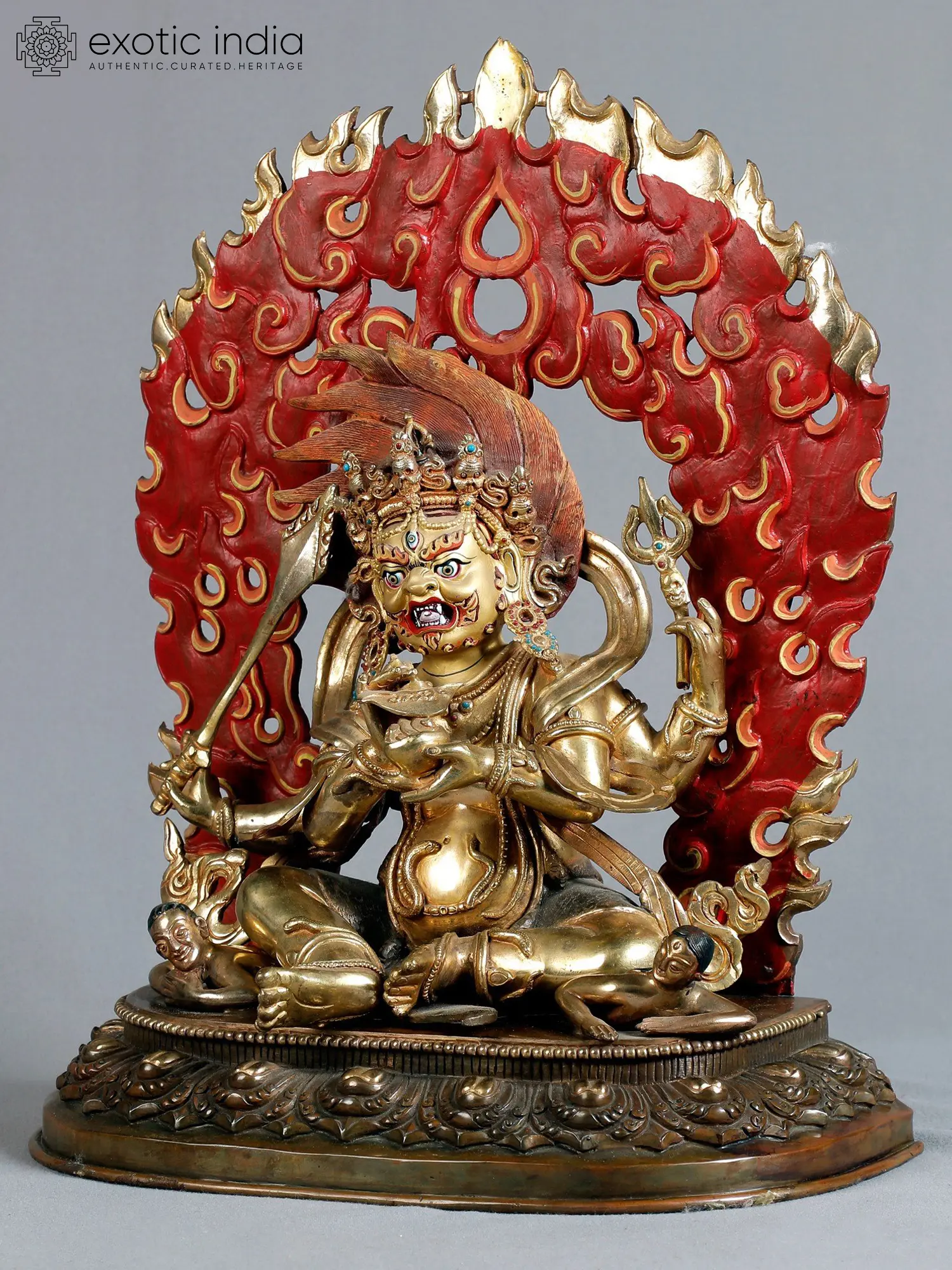
The Manifestation of Ultimate Protection
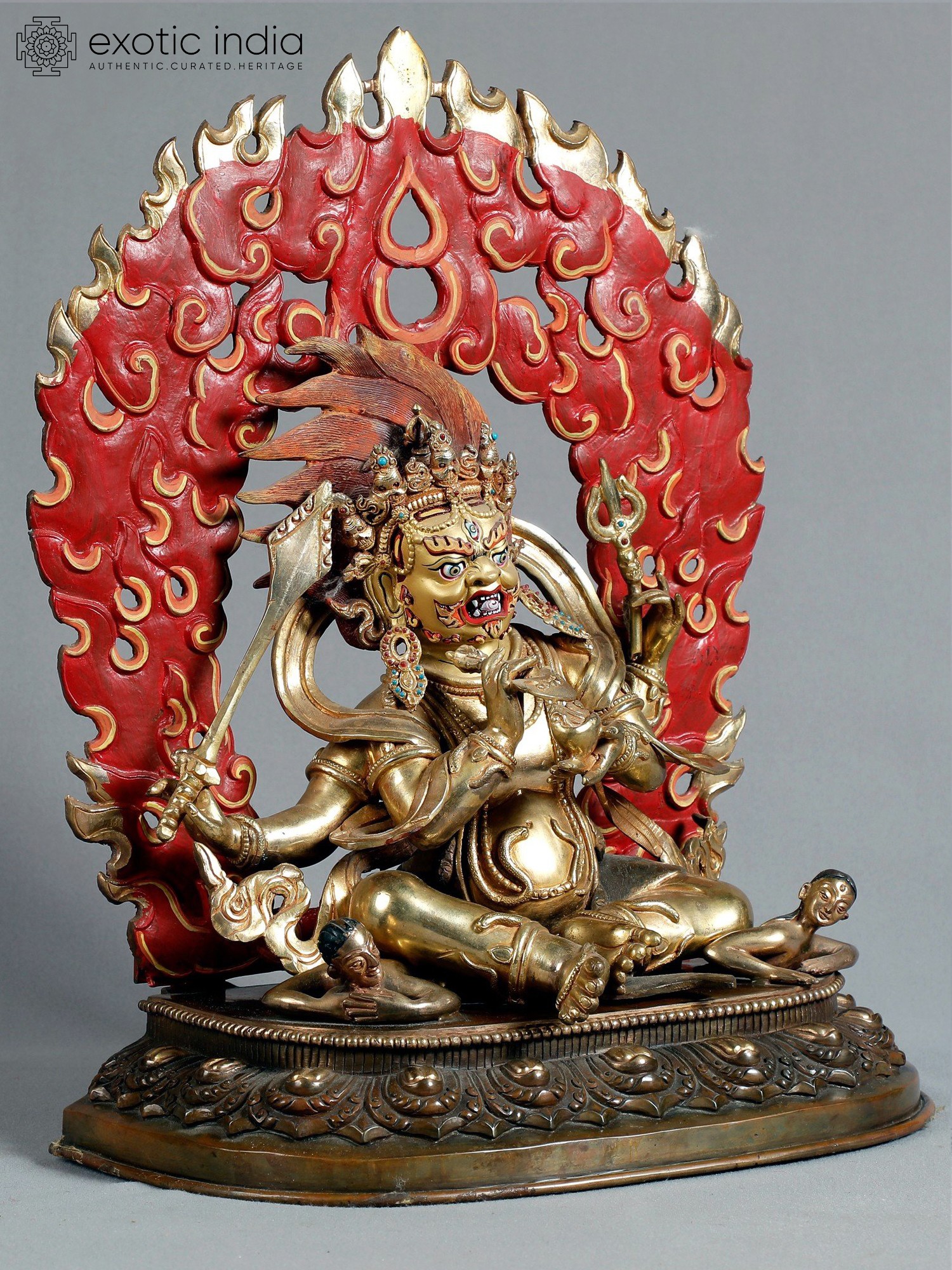
This magnificent copper idol, gilded with a lustrous gold patina, depicts the awe-inspiring Mahakala, a powerful Dharmapala, or Dharma Protector, within Tibetan Buddhism. Standing at fifteen inches tall, this deity embodies fierce compassion and formidable power, invoked to overcome obstacles, vanquish negativity, and safeguard spiritual practitioners on their path. The craftsmanship is exquisite, reflecting the rich artistic traditions of Nepal, where such sacred objects are meticulously created to inspire devotion and facilitate meditation. The vibrant red, flame-like aureole behind Mahakala symbolizes the fiery energy of wisdom that burns away ignorance and delusion. This aura is intricately rendered, with golden highlights accentuating the dynamic, upward-sweeping motion, suggesting the boundless and all-consuming nature of spiritual realization. The deity's contorted posture, seated upon a lotus throne, signifies his mastery over worldly distractions and his serene detachment from the cycles of suffering. His many arms, a common iconography for powerful deities, are poised to enact his protective functions, wielding symbolic implements that represent his diverse powers and capabilities. The intense expression on Mahakala's face, with wide-open eyes, bared fangs, and a furrowed brow, is not one of mere anger but of righteous indignation against forces that threaten the Dharma. This wrathful aspect is a crucial element of his protective nature, representing his ability to confront and subdue all forms of spiritual and material adversity. In Buddhist lore, Mahakala is often depicted as a manifestation of Avalokiteshvara, the Bodhisattva of Compassion, in a more wrathful form to powerfully assist those in need. He is the keeper of secrets, the destroyer of obstacles, and the ultimate guardian of sacred vows. ––––––––––––––––––Symbolism and Sacred Narrative
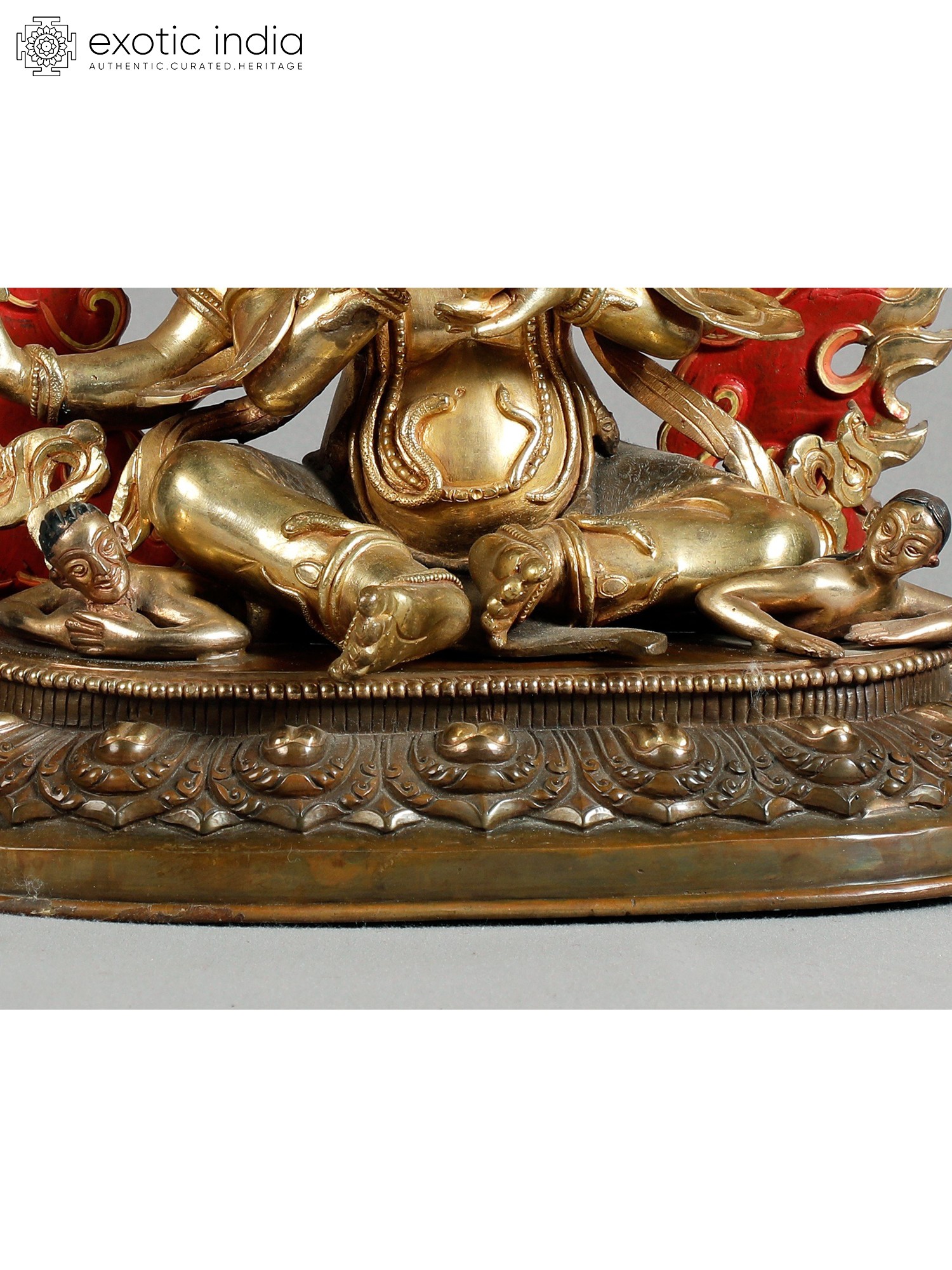
The presence of a prostrate figure beneath Mahakala's feet is a recurring motif, symbolizing the subjugation of ego, ignorance, and negative forces. This figure often represents hindrances, obstacles, or even the illusion of self that must be overcome for spiritual liberation. The trident held in one of Mahakala's hands is a symbol of his dominion over the three realms of existence – desire, form, and formlessness – and his power to overcome the three poisons of greed, hatred, and delusion. The sword he wields signifies the sharp intellect capable of cutting through ignorance and illusion. The meticulous application of gold not only enhances the visual splendor of the idol but also imbues it with a sacred aura, representing purity, divinity, and the ultimate enlightenment. The copper, a durable and conductive metal, is traditionally used for such sacred art, believed to carry and amplify spiritual energies. This particular representation of Mahakala is a powerful reminder that even in the face of overwhelming challenges, ultimate protection and liberation are attainable through unwavering faith and dedicated practice. This statue serves as a focal point for devotion, meditation, and the cultivation of inner strength and spiritual resilience.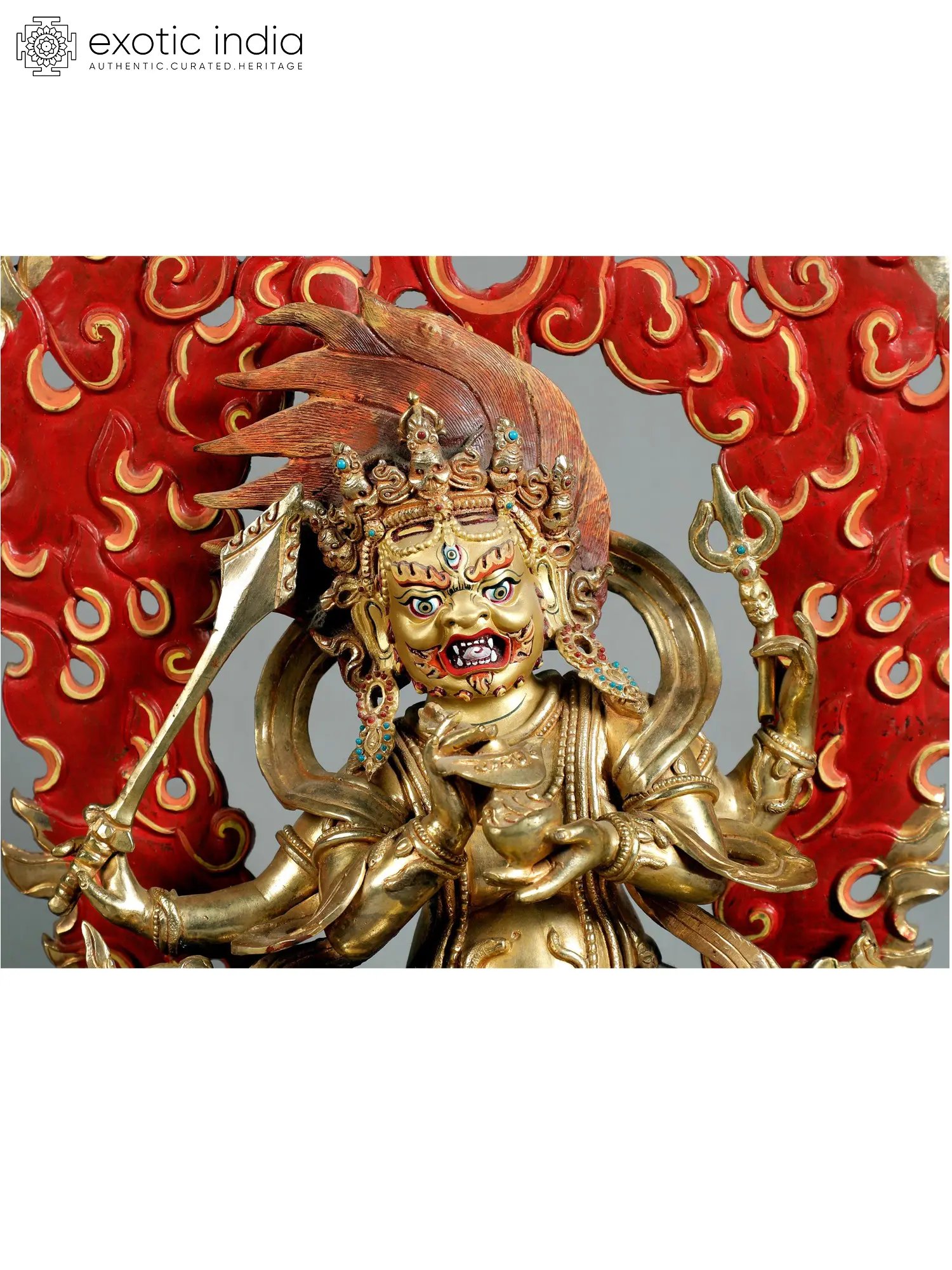
How are Nepalese copper statues made?
Nepalese statues and sculptures are best known for their unique
small religious figures and ritual paraphernalia for over two
thousand years. These are mainly cast in copper alloy. Nepal draws
influences from the artistic styles of Buddhism and Hinduism, and
therefore the sculptors of the country specialize in making the
icons of both these religions. Over the years, Nepalese sculptures
evolved into their own distinctive iconography. Some
characteristic features of these sculptures that differ from other
pieces are exaggerated physical postures, youthful and sensual
features, languid eyes, wider faces having serene expressions, and
ornate flourishes. The Buddhist deity icons of Nepal have
tremendous demand in countries such as China and Tibet for ritual
purposes in their temples and monasteries.
Nepalese statues and sculptures have a high copper content and therefore develop a slightly reddish patina on the surface as they age. However, the most unique feature of Nepalese copper statues is their decorative detailing. The pieces are heavily gilded and sometimes inlaid with semi-precious stones. This embellishment protects them from getting tarnished. The traditional lost-wax method for casting Nepalese copper statues remains the most practiced technique in Nepal for many centuries. This process involves many steps and requires skilled artists.
The first step in lost-wax sculpting is to make a wax replica of the desired Buddhist deity to be cast in copper. This replica is created by hand and therefore needs excellent artistic skills otherwise fine features will be lacking.
Once the wax replica is made, it is then coated with a special mixture of clay with a brush. This layer of clay is hardened when left to dry. A small hole is made on the base of the wax mould so that the wax flows away when it is heated.
Nepalese statues and sculptures have a high copper content and therefore develop a slightly reddish patina on the surface as they age. However, the most unique feature of Nepalese copper statues is their decorative detailing. The pieces are heavily gilded and sometimes inlaid with semi-precious stones. This embellishment protects them from getting tarnished. The traditional lost-wax method for casting Nepalese copper statues remains the most practiced technique in Nepal for many centuries. This process involves many steps and requires skilled artists.
The first step in lost-wax sculpting is to make a wax replica of the desired Buddhist deity to be cast in copper. This replica is created by hand and therefore needs excellent artistic skills otherwise fine features will be lacking.
Once the wax replica is made, it is then coated with a special mixture of clay with a brush. This layer of clay is hardened when left to dry. A small hole is made on the base of the wax mould so that the wax flows away when it is heated.
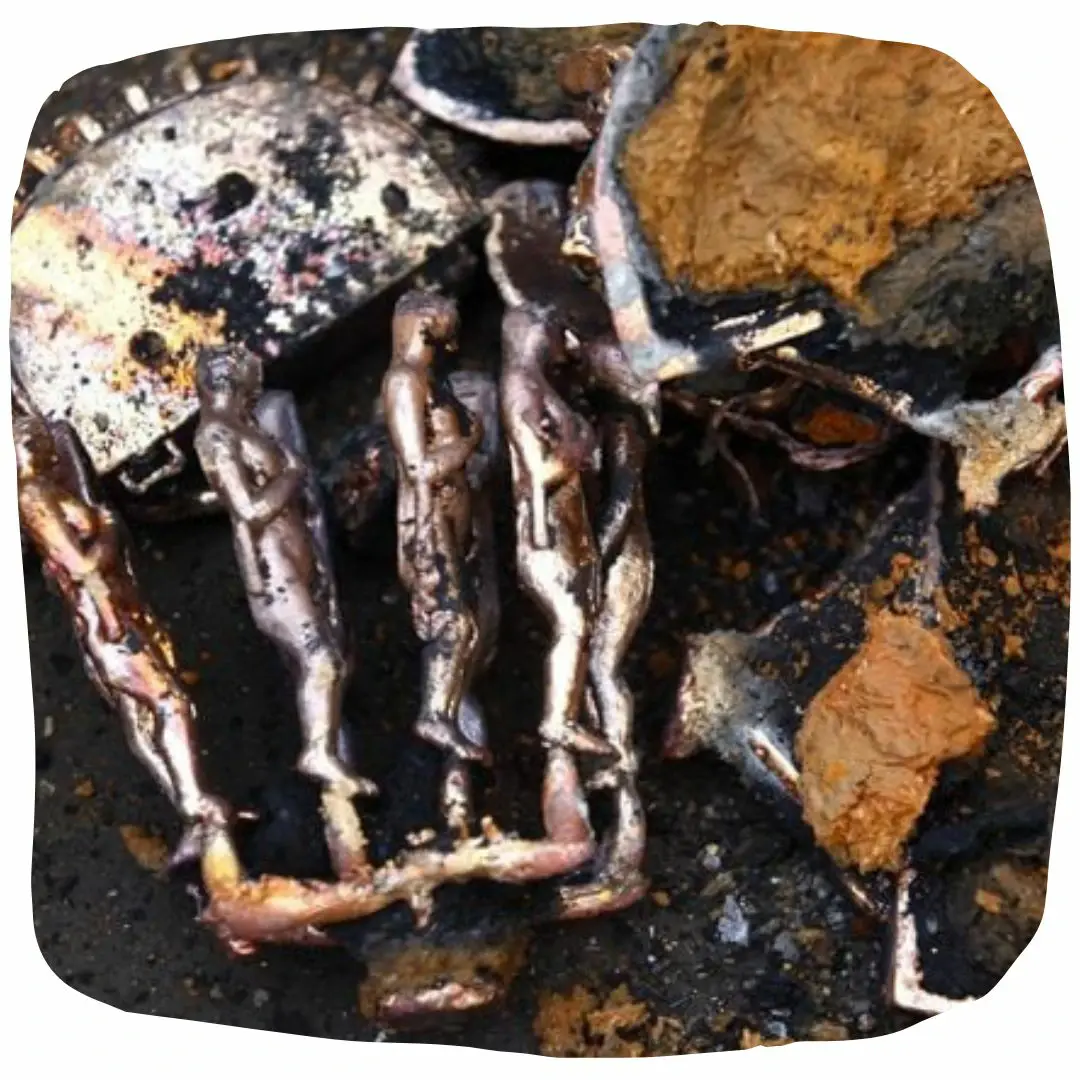
At this stage, a hollow mould in the shape of the deity is
obtained.
This is the time to pour liquid copper into the hollow mould which is then allowed to cool and harden inside a container of cold water. When the liquid metal has hardened, the mould is removed and the statue within is revealed.
This is the time to pour liquid copper into the hollow mould which is then allowed to cool and harden inside a container of cold water. When the liquid metal has hardened, the mould is removed and the statue within is revealed.
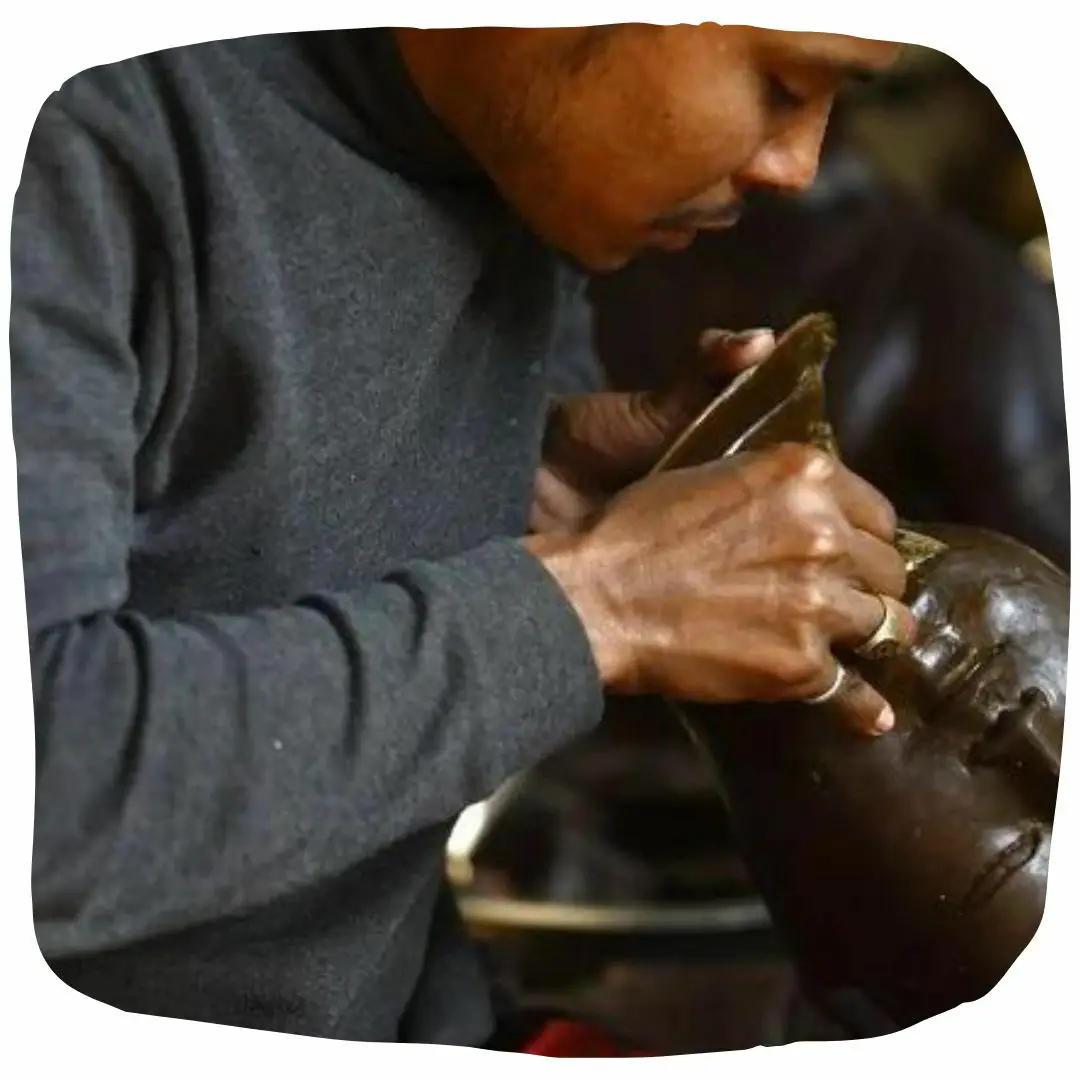
The artist works on the details of the statue using various tools.
It is then polished to get a shiny and lustrous surface.
Now comes the most important part of Nepalese art which is gold gilding. This is done by the traditional fire gilding method. A mixture of mercury and 18K gold is applied on the surface of the statue and heat is applied using a flame torch. The result is that mercury evaporates along with impurities, leaving a pure 24K gold finish.
Now comes the most important part of Nepalese art which is gold gilding. This is done by the traditional fire gilding method. A mixture of mercury and 18K gold is applied on the surface of the statue and heat is applied using a flame torch. The result is that mercury evaporates along with impurities, leaving a pure 24K gold finish.
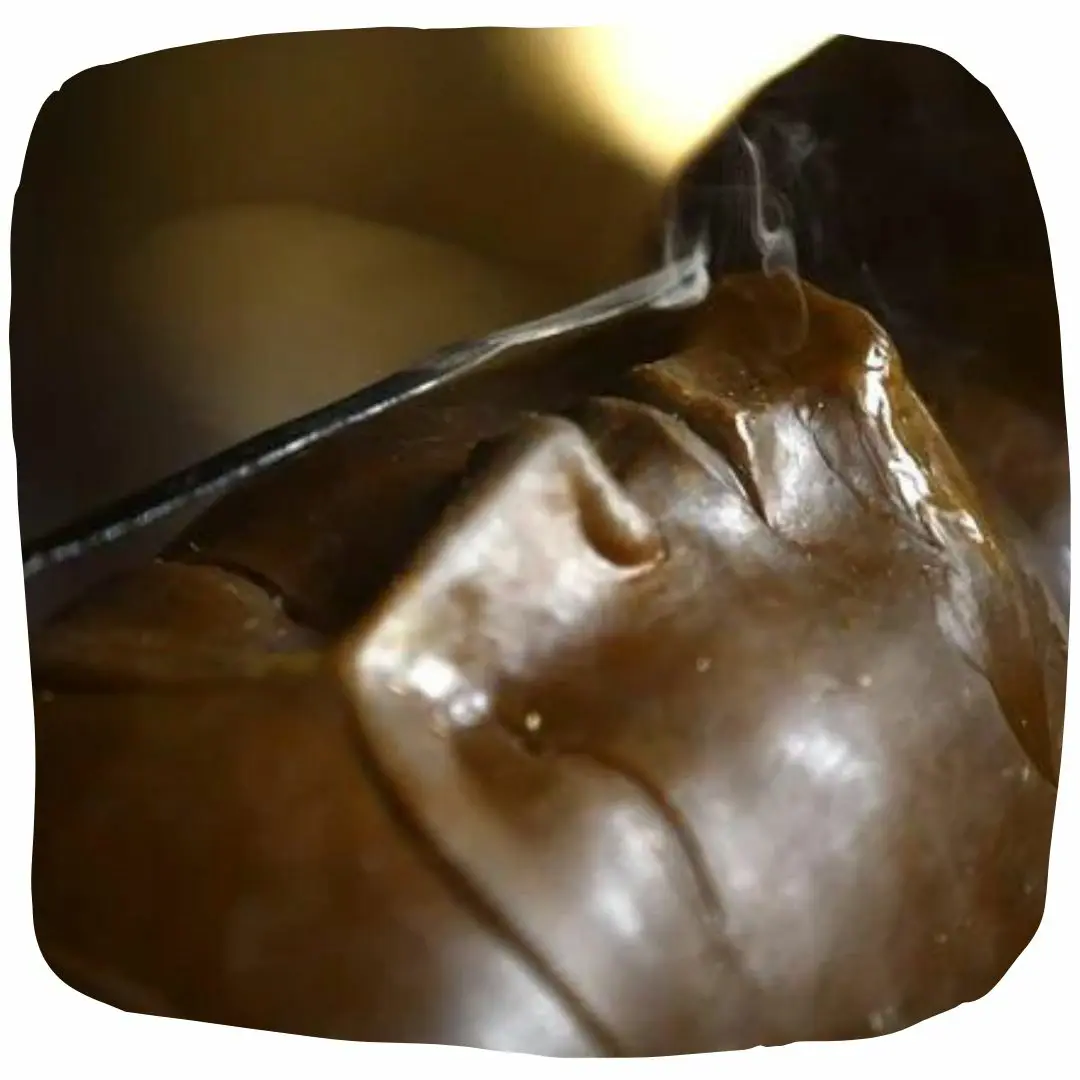
The lost-wax method of sculpting is the most preferred technique
for artists to cast a metallic statue having intricate details. Since Nepalese copper sculptures require extraneous effort for giving a majestic look by adding special embellishments, it takes several weeks to complete one masterpiece. A 24K gold gilded copper sculpture retains its brilliant luster for many years and appears as like before. Nepalese sculptures continue to remain one of the finest specimens of the art of the East that have a strong aesthetic appeal that other sculptures cannot match.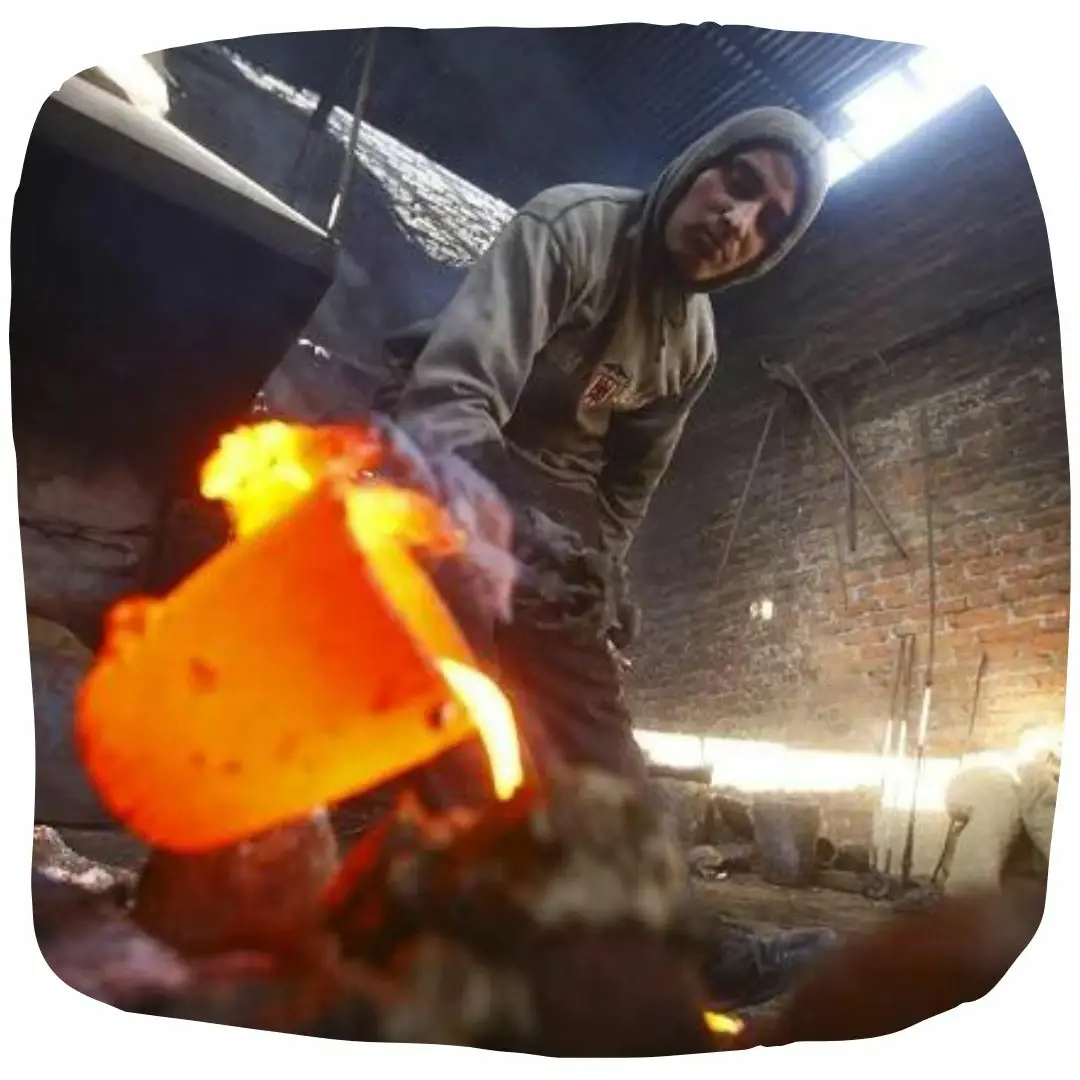
Products related to this item
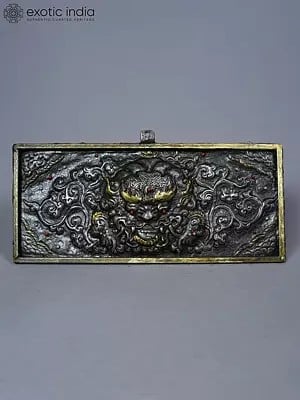
7.5 inch Height X 14.5 inch Width X 0.5 inch Length
$184
Includes any tariffs and taxes
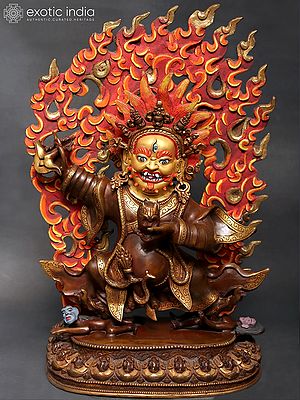
13.00 inch Height x 9.00 inch Width x 4.20 inch Depth
$904.75
Express Shipping
$1645 45% off
Includes any tariffs and taxes
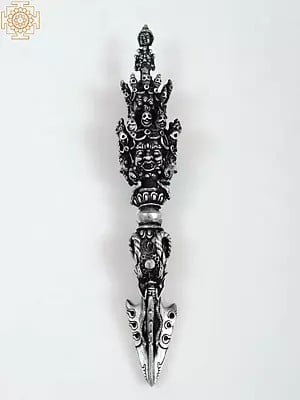
6.50 inch Height X 1.30 inch Width X 1.30 inch Depth
$184
Sold Out
Includes any tariffs and taxes
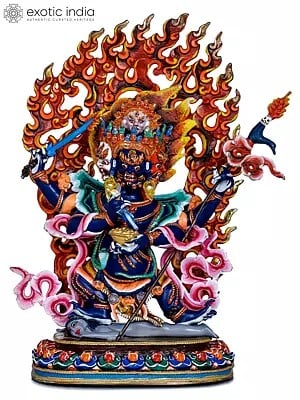
14.00 inch Height x 9.80 inch Width x 4.20 inch Depth
$974.05
Express Shipping
$1771 45% off
Includes any tariffs and taxes
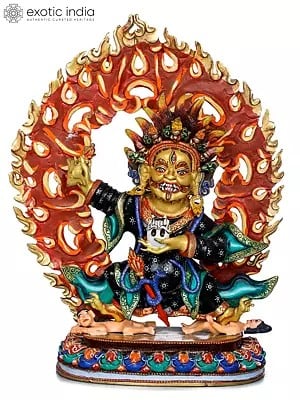
13.00 inch Height x 10.50 inch Width x 4.20 inch Depth
$904.75
Express Shipping
$1645 45% off
Includes any tariffs and taxes
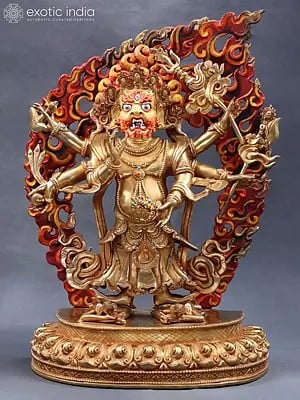
13.50 inch Height x 10.00 inch Width x 5.00 inch Depth
$834.90
Express Shipping
$1518 45% off
Includes any tariffs and taxes
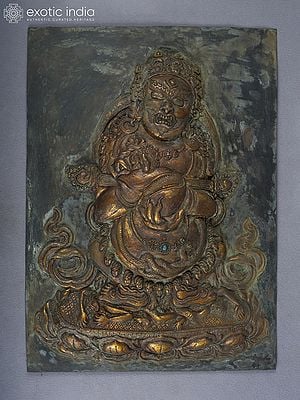
16 inch Height X 12 inch Width X 2 inch Length
$472
Includes any tariffs and taxes
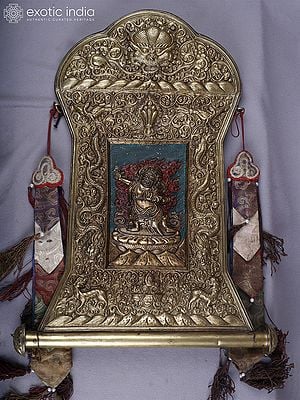
19.5 inch Height X 15 inch Width X 2 inch Length
$391
Includes any tariffs and taxes
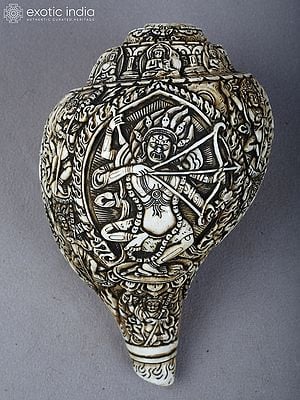
4 inch Height X 5.5 inch Width X 8 inch Length
$1679
Includes any tariffs and taxes
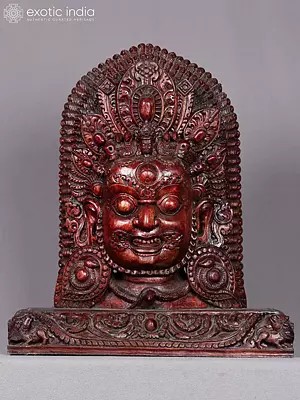
14.5 inch Height X 12.5 inch Width X 4.5 inch Depth
$1317
Includes any tariffs and taxes
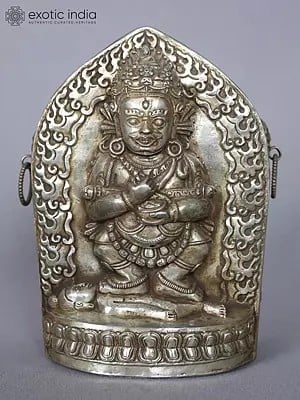
7.50 inch Height X 4.00 inch Width X 4.00 inch Depth
$2536
Includes any tariffs and taxes
18.00 inch Height X 14.00 inch Width X 8.50 inch Depth
$4617
Includes any tariffs and taxes