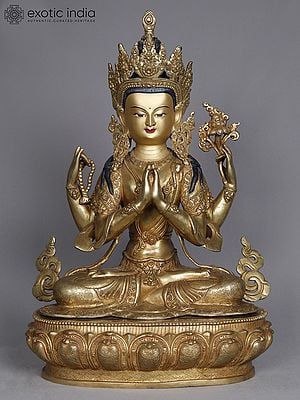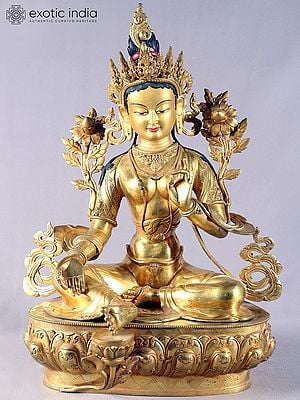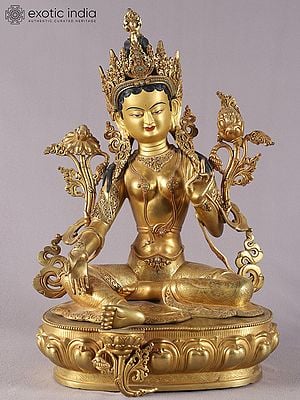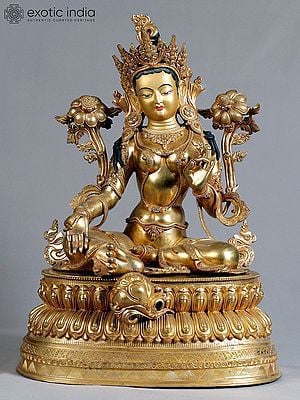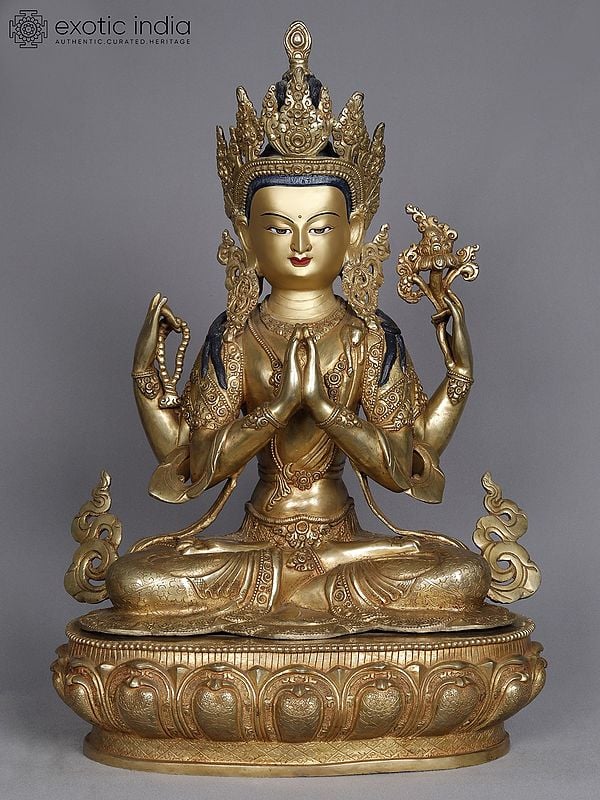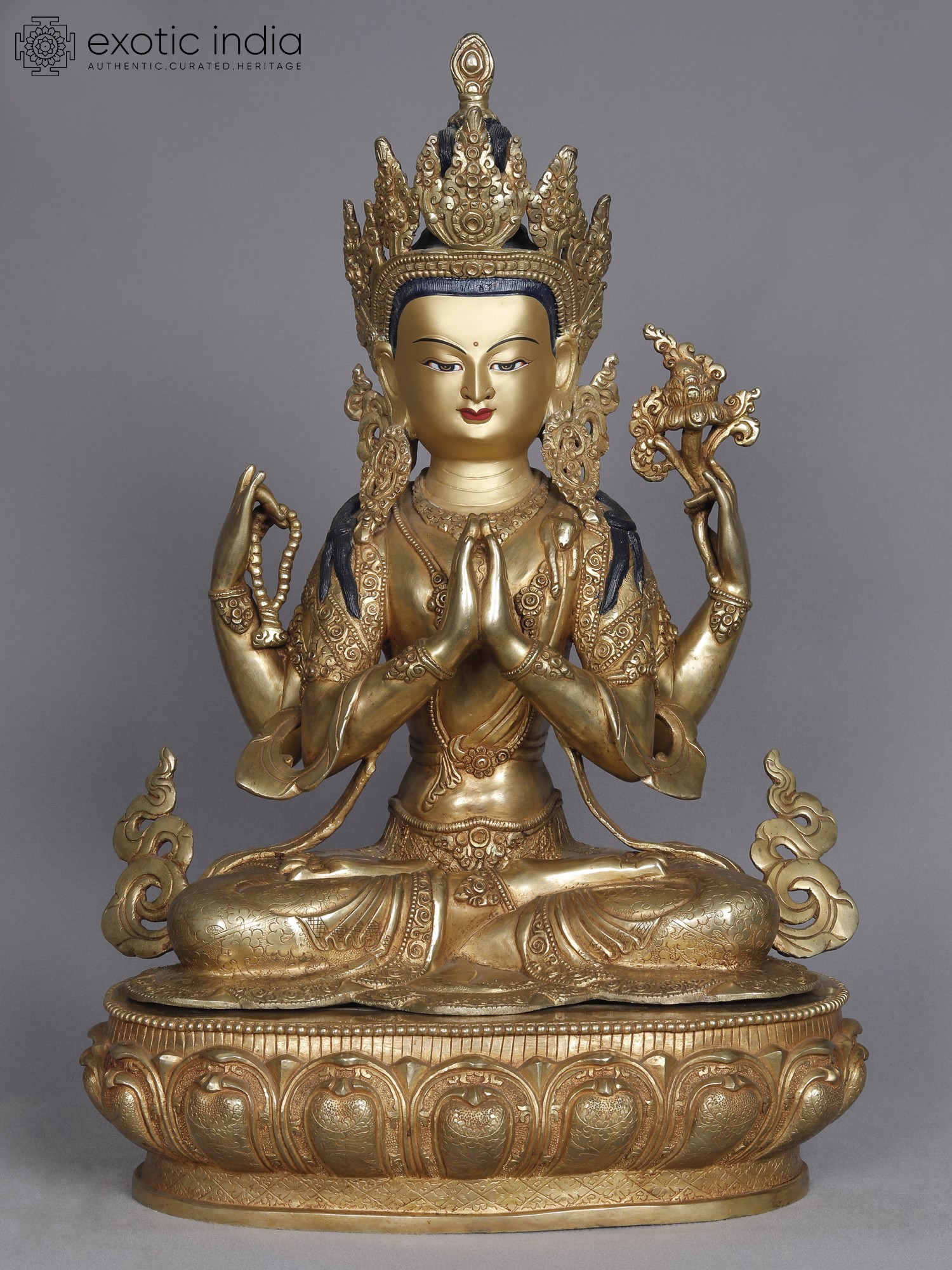


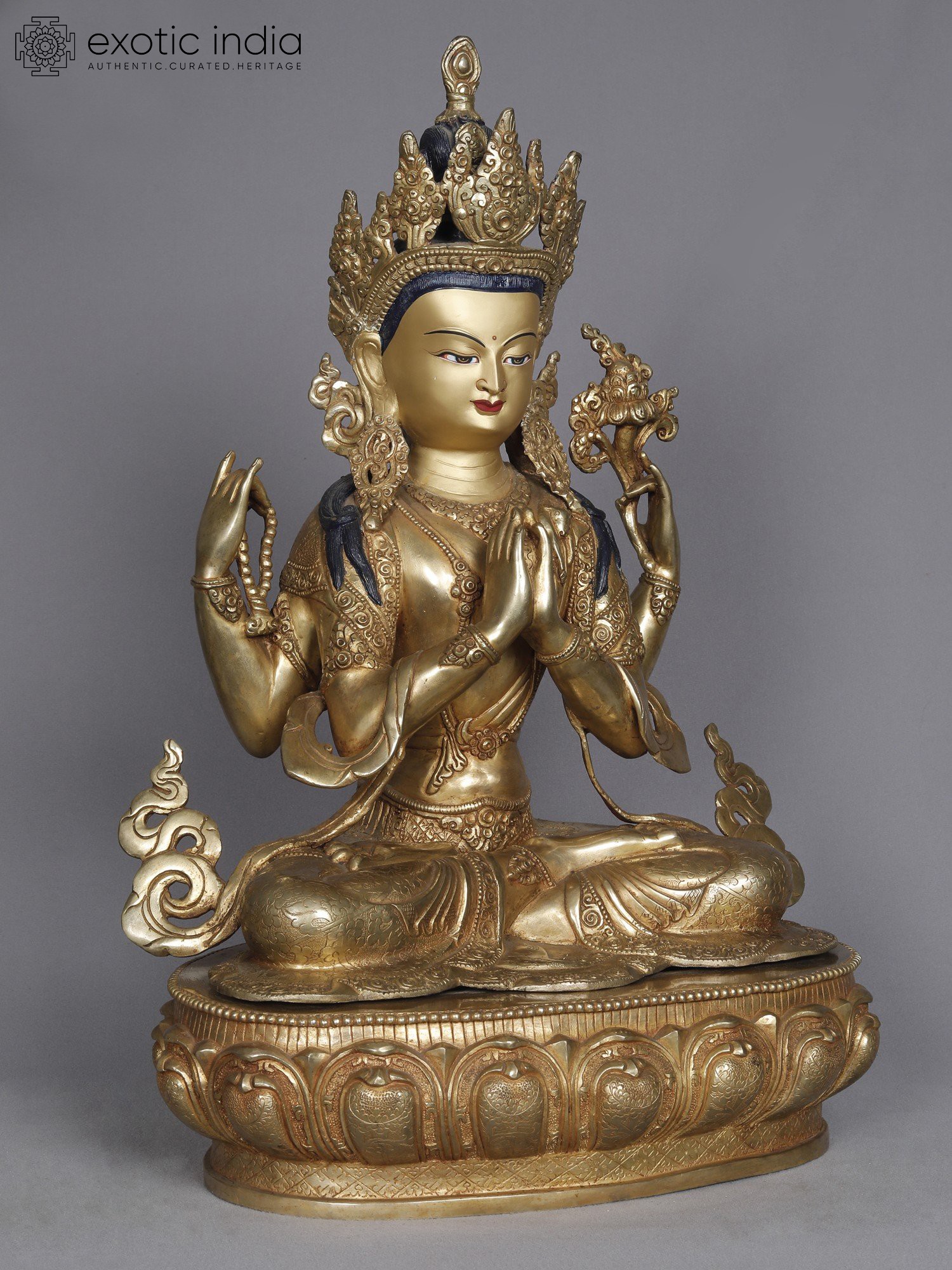
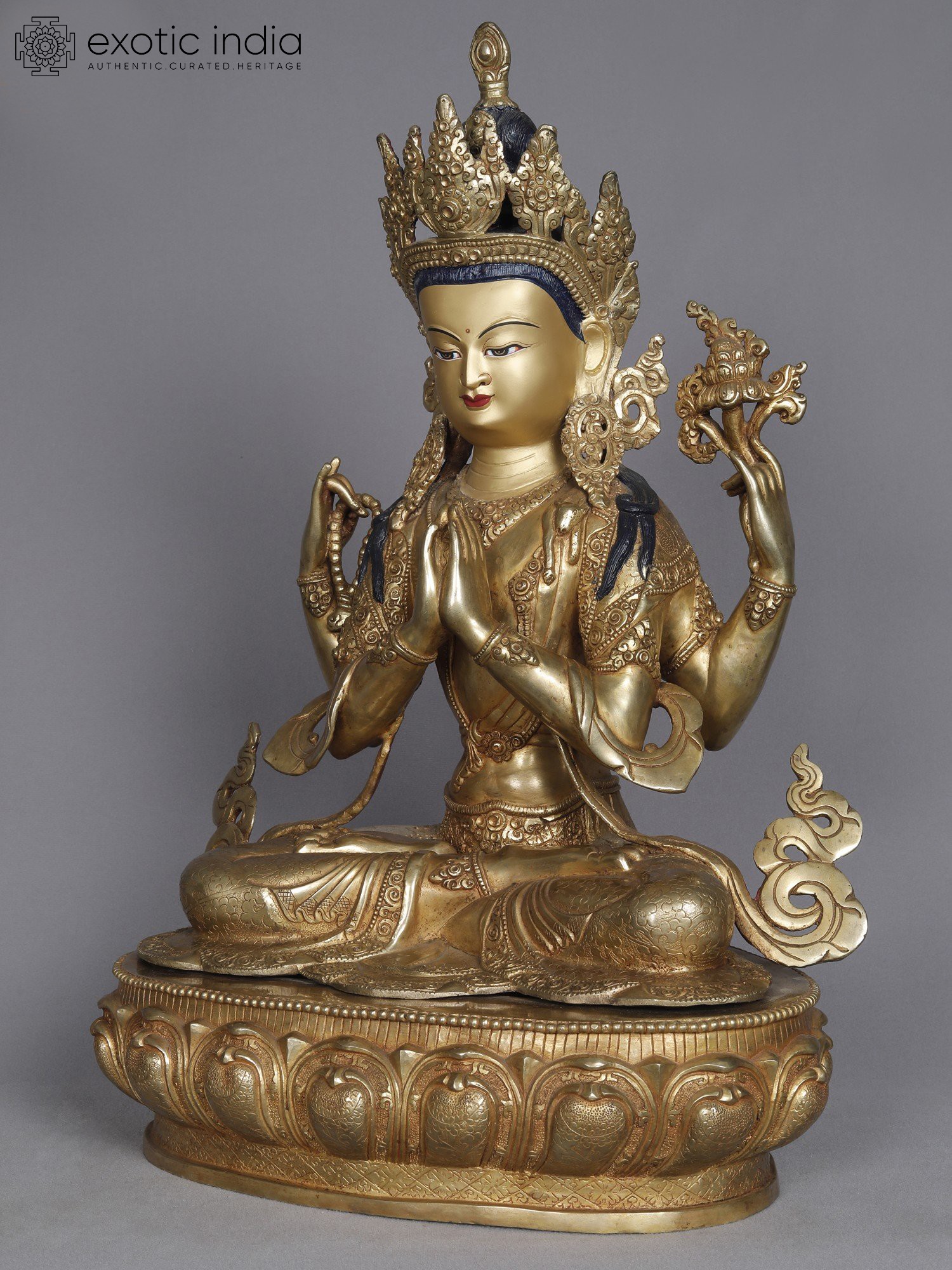


Serene Kharchari Copper Statue from Nepal (19")
$2369
Includes any tariffs and taxes

Only 1 available
Notify me when this item is available
| Specifications |
 |
CAA051 |
 |
Copper With Gold |
 |
Height: 19 inch |
| Width: 13 inch | |
| Depth: 7.5 inch | |
 |
Weight 8.80 kg |
| About the Item |
|
| Delivery and Return Policies |
 |
Usually ships in 6 days |
 |
Returns and Exchanges accepted within 7 days |
 |
Free Delivery |

Easy Returns

Fully Insured

100% Handmade
The Lord Kharchari Statue from Nepal is a glazing statue that embodies
serenity and divine beauty. The Kharchari is draped in an exquisite ensemble
and wears a gold crown over his beautifully tied tresses. With fine etchings
embellishing the entire statue, Kharchari’s mesmeric visage calms the mind
swiftly. Seated on a lotus throne, Bodhisattva Vajrasattva is adorned with four
arms, two hands hold the Chintamani, or the wish-fulfilling jewel, while the
other two hands have the rosary and a lotus. Causing a spurt of calmness in
mind, this statue is supreme wisdom condensed in pure gold and copper.
A Vision of Compassion and Enlightenment
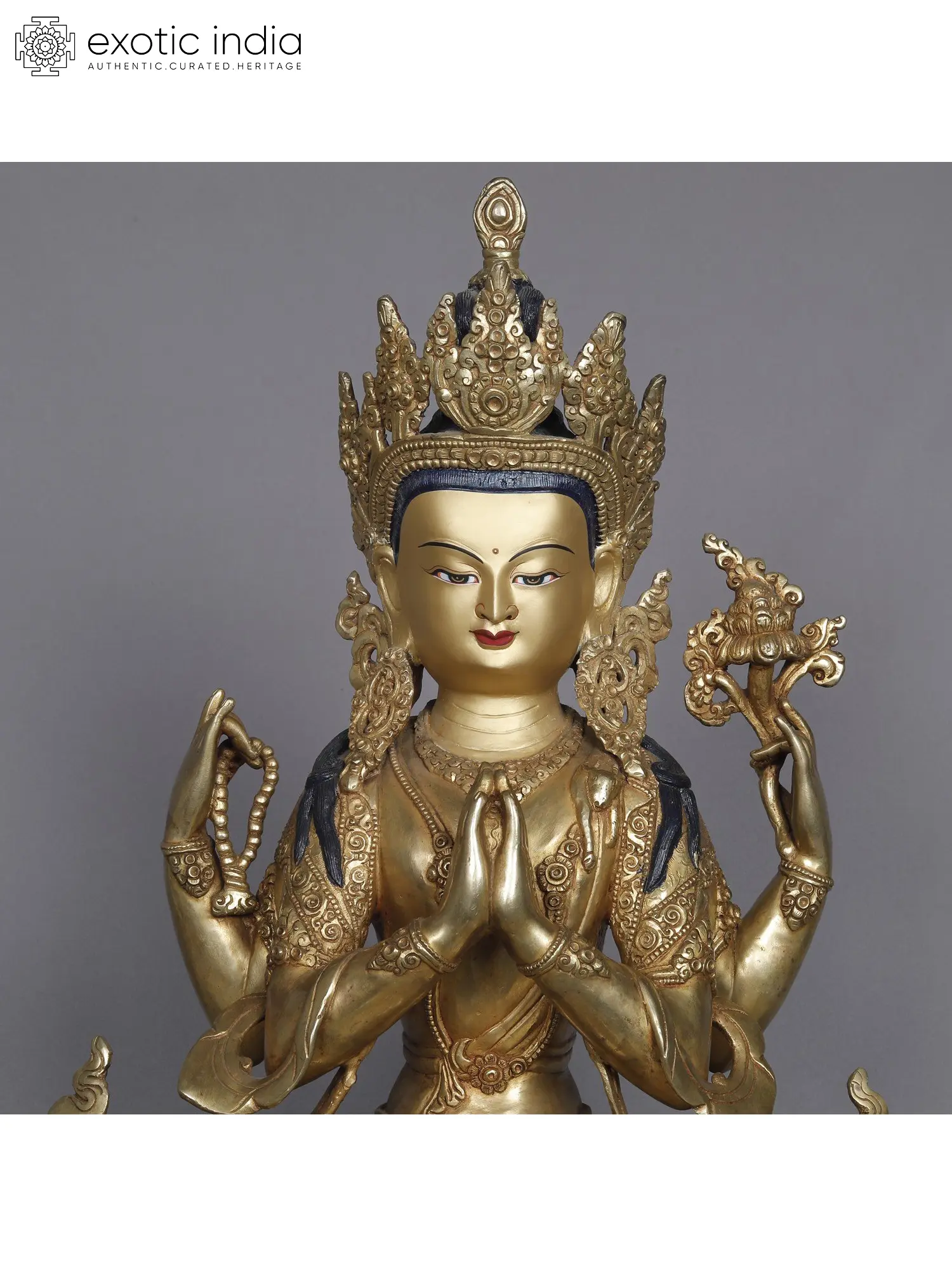
This exquisite copper idol, rendered in a luminous blend of copper and gold, embodies the serene grace and profound wisdom of a celestial being. Crafted with meticulous attention to detail in Nepal, a land steeped in spiritual tradition, this statue is more than an object of art; it is a tangible connection to the heart of Buddhist philosophy. The serene expression, with half-closed eyes and a gentle smile, radiates an aura of immeasurable peace and compassion, inviting contemplation and inner reflection. The figure is adorned with a majestic crown, intricately detailed with symbolic motifs, signifying its exalted status. Delicate jewelry, including bracelets and necklaces, further enhances the divine appearance, each piece sculpted with the precision of a master artisan. The body posture, a graceful seated meditation, is typical of enlightened beings and conveys a sense of profound stillness and spiritual poise. This posture, known as the vajra posture, is considered the most stable and conducive to deep meditation. The right hand is raised, gently holding a string of prayer beads, symbolizing the constant remembrance and invocation of mantras, a practice central to spiritual discipline. The left hand holds a lotus flower, a potent symbol in Buddhism representing purity, enlightenment, and the unfolding of spiritual awareness. The lotus blooms from muddy waters, signifying the ability to rise above worldly defilements and achieve spiritual liberation.Craftsmanship Rooted in Tradition
The artistic heritage of Nepal is vividly displayed in this masterpiece. The use of copper, a sacred metal in many cultures, signifies purity and longevity. The application of gold highlights the divine radiance and adds a celestial glow to the idol. Each curve and contour of the sculpture speaks of the artisan's deep understanding of iconographical principles and their dedication to their craft. The base of the idol is a richly decorated lotus plinth, a common feature in Buddhist imagery, symbolizing the divine seat upon which enlightened beings rest. The petals are rendered with an elegant, flowing design, further enhancing the overall aesthetic appeal. This piece is a testament to the enduring legacy of Nepalese artistry, where devotion and skill converge to create objects of profound spiritual significance.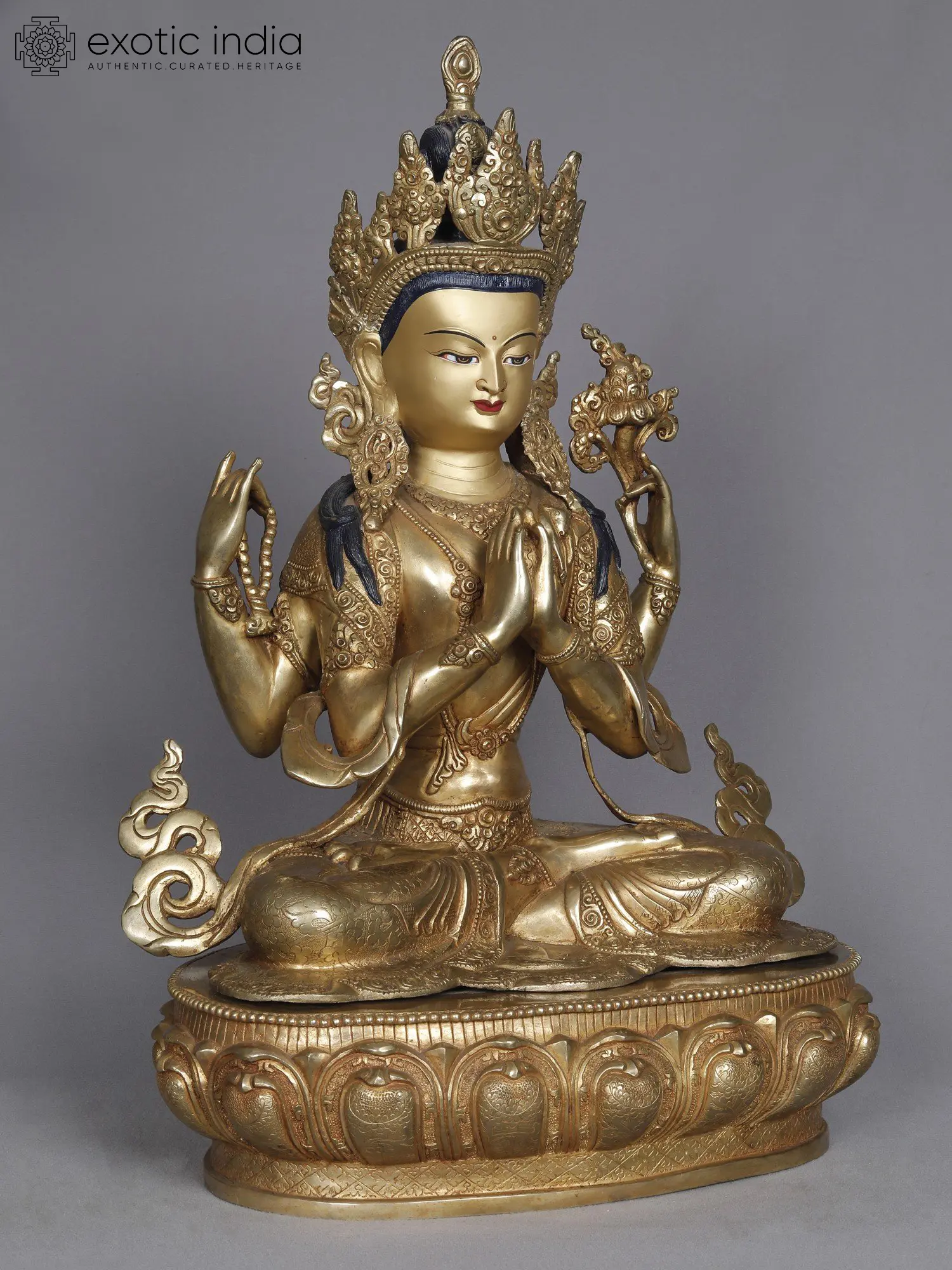
A Divine Presence in Your Space
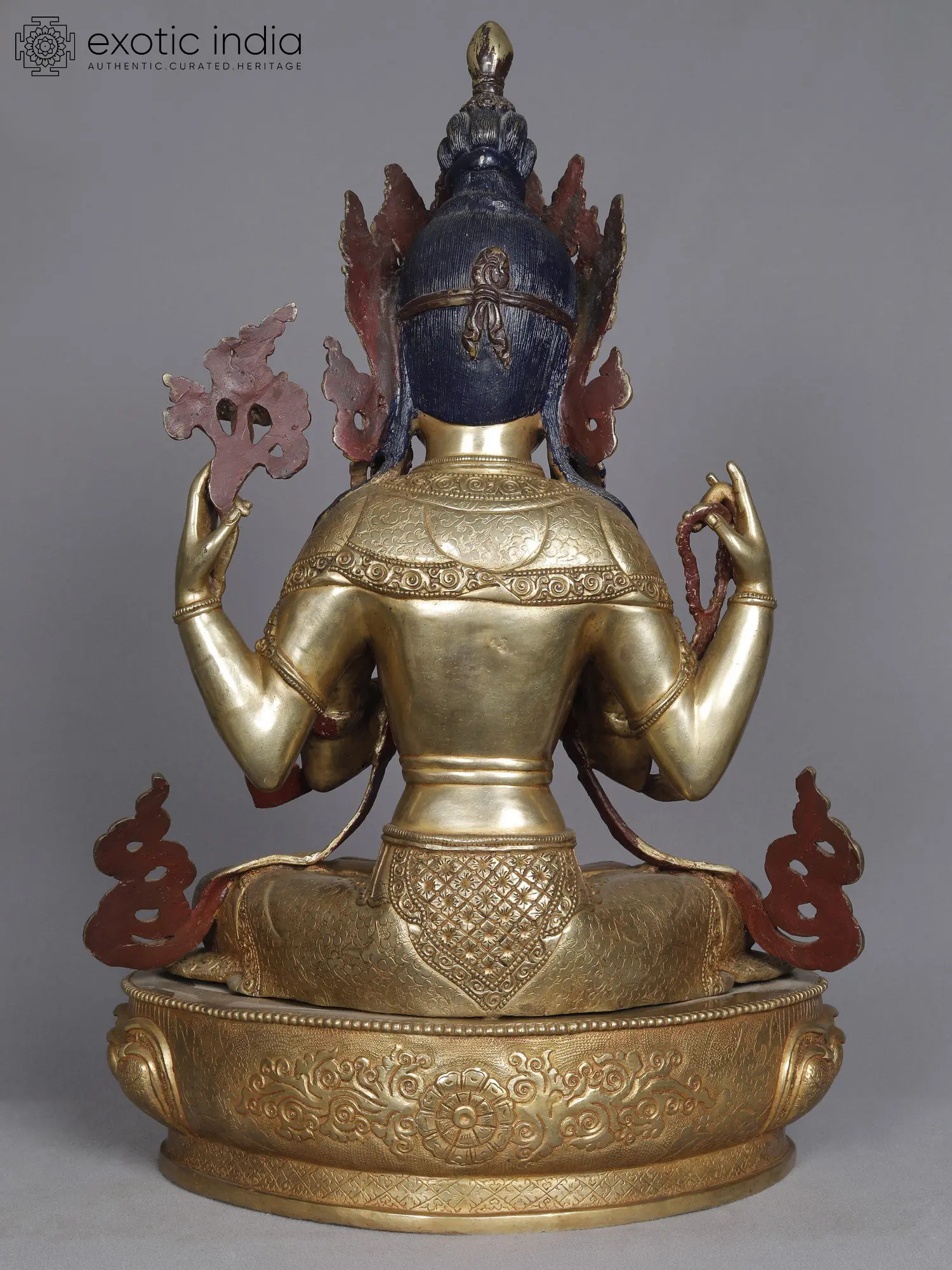
This magnificent idol serves as a powerful focal point for any sacred space, meditation room, or as a statement piece in your home. Its presence can inspire tranquility, foster a sense of mindfulness, and serve as a constant reminder of the path to enlightenment. Whether you are a practitioner of Buddhism, an admirer of exquisite art, or seeking an object to imbue your surroundings with peace, this statue offers a profound connection to spiritual ideals. Its substantial presence and the rich symbolism it carries make it a truly remarkable and inspiring addition to your collection. The serene gaze and the benevolent posture are believed to emanate blessings and positive energy, creating a sanctuary of peace and spiritual upliftment.How are Nepalese copper statues made?
Nepalese statues and sculptures are best known for their unique
small religious figures and ritual paraphernalia for over two
thousand years. These are mainly cast in copper alloy. Nepal draws
influences from the artistic styles of Buddhism and Hinduism, and
therefore the sculptors of the country specialize in making the
icons of both these religions. Over the years, Nepalese sculptures
evolved into their own distinctive iconography. Some
characteristic features of these sculptures that differ from other
pieces are exaggerated physical postures, youthful and sensual
features, languid eyes, wider faces having serene expressions, and
ornate flourishes. The Buddhist deity icons of Nepal have
tremendous demand in countries such as China and Tibet for ritual
purposes in their temples and monasteries.
Nepalese statues and sculptures have a high copper content and therefore develop a slightly reddish patina on the surface as they age. However, the most unique feature of Nepalese copper statues is their decorative detailing. The pieces are heavily gilded and sometimes inlaid with semi-precious stones. This embellishment protects them from getting tarnished. The traditional lost-wax method for casting Nepalese copper statues remains the most practiced technique in Nepal for many centuries. This process involves many steps and requires skilled artists.
The first step in lost-wax sculpting is to make a wax replica of the desired Buddhist deity to be cast in copper. This replica is created by hand and therefore needs excellent artistic skills otherwise fine features will be lacking.
Once the wax replica is made, it is then coated with a special mixture of clay with a brush. This layer of clay is hardened when left to dry. A small hole is made on the base of the wax mould so that the wax flows away when it is heated.
Nepalese statues and sculptures have a high copper content and therefore develop a slightly reddish patina on the surface as they age. However, the most unique feature of Nepalese copper statues is their decorative detailing. The pieces are heavily gilded and sometimes inlaid with semi-precious stones. This embellishment protects them from getting tarnished. The traditional lost-wax method for casting Nepalese copper statues remains the most practiced technique in Nepal for many centuries. This process involves many steps and requires skilled artists.
The first step in lost-wax sculpting is to make a wax replica of the desired Buddhist deity to be cast in copper. This replica is created by hand and therefore needs excellent artistic skills otherwise fine features will be lacking.
Once the wax replica is made, it is then coated with a special mixture of clay with a brush. This layer of clay is hardened when left to dry. A small hole is made on the base of the wax mould so that the wax flows away when it is heated.
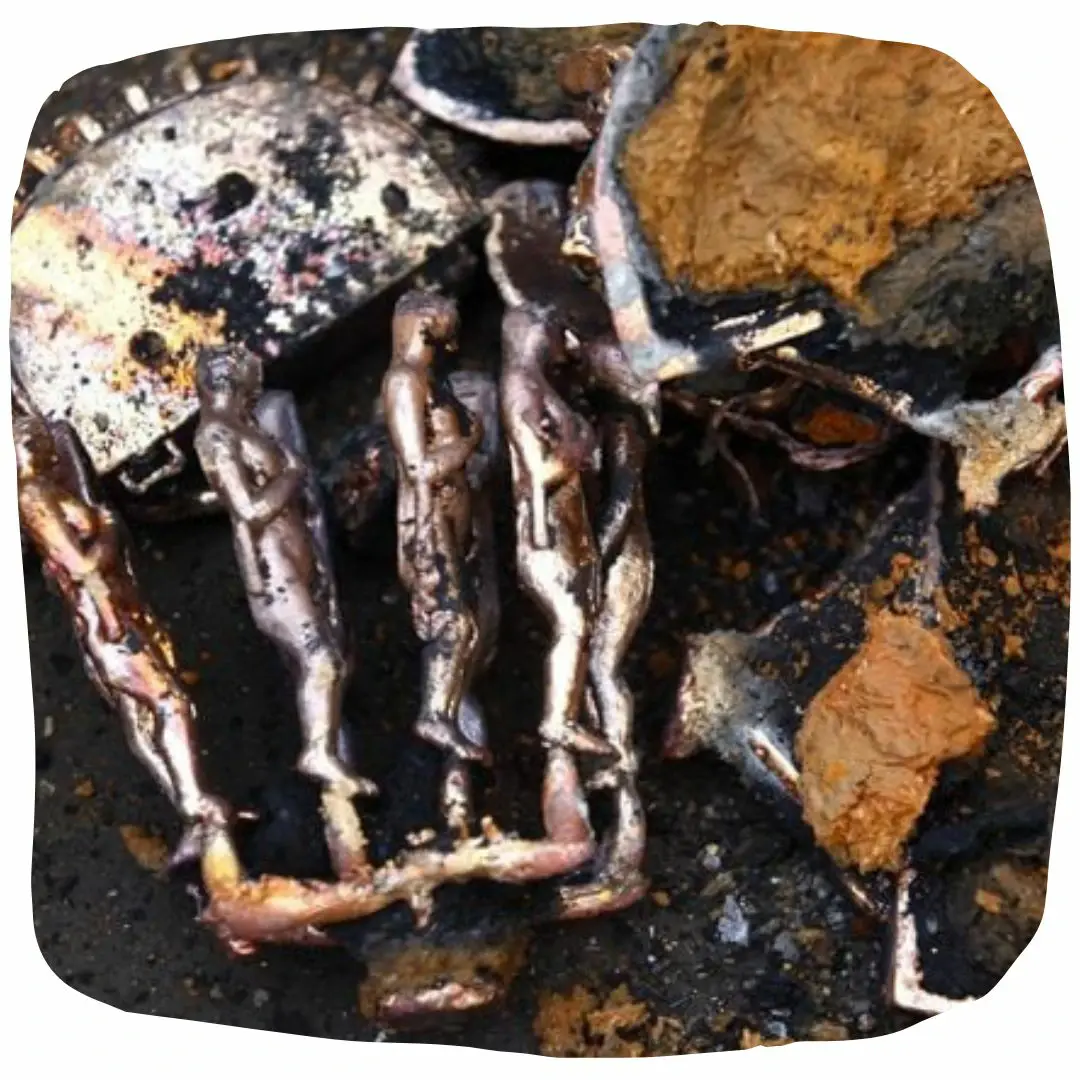
At this stage, a hollow mould in the shape of the deity is
obtained.
This is the time to pour liquid copper into the hollow mould which is then allowed to cool and harden inside a container of cold water. When the liquid metal has hardened, the mould is removed and the statue within is revealed.
This is the time to pour liquid copper into the hollow mould which is then allowed to cool and harden inside a container of cold water. When the liquid metal has hardened, the mould is removed and the statue within is revealed.
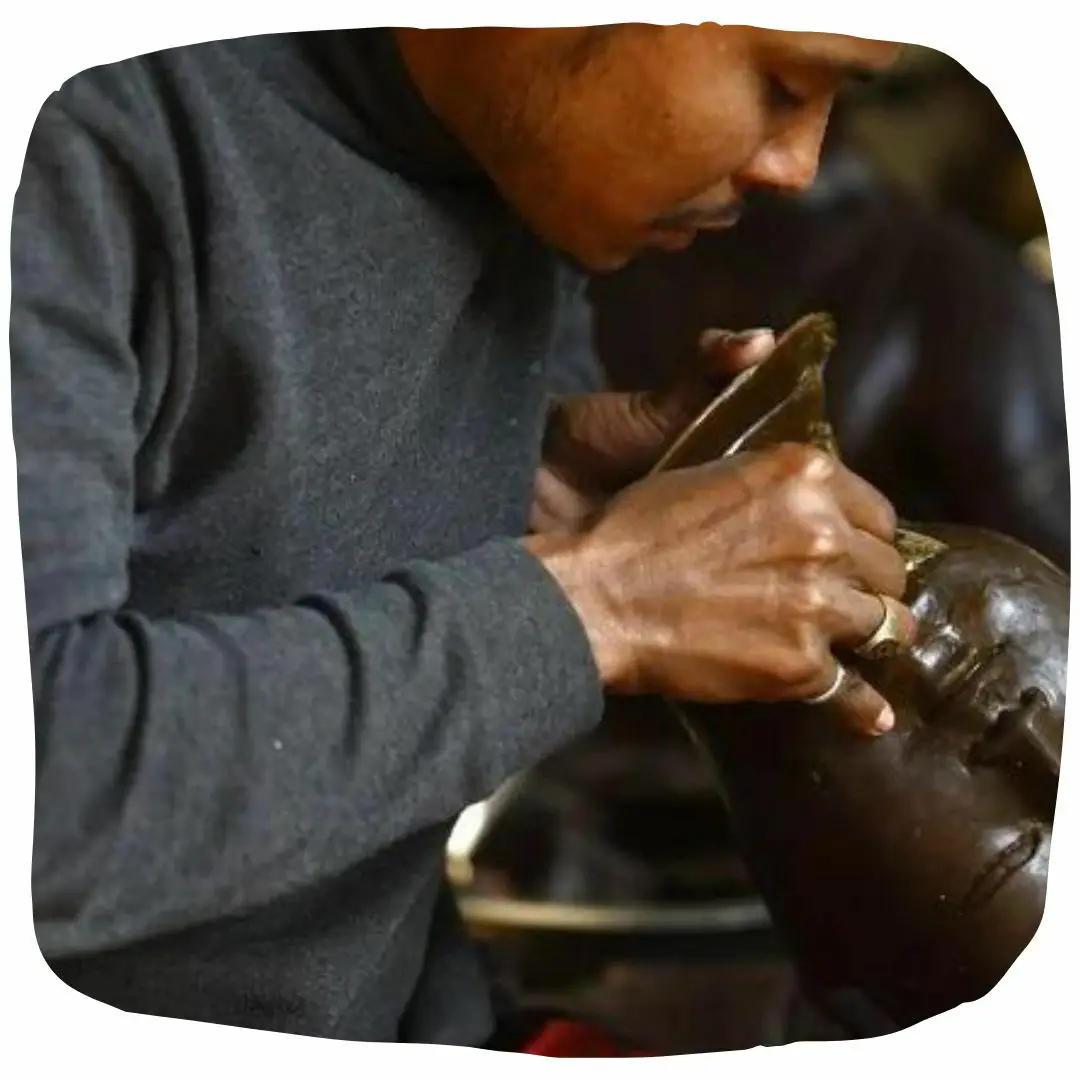
The artist works on the details of the statue using various tools.
It is then polished to get a shiny and lustrous surface.
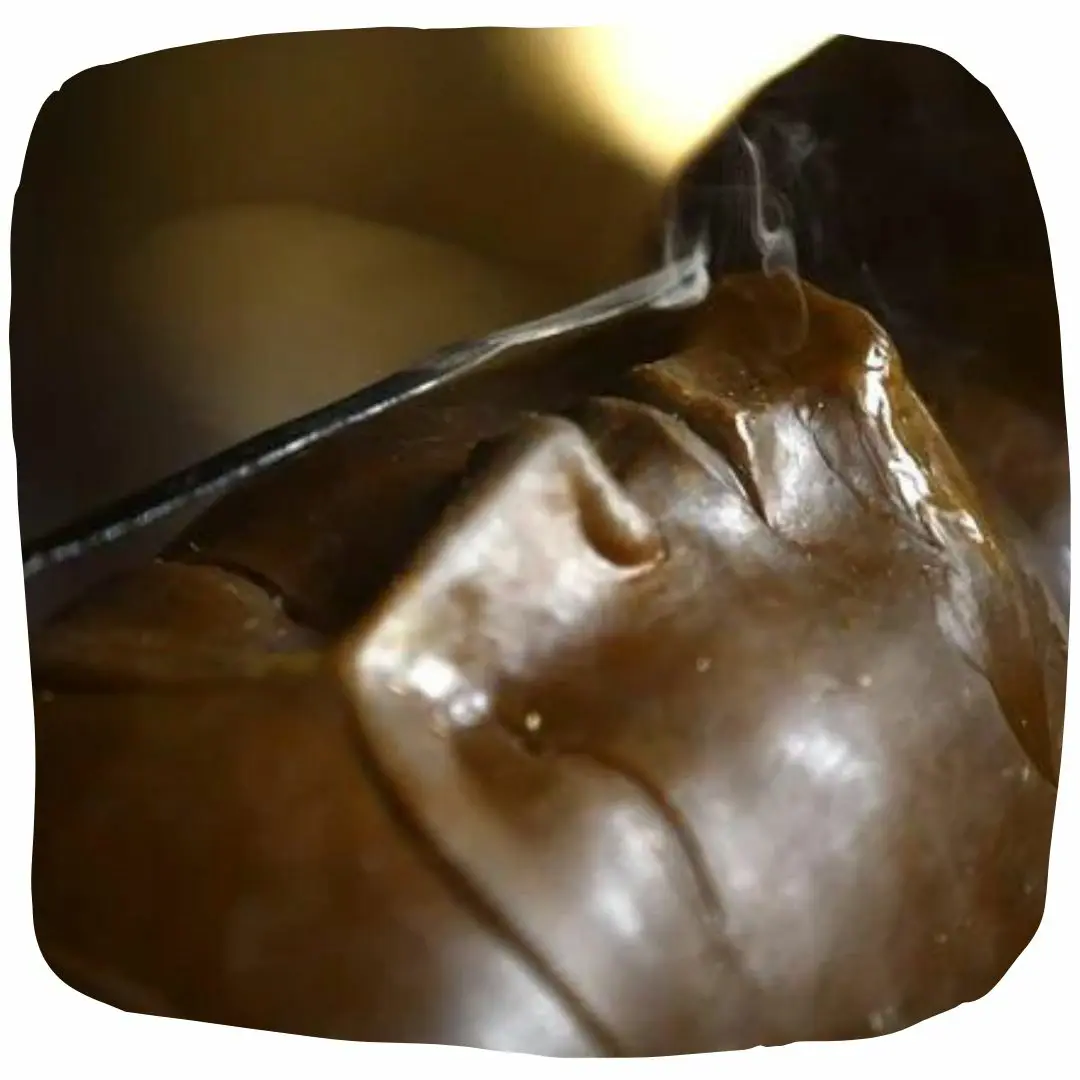
Now comes the most important part of Nepalese art which is gold gilding. This is done by the traditional fire gilding method. A mixture of mercury and 18K gold is applied on the surface of the statue and heat is applied using a flame torch. The result is that mercury evaporates along with impurities, leaving a pure 24K gold finish.
Now comes the most important part of Nepalese art which is gold gilding. This is done by the traditional fire gilding method. A mixture of mercury and 18K gold is applied on the surface of the statue and heat is applied using a flame torch. The result is that mercury evaporates along with impurities, leaving a pure 24K gold finish.
The lost-wax method of sculpting is the most preferred technique
for artists to cast a metallic statue having intricate details. Since Nepalese copper sculptures require extraneous effort for giving a majestic look by adding special embellishments, it takes several weeks to complete one masterpiece. A 24K gold gilded copper sculpture retains its brilliant luster for many years and appears as like before. Nepalese sculptures continue to remain one of the finest specimens of the art of the East that have a strong aesthetic appeal that other sculptures cannot match.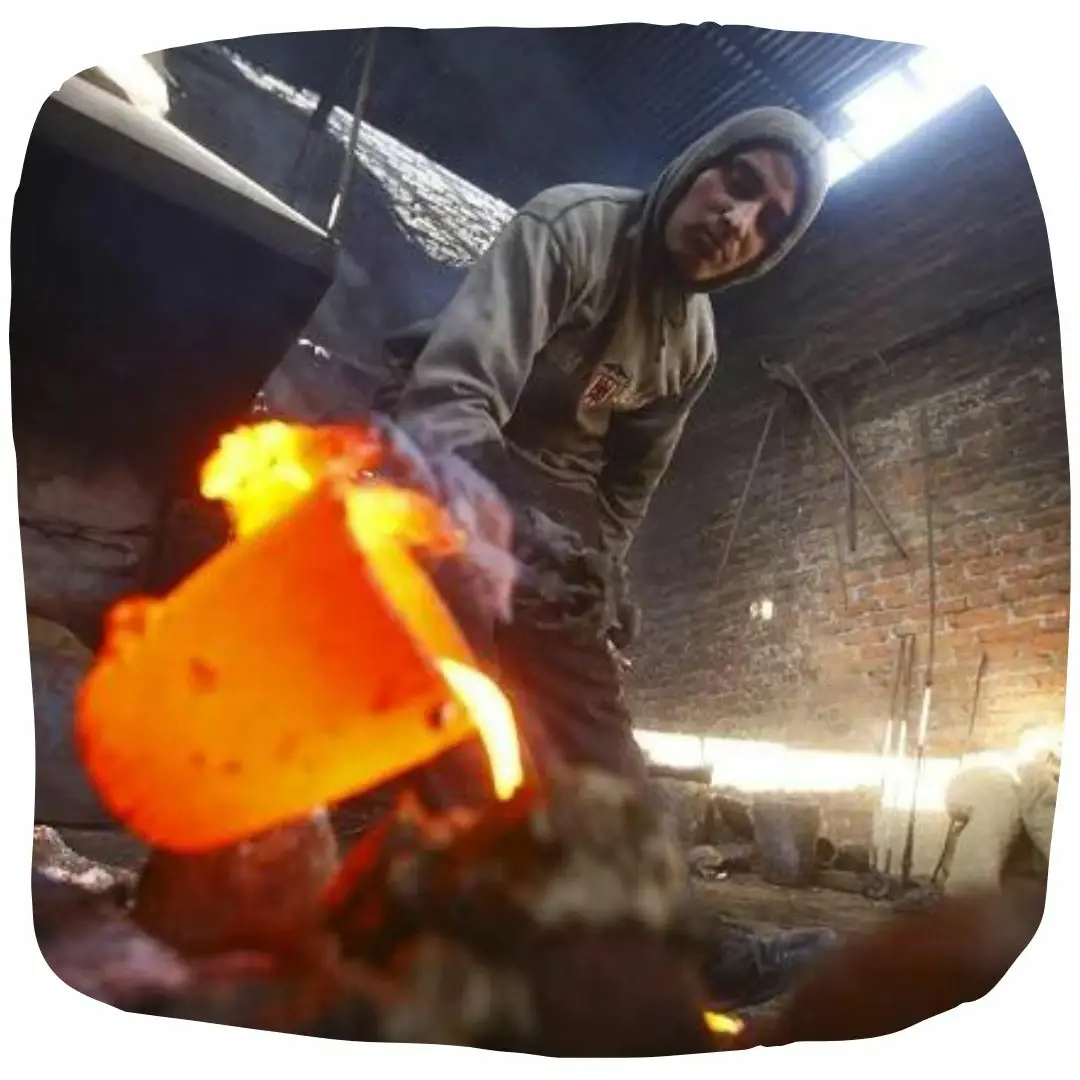
Products related to this item
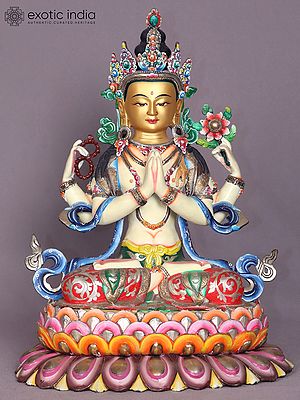
13.00 inch Height X 10.00 inch Width X 9.00 inch Depth
$1300
Includes any tariffs and taxes
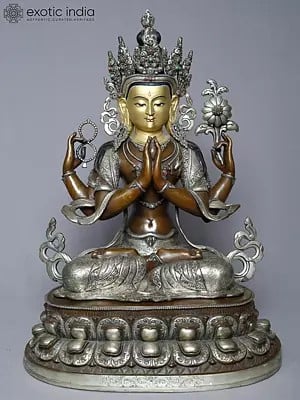
20 inch Height X 14 inch Width X 11 inch Length
$5946
Includes any tariffs and taxes
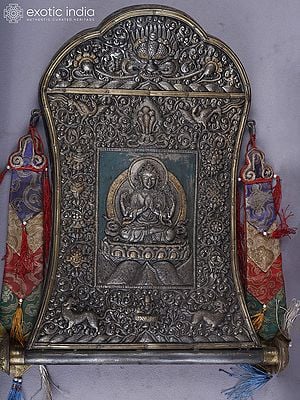
18 inch Height X 3 inch Width X 15 inch Length
$575
Includes any tariffs and taxes
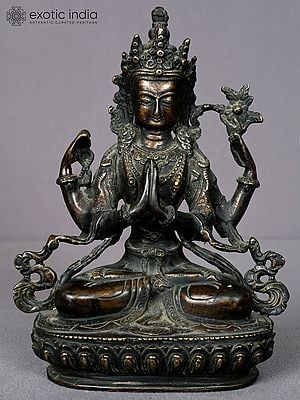
8.00 inch Height X 6.50 inch Width X 3.00 inch Depth
$495
Includes any tariffs and taxes
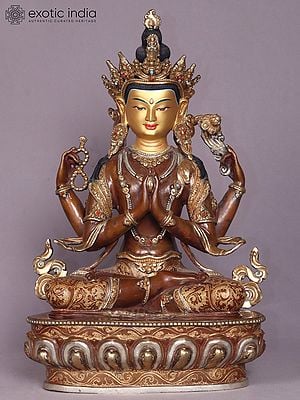
15.00 inch Height X 10.00 inch Width X 6.00 inch Depth
$1886
Includes any tariffs and taxes
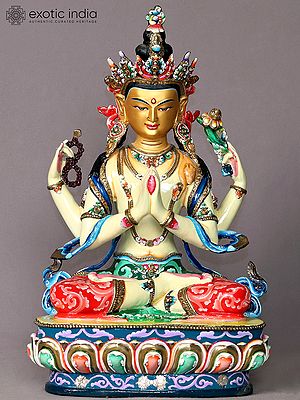
15.00 inch Height X 10.00 inch Width X 6.00 inch Depth
$1794
Includes any tariffs and taxes
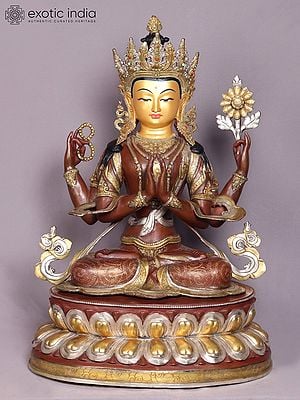
26.00 inch Height X 19.00 inch Width X 15.00 inch Depth
$1903
Includes any tariffs and taxes
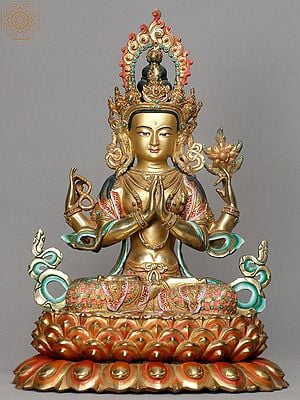
15 inch Height X 10 inch Width X 9 inch Depth
$1708
Includes any tariffs and taxes
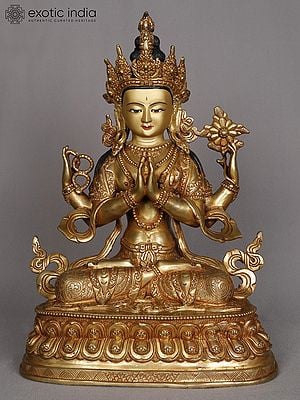
13 inch Height X 9 inch Width X 6.5 inch Depth
$1075
Includes any tariffs and taxes
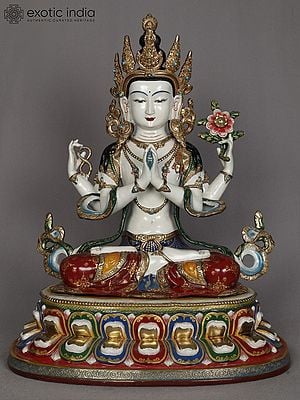
16 inch Height X 13 inch Width X 10 inch Depth
$1369
Includes any tariffs and taxes
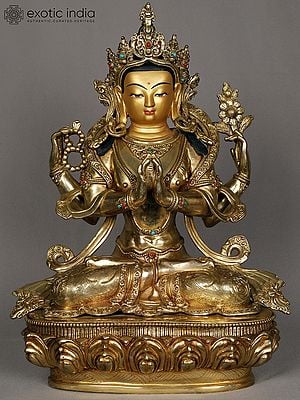
15.5 inch Height X 11.5 inch Width X 7 inch Depth
$2122
Includes any tariffs and taxes
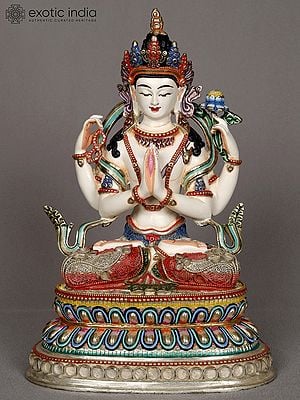
9.5 inch Height X 6 inch Width X 4.5 inch Depth
$1012
Includes any tariffs and taxes