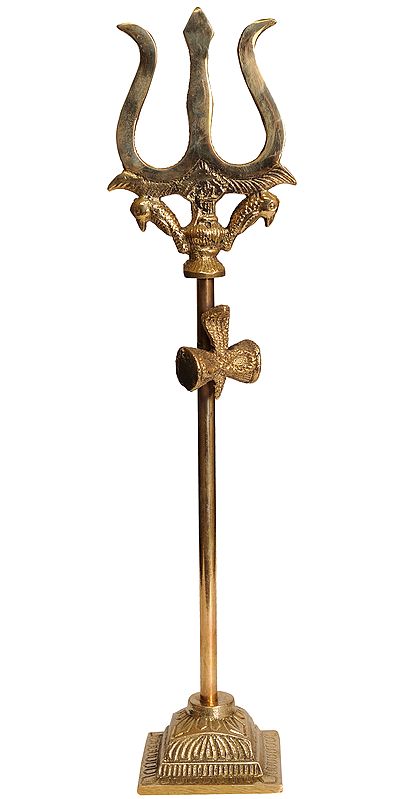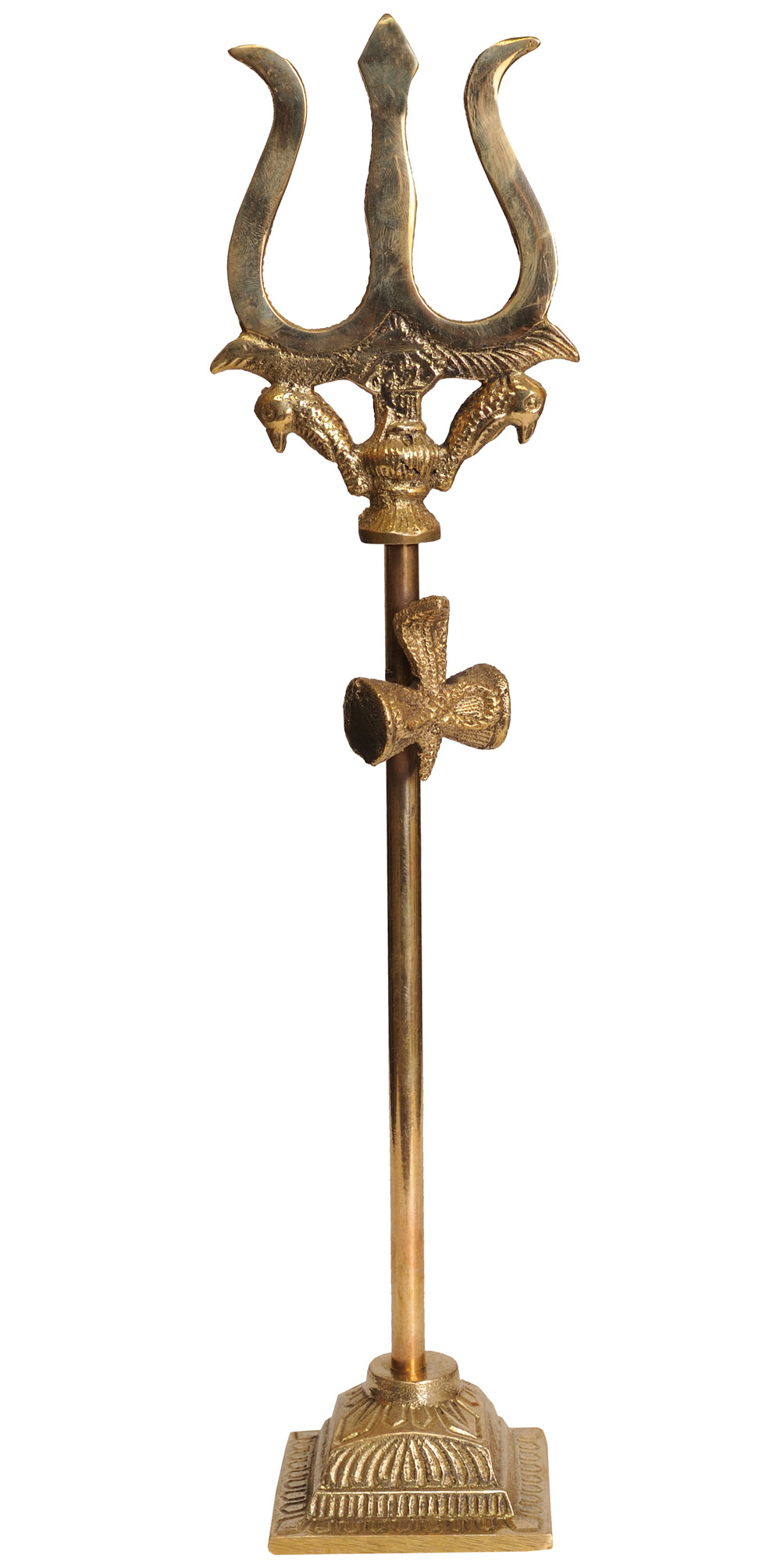
Shiva's Trident
$52
Includes any tariffs and taxes
Notify me when this item is available
| Specifications |
 |
ZDD22 |
 |
Brass Statue |
 |
Height: 13.7 inch |
| Width: 3.2 inch | |
| Depth: 2.4 inch | |
 |
Weight 400 gm |
| Delivery and Return Policies |
 |
Returns and Exchanges accepted within 7 days |
 |
Free Delivery |

Easy Returns

Fully Insured

100% Handmade
Embrace Divine Power and Protection
This exquisite brass representation of a sacred trident embodies the formidable power and benevolent grace of Lord Shiva, the supreme deity of destruction and transformation in Hinduism. The trident, known as the Trishul, is not merely a weapon but a profound symbol, representing the three fundamental aspects of existence: creation, preservation, and destruction. It is also believed to represent the three Gunas (Sattva, Rajas, Tamas) and the three states of consciousness (waking, dreaming, and deep sleep). Owning this piece is like holding a conduit to this divine energy, a constant reminder of the cyclical nature of life and the ultimate transcendence. ––––––––––A Symbol of Shiva's Cosmic Dance
The Trishul is Lord Shiva's iconic emblem, wielded with authority and purpose. In tales, it is the instrument that destroys ignorance, illusion, and ego, clearing the path for spiritual awakening. The three prongs can also be interpreted as the trident's ability to conquer the three primary desires: those of the eye, the ear, and the tongue. Its presence in your home or sacred space can ward off negative energies and attract auspiciousness, fostering an environment of peace, stability, and spiritual growth. The intricate detailing of the serpent coiled around the central shaft further amplifies its significance, symbolizing Shiva's mastery over the primal energies of the universe. ––––––––––Crafted for Devotion and Aesthetics
Meticulously crafted from high-quality brass, this trident statue boasts a rich, warm luster that speaks of its enduring nature and the reverence it commands. The skilled artisans have captured the essence of this powerful symbol with remarkable precision. The base is designed with ornate detailing, providing a stable and elegant foundation for the entire piece, while the upward-reaching prongs are sharp and assertive, yet graceful. The inclusion of the coiled serpent adds a layer of mystique and divine protection, reflecting Shiva's close association with these creatures. This piece is not just a decorative item; it is a divine artifact meant to be a focal point for meditation, prayer, and spiritual contemplation. Its dimensions make it suitable for altars, shelves, or as a distinguished piece in any spiritual collection. ––––––––––Invoking Peace and Transformation
Whether you are a devout follower of Lord Shiva or simply drawn to the profound symbolism of the Trishul, this brass statue offers a tangible connection to ancient wisdom and divine power. It serves as a constant inspiration to overcome obstacles, embrace change, and find inner peace amidst life's complexities. Let this sacred symbol be a source of strength, clarity, and spiritual upliftment in your daily life.The Trident as a Metaphor for Transformation: Understanding its
significance in Hindu philosophy
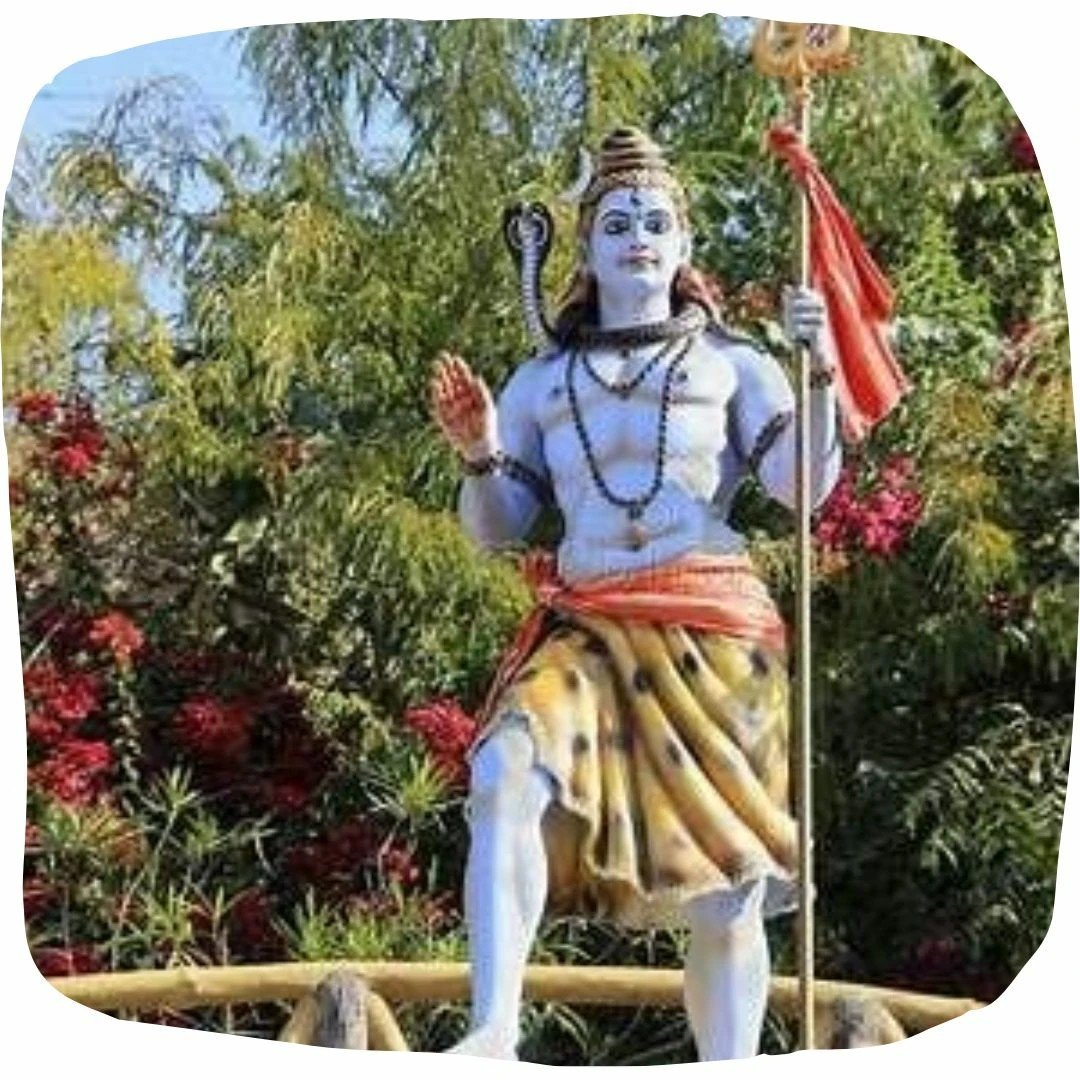
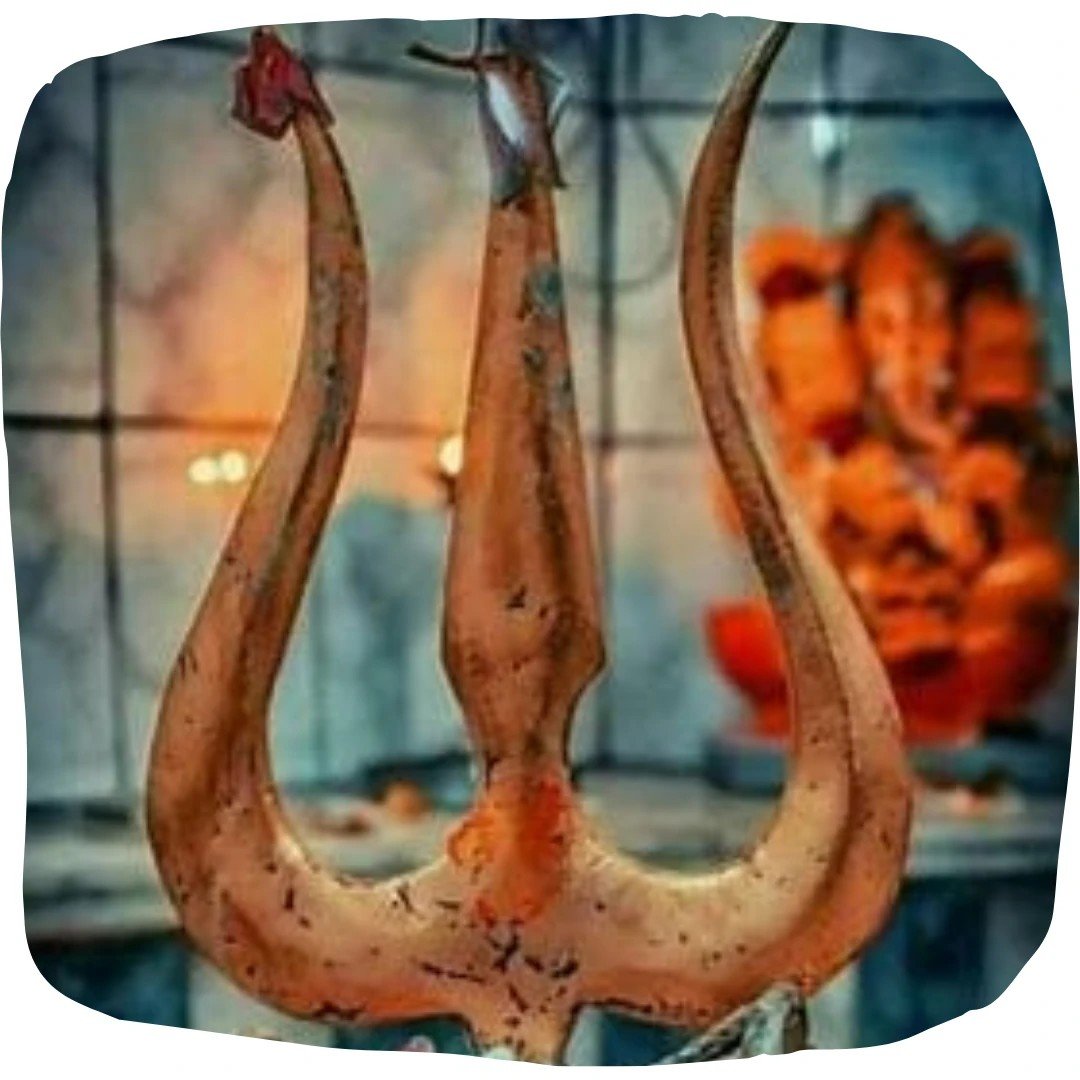
The trident holds great significance in Hinduism. It is a spear
having three prongs and is the principal weapon of Mahadev, Lord
Shiva. He is always depicted holding his Trishul (Trident) in one
of his hands. The Sanskrit word Trishul is the combination of two
words i.e. "Tri" meaning "three" and "Shul" or "Shool" meaning "a
stake". Goddess Durga, the consort of Lord Shiva, is also
sometimes seen holding the trident in her arm as one of her
weapons. She killed the great demon Mahishasura with it. Some
Shaivites (devotees of Lord Shiva) also carry the trident with
them as a means of protection. The Vedic scriptures are so vast
and detailed that they deal with all aspects of knowledge, both
material and spiritual. Anything mentioned in the Vedas is not
imaginary or false, it is scientific and based on the knowledge of
the Absolute Truth. Hinduism is rich in symbolism and Trident is
considered one of the most powerful symbols. Let us know more
about the trident and know its significance.
The symbolic meaning of the Trident
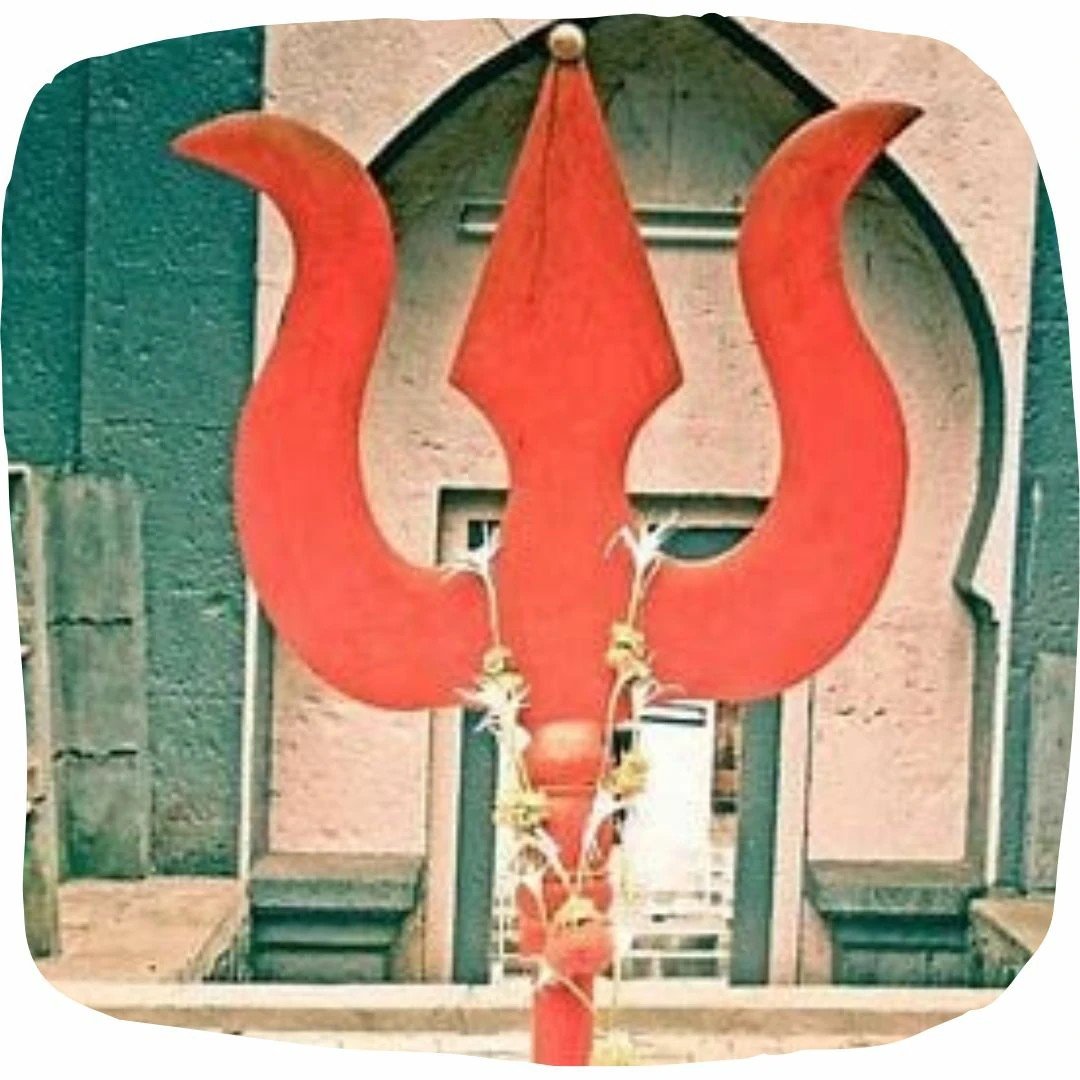
Considering the Trident only as a mere weapon is an incomplete understanding. There is a profound meaning behind its divine structure.- The three prongs of the Trident represent the three modes of material nature; Sattva Guna (mode of goodness), Rajas Guna (mode of passion), and Tamas Guna (mode of ignorance), meaning that everything and everyone in the material world is influenced by these modes.
- Some also believe that the three prongs represent the three forces of creation, maintenance, and annihilation. The scriptures mention that the material universe is temporary (Ashashvatam) and therefore it is first manifested and again unmanifested, and this continues till eternity.
- The trident also symbolizes the three planetary systems. According to the Vedic Puranas, there are three worlds within the material sphere; the lower world (Bhurloka), the middle world (Bhuvarloka), and the upper world (Svarloka).
From bondage to salvation
The Trident is seen as a subtle attack on the negative tendencies or Anarthas such as lust, anger, greed, envy, ego, and illusion. These Anarthas pollute the mind and intelligence of the conditioned souls and cover their real identity and consciousness. As a result, they forget their eternal relationship with the Supreme Lord and become engrossed in material existence. The Trident is an awakening for all the forgetful souls to seek spiritual guidance to know about the Absolute Truth.The attack or stroke of the Trident destroys all the Anarthas within their hearts. When this happens, the person transcends the modes of material nature and is situated in pure goodness (Shuddh Sattva). In this state of existence, he neither laments for the past nor hankers for anything and remains blissful in his spiritual identity. After leaving the material body, he does not take birth again in any of the planetary systems, but rather returns to the eternal abode of the Supreme. Hence, he comes out of the cycle of repeated birth and death and is not subject to the creation, maintenance, and destruction of the material world.
This is achieved when an individual takes the shelter of a Guru (spiritual master), Shastra (scriptures), and Sadhu (saintly persons) which are the most important symbolic representation of the three points of the Trident. Thus he breaks free from the bondage of the ocean of nescience and becomes liberated.
Products related to this item
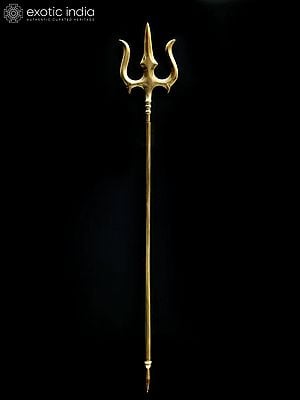
47 inch Height x 7 inch Width x 1 inch Depth
$259
Best Seller
Express Shipping
Includes any tariffs and taxes
More Colors
7.3 ft x 2.8 ft
$29
Best Seller
Includes any tariffs and taxes
2.5 inch Height1.2 inch Width
$121
Best Seller
Express Shipping
Includes any tariffs and taxes
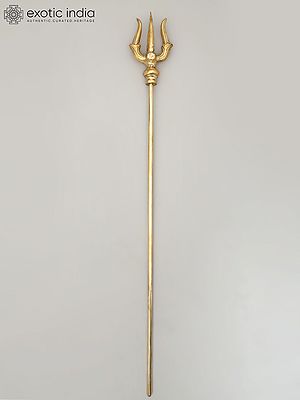
33.4 inch Height x 3.8 inch Width x 1.5 inch Depth
$276
Best Seller
Express Shipping
Includes any tariffs and taxes
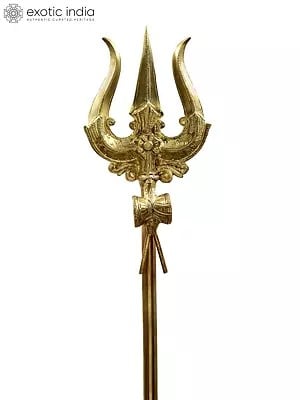
56.30 inch Height X 6.70 inch Width X 2.50 inch Depth
$518
Best Seller
Express Shipping
Includes any tariffs and taxes
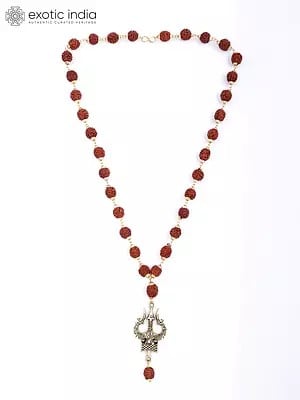
14 inch Length
$40
Best Seller
Express Shipping
Includes any tariffs and taxes
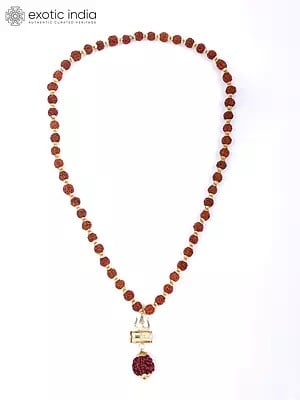
14 inch Length
$32
Best Seller
Express Shipping
$40 20% off
Includes any tariffs and taxes
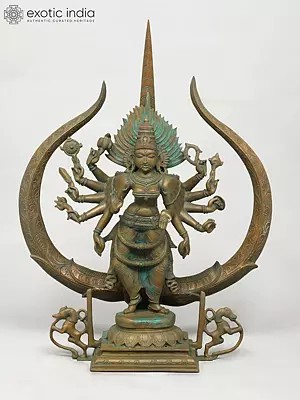
26 inch Height X 20 inch Width X 7 inch Length
$5359
Includes any tariffs and taxes

More Colors
LENGTH 74 INCH X WIDTH 48 INCH
$35
Best Seller
Express Shipping
Includes any tariffs and taxes
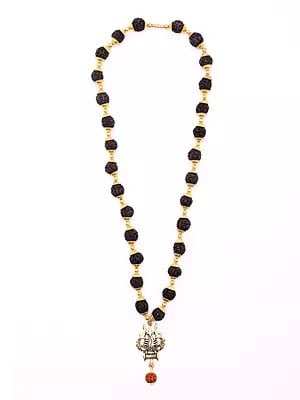
15 Inch Length
$40
Express Shipping
Includes any tariffs and taxes
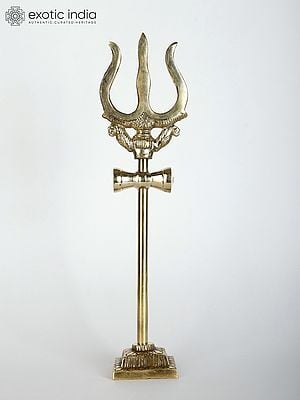
9.8 inch Height X 2.8 inch Width X 2 inch Length
$40
Best Seller
Express Shipping
Includes any tariffs and taxes
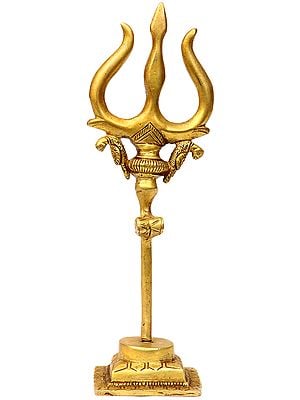
7.5 inch X 2.3 inch X 2 inch
$48.30
Best Seller
Express Shipping
$69 30% off
Includes any tariffs and taxes