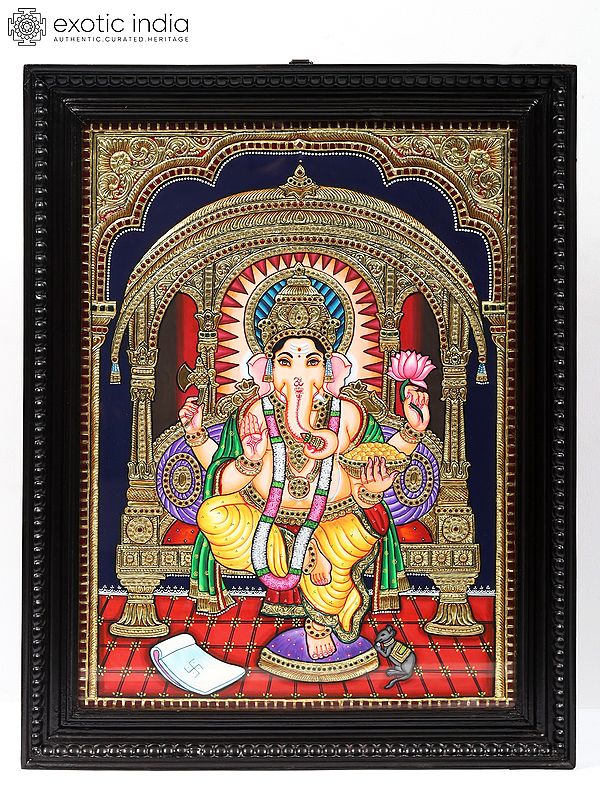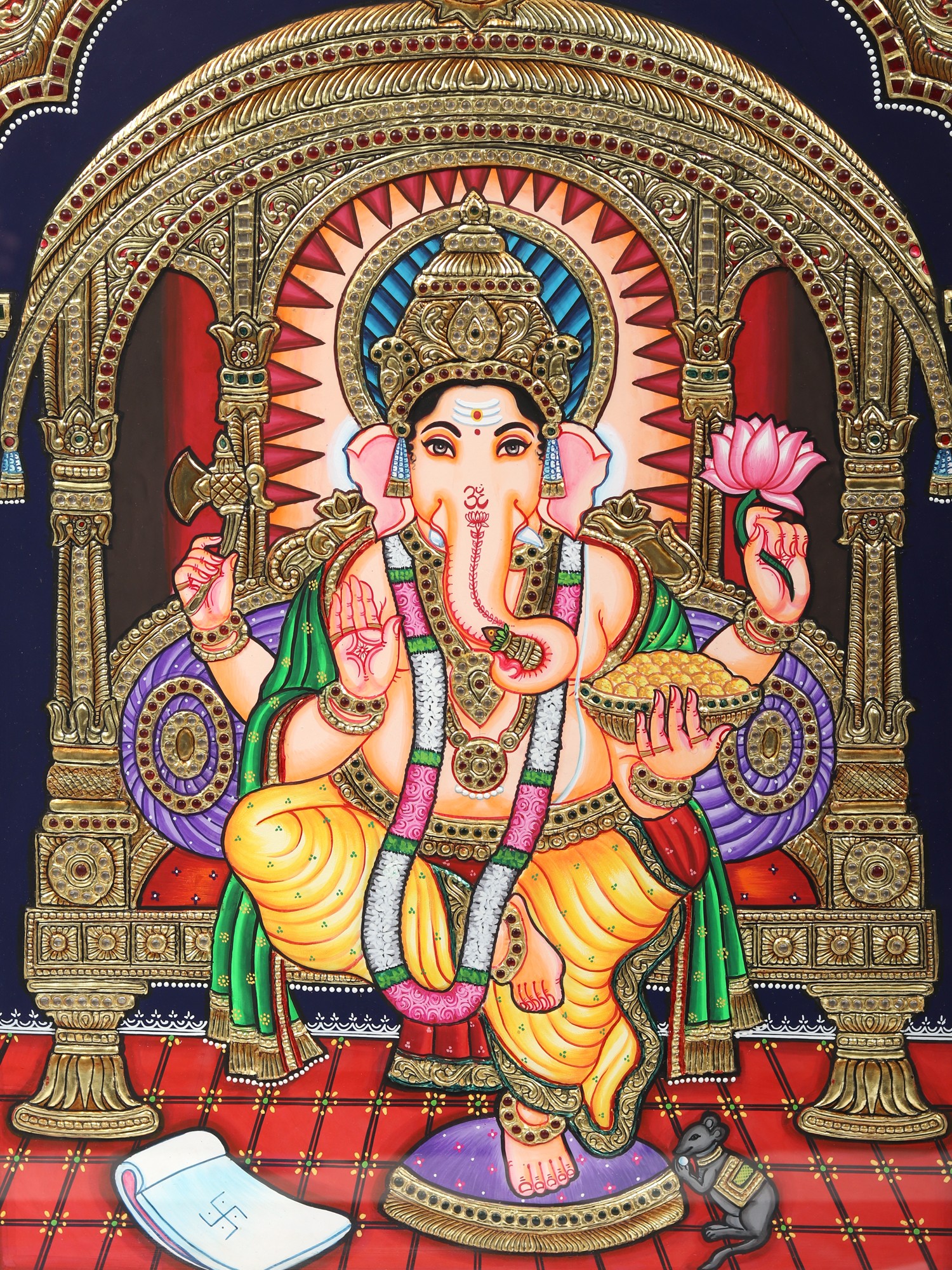
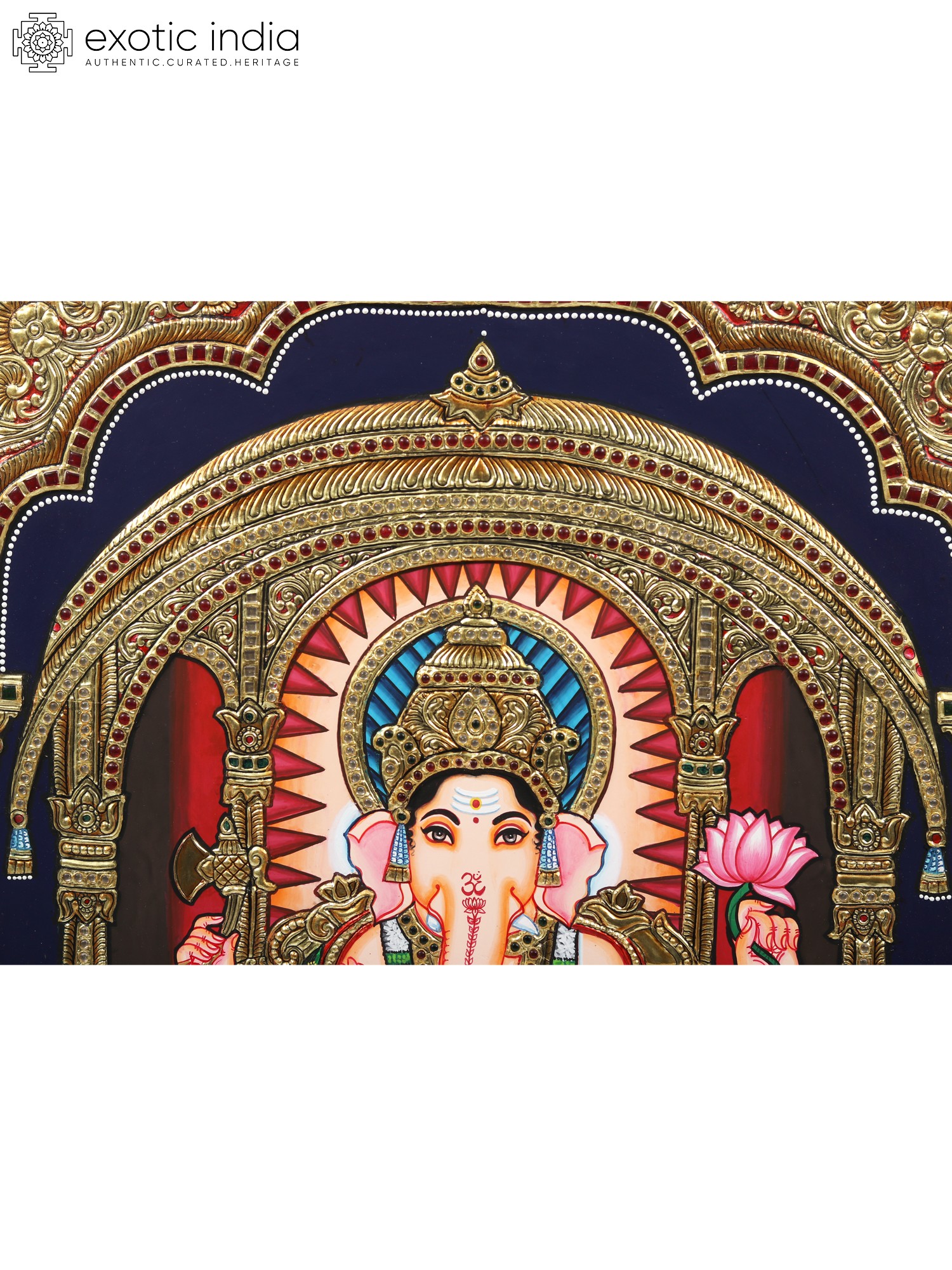
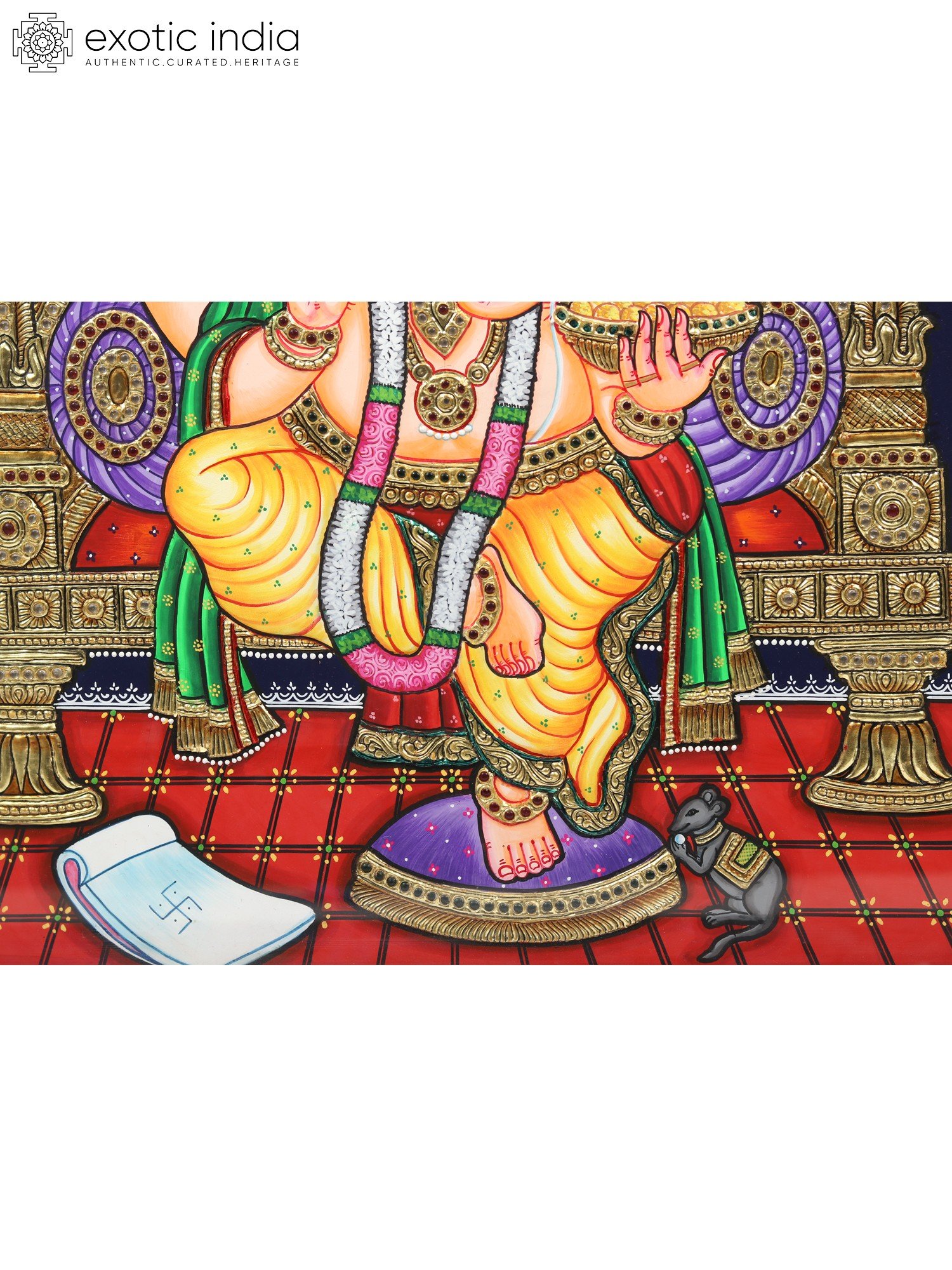
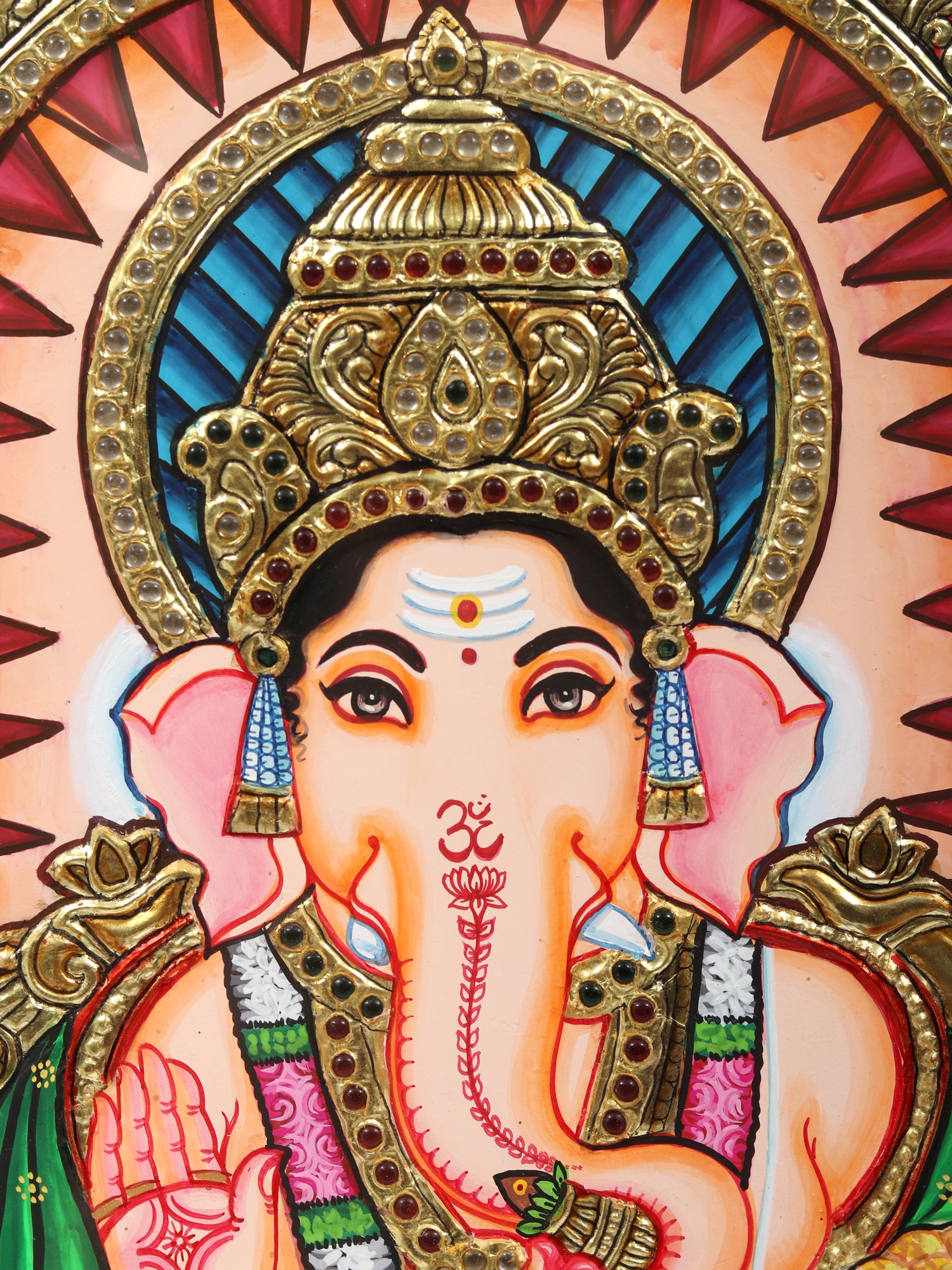

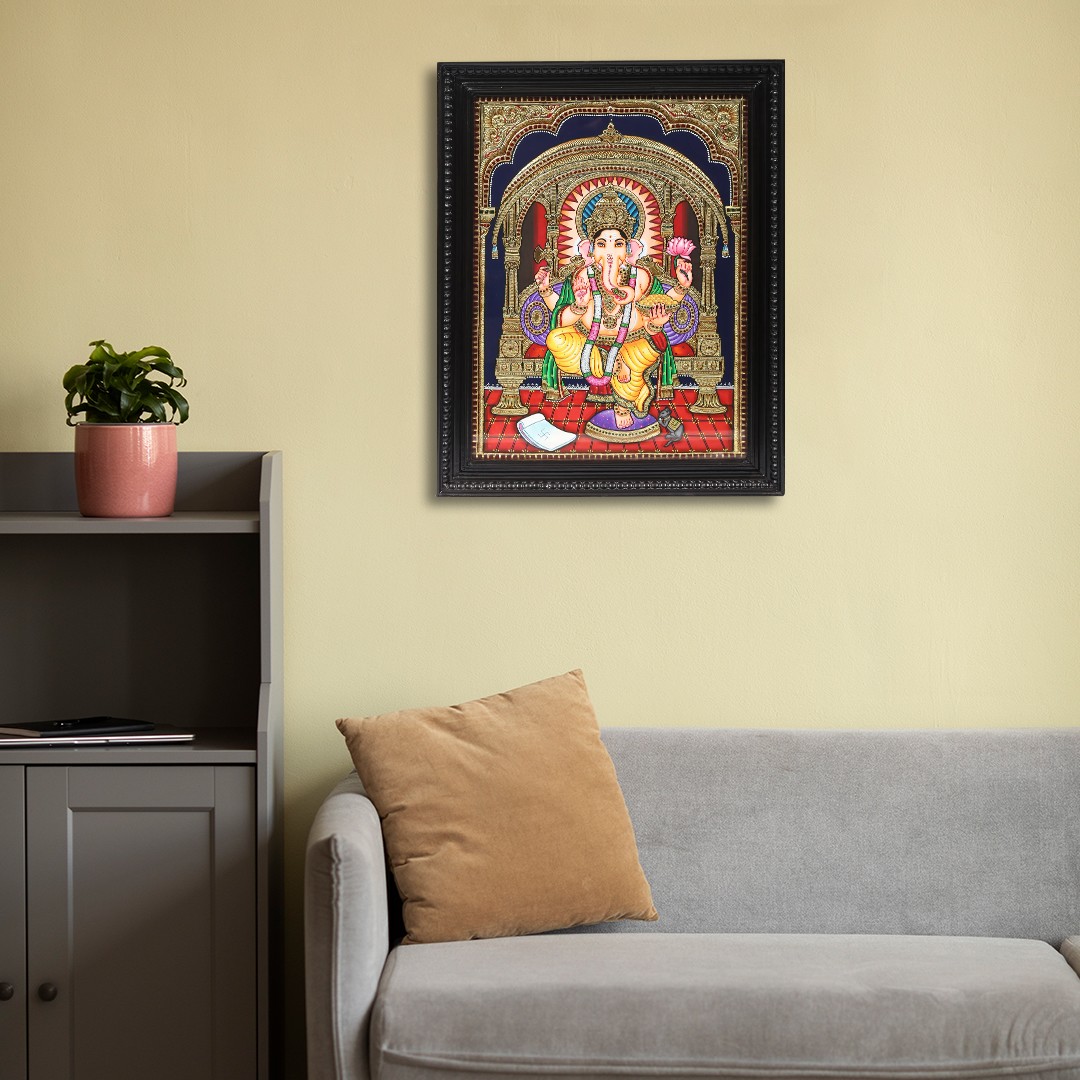
Bhagawan Ganapati Seated on Throne | Tanjore Painting | With Frame
$799
Includes any tariffs and taxes

This item can be backordered
Time required to recreate this artwork
4 to 6 weeks
Advance to be paid now
$159.80 (20%)
Balance to be paid once product is ready
$639.20
Notify me when this item is available
| Specifications |
 |
DDC764 |
 |
Traditional Colors With Gold Work |
 |
28.00 inch Height X 22.00 inch Width X 2.00 inch Depth |
 |
Weight 5.55 kg |
| Delivery and Return Policies |
 |
Returns and Exchanges accepted within 7 days |
 |
Free Delivery |

Easy Returns

Fully Insured

100% Handmade
A Divine Presence, Capturing Auspicious Beginnings
Invite the remover of obstacles and the patron of arts and wisdom into your sanctuary. This magnificent artwork serves as a focal point, drawing the eye and spirit towards a symbol of prosperity and new ventures. You'll find its presence elevates any space, imbuing it with a sense of divine grace and encouraging contemplation.The Art of Tradition, Rendered in Gold
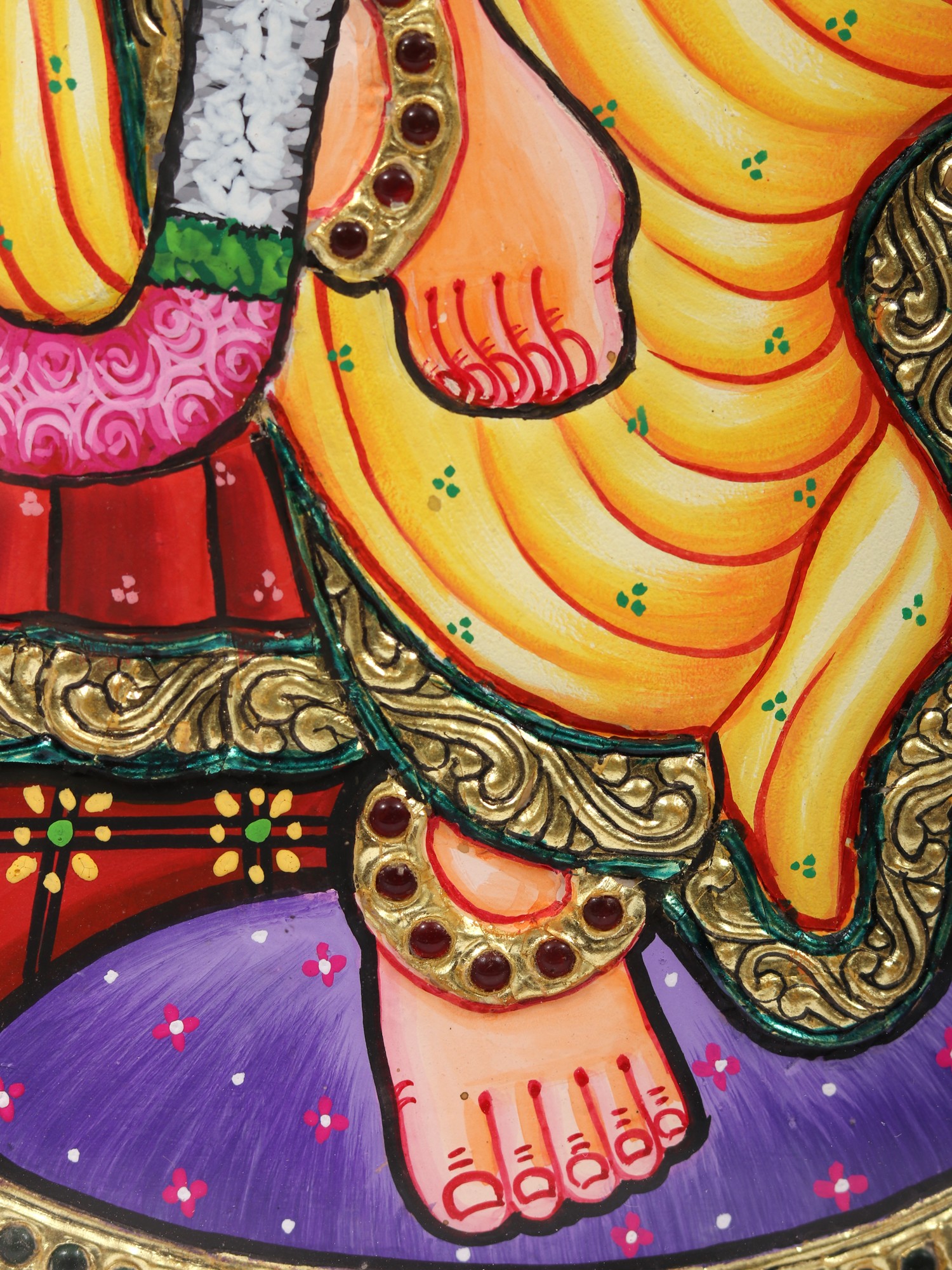
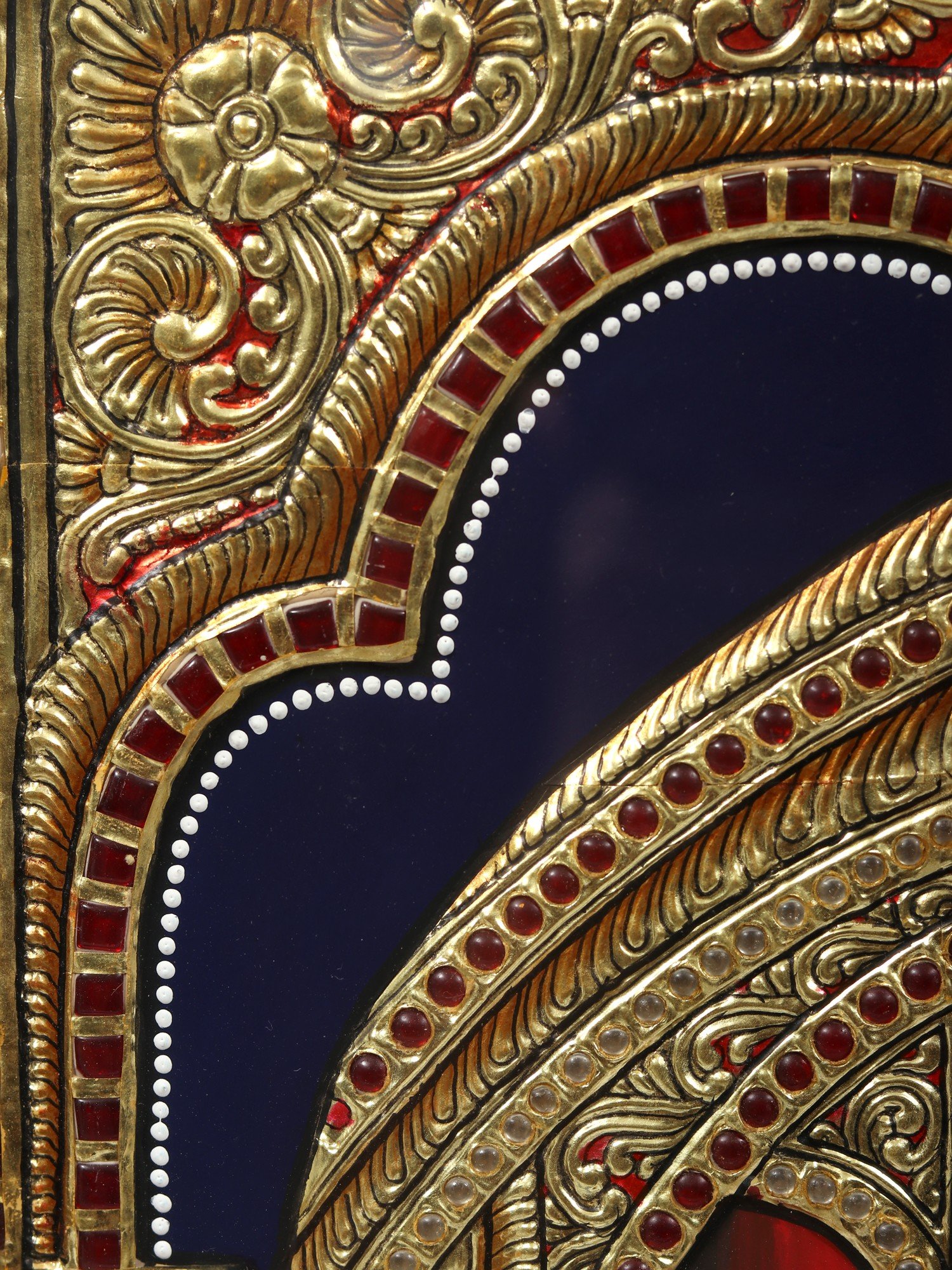
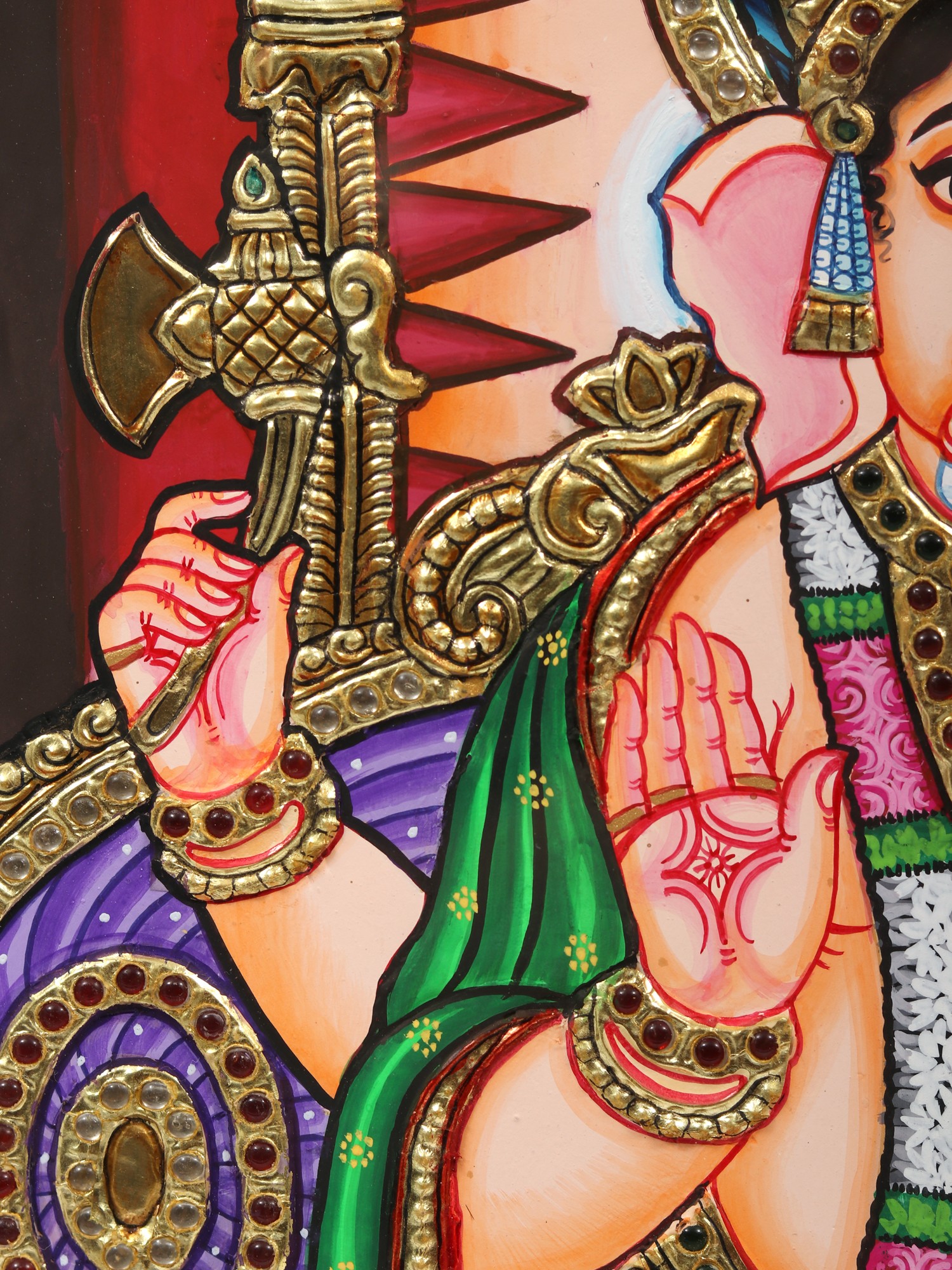
This piece is a testament to the enduring legacy of Tanjore painting, a revered art form hailing from the ancient city of Thanjavur in Tamil Nadu. Each stroke of the brush, each application of shimmering gold leaf, is meticulously executed by skilled artisans. They employ a unique technique that imbues the imagery with a resplendent luminescence, using only the finest traditional colors and genuine gold work to achieve its unparalleled richness and depth. The intricate detailing, from the serene expression of the deity to the ornate architectural elements, speaks volumes of the painstaking craftsmanship involved in its creation.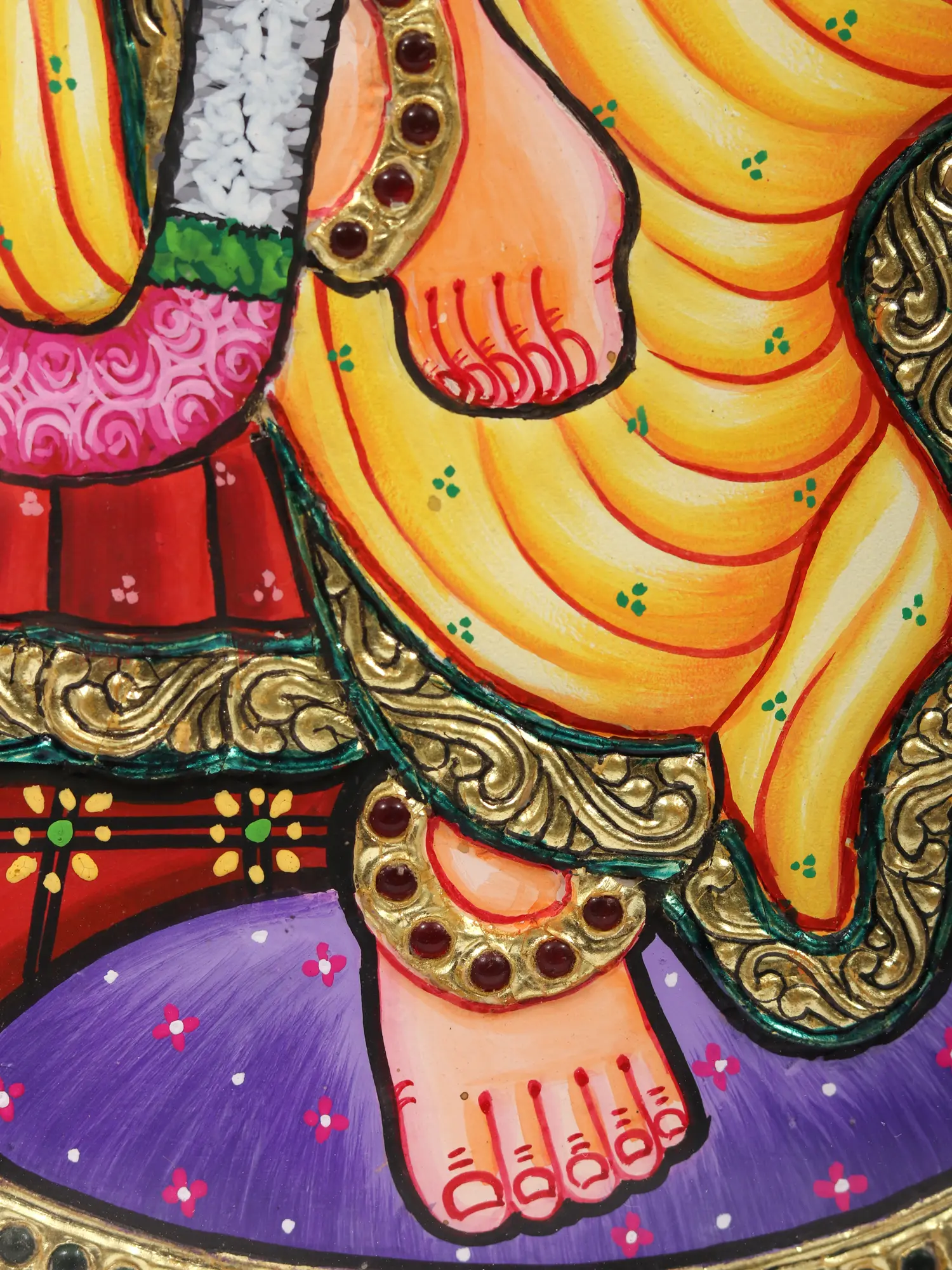
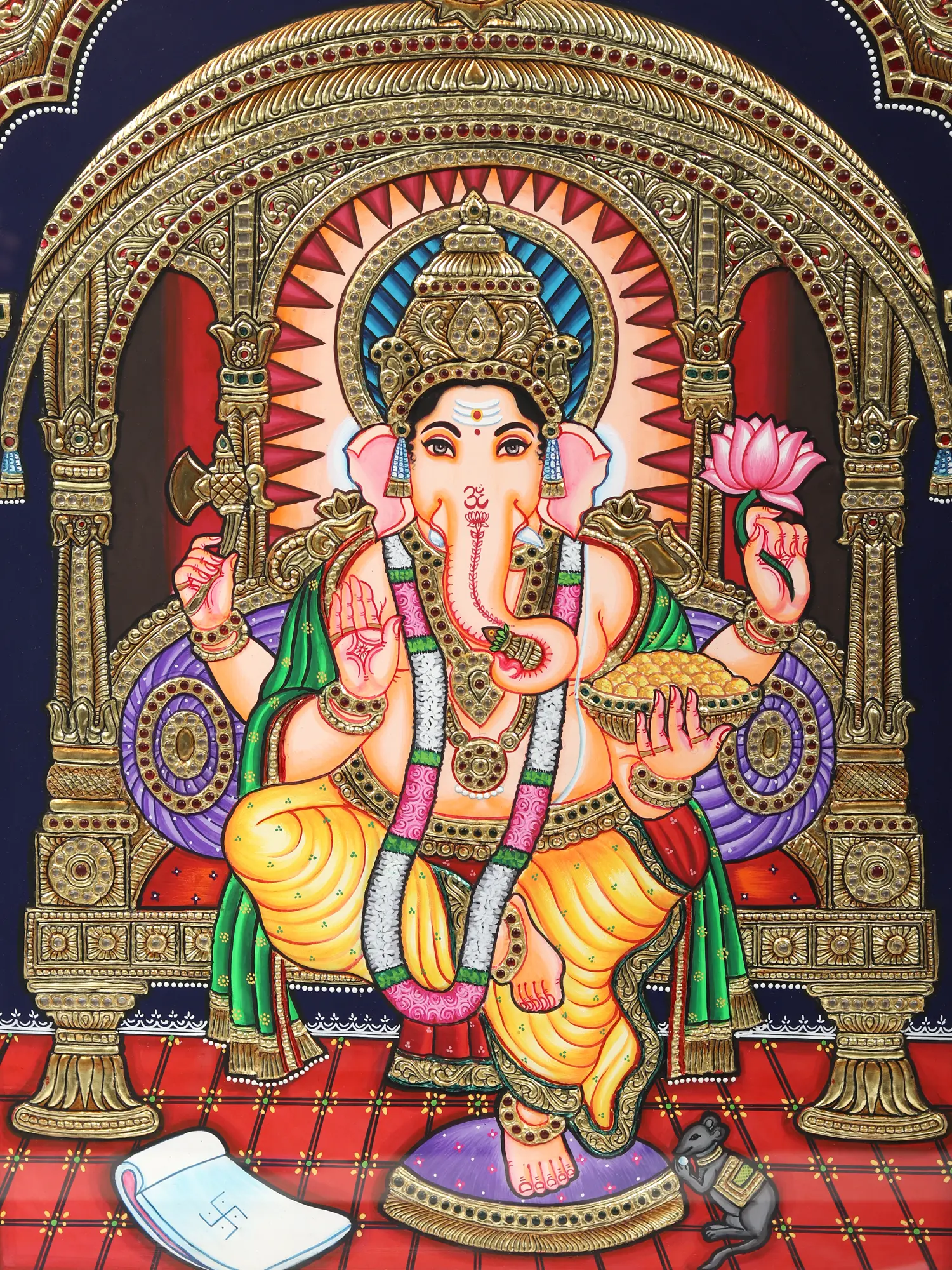
Visual Splendor and Enduring Beauty
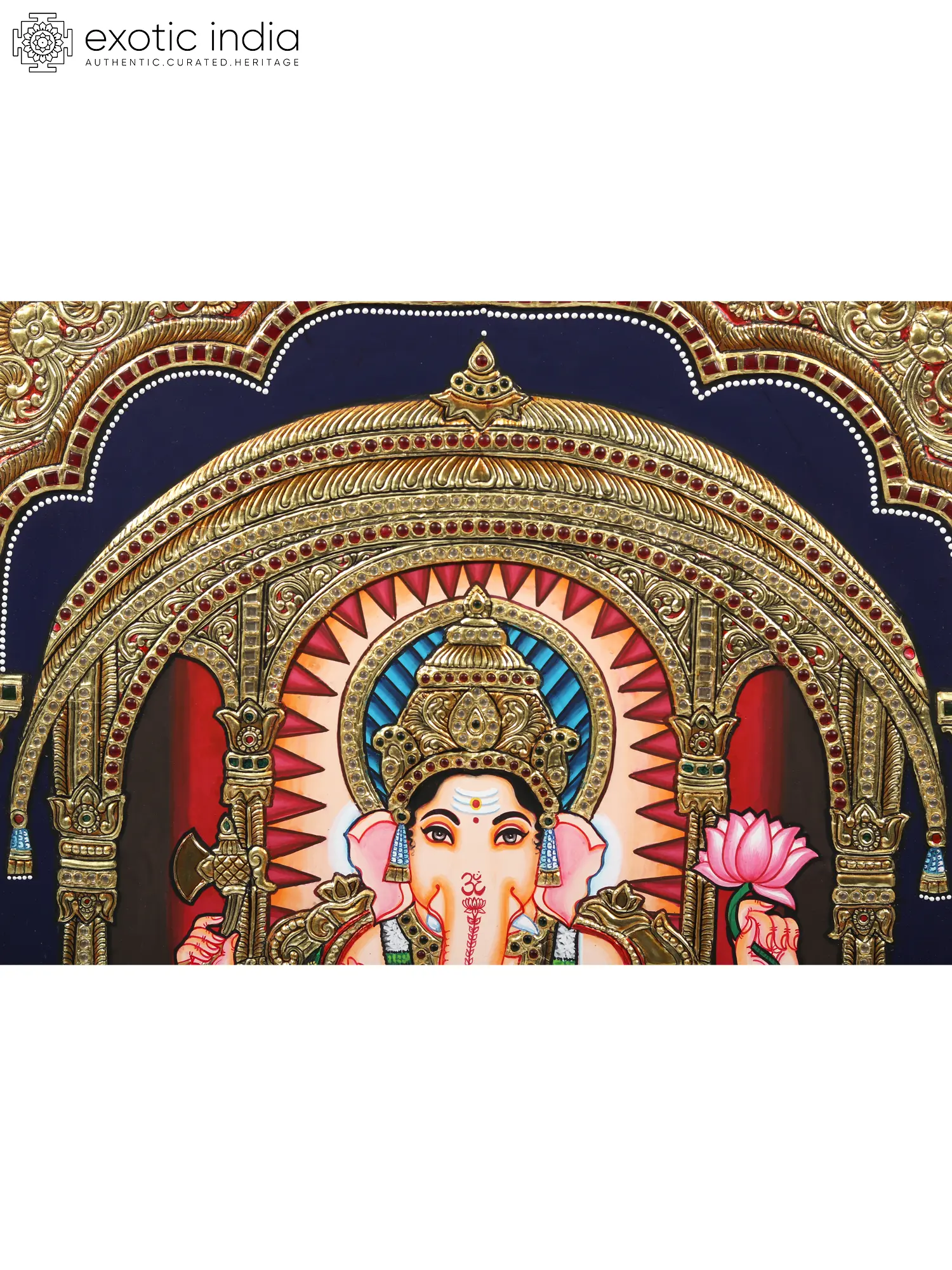
Observe the captivating portrayal of a revered deity seated regally upon an elaborate throne. The vibrant palette of traditional colors, enhanced by extensive gold embellishments, creates a stunning visual narrative. The rich textures and the interplay of light on the gilded surfaces bring the entire composition to life, a true feast for the eyes. The piece, measuring 28 inches in height and 22 inches in width with a depth of 2 inches, is elegantly presented within a complementary frame, ready to adorn your walls.Echoes of Sacred Narratives
This depiction draws upon the rich tapestry of Hindu mythology, specifically celebrating Bhagawan Ganapati, the elephant-headed deity revered as the god of wisdom, intellect, and new beginnings. His seated posture on the throne signifies his supreme authority and divine grace. The artwork subtly incorporates elements that resonate with his iconography, such as the lotus flower, symbolizing purity and spiritual awakening, and the bowl of sweets, representing the rewards of spiritual practice. This tradition of painting has been passed down through generations, preserving ancient artistic and spiritual legacies.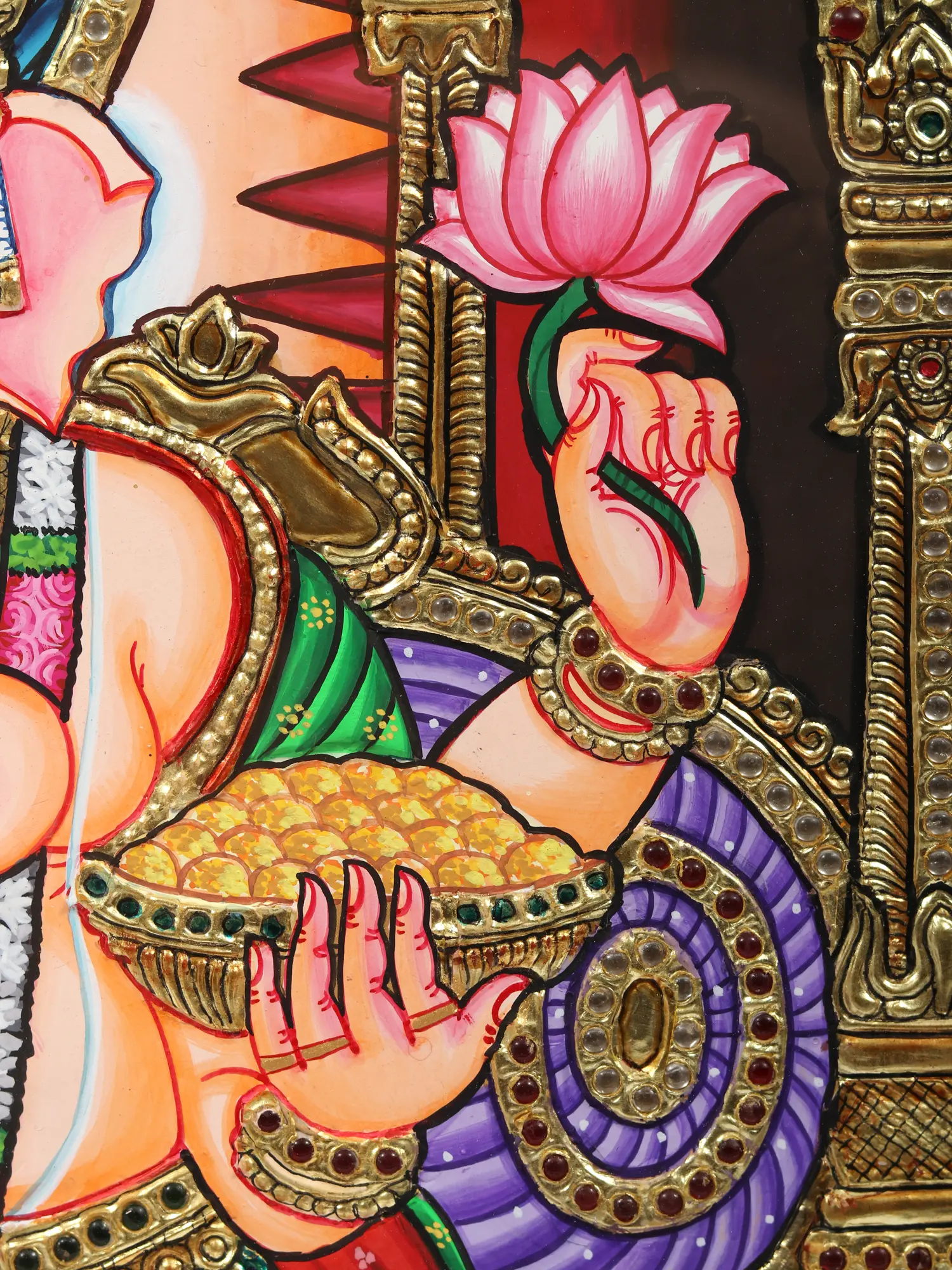
A Harmonious Addition to Your Home
Imagine this masterpiece gracing your living room, meditation space, or study. It will serve as a powerful statement piece, reflecting your appreciation for artistry and spiritual depth. Whether you are seeking to enhance a space with sacred energy or simply to admire unparalleled craftsmanship, its presence will undoubtedly inspire tranquility and reverence. It makes for an exceptional gift, bestowing blessings and good fortune upon its recipient.Preserving Its Luminescence for Generations
To ensure the lasting brilliance of this heirloom-quality artwork, we recommend gentle dusting with a soft, dry cloth. Avoid direct sunlight and humidity to protect the delicate gold leaf and traditional pigments. With proper care, you will preserve its exquisite beauty and spiritual significance for many years to come, allowing its radiant presence to continue to bless and inspire.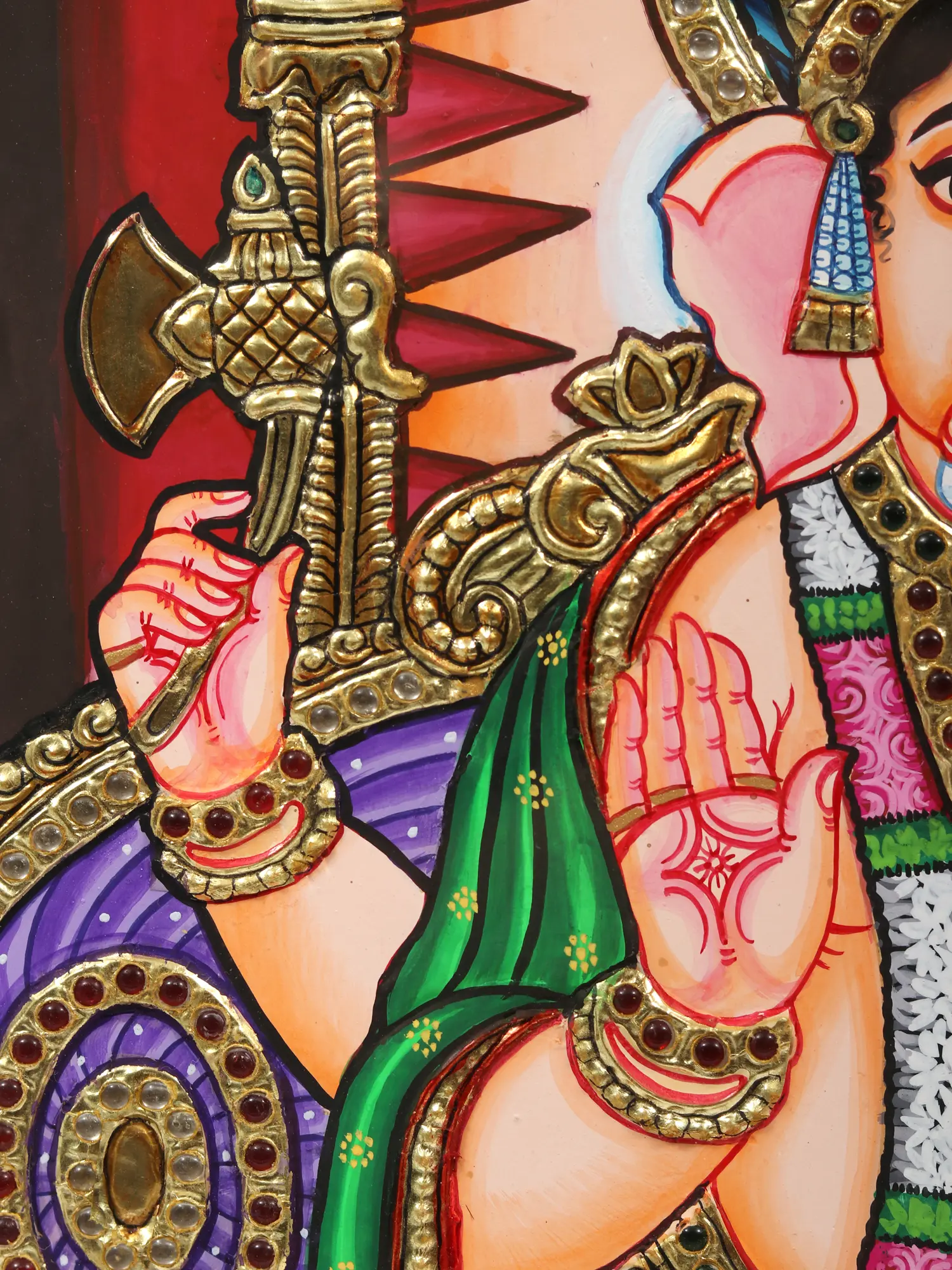
Gilded Elegance: Unraveling the Artistry of Tanjore Paintings
Tanjore painting is a traditional form of art in the South Indian style and was started by the inhabitants of a small town known as Thanjavur of Tamil Nadu. This gives it another name called “Thanjavur painting”. This painting draws its figures, designs, and inspiration from the time when Vedic culture was prevalent in India. Certain remarkable features of a Tanjore painting distinguish it from other paintings. Some of these are pure gold or gold foil coating on gesso work, the use of rich and vivid colors, and the inlay of cut-glass or semi-precious and precious stones. The subjects of most of the Tanjore paintings are Hindu Gods, Goddesses, and saints. The main devotional figure is portrayed in the central portion of the painting and is usually surrounded by various secondary figures.
The process of making a Tanjore painting
The classic Tanjore paintings are done on wooden planks and hence are also referred to as Palagai Padam in South India (Palagai = Wooden plank, Padam = Picture). Creating a masterpiece is never an easy task but the skilled artists of Thanjavur have been following the tradition of making timeless Tanjore paintings for decades.The making process begins with preparing the wooden board or canvas. The size of the board depends upon the choice of the patron. The next step is to paste cardboard over the wooden board and then a cotton fabric is stretched and pasted upon it using Arabic gum.
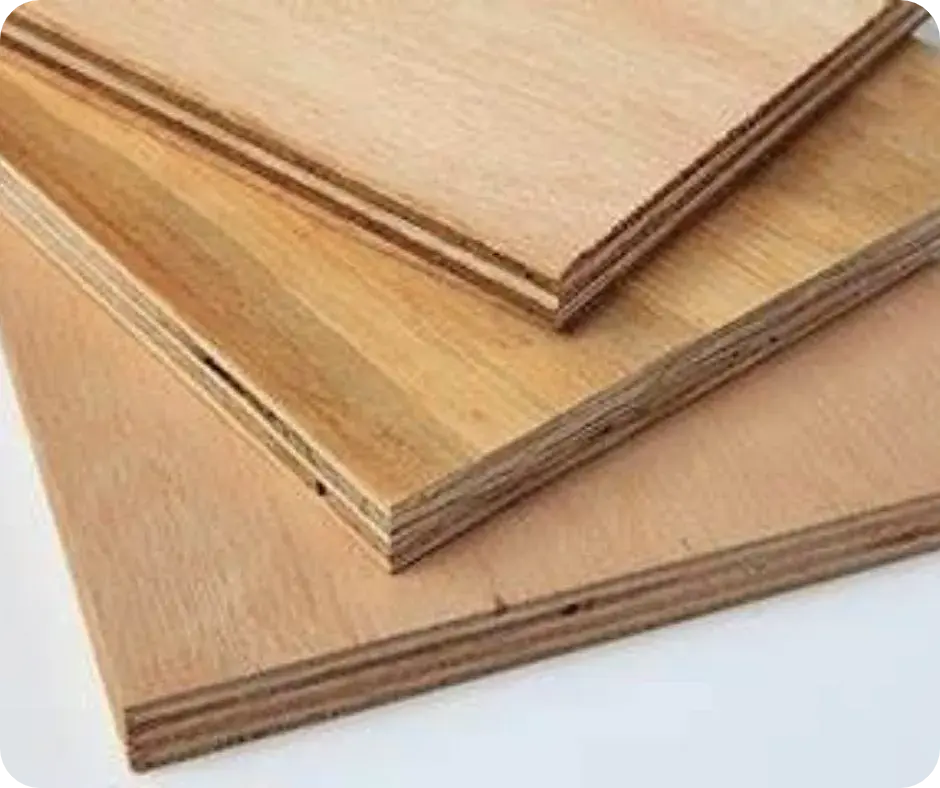
Now that the cloth is attached to the wooden panel, a rough sketch of the motifs and figure is drawn onto the fabric. After this, a paste of chalk powder and water-soluble adhesive is evenly applied over the base and smoothed.
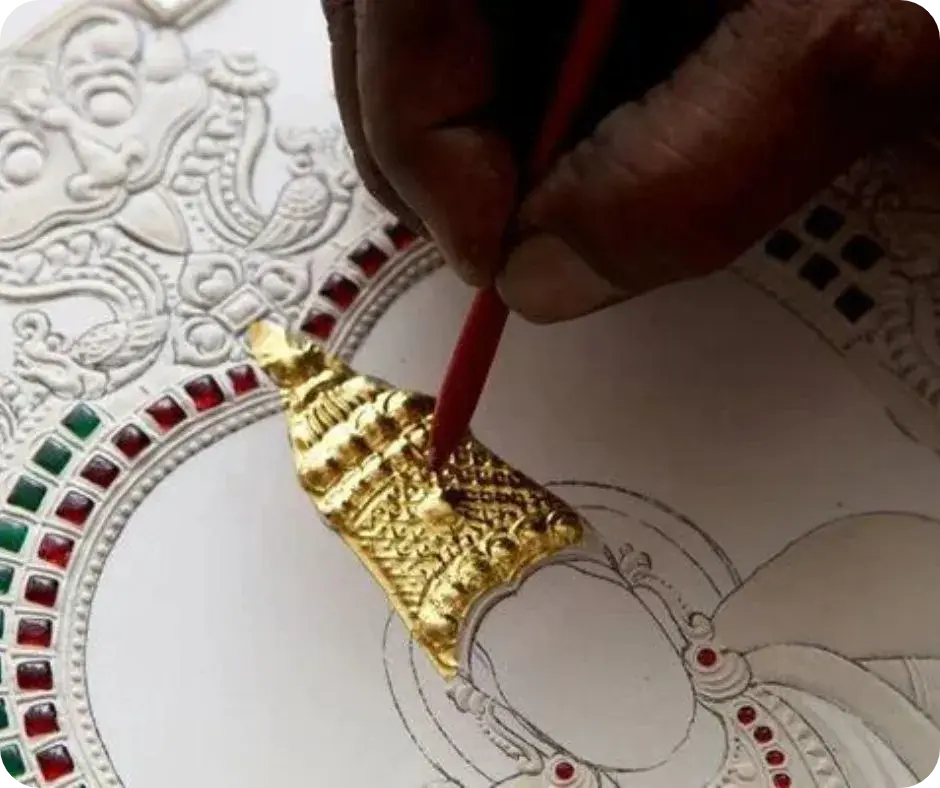
Thereafter, the outlines which were made or traced using a stencil are now ready to be beautified and decked with various add-ons. The usual materials for decoration are cut-glass, pearls, semi-precious and precious gems, gold leaf, and laces. 22 or 18 Karat Gold leaves and gems of varied hues are especially inlaid in areas like pillars, arches, walls, thrones, and dresses.
In the final step, the rest of the painting is filled with rich and striking colors such as shades of red, blue, and green. Formerly, the artists used natural colors like vegetable and mineral dyes instead of chemical paints. The entire painting is then cleaned and refined to give a flawless finished look.
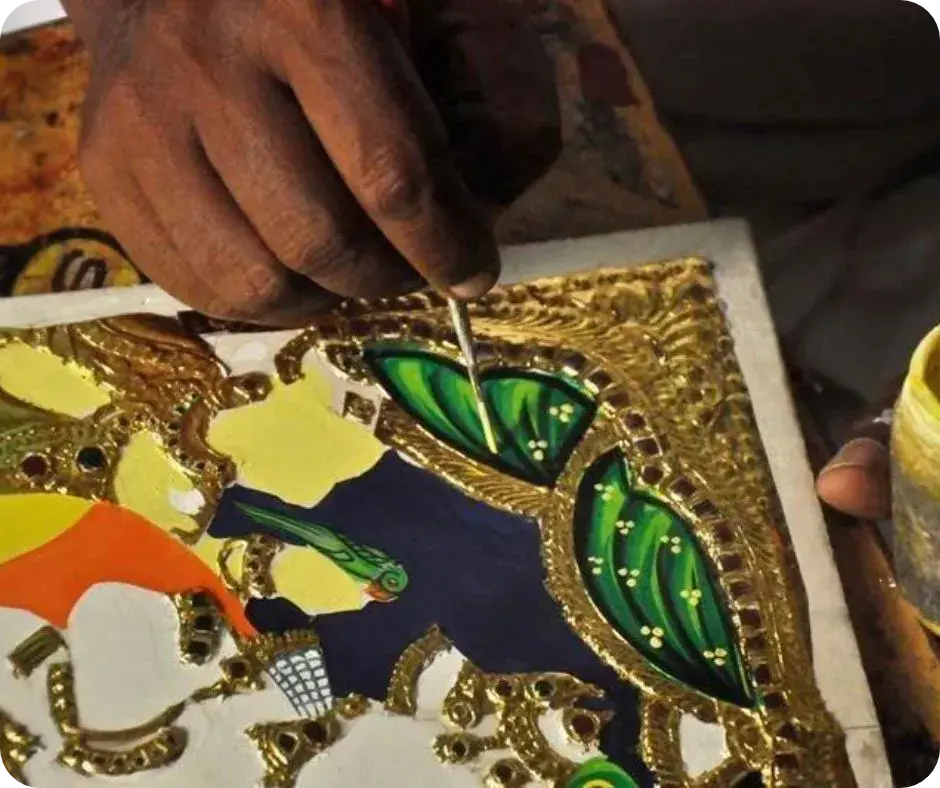
Since the making of a single piece of Tanjore painting requires a complex and elaborate process, the artists usually take at least one or two months to complete it. The use of pure gold foil and gems for beautification is a characteristic of an authentic Tanjore painting. Due to this, Tanjore paintings last for generations without getting tarnished and are much more expensive than general paintings. Though the art form has undergone various changes and technique modifications over the years, it continues to attract the hearts of art lovers.
Products related to this item
8 inch Height X 13 inch Width X 0.5 inch Length
$109
Best Seller
Express Shipping
Includes any tariffs and taxes
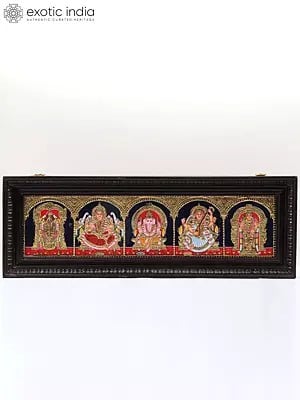
12 INCH HEIGHT X 34 INCH WIDTH (WITH FRAME) 8 INCH HEIGHT X 30 INCH WIDTH (WITHOUT FRAME)
$1317
Express Shipping
Includes any tariffs and taxes
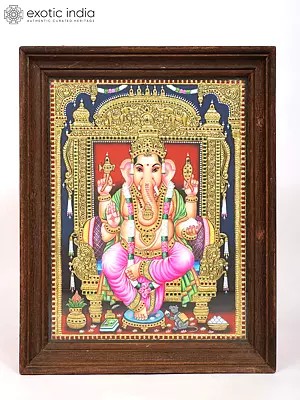
28 inch Height X 21.5 inch Width X 3.5 inch Length
$799
Includes any tariffs and taxes
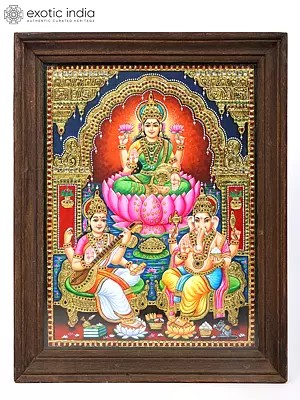
28 inch Height X 21.5 inch Width X 3 inch Length
$466
Express Shipping
Includes any tariffs and taxes
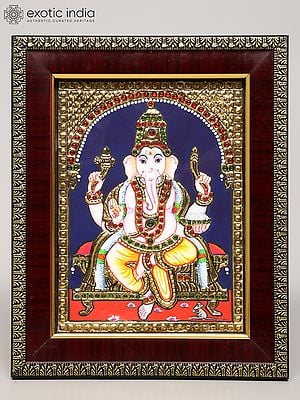
10 inch Height X 8 inch Width X 1 inch Length
$178
Includes any tariffs and taxes
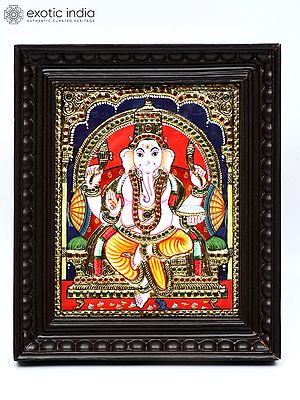
12.70 inch Height X 10.80 inch Width X 1.80 inch Depth
$259
Express Shipping
Includes any tariffs and taxes
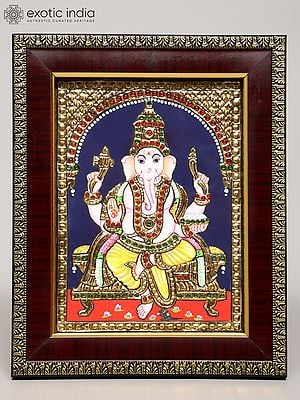
10 inch Height X 8 inch Width X 1 inch Length
$178
Includes any tariffs and taxes
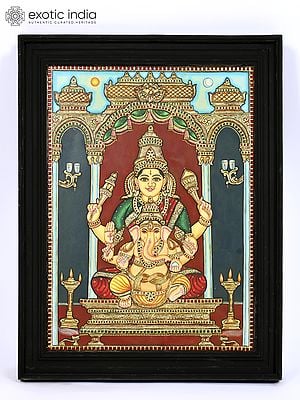
27.5 inch Height X 21.5 inch Width X 2 inch Length
$1029
Express Shipping
Includes any tariffs and taxes
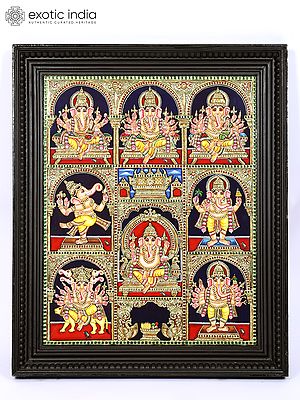
35 inch Height X 29 inch Width X 2.5 inch Length
$1195.60
Express Shipping
$1708 30% off
Includes any tariffs and taxes
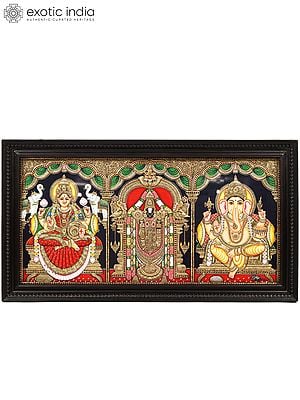
28.50 inch Height X 52.50 inch Width X 3.00 inch Depth
$1461.75
Express Shipping
$1949 25% off
Includes any tariffs and taxes
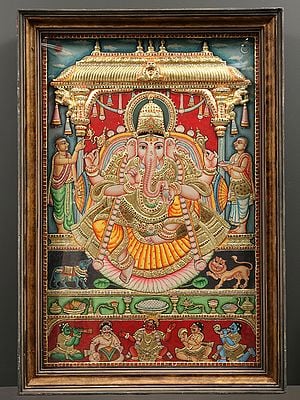
39.00 inch Height X 27.50 inch Width X 4.00 inch Depth
$1720.50
Express Shipping
$2294 25% off
Includes any tariffs and taxes
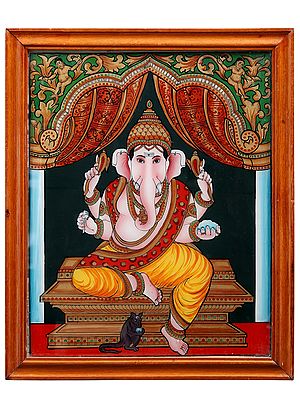
22.00 inch Height X 18.00 inch Width X 0.70 inch Depth
$431.40
Express Shipping
$719 40% off
Includes any tariffs and taxes