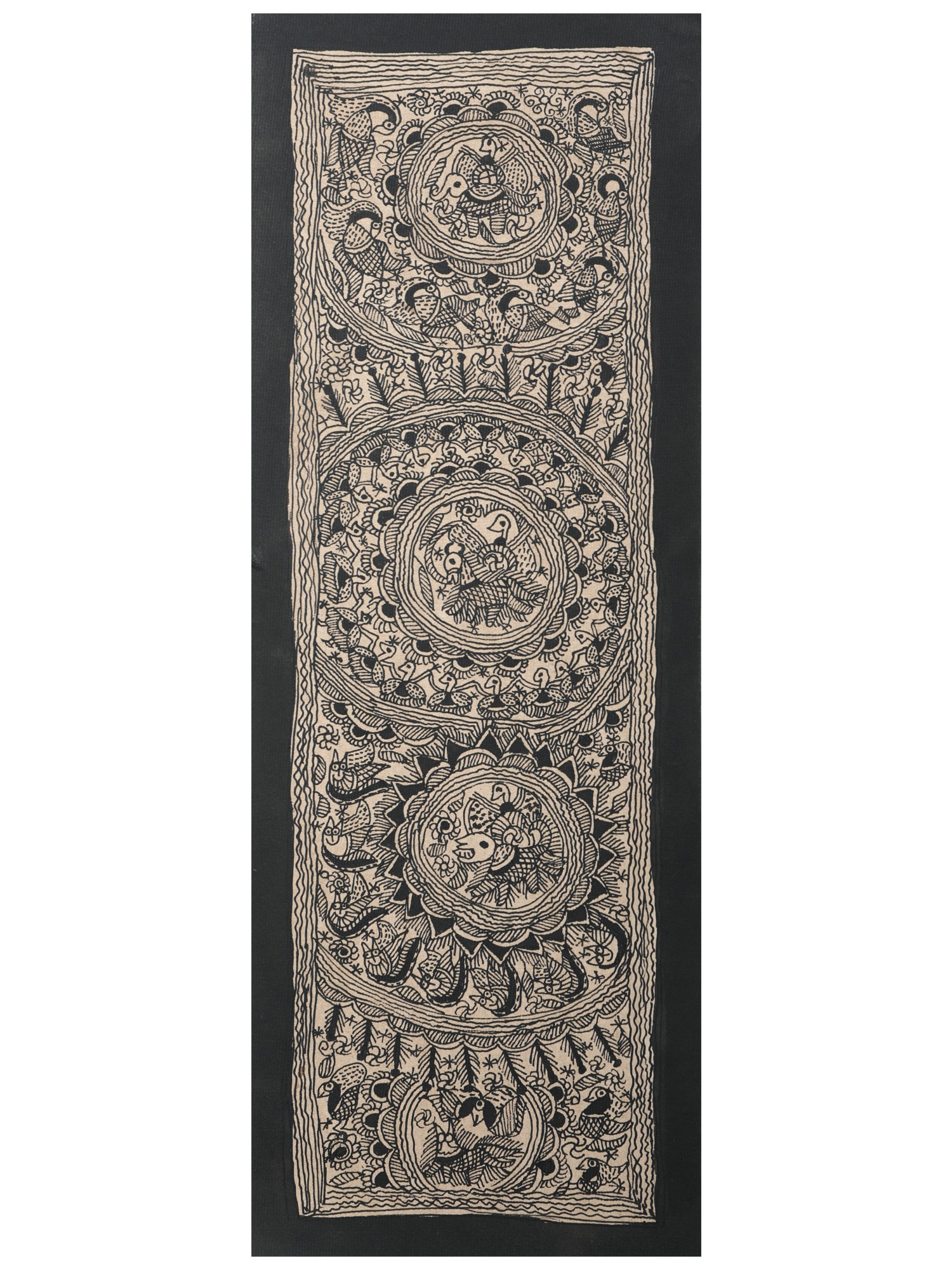
This
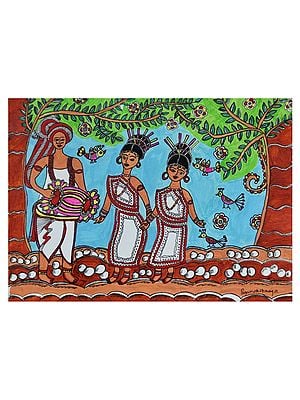
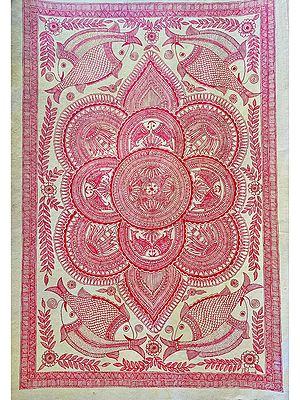
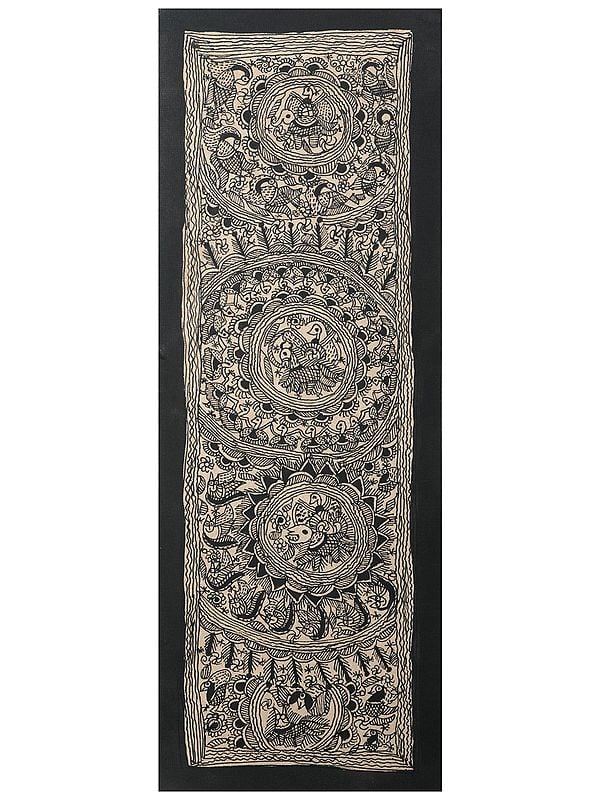
unique artwork showcases the vibrant tradition of Godna art, a form of body art
practised by women in Bihar, India. Rendered on handmade paper using the
Madhubani style, this piece depicts intricate patterns and natural motifs.
Traditionally, Godna art depicted auspicious symbols for fertility, protection,
and good luck.
An Echo of Ancient Traditions
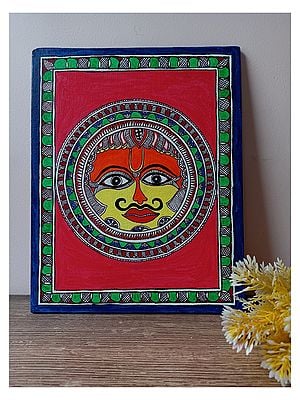
Immerse yourself in the intricate world of Madhubani art with this captivating piece, a direct lineage to the age-old artistic traditions of the Mithila region in Bihar, India. Painted meticulously on handmade paper by artist Ashutosh Jha, this work showcases the unique visual language and deep-rooted cultural significance of Madhubani painting.
Madhubani art, also known as Mithila painting, is not merely decoration; it's a vibrant narrative tradition passed down through generations, primarily by women. Historically, these paintings adorned the walls of homes, serving as prayers, celebrations, and visual chronicles of daily life, religious stories, and auspicious events. The art form is characterized by its distinctive use of bold lines, vibrant colors (though this piece presents a striking monochrome palette), and intricate patterns filled with symbolic motifs.
Decoding the Details
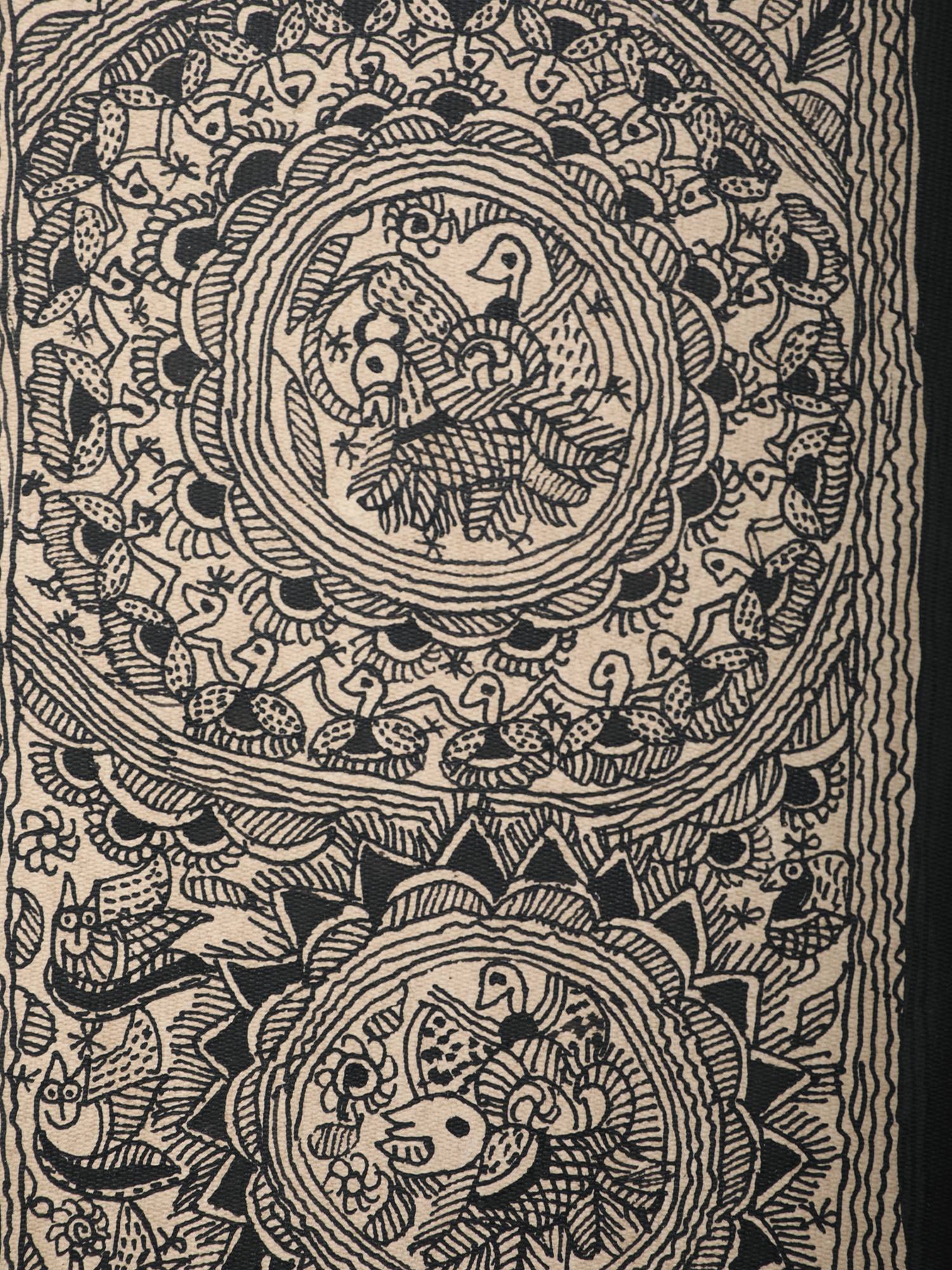
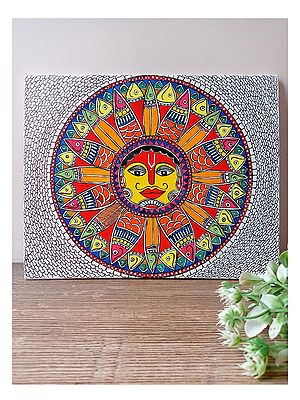
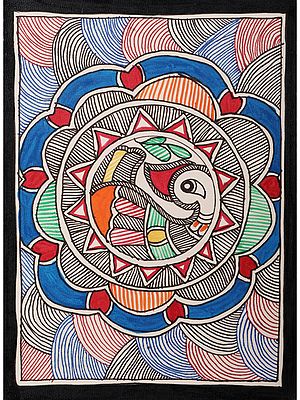
This particular artwork embodies the “Godna” style within Madhubani painting, traditionally resembling tattoo art. This style is characterised by intricate linework and geometric patterns, often depicting flora, fauna, and deities in a stylized manner. Notice the circular motifs that dominate the composition. Within each circle, a world unfolds, populated with symbolic creatures, each carrying layers of meaning.
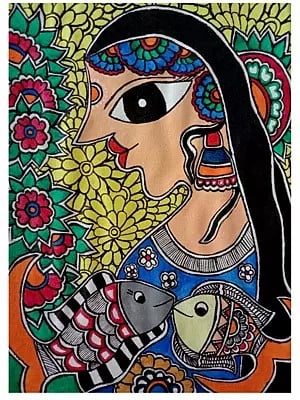
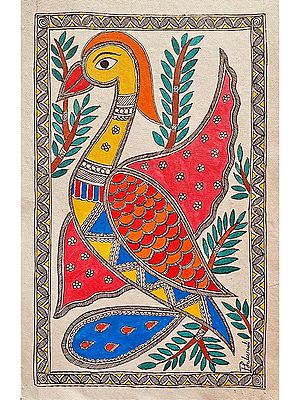
Birds frequently appear in Madhubani art, often symbolizing messengers, freedom, and the connection between the earthly and divine realms. The fish are considered auspicious, representing fertility, abundance, and good fortune. The precise meaning behind each element is deeply intertwined with the socio-cultural context of Mithila and the artist's personal expression.

















 Upload an Image