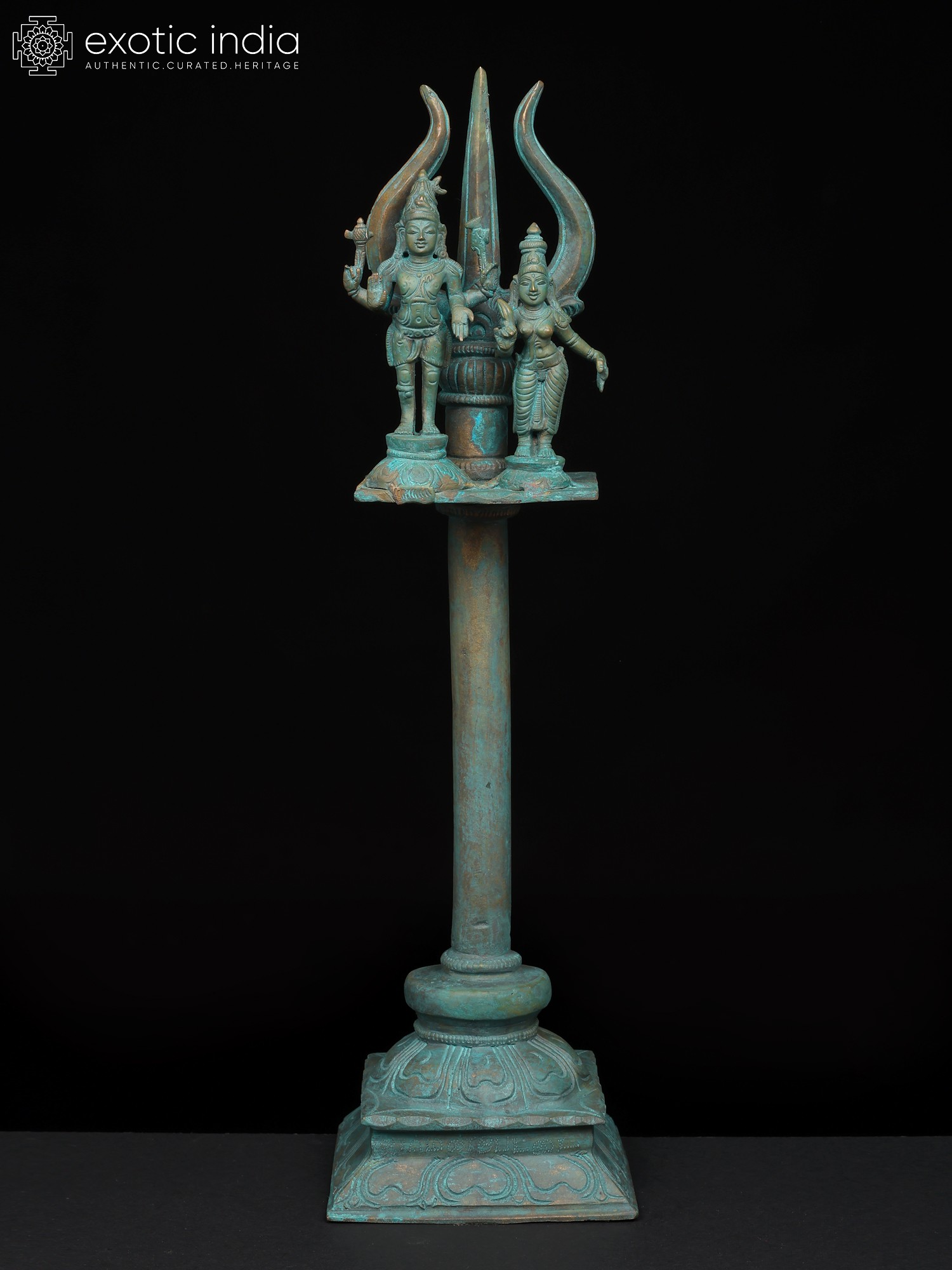
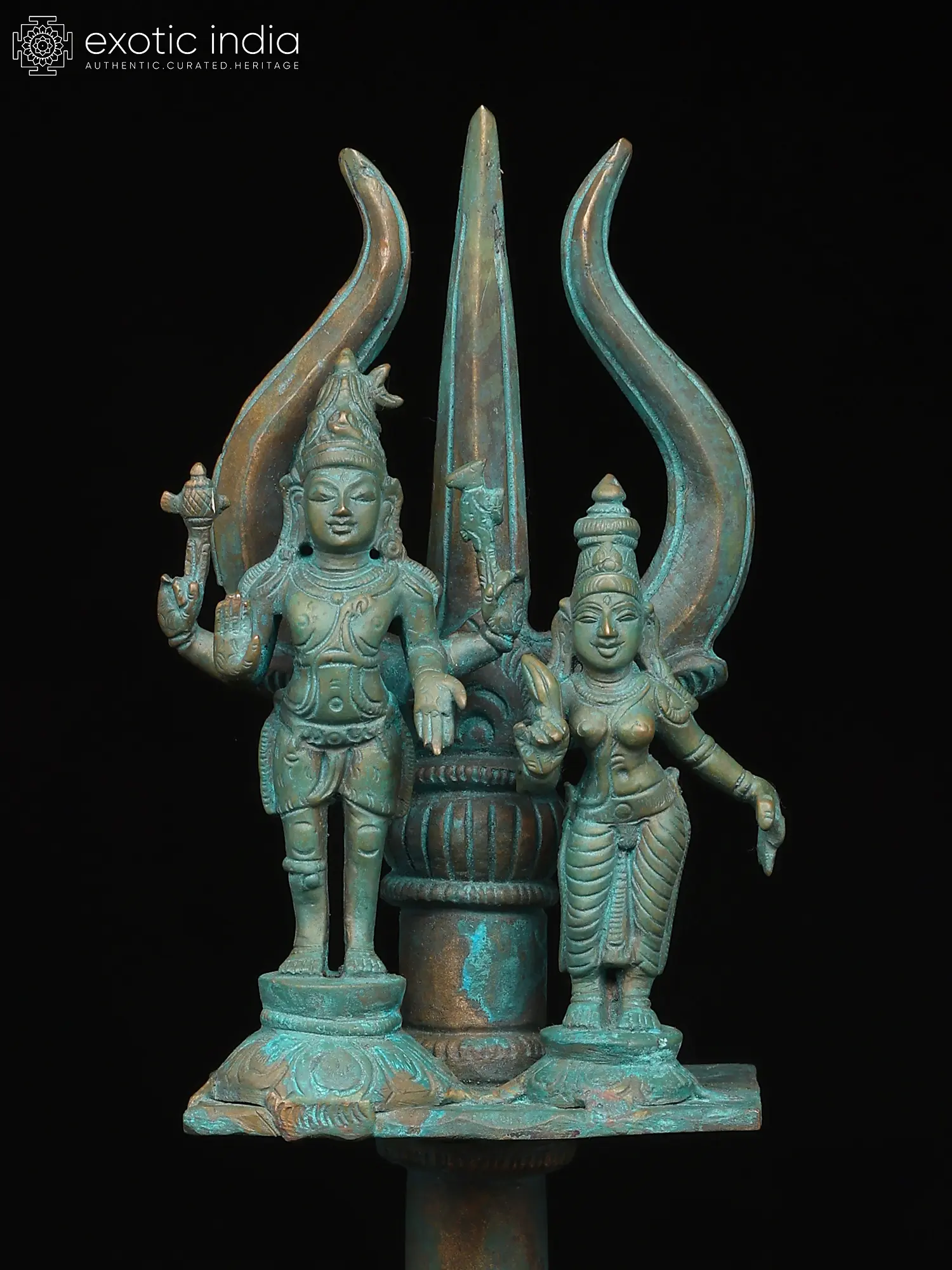
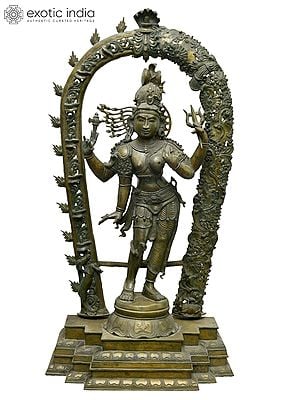
This bronze icon is sanctified by Shiva and Parvati on the Trishula emblem- the trident that cleaves through illusion to reveal cosmic truth.
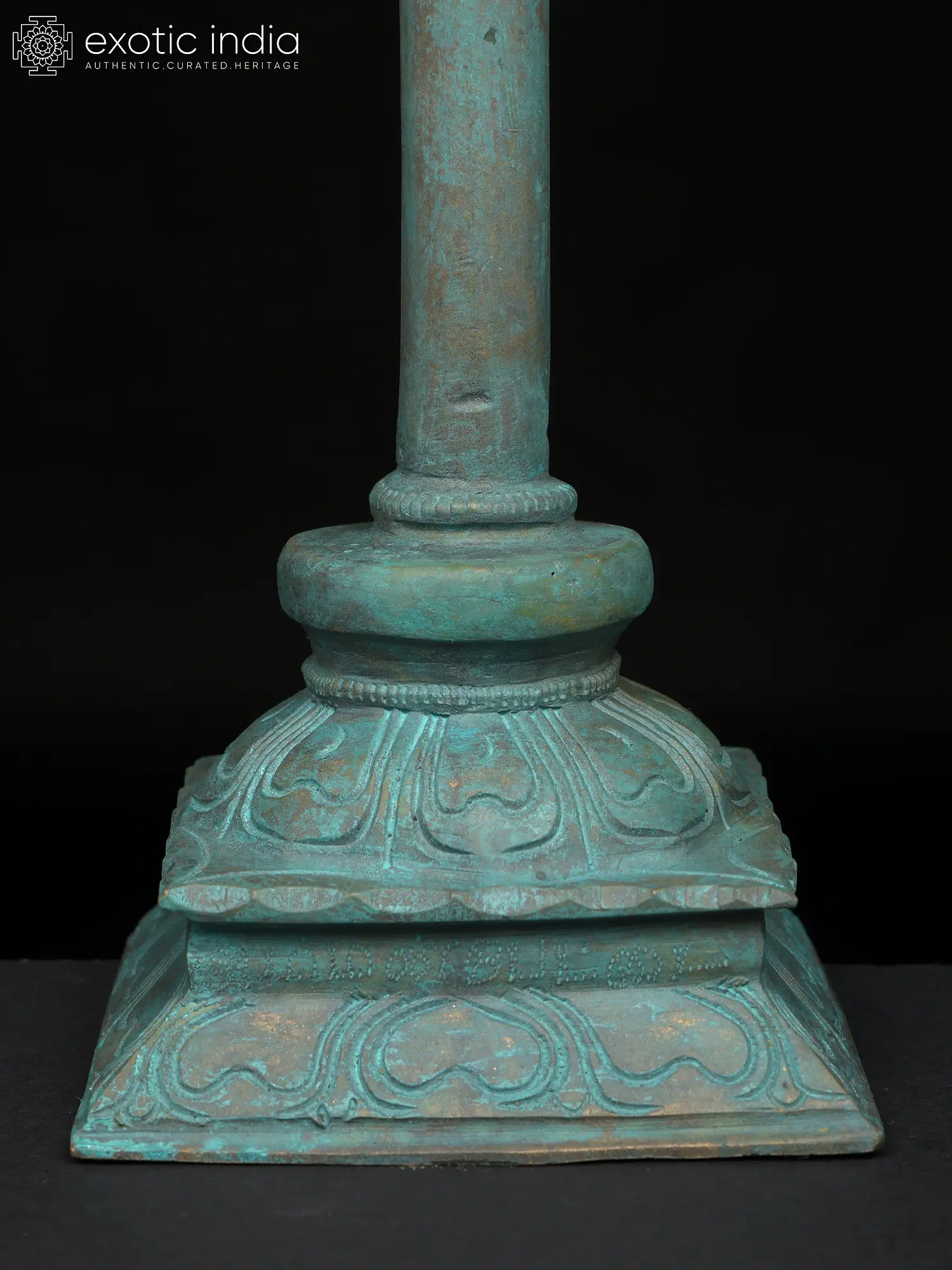
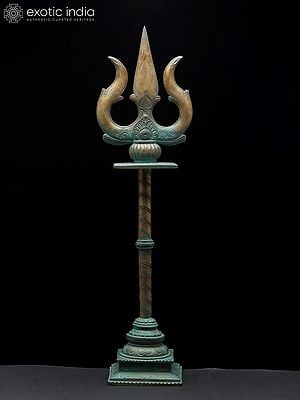
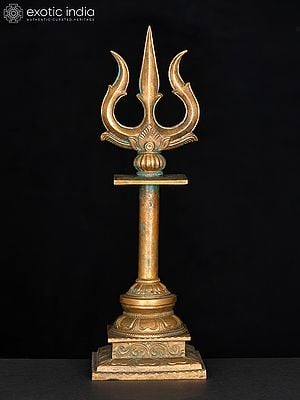
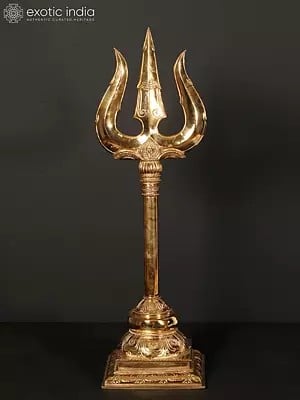
Such icons, known as Shuladevar, are traditionally installed atop long poles and borne aloft during temple festivals, forming part of the processional imagery that carried divine presence beyond the sanctum to the waiting world. They symbolized the god’s descent among devotees, a union of transcendence and accessibility, of spirit meeting devotion.
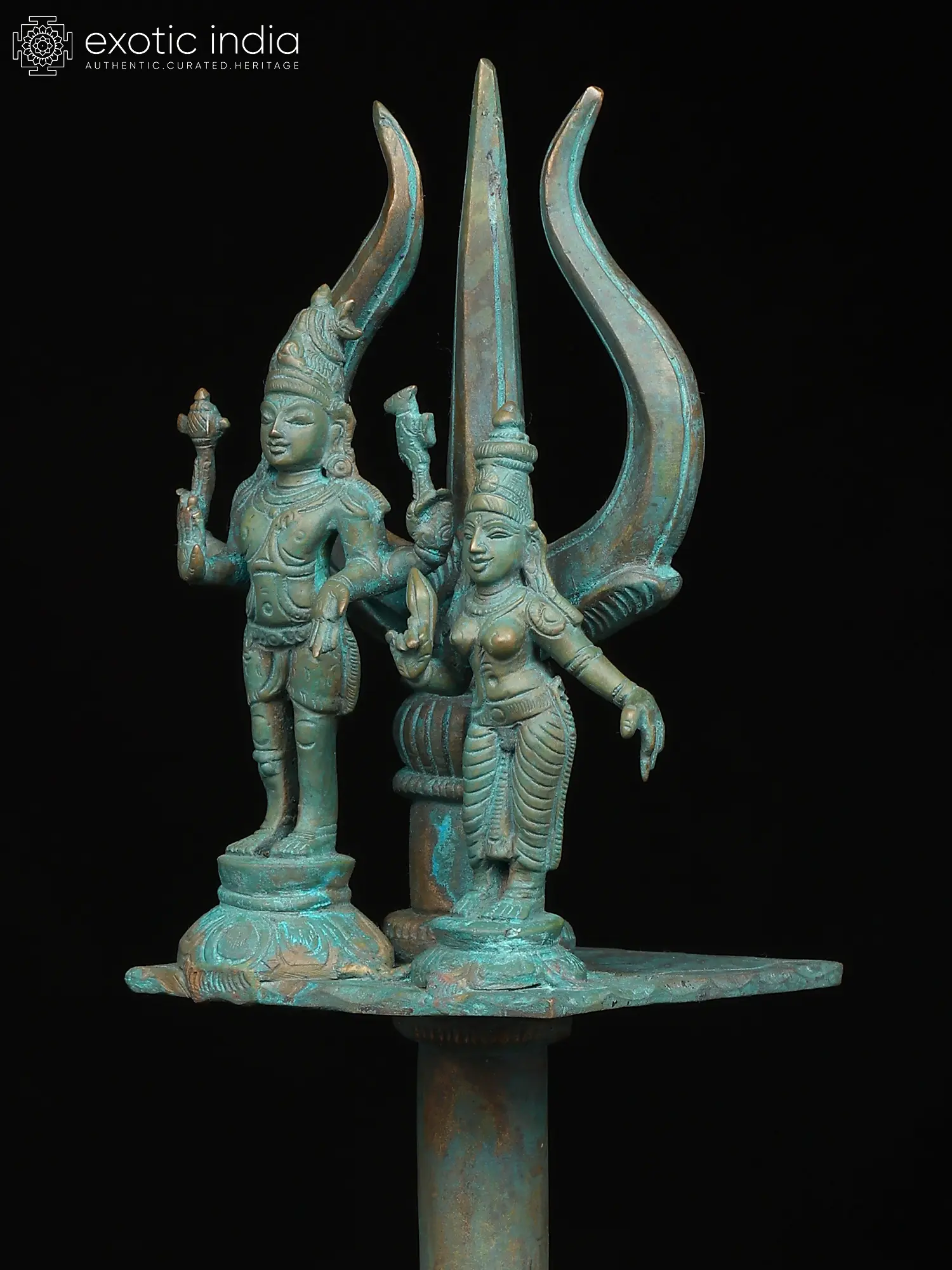
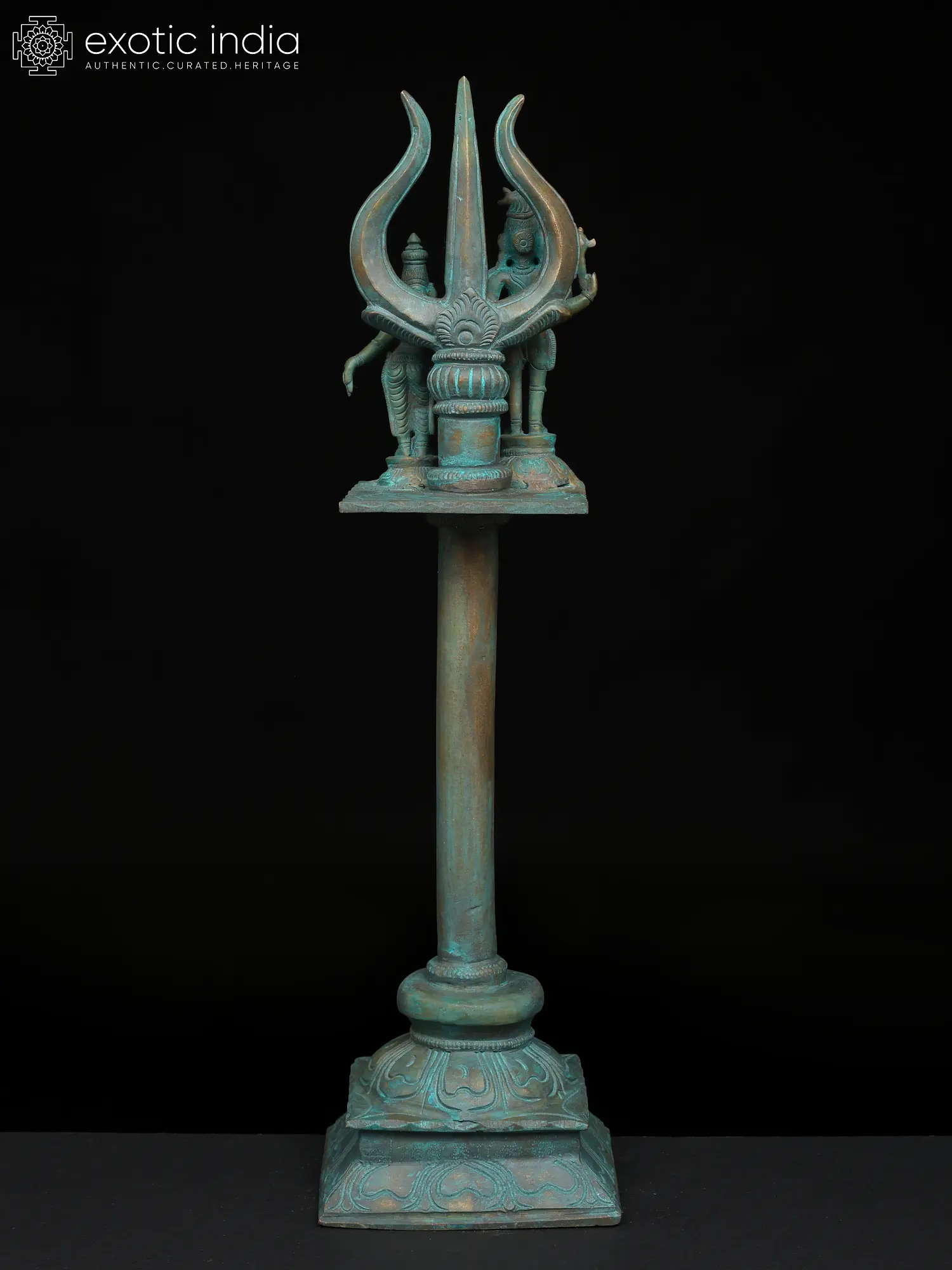
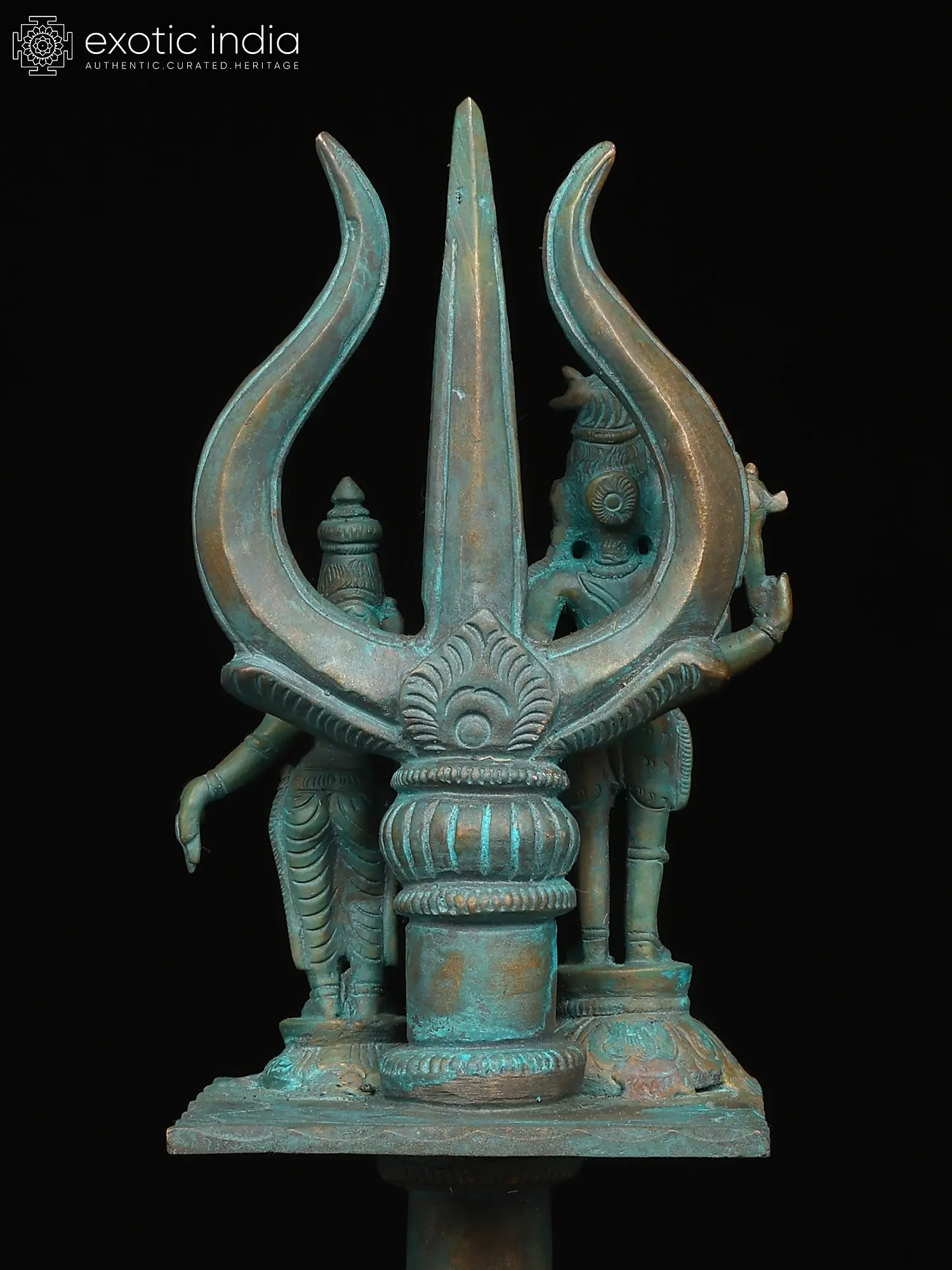
The sculpture rises from a lotus-petaled base, its slender shaft culminating in the flame-like prongs of the Trishula, upon which the divine couple stand in poised balance. Shiva, in Vedic Pashupati form, embodies the fierce stillness of ascetic power; Parvati, beside him, tempers that strength with her gentle grace.
The aged green patina lends an aura of sanctity, as though time itself has bowed in reverence. Inspired by the South Indian temple tradition, this Shuladevar embodies the eternal rhythm of divinity- one that moves, blesses, and yet remains profoundly still.
The Divine Couple: An Embodiment of Cosmic Harmony
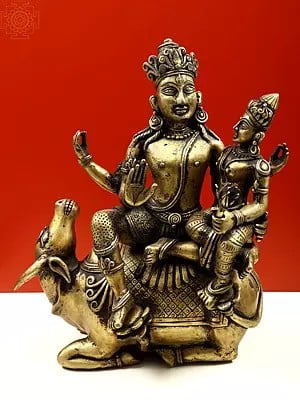
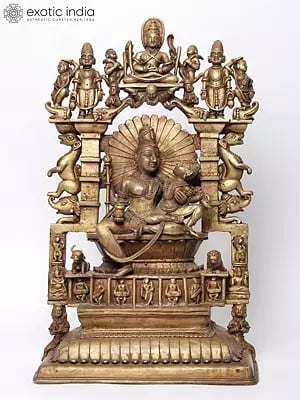
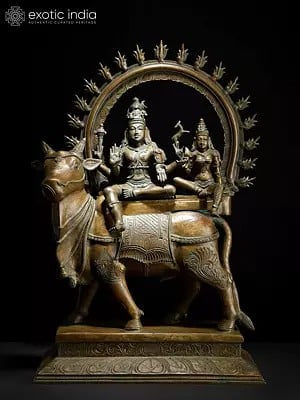
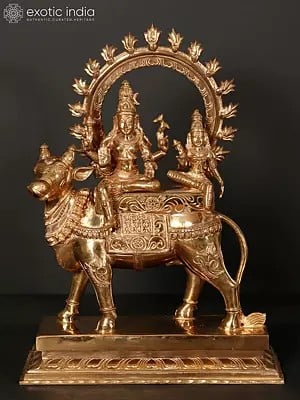
This statue portrays Uma and Maheshwara, the divine couple representing the inseparable union of feminine and masculine energies, Shakti and Shiva. Their togetherness symbolizes the equilibrium necessary for cosmic harmony and the continuity of creation. Maheshwara, another name of Shiva, the destroyer and transformer, stands alongside Uma, or Parvati, the embodiment of power, love, and devotion. Together, they represent the totality of existence. The serene expressions on their faces reflect the inner peace and bliss that comes from perfect union, a state aspired to by devotees seeking enlightenment.The Symbolism of the Trident
The couple is positioned above a stylized representation of Shiva’s trident, the Trishul. The trident is not merely a weapon; it is a potent symbol representing the three fundamental aspects of consciousness: creation, preservation, and destruction. It signifies Shiva's control over these forces and his ability to transcend duality. In some interpretations, the three prongs also represent the three Gunas - Sattva (purity), Rajas (passion), and Tamas (inertia) - which are the fundamental qualities of nature. The trident, therefore, represents Shiva's mastery over the entire cosmos and his power to liberate beings from suffering.Panchaloha: The Sacred Alloy
Crafted using the "Madhuchista Vidhana," or lost-wax technique, this statue is made from Panchaloha, a sacred alloy of five metals: gold, silver, copper, zinc, and iron. This combination is believed to imbue the statue with divine energy. Panchaloha has been used for centuries in South India to create sacred images, as each metal is associated with specific cosmic energies and deities. The creation of a Panchaloha statue is a highly ritualized process, carried out by skilled artisans who are considered custodians of ancient knowledge.Swamimalai: A Legacy of Craftsmanship
Originating from Swamimalai, a town renowned for its bronze sculptures, this piece reflects the region's centuries-old tradition of metalwork. The artisans of Swamimalai are descendants of the sthapatis, the master craftsmen who built the great Chola temples. Their skill in the lost-wax technique, passed down through generations, is evident in the intricate details and refined finish of this statue. Each curve, each gesture, is meticulously rendered, capturing the divine essence of Uma and Maheshwara. The statue stands as a testament to the enduring legacy of South Indian craftsmanship and its ability to bring the divine to life through art.















 Upload an Image