The Lord
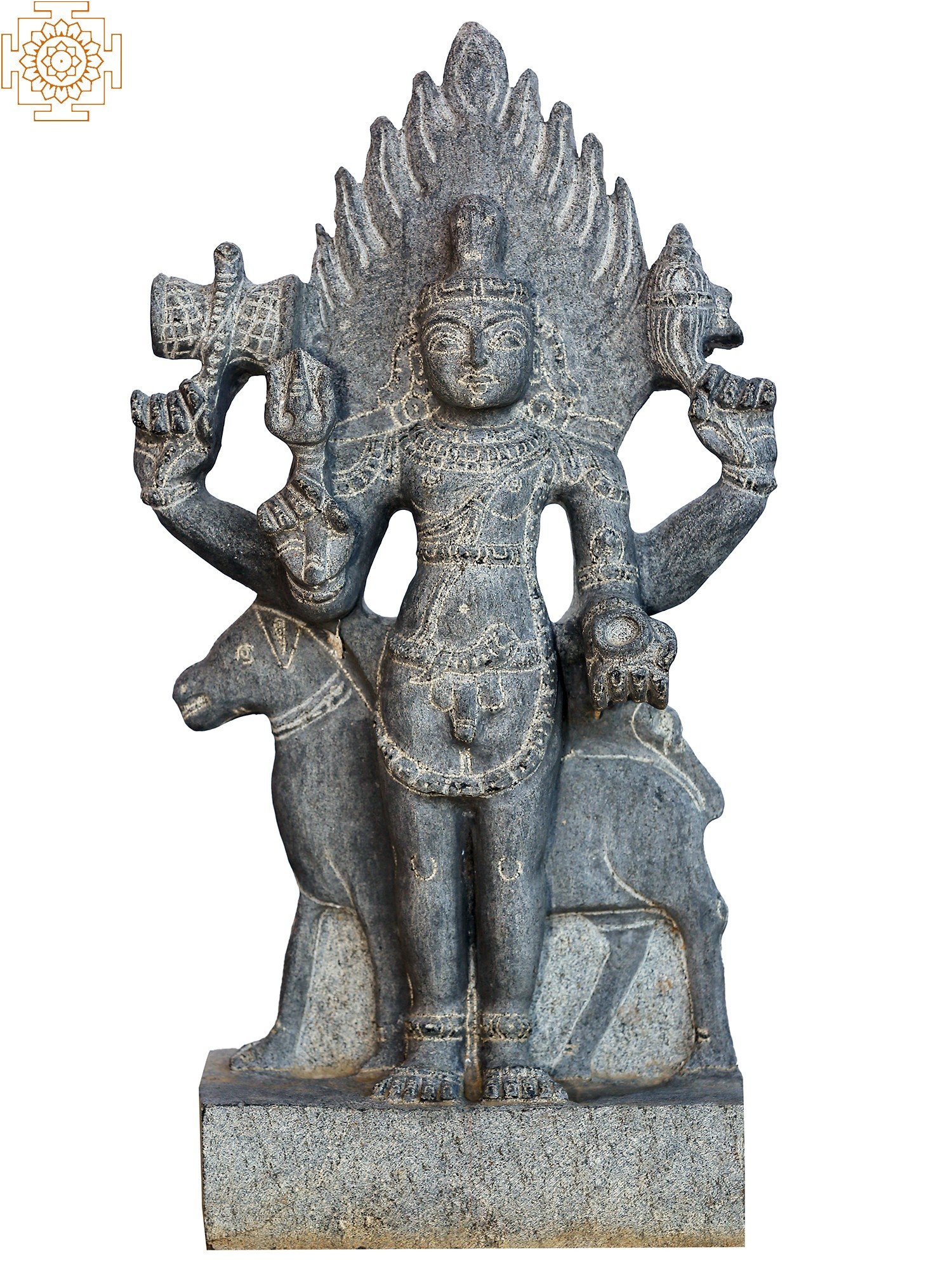
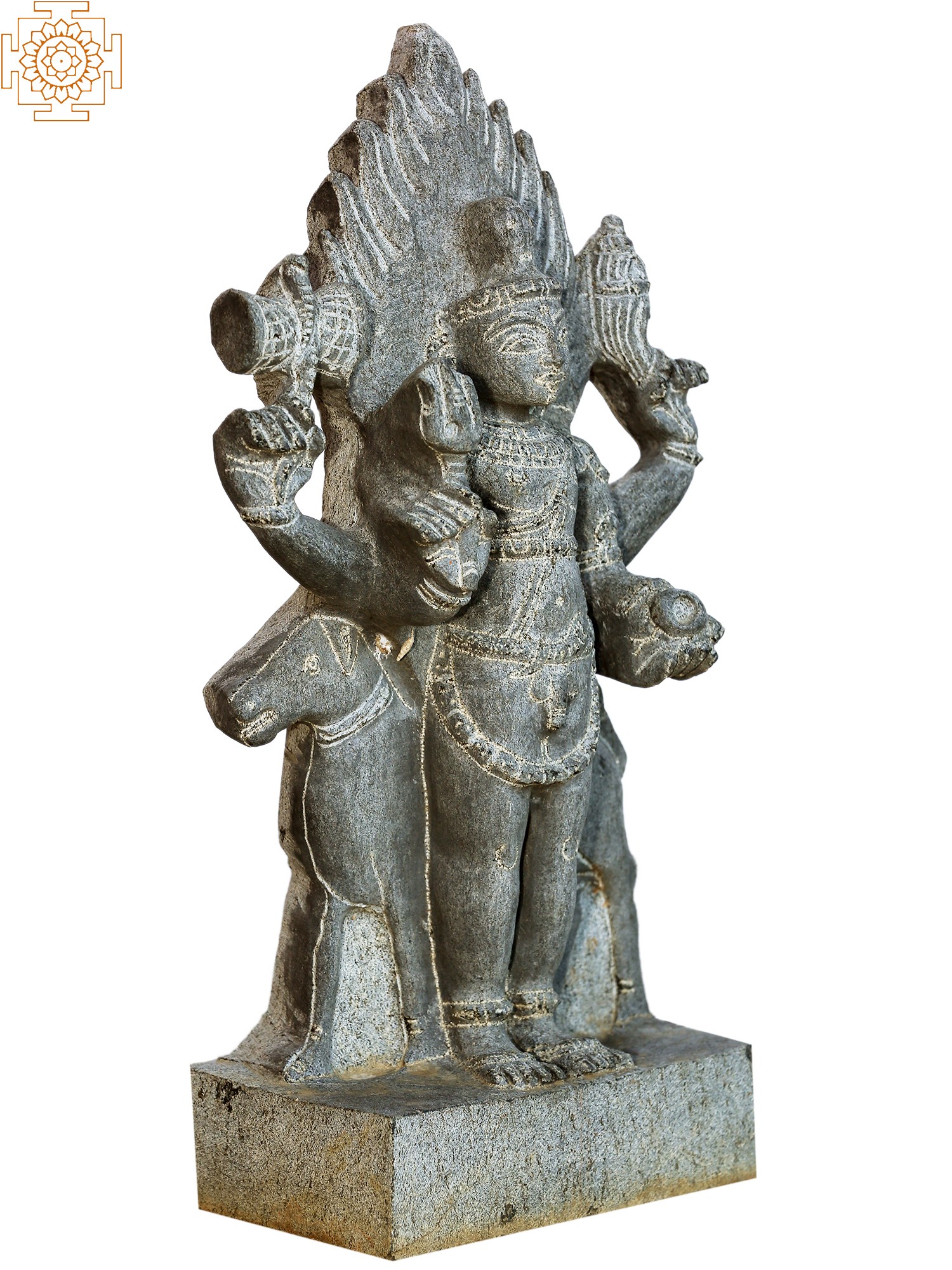
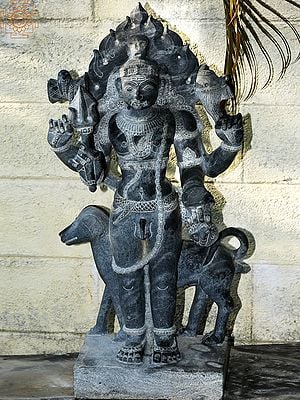
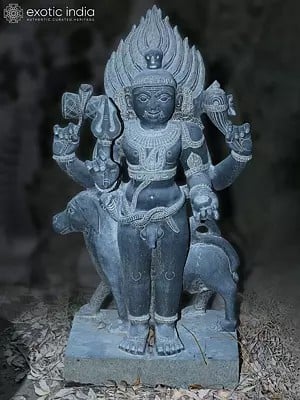
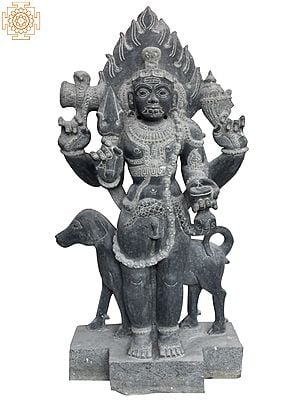
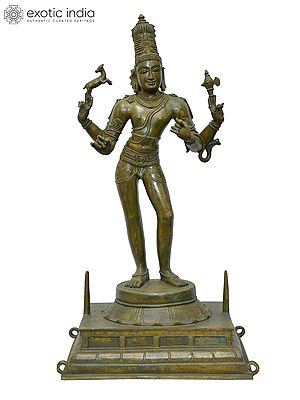
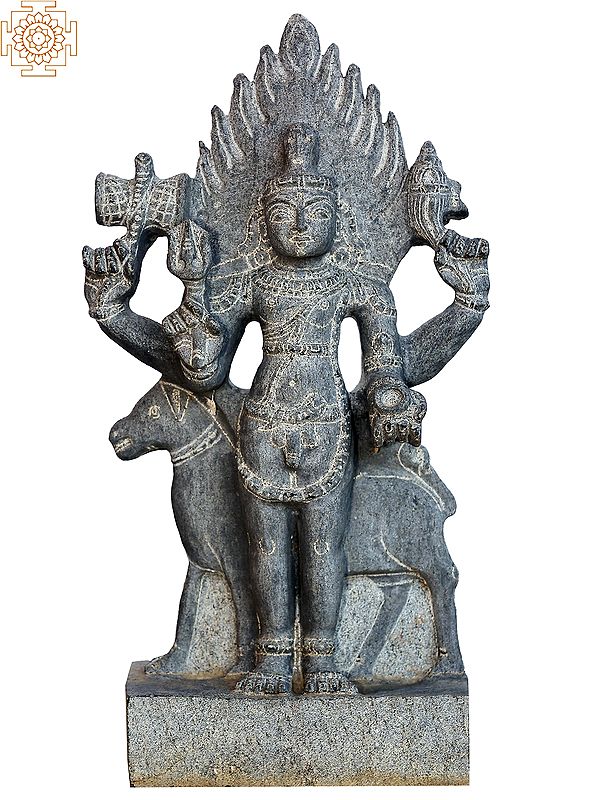
Shiva as Bhairava statue represents Bhairava, a fierce and powerful aspect of
Lord Shiva in Hinduism.
Bhairava is
often depicted as a protector and a guardian, embodying the qualities of
fearlessness, strength, and transformation.
This form of
Shiva is associated with the destruction of negativity and the removal of
obstacles, often seen as a deity who safeguards against evil influences.
In the
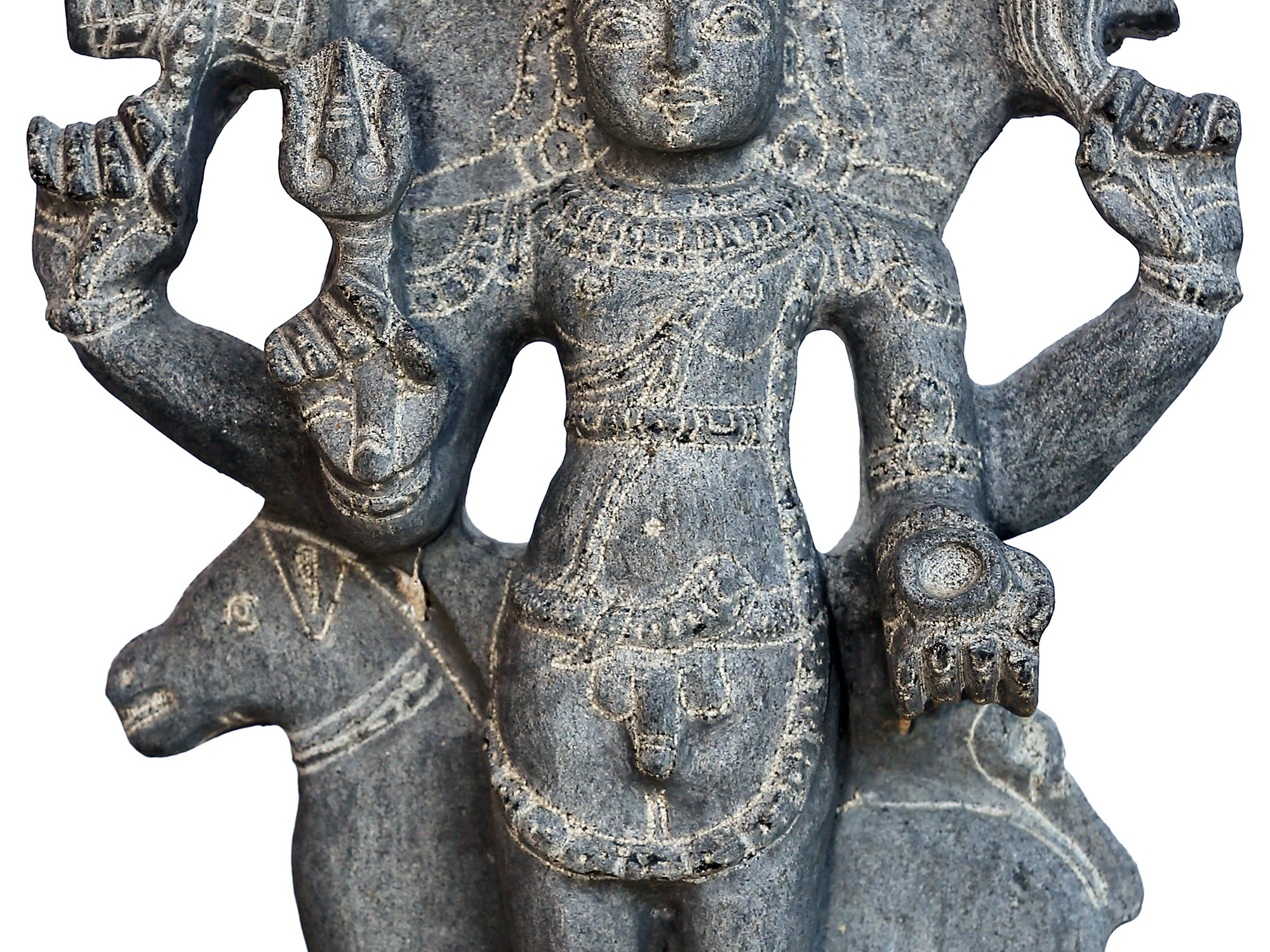
statue, Bhairava is adorned with various ornaments and a garland of skulls,
symbolizing his mastery over fear and death.
His
iconography often includes a trident (trishula) and a drum (damaru), signifying
his role as a creator and destroyer. The presence
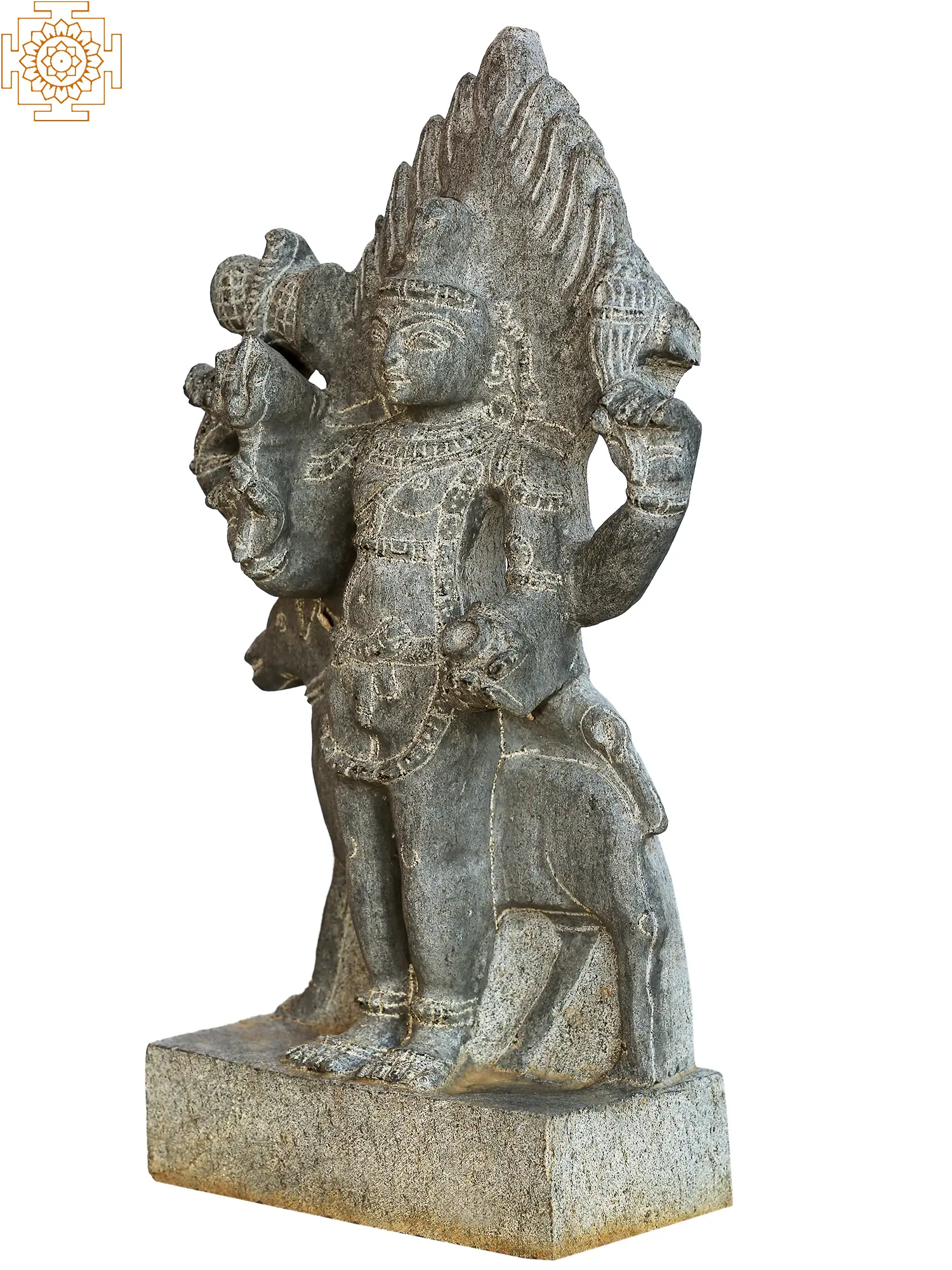
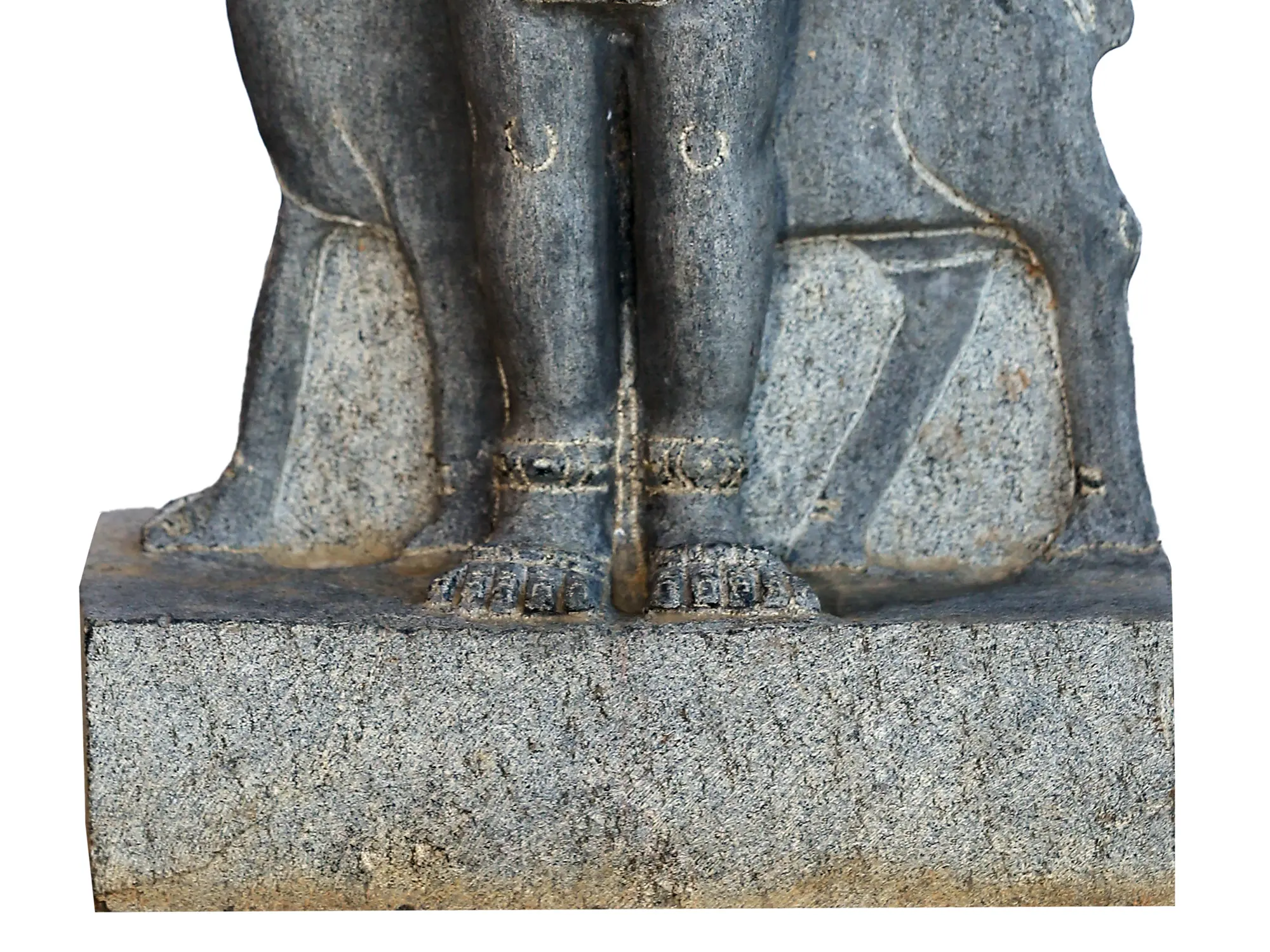
of a dog by his side symbolizes loyalty and faithfulness.
The Ferocious Protector: Lord Shiva as Bhairava
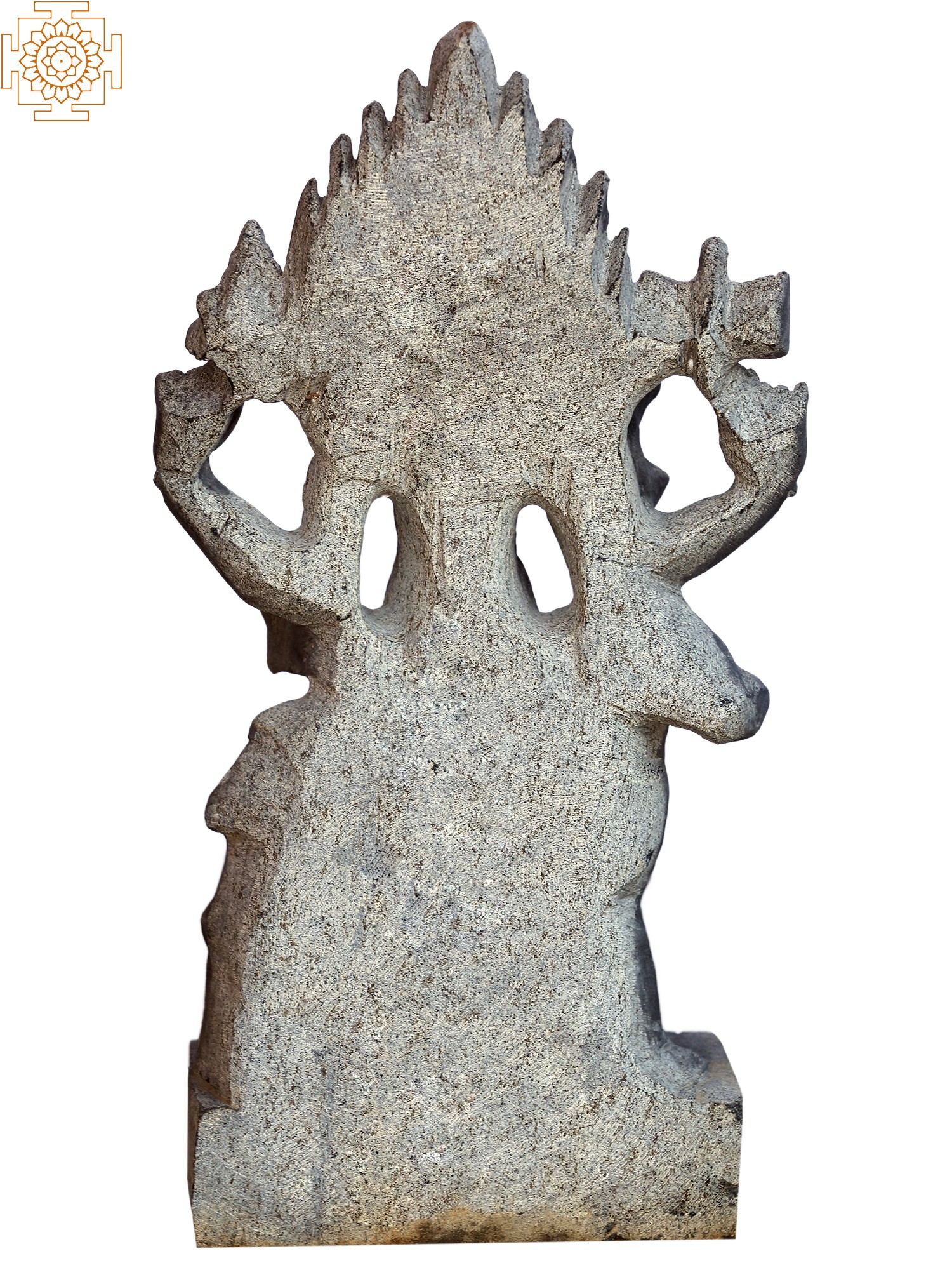
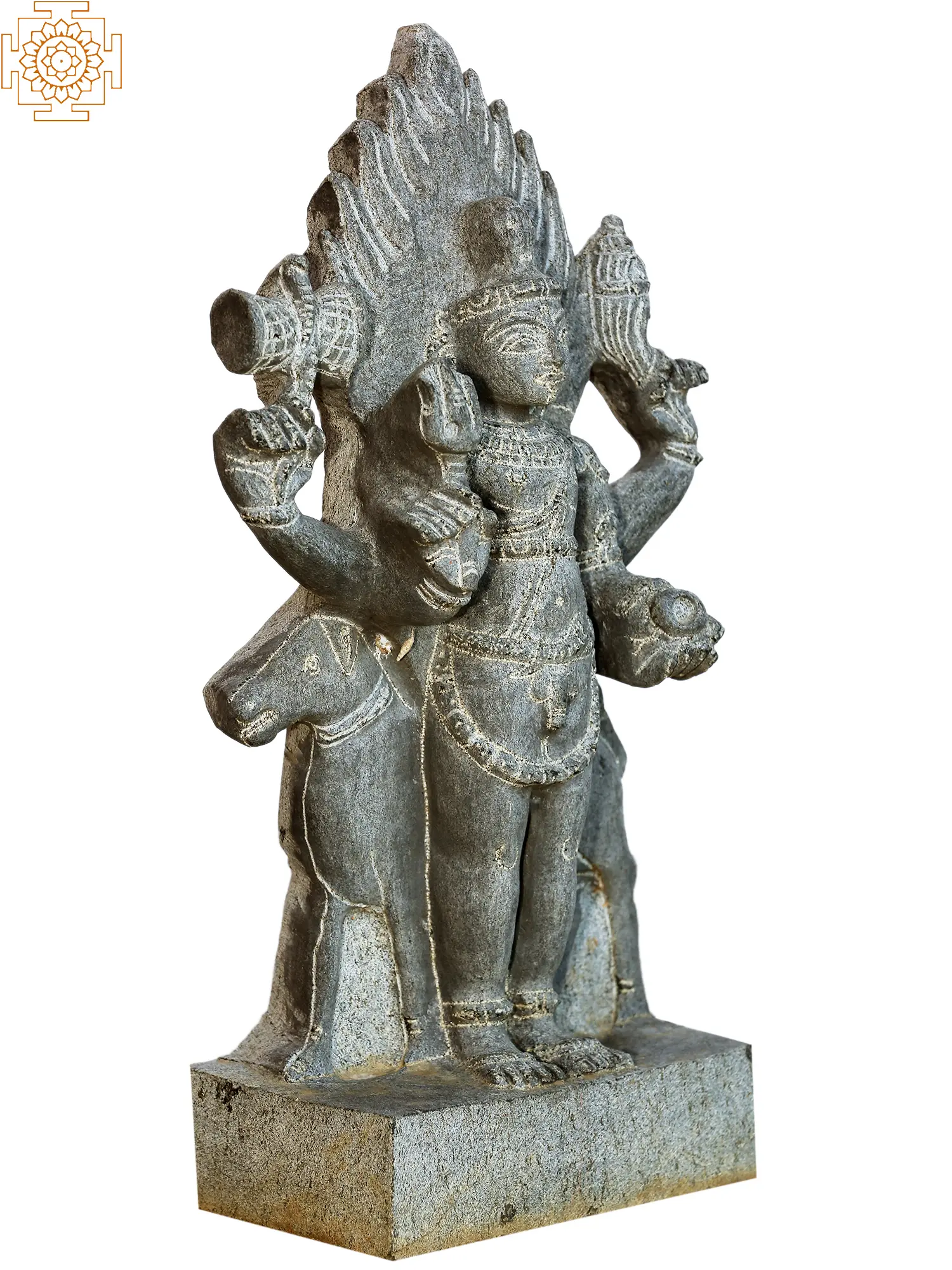
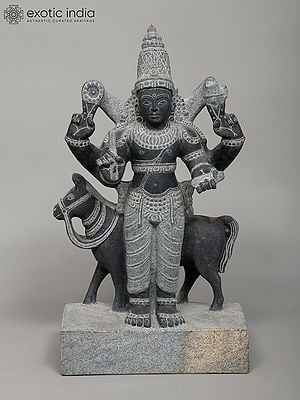
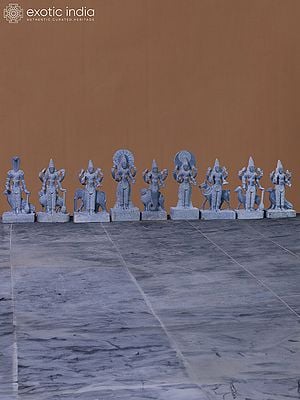
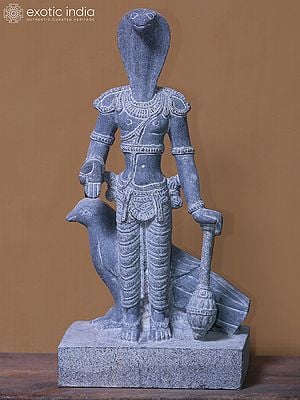
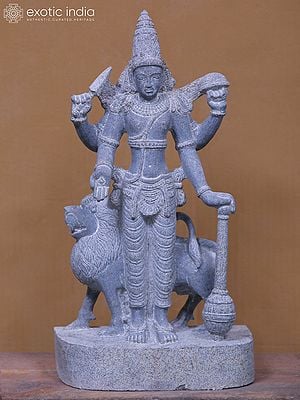
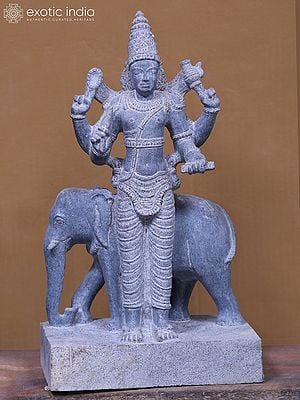
This commanding sculpture captures the awe-inspiring form of Lord Shiva as Bhairava, the fierce and formidable aspect of the divine. Carved from robust, hard granite, this piece stands as a testament to the enduring power and profound symbolism associated with this deity. The granite, known for its resilience and timeless beauty, lends an aura of permanence and strength to the divine representation.
Bhairava, often depicted as a terrifying manifestation of Shiva, is the destroyer of ego, ignorance, and all negative forces. He is the guardian of the universe, embodying the ultimate power that eradicates evil and restores cosmic order. In many traditions, Bhairava is invoked to overcome obstacles, conquer fears, and provide protection against all forms of harm. His image is often associated with cemeteries and cremation grounds, places of dissolution, signifying his mastery over death and rebirth.Iconography and Divine Attributes
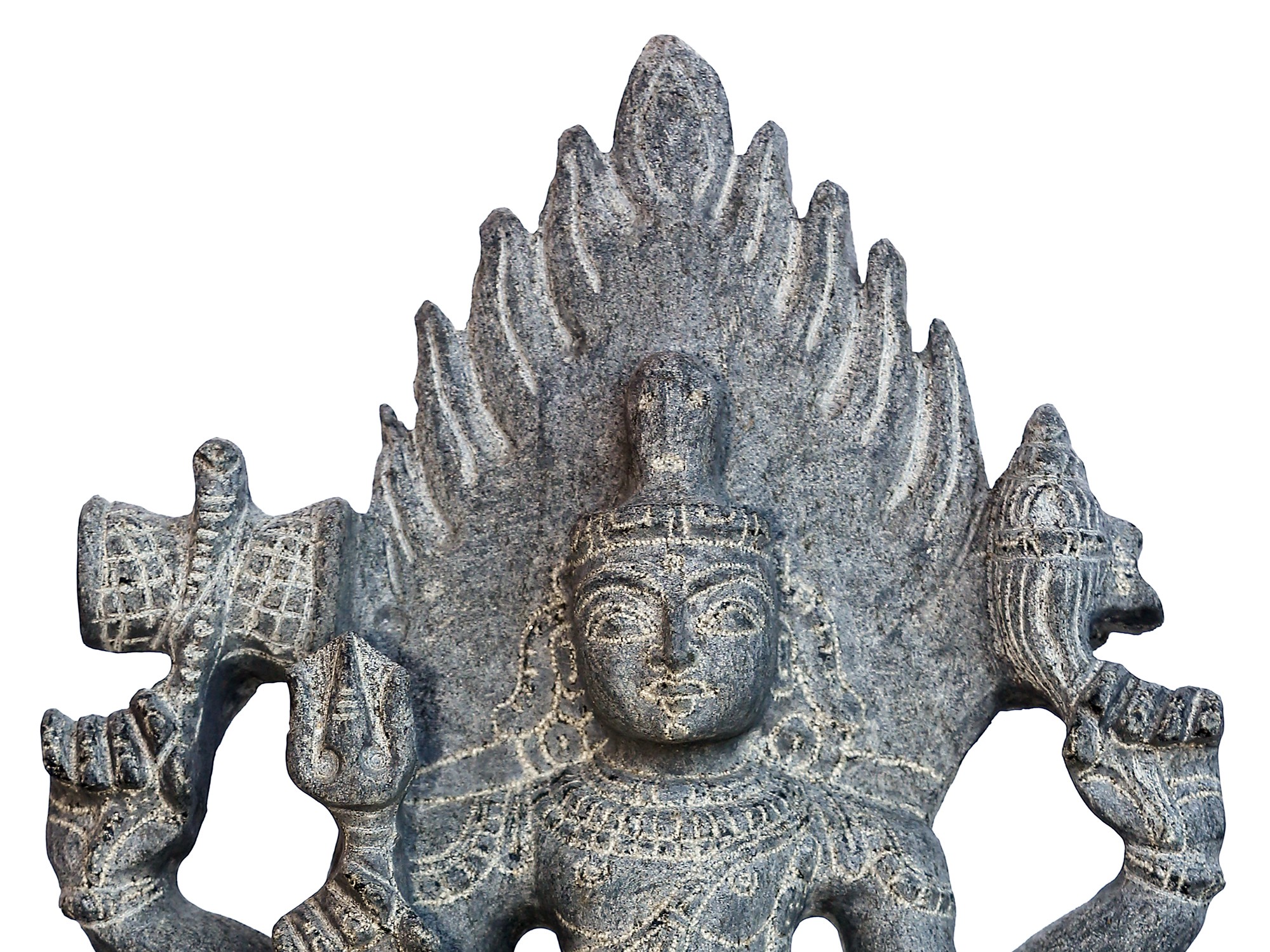
The artistic rendition of Bhairava in this sculpture is rich with symbolic meaning. His multiple arms, a common depiction, represent his omnipresence and his ability to engage with the world on multiple planes. The attributes held within these hands vary across traditions but often include a trident (trishul), symbolizing the three gunas (sattva, rajas, tamas) and Shiva's control over them, or a skull-topped staff (danda), signifying his victory over death. The serene yet stern expression on his face conveys his dual nature: the fierce protector and the compassionate deity. The fiery aura emanating from behind him underscores his cosmic power and the transformative energy he embodies. The presence of a dog, often a jackal, as his vahana (mount) is also significant, as these animals are associated with scavenging and the liminal spaces between life and death, further reinforcing Bhairava's role as the vanquisher of darkness.A Legacy in Stone
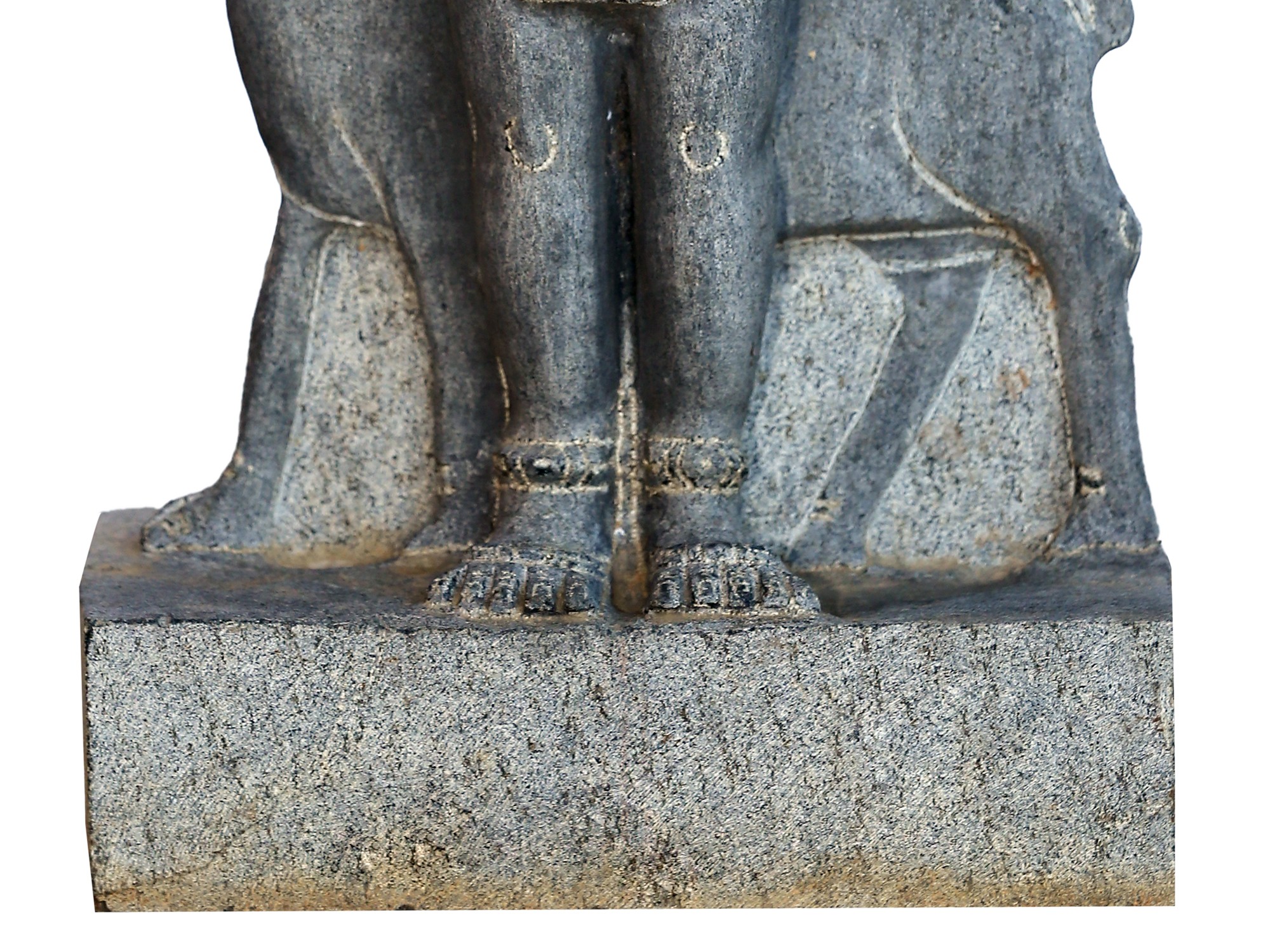
The meticulous craftsmanship evident in this granite sculpture speaks volumes about the skill and dedication of the artisans who brought this divine form to life. Each detail, from the intricate carvings on his attire to the powerful stance, has been rendered with precision, imbuing the stone with a spiritual presence. Granite, with its natural patterns and inherent strength, has been a favored material for sacred sculptures throughout history, chosen for its durability and its ability to withstand the elements, much like the eternal nature of the divine itself. This sculpture is not merely an object of art but a conduit to the divine, inviting contemplation and reverence. Placing this embodiment of protective power in your home or sacred space can serve as a constant reminder of inner strength and the ability to overcome challenges.











 Upload an Image