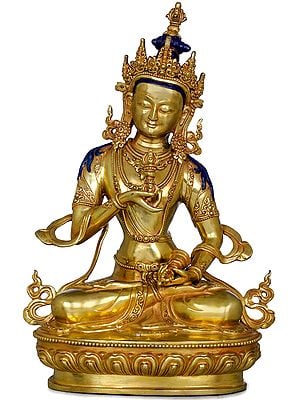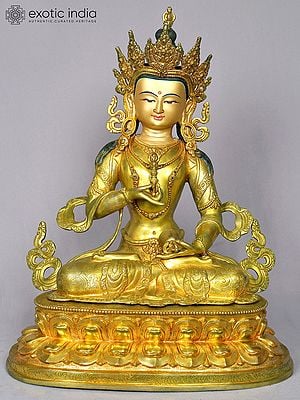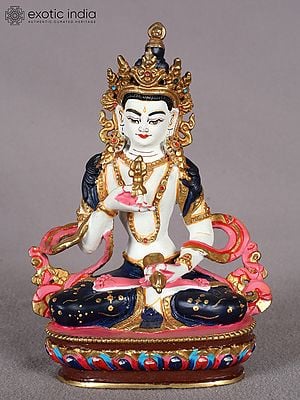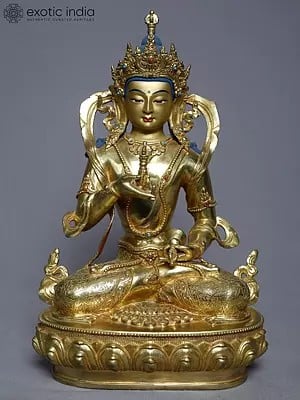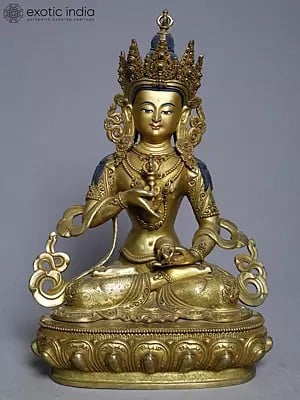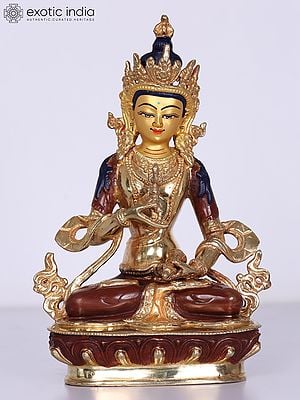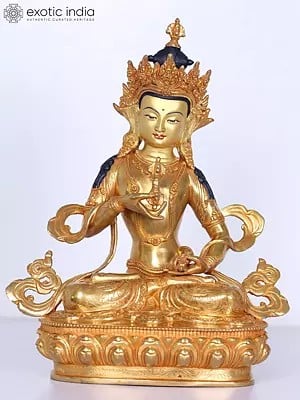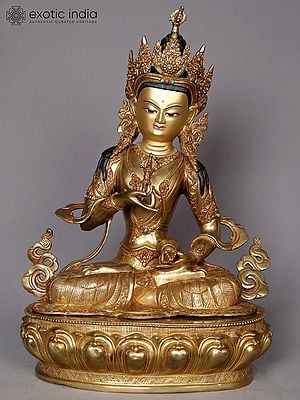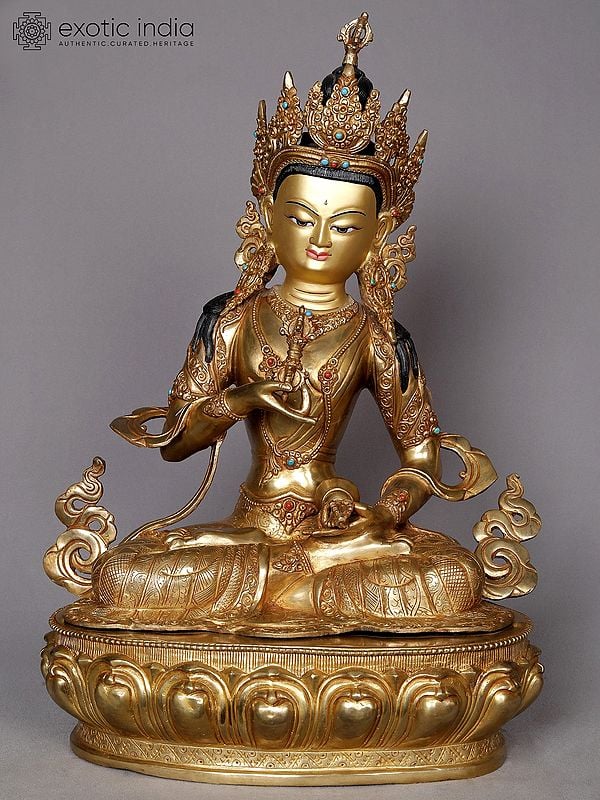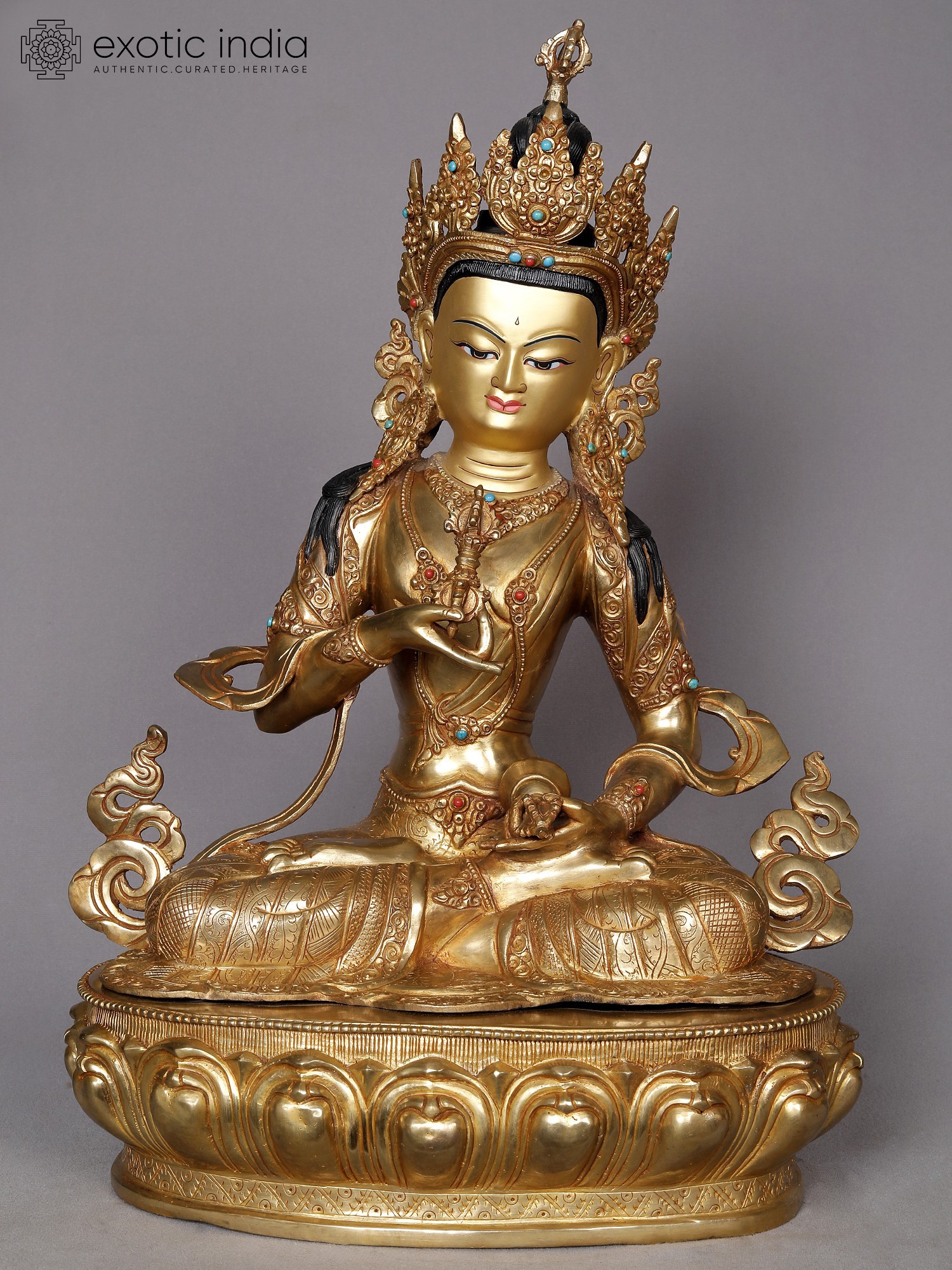
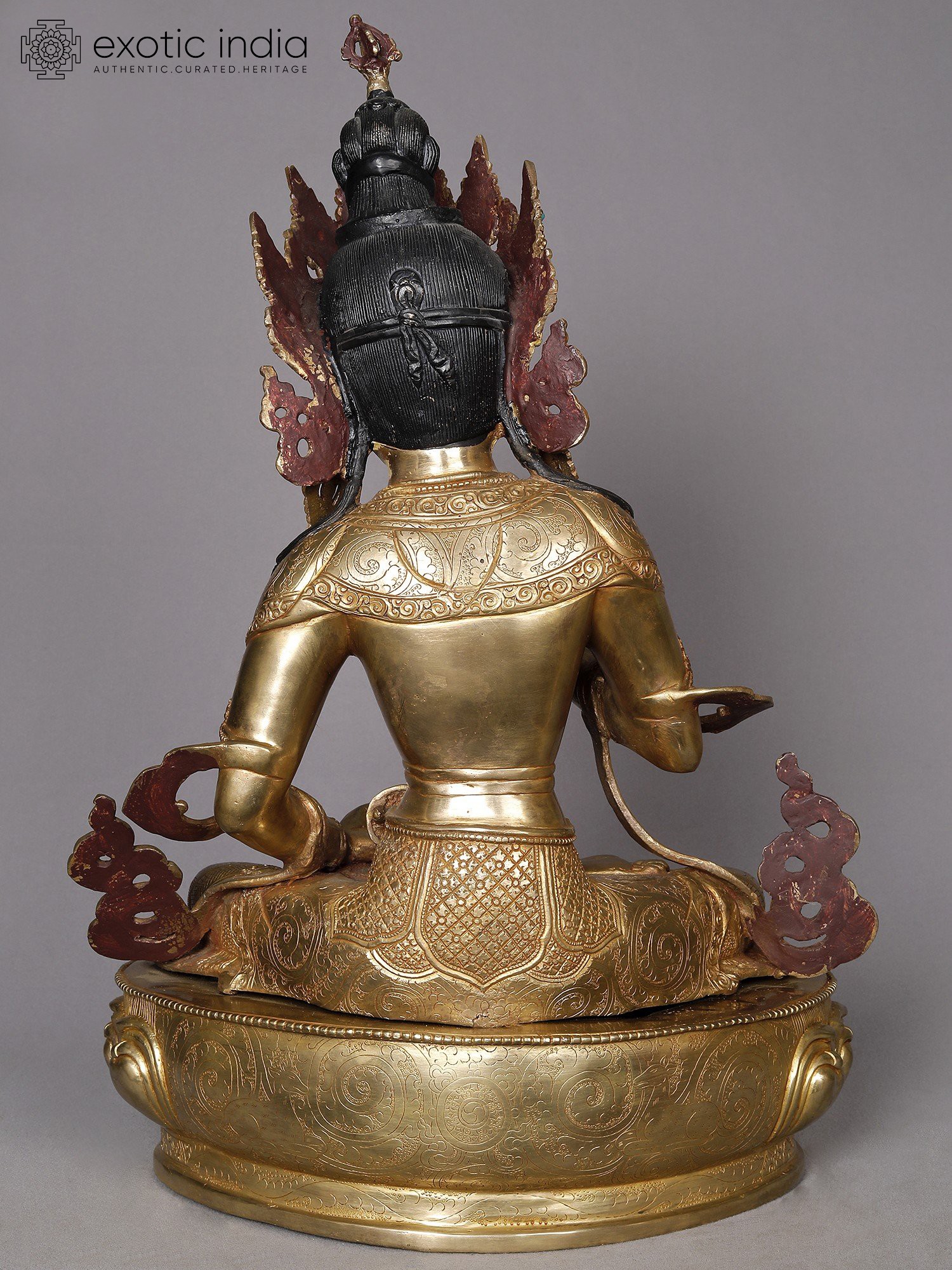
Vajrasattva Statue: Nepalese Copper Sculpture of Buddhist Deity

| Specifications |
 |
CAA154 |
 |
Copper With Gold |
 |
Height: 19 inch |
| Width: 11.5 inch | |
| Depth: 7 inch | |
 |
Weight 7.60 kg |
| About the Item |
|
| Delivery and Return Policies |
 |
Usually ships in 6 days |
 |
Returns and Exchanges accepted within 7 days |
 |
Free Delivery |


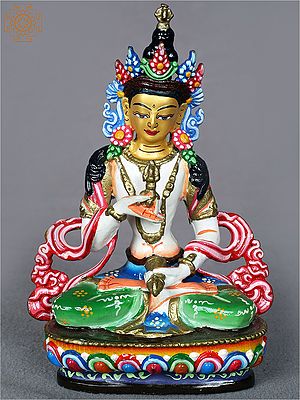
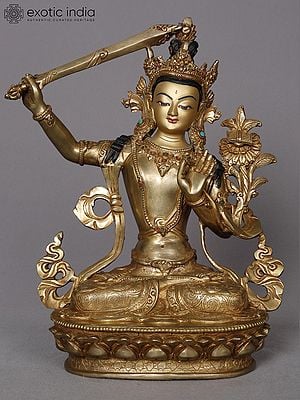
Vajrasattva
stands as a quintessential archetype deity within tantric Buddhism. Much like
fellow celestial Bodhisattvas Manjushri, Avalokitesvara, and Tara, Vajrasattva
embodies the essence of Buddha while embracing a Bodhisattva form to guide
beings along their spiritual journey. "Sattva" signifies the heroic
and virtuous nature, while "vajra" embodies the attributes of a
diamond or thunderbolt, representing power and masculinity.
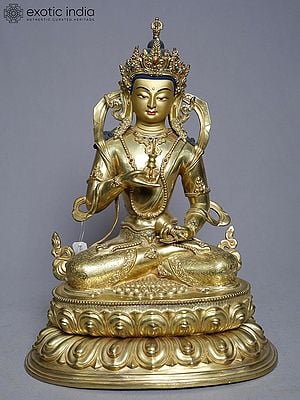
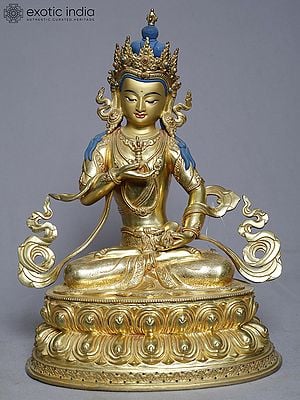
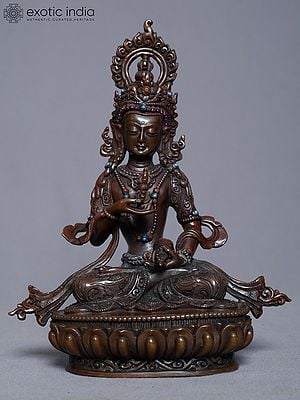
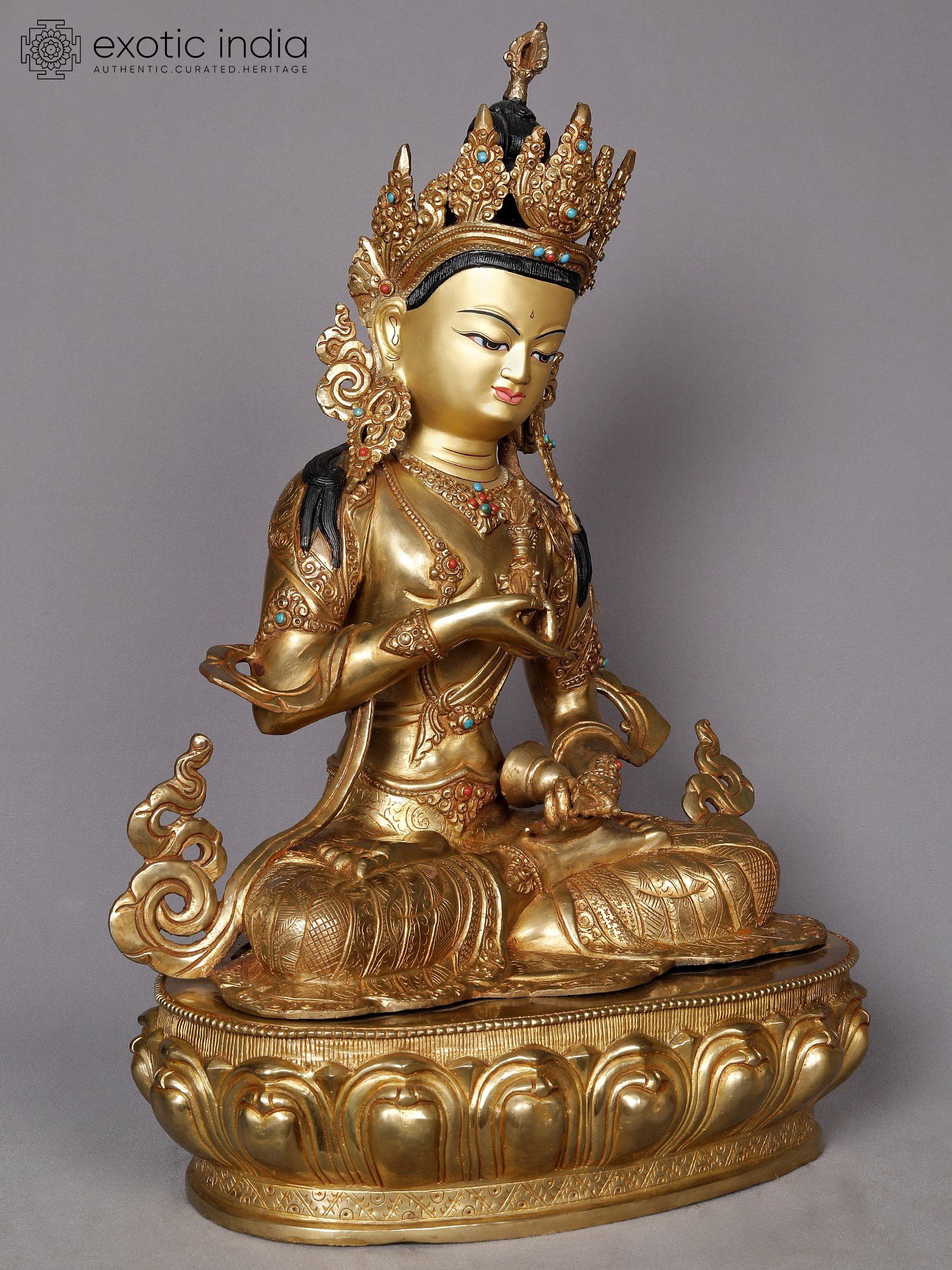
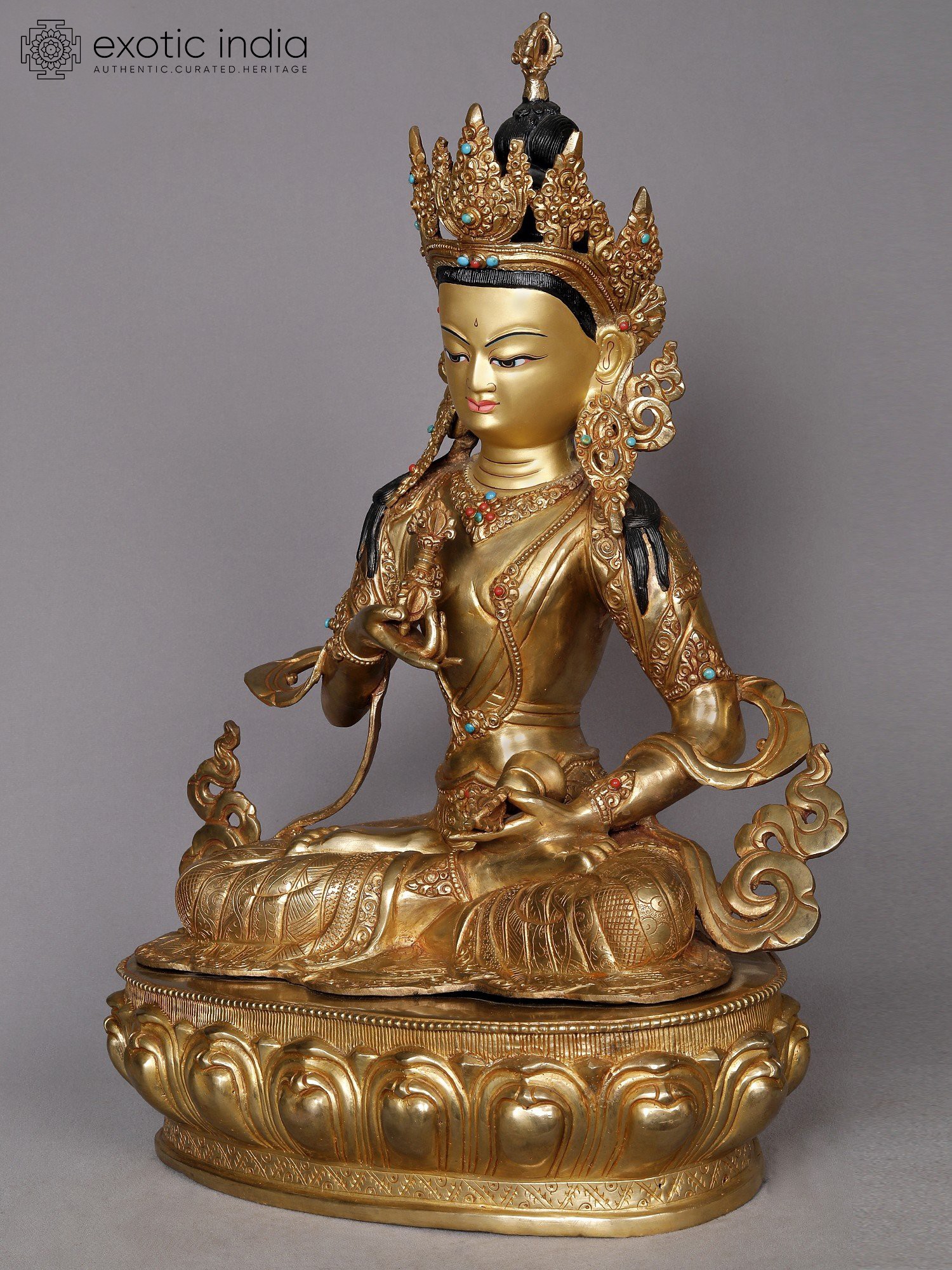
In his
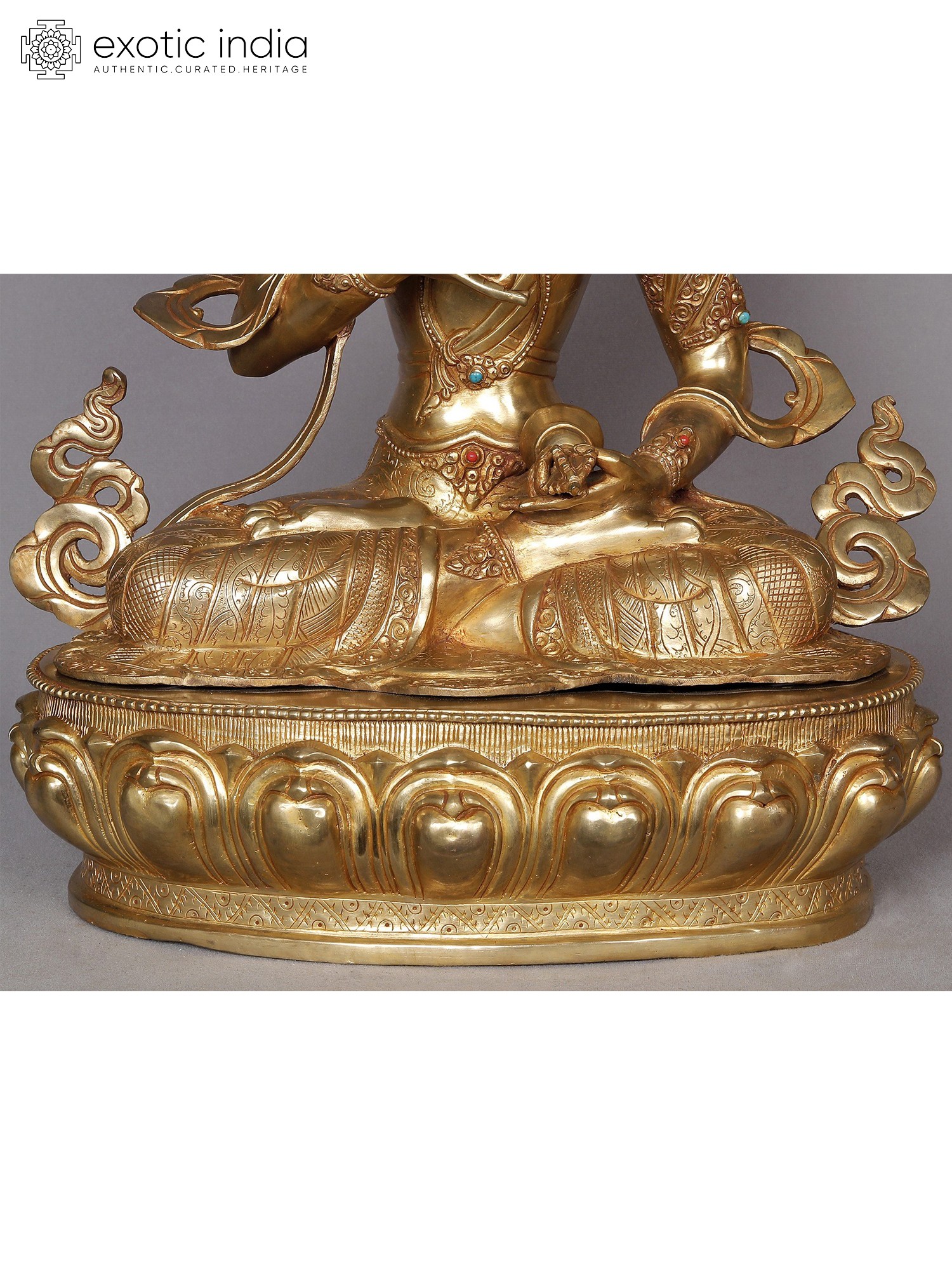
representation, he sits in the dhyanasana, his right hand clasping a vajra
close to his heart, while his left hand, resting on his left thigh, holds a
bell. These symbols encapsulate diverse meanings, ranging from compassion to
wisdom, male to female, and magic body to clear light, depending on the level
of symbolism being considered.
The Primordial Buddha
This magnificent statue depicts Vajrasattva, a central figure in Vajrayana Buddhism, revered as the primordial Buddha. Often considered an embodiment of purity, enlightenment, and the Vajra (diamond) nature of reality, Vajrasattva is a focal point for meditation and ritual. In Buddhist cosmology, he represents the essence of all Buddhas and is invoked to purify negative karma and overcome obstacles on the spiritual path. Tales abound of his compassionate response to devotees, offering solace and guidance towards liberation. He is said to have emerged from the light of the Buddhas, symbolizing the inherent Buddha-nature within all sentient beings.Artistry and Symbolism
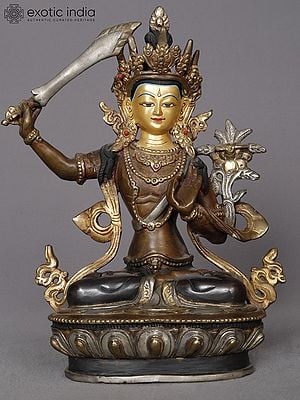
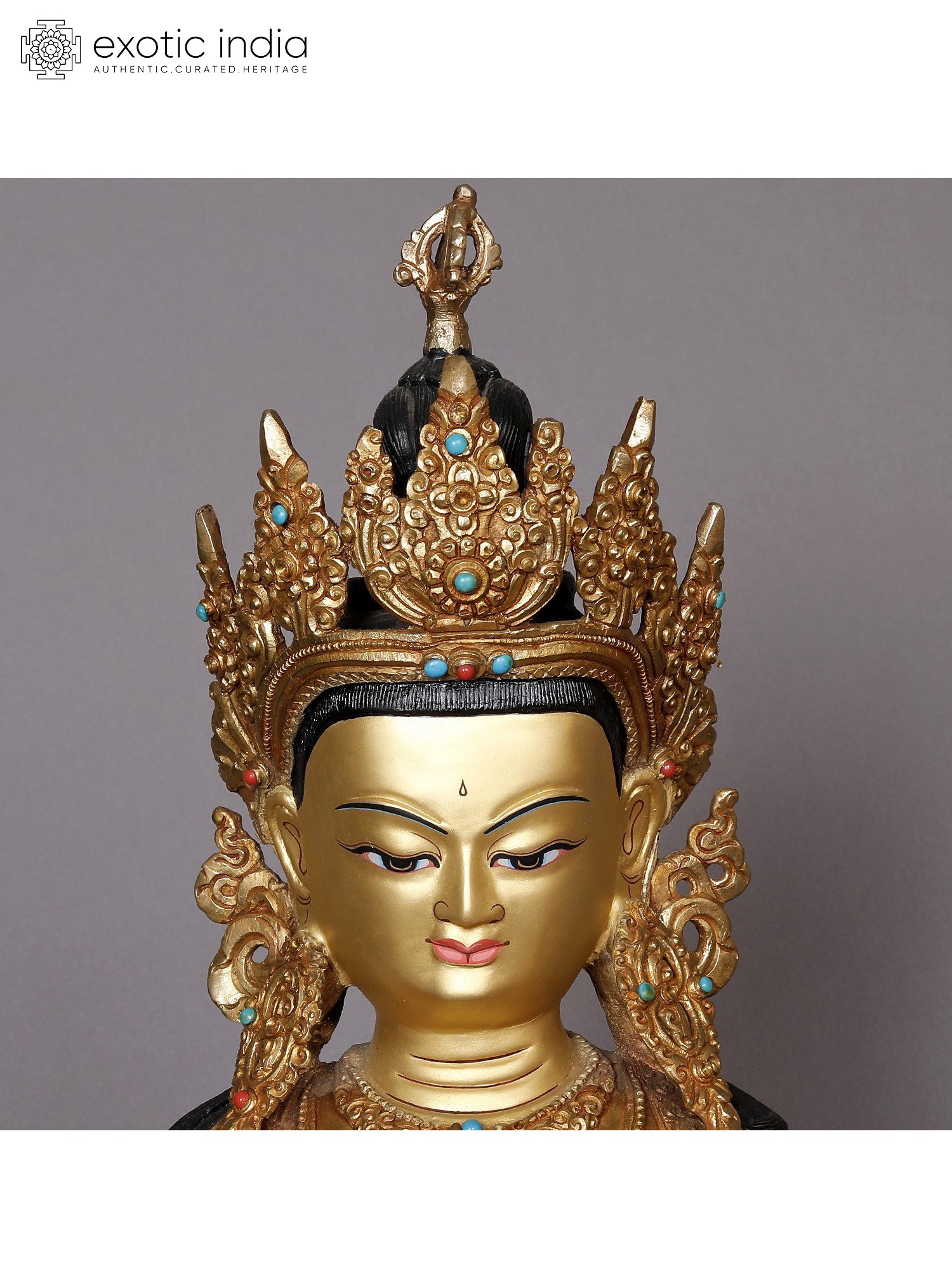
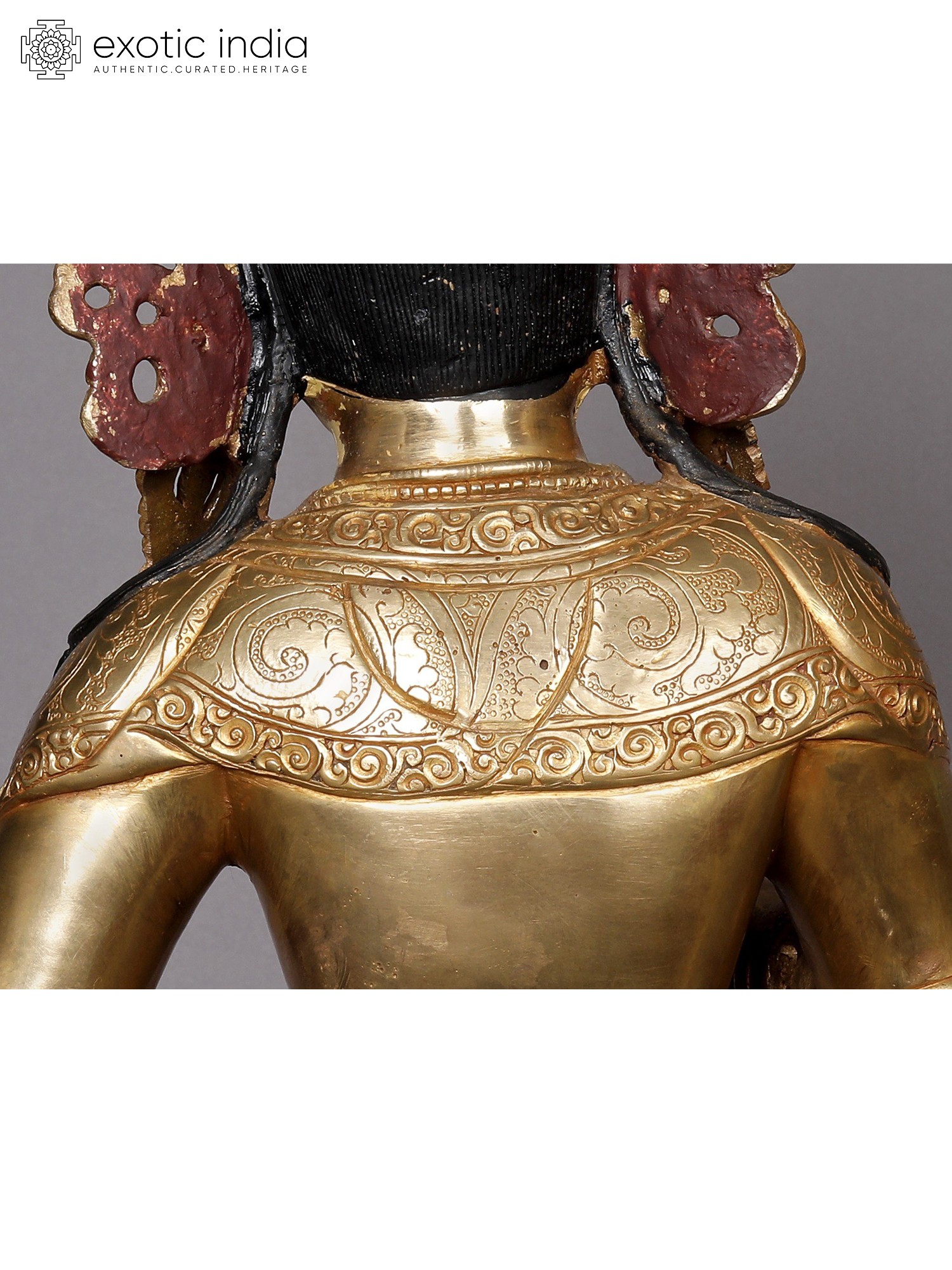
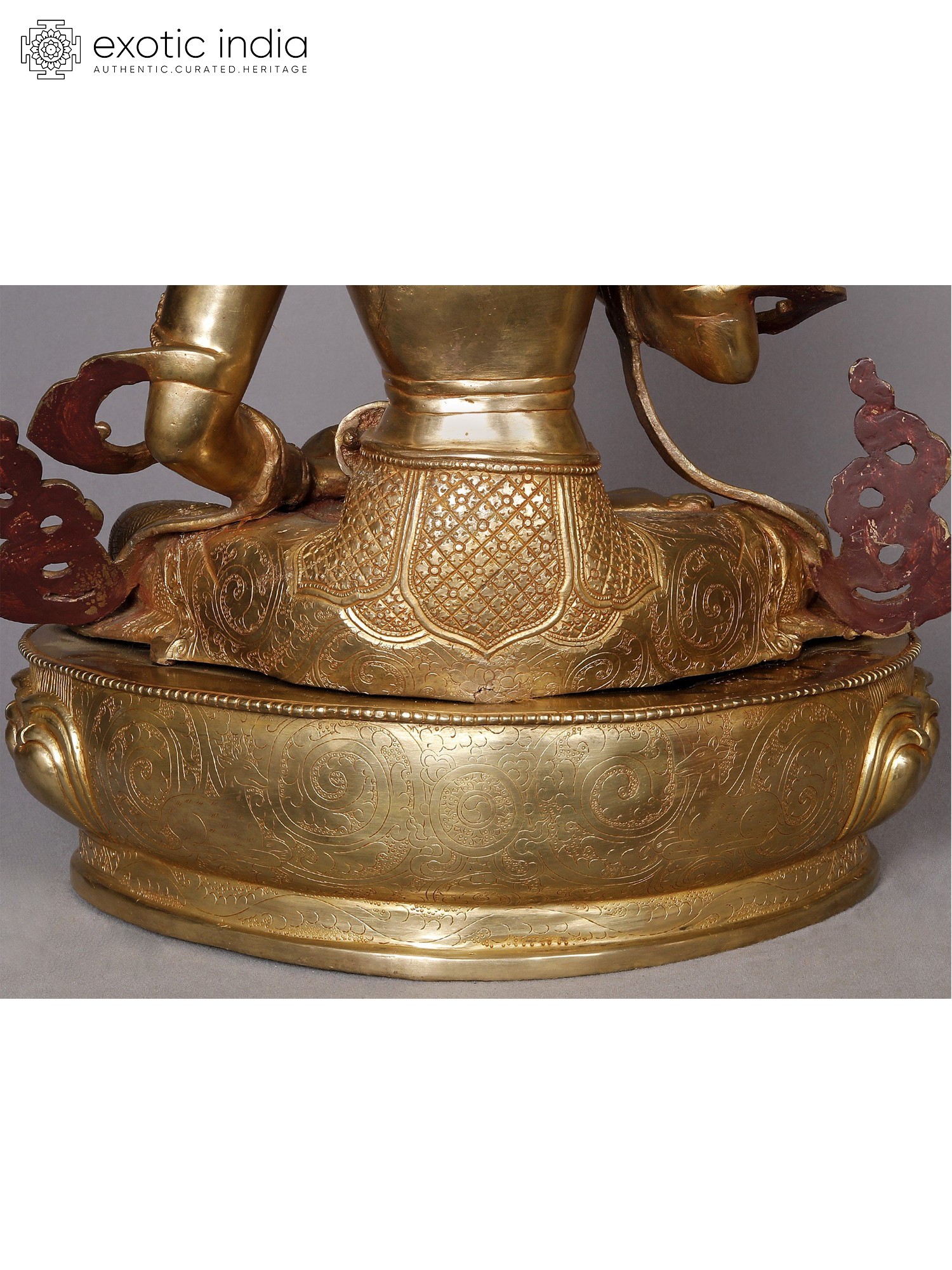
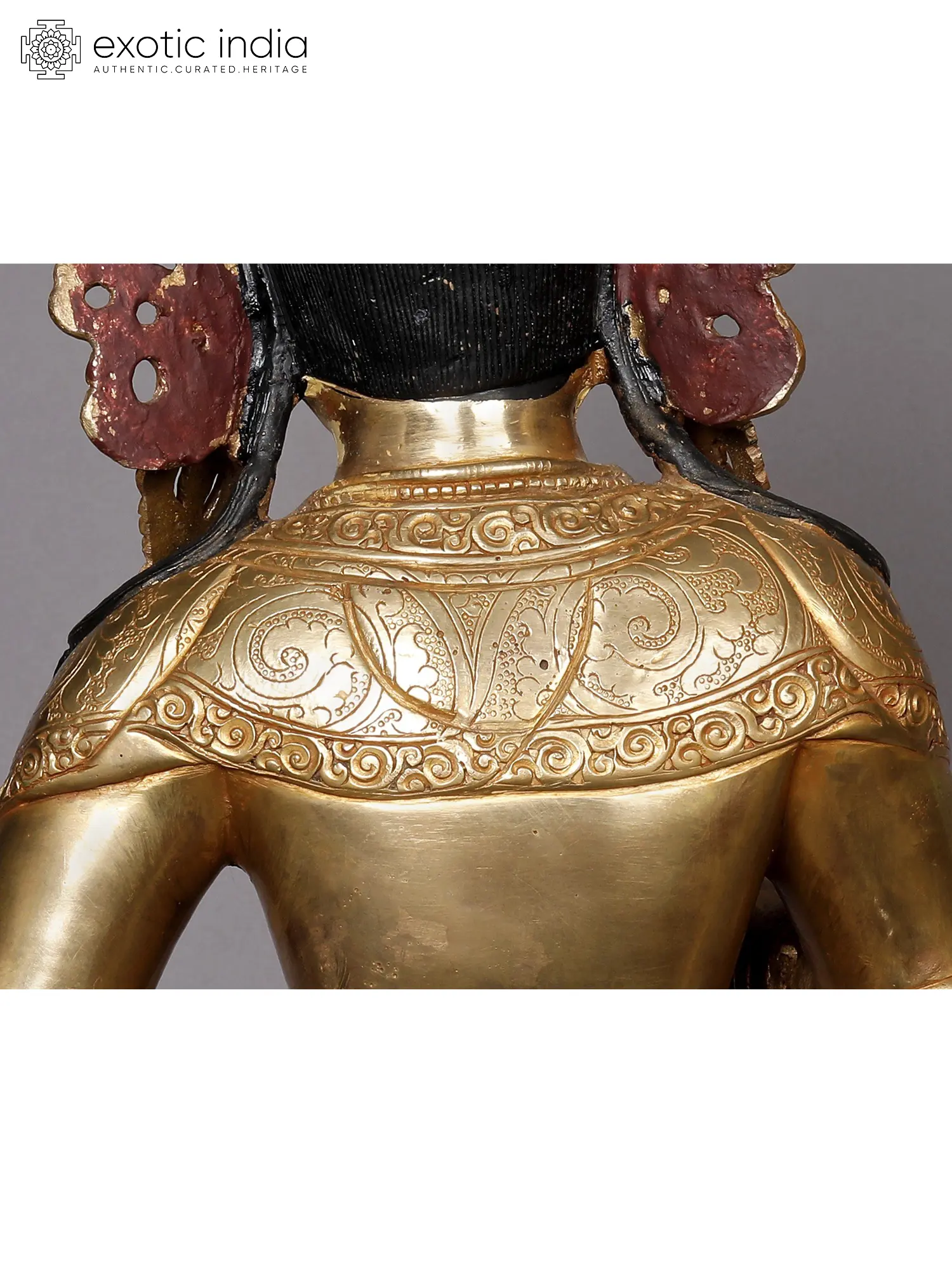
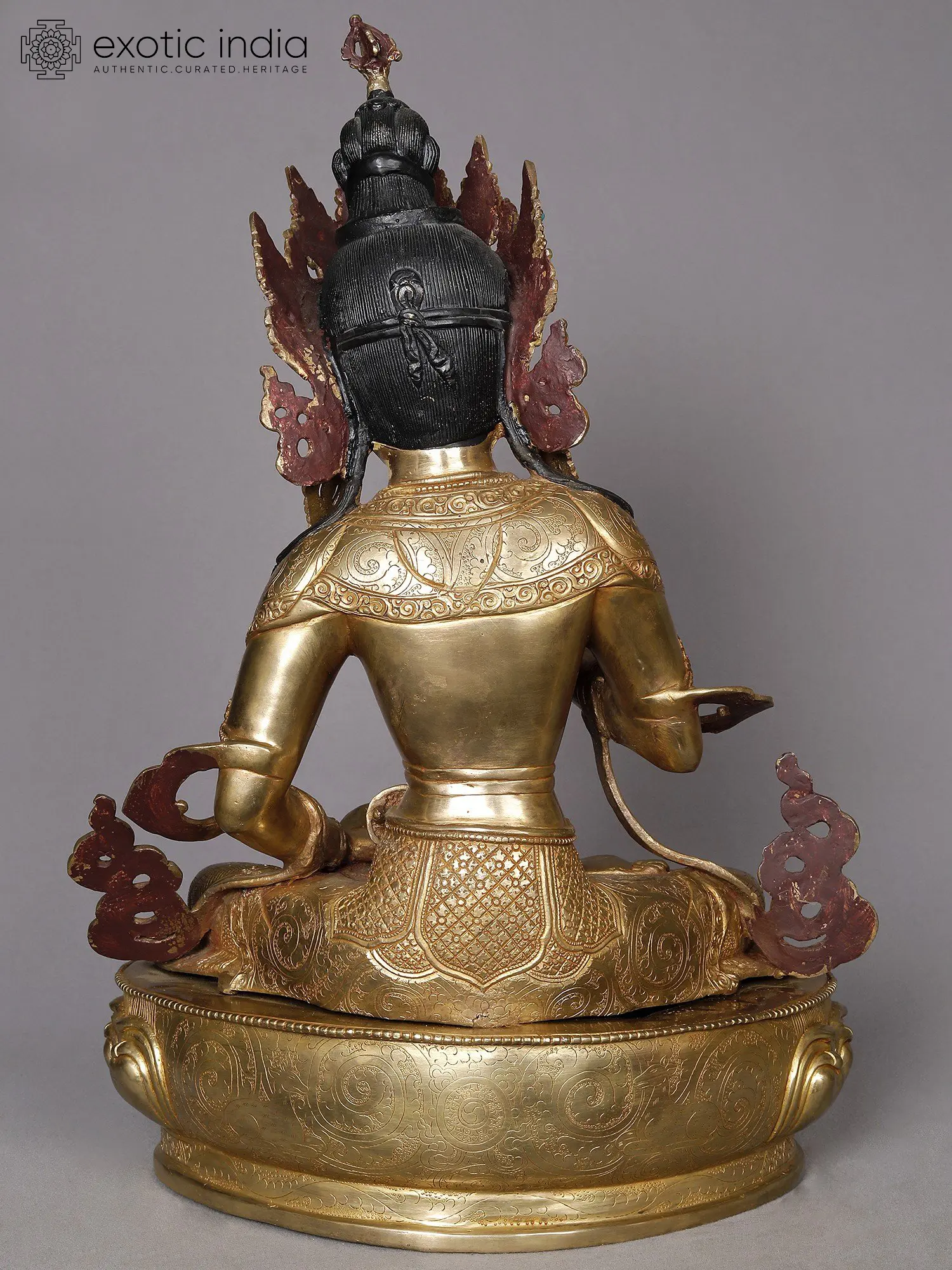
Crafted from lustrous copper and finished with a rich gold patina, this sculpture is a testament to the intricate artistry of Nepalese artisans. The seated posture, known as vajrasana or lotus position, signifies the serene contemplation and profound meditation practiced by enlightened beings. Vajrasattva is adorned with a resplendent crown and exquisite jewelry, symbolizing his supreme spiritual authority and the celestial adornments of Buddhahood. The detailed rendering of his robes, accented with delicate patterns, speaks to the meticulous attention to detail and the spiritual significance imbued in every element of the sculpture. He holds the vajra scepter in his right hand, representing indestructible wisdom, and the bell in his left, symbolizing the wisdom that understands emptiness. These potent symbols are crucial in understanding the profound teachings of Vajrayana Buddhism.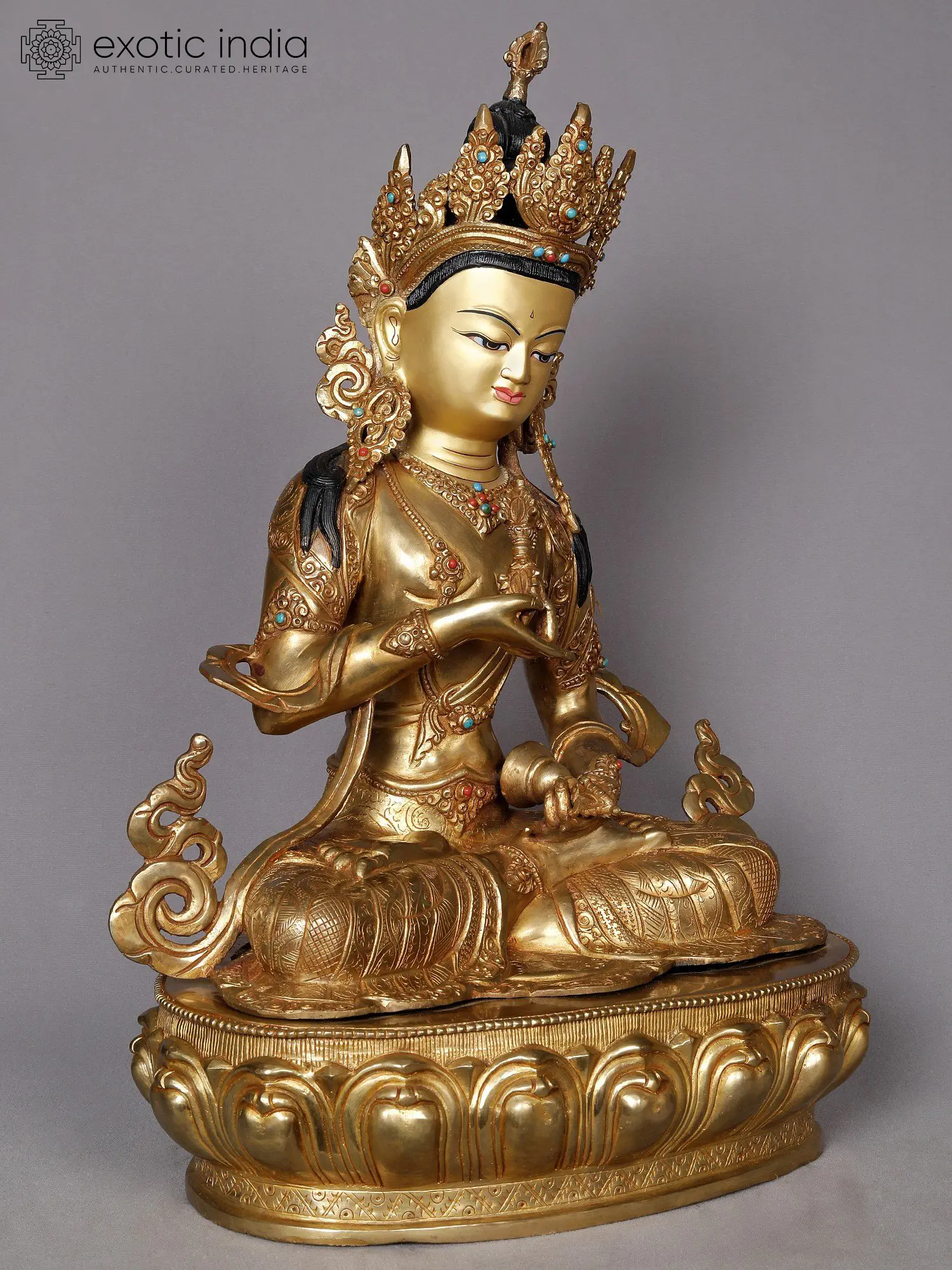
A Sacred Presence
This statue, standing at an impressive height, is designed to be a powerful spiritual focal point for any sacred space. Its commanding presence and radiant finish are intended to inspire devotion and aid practitioners in their journey towards enlightenment. The figure's serene expression and gentle demeanor evoke a sense of peace and spiritual tranquility. Whether placed in a meditation room, altar, or as a statement piece in a collection, this Vajrasattva statue offers a tangible connection to the profound wisdom and compassionate energy of this important Buddhist deity. It is more than just an object; it is a conduit for spiritual aspiration and a reminder of the inherent purity that lies within us all.How are Nepalese copper statues made?
Nepalese statues and sculptures have a high copper content and therefore develop a slightly reddish patina on the surface as they age. However, the most unique feature of Nepalese copper statues is their decorative detailing. The pieces are heavily gilded and sometimes inlaid with semi-precious stones. This embellishment protects them from getting tarnished. The traditional lost-wax method for casting Nepalese copper statues remains the most practiced technique in Nepal for many centuries. This process involves many steps and requires skilled artists.
The first step in lost-wax sculpting is to make a wax replica of the desired Buddhist deity to be cast in copper. This replica is created by hand and therefore needs excellent artistic skills otherwise fine features will be lacking.
Once the wax replica is made, it is then coated with a special mixture of clay with a brush. This layer of clay is hardened when left to dry. A small hole is made on the base of the wax mould so that the wax flows away when it is heated.
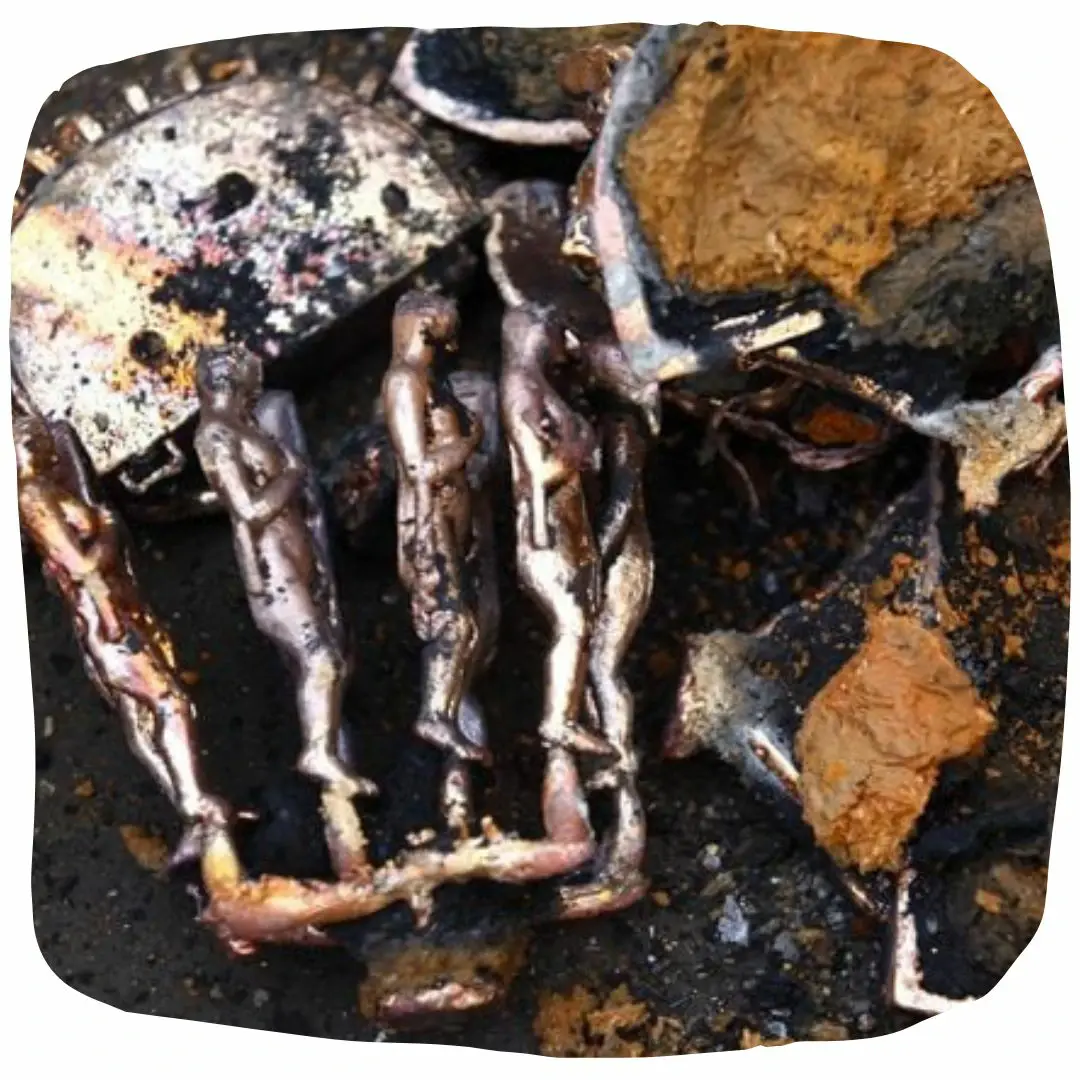
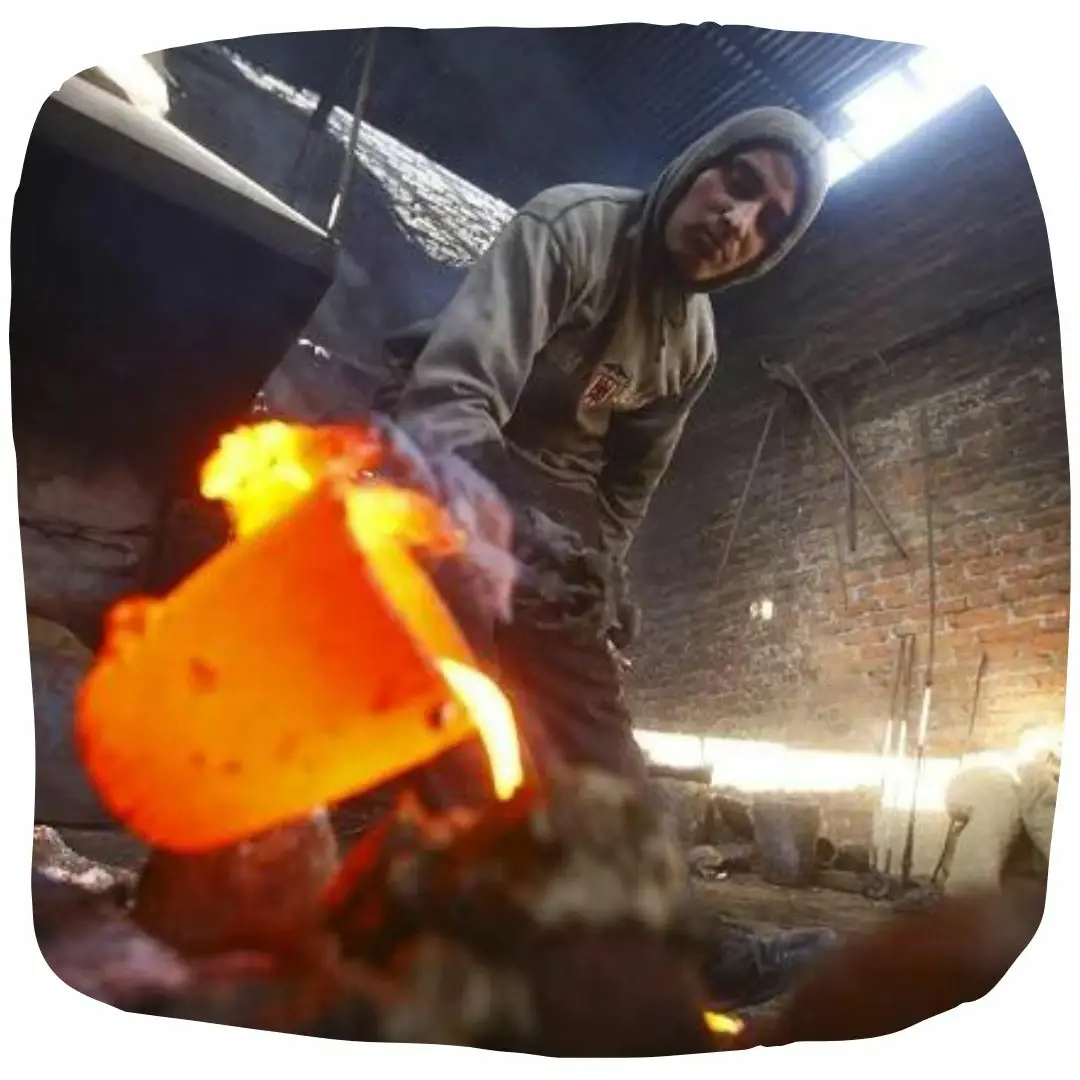
This is the time to pour liquid copper into the hollow mould which is then allowed to cool and harden inside a container of cold water. When the liquid metal has hardened, the mould is removed and the statue within is revealed.
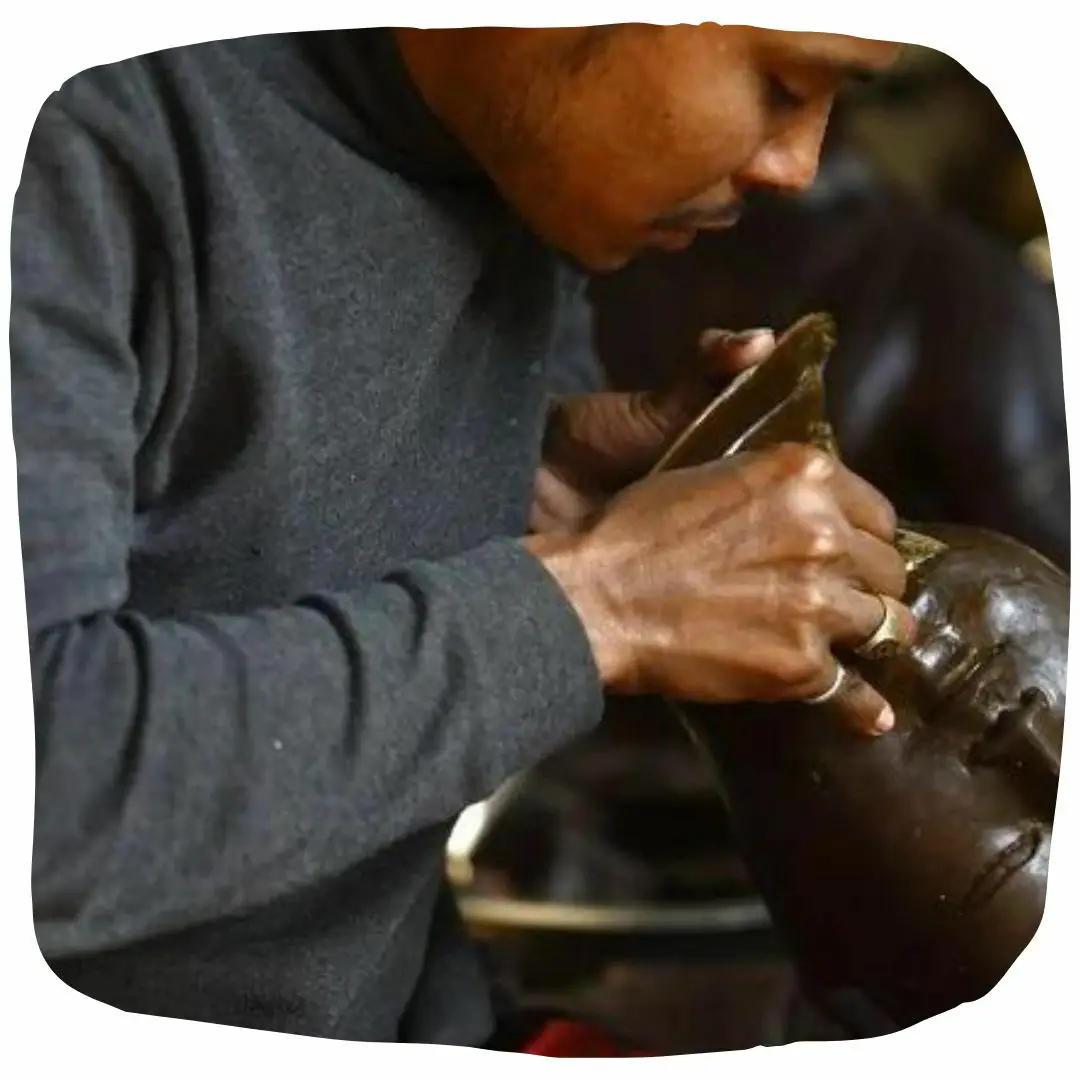
Now comes the most important part of Nepalese art which is gold gilding. This is done by the traditional fire gilding method. A mixture of mercury and 18K gold is applied on the surface of the statue and heat is applied using a flame torch. The result is that mercury evaporates along with impurities, leaving a pure 24K gold finish.
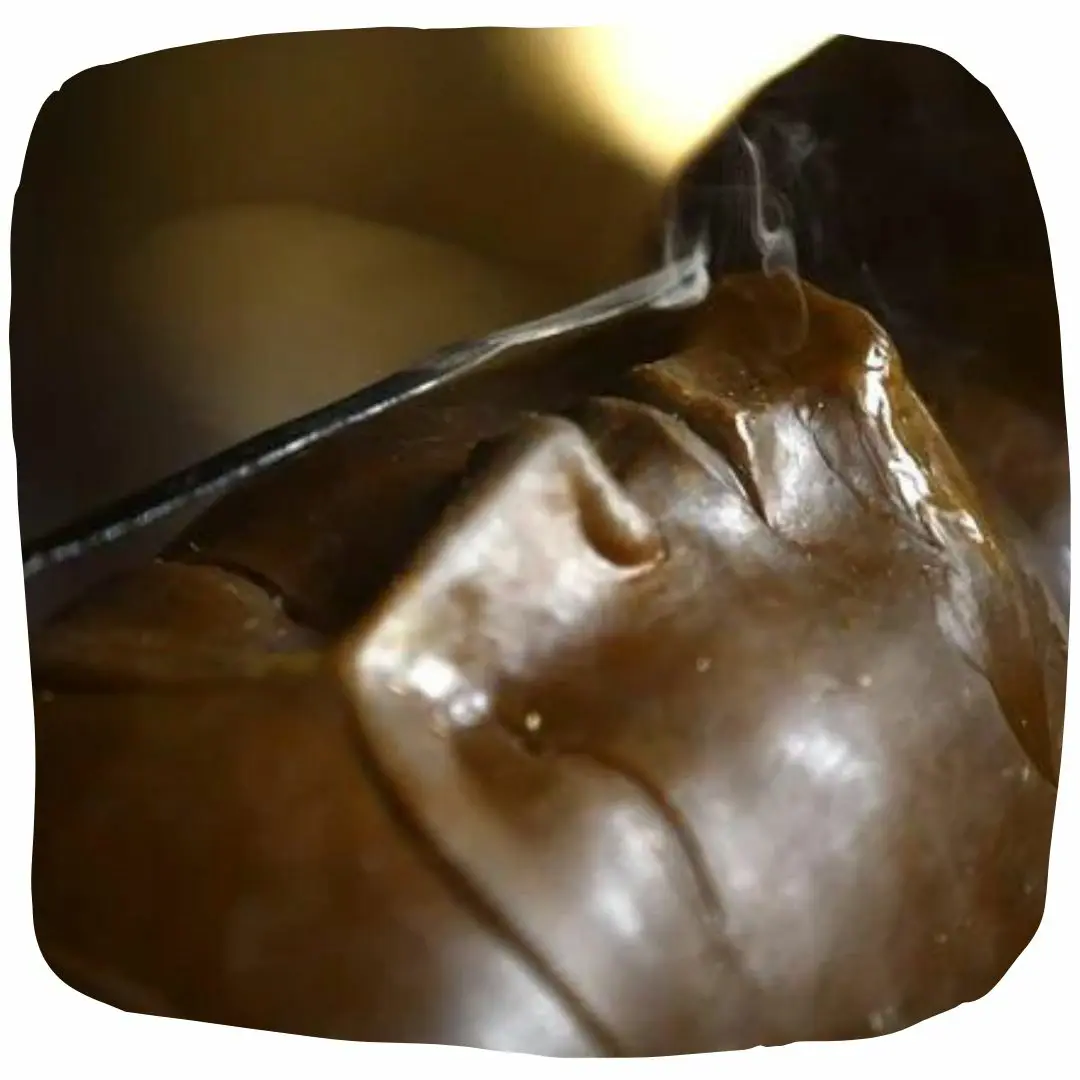
The lost-wax method of sculpting is the most preferred technique
for artists to cast a metallic statue having intricate details. Since Nepalese copper sculptures require extraneous effort for giving a majestic look by adding special embellishments, it takes several weeks to complete one masterpiece. A 24K gold gilded copper sculpture retains its brilliant luster for many years and appears as like before. Nepalese sculptures continue to remain one of the finest specimens of the art of the East that have a strong aesthetic appeal that other sculptures cannot match.