





Filter
Buddhist Text Literature : What the Buddha Said and Taught
Knowledge of the teachings of the Buddha is based on several canons of scripture, which derive from the early Sangha’s oral transmission of bodies of teachings agreed on at several councils. The Theravadin ‘Pali Canon’ is preserved in the Pali language, which is based upon a dialect close to that spoken by the Buddha. It is the most complete extant early canon, and contains some of the earliest material.
Most of its teachings are in fact the common property of all Buddhist schools, being simply the teachings which the Theravadins preserved from the early common stock. The Pali literature has been divided by one scholar into roughly three periods. The early, or classical, period begins with the Pali Canon itself and ends with the Milindha-pañha about the turn of the Christian era.
After a period of being in comparative disuse or decline, Pali underwent a renaissance in the 4th or 5th century with the help of Buddhaghosa, and this period lasted until the 12th Century. The third period coincides with major political changes in Burma and lasted for some time in Sri Lanka, and much longer in Burma.
The Canon is traditionally described by the Theravada as the Word of the Buddha (Buddhavacana), though this is obviously not intended in a literal sense, since it includes teachings by disciples. The traditional Theravādin (Mahavihārin) interpretation of the Pali Canon is given in a series of commentaries covering nearly the whole Canon, compiled by Buddhaghosa (4th–5th century CE) and later monks, mainly on the basis of earlier materials now lost.
Subcommentaries have been written afterward, commenting further on the Canon and its commentaries. The traditional Theravādin interpretation is summarized in Buddhaghosa's Visuddhimagga. The Pāli Canon falls into three general categories, called pitaka (from Pali piṭaka, meaning "basket"). Because of this, the canon is traditionally known as the Tipiṭaka (Sanskrit: Tripiṭaka; "three baskets"). The three pitakas are as follows:
1.) Vinaya Pitaka ("Discipline Basket"), dealing with rules for monks and nuns
2.) Sutta Pitaka (Sutra/Sayings Basket), discourses, mostly ascribed to the Buddha, but some to disciples
3.) Abhidhamma Pitaka, variously described as philosophy, psychology,metaphysics, etc.
Six complete vinayas survive: Theravada, written in Pali. Mula-Sarvāstivāda, written in Sanskrit, but surviving complete only in Tibetan translation. Mahāsānghika, Sarvāstivāda, Mahīshāsika, and Dharmagupta, originally in Indian languages, but only surviving in Chinese translation.
The Suttas contain the main teachings of Buddhism. Which in the Pali Canon are divided into five Nikaya’s or ‘Collections’, the first four (sixteen volumes) generally being the older. The Pali Canon was one of the earliest to be written down, this being in Sri Lanka in around 80 BC, after which little, if any, new material was added to it.
There are also sections of six non - Theravadin early canons preserved in Chinese and Tibetan translations, fragments of a Sanskrit Canon still existing in Nepal, and odd texts in various languages of India and Central Asia found in Tibet, Central Asia, and Japan.
Abhidharma (in Pali, Abhidhamma) means 'further Dharma' and is concerned with the analysis of phenomena. It grew initially out of various lists of teachings such as the 37 Bodhipaksika-dharmas or the 37 Factors leading to Awakening. The Abhidharma literature is chiefly concerned with the analysis of phenomena and the relationships between them.
The Theravāda Abhidhamma survives in the Pali Canon. Outside of the Theravada monasteries the Pali Abhidharma texts are not well-known. The extensive non-canonical Pali literature includes additional Abhidhamma works, historical chronicles, and many volumes of commentaries.
An extremely clear introduction to many points of Buddhist doctrine is the Milindapanha, which purports to record conversations between a Buddhist monk and Milinda (Menander; c.155-130 BC), a king of Greek ancestry. Another is the Visuddhimagga, a very influential Theravada compendium of meditation practices and doctrine, written by Buddhaghosa (fifth century AD).
Mahayana texts were composed from around the first century BC, originating as written, not oral, works. In time, they were recorded in a form of the Indian prestigious language, Sanskrit. Mahayana sutras are traditionally considered by Mahayanists to be the word of the Buddha, but transmitted either in secret, via lineages of supernatural beings (such as the nagas), or revealed directly from other Buddhas or bodhisattvas.
Some 600 Mahayana Sutras have survived in Sanskrit, or in Chinese and/or Tibetan translation.While many are attributed to the Buddha, their form and content clearly show that they were later re-statements and extensions of the Buddha’s message. The main sources for our understanding of Mahayana teachings are the very extensive Chinese and Tibetan Buddhist Canons.
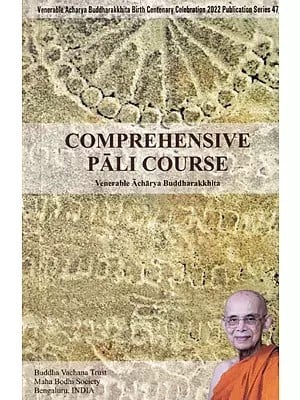
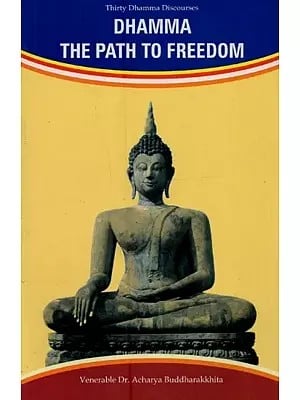
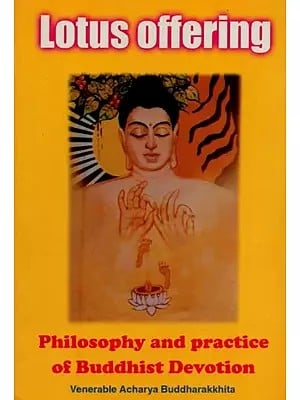
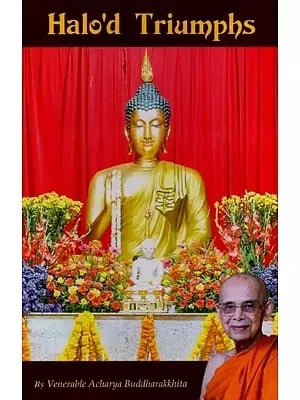
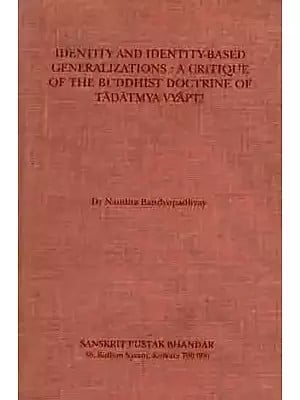
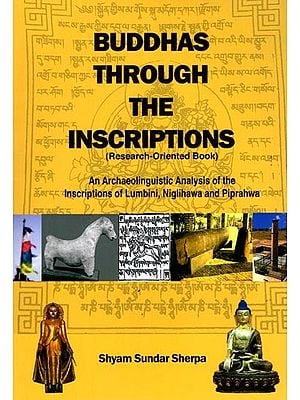
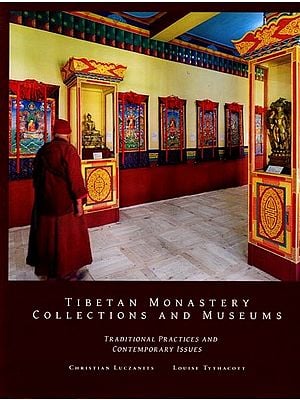
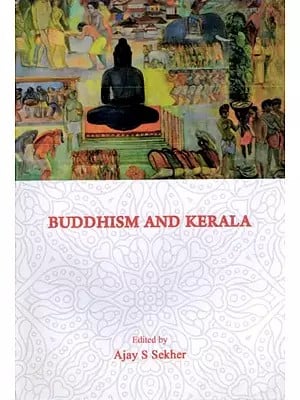
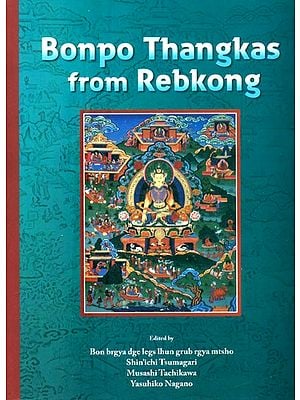
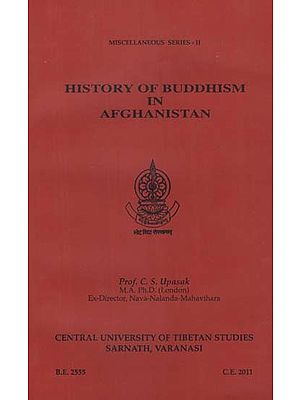
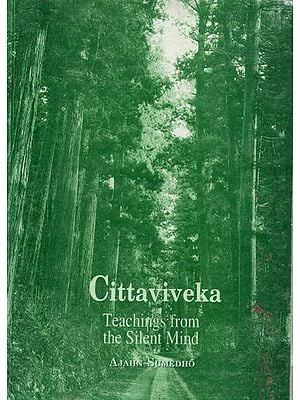
While most of the Pali Canon has been translated into English, only selected texts from these have been translated into Western languages, though much progress is being made. Here is a wide range of Buddhist books, covering the primary literature of Buddhism, including the complete Pali canon, as also secondary and modern studies on the texts believed to reflect the Buddha's teachings directly.
FAQs
Q1. What books do Buddhists use?
Buddhism doesn't have anything quite like the equivalent of the Bible in Judaism and Christianity or the Quran in Islam, with a strictly organized and structured holy book. Instead, the Dharma has been collected in a variety of different compendiums of the Buddha's sayings and teachings, as well as for instructions regarding meditation and devotion, and rules for monks. The most important of these is the Tripitaka, a Sanskrit word that means "Triple Basket." The Tripitaka therefore serves as the sacred text of Buddhism.
Q2. How many books are there in Buddhism?
There are three major essential holy Buddhist texts: The Tripitaka, Mahayana Sutras, and the Tibetan Book of the Dead. Many pieces of writing from the Buddha have been put together in the form of a collection of important Buddhist texts called sutras.
Buddhist spiritual texts, known as sutras, are short passages that communicate a core teaching. Some are just a few lines long. Others span many pages. The Buddhist sutras comprise many of the most essential Buddhist religious texts we can access today.
Q3. What is the most important holy book in Buddhism?
Tripitaka is the most important text in Buddhism, means "Three Baskets" in Sanskrit and refers to its three traditional divisions into the Vinaya basket of monastic regulations, the Sutta basket of the teachings and sayings of the Buddha, and the Abhidhamma basket of commentaries and explanations of Buddhist doctrines.
Through these three baskets, Buddhism finds its guiding principles written down. According to tradition, the Tripitaka of the Pali Canon was compiled at the First Buddhist Council, a convention held by Buddhist leaders several months after the Buddha's death.
Size with Brocade 24.5" X 35.0"
Size with Brocade 23.0 inches X 32.5 inches
Size with Brocade 26.0 inches X 40.0 inches
Size with Brocade 24.0 inches X 34.0 inches
Size with Brocade 24.0" X 34.0"
Size with Brocade 25.0 inches X 35.5 inches
Size with Brocade 24.0 inches X 36.5 inches
Size with Brocade 24.0 inches X 34.0 inches
Size with Brocade 23.5" X 34.0"
Size with Brocade 24.0 inches X 36.0 inches
Size with Brocade 24.0 inches X 33.0 inches