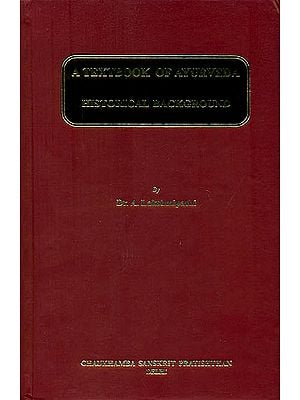
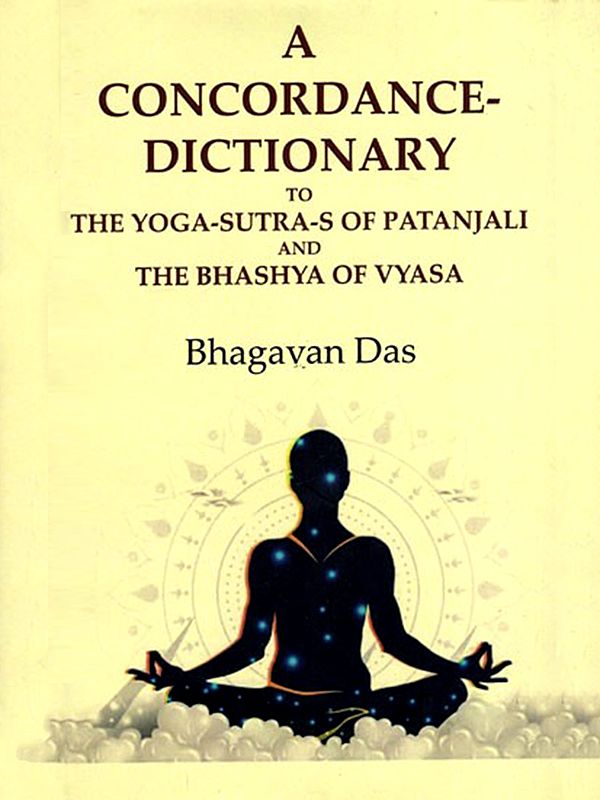
About the Book
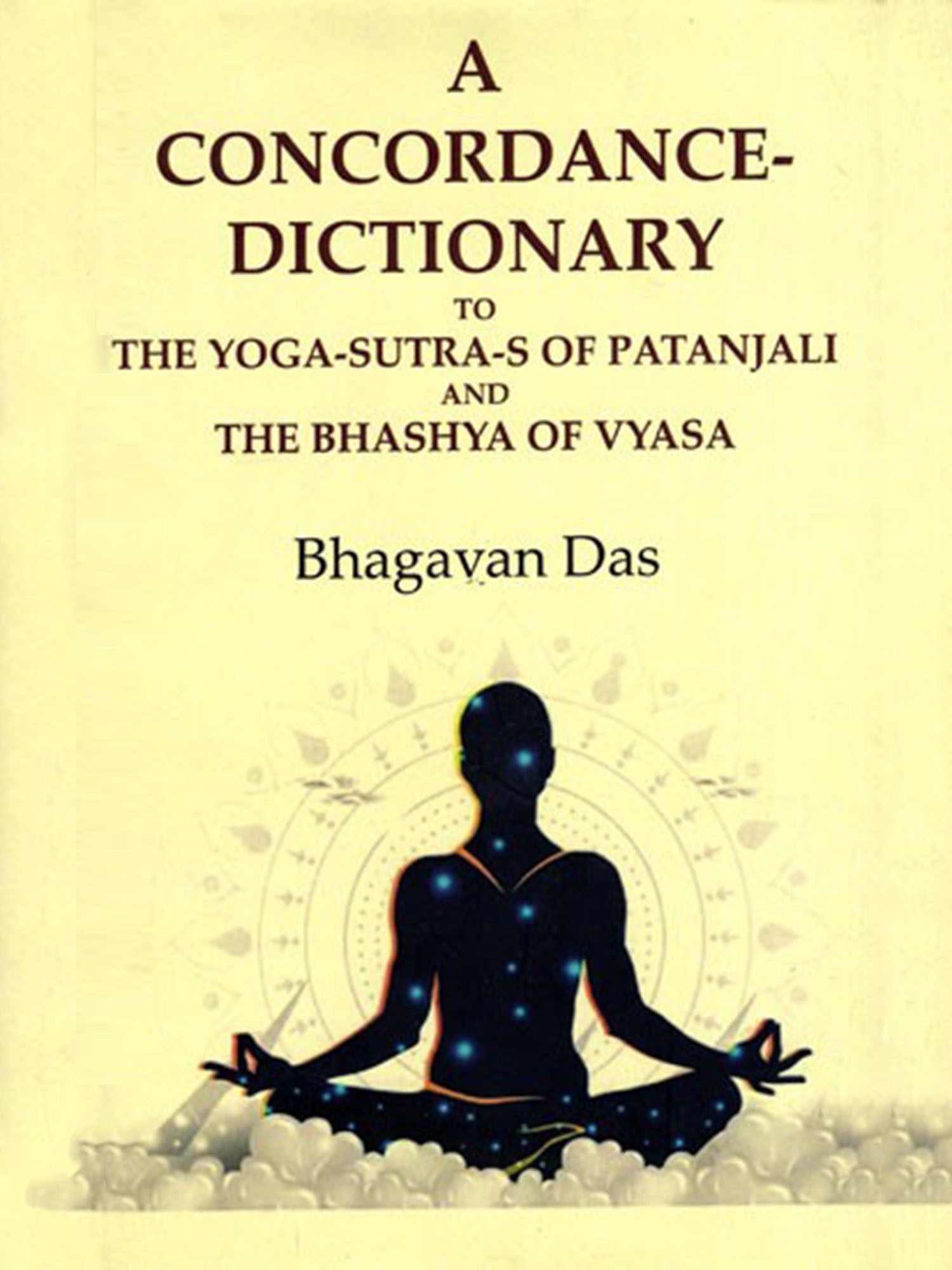
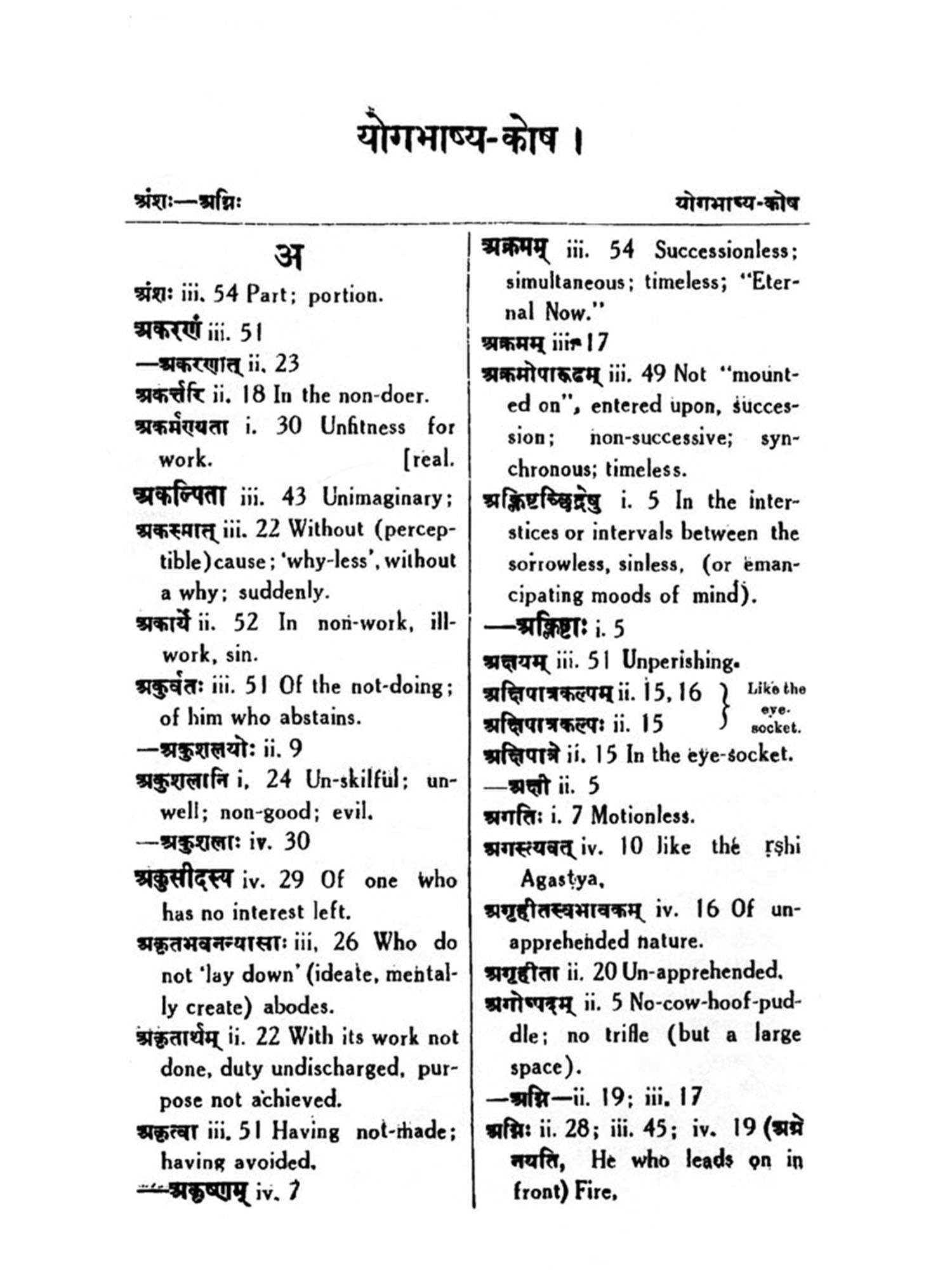
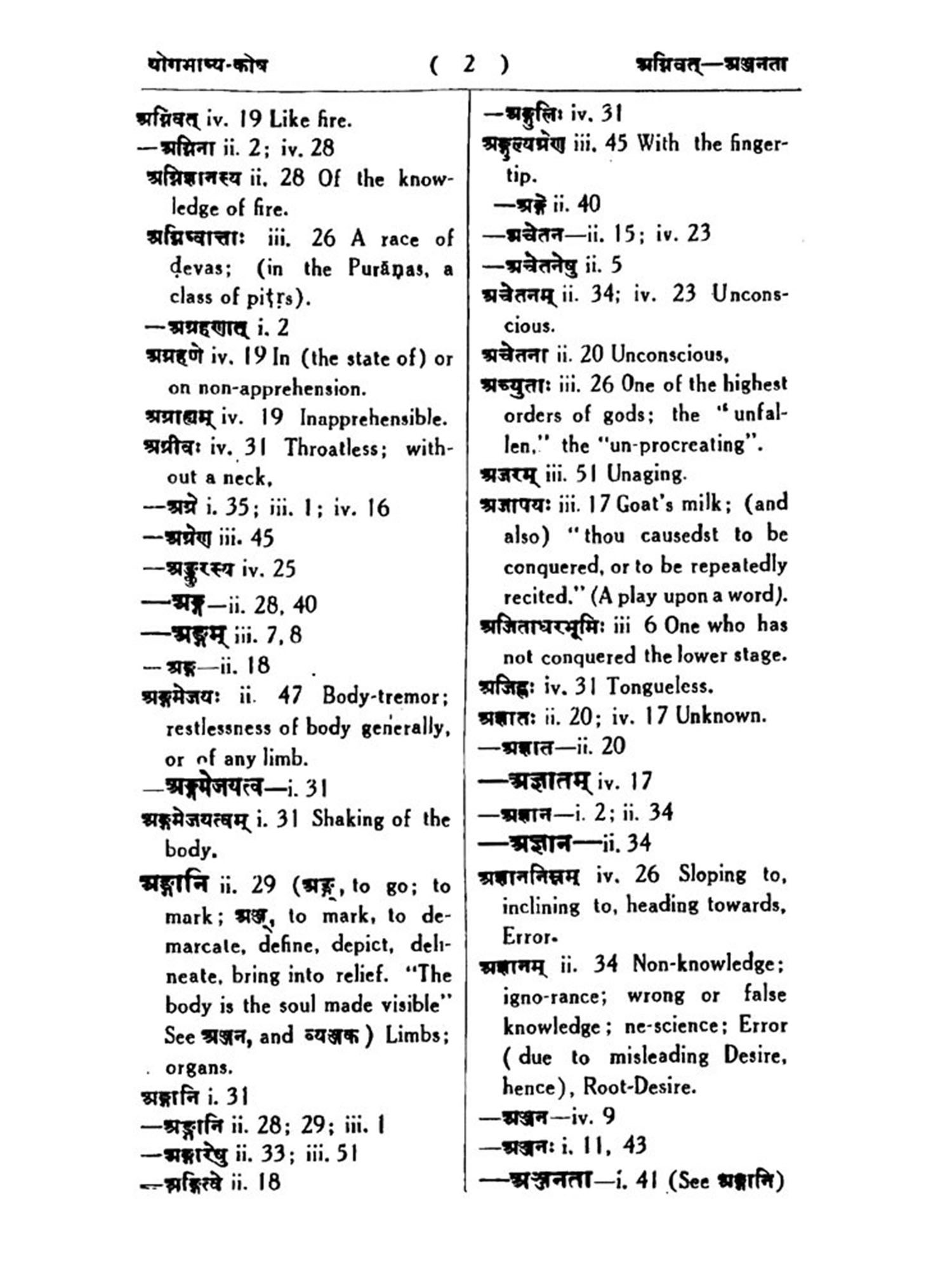
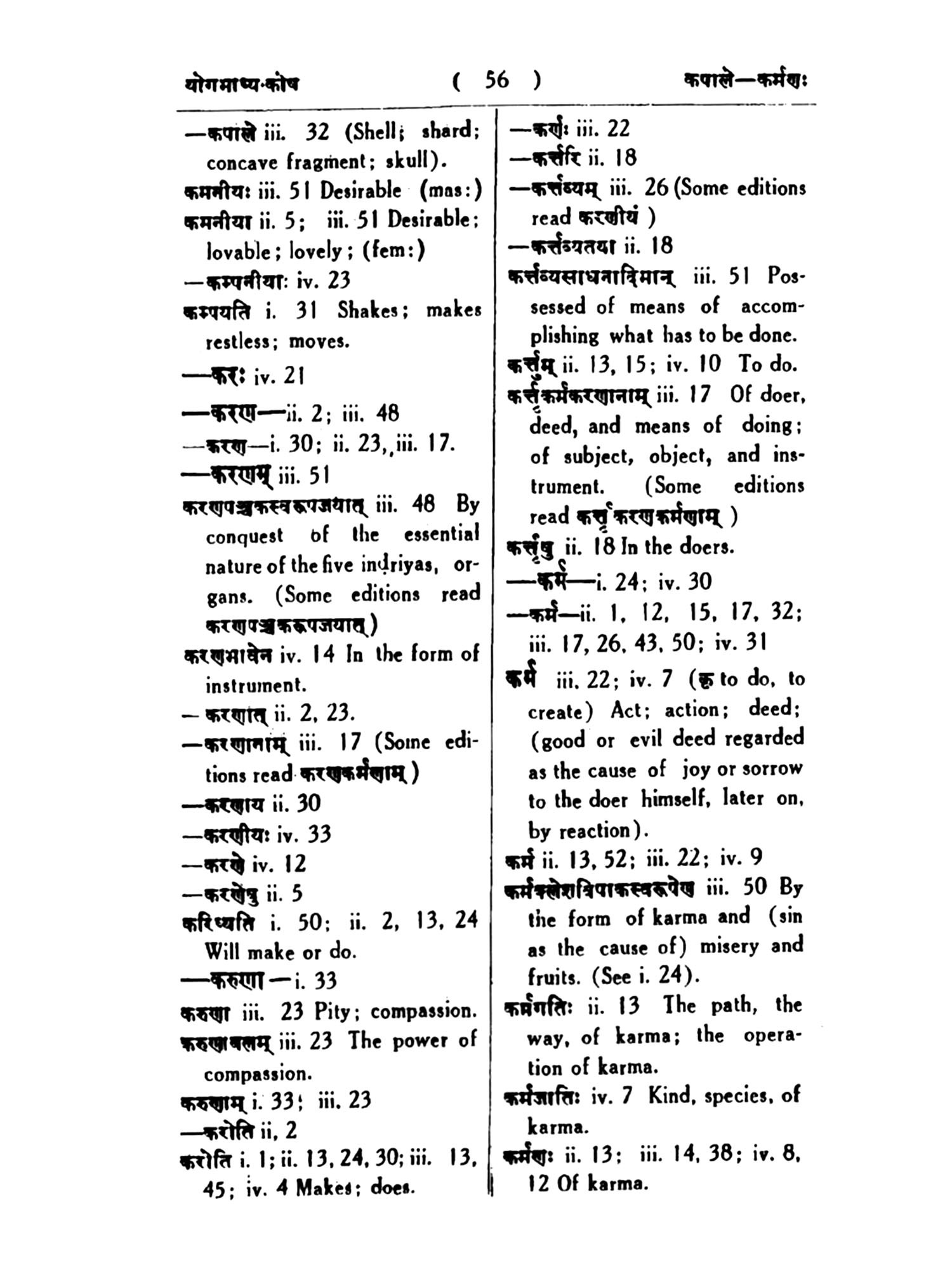
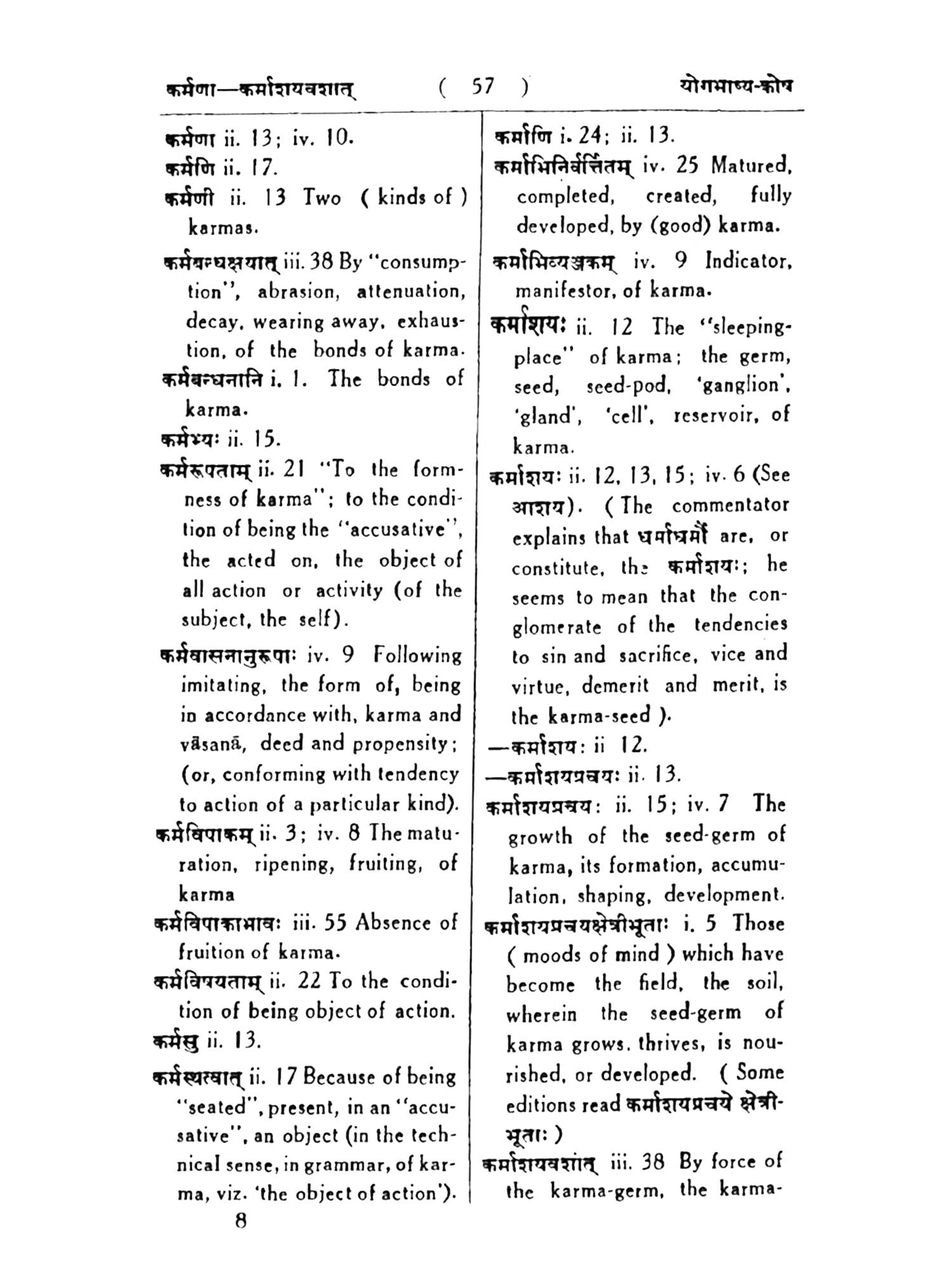
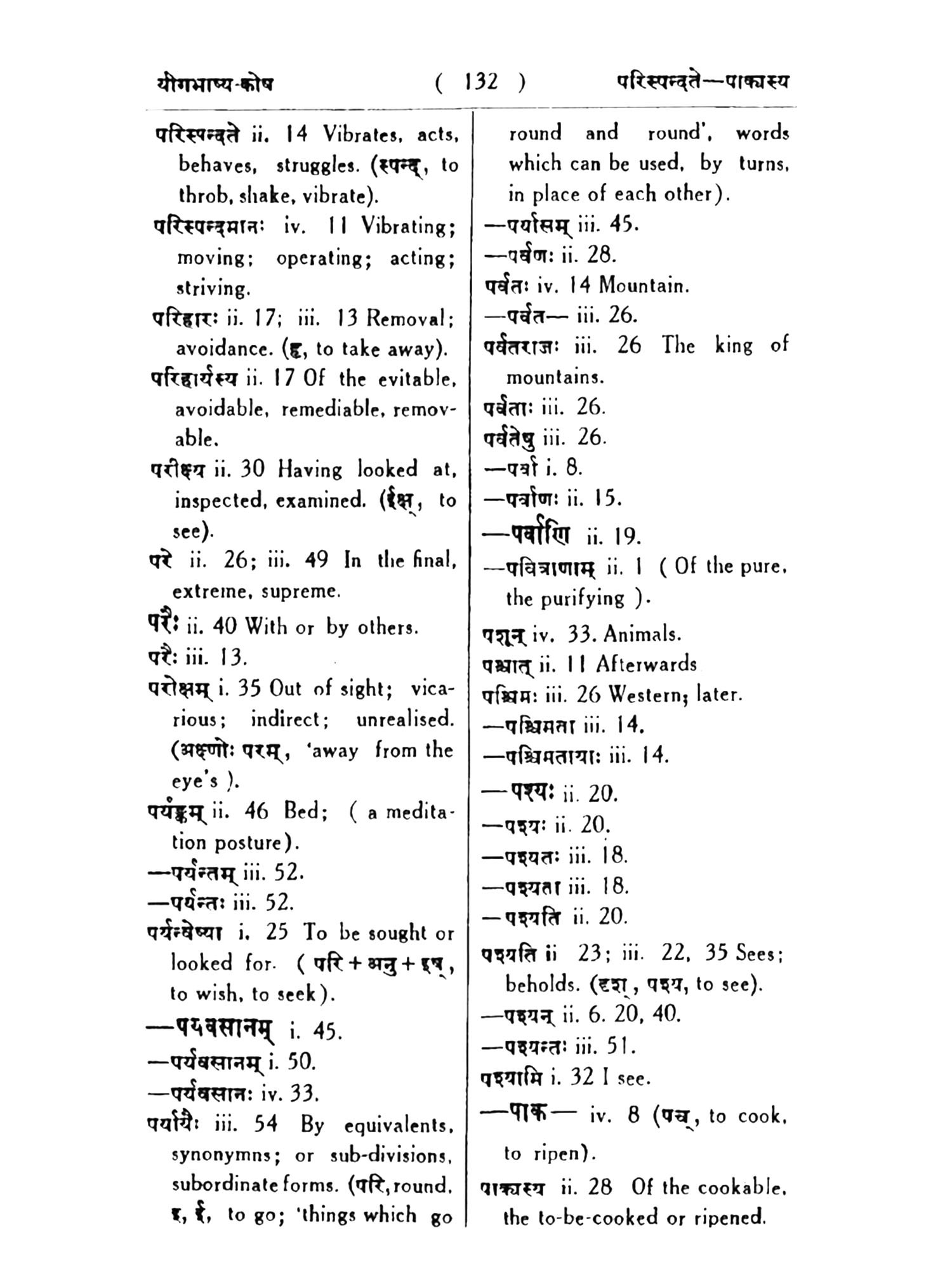
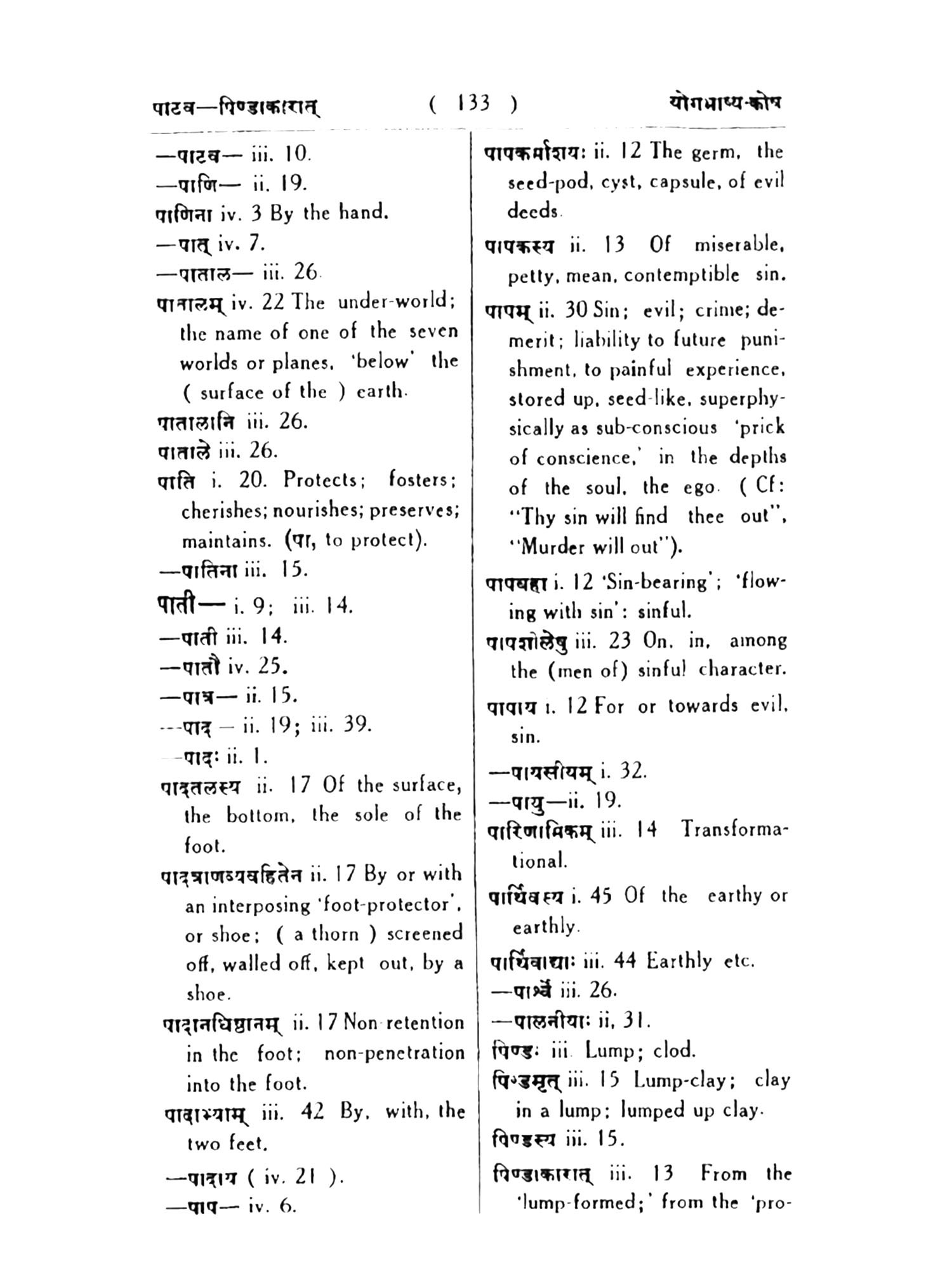
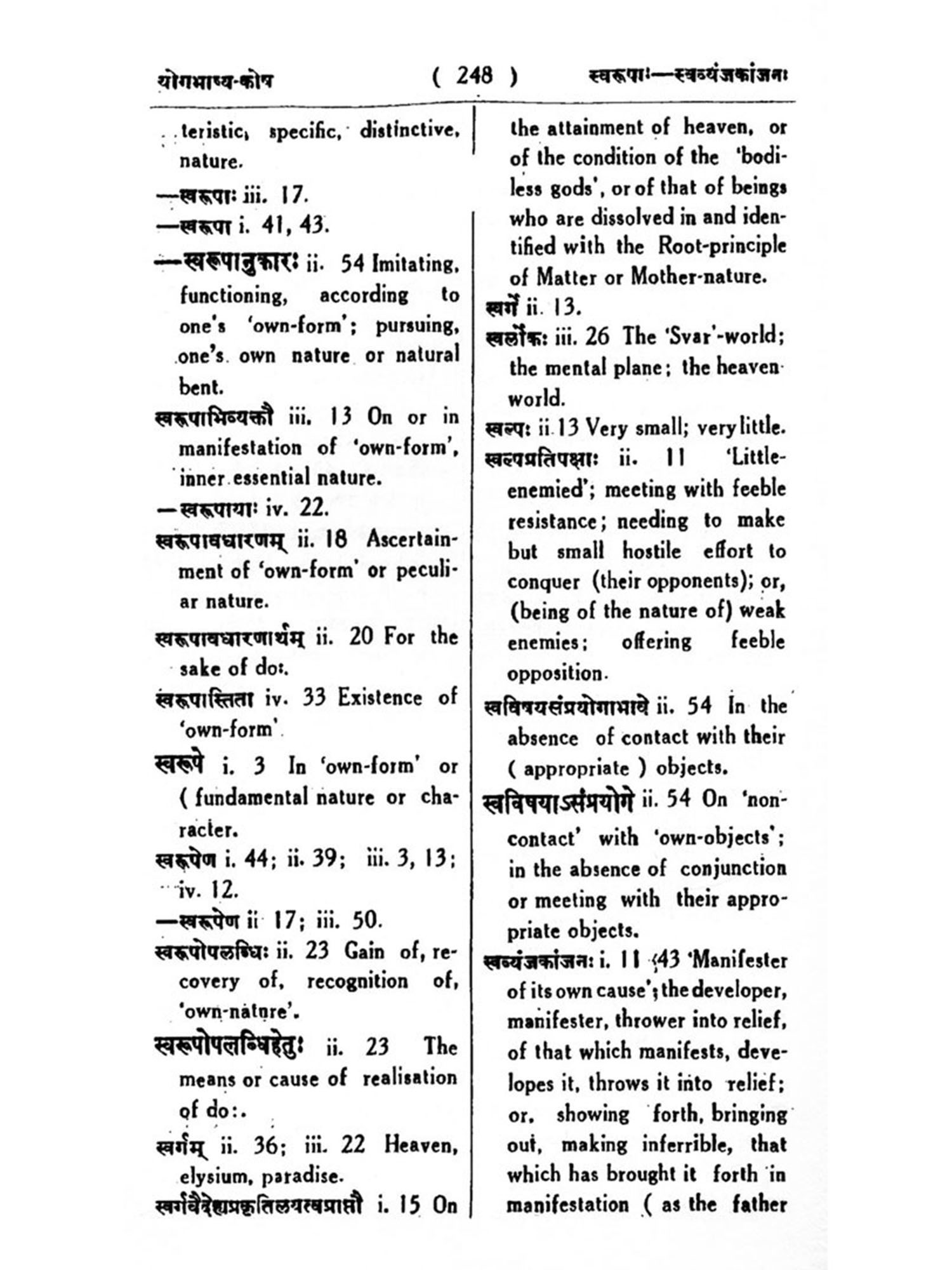
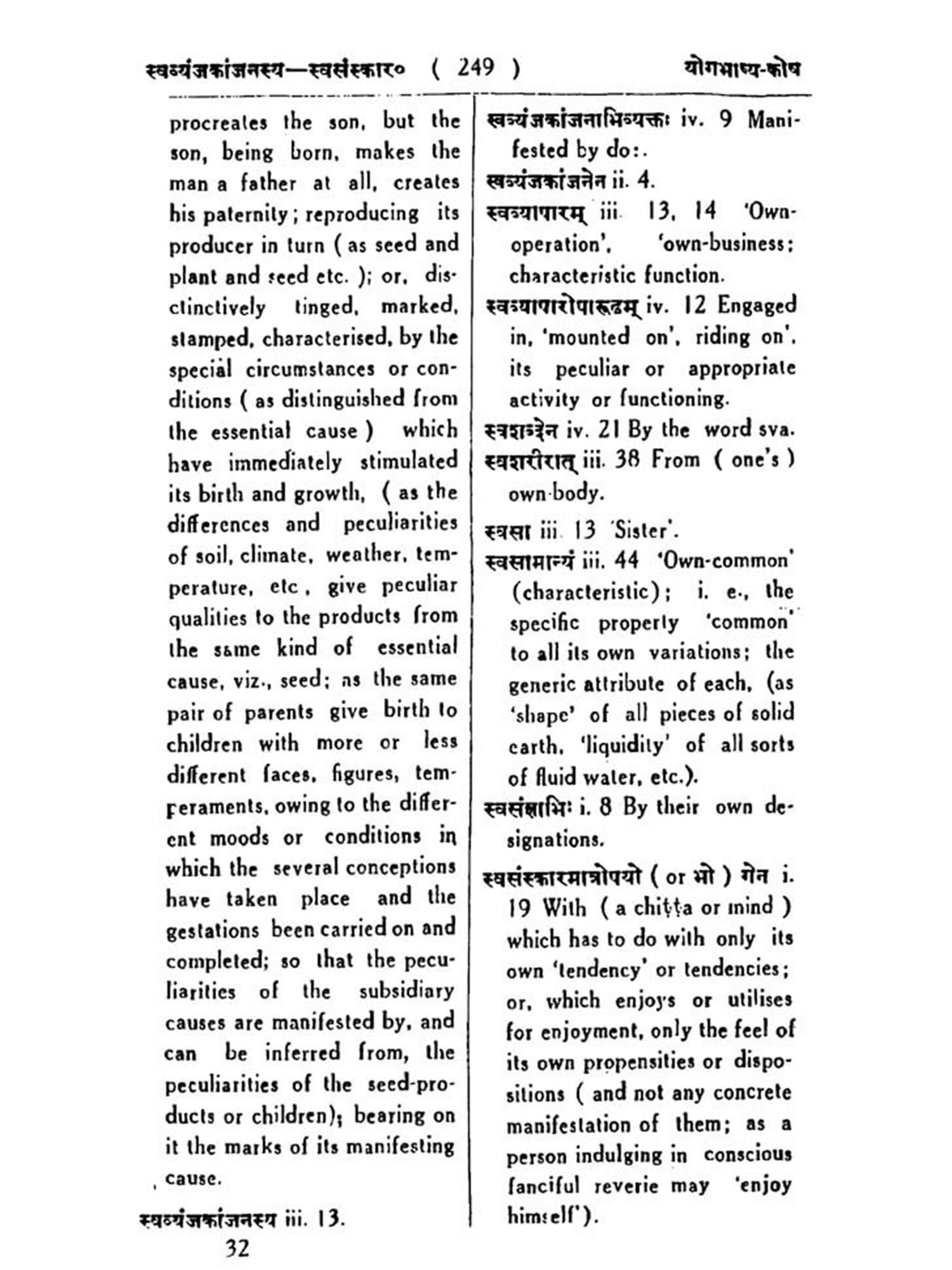
In this book, the author explores a Concordance Dictionary to Yogasutras of Patanjali and Vyasa's Bhashya. Amidst his duties at the Central Hindu College, his longing to study the original Yoga-Sutras persisted. Hindered by societal challenges like World War I and India's struggle for independence, he resumed his project in 1932, facing interruptions due to civic duties and declining health. Reflecting on Yoga's relevance today, he hopes his work bridges Eastern and Western philosophies, aiding in understanding ancient Yoga doctrines despite acknowledged imperfections.
About the Author
Bhagwan Das (1869-1958) was an influential Indian Theosophist and public figure. He served in the Central Legislative Assembly during British rule, advocating against rioting as a form of protest. An ally of the Hindustani Culture Society, he risked reprisals for his activism. Das co-founded the Central Hindu College and Kashi Vidya Peeth, contributing to Hindi language and Sanskrit scholarship. Honored with the Bharat Ratna in 1955, his legacy includes numerous publications and institutions named after him.
Foreword
Some thirty-five years ago, the wish came to me to study the Yoga-Sutra-s of Patanjali, and the Bhashya thereon of Vyasa, in the original Samskrt.
But I was very busy, in those years, with the work of the Central Hindu College of Benares; which had been founded in 1893, by Mrs. Annie Besant and Indian colleagues, to form a centre for the rationalisation, liberalisation, and solidarisation of what is now called 'Hinduism'.
This 'Hinduism' is obviously something very degenerate now.
Formerly it was Vaidika Dharma, 'the Religion of Knowledge, of Spiritual and Material Science', 'Scientific Religion'; Arya Dharma, 'the Noble Religion', 'the Religion of the Philanthropic and Noble-minded'; Sanatana Dharma, 'the Eternal Religion', 'the Religion of the Eternal Spirit, the Supreme Universal Self'; Bauddha Dharma, 'the Religion of Buddhi, Rational Intelligence', 'Rational Religion'; Manava Dharma, 'the Religion of Man, the child of Manu the Thinker', 'the Human and Humane and 'Humanist Religion'. It was a spirituo-material, psycho-physical, scientific, far-sighted, comprehensive Code of Individuo-Social and Socio-Individual Life; a scheme of a fourfold Educational-Political-Economic-Industrial Organisation of the whole Human Race, calculated to secure, for that Race, the maximum happiness possible, individual and social, this-worldly and other-wordly, here and hereafter. But for some centuries now it has been, and is today, an unsightly heap of conflicting superstitions, a dazing turmoil of hundreds of struggling sects, mostly senseless, some foul also (as, indeed, unhappily, are the other great living religions too, though in a lesser degree); its followers, an amazing jumble, a jostling welter, of between two and three thousand mutually 'touch-me-not', mutually exclusive, mutually abusive, petty castes, sub-castes, and yet further sub-divisions, to the fifth or sixth degree, all utterly disorganised.
The honorary secretary-ship of the Board of Trustees and the Managing Committce of the institution was placed upon my shoulders. We were all working hard, Mrs. Besant hardest of all, to build up the college and make it a fit instrument for realising our ideal, viz., gradually restoring the old 'order' in place of this disorder, of re-organising the disorganised.
The hundreds of branches of the Theosophical Society, dotted all over India, in the large and small towns, became committees for collecting funds.








 Upload an Image