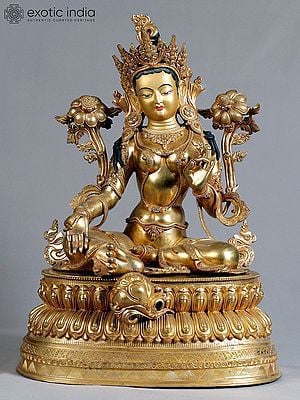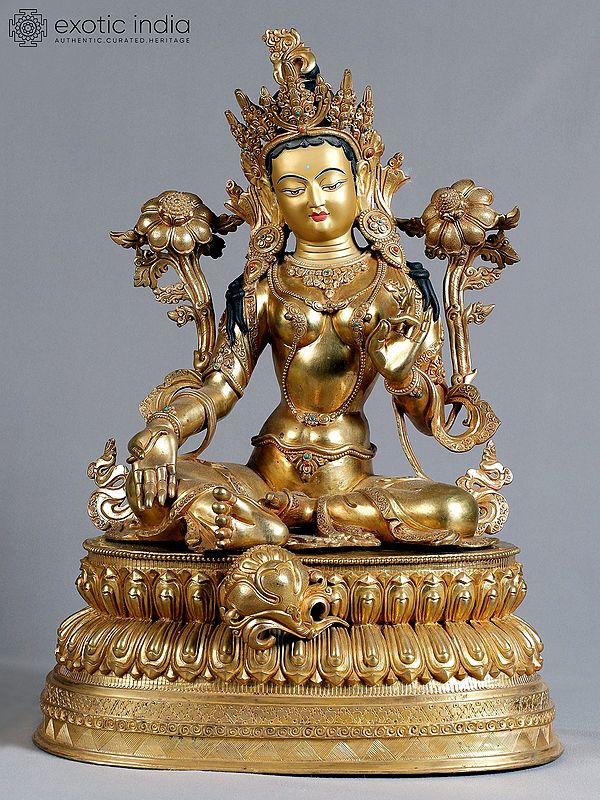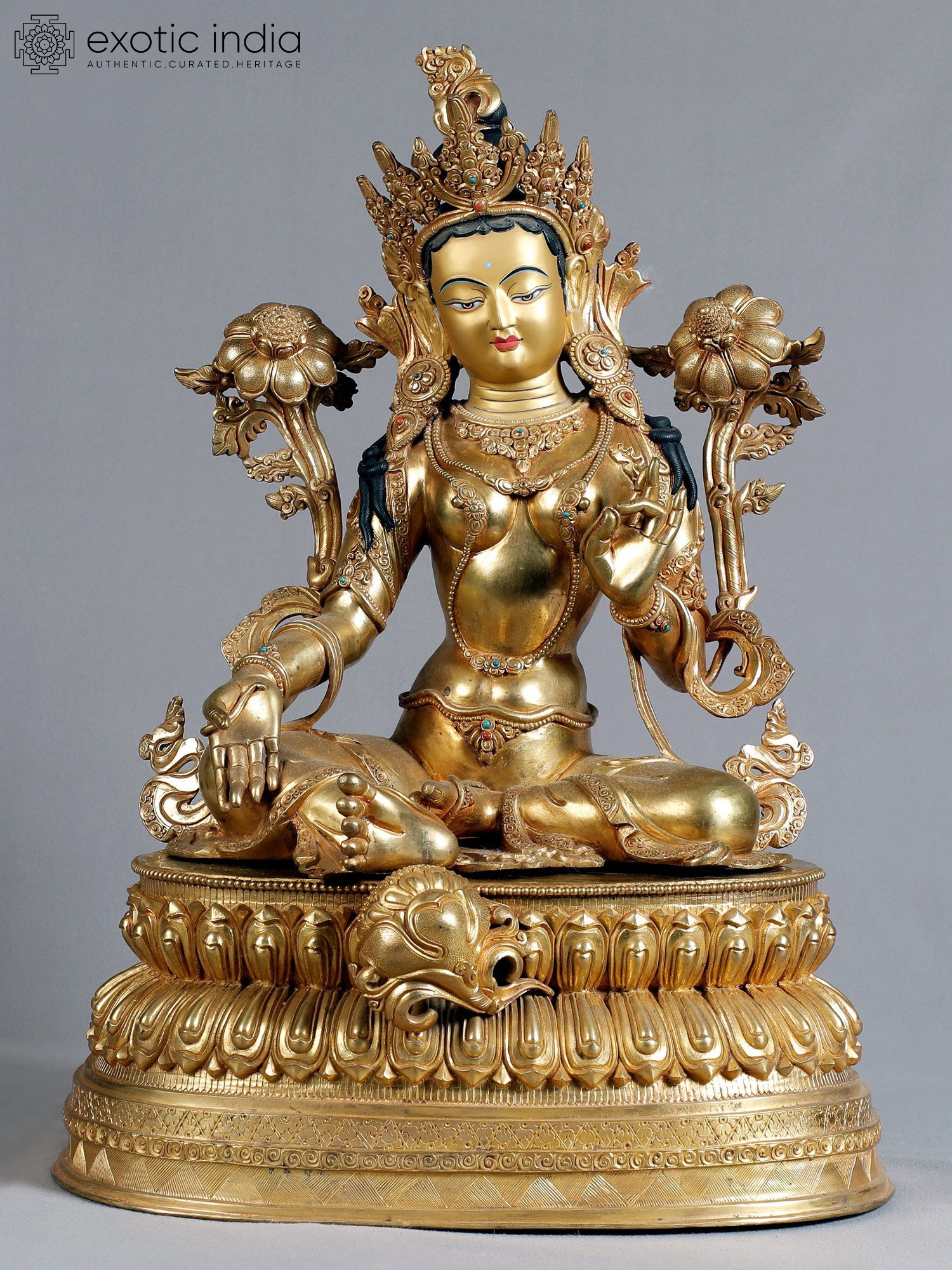
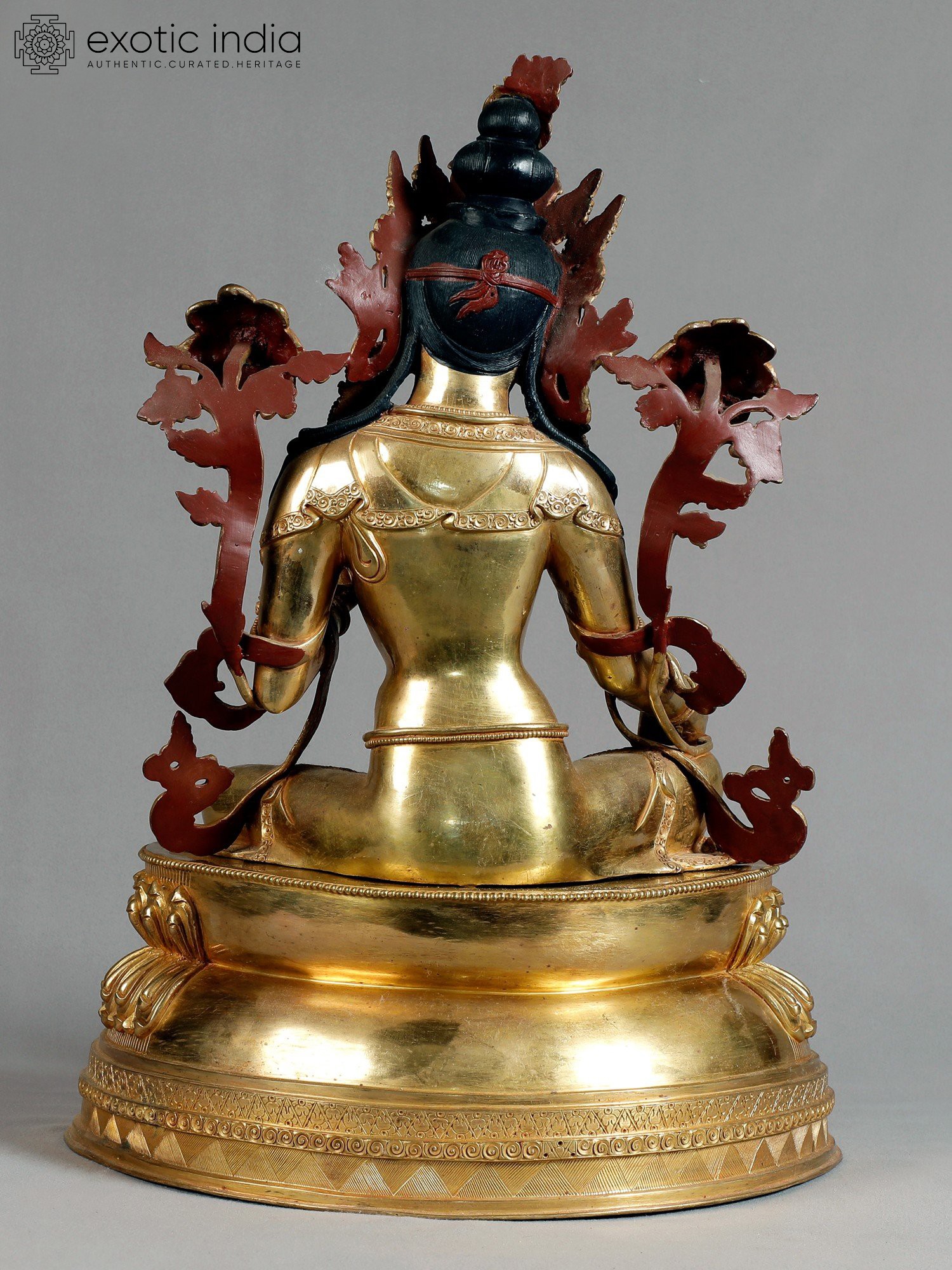
Nepalese Green Tara Deity Sculpture
$3830
Includes any tariffs and taxes

Only 1 available
Notify me when this item is available
| Specifications |
 |
CAA068 |
 |
Copper With Gold |
 |
Height: 21 inch |
| Width: 15 inch | |
| Depth: 11 inch | |
 |
Weight 13.30 kg |
| About the Item |
|
| Delivery and Return Policies |
 |
Usually ships in 6 days |
 |
Returns and Exchanges accepted within 7 days |
 |
Free Delivery |

Easy Returns

Fully Insured

100% Handmade
With a plump
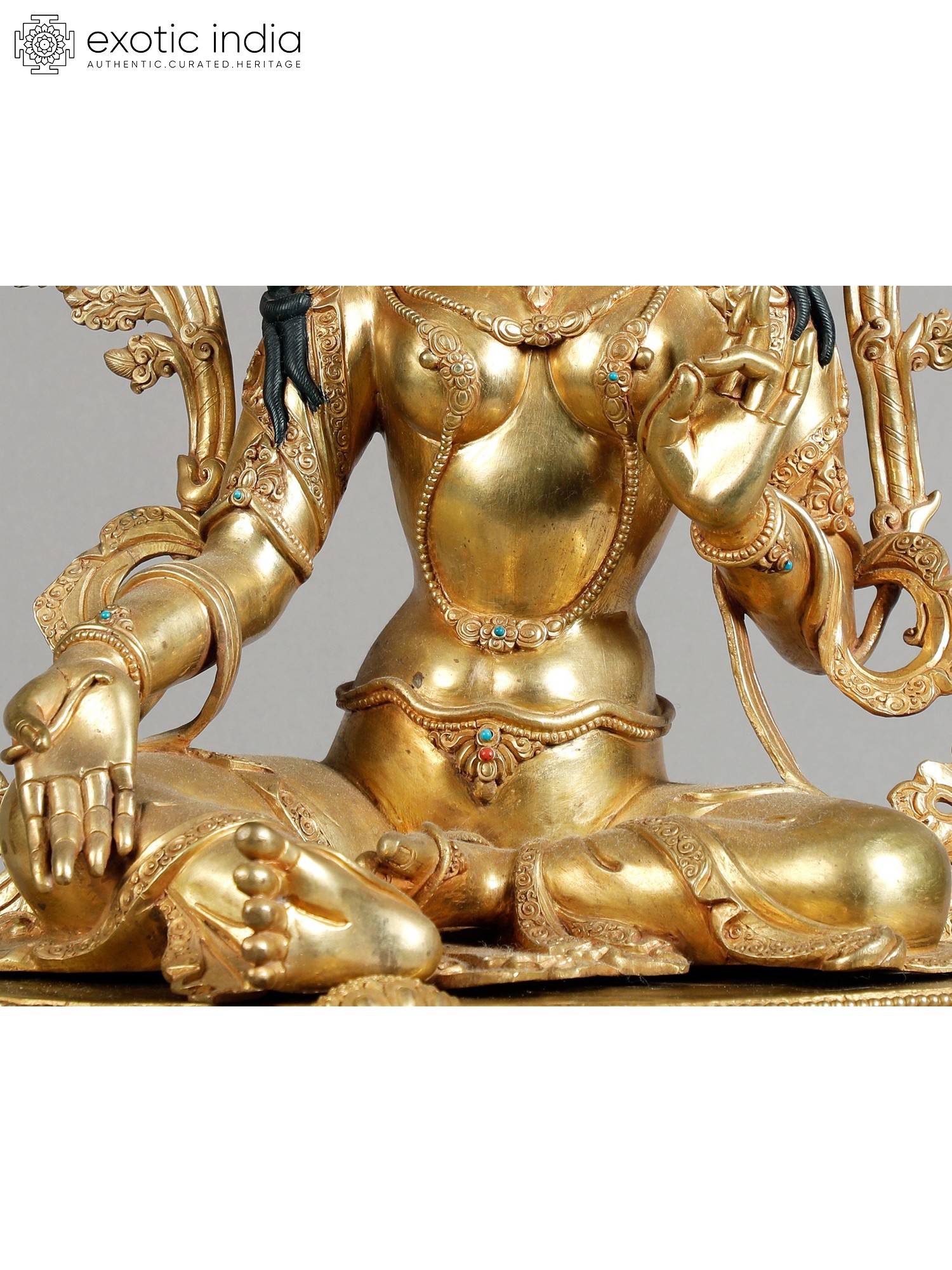
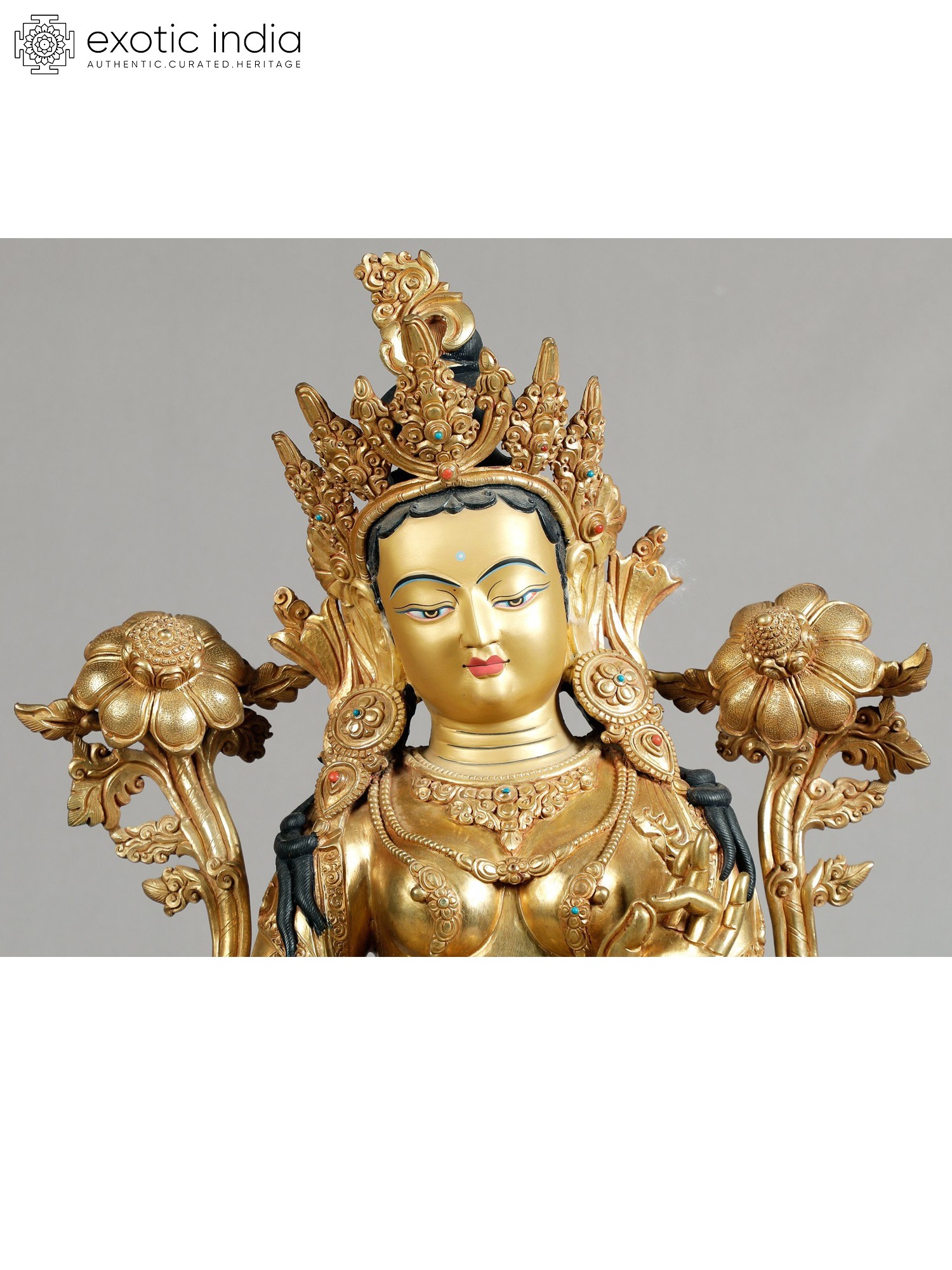
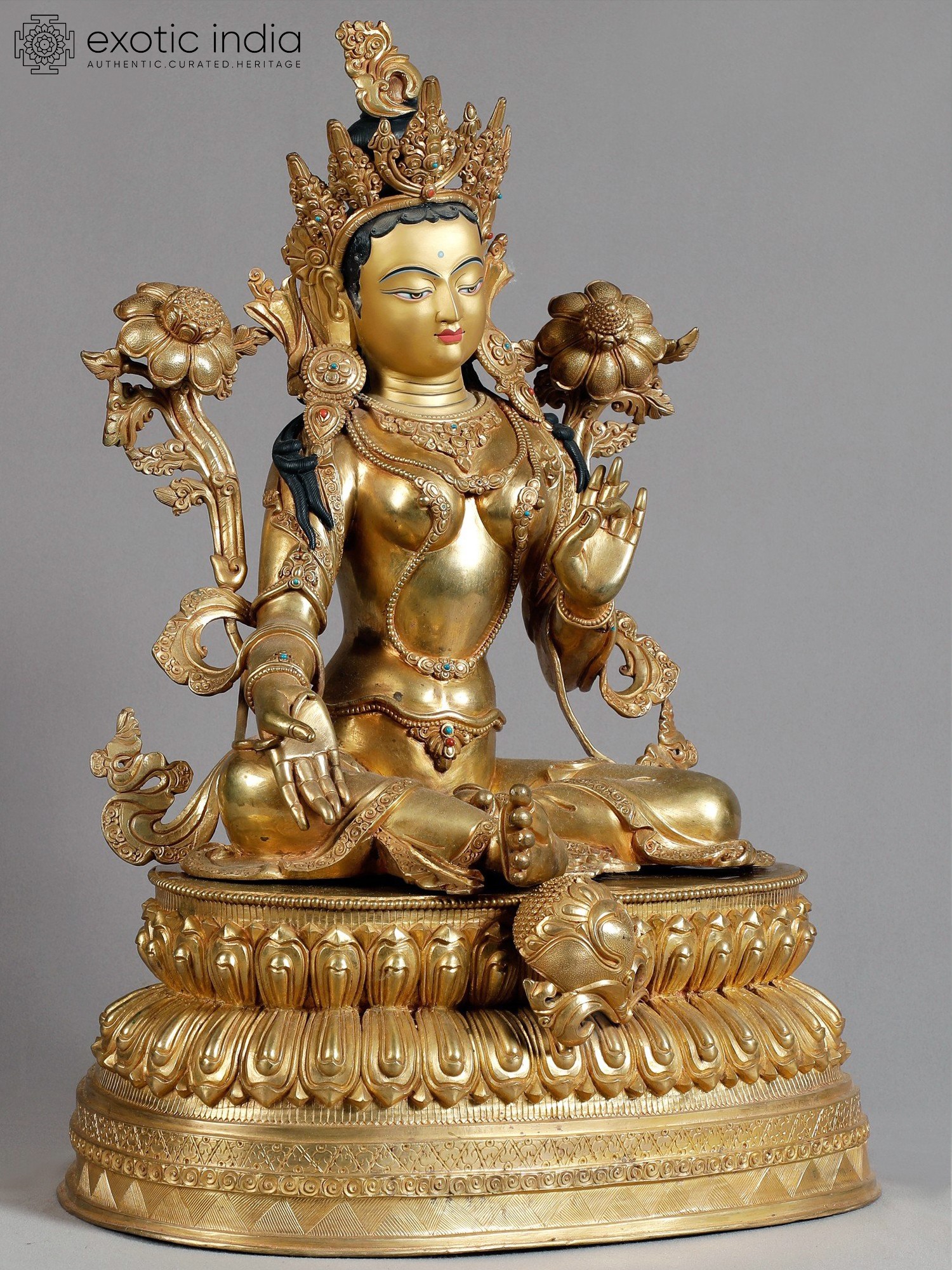
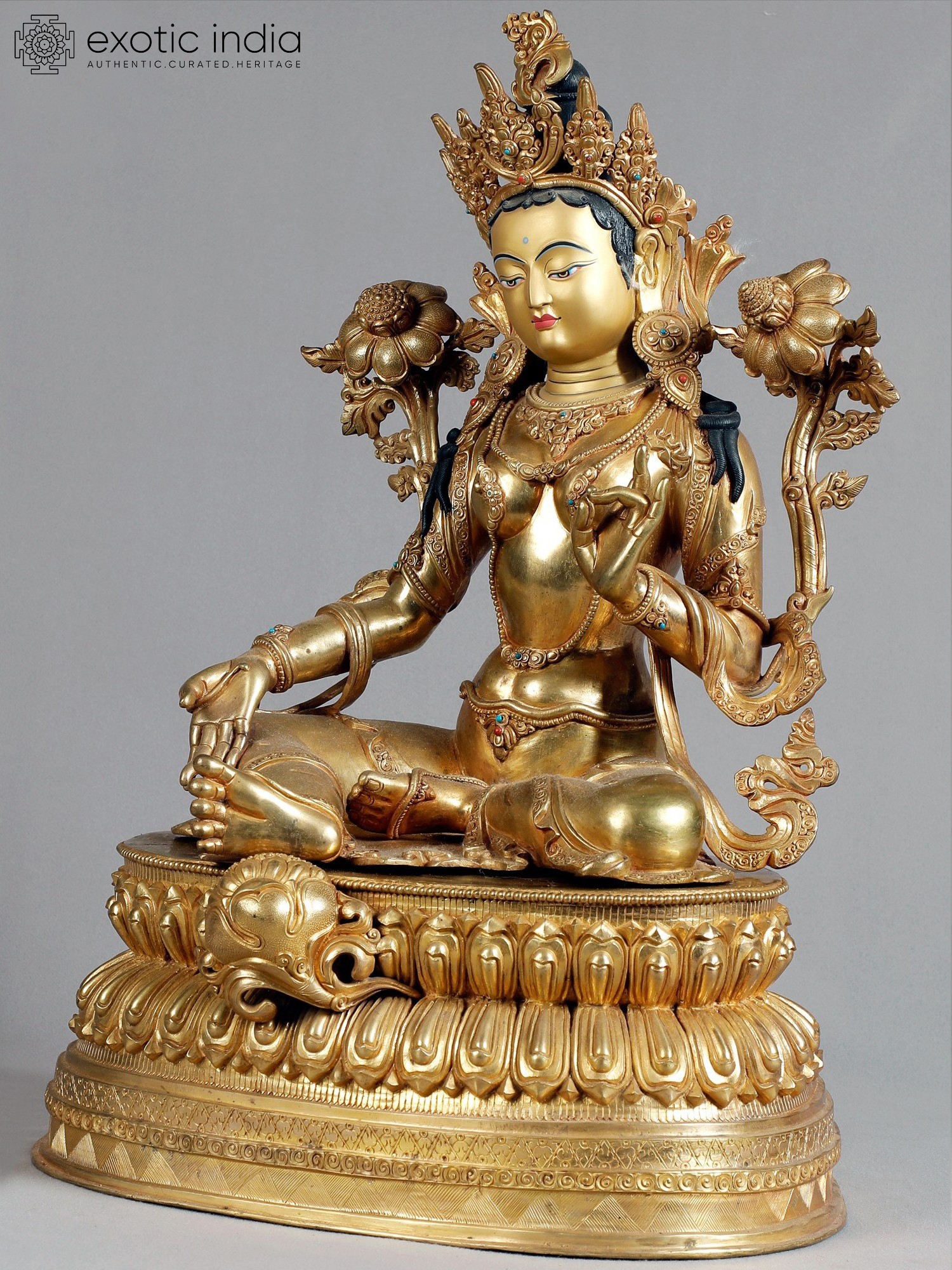
face, tapering waist, lithesome limbs, and heavenly ornaments, Green Tara in
this gilded copper statue from Nepal surpasses the beauty of divine maidens. In
this statue which is sculpted in a rounded manner, Green Tara’s lotus seat is delineated
with the utmost perfection, with each petal highlighted stunningly. Releasing motherly
affection from her countenance and dangling her leg in the human realm, Tara is
prepared to descend on the first evocation of her devotee.

An Emblem of Compassion and Enlightenment
Behold this magnificent representation of Green Tara, a revered Bodhisattva in Tibetan Buddhism, meticulously crafted in Nepal. Her presence radiates a serene yet powerful aura, embodying the boundless compassion and enlightened wisdom that she is known to bestow upon her devotees. The statue is a testament to the exquisite craftsmanship of Nepalese artisans, who have poured their skill and devotion into every detail, transforming raw copper into a divine effigy. The lustrous gold finish enhances her celestial beauty, making her a truly awe-inspiring centerpiece for any sacred space or collection.The Symbolism of the Green Tara
Green Tara is often depicted as a youthful goddess, seated in a posture of ease and readiness to spring into action to aid those in need. In this sculpture, she is shown in the royal ease posture, her left leg folded inward and her right leg extended, symbolizing her active engagement in the world. This posture signifies that she is ready to rise and help at a moment's notice. Her right hand is held in the varada mudra, the gesture of giving and offering protection, while her left hand is at her heart, holding the stem of a lotus flower. The lotus, a symbol of purity and enlightenment, blooms beside her, reaching towards the sky. This imagery reflects her ability to navigate the complexities of existence with grace and clarity, guiding sentient beings towards liberation from suffering. The vibrant green hue, though not present in this gold finish, is traditionally associated with Tara's active and compassionate nature, representing her ability to overcome obstacles and protect beings from fear and danger.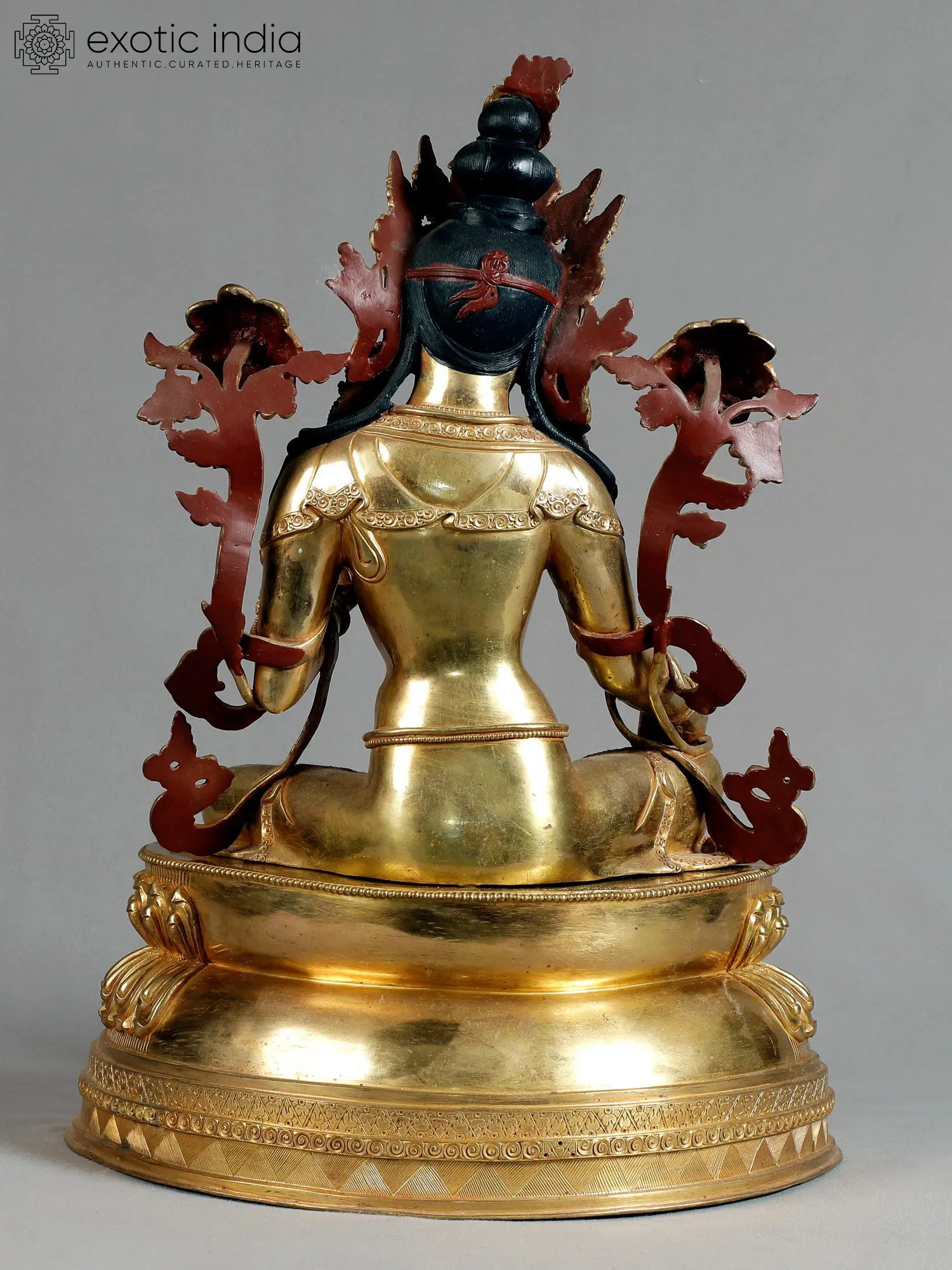
Divine Adornments and Regal Presence
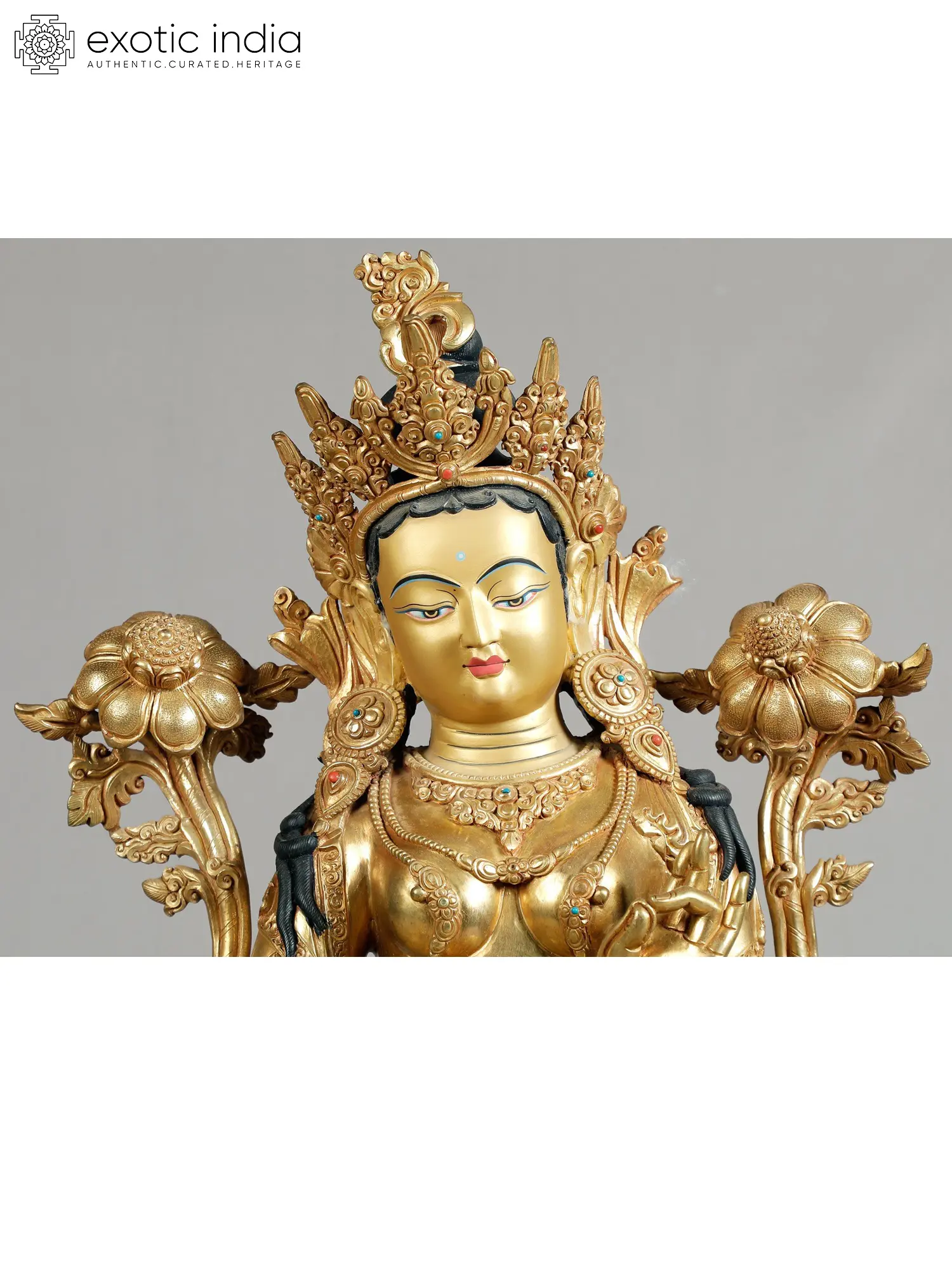
The artistry extends to the intricate adornments that grace the goddess. Her regal headdress, adorned with precious stones, speaks of her celestial status. Delicate necklaces and armlets, fashioned with the same meticulous attention to detail, further enhance her divine beauty. The serene expression on her face, with her half-closed eyes and gentle smile, conveys a profound sense of peace and inner knowing. She is a beacon of hope, a protector who dispels fear and offers solace. The base upon which she sits is a richly ornamented throne, designed with traditional motifs that further elevate her divine stature. This entire composition is a harmonious blend of spiritual symbolism and artistic mastery, designed to inspire devotion and contemplation.A Legacy of Devotion
This statue is not merely an object of art but a vessel of spiritual energy. The tradition of creating such sacred images in Nepal is deeply rooted in centuries of Buddhist practice and artistic heritage. Each stroke of the chisel, each hammer blow, imbues the sculpture with blessings and intentions for peace, protection, and enlightenment. To possess such a piece is to invite the benevolent presence of Green Tara into your life, a constant reminder of the power of compassion and the path to awakening. It serves as a powerful reminder of the universal desire for peace and well-being, a sentiment that transcends cultural and religious boundaries.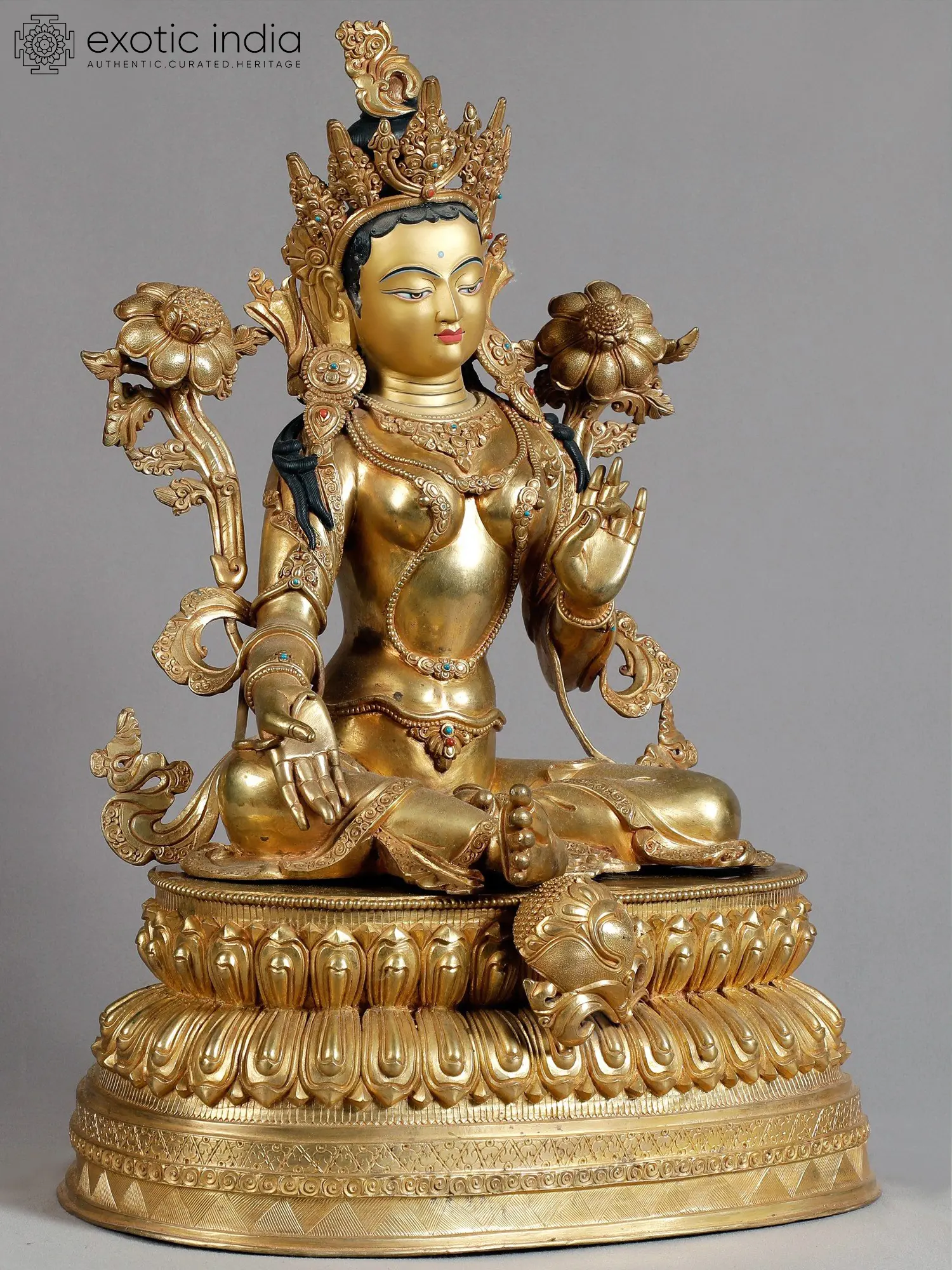
How are Nepalese copper statues made?
Nepalese statues and sculptures are best known for their unique
small religious figures and ritual paraphernalia for over two
thousand years. These are mainly cast in copper alloy. Nepal draws
influences from the artistic styles of Buddhism and Hinduism, and
therefore the sculptors of the country specialize in making the
icons of both these religions. Over the years, Nepalese sculptures
evolved into their own distinctive iconography. Some
characteristic features of these sculptures that differ from other
pieces are exaggerated physical postures, youthful and sensual
features, languid eyes, wider faces having serene expressions, and
ornate flourishes. The Buddhist deity icons of Nepal have
tremendous demand in countries such as China and Tibet for ritual
purposes in their temples and monasteries.
Nepalese statues and sculptures have a high copper content and therefore develop a slightly reddish patina on the surface as they age. However, the most unique feature of Nepalese copper statues is their decorative detailing. The pieces are heavily gilded and sometimes inlaid with semi-precious stones. This embellishment protects them from getting tarnished. The traditional lost-wax method for casting Nepalese copper statues remains the most practiced technique in Nepal for many centuries. This process involves many steps and requires skilled artists.
The first step in lost-wax sculpting is to make a wax replica of the desired Buddhist deity to be cast in copper. This replica is created by hand and therefore needs excellent artistic skills otherwise fine features will be lacking.
Once the wax replica is made, it is then coated with a special mixture of clay with a brush. This layer of clay is hardened when left to dry. A small hole is made on the base of the wax mould so that the wax flows away when it is heated.
Nepalese statues and sculptures have a high copper content and therefore develop a slightly reddish patina on the surface as they age. However, the most unique feature of Nepalese copper statues is their decorative detailing. The pieces are heavily gilded and sometimes inlaid with semi-precious stones. This embellishment protects them from getting tarnished. The traditional lost-wax method for casting Nepalese copper statues remains the most practiced technique in Nepal for many centuries. This process involves many steps and requires skilled artists.
The first step in lost-wax sculpting is to make a wax replica of the desired Buddhist deity to be cast in copper. This replica is created by hand and therefore needs excellent artistic skills otherwise fine features will be lacking.
Once the wax replica is made, it is then coated with a special mixture of clay with a brush. This layer of clay is hardened when left to dry. A small hole is made on the base of the wax mould so that the wax flows away when it is heated.
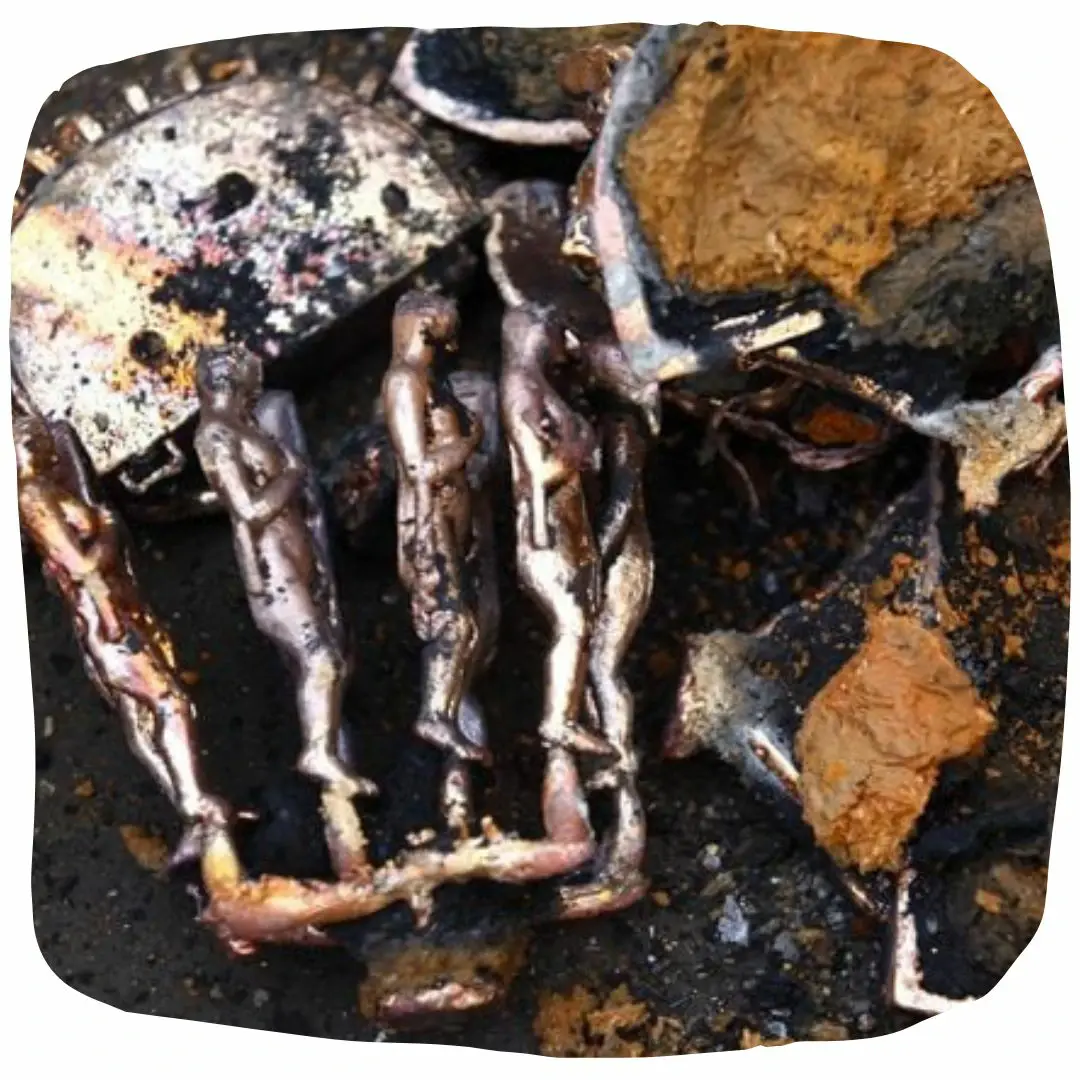
At this stage, a hollow mould in the shape of the deity is
obtained.
This is the time to pour liquid copper into the hollow mould which is then allowed to cool and harden inside a container of cold water. When the liquid metal has hardened, the mould is removed and the statue within is revealed.
This is the time to pour liquid copper into the hollow mould which is then allowed to cool and harden inside a container of cold water. When the liquid metal has hardened, the mould is removed and the statue within is revealed.
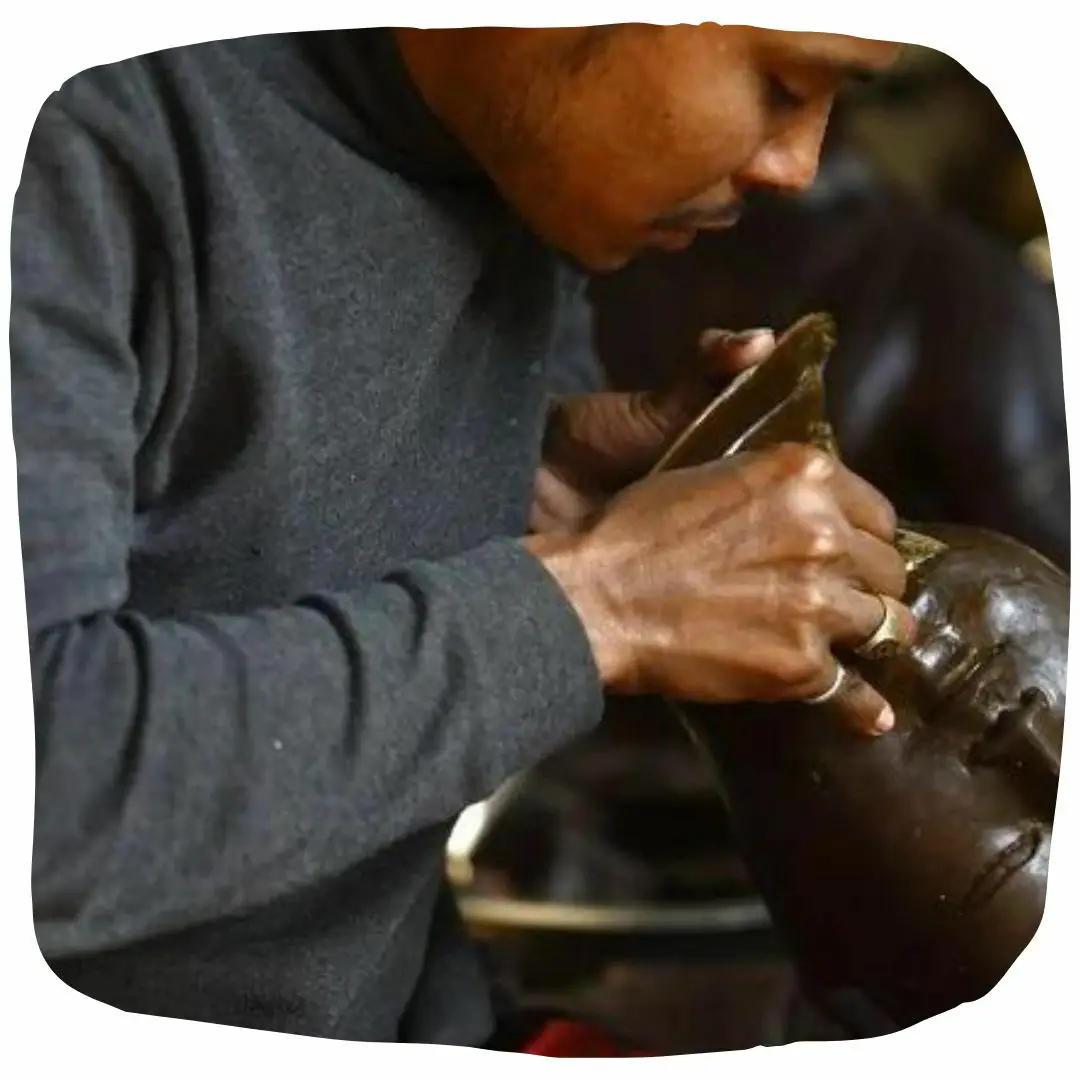
The artist works on the details of the statue using various tools.
It is then polished to get a shiny and lustrous surface.
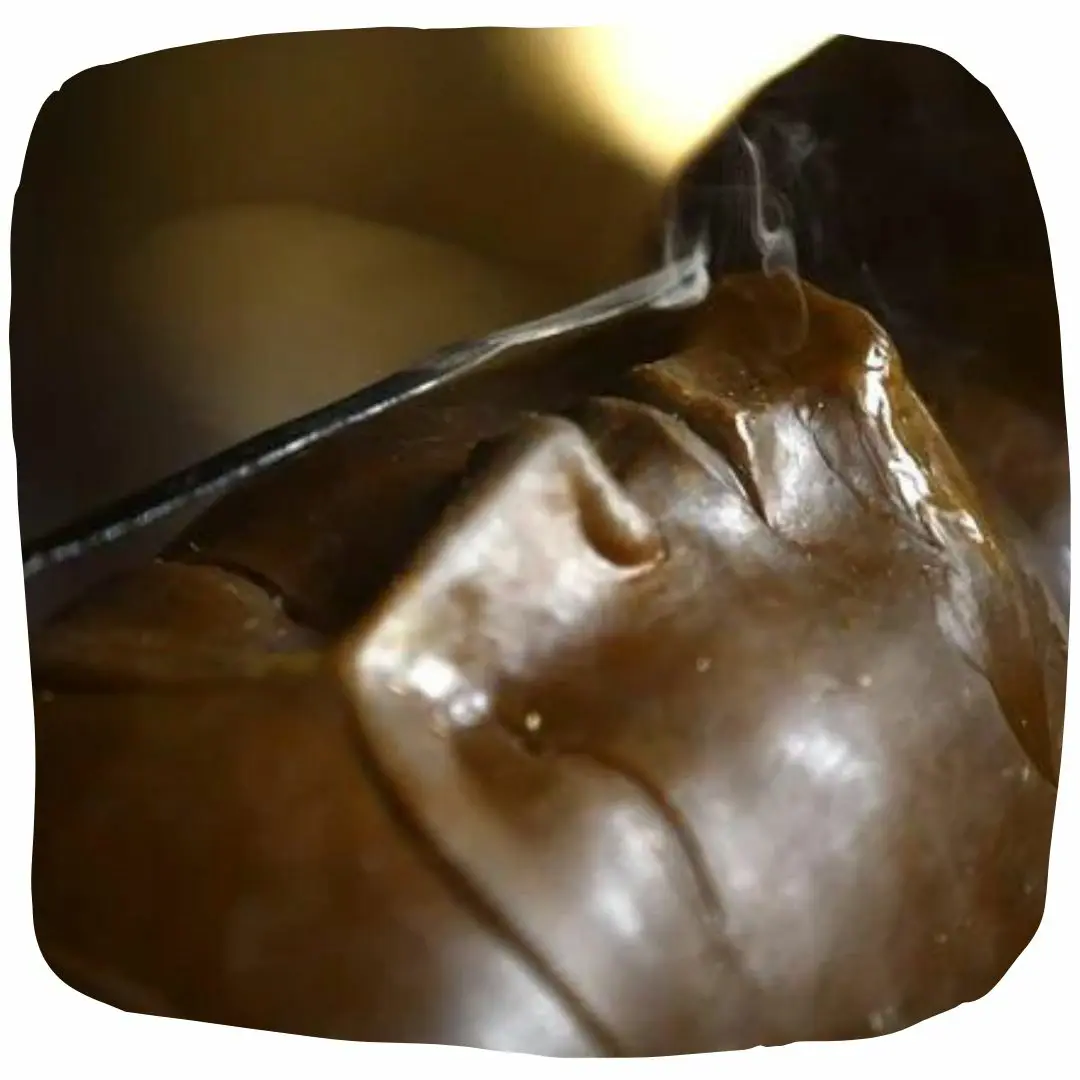
Now comes the most important part of Nepalese art which is gold gilding. This is done by the traditional fire gilding method. A mixture of mercury and 18K gold is applied on the surface of the statue and heat is applied using a flame torch. The result is that mercury evaporates along with impurities, leaving a pure 24K gold finish.
Now comes the most important part of Nepalese art which is gold gilding. This is done by the traditional fire gilding method. A mixture of mercury and 18K gold is applied on the surface of the statue and heat is applied using a flame torch. The result is that mercury evaporates along with impurities, leaving a pure 24K gold finish.
The lost-wax method of sculpting is the most preferred technique
for artists to cast a metallic statue having intricate details. Since Nepalese copper sculptures require extraneous effort for giving a majestic look by adding special embellishments, it takes several weeks to complete one masterpiece. A 24K gold gilded copper sculpture retains its brilliant luster for many years and appears as like before. Nepalese sculptures continue to remain one of the finest specimens of the art of the East that have a strong aesthetic appeal that other sculptures cannot match.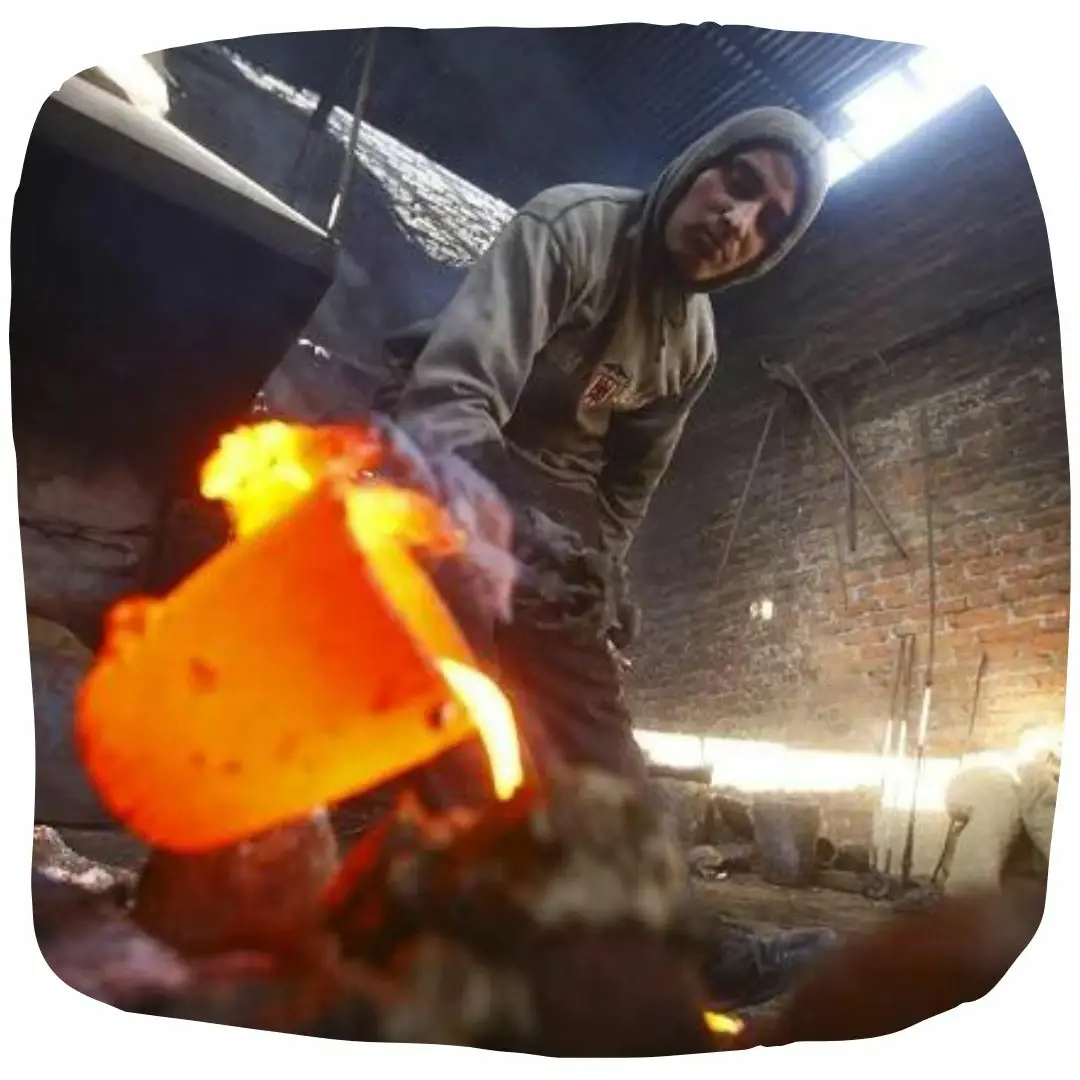
Products related to this item
9.0 inch Height X 7.0 inch width X 4.5 inch depth
$759
Express Shipping
Includes any tariffs and taxes
9.00 inch Height X 7.00 inch Width X 4.50 inch Depth
$696
Express Shipping
$1392 50% off
Includes any tariffs and taxes
11.00 inch Height x 7.50 inch Width x 4.50 inch Depth
$528
Express Shipping
$960 45% off
Includes any tariffs and taxes
15.00 inch Height X 12.50 inch Width X 10.00 inch Depth
$3053
Includes any tariffs and taxes
9.00 inch Height X 6.00 inch Width X 4.00 inch Depth
$339
Includes any tariffs and taxes
16.00 inch Height X 9.00 inch Width X 6.00 inch Depth
$1863
Includes any tariffs and taxes
13.00 inch Height X 10.50 inch Width X 8.50 inch Depth
$2519
Includes any tariffs and taxes
21 inch Height X 14 inch Width X 10 inch Length
$7648
Includes any tariffs and taxes
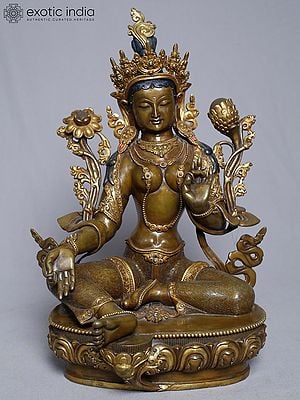
14.5 inch Height X 10 inch Width X 8 inch Length
$2674
Includes any tariffs and taxes
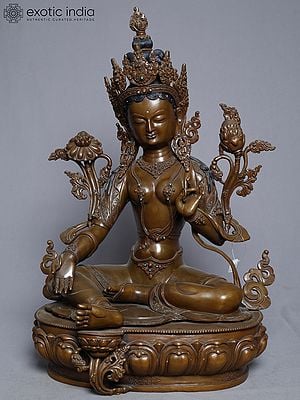
14 inch Height X 11 inch Width X 8 inch Length
$3467
Includes any tariffs and taxes
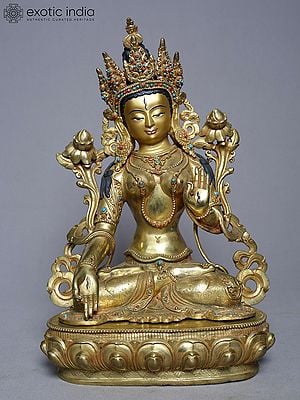
19.5 inch Height X 13 inch Width X 9 inch Length
$3600
Includes any tariffs and taxes
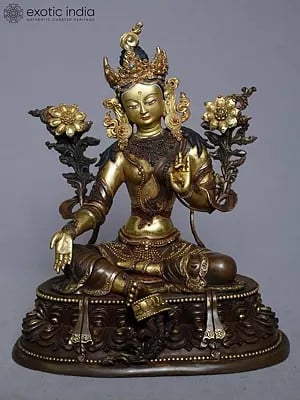
9 inch Height X 7 inch Width X 5 inch Length
$1438
Includes any tariffs and taxes