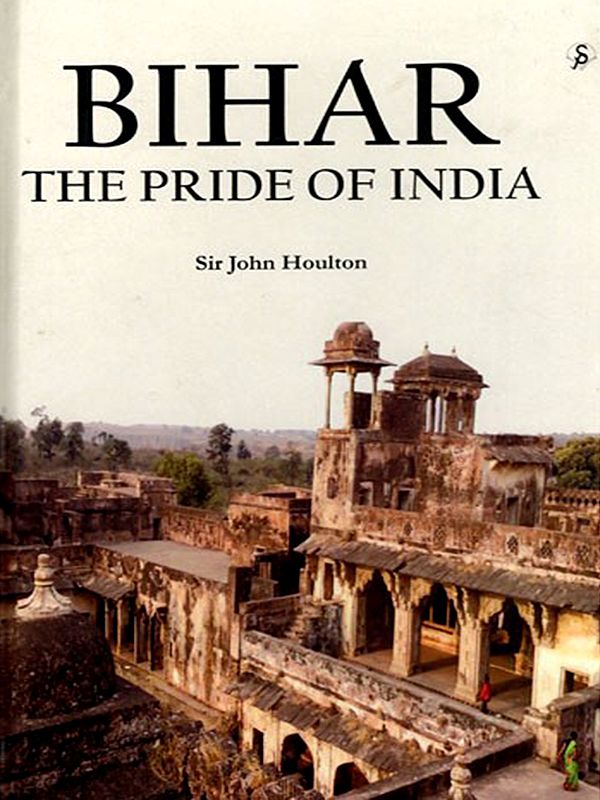
About the Book
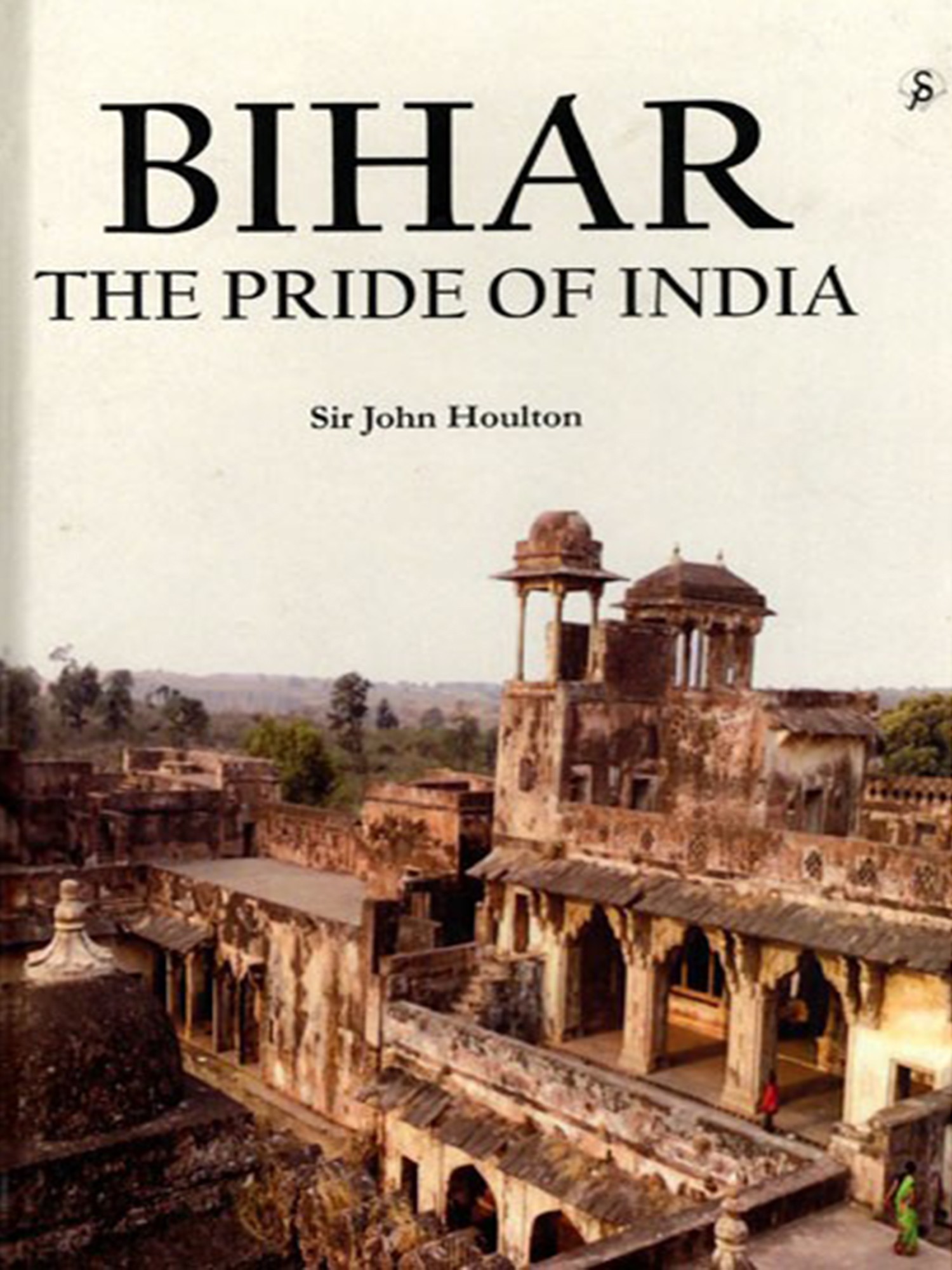
Bihar is a place full of history and spiritual significance. Located in the eastern part of India, this state is known as the land of monasteries. There are many things that make this place worth visiting.
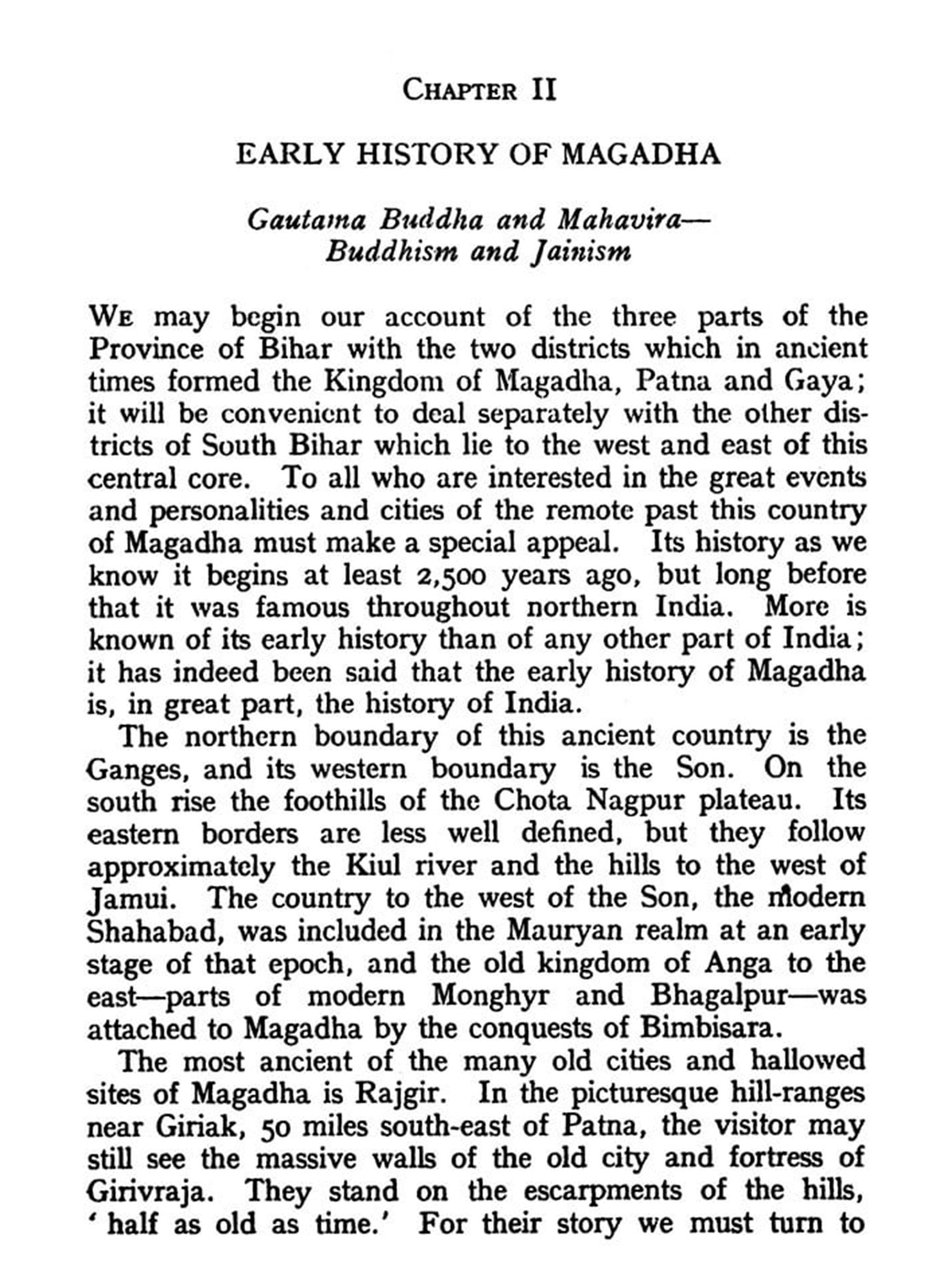
Two of India's most glorious dynasties, the Mauryas (321-185 BCE) and the Guptas (320 to 550 CE) flourished in the ancient Bihar region, which was then known as Magadh. The Great King Ashoka (born 304 BCE, died 232 BCE) of the Mauryan dynasty, whose empire spread across South Asia. He had his capital in Pataliputra that is present Patna. The Gupta period, termed as India's golden age was also based in Magadh and Pataliputra as its capital. Nalanda and Vikramshila were centres of learning established in the 5th and 8th century respectively in Bihar, and are regarded amongst the oldest and international universities, where students from across the world came to study. It is in Bihar that the world's first democracy was in governance by the Lichchavi (the present Vaishali).
Preface
This book is intended to provide visitors to Bihar, and I hope others also, with a concise account of the history, antiquities, scenic beauties, and places of general interest in the Province. It aims at presenting in handy form a good deal of information which has hitherto been available only in historical works, gazetteers and other government publications, and in some learned periodicals. It makes no claim to originality or research, though I have used the results of observations made, whenever I had the opportunity during my service in the Province, during visits to most of its ancient sites and beauty spots, as well as to its industrial centres.
I have called this book Bihar, the Heart of India', and those unfamiliar with the province will I think be satisfied after reading the book that the title is justified. In the days of the greatness of Magadha, of Mithila and the Lichchavis and Vaisali, of Gautama Buddha and Mahavira, of the Mauryan Emperors, it was indeed the central point of the culture and activities of most of the Indian peninsula. In our own day it has again attained a position of central importance to the Dominion of India, this time through its vast mineral resources and its industrial centres;-the Jharia, Giridih, Bokaro and Karanpura coalfields and the industries which have grown up around them; the copper, iron and manganese mines; the rich mica deposits and industry; the works of the Tata Iron and Steel Company and the satellite companies in the great industrial city of Jamshedpur. There is much to attract and hold the visitor who comes to the province. There are the remains of once splendid cities and monasteries; temples, shrines and places hallowed by association with the great religious leaders and the figures of mythology; places of great scenic beauty like the forests in the far north of Champaran district, on the foothills of the Himalayas, and a hundred places on the plateau and escarpments of Chota Nagpur.