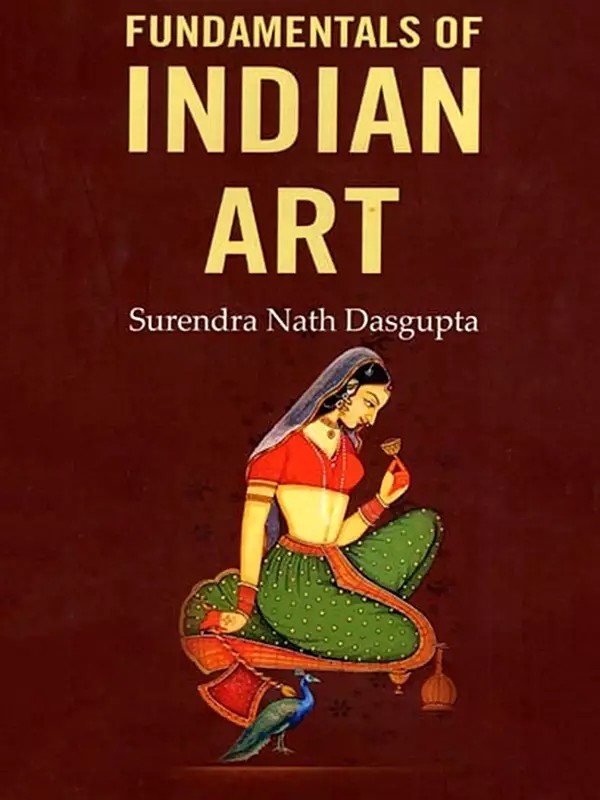
About the Book
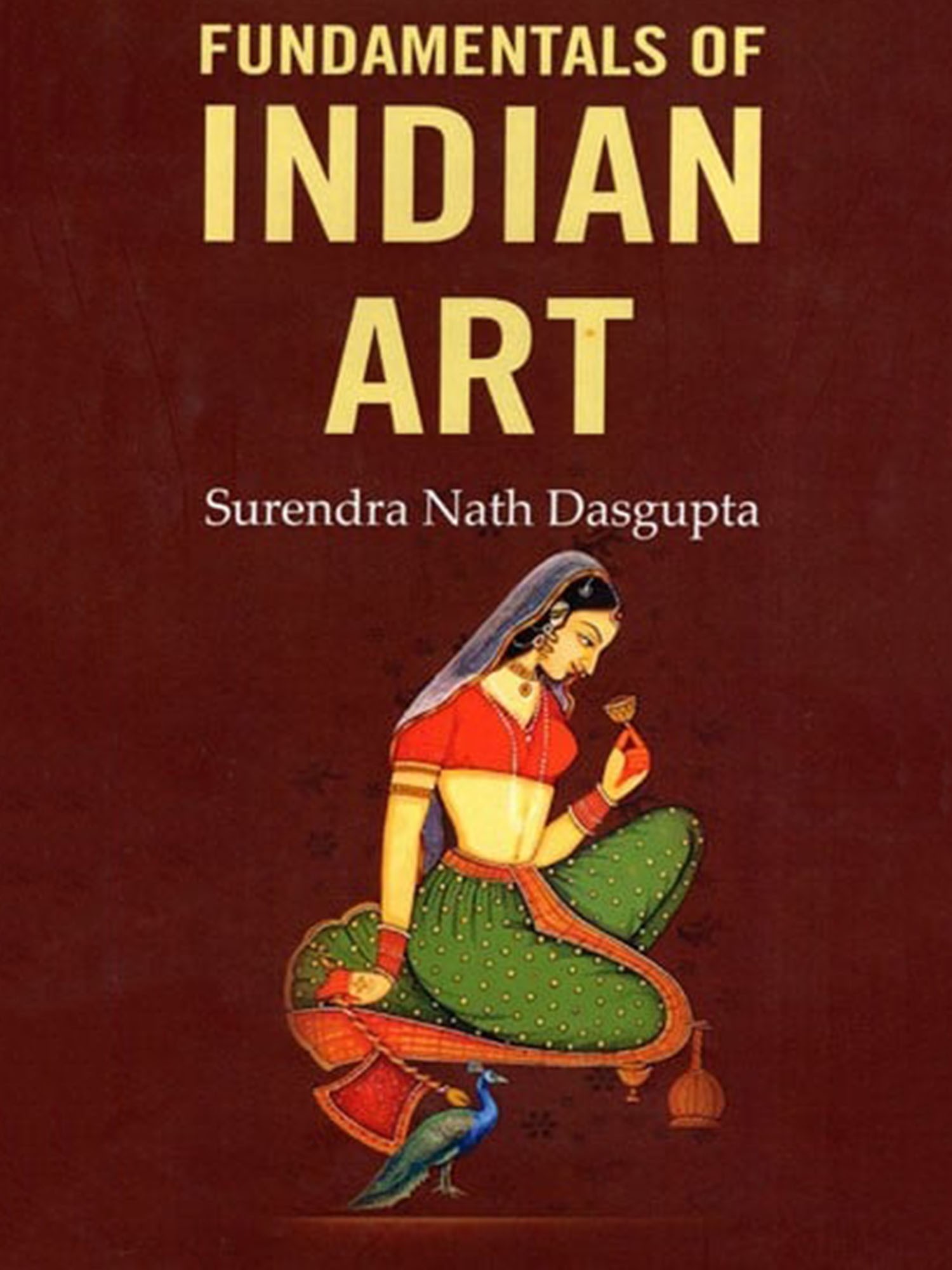
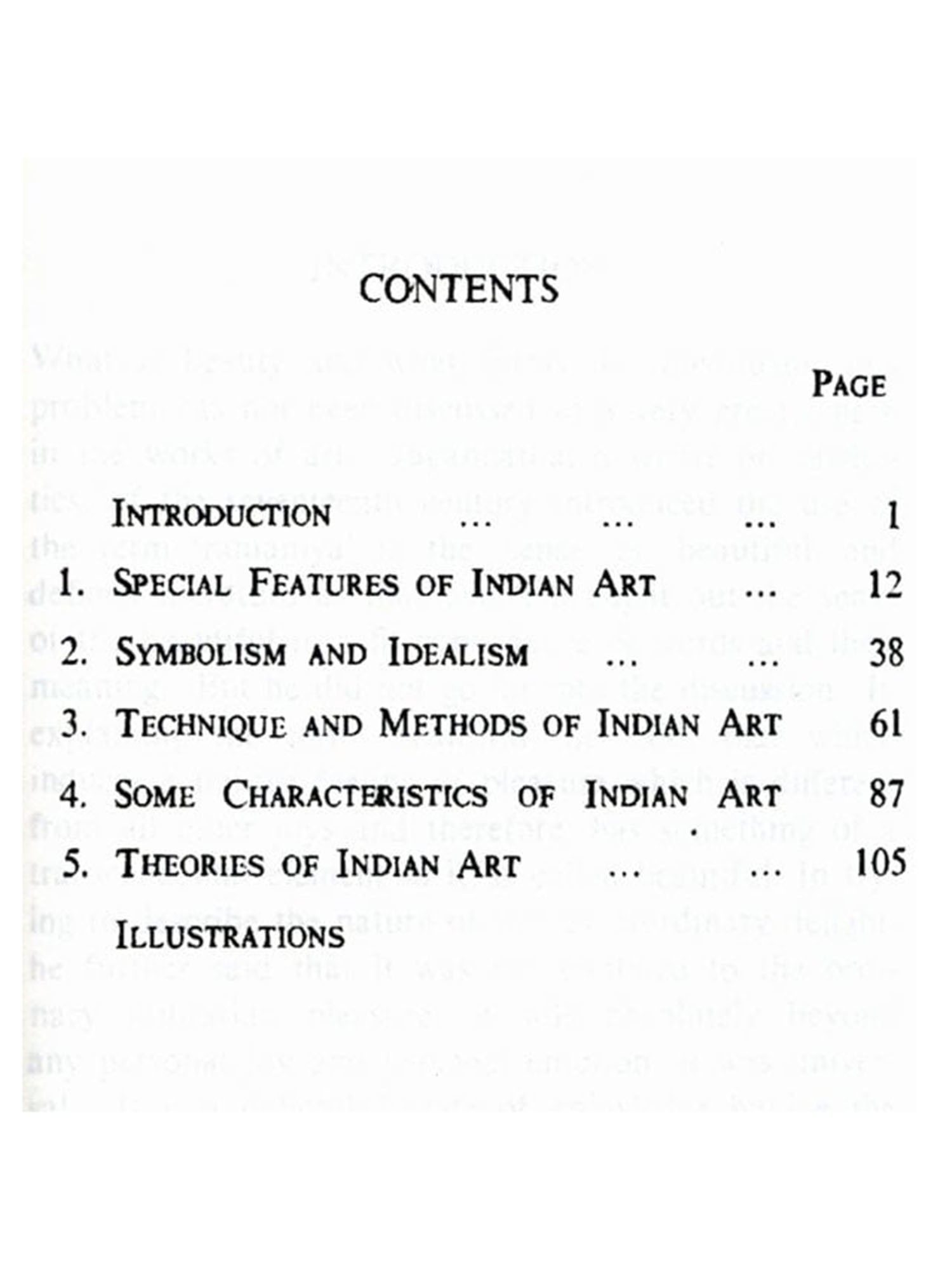
In this book, the author explores the Fundamentals of Indian Art, covering various topics such as Special Features of Indian Art, Symbolism and Idealism, Technique and Methods of Indian Art, and Some Characteristics of Indian Art Theories. Jagannatha, a 17th-century aesthetics writer, introduced the term 'ramaniya' while delving into the concept of beauty. He defined beauty as a unique and transcendent pleasure with universal and emotional aspects. This experience, separate from ordinary pleasure, is directly intuited. Jagannatha differentiated it from 'rasa,' an aesthetic sentiment derived from art. Rabindranath suggested that beauty provides joy without utility, indicating Internal fulfillment, unlike ordinary joy linked to desire. Aesthetic pleasure lacks defined conditions, making it elusive.
About the Author
Surendranath Dasgupta (1887-1952) was an Indian scholar renowned for his expertise in Sanskrit and Indian philosophy. Born in Bengal, he excelled in Sanskrit at Calcutta's Ripon College before obtaining master's degrees in Sanskrit and Western philosophy. Dasgupta earned acclaim for his contributions to the History of Indian Philosophy, a groundbreaking five-volume series. His career included teaching positions, prestigious lectures, and international recognition. Despite health issues, Dasgupta remained dedicated to his scholarly pursuits until his death in 1952.
Preface
What is beauty and what forms its constituent: this problem has not been discussed to a very great length in the works of art. Jagannatha, a writer on aesthetics. of the seventeenth century introduced the use of the term 'ramaniya' in the sense of beautiful and defined literature as that which brought out the sense of the beautiful in a fit consonance of words and their meaning. But he did not go far into the discussion. In explaining the term 'beautiful' he said, that which induces a unique feeling of pleasure which is different from all other joys and therefore, has something of a transcendental element in it, is called beautiful. In trying to describe the nature of this extraordinary delight. he further said that it was not confined to the ordinary utilitarian pleasure: it was absolutely beyond any personal joy and personal emotion; it was universal. It is a delightful state of knowledge having the movement of a cognitive state in it; at the same time it has an end to realise. It is a creative movement of the mind leading to the creation or the realisation of an object impregnated with an emotive thrill. The sense of the beautiful is, according to Jagannatha, essentially an emotional thrill. This experience is different from all other experiences of pleasure and it brings its own testimony direct and invincible. It is not known by any ordinary means of knowledge, but it is directly intuited and is universal in its nature.