About the Book
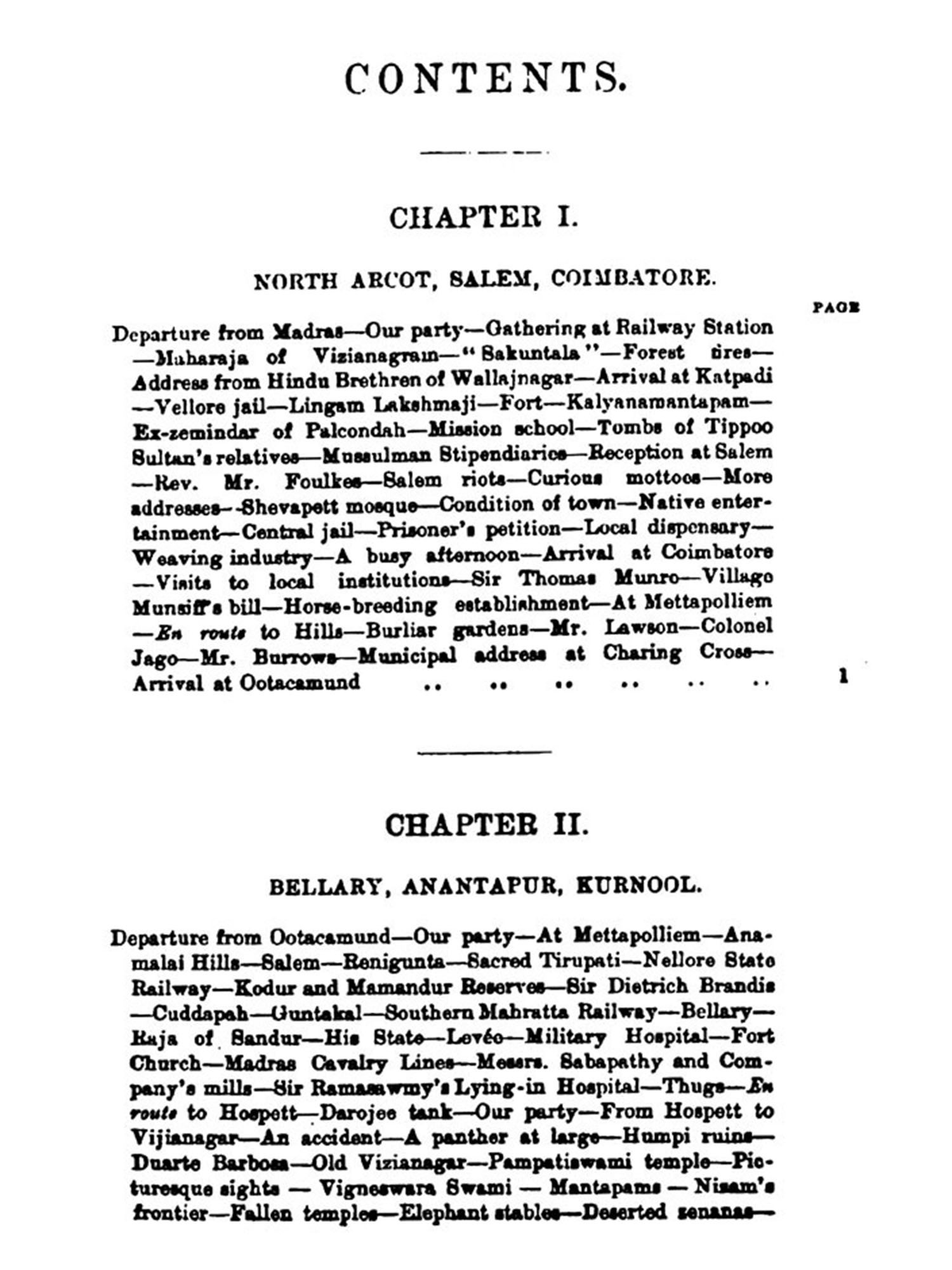
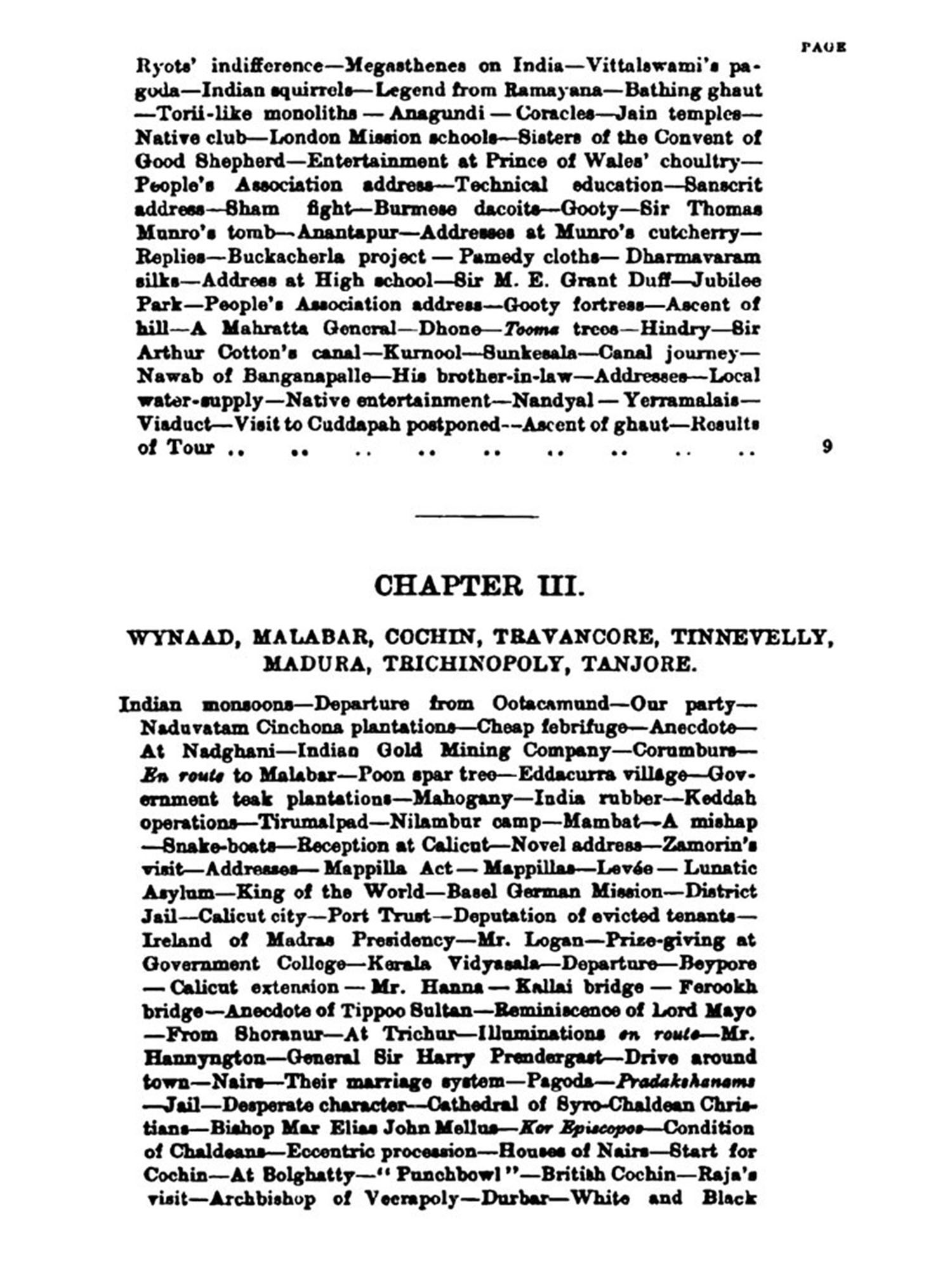
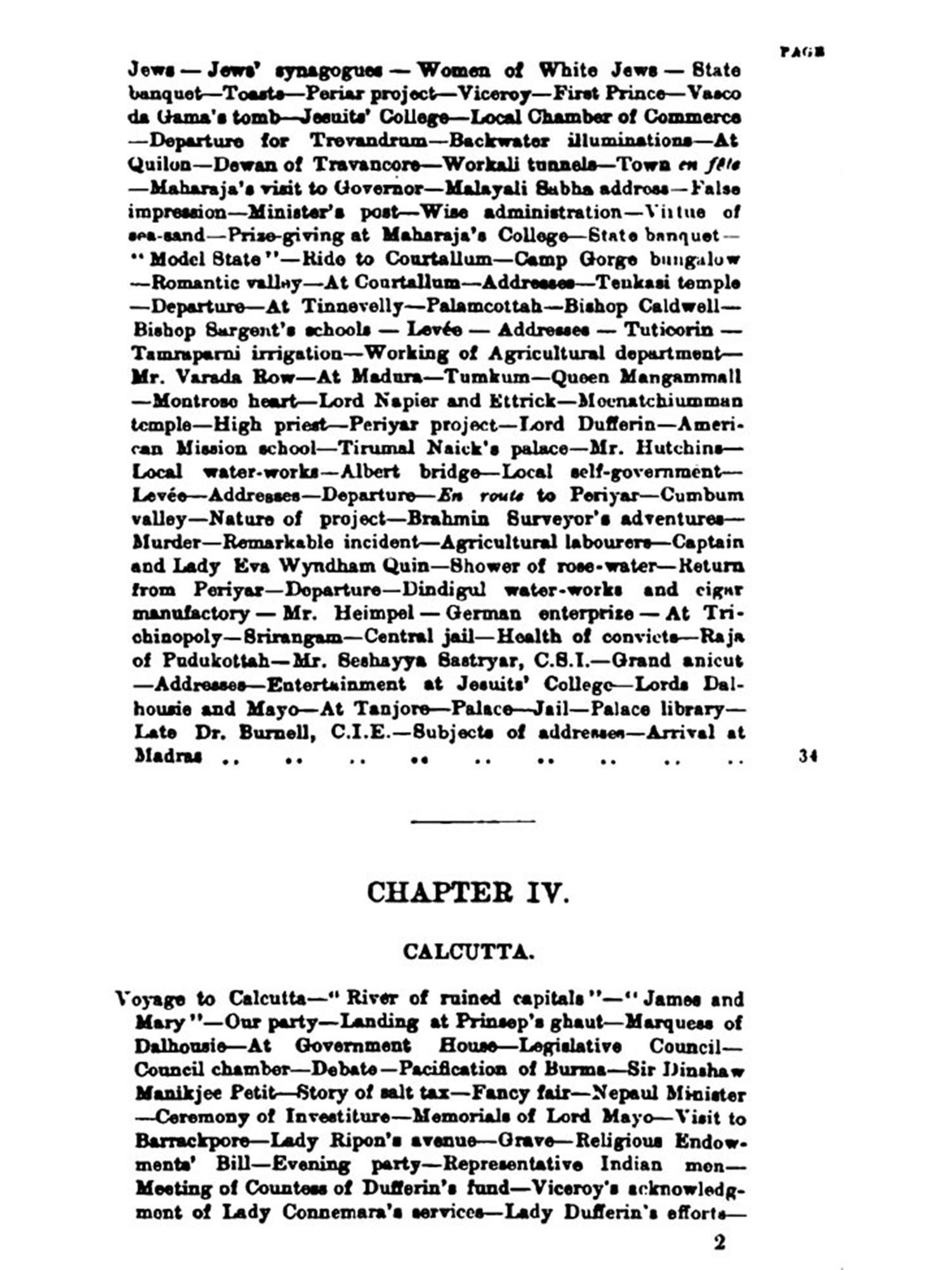
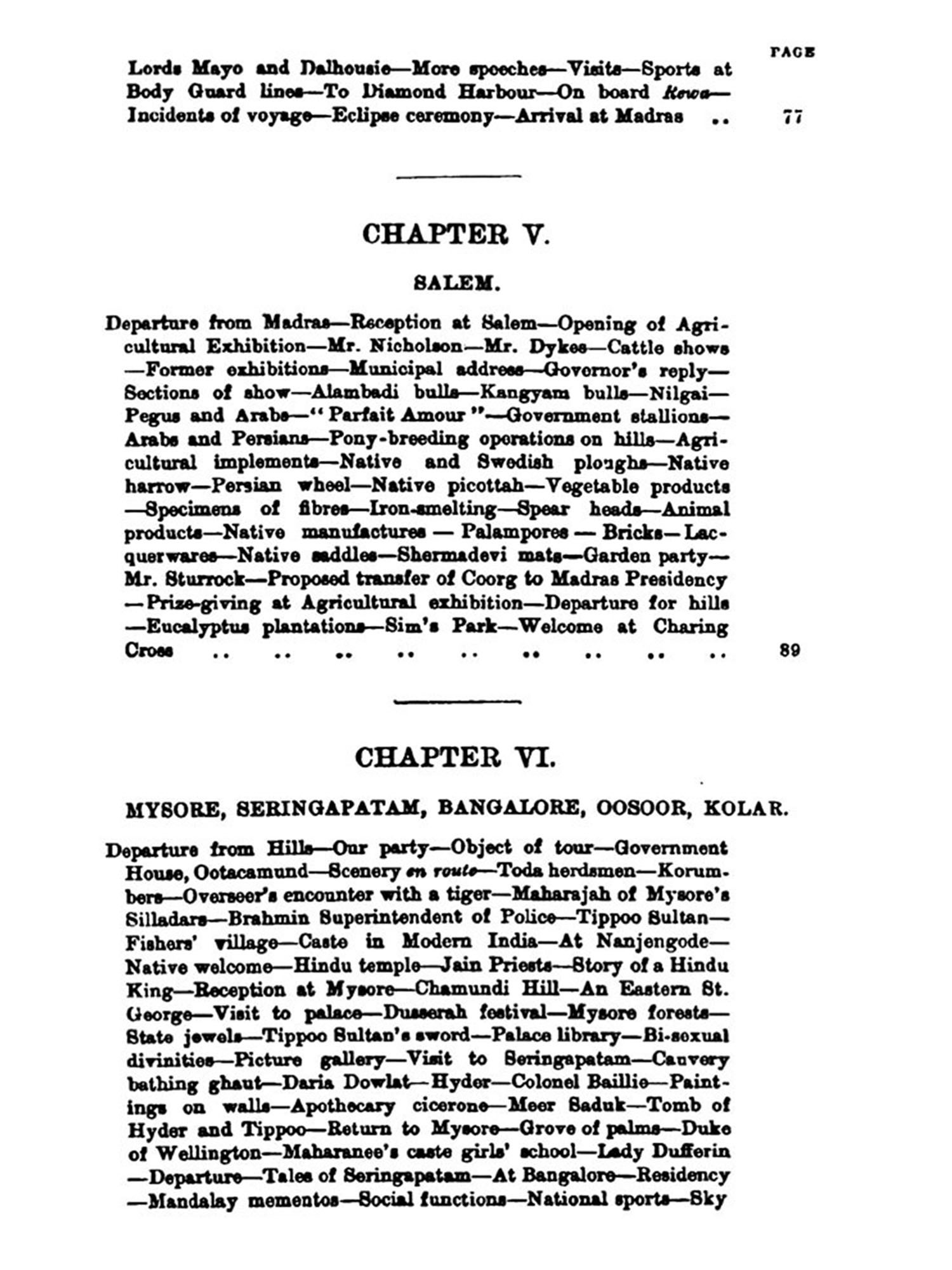
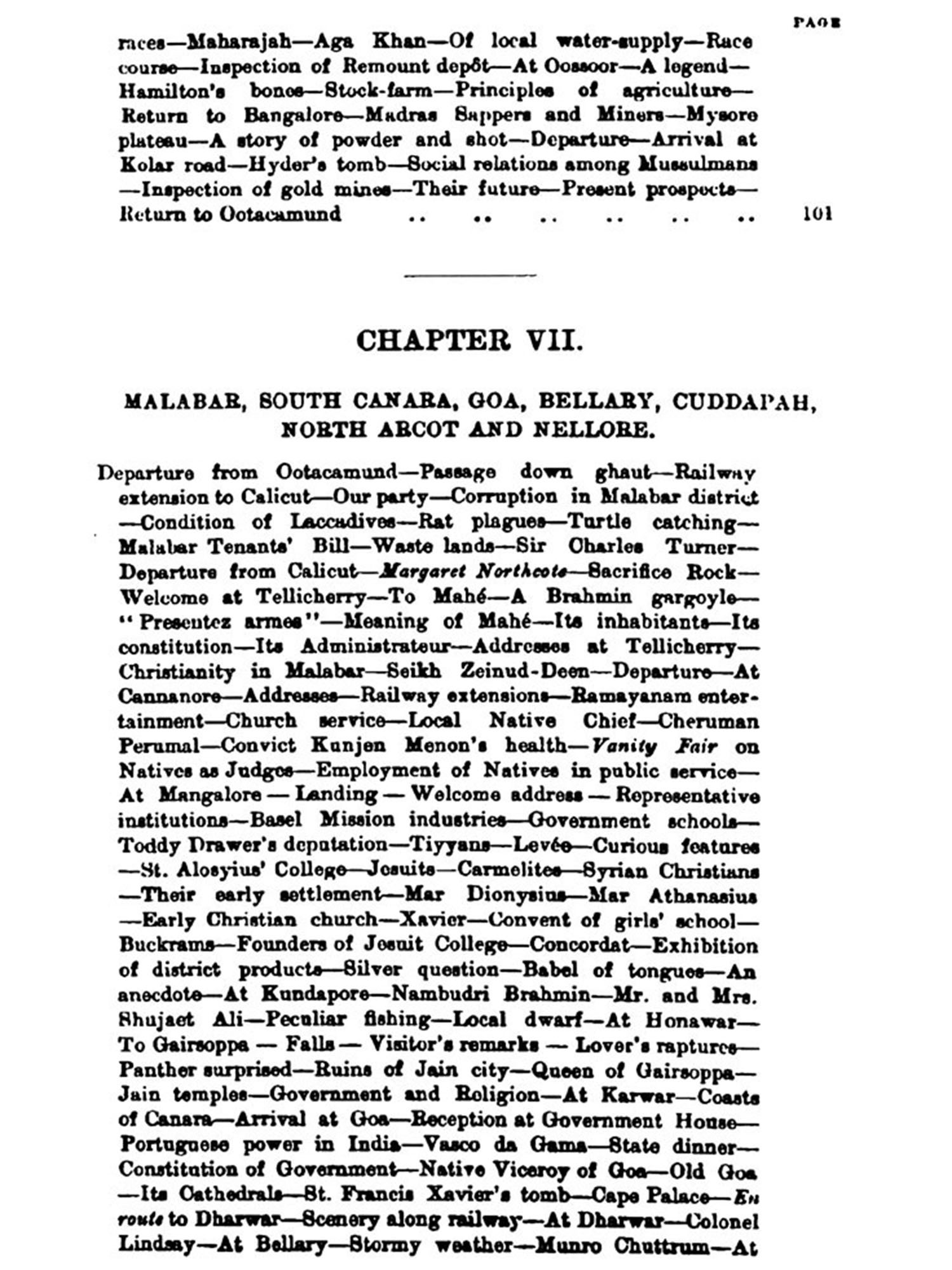
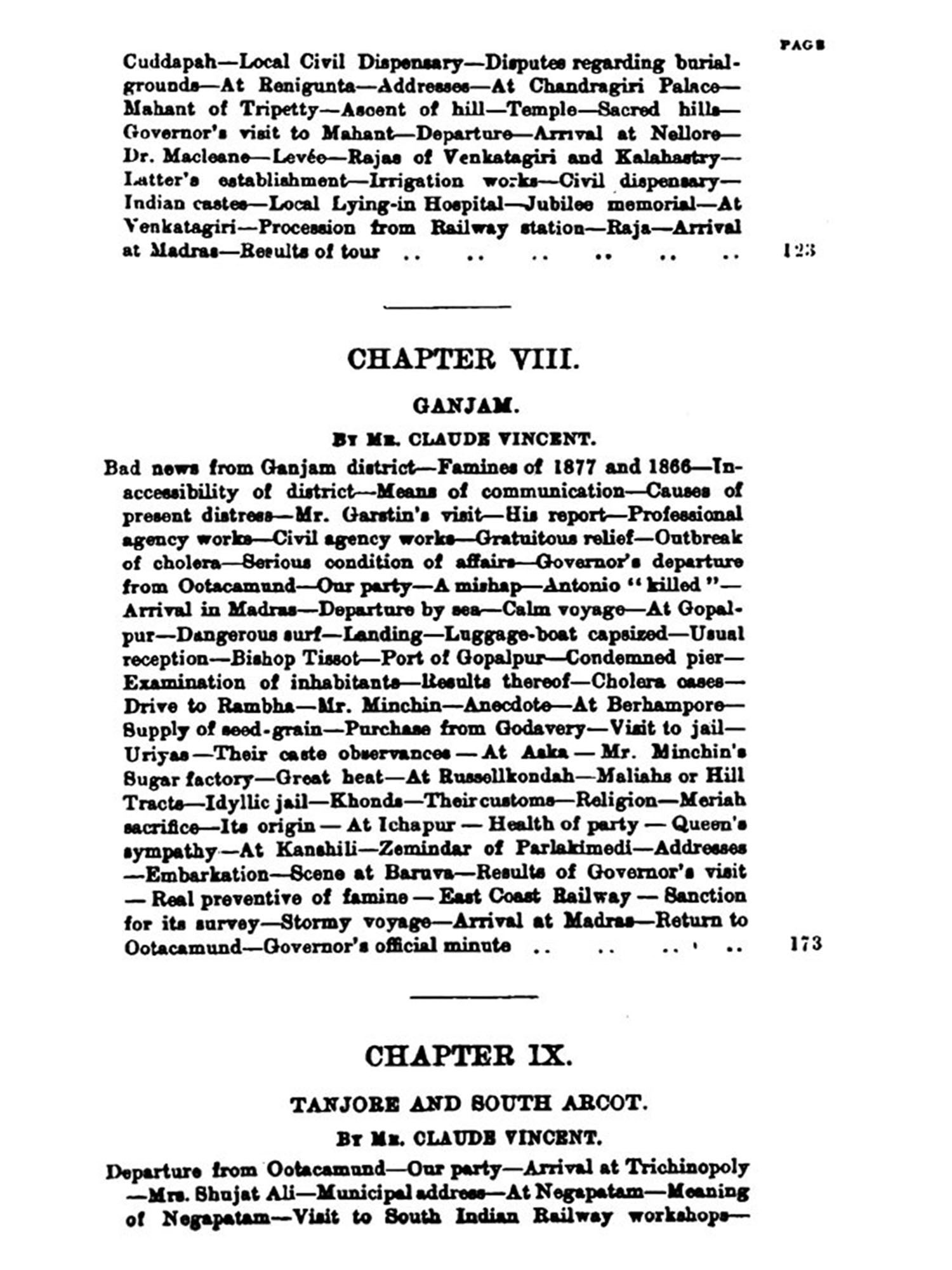
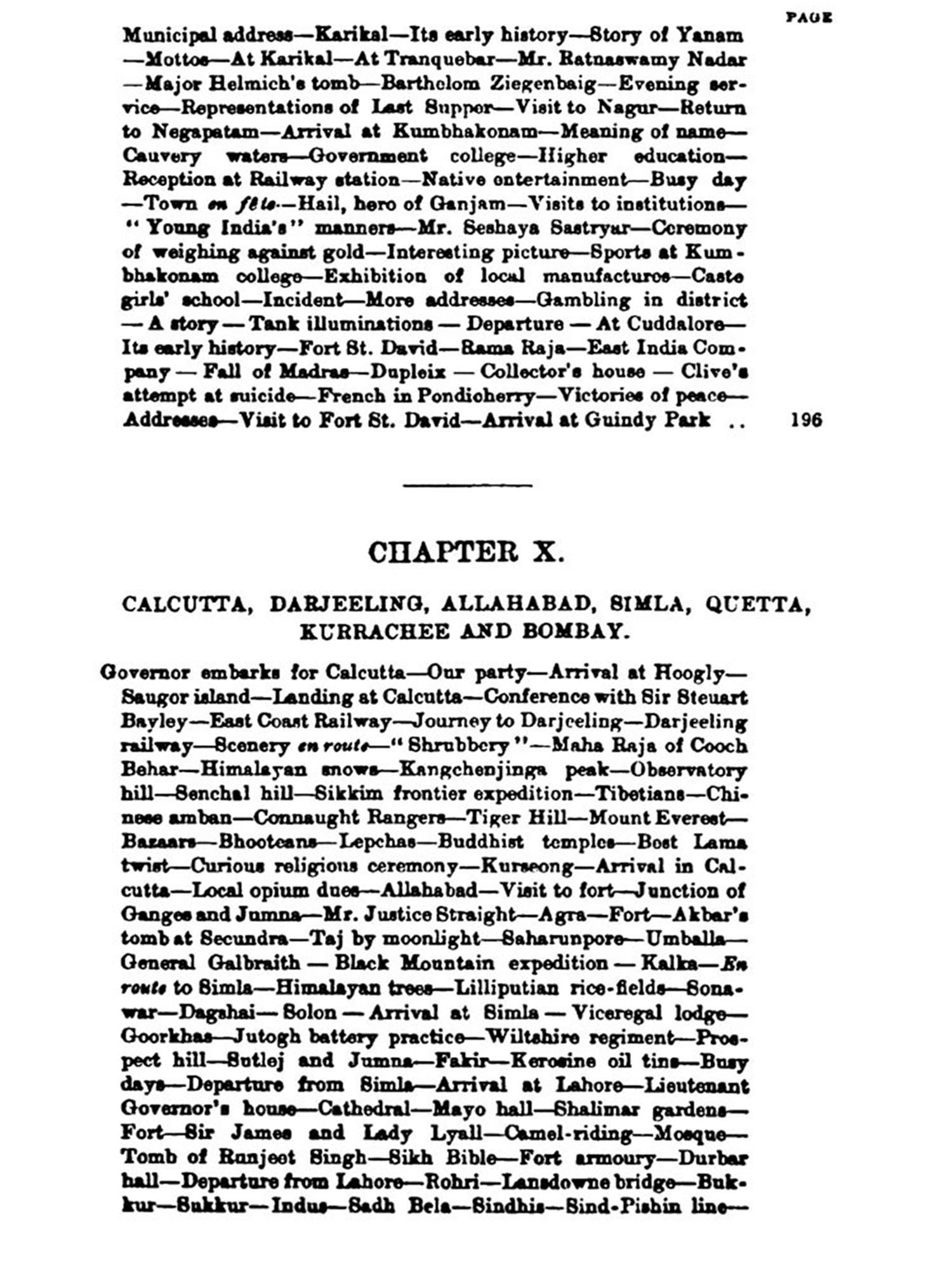
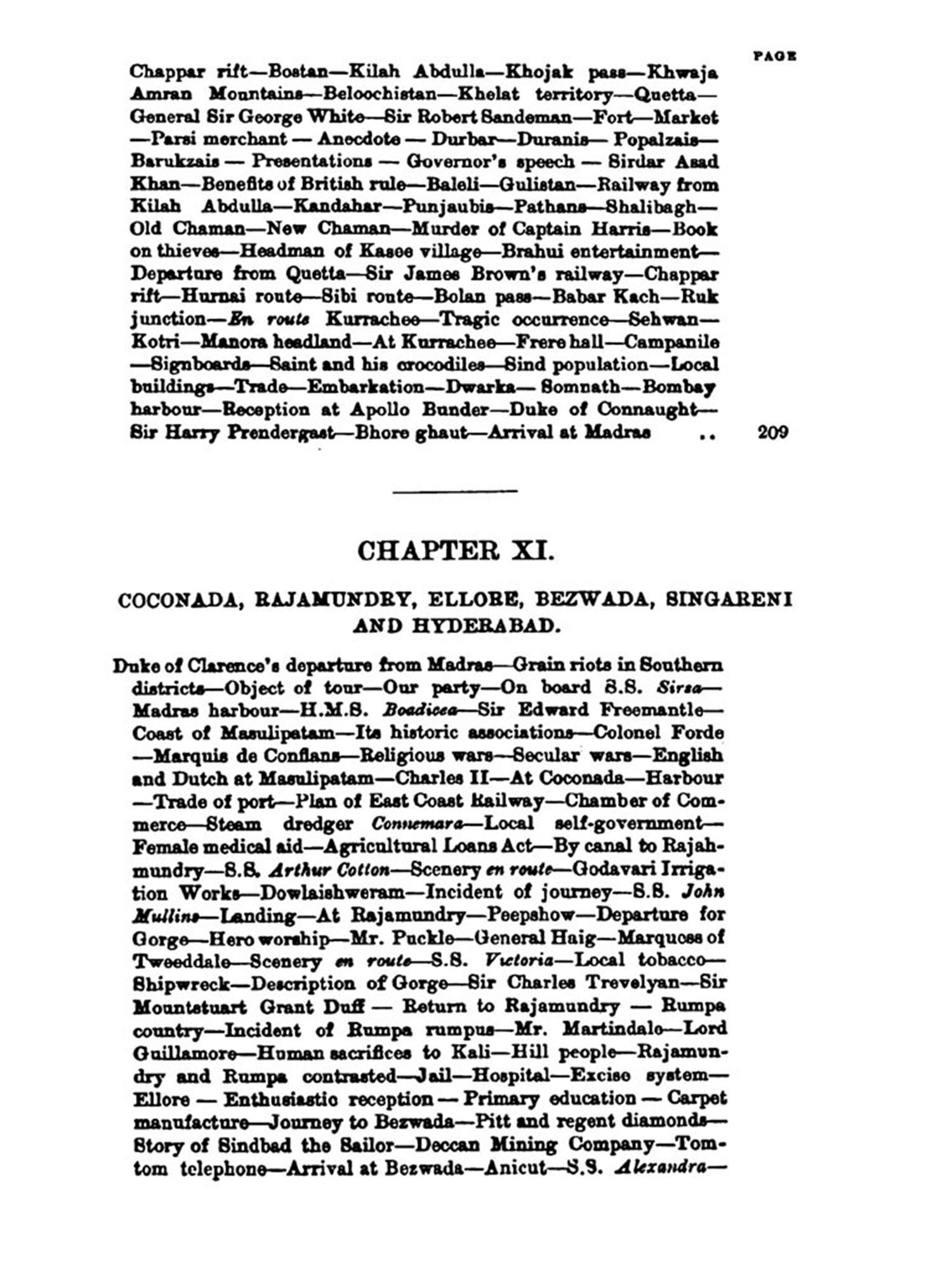
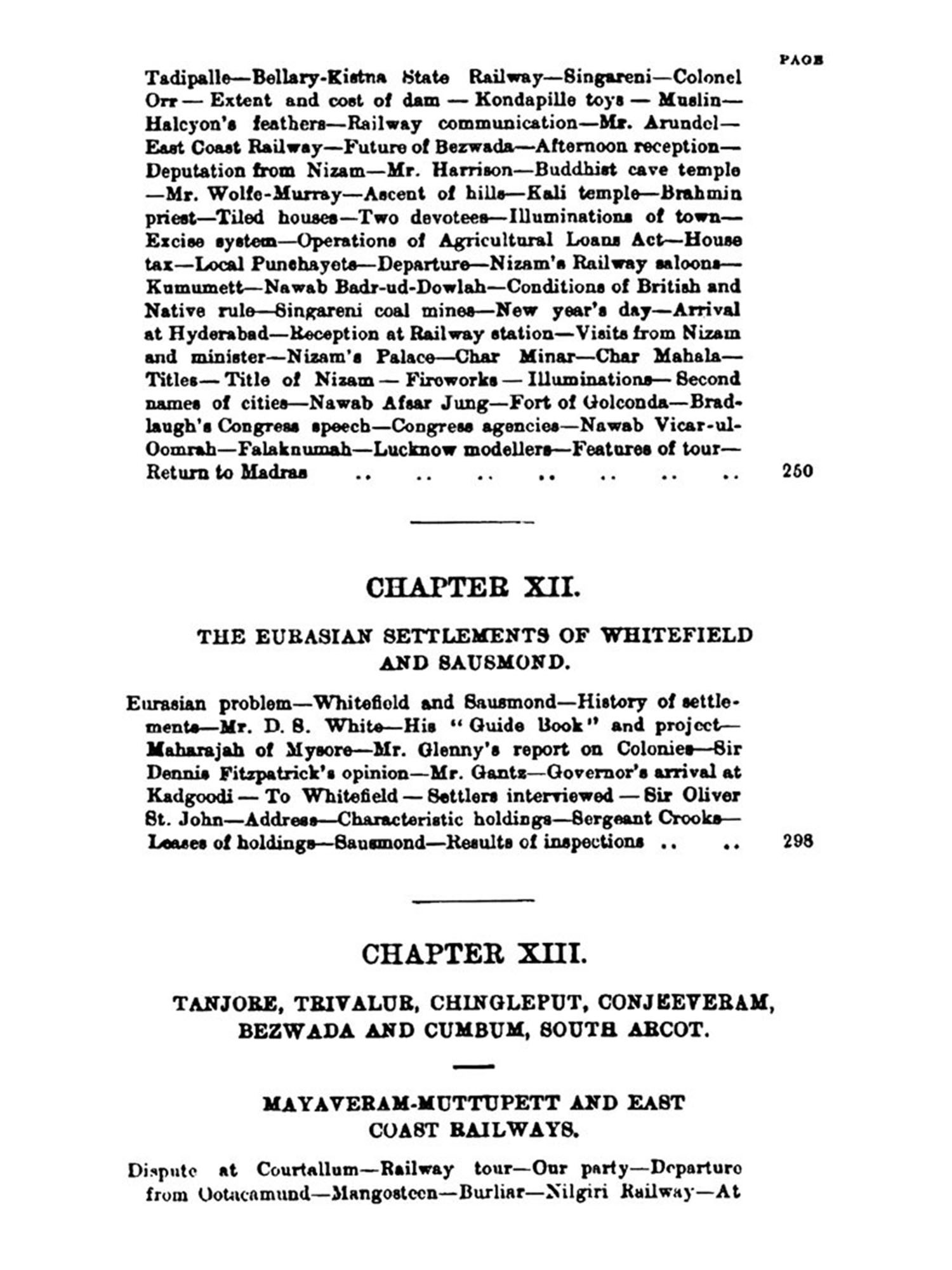
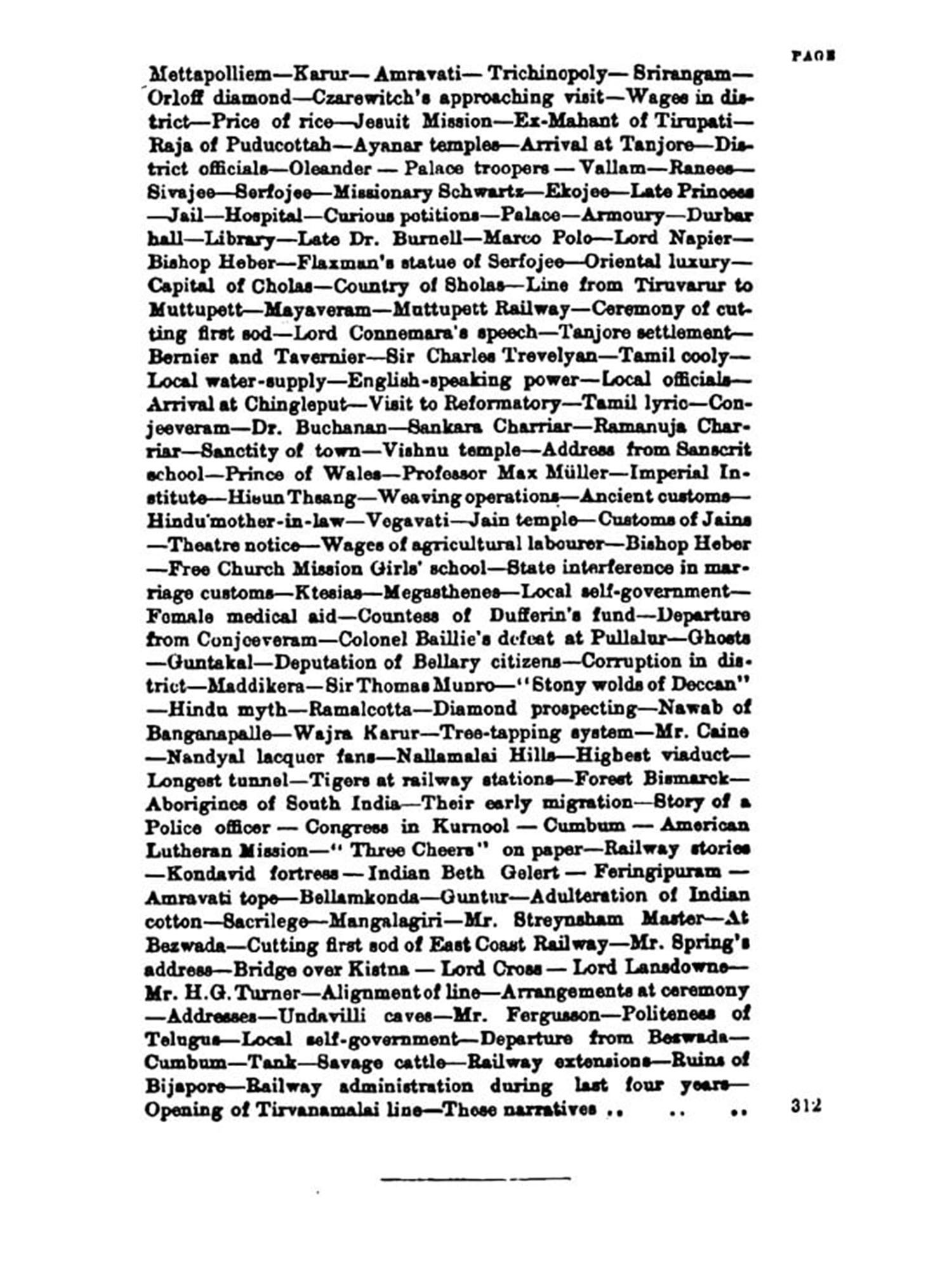
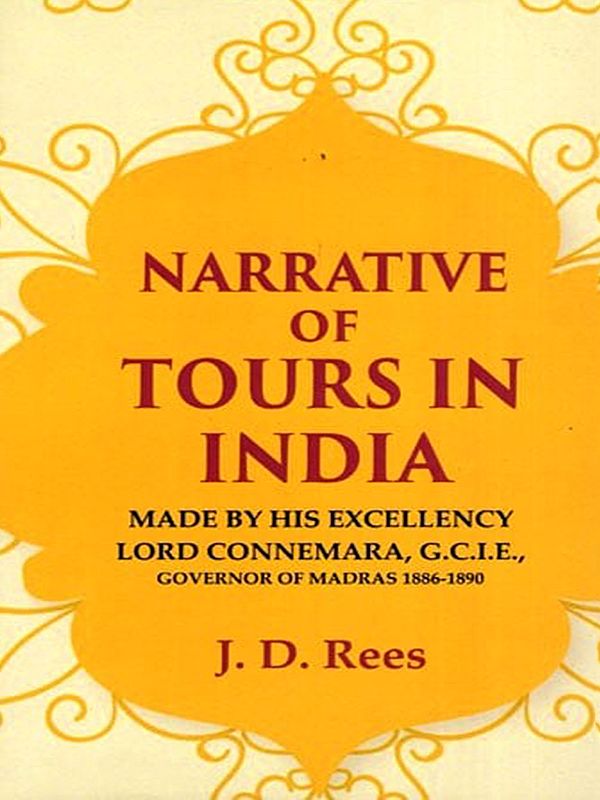
The book, "Narrative of Tours in India," chronicles the extensive travels of Lord Connemara, Governor of Madras, from 1886 to 1890. Covering regions like Coimbatore, Bellary, and Kurnool, it delves into encounters with local rulers, historical explorations, and community interactions. The narrative extends to cities such as Darjeeling, Calcutta, and Bombay, offering insights into colonial governance, cultural diversity, and economic activities. From Coconada to Hyderabad, it provides a comprehensive view of the regions visited, highlighting aspects of administration, societal customs, and regional development. Lord Connemara's journeys serve of India's diverse landscapes, people, and historical significance during the late 19th century.
About the Author
Sir John David Rees, 1st Baronet, KCIE, CVO, was a colonial administrator in British India and later a Member of Parliament for the Liberal Party. Rees' legacy encompasses his significant contributions to colonial governance and his political service in Westminster.
Preface
THE first of the following Narratives of Tours, made in India between the years 1886 and 1890, was written for private circulation, that friends at home might know what Lord Connemara and his staff were doing in India. A copy of the first narrative, how I know not, was communicated to the English Press and was very favourably reviewed. The Editors of certain Indian newspapers then asked that they might be supplied with copies; and, as there was nothing confidential in the narratives, their requests were granted. In this way these papers, which were originally meant to be private, and were intended for home consumption, have been made public, and they are now reprinted in a book form in accordance with suggestions made by many literary, official, and journalistic friends. The eighth and ninth, and a portion of the tenth narratives were written by Mr. Claude Vincent, who performed my duties, during my absence in England last year. The rest are my own composition, and I am responsible for the accuracy of the information they contain, and for the opinions which are expressed in them.








 Upload an Image