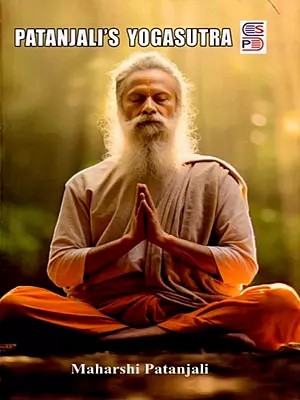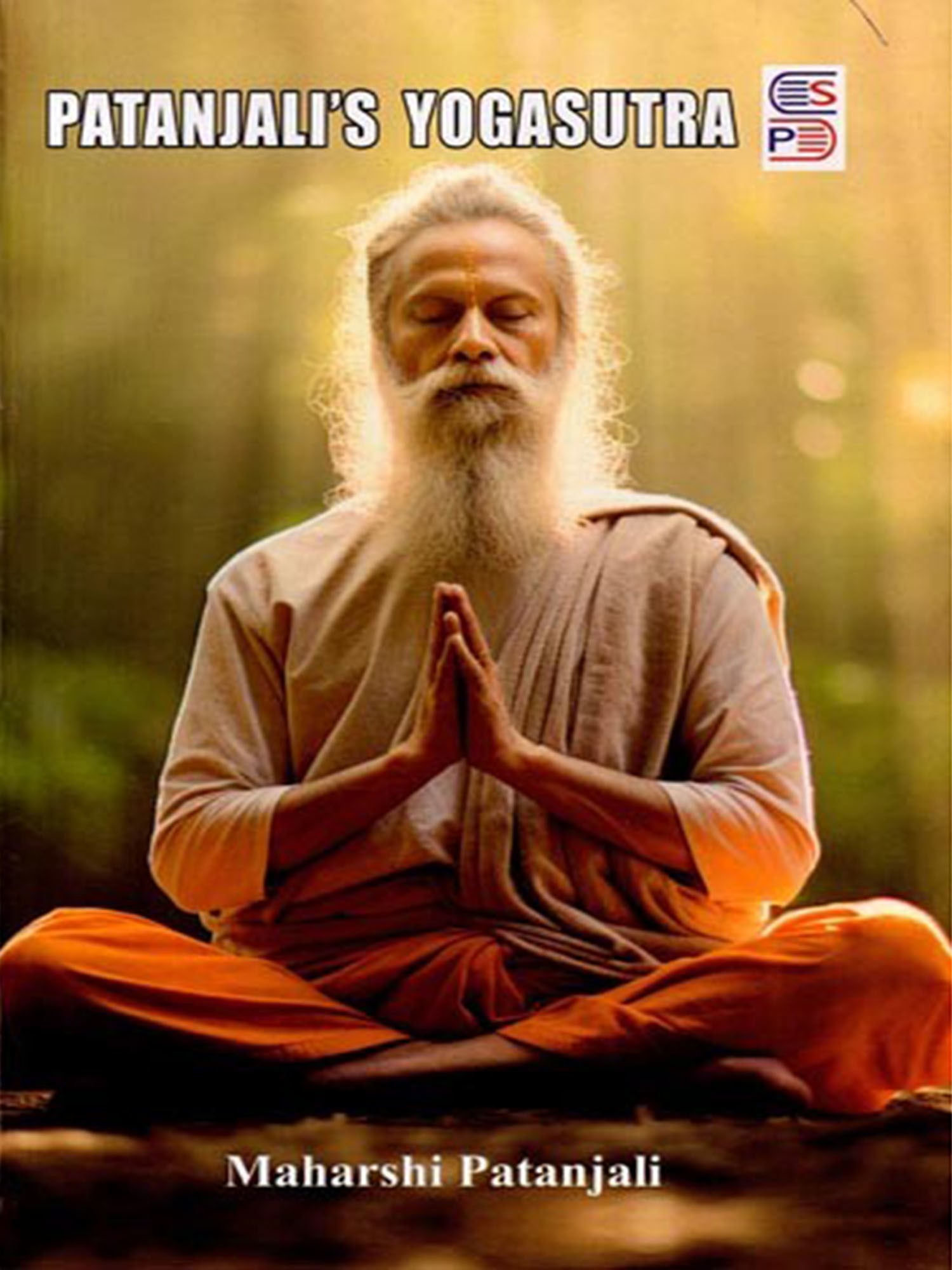
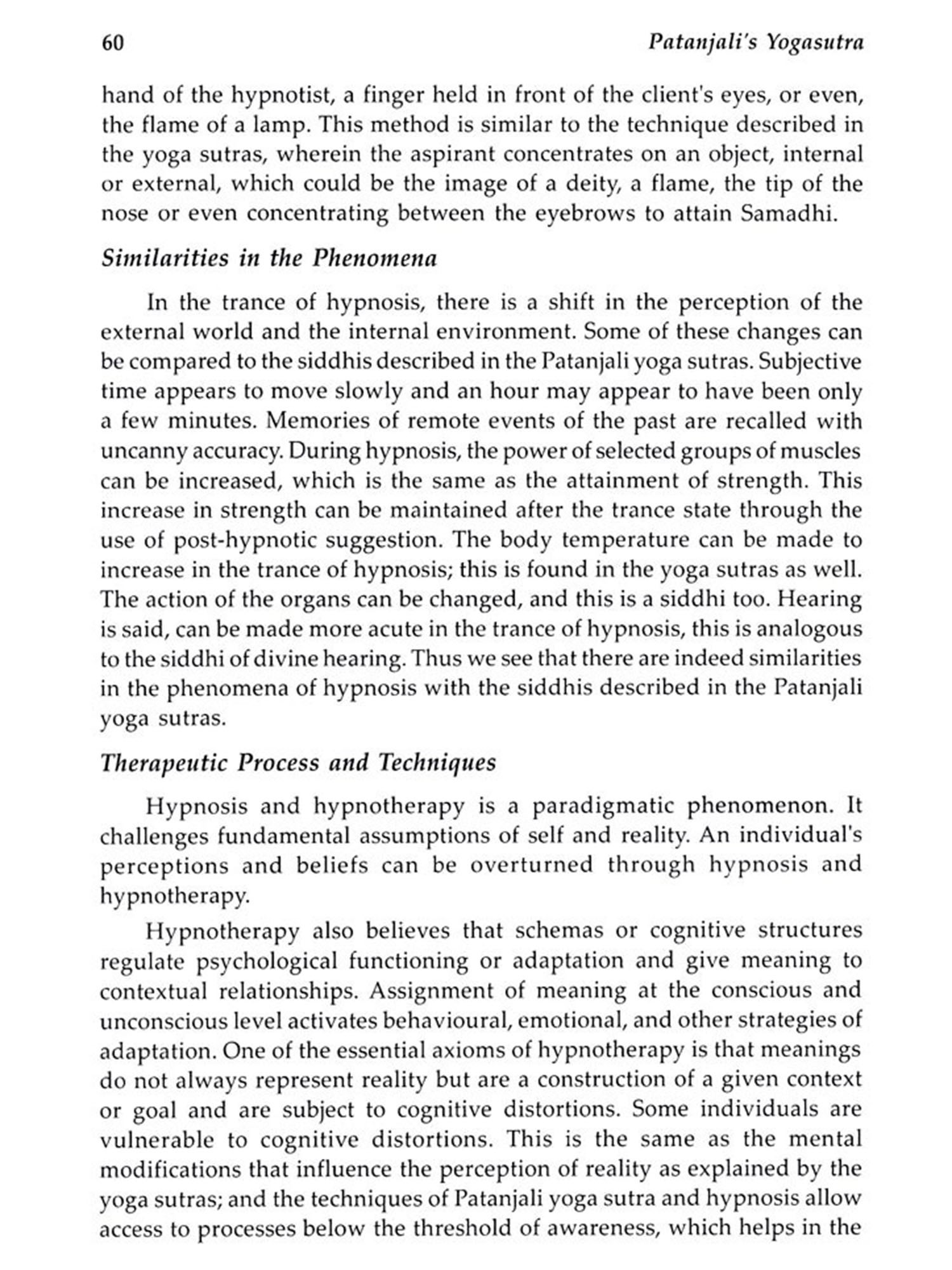
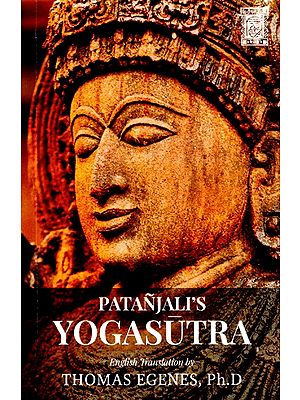
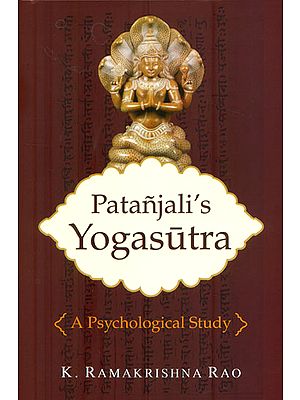
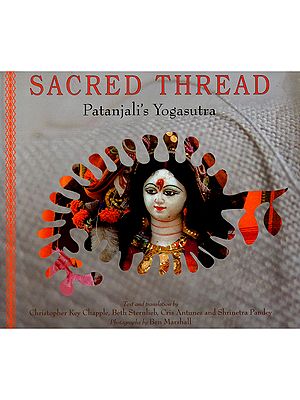
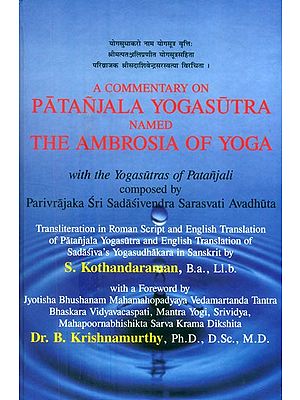
Patanjali's Yogasutra

| Specifications |
 |
Publisher: SADDLE PUBLISHERS, DELHI |
| Author Maharshi Patanjali | |
| Language: English | |
| Pages: 251 | |
| Cover: HARDCOVER | |
 |
9.5x6.5 Inch |
 |
Weight 550 gm |
| Edition: 2025 | |
| ISBN: 9788119312085 | |
 |
HBV907 |
| Delivery and Return Policies |
 |
Usually ships in 5 days |
 |
Returns and Exchanges accepted within 7 days |
 |
Free Delivery |


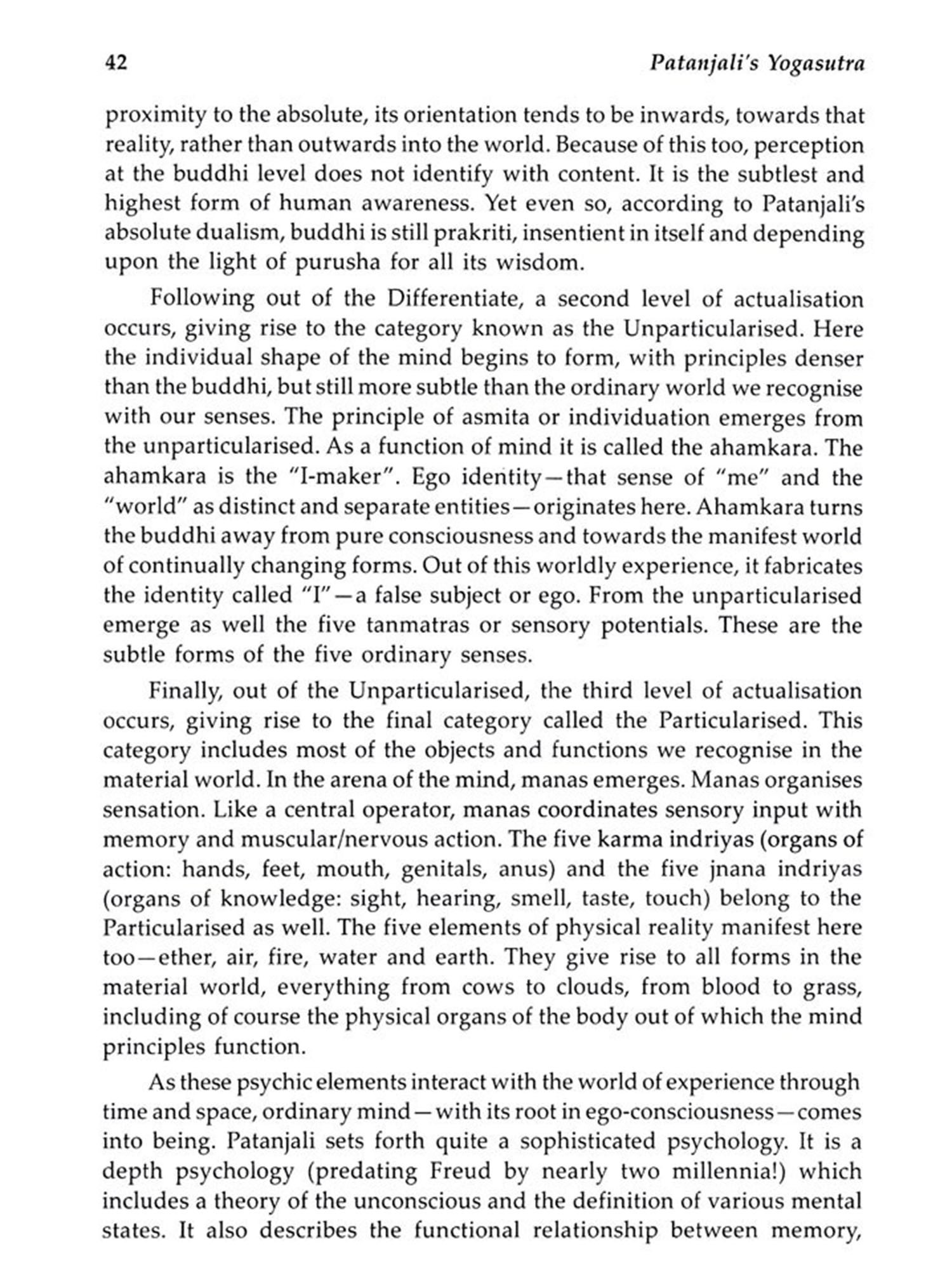
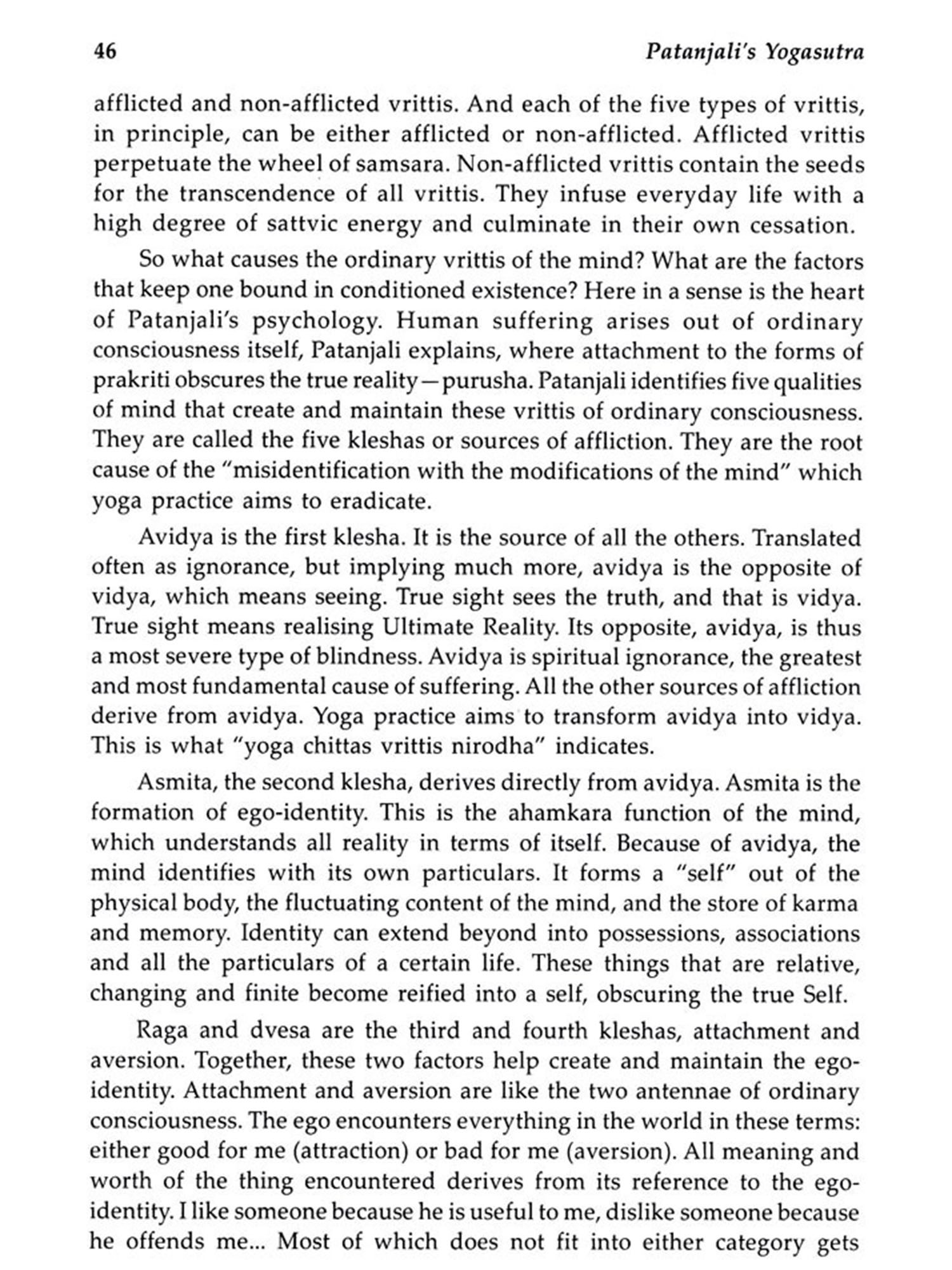
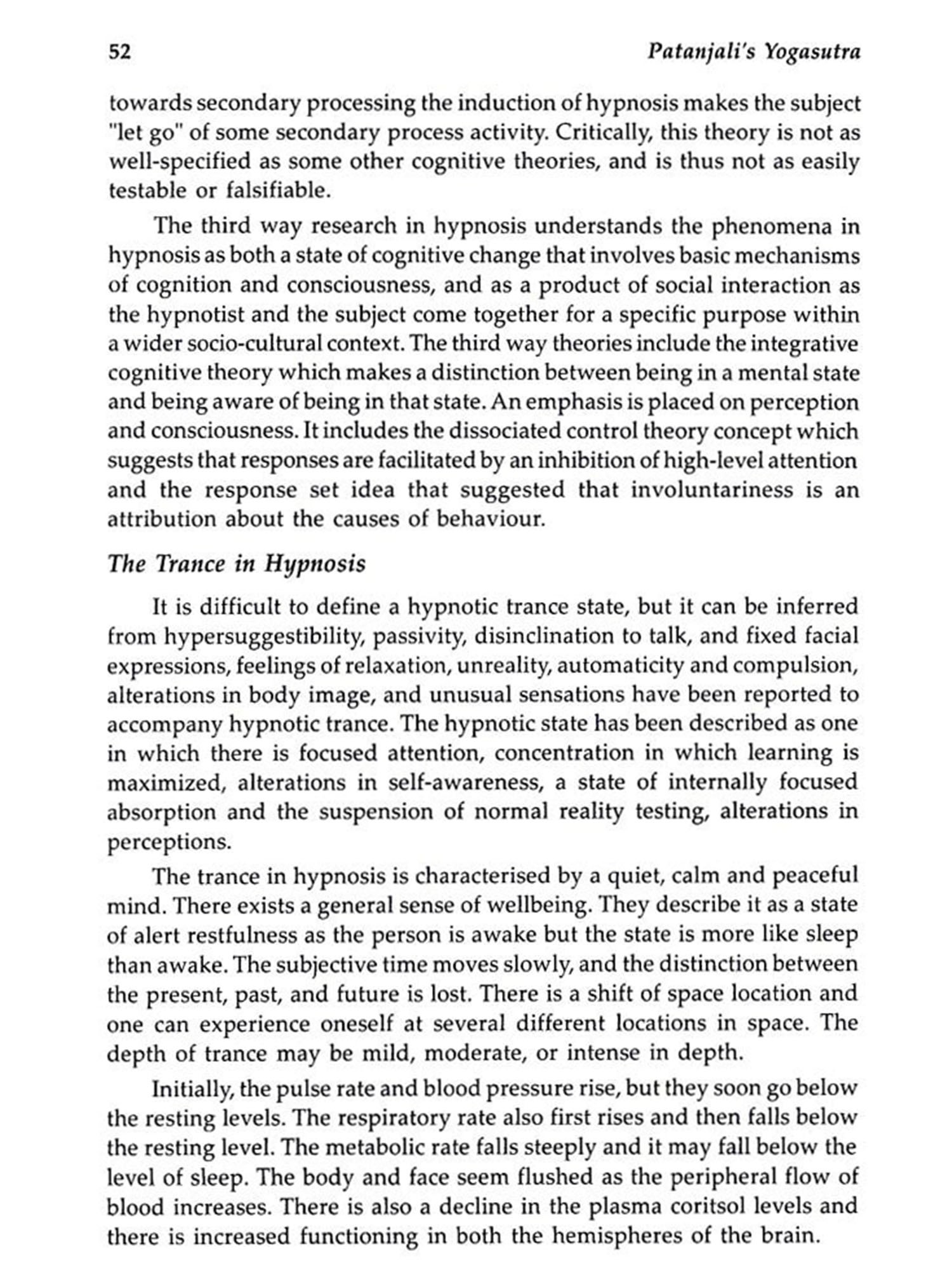
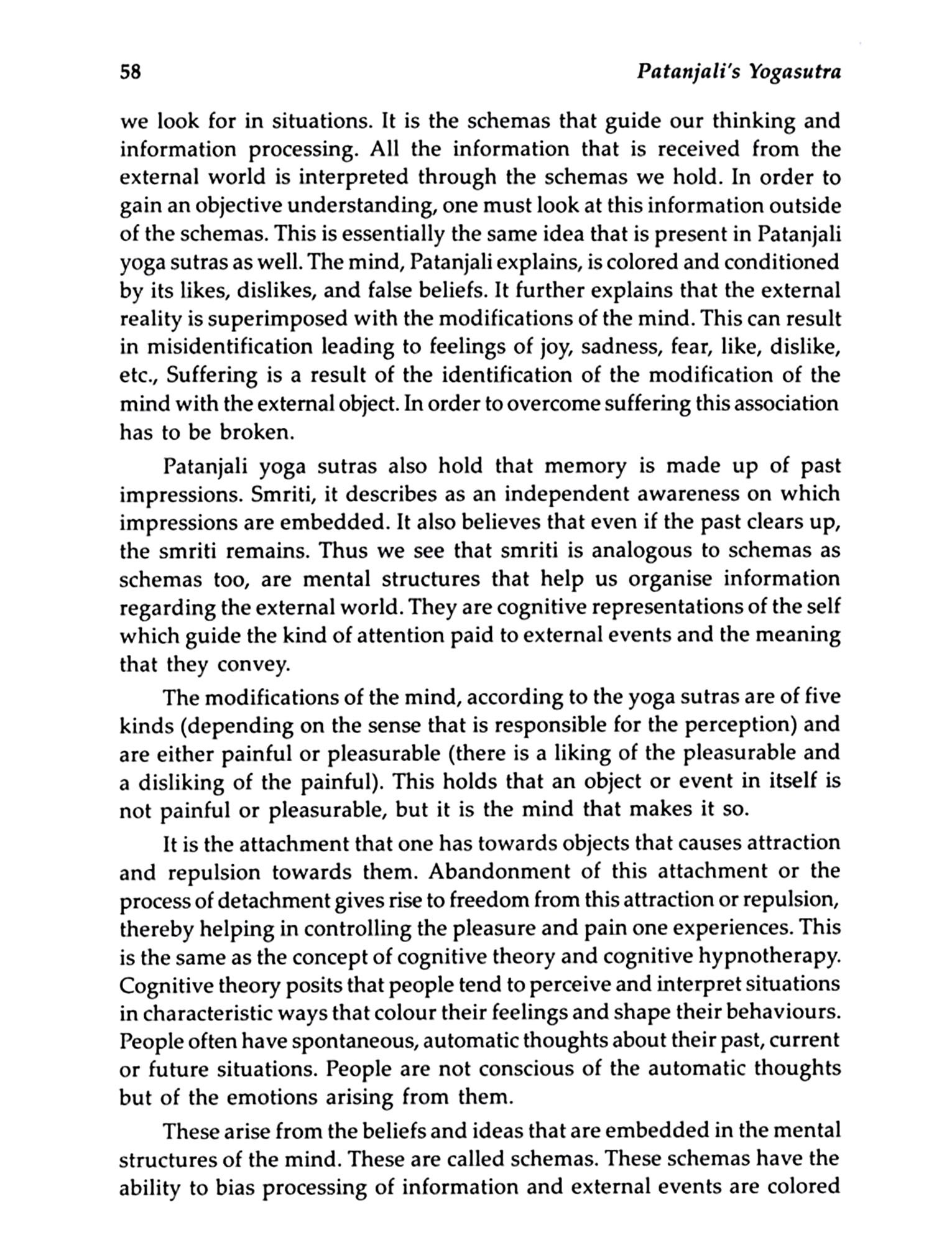
Patanjali's Yogasutra is a cornerstone of classical yoga
philosophy, comprising 195 succinct aphorisms that outline the path of yoga.
Written around the 2nd century BCE, this text provides profound insights into
the practice of yoga, which Patanjali defined as the cessation of the
fluctuations of the mind. In doing so, it provides a pathway to inner peace,
spiritual awakening, and liberation. The Yogasutra is revered not only as a
spiritual guide but also as a practical manual for personal growth and transformation.
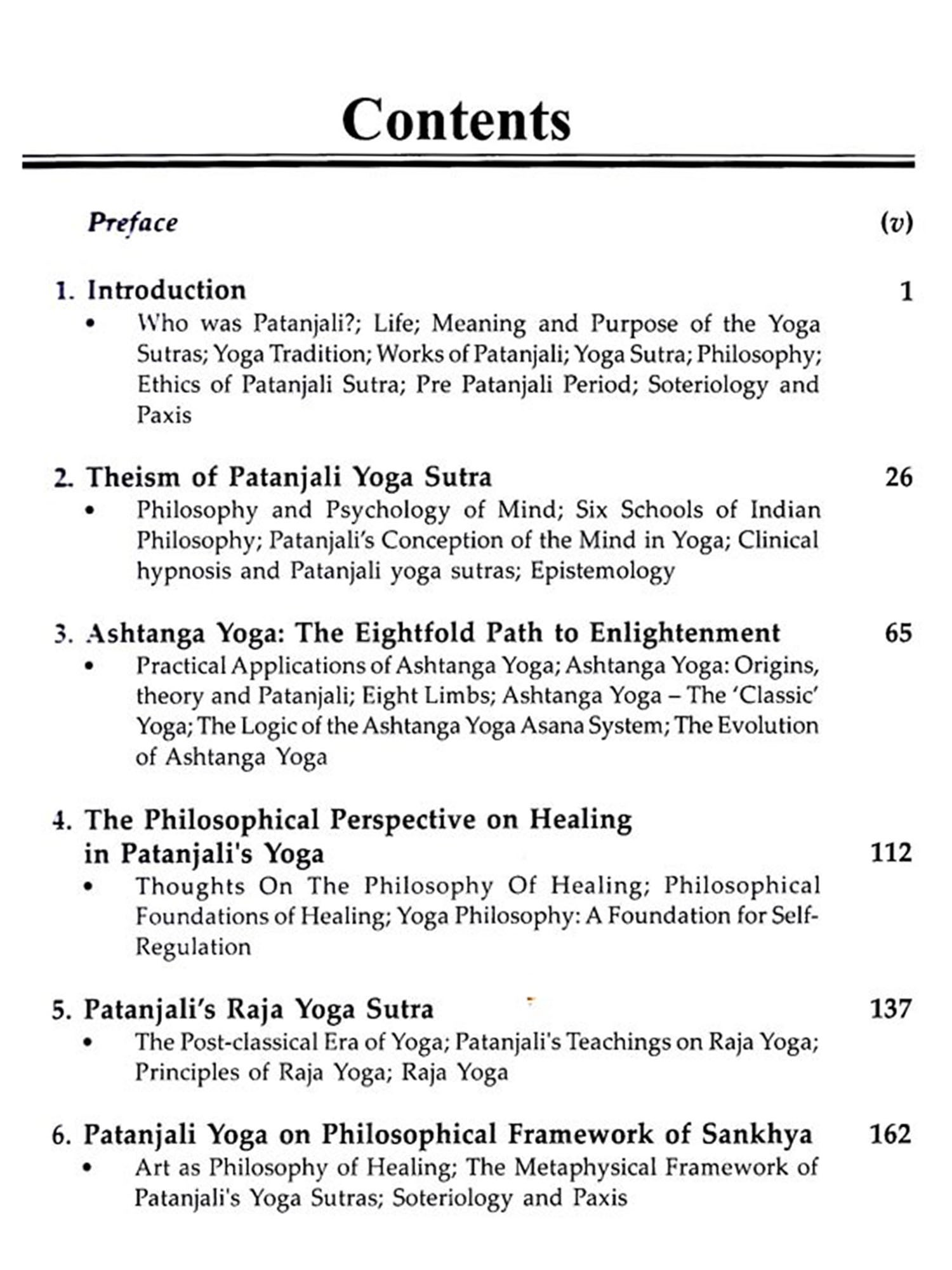
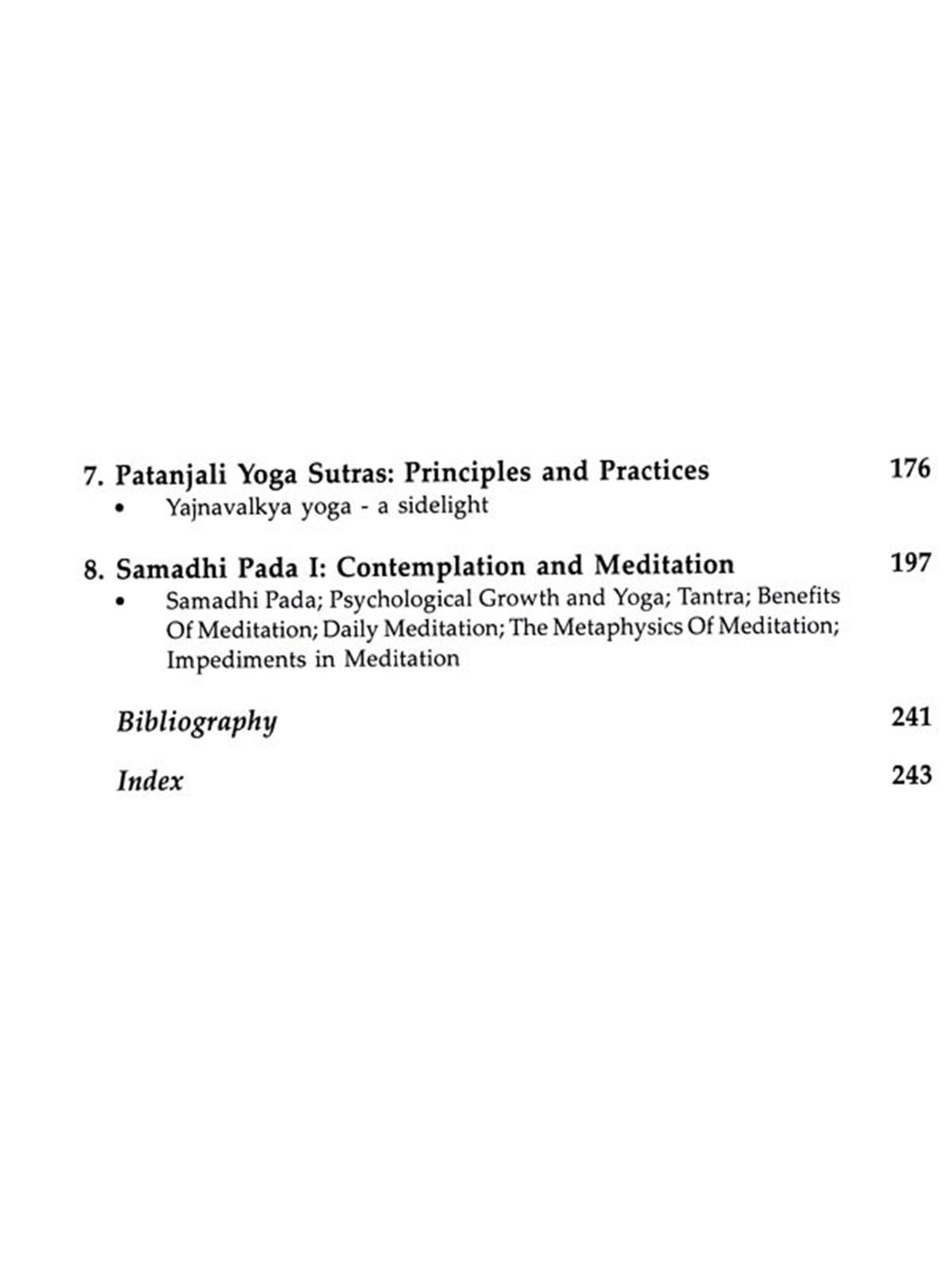
The Yogasutra is divided into four chapters, each dealing with different
aspects of yoga. The first chapter, Samadhi Pada, deals with the nature of the
mind and the goal of yoga: achieving Samadhi, a state of complete concentration
and absorption. The second chapter, Sadhana Pada, focuses on the practical
aspects of yoga, describing the process of self-dicipline and spiritual
practice. The third chapter, Vibhuti Pada, elaborates on the powers that can
arise through yoga, such as extraordinary mental clarity. The final chapter,
Kaivalya Pada, explores the ultimate state of liberation, where one experiences
freedom from the material world and attains spiritual enlightenment. One of the
most influential teachings of the Yogasutra is the concept of the eightfold
path, known as Ashtanga Yoga. This path includes eight key practices: Yama
(moral restraints), Niyama (personal observances), Asana (physical postures),
Pranayama (breath control), Pratyahara (withdrawal of the senses), Dharana
(concentration), Dhyana (meditation), and Samadhi (a state of deep, undisturbed
concentration). Through these practices, Patanjali guides practitioners toward
mastering the body, mind, and spirit to achieve self-realization and inner
peace. The first two aspects of Ashtanga Yoga Yama and Niyama provide the
ethical foundation for yoga practice. Yama consists of five moral restraints:
non-violence (Ahimsa), truthfulness (Satya), non-stealing (Asteya), celibacy
(Brahmacharya), and non-possessiveness (Aparigraha). These principles encourage
individuals to live harmoniously with others and the world around them. Niyama
consists of five personal observances: cleanliness (Shaucha), contentmen.
(Santosha), austerity (Tapas), self-study (Svadhyaya), and devotion to a highe
power (Ishvara Pranidhana). These practices help individuals cultivate inne
discipline, spiritual growth, and self-awareness. Asana and Pranayama, the
third and fourth limbs of the eightfold path focus on the physical and breath
practices of yoga Asana refers to the practice of physical postures, which
Patardali emphasizes as a means to prepare the body for meditation ard to achieve
stillness and strength. These postures help also Pranayama involves controlling
the breath, which is seen as the link between the body and mind. By regulating
the breath, practitioners can calm the mind, balance energy, and prepare
themselves for deeper meditative states, The next three limbs Pratyahara (sense
withdrawal), Dharana (concentration), and Dhyana (meditation) - focus on mental
control and spiritual practice. Pratyahara involves turning inward, withdrawing
attention from external distractions, and focusing on the inner self. Dharana
is the practice of concentration, where the practitioner focuses their mind on
a single point or object. This leads to Dhyana, or meditation, where the
practitioner enters a deeper state of awareness and connection to the divine or
universal consciousness. These practices allow for an increased sense of inner
calm and spiritual clarity. The ultimate goal of the Yogasutra, as outlined in
the final chapter, Kaivalya Pada, is the attainment of Kaivalya, or liberation.
This state is described as a transcendence of the material world and the ego,
leading to self-realization and a deep, unshakable peace. Achieving Kaivalya
requires the practitioner to go beyond the fluctuations of the mind and to
transcend the dualities of pleasure and pain, success and failure. Patanjali
describes Kaivalya as the state where the individual soul (Purusha) is liberated
from the cycles of birth and rebirth, experiencing oneness with the universal
consciousness. Patanjali's Yogasutra continues to serve as a profound guide for
individuals seeking to understand themselves, their purpose, and their
connection to the universe. The text offers both practical advice and spiritual
insights, making it relevant for modern practitioners of yoga, meditation, and
mindfulness. Its teachings emphasize the importance of self-discipline, mental
clarity, and spiritual growth, helping individuals achieve harmony between the
body, mind, and spirit. The timeless wisdom contained in the Yogasutra remains
a foundational resource for anyone on the path to self-realization and inner
peace. In this work, Patanjali presents the essence of yoga, providing a
systematic pproach to self-discipline, mental control, and ultimate liberation
through a eries of concise aphorisms that continue to inspire yogic
practitioners and spiritual eekers worldwide.
Patanjali's Yogasutra is one of the most important texts in
the philosophy of yoga, offering a systematic approach to the practice and
understanding of yoga. Composed around the 2nd century BCE, it consists of 195
aphorisms (sutras) that outline the principles, practices, and goals of yoga.
The text is considered the foundation of classical yoga, combining both
philosophical teachings and practical guidance. The Yogasutra is divided into
four chapters: Samadhi Pada (on contemplation), Sadhana Pada (on practice),
Vibhuti Pada (on powers and accomplishments), and Kaivalya Pada (on
liberation). The first chapter introduces the concept of yoga as the cessation
of the fluctuations of the mind, leading to a state of stillness and higher
awareness. Patanjali outlines the eight-fold path of yoga (Ashtanga Yoga),
which includes ethical principles (Yama and Niyama), physical postures (Asana),
breath control (Pranayama), concentration (Dharana), meditation (Dhyana), and
ultimate absorption or enlightenment (Samadhi). The Yogasutra emphasizes the
importance of self-discipline, mental control, and inner tranquility in
attaining spiritual liberation (Kaivalya). Patanjali's teachings have
influenced not only yogic practices but also meditation, philosophy, and
spiritual development across the world. Patanjali's Yogasutra is a timeless
guide to understanding the philosophy and practices of yoga, offering profound
insights into the nature of the mind, meditation, and spiritual liberation.
-
Q. What locations do you deliver to ?A. Exotic India delivers orders to all countries having diplomatic relations with India.
-
Q. Do you offer free shipping ?A. Exotic India offers free shipping on all orders of value of $30 USD or more.
-
Q. Can I return the book?A. All returns must be postmarked within seven (7) days of the delivery date. All returned items must be in new and unused condition, with all original tags and labels attached. To know more please view our return policy
-
Q. Do you offer express shipping ?A. Yes, we do have a chargeable express shipping facility available. You can select express shipping while checking out on the website.
-
Q. I accidentally entered wrong delivery address, can I change the address ?A. Delivery addresses can only be changed only incase the order has not been shipped yet. Incase of an address change, you can reach us at help@exoticindia.com
-
Q. How do I track my order ?A. You can track your orders simply entering your order number through here or through your past orders if you are signed in on the website.
-
Q. How can I cancel an order ?A. An order can only be cancelled if it has not been shipped. To cancel an order, kindly reach out to us through help@exoticindia.com.