Preface
The Science of Ayurveda is a consequence of excellent intellect and hard work of ancient Indian Scholars, Ayurveda is such a unmatched gift of India to the world that every Indian must feel extremely proud about it. Today scientists all over the world are attracted towards Ayurvedic principles and herbs, and whatever is written and stated by sages like Atreya, Punarvasu, Charak, Dhanvantari, Sushrut, Kashyap, Hart ete is actually beyond our imagination. These principles and guidelines of diagnosis and treatment have developed after thousands and thousands of years of observation and experimentation Most of it is experienced practically. And this is the only reason that these principles, directives, remedies are never outdated and never shall be.
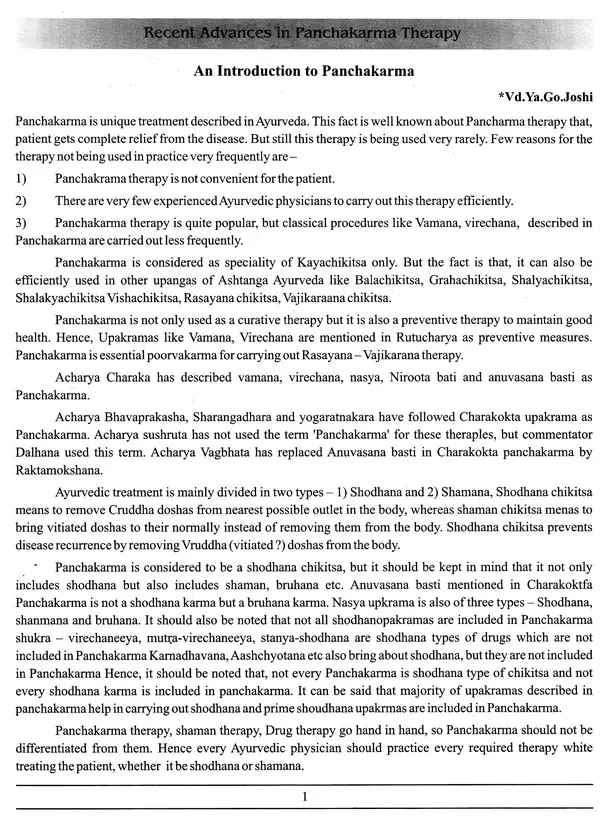
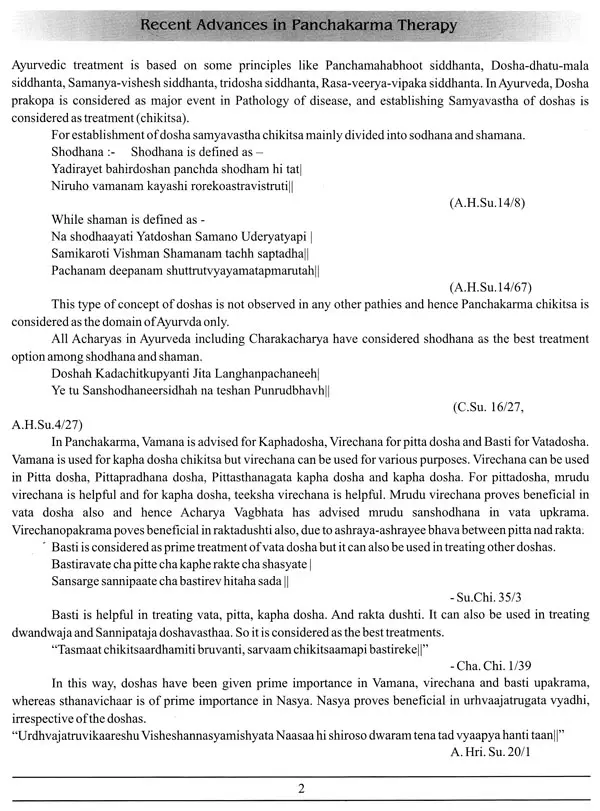
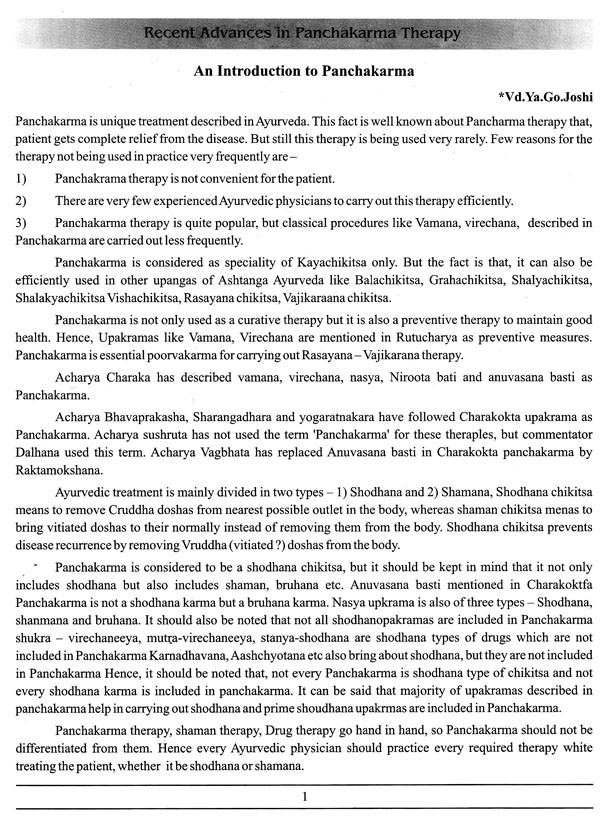
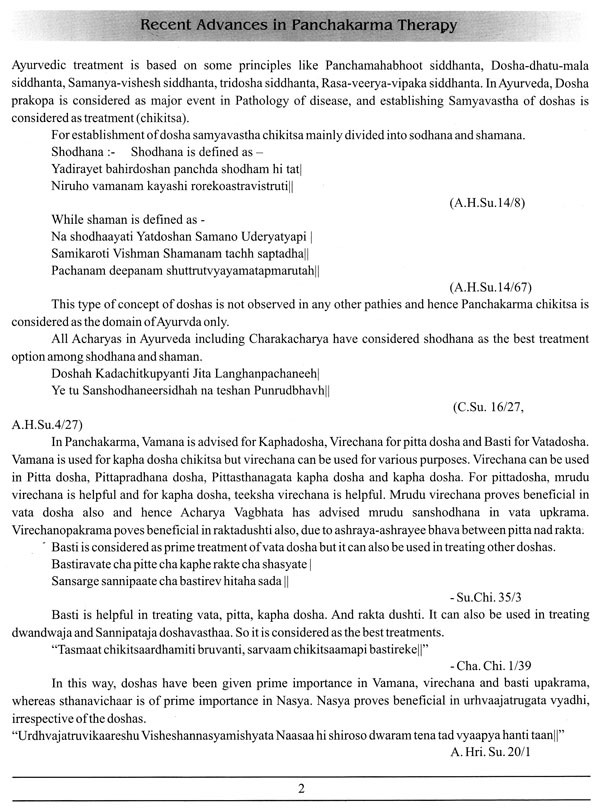
According to Ayurved there are two types of treatment 1) samshaman and 2) Samshodhan the Samshodhan method of treatment is popularly known as panchakarma Panchakarma therapy provides excellent results in many noncurable diseases.
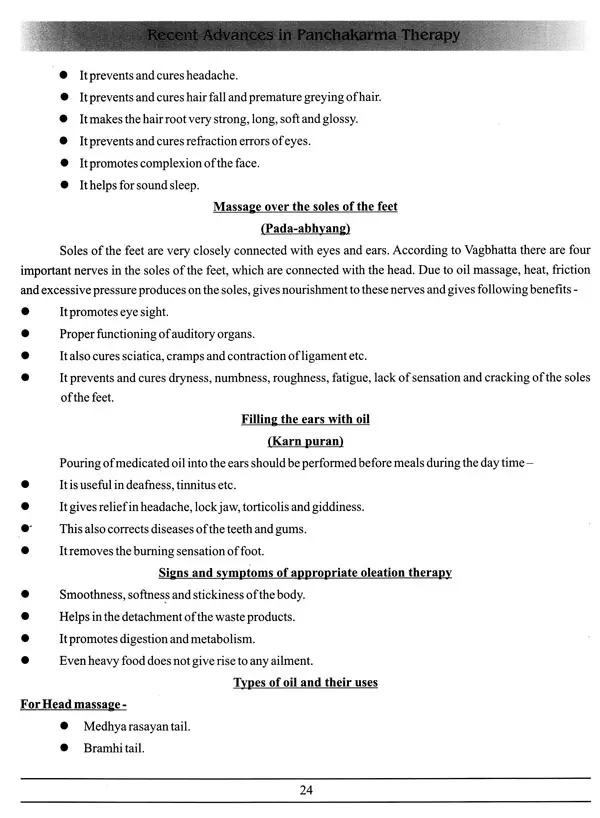
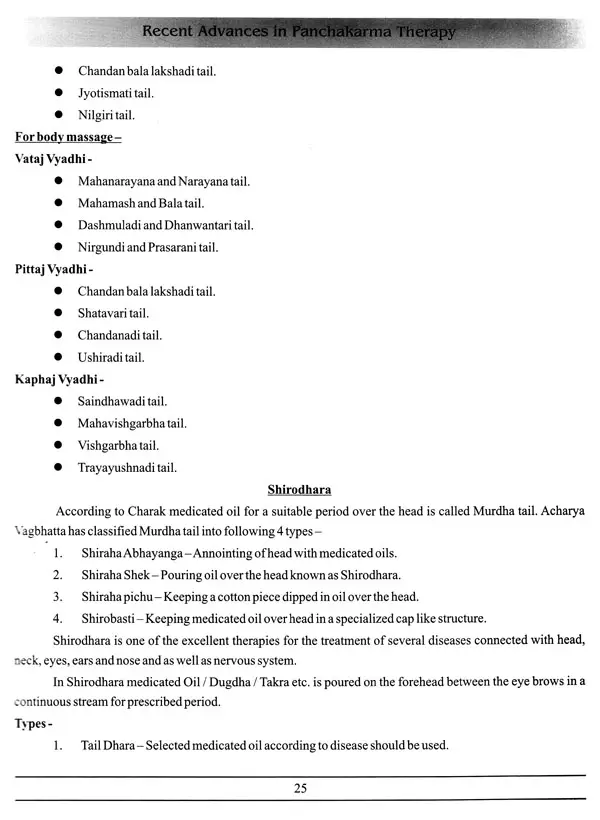
Panchakarma is a bio-cleansing regimen comprising of five main procedures that facilitates better bioavailability of the pharmacological therapies helps to bring about homeostasis of body-humors, climinates disease-causing complexes from the body and checks the recurrence and progression of disease. The five fold measures comprehendred in this therapy are Vamana (Therapeutic Emesis), Vitechana (Therapeutic Purgation). Astapana Vasti (Therapeutic Decoction Enema), Anuvasana Vasti (Therapeutic oil Enema), Nasya Karma (Nasal Administration of medicaments). Panchakarma procedures are preceded by Snchana (Therapeuti Oleation) and Swedana (Sudation) applications to make the body system conducive for elimination of biotoxins and cleansing of channels.
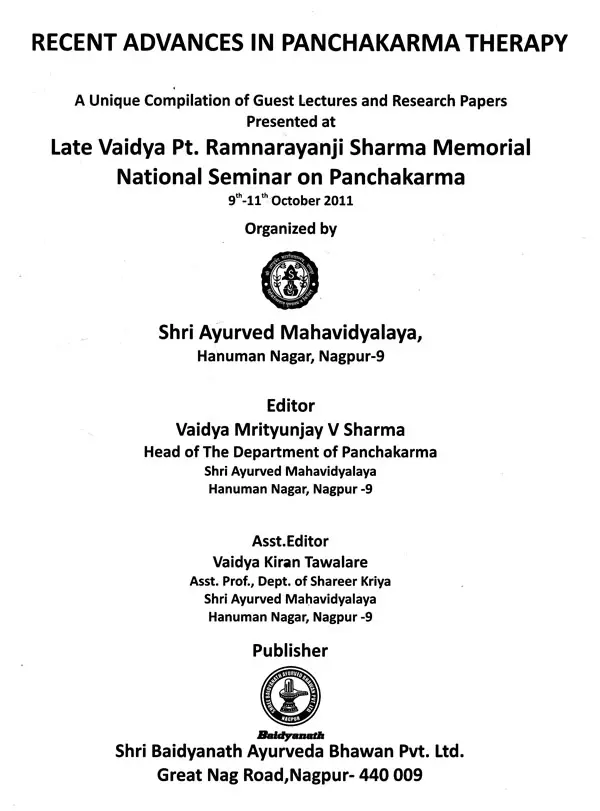
Shri Ayurved College, Nagpur has organized very successfully a nation seminar on panchakarma (9" to 11 Oct, 2011) in loving memory of Vd Pt Shri Ram Narayanji Sharma the founder of Shree Baidyanath Ayurved Bhawan Limited, Vd. Shri Ram Narayan has been a source of great inspiration to the Ayurvedic scholars in various fields. He was born in village Kansli in the former Jaipur State in Rajasthan on 9" October 1900. After his initial Sanskrit studies he underwent for an Ayurvedic course at Ruiya Sanskrit College, Ramgarh (Rajasthan) under Vaidya Mani Ramji Maharaj and started practicing Ayurved at the early age of 20, first at Delhi and then at Baidyanath Dham, Bihar.
Having felt the need for genuine Ayurvedic medicines for practicing vaidyas and for the benefit of masses, he started a manufacturing unit named Baidyanath Ayurved Bhawan.
He devoted his life and soul to the revival of Ayurveda through research. He undertook over twenty excursing and survey parties in search of Ayurvedic herbs in the Himalayas and vindhyas, the results of which have been published from time to time.
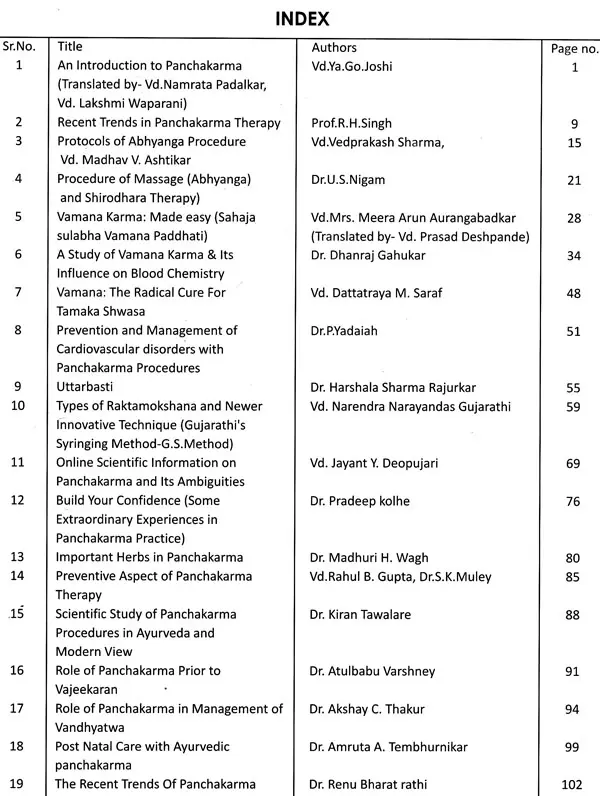
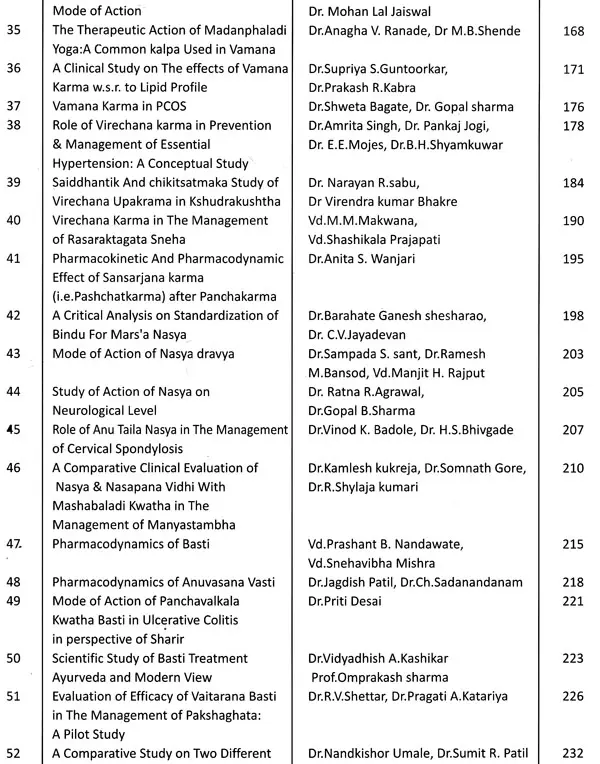
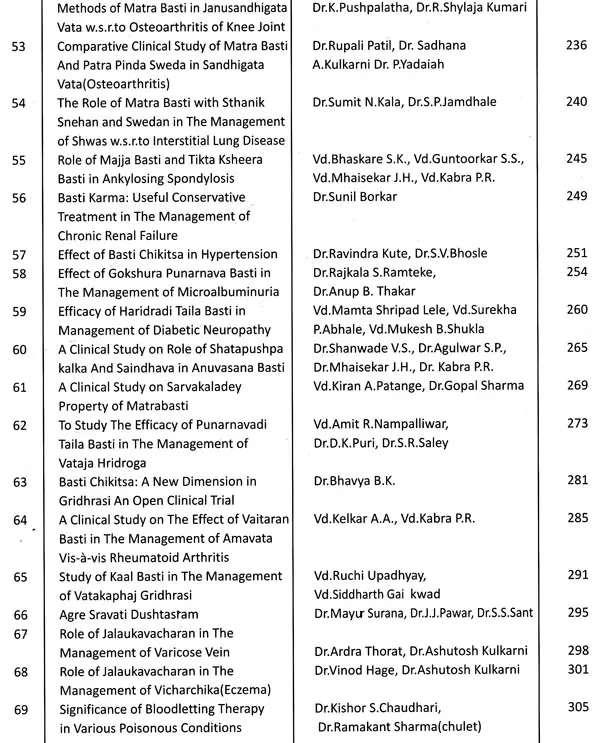
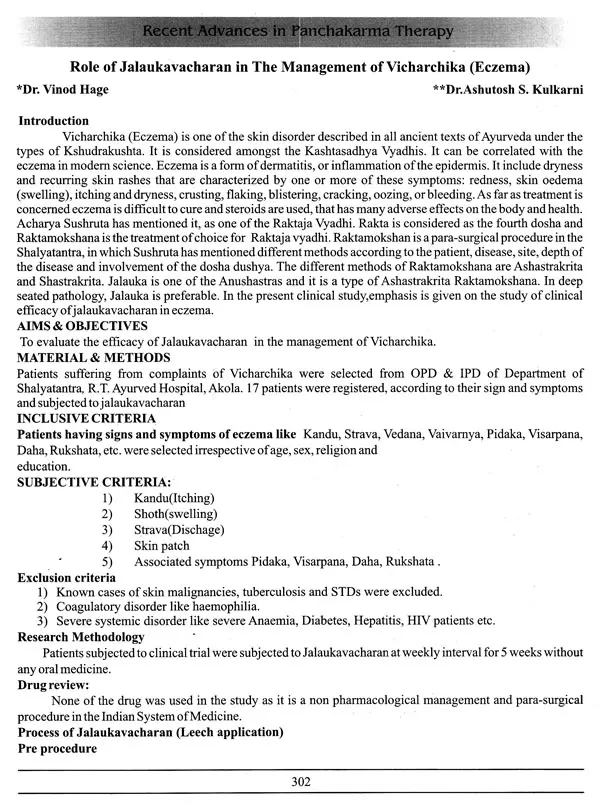
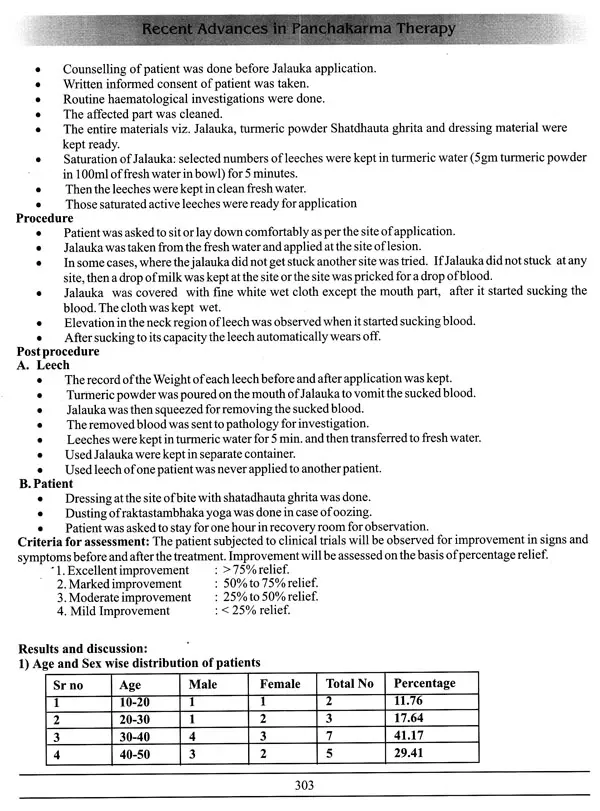
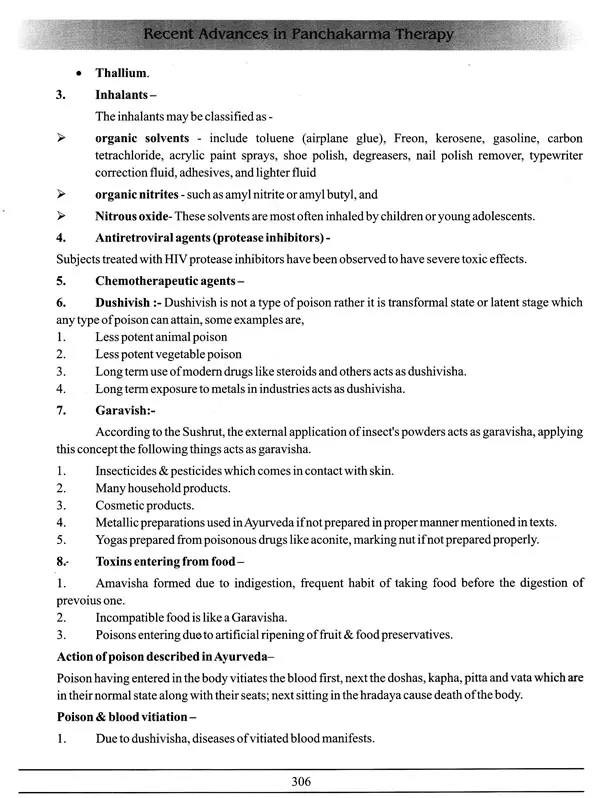
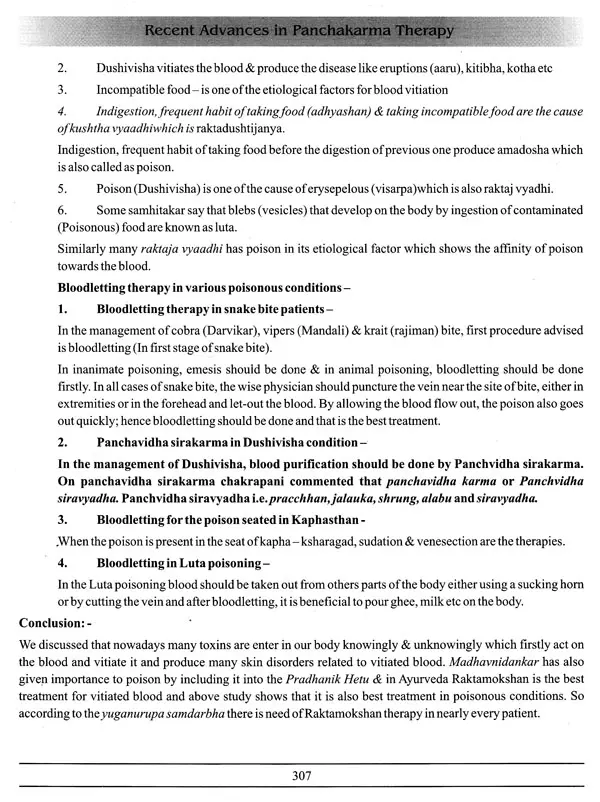
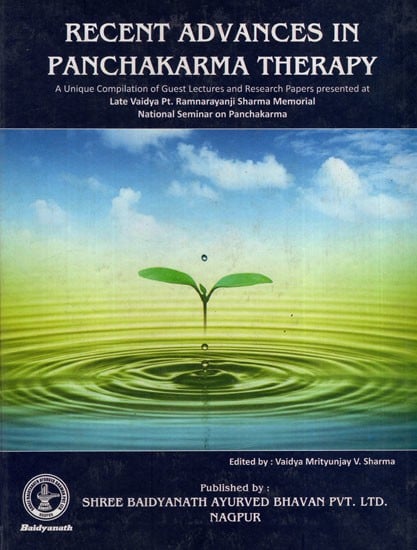
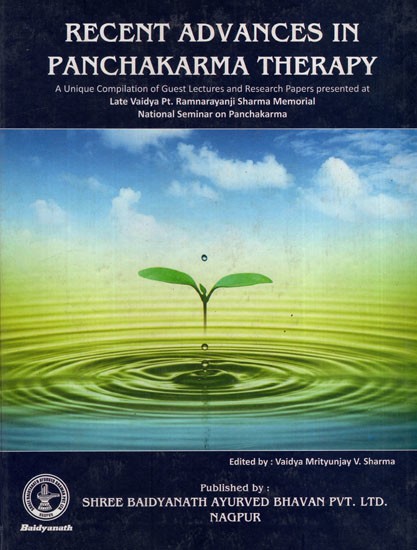
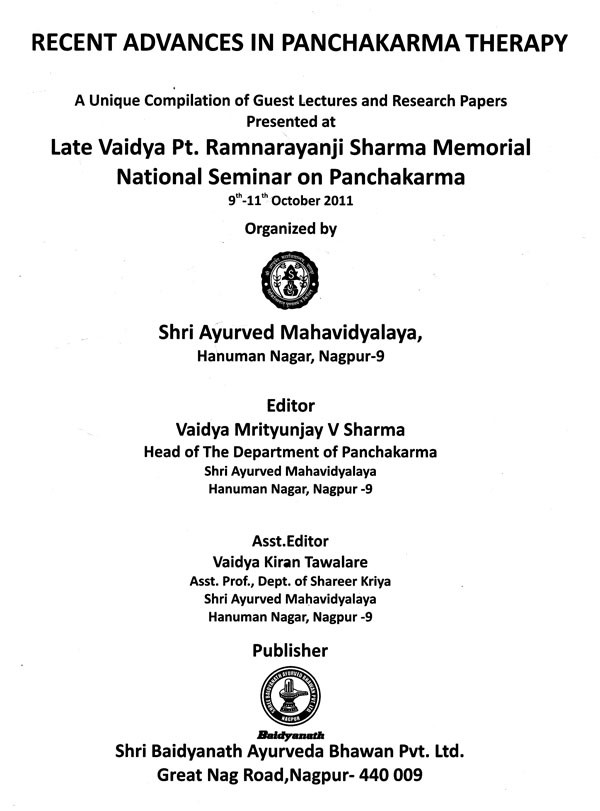
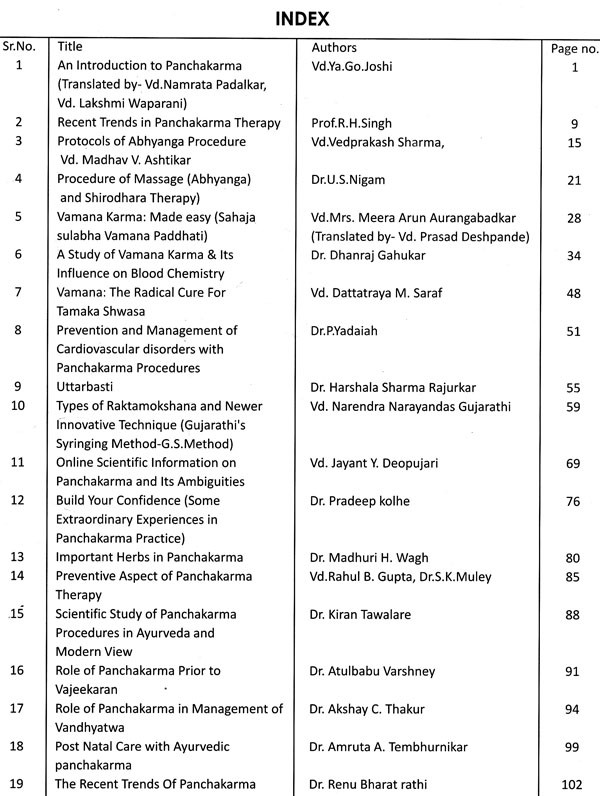
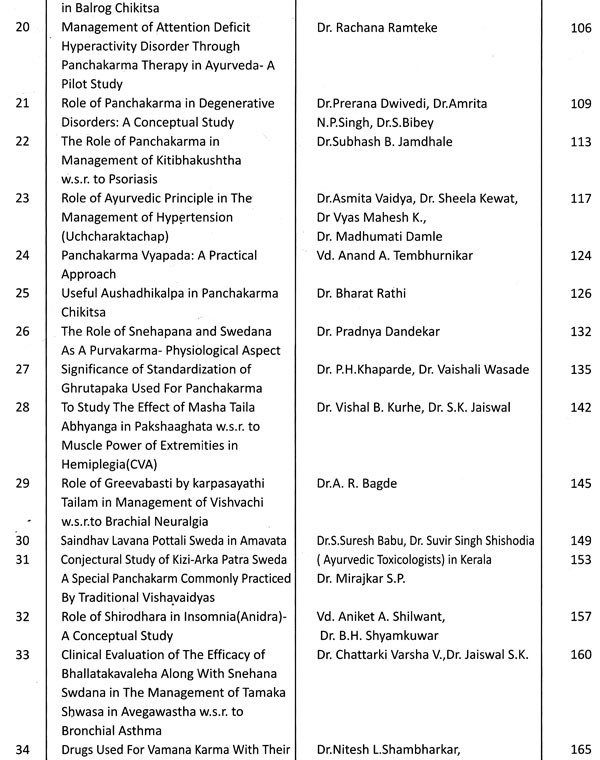
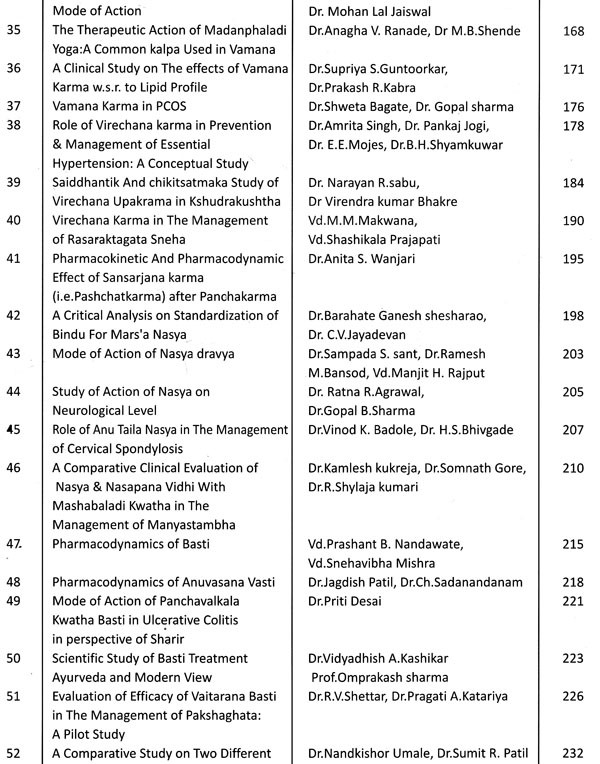
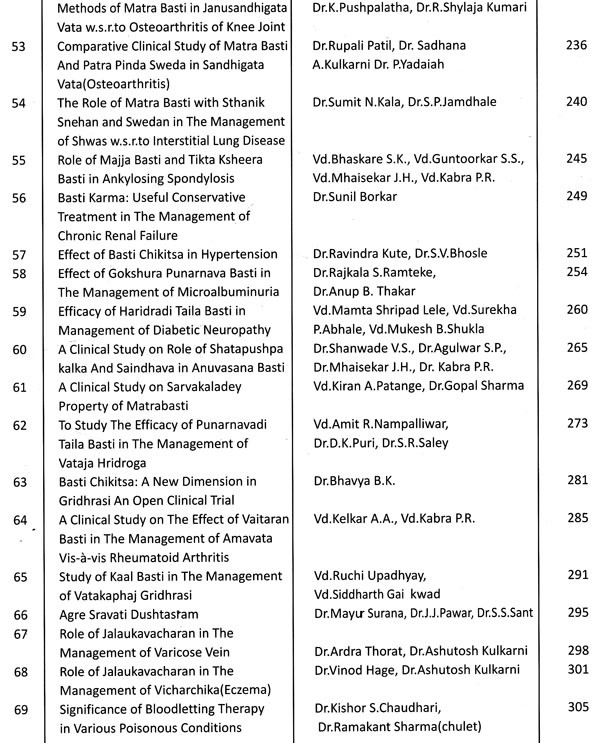
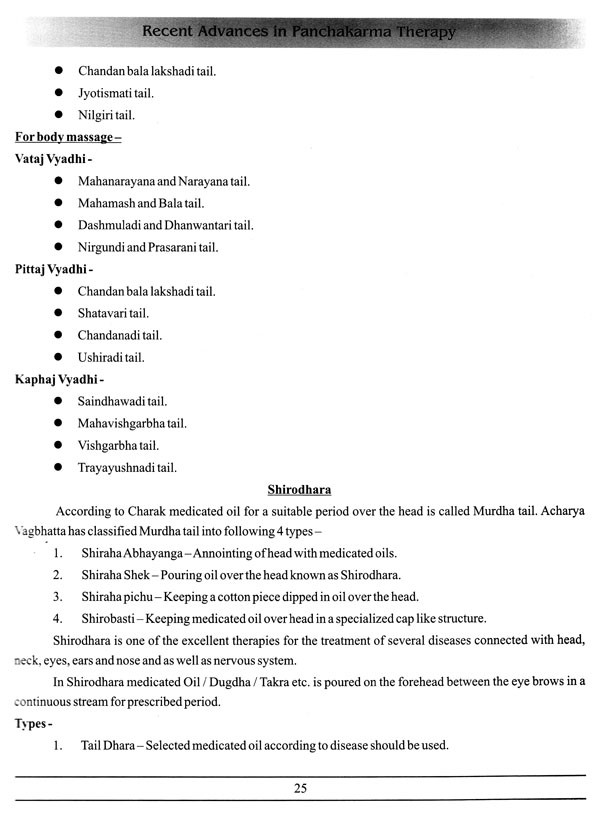
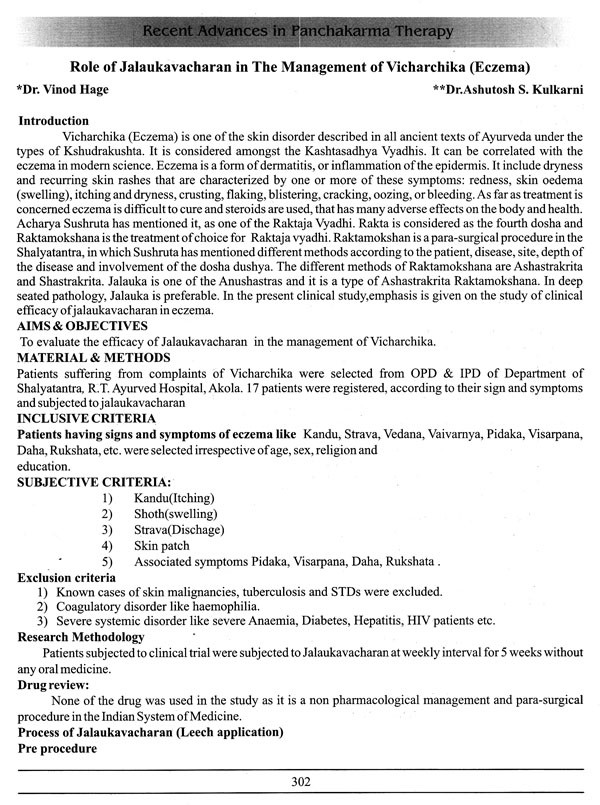
His desire to bring Ayurveda in Ime with the modem age was so ardent that he revived the ancient Shastra Charcha Parishads of vedic times. He invited scholars from all over India to discuss Ayurvdic problems for days together, bearing all the expenses without any governmental aid or otherwise Such all India workshops were held at Patna, New Delhi, Ratangarh, Kakshmanjhoola, Hyderbad, and Delhi in the year 1950, 1952, 1958, 1968, 1978 and 1980 respectively. On the basis of high scholarly discussions newer facts were collected and terature were published Maintaining that Great tradition we are publishing present Book "Recent Advances inPanchakarma" as compilation of research papers presented in national seminar on Panchakarma on 9-11 Oct, 2011.
Dr. Mrityunjay V. Sharma young Ayurvedist HOD Panchakarma Department. Shri Ayurved College, Nagpur bright future.
We are extremely thankful to Shri Baidyanath Ayurved Bhavan Nagpur for Properly publishing the book without delay. If the Ayurvedic physician and scholars enrish their faith and skill in panchakarm by reading this book, we shall consider our efforts have been fulfilled.
**Contents and Sample