Showing 217 to 288 of 479 results
Showing 217 to 288 of 479 results
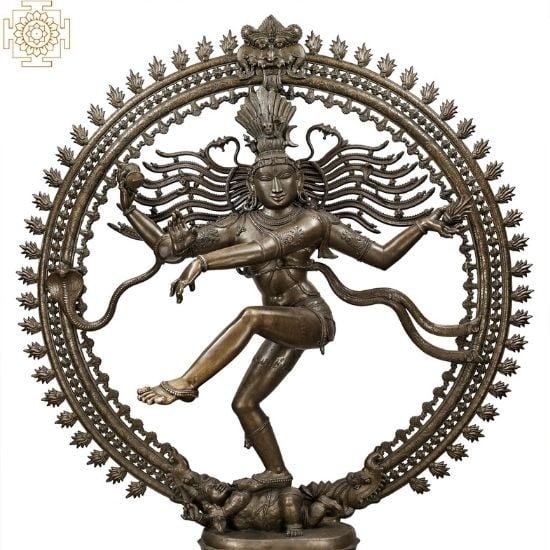
Old stories tell of a time, when God Shiva attended a play, staged by the Sage Bharata and his hundred disciples (Some accounts say they were his hundred sons). The play was called Tripura Dahan and Bharata was staging it at the behest of God Brahma. Shiva, who was attending with his ganas, was impressed by the performance. He suggested to Brahma that it would get even better if the drama being acted out on the stage was embellished with dancing.
Shiva accepted Brahma’s request graciously and instructed Tandu, one among his retinue of ganas, to teach Bharata the secrets of dance. Tandu was a masterful dancer. There were many dance forms that Tandu had learned during his time with Shiva. But teaching the divine dances of Shiva was a difficult task. Tandu realized that every time his god danced, it was a new form. For Natyashastra, which was for the consumption of common folk, Tandu could only choose one. He remembered a graceful dance routine he had once seen Shiva perform against a dusky Kailasha sky. Tandu taught the one to Bharata, who later added it to the Natyashastra. In honor of his teacher, Tandu, Bharata called this dance form, the Tandava.
Published in Nov 2021

"The primary thrust in the Mahabharata is to teach us the nuances of dharma through the poignant love story…. I have full control over my mind, even then it is attracted towards you…. You think you are alone with your own self. But don’t you know that the all-knowing God dwells in every heart…. Those who have wives are the ones who have Lakshmi…. I tell you that truth is equal to studying all the Vedas and bathing in all the pilgrimages…. The immortal dialogue between Shakuntala and her husband is one of the greatest…."
Published in Nov 2021
When most people think of Hinduism, they think of the Hindu pantheon's many gods and goddesses. Although the Hindu pantheon is vast, not all Hindus worship all of the gods. Hinduism began to become sectarian in the fifth century CE. The majority of practising Hindus are members of a Hindu denomination or sect, which is a minor subset of a larger tradition. Vaishnavism, Shaivism, Shaktism, and Smartism are the most well-known and have the largest followings of these sects. The cults are usually centred on bhakti, or devotion to a single deity. Lord Vishnu is God for Vaishnavites. God is Siva for Saivites. Goddess Shakti is supreme for Shaktas. The choice of Deity is left to the devotee for Smartas, the liberal Hindus. Each has tens of thousands of temples, guru lineages, religious leaders, priesthoods, sacred books, monastic communities, schools, pilgrimage centres, and sacred literature. They have a vast collection of art and architecture, as well as philosophy.
Published in Nov 2021
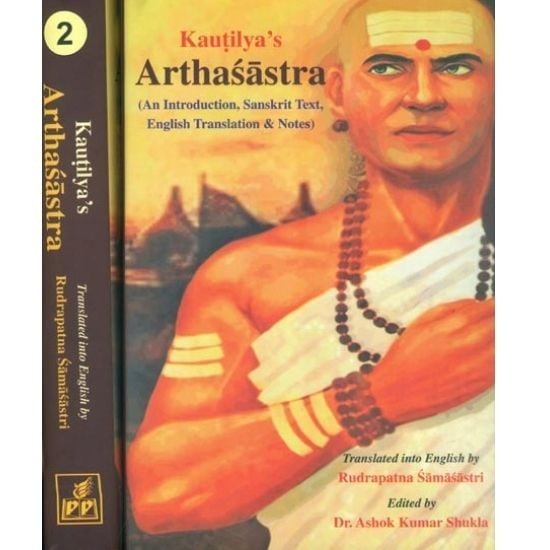
The Artha Sastra means sastra (science) of Artha (earth/wealth/polity). The Artha Sastra is one of few written documents that represent ancient India’s political views. The authorship of the Artha Sastra is credited to Kautilya (also known as Chanakya) and it is believed to have been written around 300 B.C. According to R. Shamasastry, “This Arthasastra is made as a compendium of almost all the Arthasastras, which, in view of acquisition and maintenance of the earth, have been composed by ancient teachers”. Kautilya’s Artha Sastra is comprised of 15 books.
Chandragupta Maurya (c. 317-293 B.C.E), who is known for being the first emperor of India, united India by defeating the Nanda kings and by stopping the invasion of Alexander’s successors. Kautliya was the chief minister of Chandragupta’s court (Prakash 4). In order to govern efficiently and expand the vast Mauryan Empire that was even larger than the Mughal Empire or the British Empire in India, a constitution was needed. In this situation, Arthasastra was written and came into play.
Published in Nov 2021
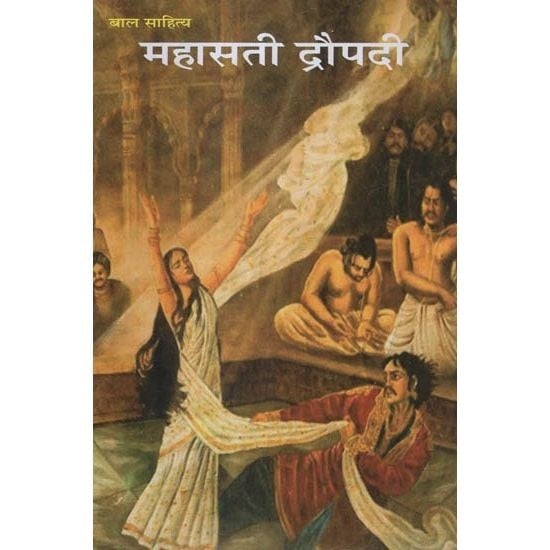
Draupadi, the iconic feminist of the Mahabharata, stands as one of the earliest feminist figures in Hindu epics. As the wife of the five Pandavas, she defied societal norms with intelligence, courage, and unyielding moral strength. From her public humiliation during the Cheer Haran to her divine role in the Draupadi Amman cult, her story embodies beauty, resilience, and spiritual power. This article explores her life, legacy, and why she remains revered even today.
Published in Nov 2021
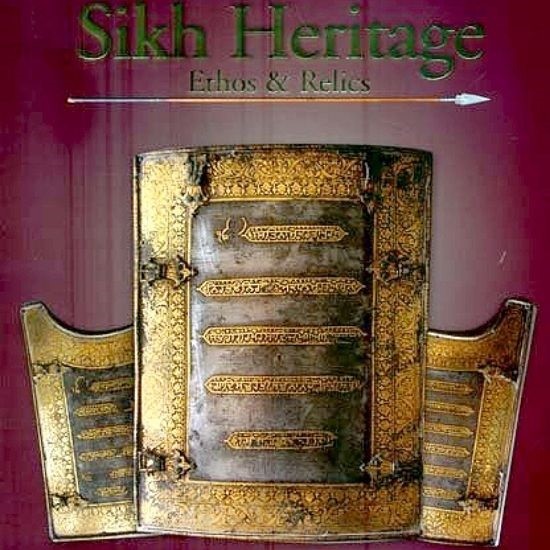
Nanak is often referred to as Guru or Baba, one meaning great teacher, the other old man. He was born in 1469 and died in 1539.He is the founder of a religion known as Sikhism. A Sikh is one who professes the faith that has its foundation in Nanak’s teachings, and which was subsequently built upon by nine successive Gurus. The last human Guru, Gobind Singh, transferred the Guruship to the Adi Granth a collection of hymns from Nanak, the 2nd-5th, and 9th Gurus, two Sufis, and 28 Hindu Bhakti poets. Before he died Gobind Singh installed the Book as Guru, through sanctification it took on the name Guru Granth Sahib. The foundation of the faith is the 974 poetic hymns written by Nanak. These poems were passed to the second Guru, Angad, in the form of a poti (book).
Published in Oct 2021
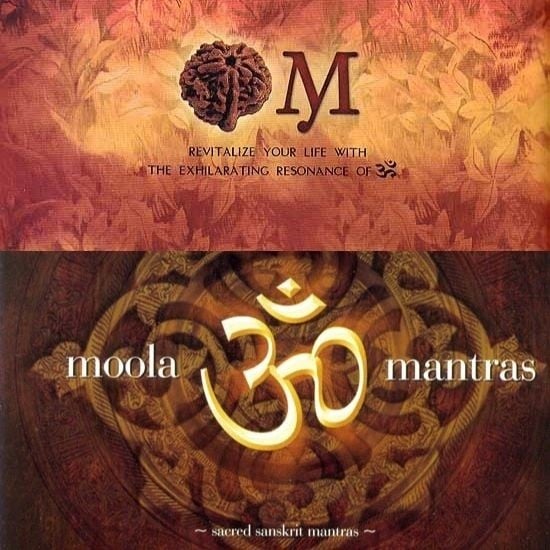
In ancient India, mantras formed a vital part of Vedic religion. It is possible that the Indus people also might have used similar practices to invoke their gods. Vedic mantras are derived mainly from the Vedas, which are primarily books of mantras, which go by different names such as the Riks, Samans and Yajus. They were chanted or sung or used in formulae in elaborate Vedic, sacrificial ceremonies.
Mantras have traditionally been used in both ritual and spiritual practices and worldly activities for various ends. They still occupy an important place in Hinduism as the manifestations of divine speech and expression of gods and heavenly knowledge. In Hindu ritual practice and prayers, mantras are used to communicate with gods and invoke their power to achieve certain ends.
Published in Oct 2021
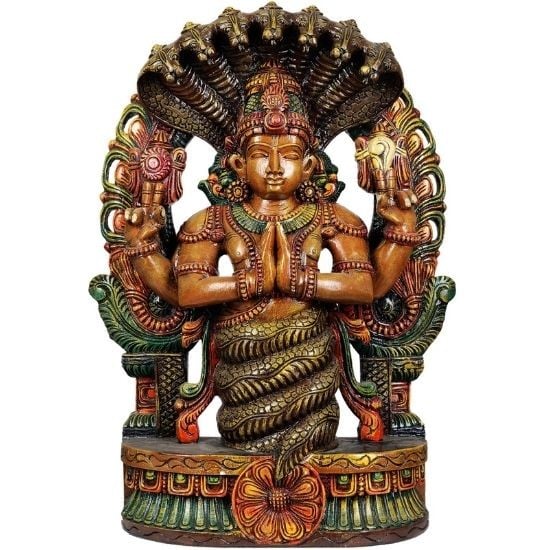
Today, Yoga has a worldwide following and has become a household word. Some 300 million people practice Yoga in the world, with close to 40 million in the US alone. As it entered the popular consciousness worldwide, the ancient practices of Yoga have undergone significant changes. Yoga’s moorings in deep philosophical insight, and grounding as an indispensable aid in living a Dharmic life, has perhaps receded into the background. It is not widely known that bahiranga yoga is only a small part of the Yoga Sutra text, which deals with understanding the ‘self’ (one’s limited identity and personhood) referred to antaranga yoga, and transcending the self to realize the “Self” known as parama antaranga yoga, in far more detail.
Published in Oct 2021
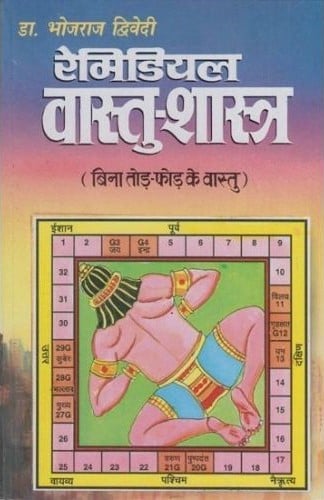
Vastu – The traditional Indic System of Architecture
Background
The term Vāstu-Śāstra has been in use to denote the compendium of architectural knowledge not only of buildings and their constituents, but also of the construction of markets, towns, streets, drains, sewers, bridges, ferries, ports, wells, bath-tanks, reservoirs, dams, embankments, parks, gate ways, arches, ladders, flights of steps to hill-tops and so on. As another term for Śilpaśāstrā the knowledge of iconography and sculpture, VŚ was meant to deal with the art and craft of all artefacts like bedsteads, couches, palanquins, wardrobes, baskets, cages, nests, lamps, costumes, coiffures, crowns and ornaments. This prescriptive compendium was also to deal with matters such as the features of the ideal site, soil conditions, planning and designing besides various normative factors such as gnomonic and astrological calculations.
Published in Oct 2021
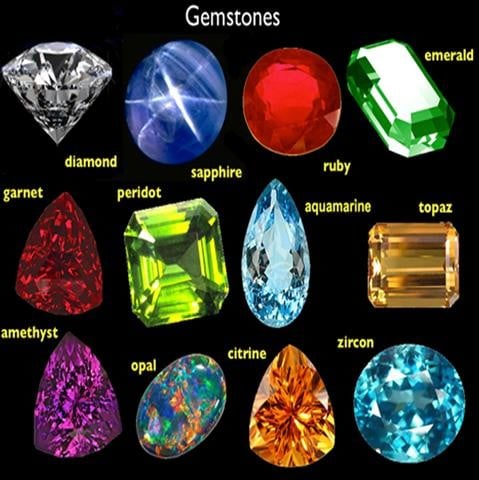
Gemstone healing is an important healing tool used in Vedic astrology as gems have the ability to create balance in the body and get it rid of diseases and ailments. Basically, this therapy can be used by an expert to heal the body, mind, and spirit of an individual. Therefore, It is used in relation to the study of planetary influences in his natal chart. In addition to the healing powers of gemstones, ancient Hinduism also has some great legends related to the origin of various gemstones and how they came into being and found use in astrological healing later on. Here are some ways in which gem therapy is used in Hinduism to neutralize the ill effects of planets or enhance their positive effects.
Published in Oct 2021
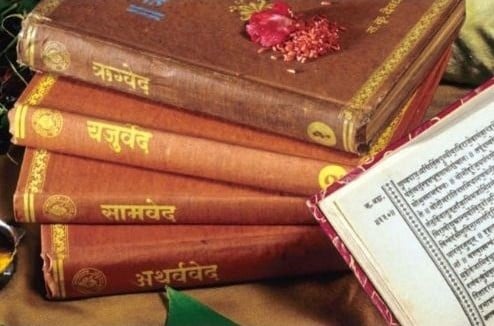
The ancient texts of India, with their profound teachings and timeless wisdom, continue to be invaluable guides in contemporary life. They offer insights that help navigate the complexities of modern existence, providing a moral and spiritual framework that promotes personal growth, ethical behavior, and social harmony. By drawing upon the teachings of the Vedas, Upanishads, Puranas, Panchatantra, Hitopadesha, and Jatakas, individuals can find inspiration and guidance to lead a life of purpose, integrity, and fulfillment. For the reader, who is interested in the culture, wisdom, and lifestyle of the ancient intelligentsia, these books come as a blessing, passed on from one generation to the other as guidebooks.
Published in Oct 2021
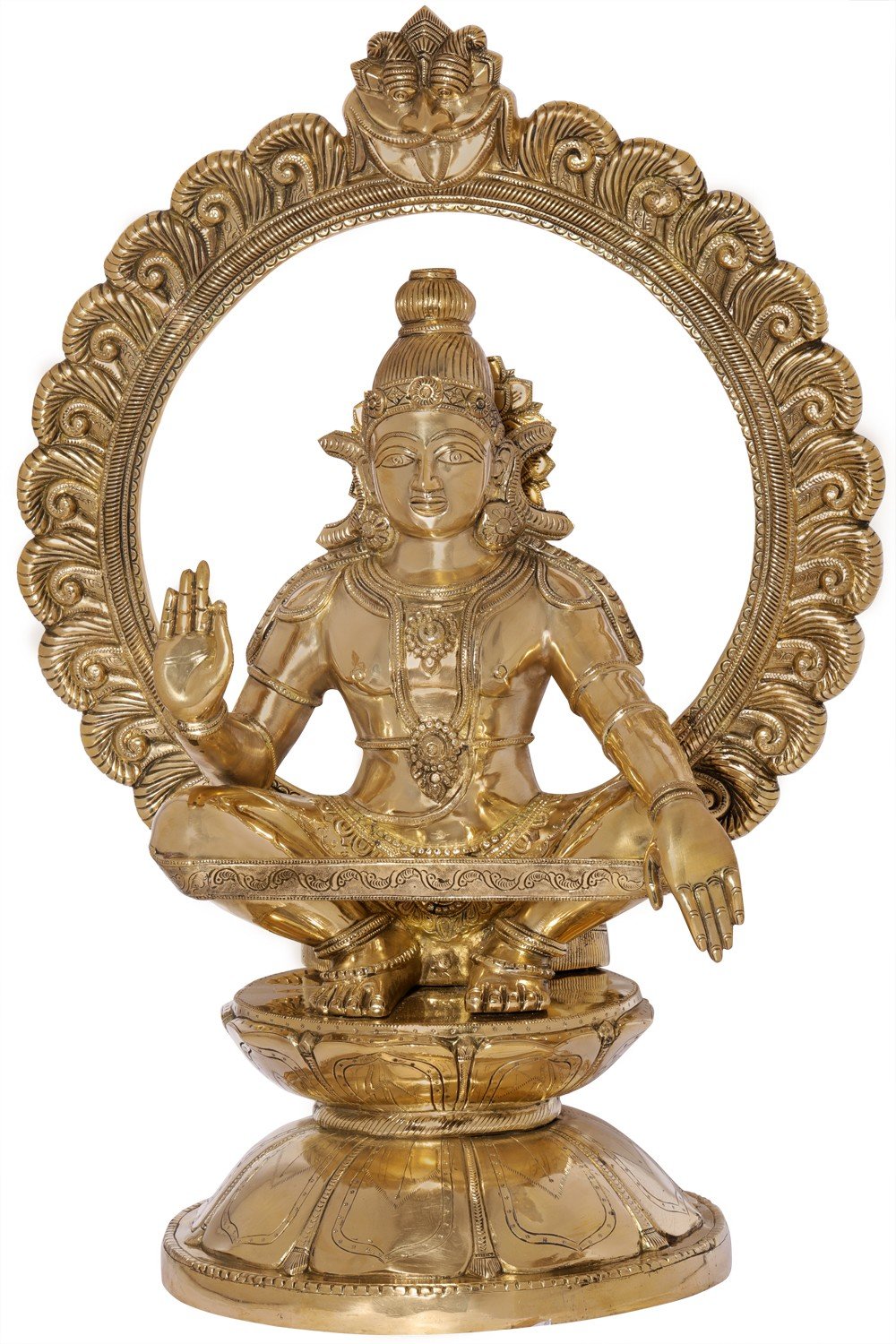
Welcome to your sacred gateway to Lord Ayyappa of Sabarimala, the divine protector of Kaliyug and embodiment of dharma, discipline, and devotion. Explore the celestial birth of Hariharaputra, the mysteries of the Sabarimala pilgrimage, and the spiritual depth of chanting “Swamiye Saranam Ayyappa.” Discover the unique Hindu-Muslim harmony through Vavar Swamy and learn how the 41-day Mandala Vratham purifies mind, body, and soul. Whether you're a first-time pilgrim or lifelong devotee, this site offers timeless wisdom, powerful rituals, and the essence of Ayyappa’s path. Discover Lord Ayyappa’s divine path – stories, rituals & unity from Sabarimala. Swamiye Saranam Ayyappa!
Published in Oct 2021

Dhanteras festival also known as 'Dhantrayodashi' or 'Dhanvantari Triodasi' is one of the most momentous festivals of India. On this festival Goddess Laxmi is worshiped to bestow her devotees with good fortune and success in life. On the special event of Dhanteras, articles made of Gold or Silver or even a new utensil are purchased as a sign of good luck. The auspicious occasion of Dhanteras holds an important place in Business community of India and celebrated with utmost divinity and enthusiasm. As the festival of Dhanteras is observed two days before Diwali, it also marks the beginning of grand festivity.
Published in Oct 2021
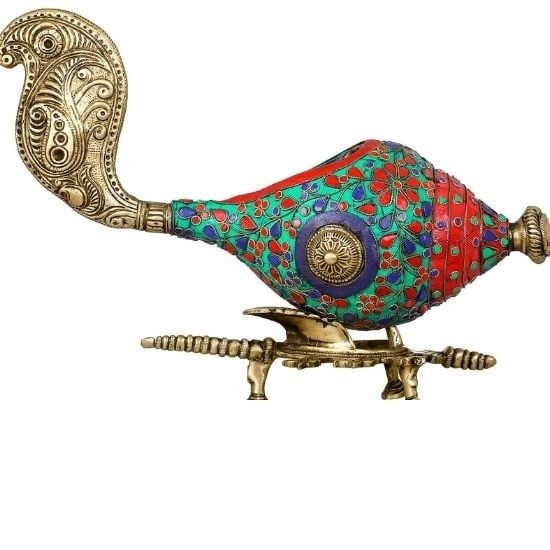
Conches are a species of extremely large mollusc which belong to the Strombidae family. They’re considered ‘shy’ creatures since they usually come out during the night to feed and spend the day buried deep in the sand. If the lip of the conch shell is well flared, it means that the shell is fully developed. The conch uses the lip of its shell to dig itself into the seabed where it usually stays and hides. The meat of the conch is a great source of nutrition since it contains a high amount of protein and the shell is much coveted around the world. Conch shells also produce pearls, but these are extremely rare and very expensive.
Published in Oct 2021
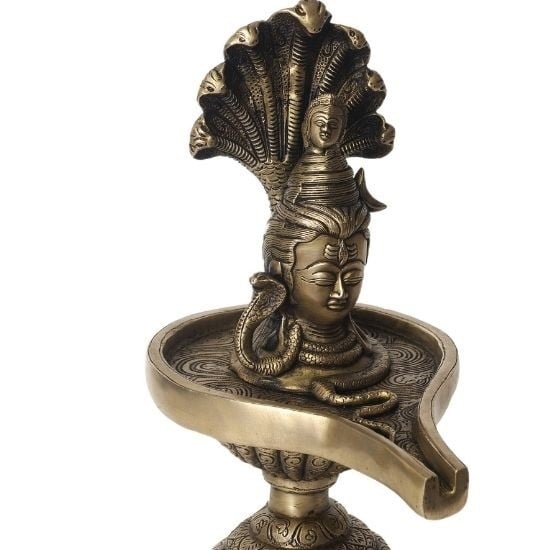
The devotees mostly worship Lord Shiva in the form of Linga or Lingam. So, what is the context behind the linga worship of Lord Shiva? This representation of Shiva is most recognizable to Hindus for their worship and ritual known as the lingam. Hinduism uses the Shiva Linga, a potent symbol that symbolises Lord Shiva's heavenly power. It is a round-topped, cylindrical stone building that represents the cosmic pillar of fire. The essay examines the Shiva Linga's importance and its connection to truth (Satya). It emphasises the idea that realising the ultimate truth and attaining spiritual enlightenment are possible as a result of pure, devotional worship of the Shiva Linga.
Published in Oct 2021
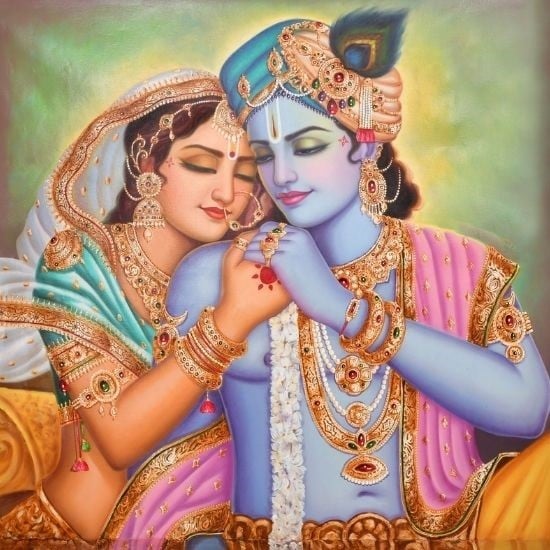
From mythological to this technological era, Radha Krishna has always been symbolised as a benchmark of love. These two words in our Indian history are never been taken separately. Whenever we talk about Radha, it is impossible for any human being to not to think about Lord Krishna. It definitely strikes our head and compels us to think at least once about the everlasting tale of love. They shared an eternal love with each other. Regardless of the fact that they never tied a nuptial knot together, they are worshipped together. These days, modern-day couples admire these pure souls most and make promises to each other to be like them. They are the representation of the purest bond, love, and emotions.
Published in Oct 2021

The place is believed to have flourished as a textile centre when it was a capital of Kasi kingdom, of which Siddhartha (later known as Gautam Buddha) was the prince. In Buddha Sutra when Prince Siddhartha decides to renounce worldly luxuries, he takes off his silk clothes, mentioned to be woven by the weavers of Kasi to get into simplest of attires. It is also discussed in ‘Jataka Puran’ that when Buddha was alive, Kasi kingdom was a crucial centre for silk and cotton fabrics. In 5th and 6th century BC exquisitely woven cotton fabrics from Kasi became the most sought-after commodity all over the world. When Buddha attained moksha, chaste cotton fabric was sourced from Kasi to wrap his purified remains.
Published in Oct 2021
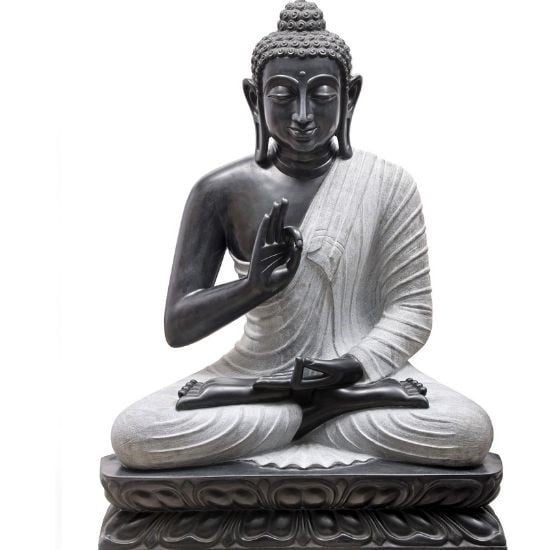
The most recognized of sacred narratives in Buddhism is the life story of Gautama Siddhartha, who became the Buddha. Many of the teachings of Buddhism are implicit within the story of his life, and carvings and paintings of scenes from his life story were often placed in or around temples and on stupas. Equally recognized in the Buddhist world are the Jataka Tales, which tell of the Buddha's past lives. Another type of sacred narrative that has been vitally important to Buddhism is stories from the Buddha's sermons. Both the early sutras and the later Mahayana sutras are often presented as long narratives. They often begin with the words, "This is what I heard," and they include descriptions of scenes, a cast of characters, and dialogue. Within these long narratives, there are many specific stories said to have been told by the Buddha to illustrate the dharma, or Buddhist teachings.
Published in Oct 2021
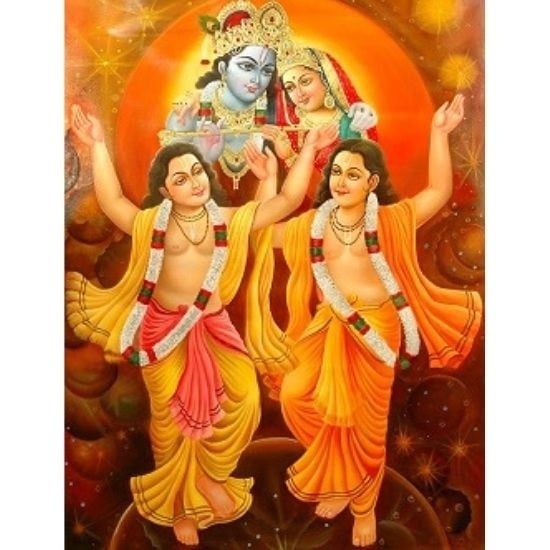
Bhakti movement constitutes a very important chapter in the socio-cultural history of India. The movement started in the 9th century A.D. by Shankaracharya which continued up to 16th century A.D. by a number of Hindu devotees, preachers and religious reformers. The word Bhakti is a very familiar word in the Hindu religious system. It is derived from the Sanskrit root word Bhaja whose literal meaning is ‘to utter’. But the inner significance of the word Bhaja is ‘to adore’ or ‘to love with honour’. In the devotional literature the word is used to mean ‘unquestionable faith and utter devotion to God’. Thus, in a general sense Bhakti means devotion to God.
Published in Oct 2021
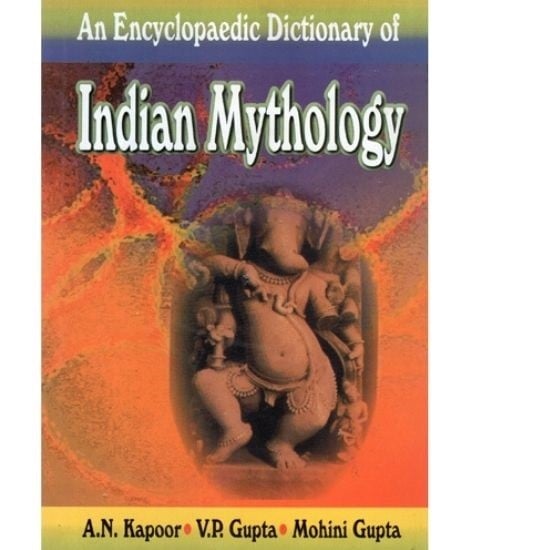
If you are an Indian Mythology enthusiast, these 5 Books are for you
The great saga of Gods, demi-gods, and talking monkeys; of sibling rivalry that goes on for a dreadful amount of time, and ridiculous obstinate oaths that cannot be broken. The story of ideals and morals, sacrifices and love; of innovative ways to conceive a child, and enigmatic and flawed characters. This is Indian mythology. It is a narrative where imagination and reality merges to give us an extraordinary tale weaved by magic and divine powers. Here, creativity knows no bounds. Mythology fiction has found a vast reader base with authors having a rich fountain of mythological knowledge to fall back on. With different versions of the same myth, this water of knowledge runs deep.
Published in Oct 2021
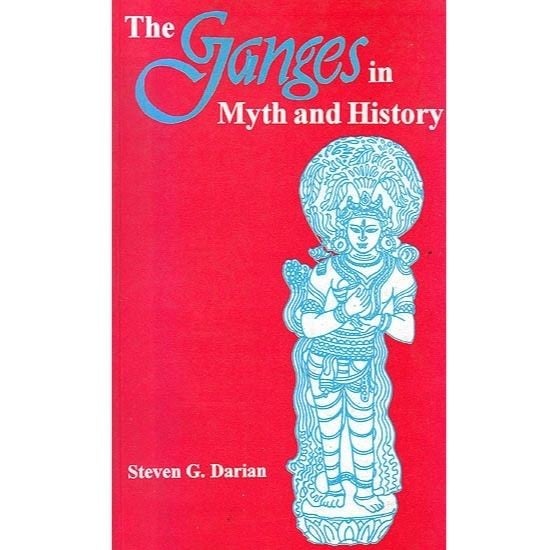
The Ganga River has been considered as the most sacred river of India in Puranas. It is called as Ganga Maa (or Mother Ganga) or Ganga ji (or reverend Ganga). People of India believe that a bath in the holy waters of Ganga washes all the past sins of a person. Numerous pilgrimages such as Allahabad, Rishikesh, Haridwar, Varanasi and Patna are present all along the river. Water from the Ganga is used to cleanse any place or object for ritual purposes. Bathing in the river is believed to wash away one’s all sins. The word Ganga is considered as a synonym of pure and holy water. That is why the word is attached with the names of many other rivers in Central and South India. According to a mythological legend, Lord Brahma collected the sweat of Lord Vishnu’s feet and created Ganga. Being touched by two members of the Trimurti (Brahma, Vishnu, and Mahesh), Ganga became very holy.
Published in Oct 2021
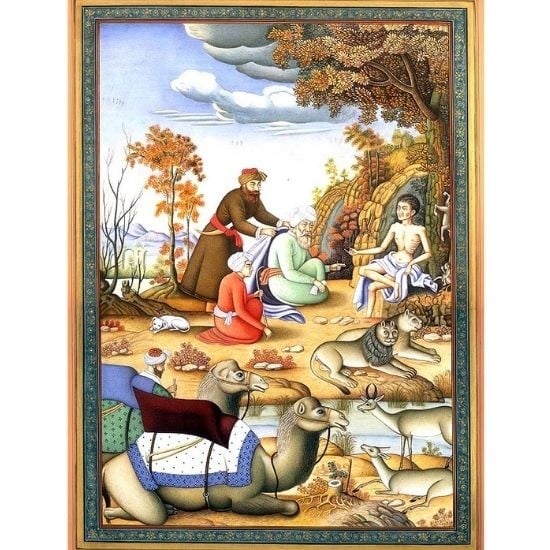
Mughal paintings have always caught the attention of art lovers because of its perfect blend of Indian, Persian and Islamic Styles. While there have been other Indian schools of miniaturist art predating Mughal miniatures and new schools that have thrived after the demise of the Mughal dynasty, the Mughal period was a landmark in the art history of the Indian subcontinent and is one of the two most recognized schools of Indian miniature art. The easy portability of miniatures enabled them to be easily traded from early times and gave them exposure all over the world. It was influenced liberally by the existing Indian Rajput school.
Published in Oct 2021
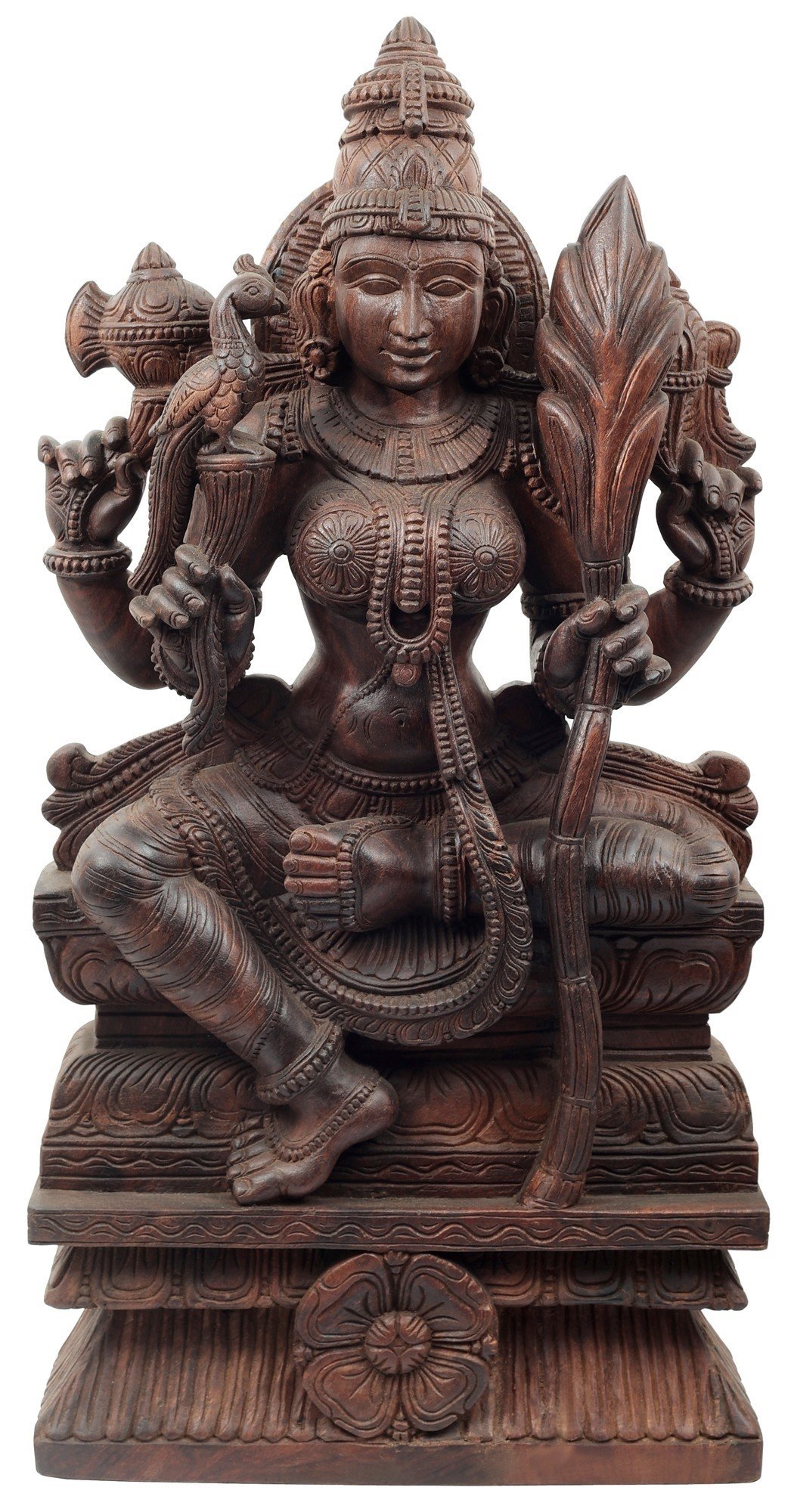
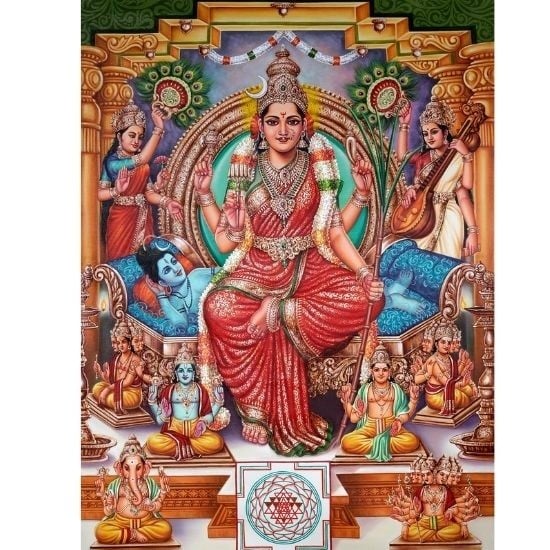
Of the many great yogic goddess lineages, Rajarajeshwari is preeminent. Self-willed and independent, Lalita is an exquisitely sensuous goddess also known as Kameshvari (“Empress of Desire”). At the same time, she is the completely devoted wife of the Supreme Lord Shiva, who is pure consciousness. She exists in a perpetual state of perfect harmony, ever benevolent, her eyes moist with compassion for all beings. Rajarajeshwari – prominently known as Goddess Lalita, is considered as the Hindu Goddess of beauty and enjoyment. She comes in the third position among the Dasha Mahavidyas and also known by the names Tripurasundari and Shodashi. Goddess Lalita Tripurasundari is also one of the nine forms of goddess worship on Navaratri. Goddess Lalitha is assumed to be the divine energy of Sri Chakra. In the pictures, she is depicted as a sixteen-year-old extremely beautiful goddess who blesses mankind with sixteen advices. Moreover, this is the age of perfection and maturity.
Published in Oct 2021
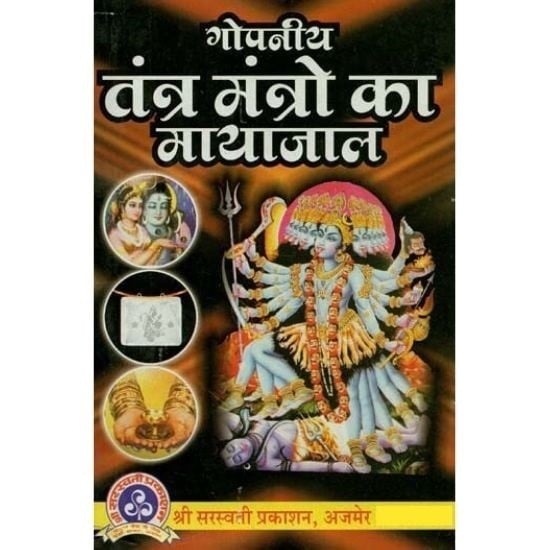
Tantra – Spiritual Knowledge of Practical Nature
“Tantra is not a unitary system like the Vedas or any of the Hindu philosophies. It is an accumulation of practices and ideas of the Hindus, since prehistoric times. Its birth is rooted in the Vedas; its development proceeded through the Upanishads, Itihasas, Puranas, and Smritis; and its luxuriant growth has been fostered by Buddhism, various minor Hindu sects, and also foreign influences.”
Published in Oct 2021
Philosophy is the root of all knowledge. It is considered as mother of all sciences. Philosophy has interpreted man and his various activities in a comprehensive manner. It helps to coordinate the various activities of the individuals and the society. It helps us to understand the significance of all human experience. It endeavours to reach a conception of the entire universe with all its elements and aspects and their interrelations to one another. It is not contented with a partial view of the world. It seeks to have a synoptic view of the whole reality: it tries to have a vision of the whole. Indian Philosophy (or, in Sanskrit, Darshanas), refers to any of several traditions of philosophical thought that originated in the Indian subcontinent, including Hindu philosophy, Buddhist philosophy, and Jain philosophy. It is considered by Indian thinkers to be a practical discipline, and its goal should always be to improve human life.
Published in Oct 2021
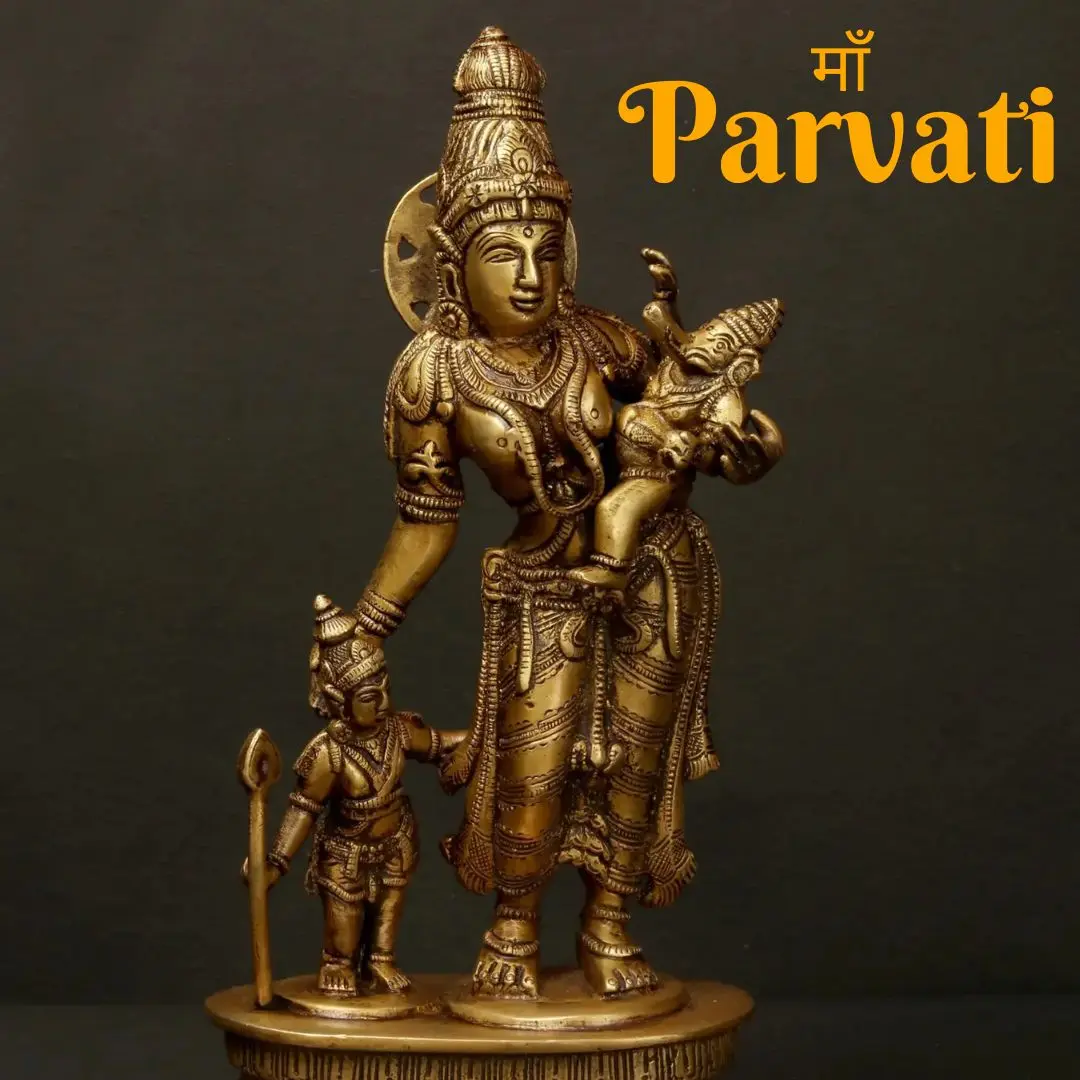
Goddess Parvati, revered as the divine consort of Lord Shiva, embodies power, love, and transformation in Hinduism. Known as Shakti, she represents the universal life force that sustains creation. Parvati manifests in many forms from nurturing Annapurna to fierce Kali symbolizing the balance between compassion and strength. Her worship promotes harmony, fertility, and spiritual awakening among devotees worldwide. Learn about Goddess Parvati, the Hindu goddess of power, love, and devotion. Explore her forms, festivals, and timeless legends that celebrate divine femininity.
Published in Oct 2021
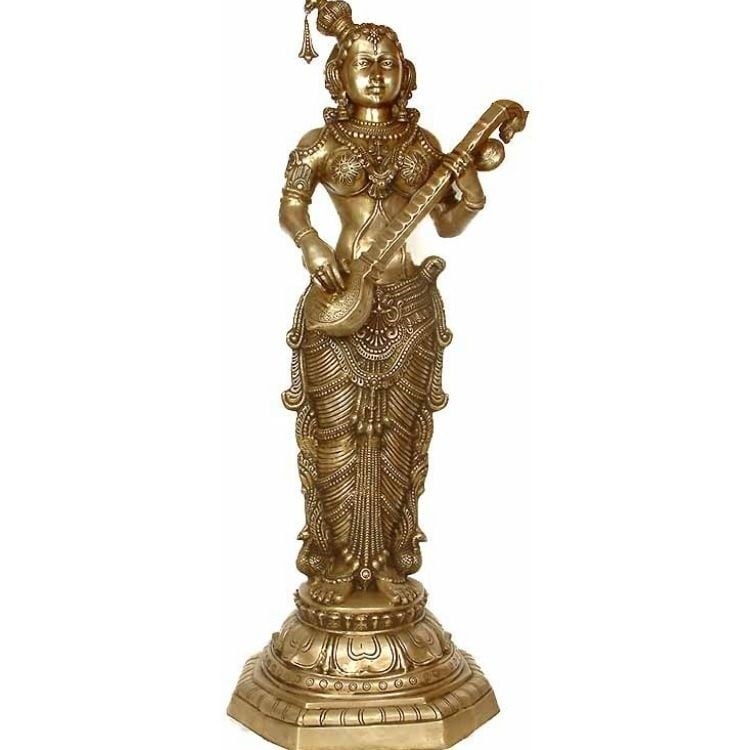
The piece discusses their origins, mentioning their creation from the ocean during the churning of the sea (Samudra Manthan) and their relationships with various deities and mortals. It also explores their significance in art and literature, where they symbolize the blend of divinity and earthly desires. The article ultimately celebrates Apsaras as timeless figures representing beauty and artistry in Hindu culture. There are two types of Apsaras - Aloukika (worldly) and Daivika (Divine). The apsara who seduces the sage is a common trope in Hindu mythology and can be considered together with the narrative in which a divine woman seduces a king. Whoever the woman, her time on earth is short for she must return to the heavens once she has achieved her purpose either breaking an ascetic’s penance or, producing sons for a king.
Published in Sep 2021
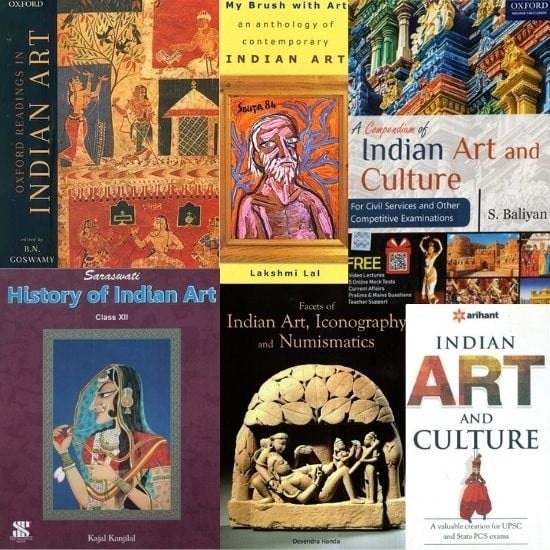
Twelve Hidden Gems of Indian Art
“Art washes away from the soul the dust of everyday life.”
― Pablo Picasso
From early petroglyphs to a flourishing contemporary art scene, India’s vibrant artistic legacy is the result of a variety of cultural influences. The diversity of art from this area—which includes anything created in the historical regions of modern-day India, Bangladesh, and areas of Pakistan and Afghanistan—is reflected in vivid, distinct, and enchanting styles that represent many different civilizations. Because some of the world’s major religions such as Buddhism, Hinduism, and Islam either began or flourished in India, much of Indian art is based in religious or political subject matter.
Although ‘art is a universal language’ is a term that’s become a cliche, even bastardised in a certain manner, it’s undeniable that it continues to hold true. Indians have often turned to the world of art in its various forms and medium, to use as an outlet of creative expression, exploration of one’s self and identity, as well as a reflection of society. Here are some 12 leading artists from India who have carved a niche for themselves and brought the Indian art to the global art world stage, yet are not known to many.
Published in Sep 2021
In India, the divine origin of painting is narrated in the Mahabharata, which speaks about Nara and Narayana who were meditating in penance in the Badari grove. Indra chose this moment to send a group of celestial damsels to disturb their asceticism. Undaunted, Narayana took a fresh mango leaf and, with its juice on its thigh, sketched a beautiful form of a nymph. This sketch gave birth to Urvashi, whose superior grace and perfection put to shame all the damsels. Later Narayana passed the skill on to Visvakarma, who spread the knowledge in the world. This is how art is said to have been passed on from the deities to the upcoming generation of humans.
Nonetheless, no art form can persist if legendary artists don’t carry it with them. It is skilful painters, who keep our rich traditions and legacy alive. Some of these were able to leave a mark on the world with their unique sense and renditions of painting. While India produced hundreds of artists, we shall read about a few of them, who changed the dynamics of paintings in India.
Published in Sep 2021
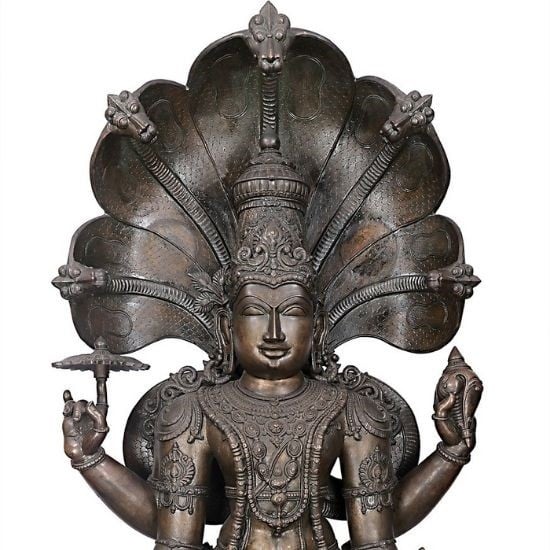
Contemporaneous to Harappan civilization, the well-known copper technology of the Middle East in Sinai and the Far East in China constitute a glorious past of ancient history. With the decline of Harappan Civilisation, copper casting technology opened new frontiers in mainland India in second millennium BCE. Daimabad bronzes owing even a heavy cast piece of 29 kg bore the evidence. That was an achievement over Harappan technology for casting heavy statues. Other than the casting technology there are a few references of forging technology in excavation in Harappan sites.
Published in Sep 2021

India has a long history of varied cultures, traditions, languages, rulers and religions. This has resulted in a multitude of architectural ideas, influences and styles (most of them centuries old) that have evolved from different parts of the country. Traditional Indian design is essentially forged in the crucible of multiple regional cultures. It’s diverse, multi-faceted, but full of colours. Using Indian decor ideas to add ethnic touches to your home is pretty workable, affordable and doable. Here are some common intersections of a few of those diverse ideas, and how they have found a space and are making an impact even in modern homes. Richly carved wooden furniture. Wooden furniture, painstakingly and profusely carved with exquisite artistry, shouts vernacular Indian style. Intricate carvings in wood and marble were symbolic of prosperity in the olden days. As these were mainly seen in the palaces and forts of kings and queens, others aspired to display this ‘royal’ design element in their homes. It is not uncommon to find many traditional homes with beautifully carved window- and door-frames even today.
Published in Sep 2021
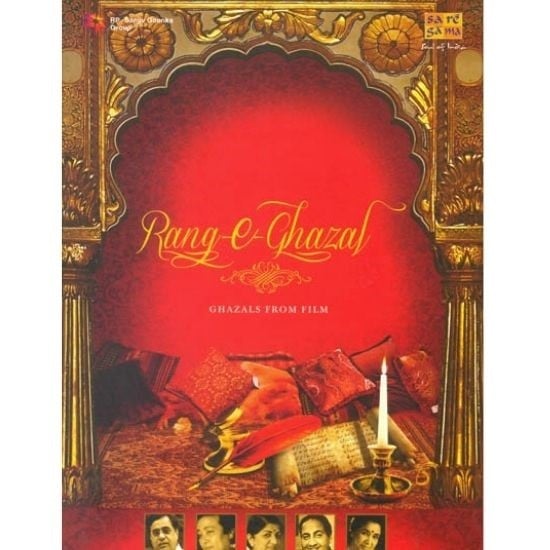
The most popular expression of poetry in Urdu and Persian, the ghazal, is known as much as a poetic form as it is as a genre of music. The ghazal has roots in seventh century Arabia and gained prominence in the 13th and 14th century due to works of Persian poets like Rumi and Hafiz. Indian poets started writing ghazal in Urdu and Persian in the eighteenth century. The name of the poem is based on the Arabic word, ghazal, which means ‘talking to a beautiful young lady.’ Ghazal originated in Arabia long before the birth of Islam. It is a derivative of the Arabic panegyric qaseeda, which consisted of three sections: the naseeb, the raheel and any standard form of poetry. The naseeb was the introductory portion of the qaseeda that dealt with themes of nostalgia, romance and longing.
Published in Sep 2021
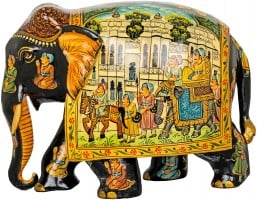
Miniature Art is an art genre that entails intricate brushwork, great expertise in craftsmanship and the mastery of many different techniques. As such, one painting will represent the work of specialists in several fields—not only what we usually consider as “art” (composition, colour and so forth) but also the creation of the painting surface itself and the many natural pigments, as well as each of the many steps between the initial sketch and the finished masterpiece.
These paintings originated not as independent pieces but rather as narratives or illustrations for manuscripts or books. The tradition bloomed primarily as a means to reveal the Divine. It gained momentum with the revival of Vaishnavism and the growth of the Bhakti Movement in the 18th century. Devotional literature like Gita Govinda, Bhagvat Purana and Surasagara became the source of inspiration for the Indian artists. Even the paintings commissioned by the Hindu princely courts were an act of respecting the sacred scripts and religious epics. Eventually, there was some external influence as well. Here are some of the most prevalent miniature artforms that have survived the test of time.
Published in Sep 2021
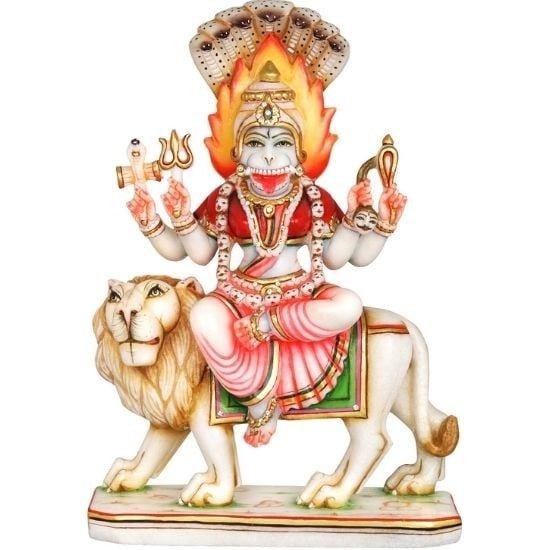
Pratyangira Devi is a fierce yet compassionate form of the Divine Mother, revered for removing negativity, protecting devotees, and guiding them toward liberation. Mentioned in the Atharva Veda and Tantric texts, she is worshipped through homams, mantras, and offerings, especially on Amavasya and Rahu Kalam. Her blessings include relief from sorcery, curses, and doshas, as well as accelerated spiritual growth. Temples across South India, such as Ayyavadi, honor her as a goddess of protection, transformation, and Moksha. Discover Pratyangira Devi’s worship, mantras, benefits, temples, and spiritual significance.
Published in Sep 2021
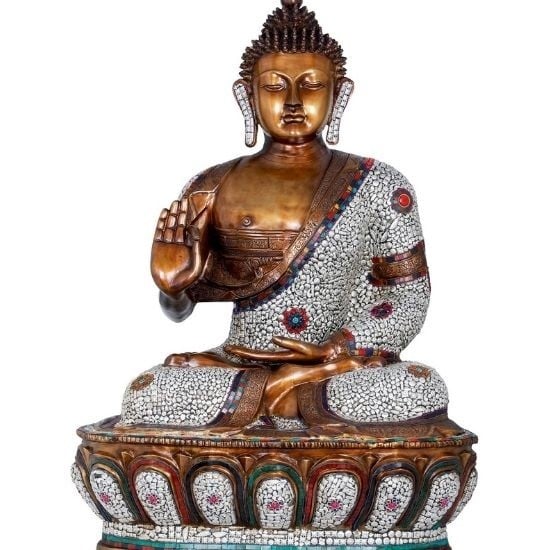
The Seven Buddhas of the Past, including Kakusandha, Koṇāgamana, and Kassapa, are Enlightened Ones from ancient aeons who upheld the Dharma before Gautama Buddha. Revered in both Theravāda and Mahāyāna traditions, their lives reflect timeless virtues, renunciation, wisdom, and compassion. Each Buddha’s story offers insight into the karmic lineage of enlightenment, inspiring devotees across generations. These Buddhas are also honored at sacred sites like Myanmar’s Shwedagon Pagoda, which enshrines their relics.
Published in Sep 2021
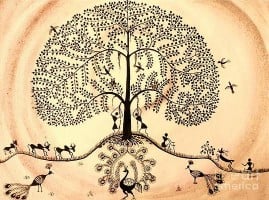
There couldn’t be a more comprehensive summing up of the core emotion of Warli art. An art form that is driven by everyday life stories and these tales also in turn become a reminder of traditional values and cultures cherished by the tribe. The Warlis believe that without the ahankaar, there is no kahankar. They have an advanced notion of communication. A story is not just a story, it is the passing of energy from narrator to listener.
Warli painting is a form of tribal mural art created by the tribal people from the North Sahyadri Range in Maharashtra, India. The Warlis or Varlis are an indigenous tribe living in mountainous as well as coastal areas of Maharashtra and Gujarat. They speak an unwritten Varli language which belongs to the southern zone of the Indo-Aryan languages. The Warli Tribesmen and women are traditional storytellers; they follow the oral practice of passing down traditions, knowledge and culture. This oral tradition translates into beautifully painted elaborate tales on the wall of their houses, and other common areas of the community.
Published in Sep 2021
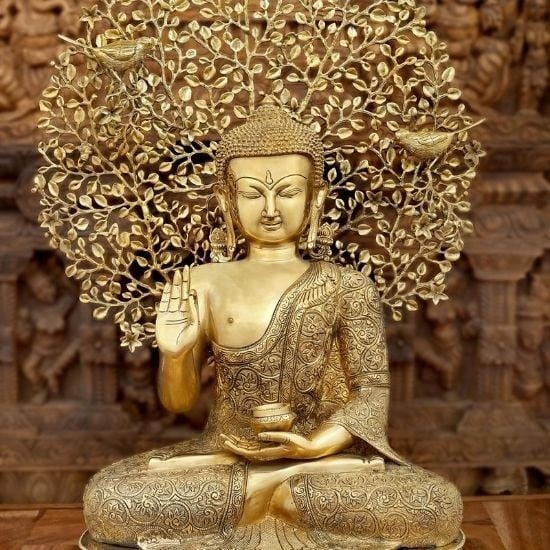
Chi is the energy of life itself. One does not necessarily have to be a Buddhist to own a Buddhist painting. However, it’s good to follow these rules to ensure that you enjoy the flow of luck and prosperity. Peace, tranquillity, harmony and balance. Those are words often associated with the Buddhism, and thus the Buddha's likeness has become a popular presence in many homes as a centrepiece or accessory, even amongst non-believers. Buddhism has a range of different cultures and traditions on both a local and national level. But even though the style of Buddha statues might vary regionally, they can be recognised by their hand gestures, or mudras, which each convey a spiritual meaning.
Published in Sep 2021
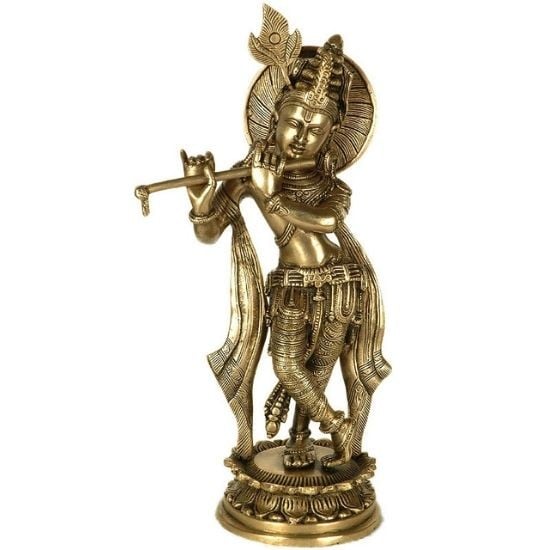
Metal art often only considered as metal wall art covers many spheres of both functional and purely decorative artwork. Functional like metal clocks, cutlery, and sleek appliances, and decorative like picture-prints on metal sheets, bronze sculptures, exquisite chess pieces, and décor accents. From wire metal filigree works and cast metal sculptures made from bronze, to ancient hammered metal cups and fine gold Egyptian jewelery, the resilience of earth metals and their malleable nature has made them one of the best materials to make beautiful works of art and crafts.
Published in Sep 2021
The world is full of very varied religions with unique characteristics. The believers of these beliefs often dedicate their lives to it, so much of the art, architecture and expressions revolve around their religion since religion is an important part of culture and in Buddhism, a religion of more than 500 millions of members is no exception. This religion founded between the 6th and 4th centuries BC in ancient India and that follows the teachings of Gautama Buddha is no exception, since it has shaped a large part of the Asian continent thanks to the knowledge, ideas, traditions and customs of this religion. In search of enlightenment. Before knowing about the Buddhist culture, it is important to know about this religion and the precepts that make it up, because at all times the culture revolves around it. According to ancient texts, this master was born in Lumbini, a city located in Nepal that today is an important pilgrimage site.
Published in Sep 2021
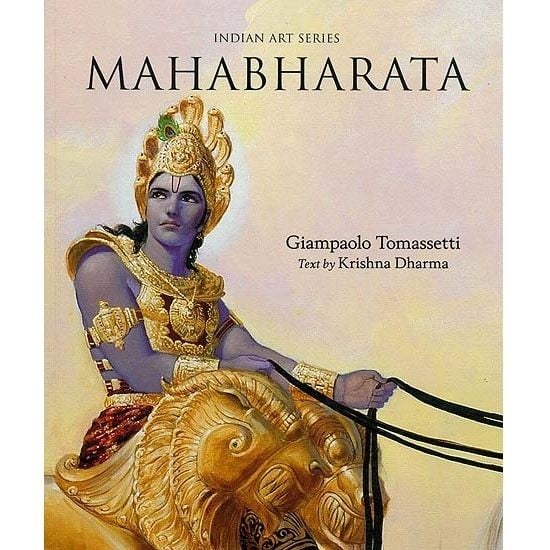
The central question of human life has remained the same for as long as we have walked the earth. What should I do? As humans, we are able to think about our actions. We are able to ask ourselves about the meaning of these actions, understand likely outcomes, and grasp how our actions will affect others. That is an amazing power, but with it comes a tremendous burden of responsibility. And we seem to arrive on earth with no idea what to make of that responsibility. As if we were living life for the first time, we blunder about, learning hard lessons as we go, and rarely committing these lessons to memory. This confusion around what we should do is not new. And from the earliest moments of human existence, great thinkers have worked hard to understand the solution. The Indian subcontinent provides us with perhaps the clearest answer to our questions. It’s magnificent spiritual contribution to the human race includes in it the concepts and stories we need to resolve this confusion and move forward in our lives with clarity. It is in this tradition that we receive the concept of dharma, and we get a grand narrative that presents all the examples we will ever need to understand the role of dharma in our lives and the universe as a whole. We just need to listen.
Published in Sep 2021
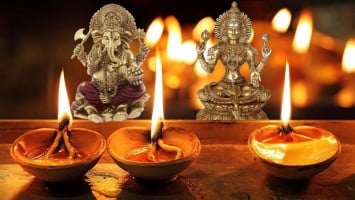
The article on Diwali provides an overview of the festival, often referred to as the Festival of Lights, celebrated by millions across India and beyond. It explores the historical and mythological origins of Diwali, particularly the return of Lord Rama to Ayodhya after defeating Ravana. The majestic Indian festival season has already begun. No matter where we reside in this vibrant country and what faith we adhere to, if there’s one festival that truly ties us together, it’s Diwali. While most other festivals are celebrated in certain regions or are specific to a certain zone in the country, Diwali is celebrated widely across the expanse of India.
Published in Sep 2021
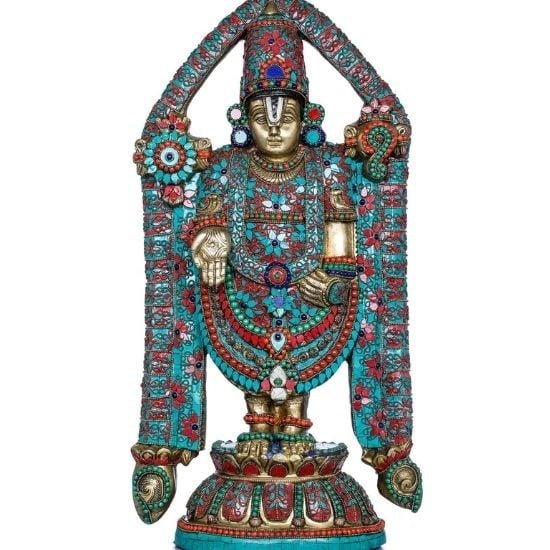
Balaji, also called as ‘Venkateshwara the king’, is the incarnation of Lord Vishnu. Venkateshwara is known to be the only God who took birth to save the people from troubles of Kaliyuga. He will reside there in the temple till the end of Kaliyuga. At the end of Kaliyuga Lord Vishnu’s other incarnation Kalki will take birth and destroy everything on earth. This would happen when sins will reach its peak and there will be no humanity left. That would be an end of Kaliyuga and Kalki will destroy everything and formation of new Yuga will take place. For this reason, Tirupati Balaji temple is also known as Vaikuntha of Kaliyuga. Also known as ‘Kaliyuga Pratyaksh Daivam.’ Two stories are famous about Tirupati Balaji temple. One from Venkatachala Mahatyam and Varaha Purana. These two stories show that the land of Tirumala was pervaded by Lord Vishnu’s Incarnation. It is only after the 9th century that we see that the Tirupati worship has become big. Chola, Rashtrakuta, Chalukya, Hoysala and Pandya were at war but exchanging culturally.
Published in Sep 2021
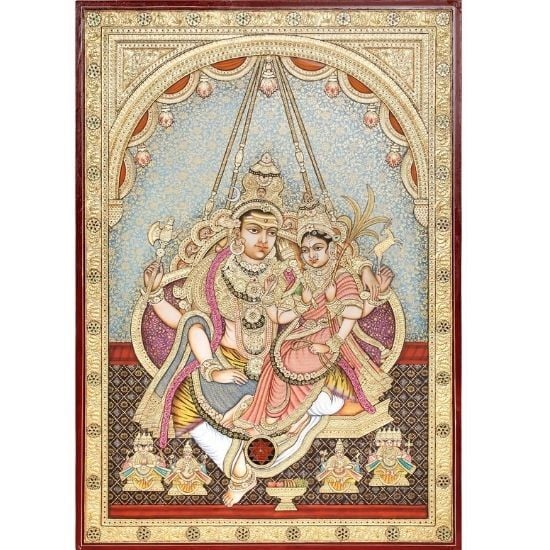
There’s more to golden art than jewellery. Venture south to the Tanjore district in Tamil Nadu and witness the splendid ‘Tanjore Paintings’. Thanjavur is known for being home to some of the most famous historic structures in Tamil Nadu, including a UNESCO World Heritage Site in the Brihadeeswarar Temple. But this dormant town in the state’s centre has much more to offer than just architectural marvels. In fact, for anyone with an interest in South Indian art, music and dance forms, Thanjavur is nothing short of a pilgrimage and thoroughly deserves the title of being ‘South India’s Cradle of Arts’.
Tanjore painting is a popular form of artwork that originated in Southern India. These paintings have been popular from the 16th century and have evolved under the reign of the Chola emperors and are famous for its use of gold. When the Marathas invaded Tanjore in Tamil Nadu many painters and artists migrated here and under their rule, this art form flourished. This form of painting is distinguished by its use of gold and semi-precious or precious stones which is used to accentuate the design. Each painting tells a story, usually revolving around Hindu gods, Goddesses or Saints. In olden days, Tanjore paintings were placed in dark temple shrines by emperors. In a dim place, the gold used to enhance the painting.
Published in Sep 2021
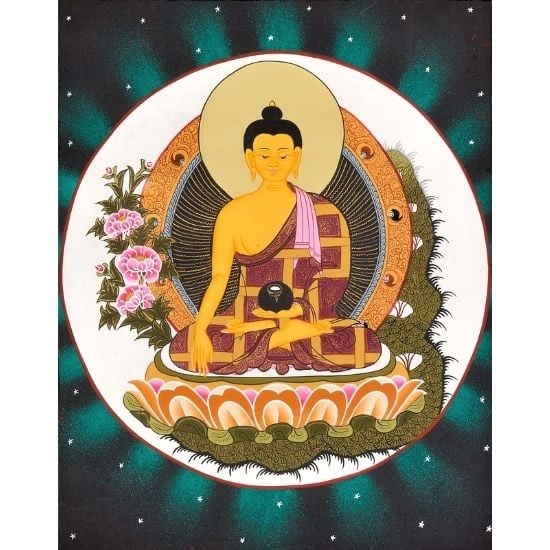
A Thangka, diversely referred to as Thangka, Tangka, Thanka, or Tanka, is a Tibetan Buddhist painting on cotton, silk appliqué, usually depicting a Buddhist deity, scene, or mandala. Thangka is also known as scroll painting. Roughly translating to “recorded message” in Tibetan, it is an ancient form of Buddhist art that originated within Tibet around the 11th century. These are densely illustrative, and painstakingly detailed, and serve as a striking centrepiece that can be appreciated by all admirers of Asian art.
Buddhist thangka paintings are visually captivating and impressive — but there is more to them than meets the eye. Thangkas often focus on a specific deity and scene, and their form and surrounding details are often rich with symbolism, turning them into a medium for religious storytelling. Because of this, extracting all the intricacies and meanings from the paintings requires training. Tibetan thangkas were originally created for the purpose of helping the viewer or Buddhist practitioner on his journey to enlightenment. A thangka's characteristics like organization and juxtaposition of figures, repetition of figures, and size contribute to the storytelling of the painting.
Published in Sep 2021
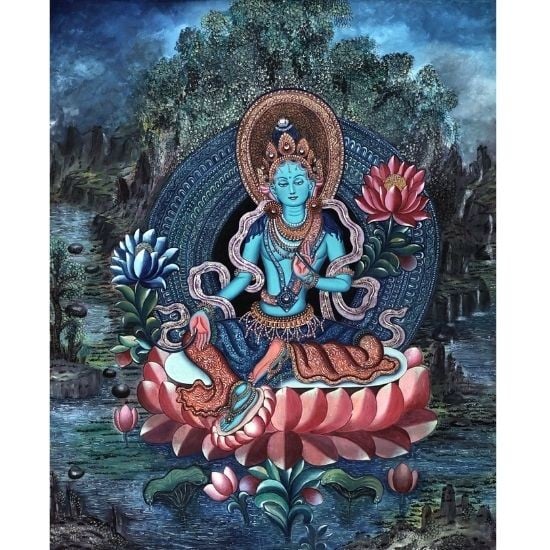
"Goddess Tara, a female Buddha and meditational deity, is arguably the most popular goddess in the Buddhist pantheon. She is considered to be the goddess of universal compassion who represents virtuous and enlightened activity.
The word Tara itself is derived from the root 'tri' (to cross), hence the implied meaning:' the one who enables living beings to cross the Ocean of Existence and Suffering'. Her compassion for living beings, her desire to save them from suffering, is said to be even stronger than a mother's love for her children."
Published in Sep 2021
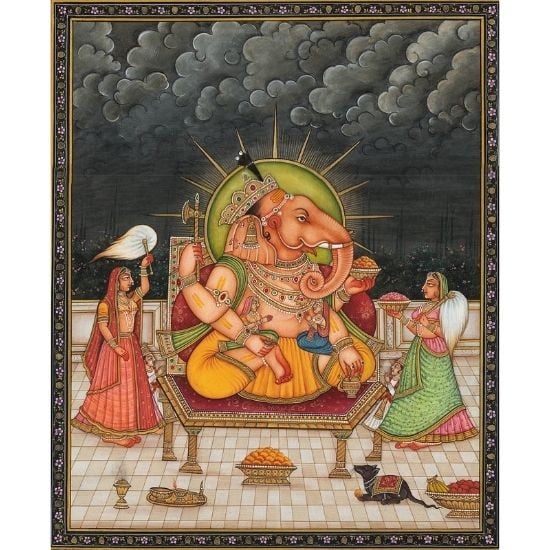
Lord Ganesha, one of the most revered deities in Hinduism, is widely known as the remover of obstacles and the god of wisdom, knowledge, and new beginnings. With his distinct elephant head and large belly, Ganesha embodies profound spiritual symbolism, inspiring millions across the world. From ancient scriptures to modern practices, his presence continues to guide devotees in personal growth, problem-solving, and mindfulness. Discover the life and symbolism of Lord Ganesha, the remover of obstacles and god of wisdom. Learn about his origins, festivals like Ganesh Chaturthi, and how his teachings inspire success, mindfulness, and personal growth today.
Published in Sep 2021
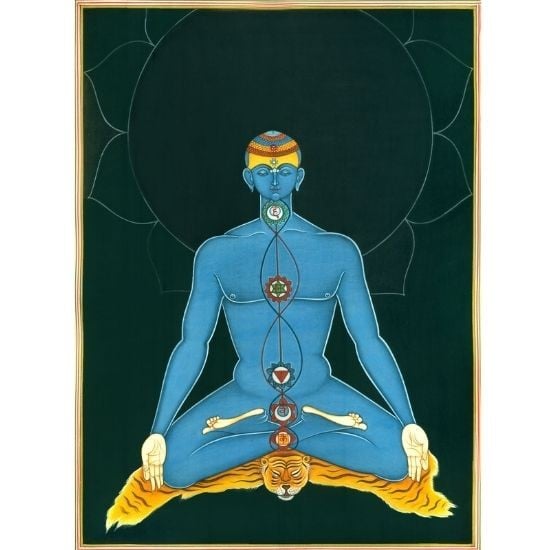
The concept of Chakras is intimately tied to the Kundalini Yoga practices. Our understanding of these ideas has evolved greatly over the centuries but these practices find their first mention in the ancient Hindu scriptures of the Yoga Upanishads. There are around twenty Yoga Upanishads believed to have been first codified over four millennia ago. The texts are contained within and form an integral part of the four Vedas. Kundalini Yoga, of which the chakras are a part, is a powerful yogic technique, and must be performed properly, to minimize unintended physical or mental side effects. Adverse effects are not uncommon when these techniques are performed in a manner disassociated from their true, original context. We must remember that a meditative technique is not a narcotic; neither is it a quick-fix to escape your reality.
Published in Sep 2021
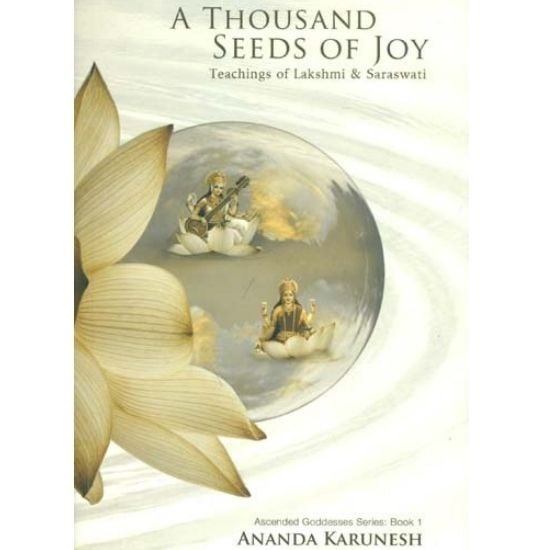
The role of the goddess as one who fulfills wishes has remained one of enduring strength and consequence. In the ancient collection of sacred hymns known as the Veda, this aspect of the goddess already becomes manifest. The two most shining examples in this context are The Great Goddesses Lakshmi and Saraswati. Overall, the goddesses Lakshmi and Saraswati are highly revered in Hindu mythology and are seen as the embodiments of wealth, prosperity, knowledge, and the arts. Their representation in art and iconography serves as a reminder of the importance of achieving a balance between material and spiritual wealth.
Published in Sep 2021
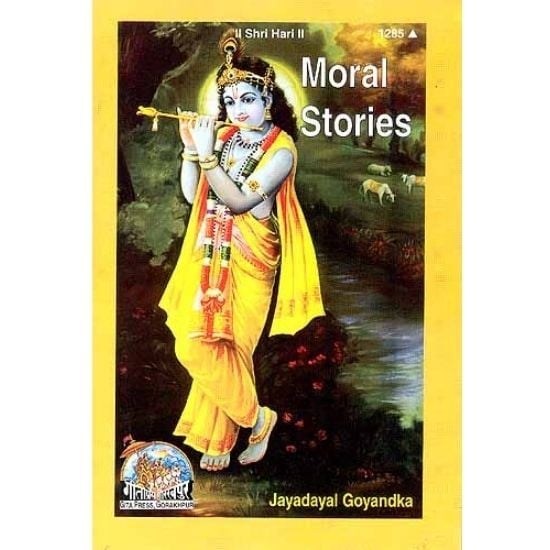
Today, Hindu moral stories are available in books, DVDs, and (as they have always been) through telling. But no matter the medium you prefer, they continue to do what they have always done: teach us about how to live.
We still must help those in need. We must honor our friendships. We must be honest with the good and cunning against our oppressors. We must be quick witted but not quick to judge. We must not hesitate to act but never become hasty. We must keep our heads, trust our hearts, and protect others. Hindu moral stories give us memorable tales that impart this wisdom over and over again.
On top of that, when we read or watch these tales unfold, we are joining in an unbroken chain of people who have told and retold these exact same stories since the dawn of civilization. It’s a thrilling thought to join as a link in this chain. That’s why it is worth celebrating the Hindu moral story and to continue this legacy into the future.
Published in Aug 2021
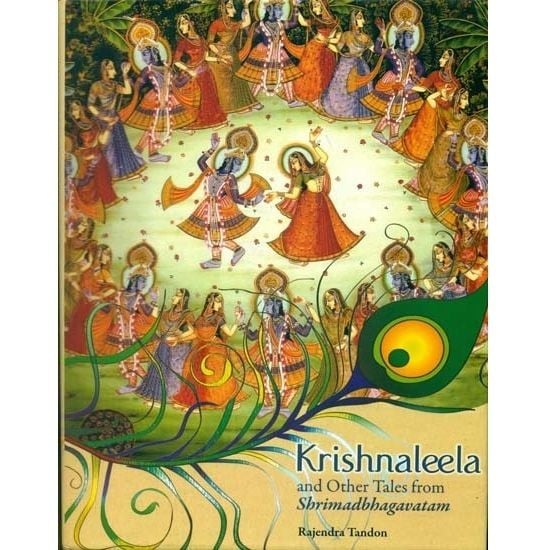
"One uniqueness of our Vedic religion is that it allows for salvation not only through renunciation (nivritti) but also through the path of material happiness (pravritti).... If dharma makes it mandatory that conjugal pleasure be restricted to the life partner, how is it that Krishna indulged in the amorous sport of Rasa with others' wives?.... Some stopped cooking, some stopped feeding, some stopped eating, some stopped washing clothes etc. and ran away.... Upanishads call the jiva in waking state as Vishwa and the dreaming jiva as Taijasa (Mandukya Upanishad Mantras 3-4)."
Published in Aug 2021
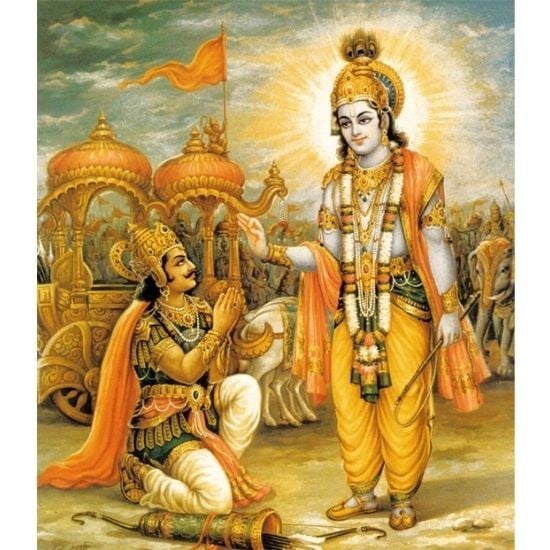
Bhishma undoubtedly is one of the central figures of the Mahabharata. When he was at his deathbed after the great war, his grandson and would-be king Yuddhishthira approached and asked him numerous questions encompassing all aspects of life. The dialogue between the two is one of the highlights of the Mahabharata and the instructions imparted by Bhishma give us an immense opportunity to lead better and more fulfilled lives ourselves. One particular part of the conversation highlights how we can lead a fuller, longer and relevant life.
Published in Aug 2021
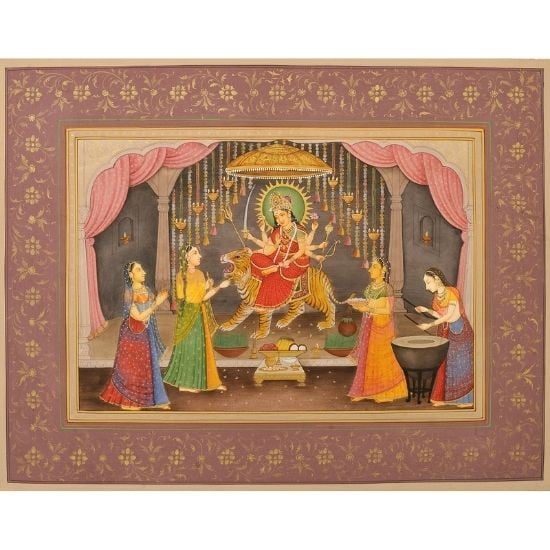
"Durga Puja is more than the periodically observed navratra in the subcontinent..The akaal bodhon Durga Puja has evolved into great socio-cultural significance in the Eastern Delta region, and is the lifeblood of Bengalis everywhere...On dashami the next day, one could sense the pall that descends upon the delta...Ma Durga's time in Her girlhood home draws to a close. Now is the final throes of festive exuberance."
Published in Aug 2021
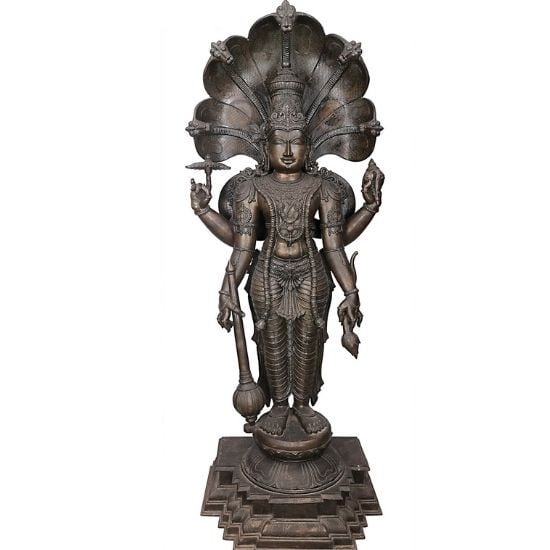
Swamimalai is believed to be one of the six sacred abodes of Karthikeya, the eldest son of Shiva... Apart from being a center for pilgrimage and tourism in South India, it is also the de facto bronze icon capital of India. The skillfully crafted Swamimalai bronze idols are some of the most sought after artifacts by art lovers and connoisseurs throughout the world. Swamimalai bronze icons embody a characteristic grace and precision, bringing together in a perfect combination, the skill of an expert craftsman, the imagination of an artist, and the sensibilities of a poet... Because of the use of the ancient method of madhuchishtavidhana (lost-wax method) the original wax cast is lost during the crafting and no duplication is possible. A fact that renders the Swamimalai artifacts truly unique and one of the most sought after metal icons in the modern world.
Published in Aug 2021
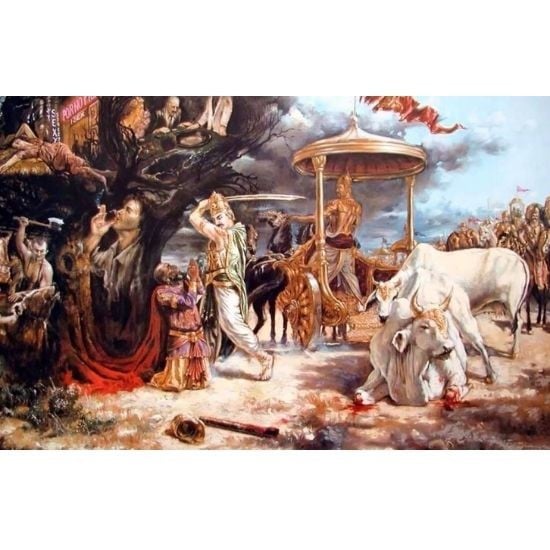
"Both the Mahabharata and Shrimad Bhagavatam give a vivid description of how things are like in Kaliyuga…. The following is a list of features typical to Kaliyuga…. A man will consider only those people to be his relatives who are related to him through….The ashrams will be full of show-offs who are experts in the art of living off the food of others….. We can save ourselves from Kaliyuga."
Published in Aug 2021
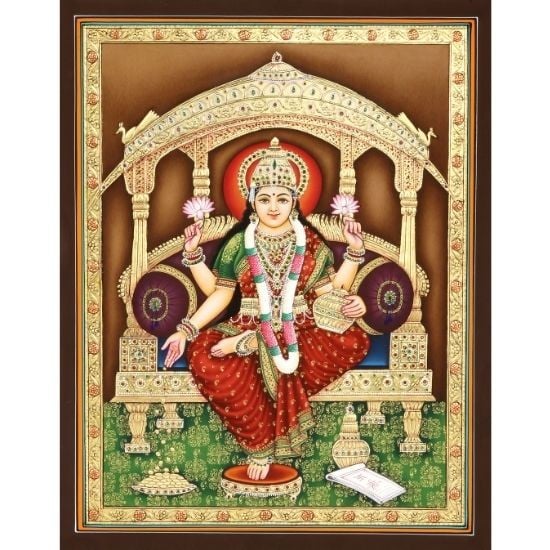
"Her epithet in the Devi-Mahatmya is Mahalakshmi. She is the wrathful four-armed goddess of battlefield represented holding in them various weapons…. A form of Lakshmi seated over a lotus laid over a golden seat and a pair of white elephants…. Except in some classical forms in Lakshmi-Narayana imagery Lakshmi is ordinarily two-armed…. Incarnation theory is the crux of Vaishnavism. Vishnu incarnates alone but Lakshmi also incarnates in simultaneity…. Though very rare some enthused artists have conceived on Ardhanarishvara line also Vishnu’s Ardhanarishvara images."
Published in Aug 2021
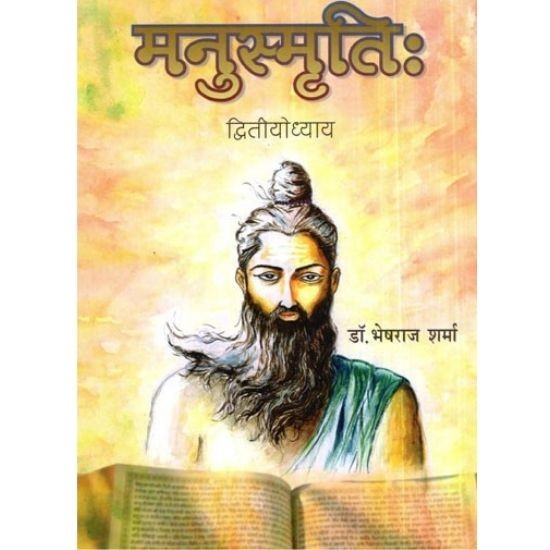
"A man receives a wife given by the gods... Where women are revered, there the gods rejoice; but where they are not, all efforts are unfruitful…. The husband, tradition says, is the wife, They can never be cut loose from one another. This is the dharma made by Brahma himself….he king who bears patiently when those in anguish insult him will be exalted in heaven…. If the driver of a vehicle injures a man, animal or property, he needs to be punished along with the owner of the vehicle…. This in a nutshell, is the definition of suffering and happiness."
Published in Aug 2021
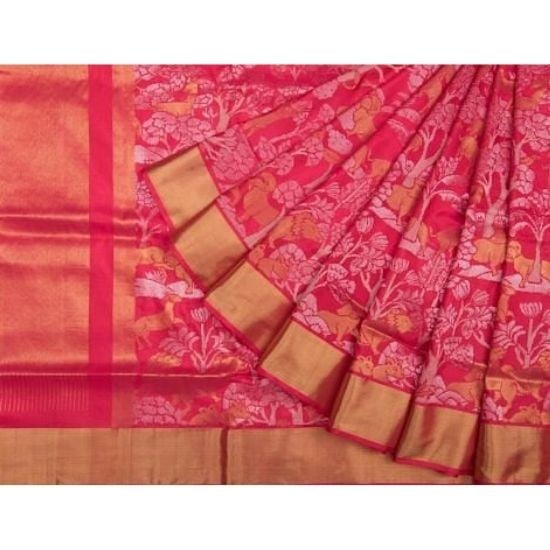
Jamdani silk is a muslin cloth that dates back as far as 300 AD. It’s characterized by its loom weaving with grey and white thread, occasionally incorporating gold. The craftsmanship of jamdani silk has been passed down through the generations, continuing the tradition of floral and figurine motifs within the fabric. At Exotic India, we incorporate Jamdani Silk into our sarees with a vibrant spectrum of earth-tone and jewel-toned textiles. If you’re interested in finding out more about jamdani silk and other textiles, we offer several books on traditional fabrics. We’re taking a deep dive into the world of jamdani silk, looking at its fascinating heritage and the craftsmanship behind it.
Published in Aug 2021
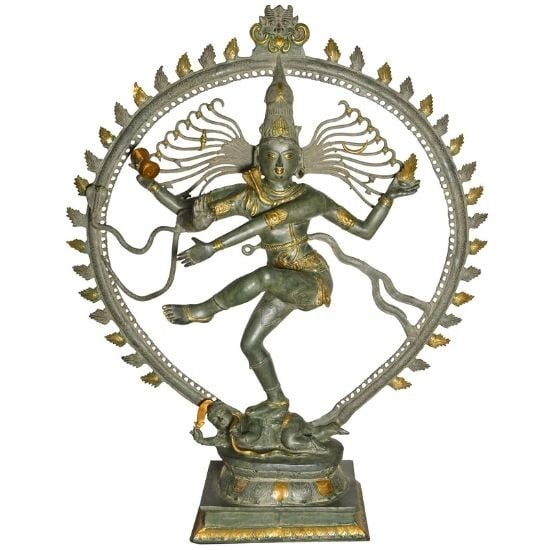
"Shiva the Hindu god of destruction is also known as Nataraja, the Lord of Dancers (In Sanskrit Nata means dance and raja means Lord). The visual image of Nataraja achieved canonical form in the bronzes cast under the Chola dynasty in the tenth century AD, and then continued to be reproduced in metal, stone and other substances right up to the present times. The Chola Nataraja is often said to be the supreme statement of Hindu art."
Published in Aug 2021
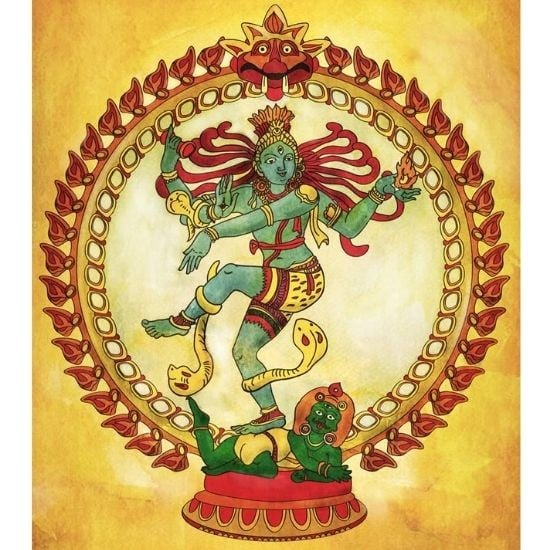
"Contrarily metaphysicians and theologians perceived his form as it manifested in the Upanishads and Puranas….The ‘Advaita’ philosophy also contends that the entire Creation is just the extension of One…. Dance illustrates one of the ever-first cosmic acts with which Shiva seems to have tamed violent motion and separated from it rhythm, moves that communicated emotions and states of mind – human mind and the cosmic, and disciplined and defined pace…. Unlike Vishnu who resorted to dance for accomplishing a contemplated objective, Shiva has been conceived more or less as a regular dancer performing for accomplishing an objective as also for pure aesthetic delight…. Unfurling locks of hair and his snakes floating into space portray the dynamics of the act."
Published in Aug 2021
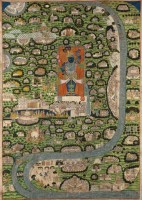
At first, quarantine had a certain excitement. The news feed was apocalyptic. We reached out to our loved ones. We reconnected with far flung friends over video chat. We were all drinking at night and catching up on movies and reading. We made resolutions. We set ourselves to the task of cooking great meals, investing time in long neglected hobbies, and enrolled on unemployment insurance. There was terror but also the opportunity for the ultimate staycation. There was purpose to our isolation and a cultural sense that what we were doing was important.
But time moved on. The excesses of drink and streaming video began to weigh on our days. The confusion of at home work spaces and workout spaces and needing alone time from our families while desperately needing social interaction all bubbled and boiled like a slow cook witches brew. And at some point, the shared energy of it all seemed to break down. The news became a rolling, desensitizing mantra of COVID-19 — devoted more to the personalities of the daily press conferences than the pandemic itself.
Published in Aug 2021
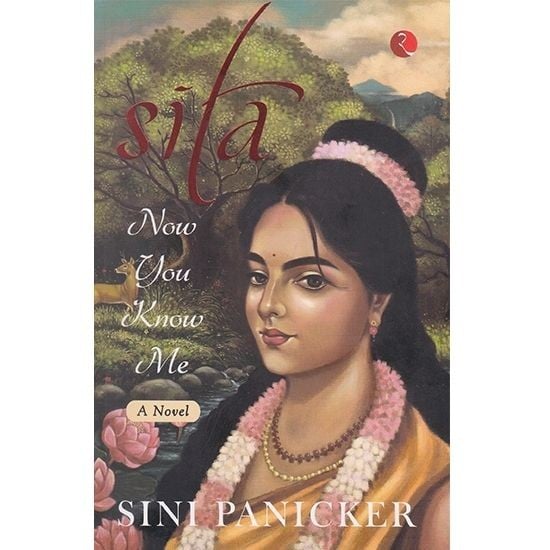
"people all over India will say approvingly for someone: "He is a Rama like son, a Rama like brother, or a Rama like king. " It is rare however to hear the following as a compliment "Rama like husband or son-in-law."... All of Sita's miseries in the confinement of Ravana pale in comparison...to the emotional trauma and humiliation she was subjected to by Rama himself. In a bitter irony, what was to be her moment of deliverance, turned out to be the beginning of another trial... Sita sets a high standard as an ideal wife who stays unswerving in her loyalty and righteousness, no matter how undesirable her husband's response... She emerges as a woman that even Agni - who has the power to reduce to ashes everything he touches - dare not touch or harm..."
Published in Aug 2021
"No one spends even a single moment without doing some action or the other....We generally notice in history that almost all civilizations acquire a lot of material affluence in the beginning and after sometime they go into oblivion....We very well know that it is only the work based on well thought plan that solves problems and not our worry.....The success of any action depends not only on visible parameters but also invisible one....We are carried by the slogans of the times and move in the turbulent waters of life in a rudderless boat.....Want to give us a state of pleasure which is constant and never ending."
Published in Apr 2020
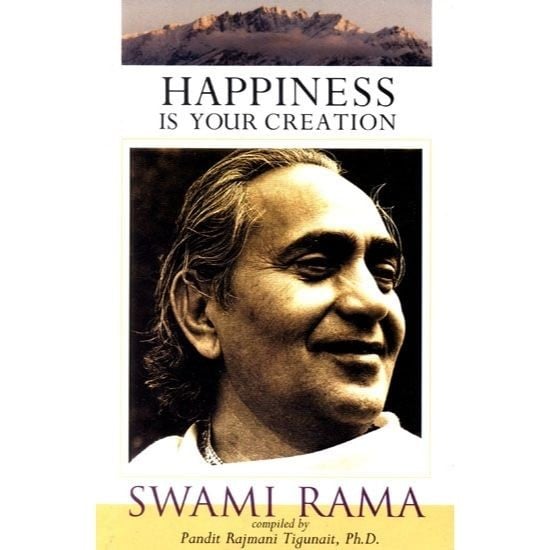
"We assume that our happiness is the result of an interaction with external objects…. Suppose that an individual is deprived of sleep and food and pleasurable objects for a long time and then all of them are simultaneously offered to him…. Actually, seeking the answer to this question is the most significant pursuit in life…. The veil comes up again and the duality returns…. In this background, we can now analyse the nature of dukha (grief)."
Published in Mar 2020
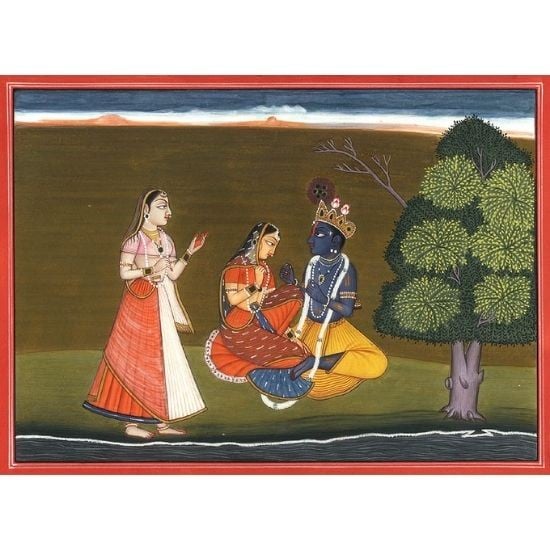
Learn more about the principles of Vaishnavism and its spiritual significance. The central theme is the love between Krishna and Radha, symbolizing spiritual unity. Discover more about Jayadeva and his influence on Sanskrit literature. The Gita Govinda revitalized Vaishnavism by focusing on love and devotion rather than dogmatic theology. Explore the Bhagavata Purana and its portrayal of Krishna. Experience the teachings of Krishna firsthand by exploring sacred texts. Krishna’s transformation from a divine king to a humble cowherd made him relatable to all people.
Published in Apr 2019
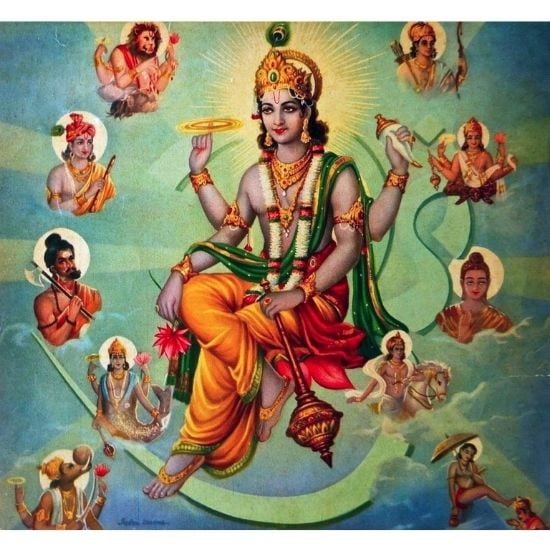
"There is Rama, the son of Ayodhya's king Dasharatha in his human birth, and there is Rama's divinity, his divine aura that overwhelms the Tulasi's entire Ramacharit-manas, one manifest - with attributes, and the other, unmanifest - without attributes. With main emphasis on his majesty in South Indian tradition this crown is taller than usual. His 'khadgasana' images are usually in three modes; one with his right foot moved forward represents him in a commander's disposition ready to rush for protecting a devotee in crisis or redeem him from some calamity. Harihara, a form in which he shares with Shiva half of the body. Basically a bird Garuda is seen for ages as Vishnu's ardent devotee, a learned human being and an auspicious presence, and in iconographic tradition often conceived with a man's face, anatomy, ornaments and ensemble. The Puranas are replete with tales of Garuda's divine exploits."
Published in Dec 2016
"She has always believed that this would redeem her of her distress….A coconut, otherwise an ordinary dried fruit or the source of edible, or at the most, beauty oil, has always been revered as an auspicious object effecting good and well-being and the food that gods most loved….The tree in the Buddhist tradition was later identified as Bodhi-tree, seated under which Buddha had attained Enlightenment….Body gestures and symptoms, signs, indications among others must have been the early man’s tools of communicating oneself and knowing and understanding the world around….Kirttimukha was initially conceived as a mystical mask….Lion does not figure in the wide range of animal toys or figurines excavated from Indus sites."
Published in Jul 2016
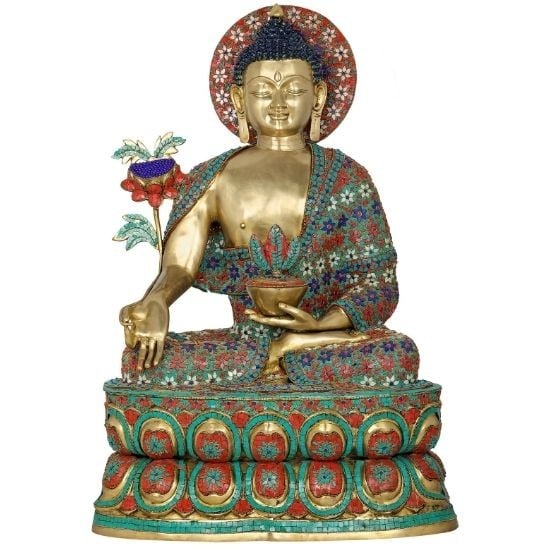
Discover how the life of Buddha inspired millions. "The Light That Enlightened Millions" reveals his path to enlightenment, offering hope, peace, and spiritual transformation. This middle path lies in between extreme asceticism on one side, and extreme indulgence on the other…. When standing under a Ashok tree, tired and exhausted, she raised her right hand for seeking support of a branch of the tree…. What makes Buddha’s life so enduring? "The Light That Enlightened Millions" uncovers how his story continues to captivate hearts and minds, lighting the way to peace. Examine the profound impact of Buddha’s life on cultures worldwide. "The Light That Enlightened Millions" explores the historical, spiritual, and cultural influence of his teachings.
Published in Jun 2016
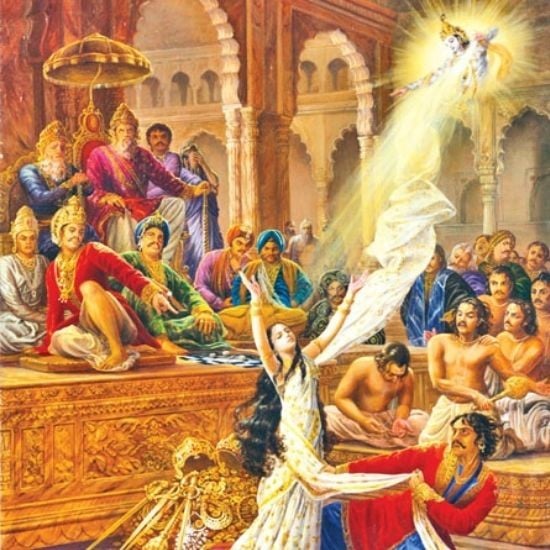
"Here is a fragment from one of the most poignant episodes of Indian history…. This piece of history is from the Mahabharata…. She was dying with shame but inside, like a true kshatrani (woman of the warrior race), she was burning with anger…. I have heard that women who follow dharma were never brought before a public court….Greed is the destroyer of dharma. I do not desire a third boon…. Draupadi was as forgiving as mother earth herself…. Just then Arjuna saw his dear friend Bhagawan Krishna approaching him…. “Leave him, leave him. He is a brahmin and worthy of our worship. Their mother should not cry, like I have at the death of my children."
Published in Mar 2016
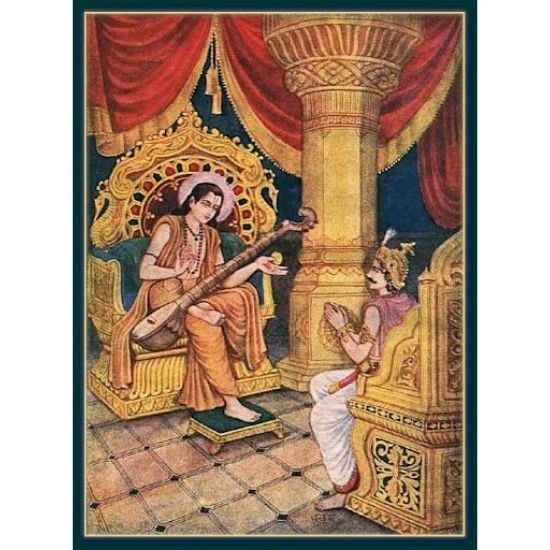
"Whenever he gets the time, he should go and live amongst people who have given up worldly life…. A wise person should serve his body and family only to the extent that is functionally necessary…. The person who lays claim on the surplus wealth is nothing but a thief…. He should share all objects of enjoyment with everyone, right down to dogs, sinners…. Such is the attachment to one’s wife….How despicable is this body, which if buried is going to become the food of worms, or excreta if eaten by animals….Since a son is to thus revere his elders even after their death, what to say that he is expected to serve them when they are alive…. The person wishing to follow the path of dharma should steer clear of the five forms of Adharma."
Published in Nov 2015
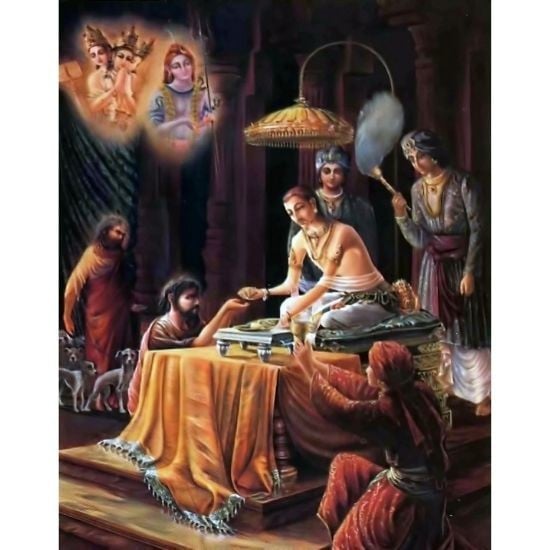
"The Bhagavad Gita, while describing the qualities of a wise person says…. This verse is vividly illustrated in the story of king Rantideva occurring in the Srimad Bhagavatam…. He did not believe in hoarding, was above all attachments and was highly patient…. They were all trembling due to starvation and thirst….bowed to the dogs and their owner…. What I want is only this: That I be able to go and live in the hearts of all beings and undergo sufferings on their behalf, so that they may become free from all miseries."
Published in Sep 2015

"We assume that our happiness is the result of an interaction with external objects…. Suppose that an individual is deprived of sleep and food and pleasurable objects for a long time and then all of them are simultaneously offered to him…. Actually, seeking the answer to this question is the most significant pursuit in life…. The veil comes up again and the duality returns…. In this background, we can now analyse the nature of dukha (grief)."
Published in Aug 2015
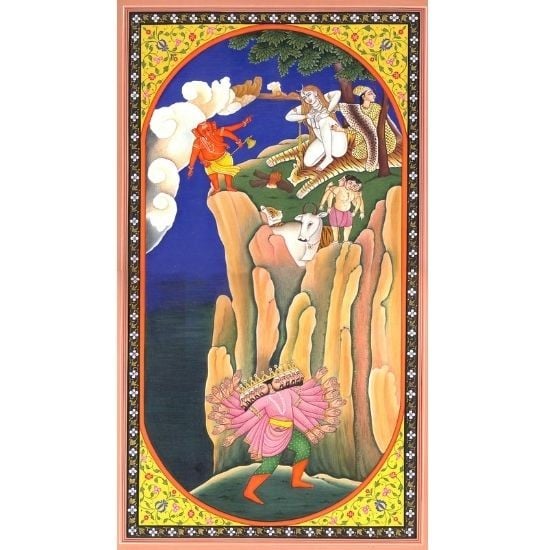
This article explains why worshippers of Shiva often gain wealth and pleasures, while Vishnu’s devotees typically become detached from material riches. Drawing from the Bhagavata Purana and other Hindu texts, it unpacks the divine roles, myths, and deep connection between Shiva and Vishnu. Readers learn how these two deities embody different paths to realizing the supreme Brahman and how stories like Vrikasura and Mohini illustrate this timeless wisdom. Explore the unique relationship between Shiva and Vishnu, uncover why devotees gain wealth or renounce it, and learn rare stories proving their unity in Hindu philosophy.
Published in Jul 2015