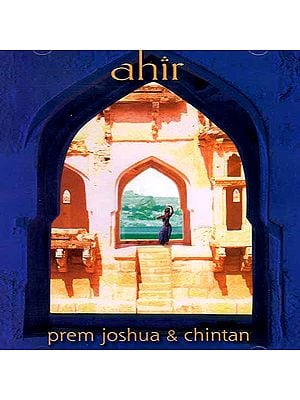
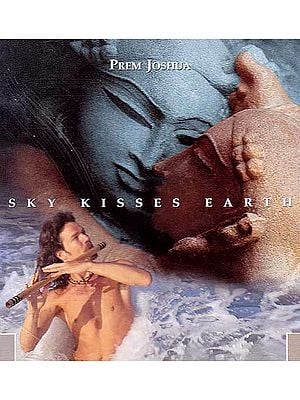
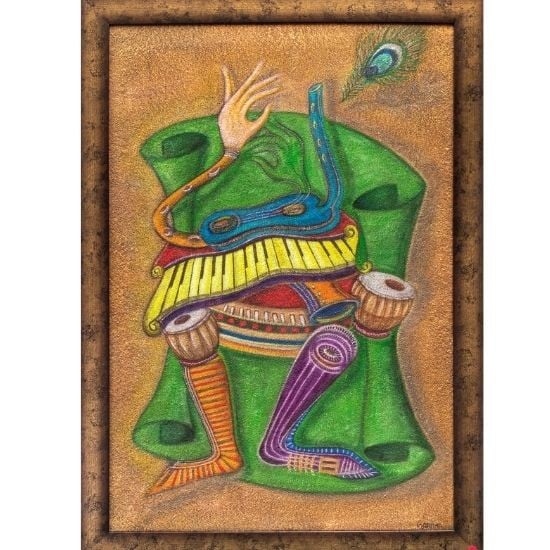
"Mysticism is the inherent desire to seek oneness with the ultimate reality... the sense organs provide the only window to perceive this supreme state of being... This state is non-material, just like music is... the first musical instrument was the human body itself, and the first created music, the human voice... In mysticism, everything is vibration... all material forms made up of vibrations... The drum, through its rhythms, replicates these vibrations... the beating together of cymbals is said to signify the symbolic union of opposites... an activity which is necessary to maintain the harmony of the dynamic universe... the flute... gives forth a clear, pure and simple sound... both intensely melancholy and entrancingly sprightly... The sacredness and reverence for the flute can be gauged form the fact that it is often deified as an extension of Krishna\'s own beauty"
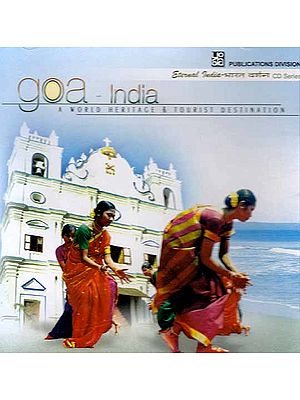
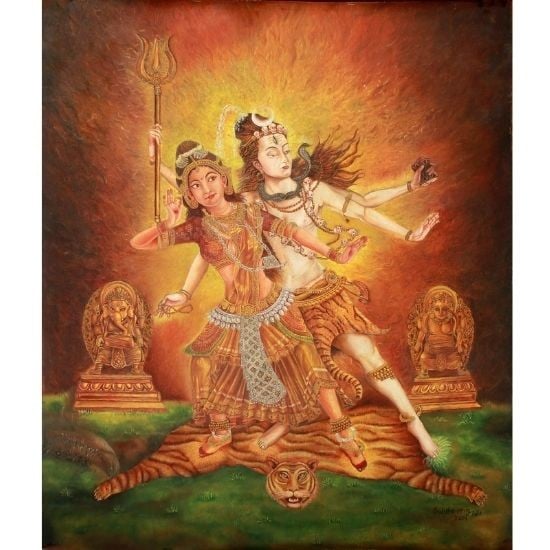
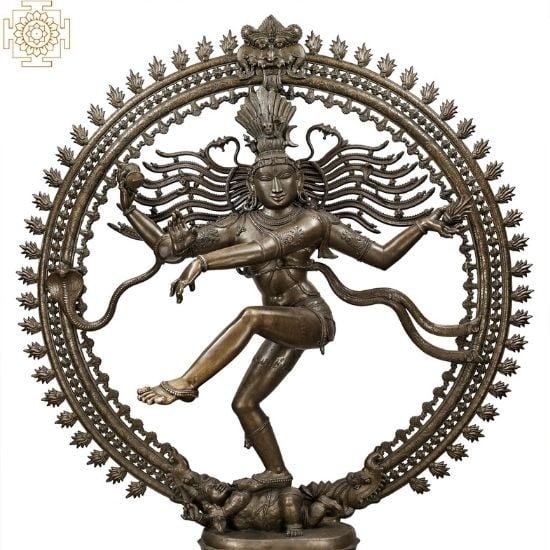
"In Indian tradition dance was...a divine dimension of the man\'s act... The dancer...sublimated his own self...and united with the supreme Self... The ancient Indian mind...had unique reverence for dance... it conceived its gods as dancers discovering in dance the accomplishment of their assigned functions, ranging from creation to annihilation, and the divine grace - an essential attribute of gods... The tradition...acclaims Shiva as both, the first exponent of dance and the first linguist... Vishnu...is revered as the \'Adi-nratya-guru\' along with Shiva and Kali... Dance has been classified under four categories...secular; ritual; abstract; and, interpretive... India\'s art imagery and sacred architecture found...in dance its most natural and intimate idiom..."
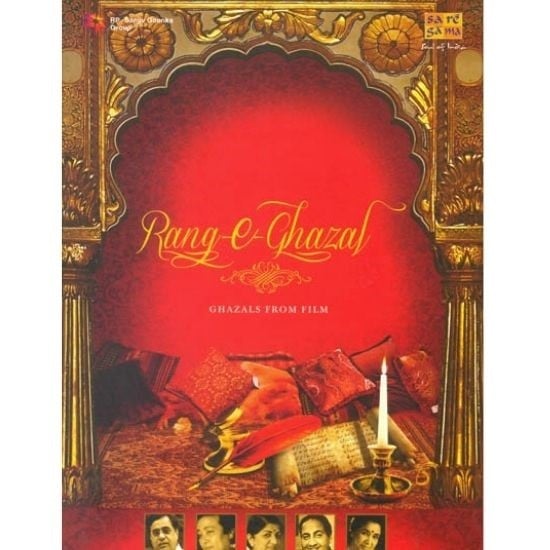
The most popular expression of poetry in Urdu and Persian, the ghazal, is known as much as a poetic form as it is as a genre of music. The ghazal has roots in seventh century Arabia and gained prominence in the 13th and 14th century due to works of Persian poets like Rumi and Hafiz. Indian poets started writing ghazal in Urdu and Persian in the eighteenth century. The name of the poem is based on the Arabic word, ghazal, which means ‘talking to a beautiful young lady.’ Ghazal originated in Arabia long before the birth of Islam. It is a derivative of the Arabic panegyric qaseeda, which consisted of three sections: the naseeb, the raheel and any standard form of poetry. The naseeb was the introductory portion of the qaseeda that dealt with themes of nostalgia, romance and longing.
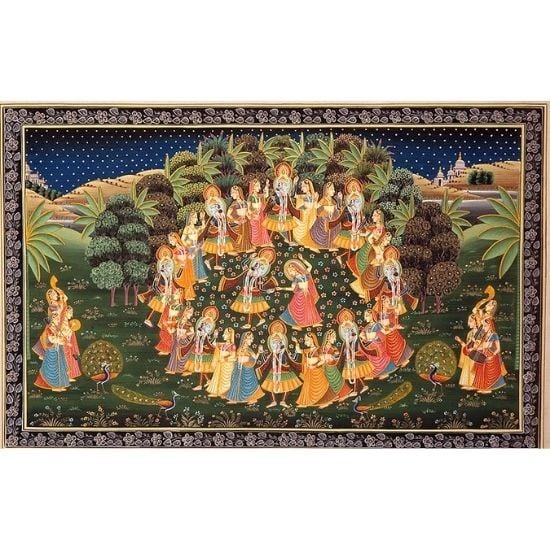
"After having returned the clothes of the unclad maidens bathing in the sacred waters of river Yamuna, Krishna congratulated them for their unflinching devotion towards him and promised that he would sport with them during the forthcoming autumn nights...The gopis\' escape from the shackles of worldly life was not however without event...Truly, Krishna is the ultimate attraction, much like a magnet draws iron files towards it...whatever emotion is directed towards god, it should be intense and continuous...the gopis puffed up with pride and each regarded herself as special...the gopis forgot their agony of separation (viraha), and on physical "contact with him (anga sanga) felt all their desires fulfilled..."
Old stories tell of a time, when God Shiva attended a play, staged by the Sage Bharata and his hundred disciples (Some accounts say they were his hundred sons). The play was called Tripura Dahan and Bharata was staging it at the behest of God Brahma. Shiva, who was attending with his ganas, was impressed by the performance. He suggested to Brahma that it would get even better if the drama being acted out on the stage was embellished with dancing.
Shiva accepted Brahma’s request graciously and instructed Tandu, one among his retinue of ganas, to teach Bharata the secrets of dance. Tandu was a masterful dancer. There were many dance forms that Tandu had learned during his time with Shiva. But teaching the divine dances of Shiva was a difficult task. Tandu realized that every time his god danced, it was a new form. For Natyashastra, which was for the consumption of common folk, Tandu could only choose one. He remembered a graceful dance routine he had once seen Shiva perform against a dusky Kailasha sky. Tandu taught the one to Bharata, who later added it to the Natyashastra. In honor of his teacher, Tandu, Bharata called this dance form, the Tandava.