




Filter
South Indian
painting style in all its glory is first displayed in the Chola period murals,
which show divine stories from Hindu texts and icons of gods and goddesses
powerfully. Over some time, the South Indian painting style crystalized in the
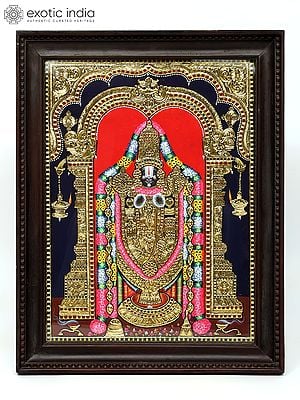
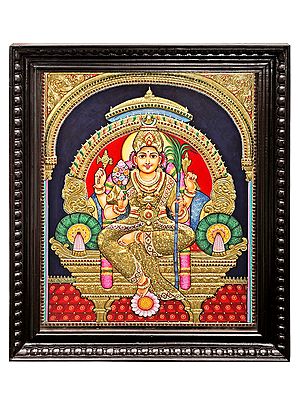
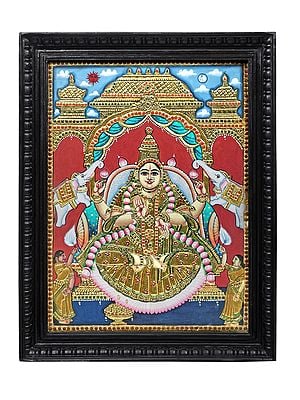
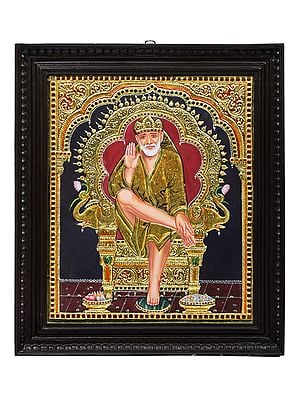
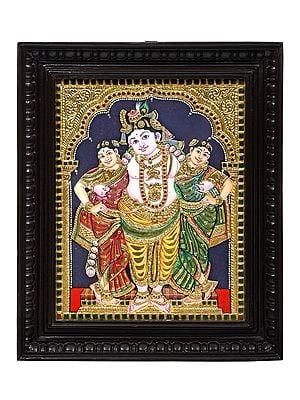
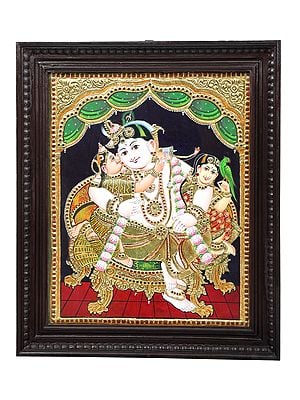
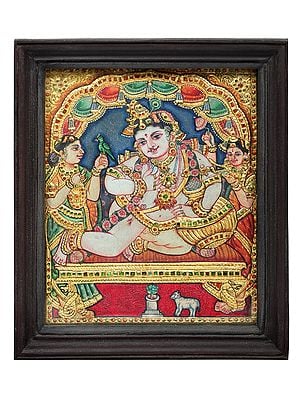
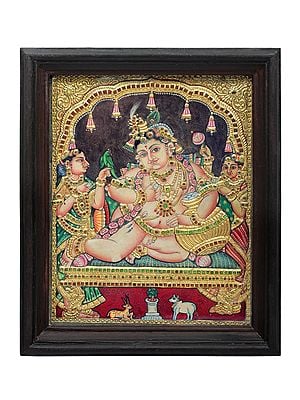
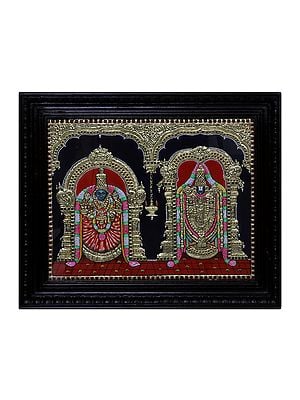
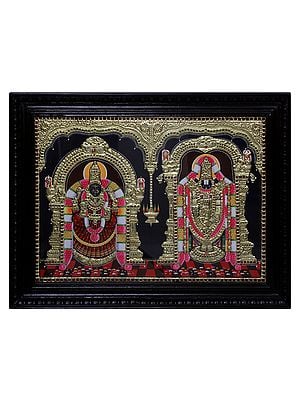
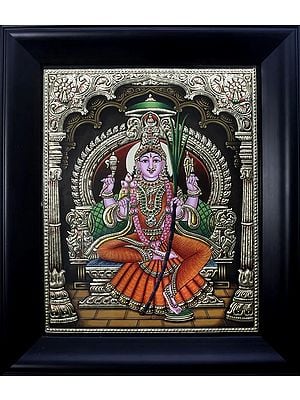
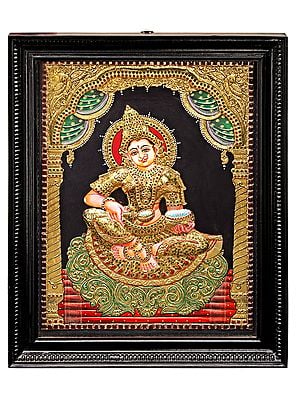
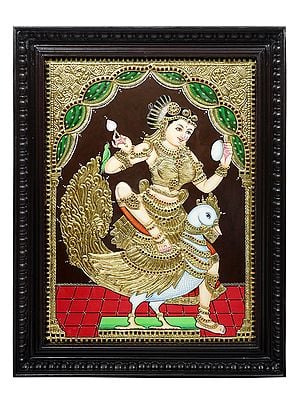
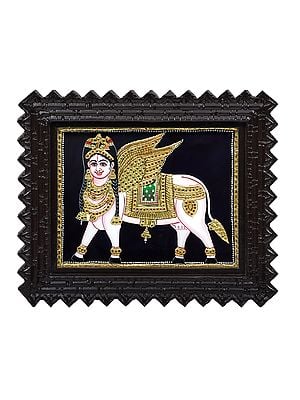
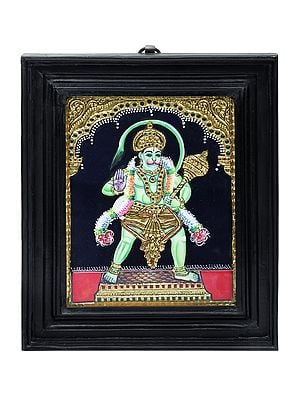
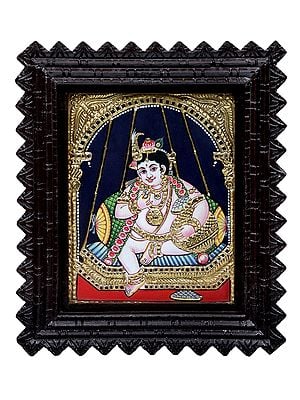
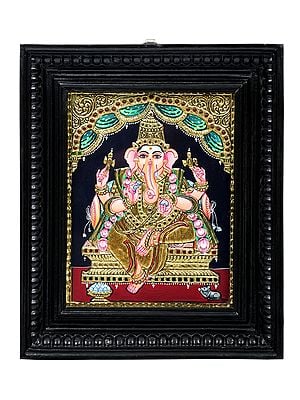
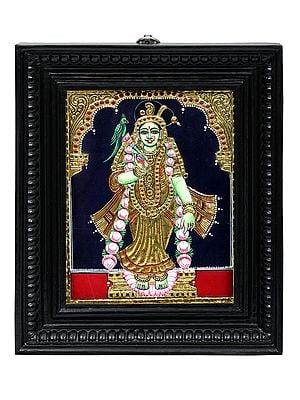
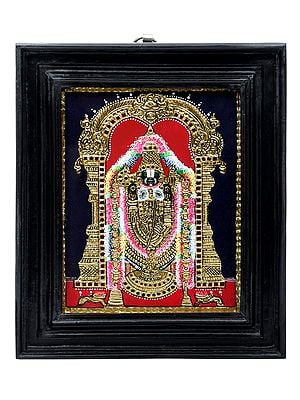
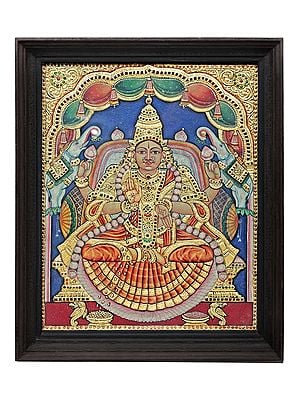
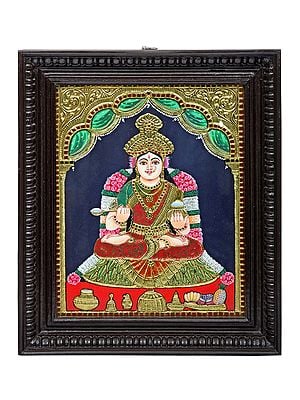
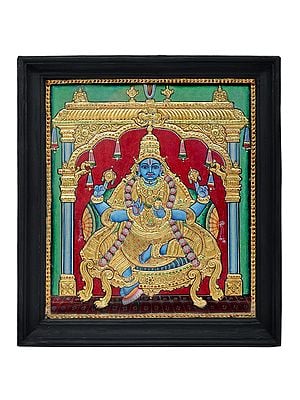
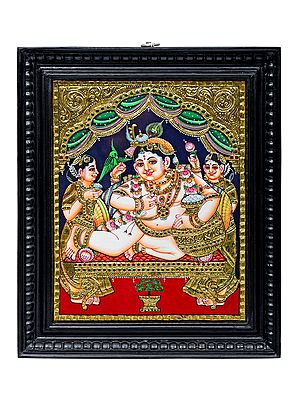
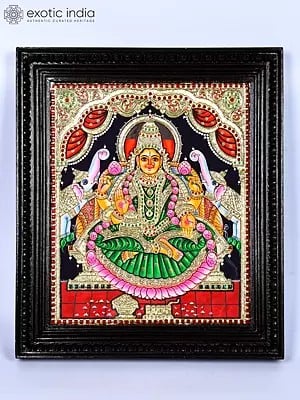
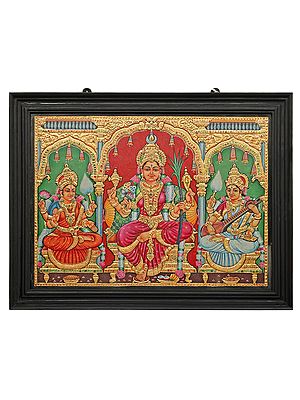
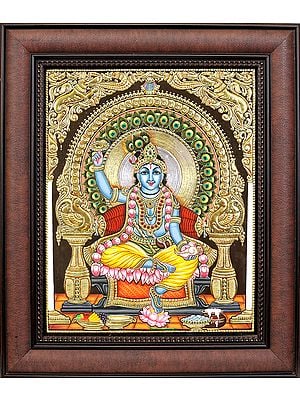
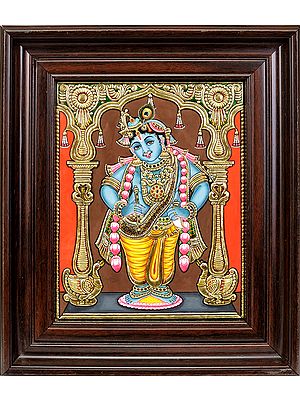
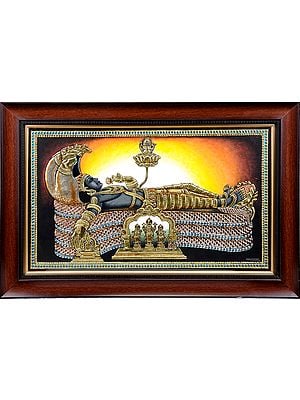
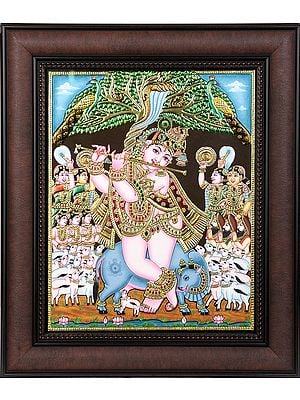
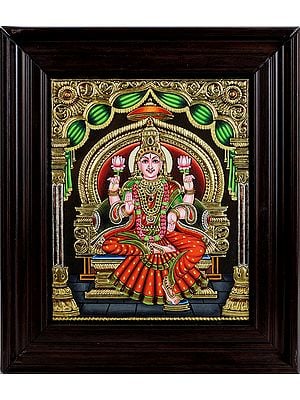
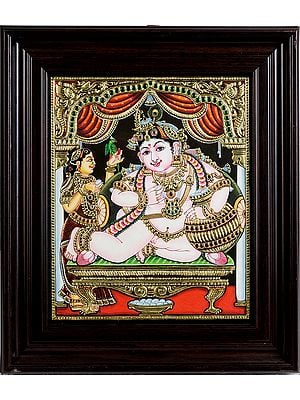
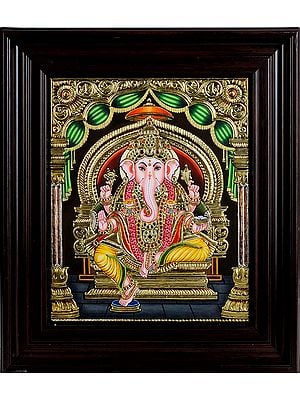
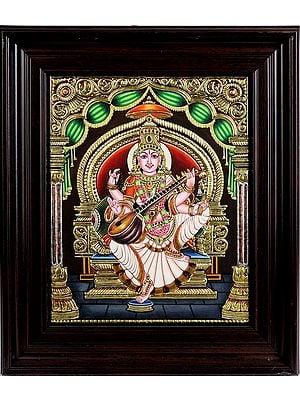
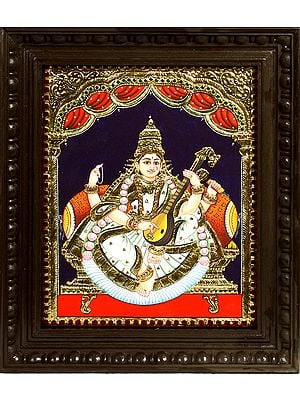
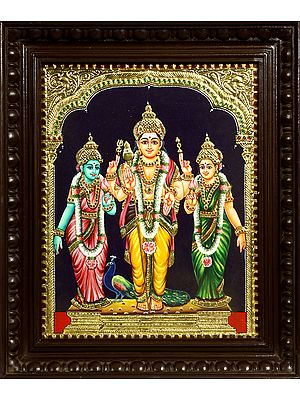
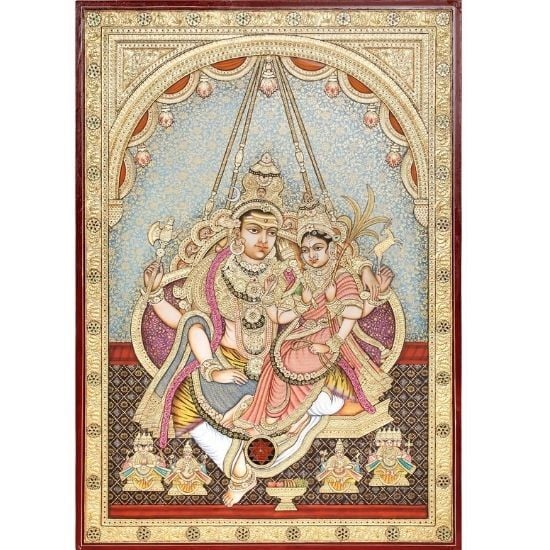
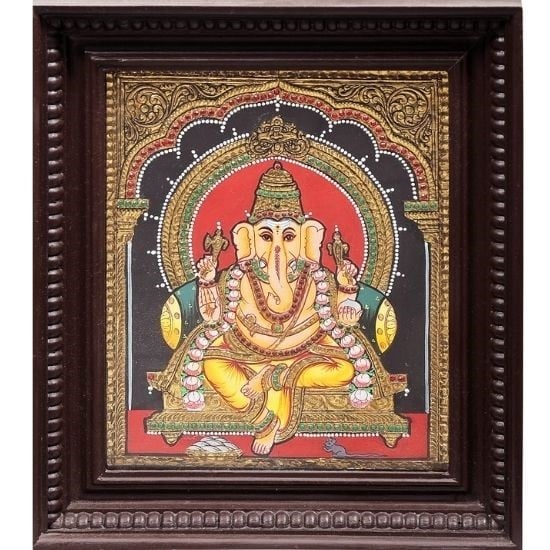
form of the world-famous Thanjavur or Tanjore paintings
patronized by the Nayakas of Tanjore and Vijayanagara, Mysore painting which
was supported by the Mysore kingdom and Kerala murals patronized during the
9th-12th century CE by the royals of Kerala.
All these South Indian paintings share a connection with the rich Hindu mythology and follow the rules of the ancient treatise on art and aesthetics to reproduce classical artworks.
Developing in and around
the South Indian state of Kerala, the art of Kerala murals dates back to the
9th- 12th century CE. The first evidence of this art form was discovered in the
Thirunandikkara cave complex in Tamil Nadu.
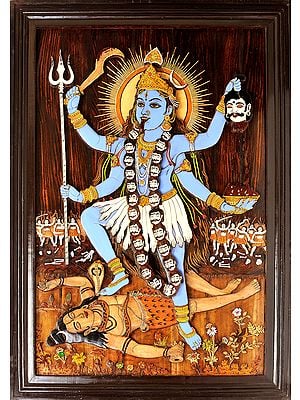
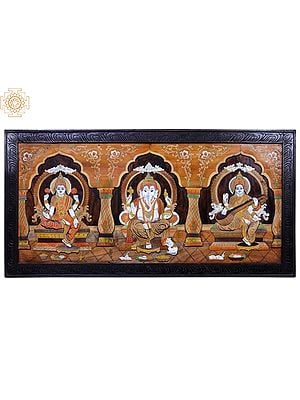
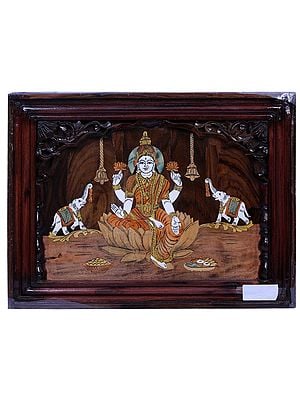
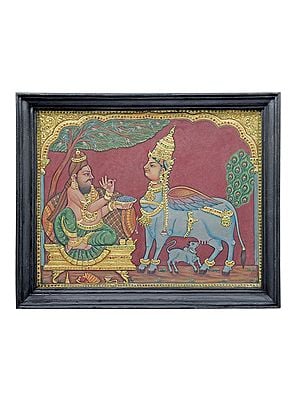
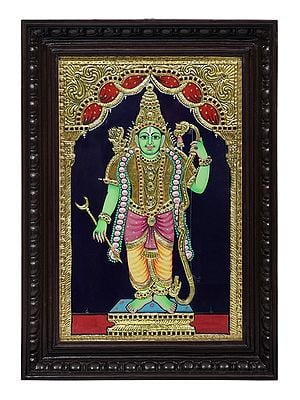
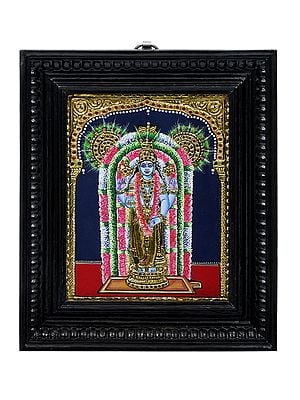
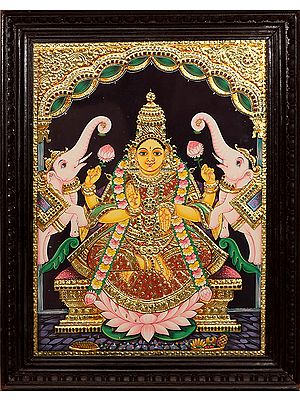
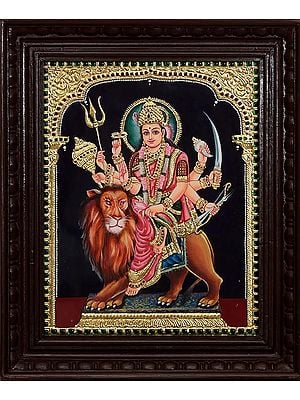
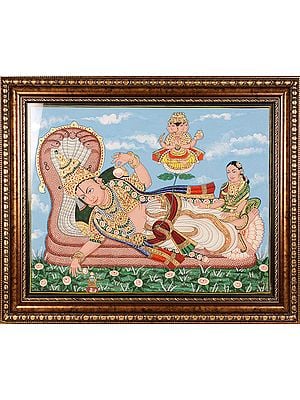
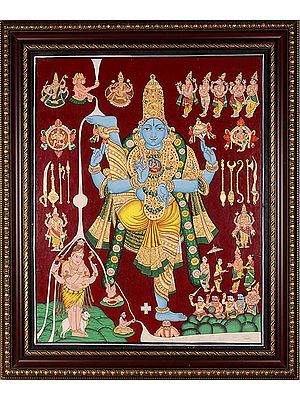
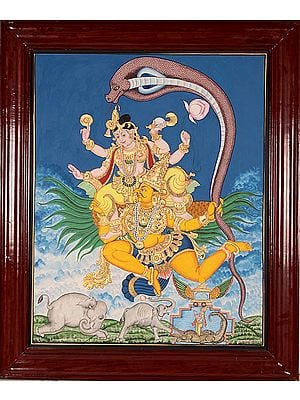
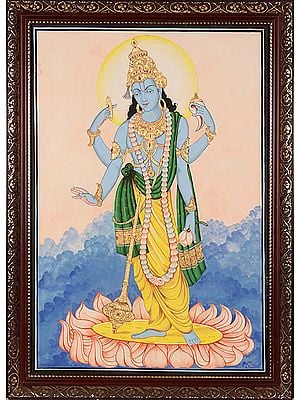
The vast group of paintings displayed on the walls of the monuments of Kerala receive their inspiration from the ancient Hindu texts- the Ramayana, Mahabharata, and Puranas, and adhere to the rules of established textual tradition to Indian art and aesthetics to bring the rich Hindu culture and its legends to life.
The Keralamural paintings can be identified as fresco, which are paintings done on
the wall after being plastered with limestone paste. A 16th-century CE text,
the Shilparatna, written by Srikumara describes the technique of the Kerala
mural in ample detail.
After the base for the painting has been prepared with limestone, the artist draws outlines using Shyama or black color, which are then filled with natural dyes prepared from different sources. The painted mural is finished with final ornamental elements.
Murals painted on the
walls of monuments and religious spaces with natural colors have a decent
lifespan of several decades, after which the deterioration of the base and the
fading away of colors leads to a discernible loss of aesthetic quality in mural
paintings. Contemporary paintings that follow the idiom of Kerala murals while
using modern colors have a much longer life.
The purpose of a mural
painting can be identified from the context in which it is located. On the
walls of a royal palace or another such establishment, the role of a mural
painting is purely aesthetic, and it is painted to enhance the artistic quality
of the architecture.
However, as is the case of Kerala murals which are found mostly in the context of religious spaces, the purpose becomes more defined- the paintings serve as an extension of the divine qualities of the Hindu gods and goddesses who reside in a temple and heighten the spiritual experience of Darshana (formal seeing) inside a shrine for a devotee.
The importance of mural
painting lies in the fact that it has been the preferred mode of visual
narration for societies and people since the beginning of human civilization.
Murals serve as a method of telling a story, which can be religious or ritual
or it can be related to the everyday life of people. Murals preserve the rich
cultural beliefs and artistic inspirations and techniques for the upcoming
generations, thus becoming invaluable repositories of culture and history.
The two broad types of
murals are based on the technique which is used in fabricating the plastered
base for the painting. The first, known as fresco buon, use wet plaster coating
on which colors of the figures are added. As the drying takes place, the
plaster makes the pigments adhere to the surface.
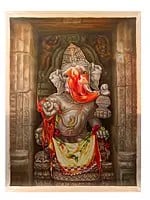
The second type which is called secco lets the limestone plaster dry before adding paint to the surface. The Kerala murals fall in the second category, which uses two layers- one coarse and the other smooth, of limestone plaster on which natural colors mixed with resin and limestone, are spread using brushes designed from twigs and the hair of animals.
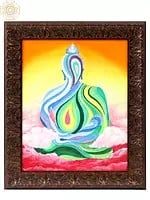
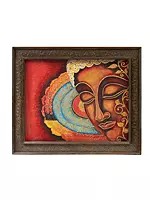
Traditional mural
paintings began their life from the walls of Hindu temple structures, but in
the modern world owing to a huge demand in the art market, a variety of other
surfaces have become the canvas for mural paintings. Canvases, illustration
boards, and other sturdy papers are used by contemporary mural artists to
recreate the charm of antique Indian murals.
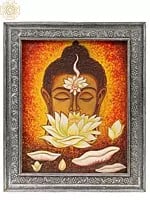
Mural paintings found on
the exterior parts of the walls of South Indian temples used natural colors which
were obtained by grounding stones of 5 different colors or “Panchavarna” and
mixing them with natural binding agents such as raisin to ensure the longevity
of the alluring art. In modern times, artists prefer using acrylic colors owing
to their vibrant and long-lasting shades that perfectly capture the essence of
traditional Kerala murals.
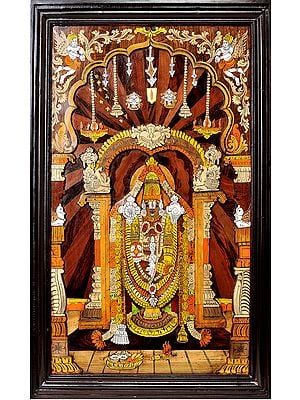
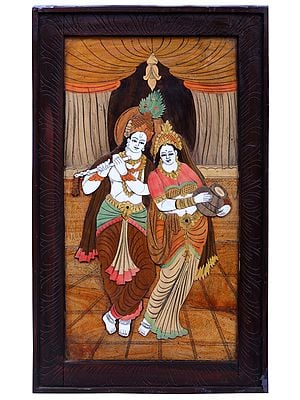
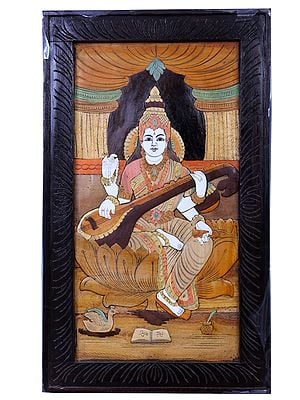
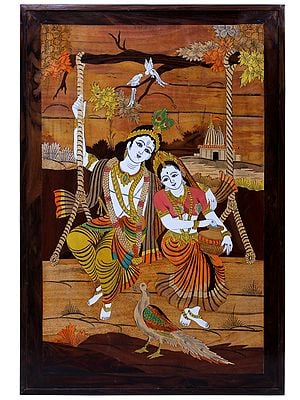
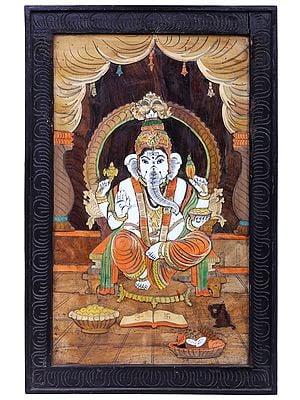
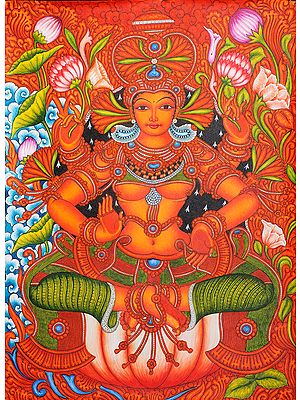
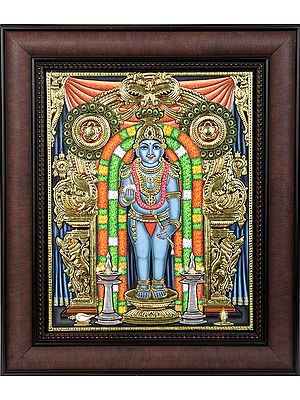
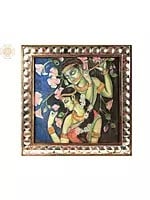
Kerala murals are highly
stylized and emotive paintings displaying the legends of Hindu religious texts,
in which the subjects recreate the dramatic facial expressions of South Indian
classical dancers- large, well-defined eyes, arched eyebrows, smiling
countenance, along with their elegant postures and are covered in vibrant
shades and decorative details. These unmatchable artworks carry an effect of
mesmerizing animation and spectacle, a feature that is maintained by modern
artists who engage in the task of producing Kerala murals.






Visual Search
 Upload an Image