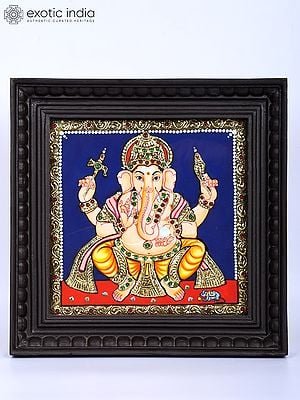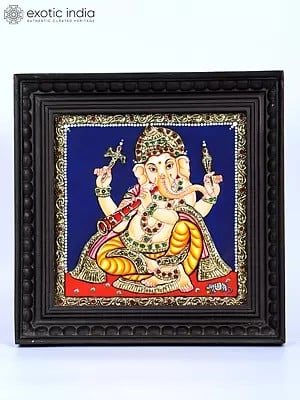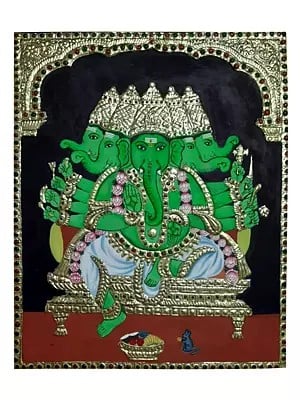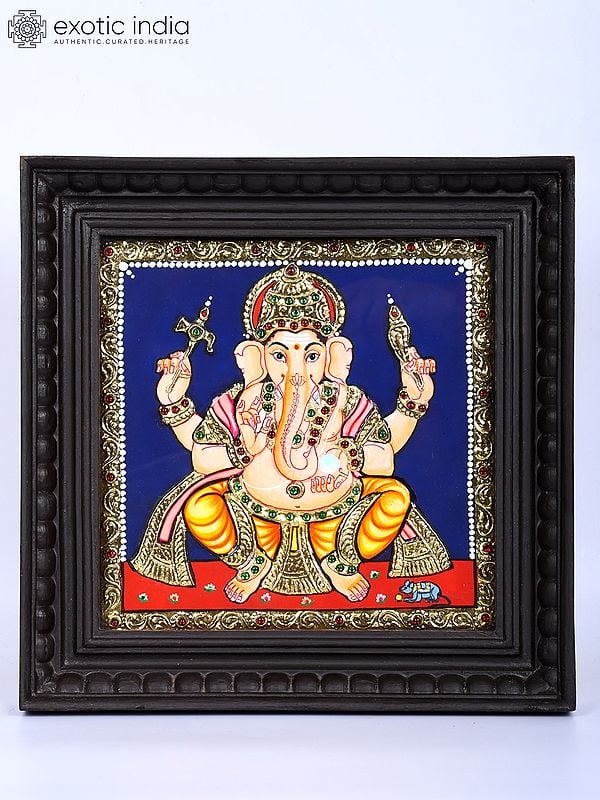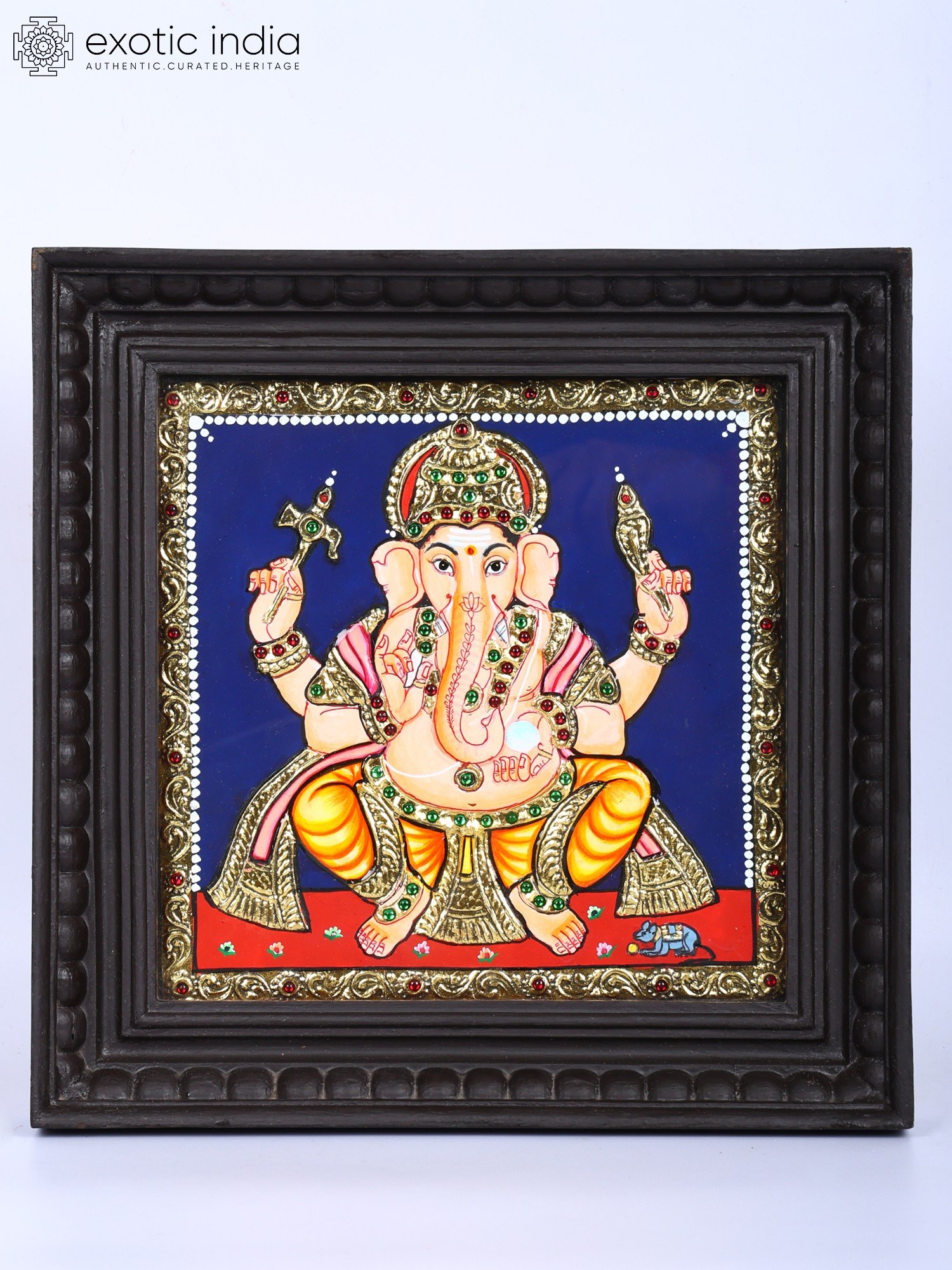
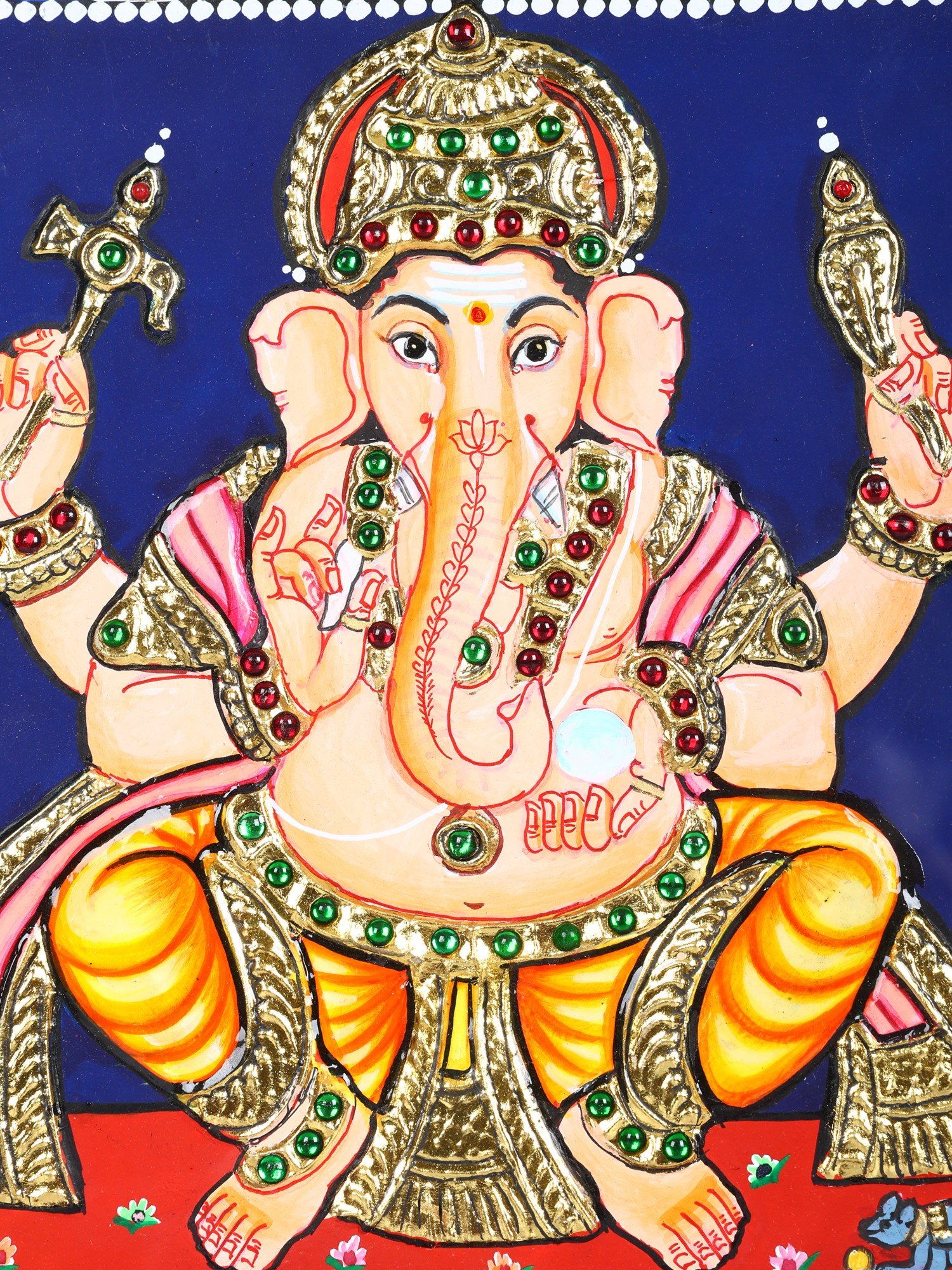
Chaturbhuja Lord Ganesha | 24 Karat Gold Work | Framed Tanjore Painting
$178
Includes any tariffs and taxes

Notify me when this item is available
| Specifications |
 |
DDN713 |
 |
Traditional Colors With Gold Work |
 |
11 inch Height X 11 inch Width X 2 inch Length |
 |
Weight 1.10 kg |
| Delivery and Return Policies |
 |
Usually ships in 20 days |
 |
Returns and Exchanges accepted within 7 days |
 |
Free Delivery |

Easy Returns

Fully Insured

100% Handmade
Celebrating Lord Ganesha: The Remover of Obstacles
This exquisite Chaturbhuja Lord Ganesha Tanjore painting is more than just a work of art; it's a window into India's rich cultural heritage and a vibrant expression of faith. Lord Ganesha, the elephant-headed god, is revered across India as the remover of obstacles, the god of beginnings, and the patron of wisdom and learning. Depicted here with four arms (Chaturbhuja), he embodies his multifaceted nature, each hand holding a symbolic object that speaks to his diverse powers and blessings. The intricate detailing, vibrant colors, and lavish use of 24-karat gold work reflect the devotion and skill of the artisans who created this masterpiece. The deep blue background subtly enhances the splendor of the deity, creating a painting of captivating beauty.The Art of Tanjore Painting: A Legacy of Splendor
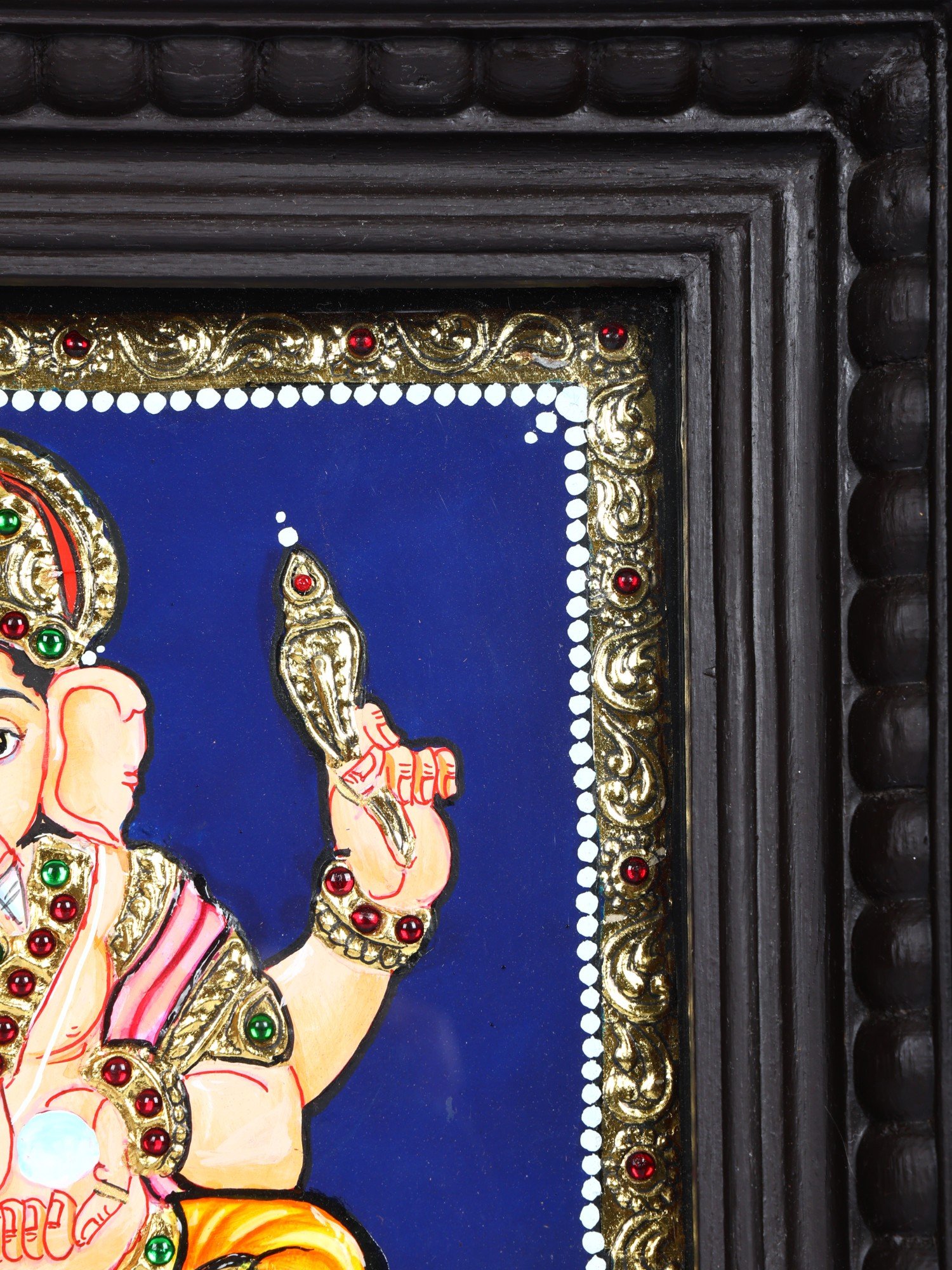
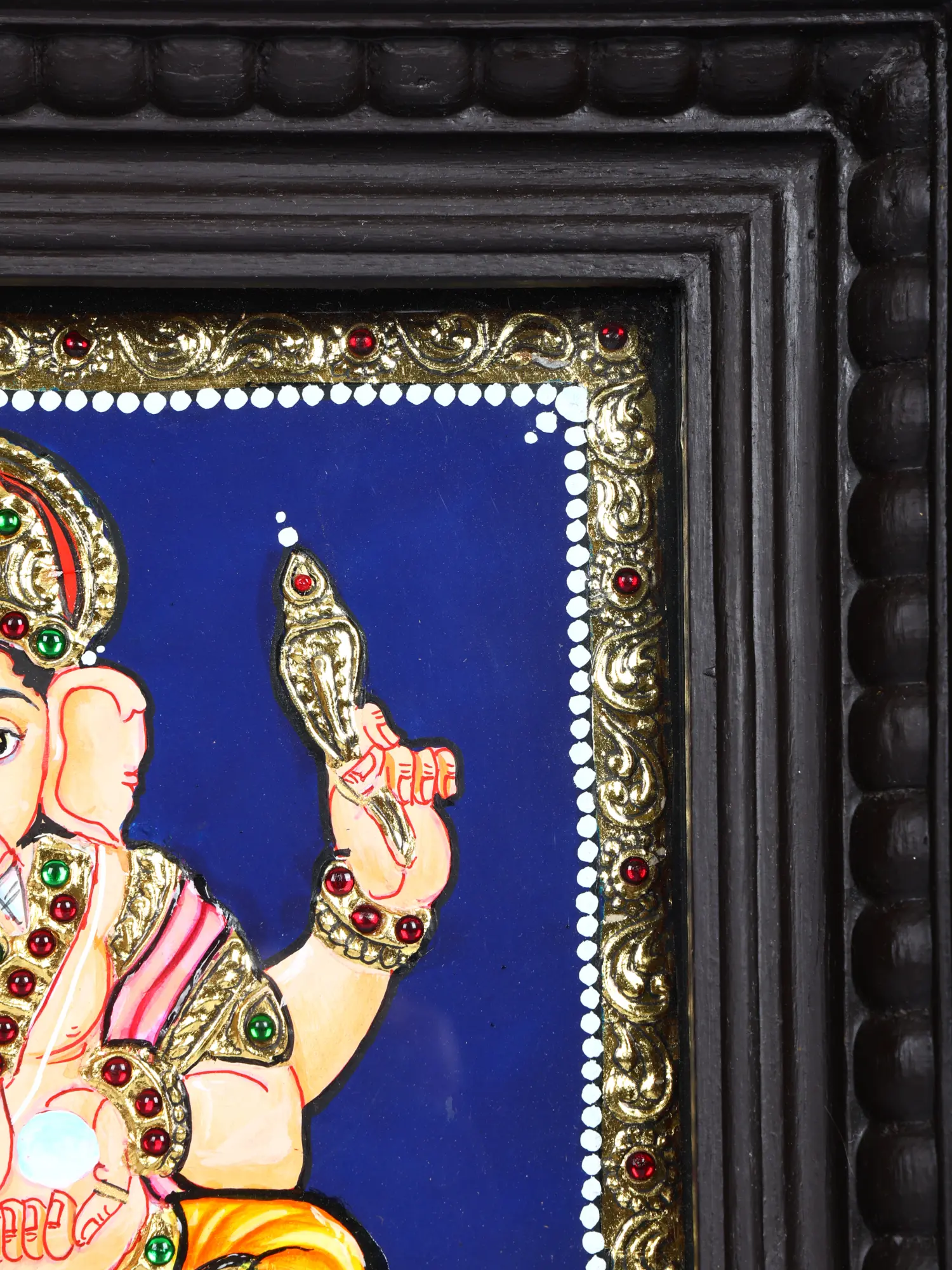
Originating in the Thanjavur (Tanjore) region of Tamil Nadu, Tanjore paintings are celebrated for their unique style and timeless appeal. These paintings are renowned for their use of 24-karat gold leaf, semi-precious stones, and vibrant traditional colors applied to a gesso base, creating a rich, textured surface that catches and reflects light beautifully. The painstaking process, handed down through generations of skilled artisans, makes each painting a unique and treasured possession. The intricate borders and rich embellishments are a hallmark of the style, ensuring that the work is as visually stunning as the deity depicted within. This particular piece, measuring 11 inches in height and width, with a depth of 2 inches, is the perfect size for display in your home, office, or sacred space.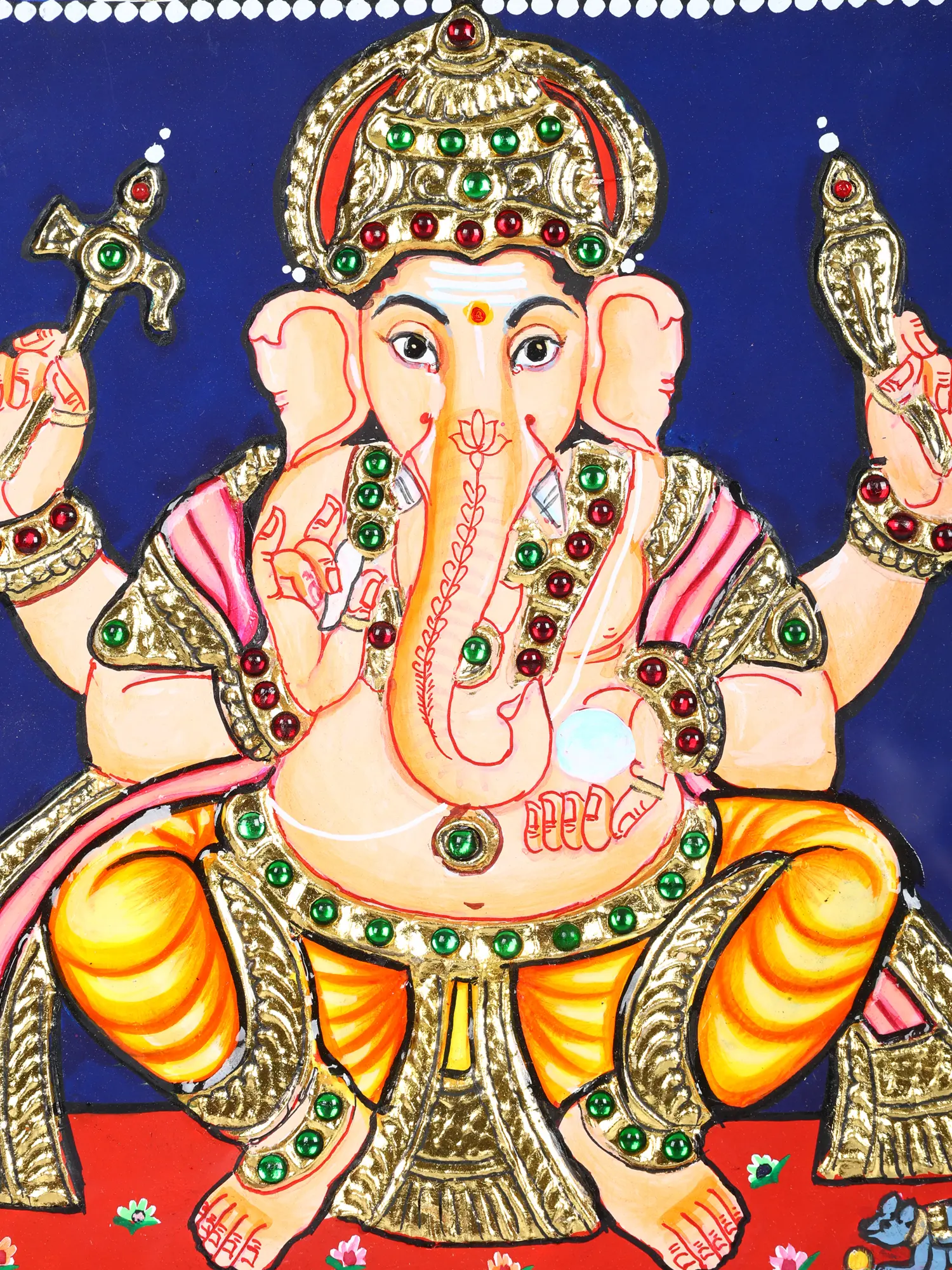
Mythological Significance of Chaturbhuja Ganesha
The four arms of Ganesha in this depiction hold powerful symbolic meaning. One hand often holds an axe (parasu), symbolizing his ability to destroy ignorance and obstacles. Another might hold a sweetmeat (modaka), representing the sweetness of life and the rewards of devotion. The third hand often carries a rope, signifying his ability to bind and control evil forces, and the fourth, often a lotus flower representing purity and enlightenment. While the exact symbolism might vary, the overall message is clear: Ganesha is the divine protector, guide, and benefactor, capable of overcoming all challenges and granting boons to his devotees. The presence of a mouse at the base of the painting, his vahana (vehicle), is also a significant aspect, adding another layer of meaning to the overall composition. The mouse symbolizes the conquering of the ego and the smallness of earthly concerns in the face of divine grace.A Piece of History for Your Home
This framed Tanjore painting is more than just a decorative item; it is a piece of living history, connecting you to the ancient traditions and artistry of India. By acquiring this artwork, you are not just owning a beautiful painting, you are also supporting the continuing legacy of Tanjore painting and preserving a vital part of India's artistic heritage. The meticulous craftsmanship, combined with the deep spiritual meaning, makes this a truly unique and valuable addition to any collection. Its vibrant colors and detailed gold work make this a statement piece that adds elegance and spiritual depth to any setting. Bring the blessings and artistry of Lord Ganesha into your home with this stunning Tanjore painting.Products related to this item
Backorder
28.00 inch Height X 40.00 inch Width X 1.00 inch Depth
$1949
Includes any tariffs and taxes
11 inch Height X 11 inch Width X 2 inch Length
$1144
Includes any tariffs and taxes
11 inch Height X 11 inch Width X 2 inch Length
$178
Includes any tariffs and taxes
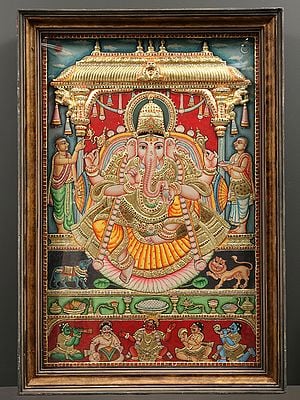
39.00 inch Height X 27.50 inch Width X 4.00 inch Depth
$1720.50
Express Shipping
$2294 25% off
Includes any tariffs and taxes
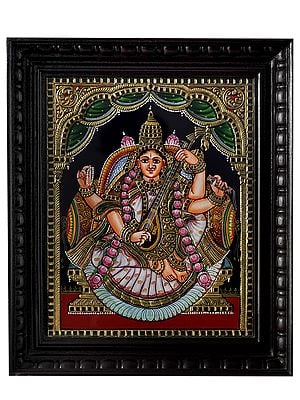
18.00 inch Height X 15.00 inch Width X 2.00 inch Depth
$403
Includes any tariffs and taxes
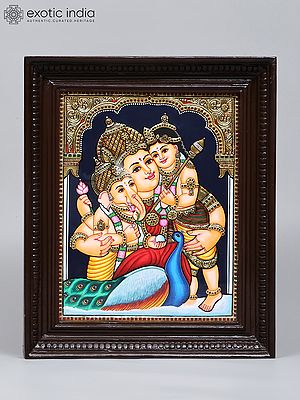
18 inch Height X 15 inch Width X 2 inch Length
$374
Express Shipping
Includes any tariffs and taxes

21.5 inch Height X 17 inch Width X 2 inch Length
$627
Express Shipping
Includes any tariffs and taxes
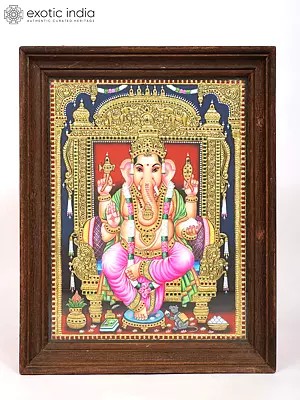
28 inch Height X 21.5 inch Width X 3.5 inch Length
$799
Includes any tariffs and taxes
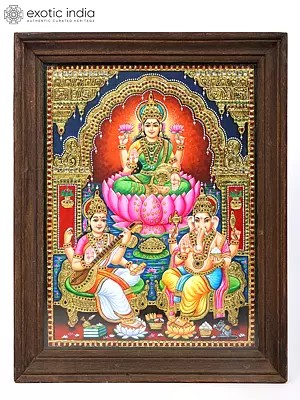
28 inch Height X 21.5 inch Width X 3 inch Length
$466
Express Shipping
Includes any tariffs and taxes
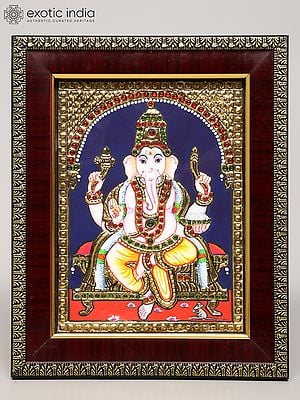
10 inch Height X 8 inch Width X 1 inch Length
$178
Includes any tariffs and taxes
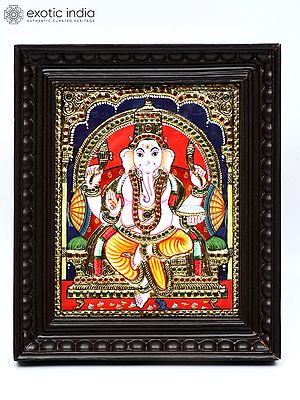
12.70 inch Height X 10.80 inch Width X 1.80 inch Depth
$259
Express Shipping
Includes any tariffs and taxes
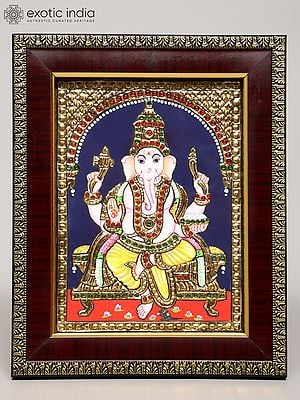
10 inch Height X 8 inch Width X 1 inch Length
$178
Includes any tariffs and taxes