Unveiling the Divine: Exploring the Symbolism and Significance
of Lakshmi
Lakshmi Devi is one of the principal Goddesses in Hinduism. In
the Vaishnava tradition, especially the Sri Vaishnava
Sampradaya, Vishnu and Lakshmi are considered the Supreme or
Absolute Truth. Mother Lakshmi is known as the Goddess of
fortune who blesses the living entities in the material world
with material wealth and prosperity. Our Vedic scriptures
mention that Lakshmi Ji is the eternal consort of Lord Vishnu
who is the Supreme Personality of Godhead. He maintains and
controls everything in the material and spiritual world. Goddess
Lakshmi is also His internal potency and is thus always engaged
in the loving devotional service of the Lord in His spiritual
abode Vaikuntha, a place where there is no misery.
The transcendental form of Mother Lakshmi is extremely
beautiful. She is the emblem of beauty and mercy. She sees every
individual soul as her own child and whoever approaches her with
faith and devotion, certainly gets the mercy of Lakshmi Devi.
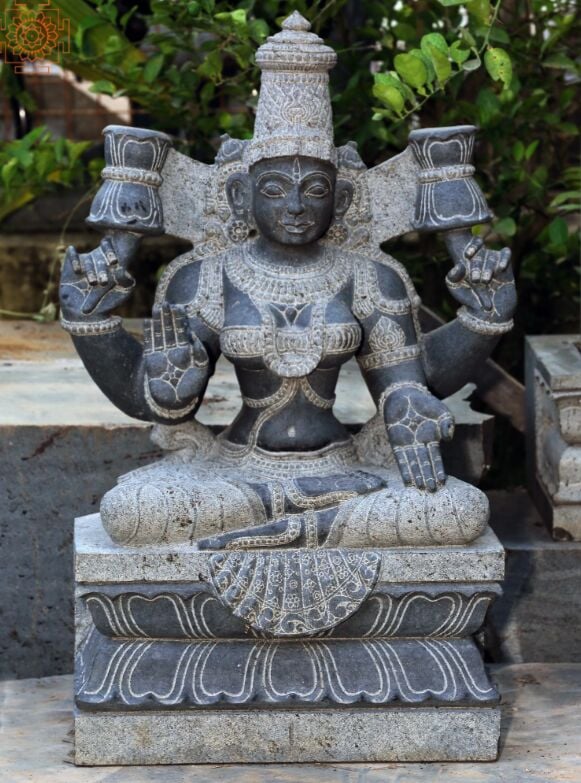
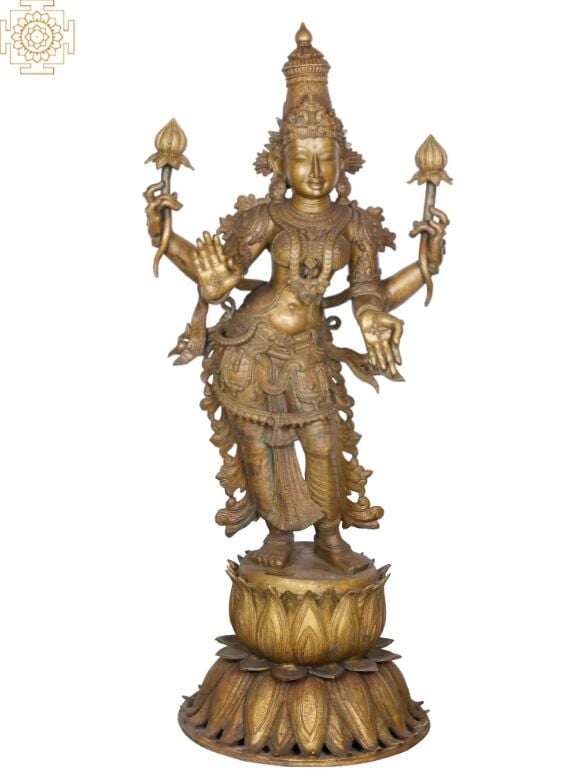
She is often depicted wearing a red saree and holding different
items in her four arms. She holds a lotus flower in each of her
two upper arms. With one of her lower hands, she holds a pot
full of gold coins (representing wealth) while the other hand
stays in a mudra that signifies charity.
Can we keep a Lakshmi statue at home?
As stated earlier, Lakshmi Ji bestows good fortune upon her
devotees and takes care of them. She is full of compassion and
therefore accepts anyone who comes to her even with ulterior
motives. However, she not only gives material wealth to her
devotees but those who approach her to know the real goal of
human life or to know about the Absolute Truth, she blesses them
with spiritual wealth (wisdom and mercy) by which they can come
to a higher platform and consciousness. Thus, it is only by the
mercy of Goddess Lakshmi that a living entity starts its
spiritual journey toward Lord Vishnu.
If you want to attract this special mercy, you can keep the
deity of Goddess Lakshmi at your home and worship her every day
with an attitude of surrender. By doing so, you will develop a
personal relationship with her and you will be able to
experience transcendental happiness.
Which Lakshmi idol is good for home?
Lakshmi Devi expands herself into eight major forms (Ashta
Lakshmi) that are Dhana Lakshmi, Dhanya Lakshmi, Gaja Lakshmi,
Sanatana Lakshmi, Dhairya Lakshmi, Vijaya Lakshmi, Vidya
Lakshmi, and Aishwarya Lakshmi. You can keep any of the forms of
Lakshmi in your home to bring material and spiritual
auspiciousness. However, if you want her ultimate mercy, you may
keep the deity of Goddess Lakshmi along with her master, Lord
Vishnu.
Which material is good for Lakshmi idol?
The idol or deity of Goddess Lakshmi comes in various materials
such as brass, wood, marble, copper, bronze, etc. If you are
planning to keep a deity of Lakshmi Devi at your home, the best
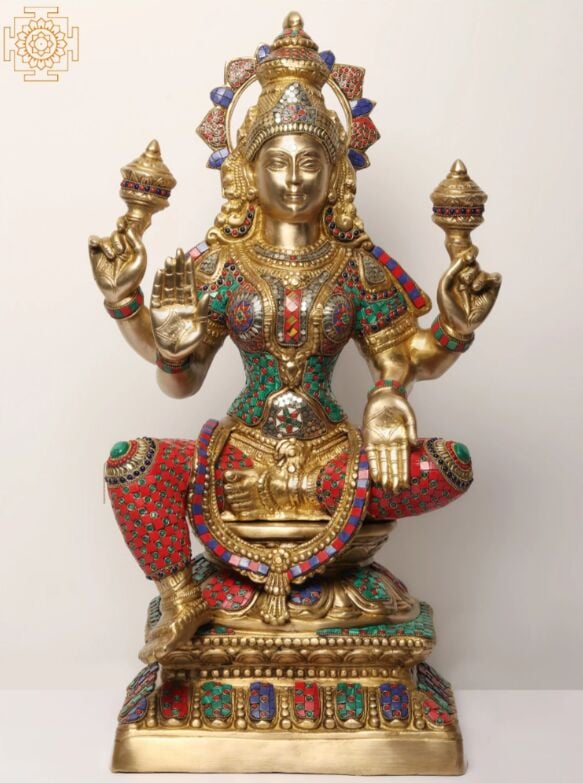
material would be either brass or marble. Brass is known for its
exquisite appearance resembling gold and is also a strong
material. Marble is preferred by most people because it lasts
longer than any other material.
How to keep a Brass statue well-maintained?
Brass statues are known and appreciated for their exquisite beauty and luster. The brilliant bright gold appearance of Brass makes it appropriate for casting aesthetic statues and sculptures. Brass is a metal alloy composed mainly of copper and zinc. This chemical composition makes brass a highly durable and corrosion-resistant material. Due to these properties, Brass statues and sculptures can be kept both indoors as well as outdoors. They also last for many decades without losing all their natural shine.
Brass statues can withstand even harsh weather conditions very well due to their corrosion-resistance properties. However, maintaining the luster and natural beauty of brass statues is essential if you want to prolong their life and appearance.
- The best and simplest way to maintain a brass statue is to clean it at least twice a week using a soft cloth or cotton rag. This will prevent dust from accumulating on the surface. Dusting is especially important for outdoor statues since it is prone to dust accumulation much more than indoors.
- To give a natural shine and luster to the statue, you may apply coconut or olive oil using cotton on every portion. You can use a toothbrush to get to the small crevices but do not be too harsh. This will make the brass statue appear fresh and new with a polished look.
In case you have a colored brass statue, you may apply mustard oil using a soft brush or clean cloth on the brass portion while for the colored portion of the statue, you may use coconut oil with a cotton cloth.
Brass idols of Hindu Gods and Goddesses are especially known for their intricate and detailed work of art. Nepalese sculptures are famous for small brass idols portraying Buddhist deities. These sculptures are beautified with gold gilding and inlay of precious or semi-precious stones. Religious brass statues can be kept at home altars. You can keep a decorative brass statue in your garden or roof to embellish the area and fill it with divinity.